Hi Loftus,
Thank you for your informal tests. I have also bought the 24-70mm. In anticipation of getting a D700 housing when Seacam finally makes one available. The lens embodies Nikon's latest-and-greatest technology - ED glass, AF-S focusing, Internal focus and Crystal Nano lens coating. The older (and much less expensive) 24-85mm zoom I've been using for the last half dozen years has only internal focus, but none of the other whistles and bells.
On land, the 24-70 looks very interesting, nice focal length range, fast aperture, etc. And physically because the lens is longest at 24mm, which means that you position your dome so that it doesn't vignette at 24mm, and as you zoom to the longer focal lengths, the lens pulls back into the port a bit providing better sun shading. My older 24-85 gets longer as you increase the focal length and so you have to be careful that you don't vignette at the wide end, and don't hit the inside of the dome at the long end of the zoom range. Behind my preferred dome, I can only zoom out to about 75mm. Also, the 24-85mm is really only usable underwater in its 35-85mm "macro" range. Unless you add a diopter which I don't do.
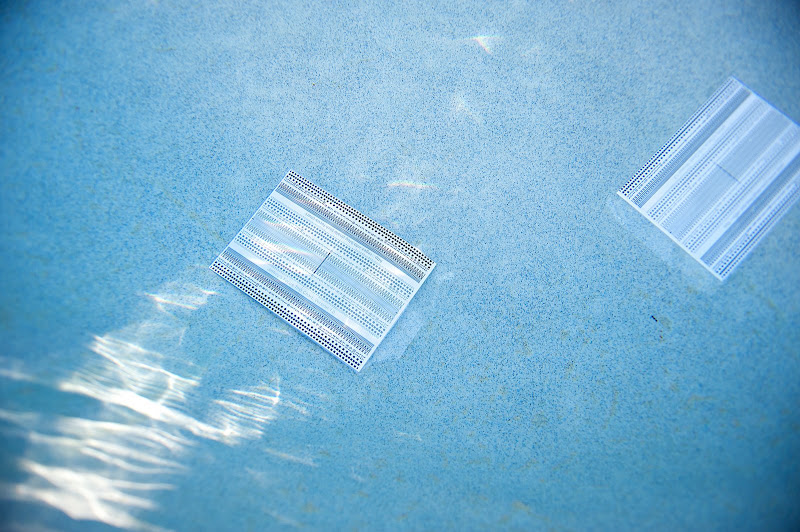
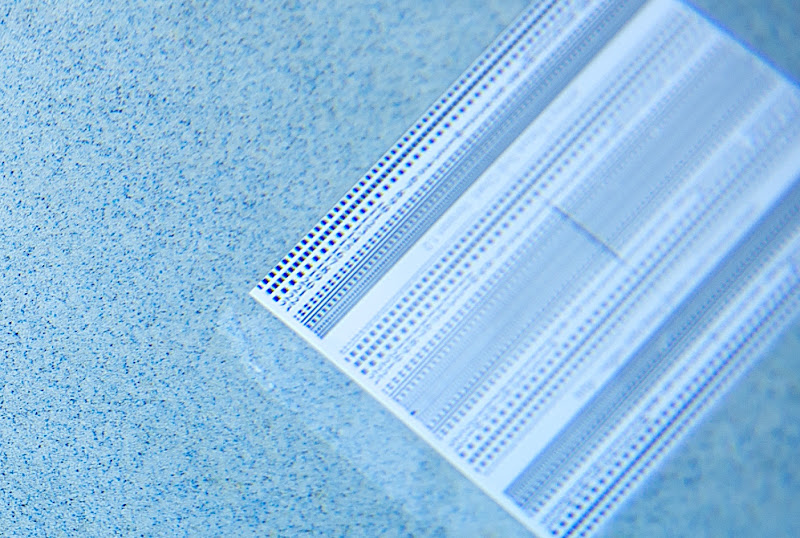
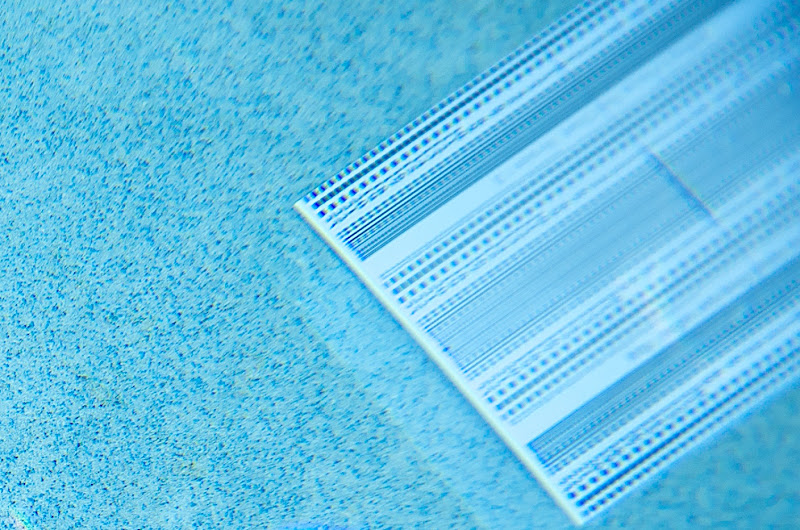
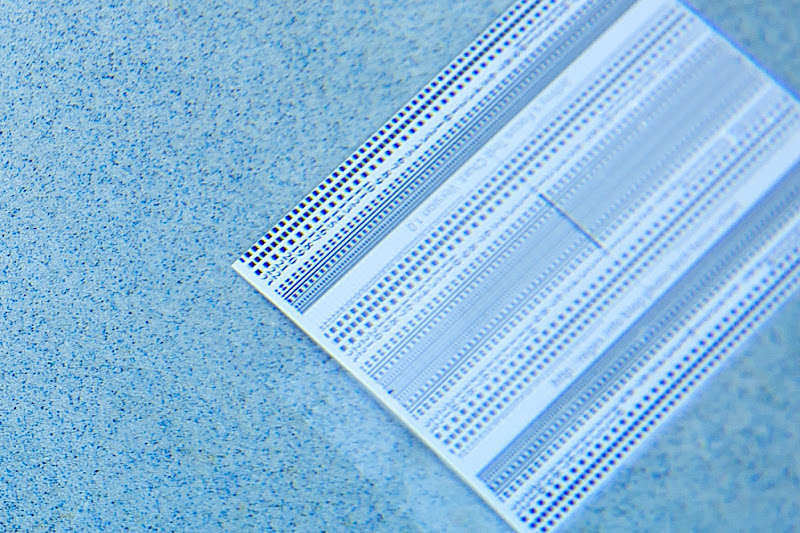
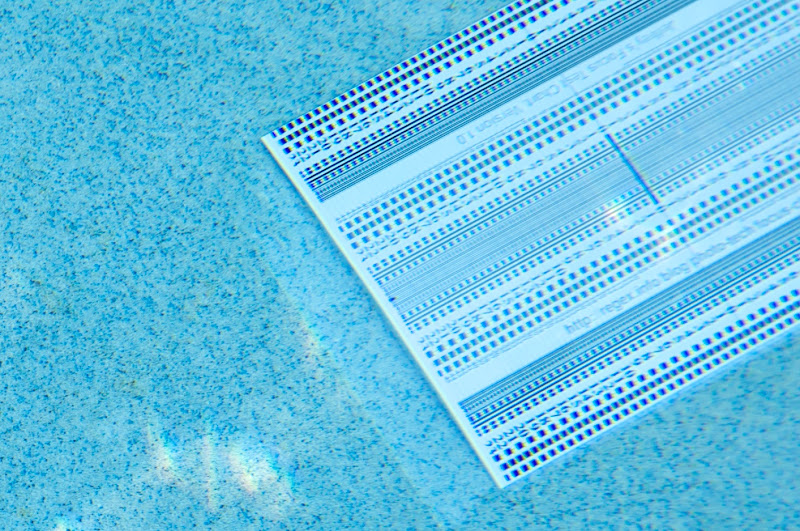
I played with the 24-70 in a swim pool almost 8 months ago after making gears for underwater use. Several things about the lens were apparent immediately in comparison to the 24-85mm. Using Seacam's wideport (approx 6" curvature) the 24-85mm lens focused MUCH closer than did the 24-70. The 24-85 also needed only a 55mm or 60mm extension tube between the housing body and the wideport dome. The 24-70 needed about 100mm or a bit more (memory problem on the exact amount). So the 24-70mm rig was considerably longer. But the field of view of the 24-70 was noticeably wider than that of the 24-85 because the macro focusing range of the 24-85 works only out to 35mm.
With Seacam's wideport, the 24-70 only focused on subjects about 18" or farther from the front of the dome. Not great. The 24-85 focuses to within about 2" of the dome - so close I cannot really light the subject with my strobes.
The 24-70mm is a constant f2.8 over its whole zoom range whereas the 24-85 is a variable f2.8~f4. So the 24-70 is brighter for viewing and theoretically provides more accurate auto-focus as the lens has less depth-of-field at f2.8 at its longer focal lengths vs the f4 of the 24-85.
When I put the 24-70 behind the Seacam Superdome (approx 9" curvature) it was able to focus considerably closer to the front of the dome than it had behind the wideport. The Superdome is a "longer" port, but I had shorten the extension tube length to make the total port length more even. This closer focusing capability, I believe, is because the virtual image formed by the larger dome is proportionately farther away from the larger dome and so the minimum focus distance of the 24-70, which is only about 14", now has more working distance between where the infinity virtual image is formed with the bigger dome that with the smaller dome.
A better solution would be to have a section of 8" or 9" curvature glass mounted in port physically smaller in diameter than the Superdome, such as the wideport mount. You don't need a really large (or wide) section of the larger diameter dome because the angle of coverage at 24mm isn't as wide as the lenses normally used behind a really big dome, such as 16mm or 17mm or fisheye's. In one of my "junk" boxes I've got an old acrylic dome port from Oceanic's Hydro-35 housing. The whole dome is slightly bigger than the Seacam wideport, but the dome is a section of 8" curvature. I'll get the dome adapted sometime in the near future to check it out.
Even behind a 6" dome which limits working distance to 18", the 24-70 may deliver better enough image quality to make it a really great big animal lens when a 17-35mm would be too wide too much of the time.
A great shark or manatee lens?
Fred