



You never see wide angle images taken at night. Has anyone mastered it, what are the tricks?
I'd love to see some examples.
Is anyone selling many night time images, of any kind?
Thanks
Mary
Shooting Technique, Workflow and Editing / Archived topic
Started by Mary Malloy ·
Read-only discussion
You never see wide angle images taken at night. Has anyone mastered it, what are the tricks?
I'd love to see some examples.
Is anyone selling many night time images, of any kind?
Thanks
Mary
My coral spawning ones always sell well. The wide angles do much better than the macros.
Also, on one of my photoworkshops last year a few shot high ISO, no flash, on one of the popular nightdive spots - just using other divers torches to illuminate the reef.
Alex
My coral spawning ones always sell well. The wide angles do much better than the macros.
Also, on one of my photoworkshops last year a few shot high ISO, no flash, on one of the popular nightdive spots - just using other divers torches to illuminate the reef.
Alex
How did that work for them? Which cameras have such good high iso ability?
Thanks
Mary
i used to shoot quite a lot of night photos with the Nik V and the 15mm. Can be very effective with the right subjects such as lionfish or octopus. Not sure if i have sold any though..
But then after being involved with so many night dives as a guide or boatman I stopped night diving and drink beer instead 
You never see wide angle images taken at night. Has anyone mastered it, what are the tricks?I'd love to see some examples.
Is anyone selling many night time images, of any kind?
Thanks
Mary
A few months ago someone on Wetpixel posted a beautiful photo taken at night with a wide angle. If I remember correctly, he anchored his camera to a fixed position and then illuminated a large area by swimming above it and 'painting' it with his dive light. Since he never stopped moving throughout the long exposure, he did not appear in the final photo. It was truly gorgeous and it made me wish I had more time to experiment this way, too. It took me forever to find it, but here is a link to his original post:
http://wetpixel.com/forums/index.php?showt...amp;hl=aquarium
Hi Mary,
Admittedly, I've only very limited experience (read: knowledge) with shooting anything other than macro at night, but on a trip to Bonaire in April I wanted to try to shoot the basket stars when they were open - which is unfortunately, only at night. During the day they look like fuzzy coconuts in the soft corals and gorgonians, but at night we were seeing them open - so on a few night dives I took my 28/1.8 rather than the 100/2.8 macro. Aside from their adverse reaction to the dive light, I did manage to get a few images before they closed up. I admit it is not very wide stuff here, but thought I'd pipe up anyway. Hope it is useful on some level.
Lee
The info for both images: ISO 100, f10 @ 1/80th, DS-160 on TTL.


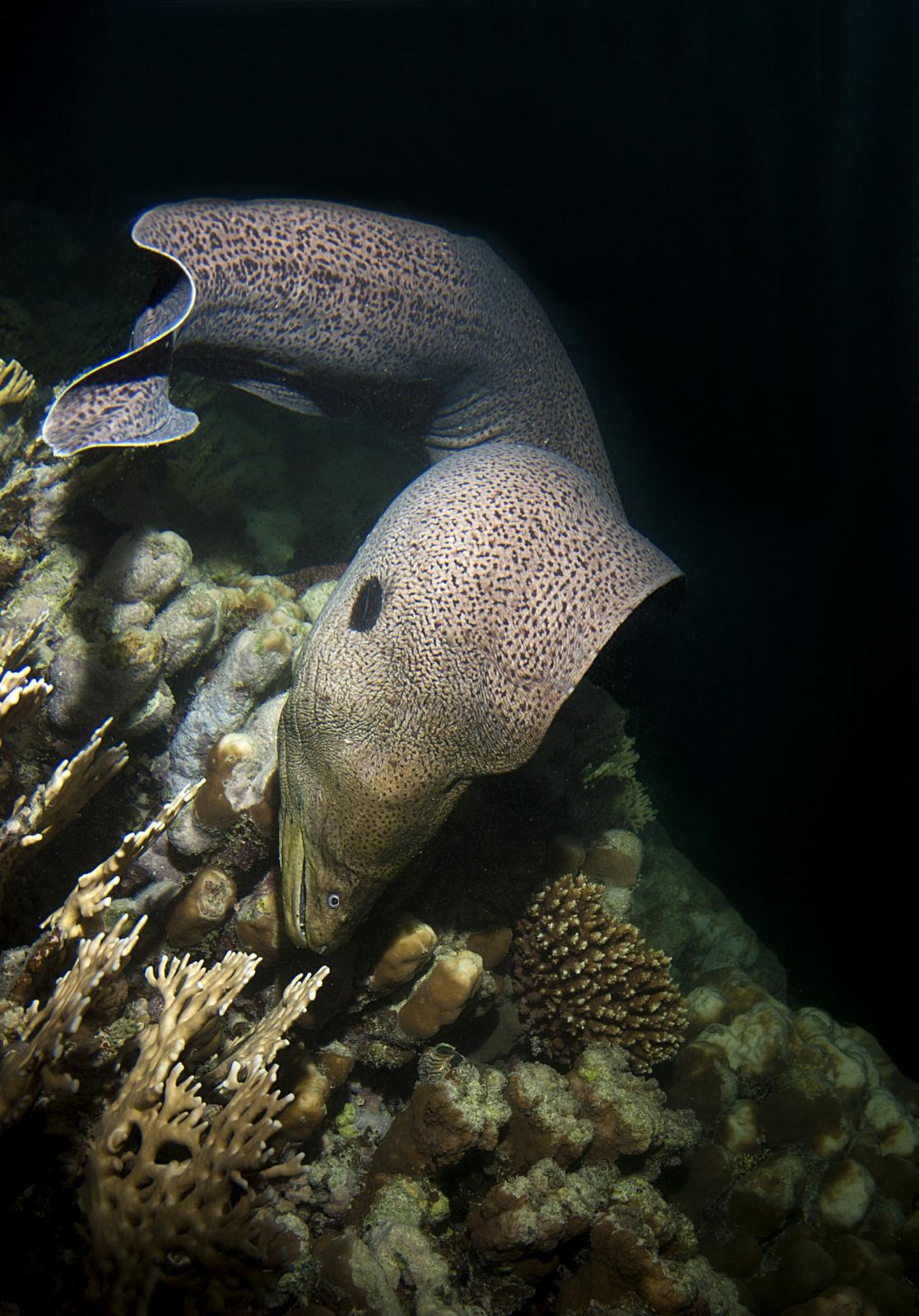
i tried it several times for fun, what do you think, can this one "pass"? taken with tokina 10-17 and both strobes on full if i remember corectly
There was a POTW winner 279 Kona Mantas, that seemed to have it preetty good.
Tim Digger
i tried it several times for fun, what do you think, can this one "pass"? taken with tokina 10-17 and both strobes on full if i remember corectly
Nice. I must do more night dives
Mary
Thanks for raising an interesting idea M. I'll give it a try one of these nights. It should be fun.
Izzy
Diving at night gives you the possibility to watch things you can't see during day like night active marine life, especially anemones, corals and similar or phosphorescent plankton for example.
Due that you focus on a very small point where your dive light is illuminating, you get some kind of tunnel view giving you a macro experience.
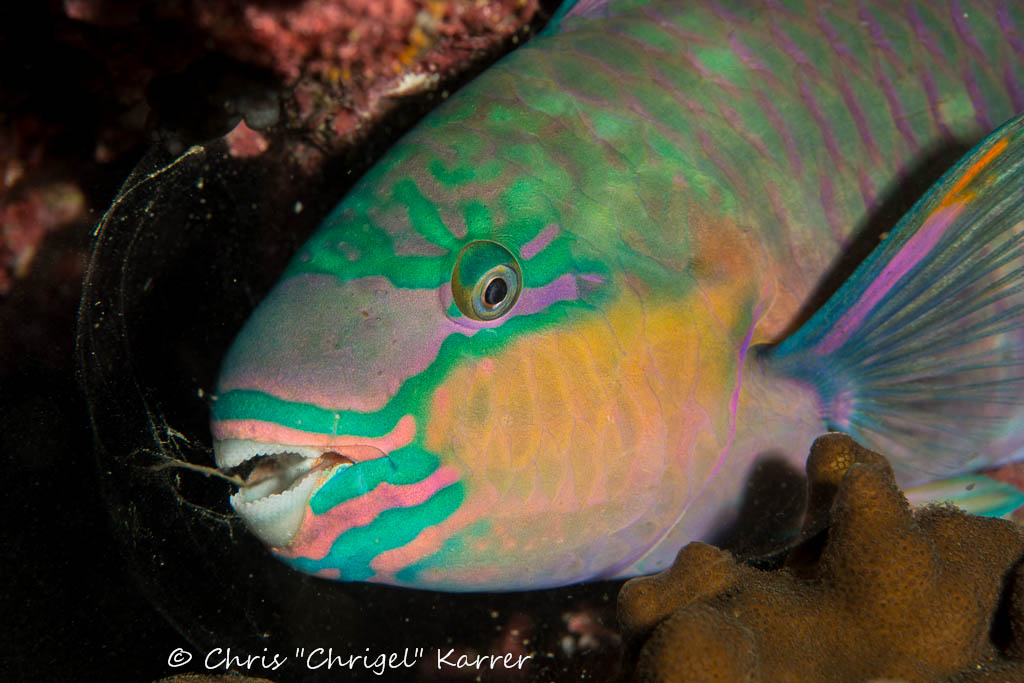
Most of the fishes sleep during night and are more easy to take pictures of them, but i recommend discretion as they sleep with open eyes and most likely don't really like to get hit by 2 powerful strobes!
This picture shows the mucous bladder parrot fishes creating around their head while they sleep.
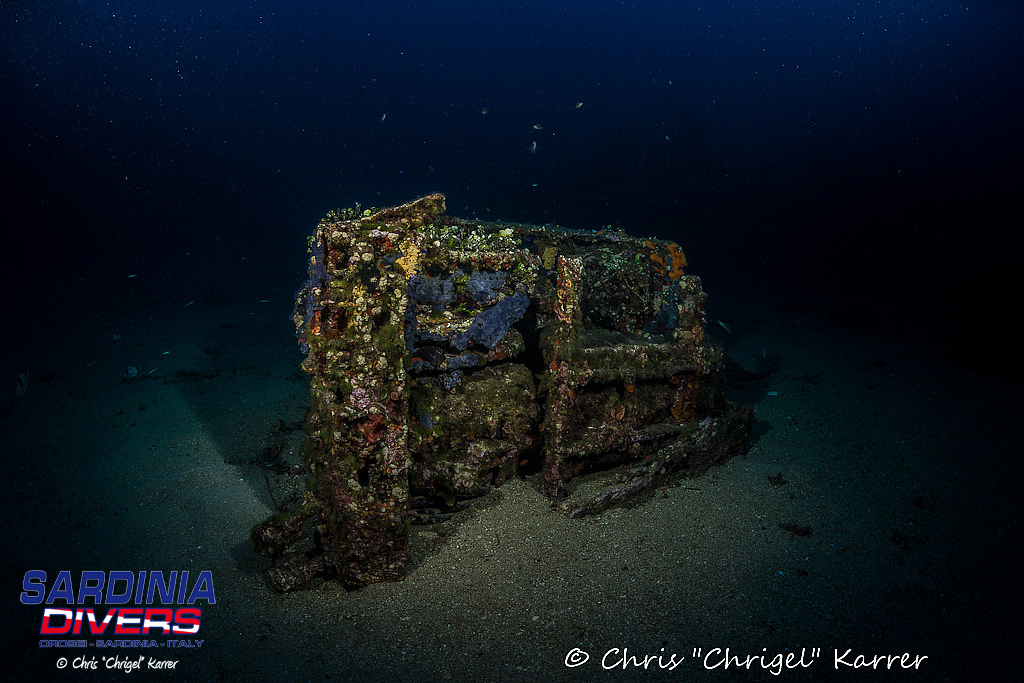
Wide angle at night need broad and strong strobes, a third one in the center will help to illuminate a broad scenery,
using only two can lead in some kind of WA Snoot effects like below.
If you are not a experienced night diver you may should start to do some dives without the camera (yes i know that is very hard for us) to get comfortable with this new ambient.
This will protect the marine environment from us as in the dark it is rather easy to loose buoyancy or misinterpret distances.
Prepare your self for night diving, a back-up torch and a big chemical light stick as back-up solution are a must while night diving and for deep dives at night i recommend to do some worst case scenarios with your buddy, ascending 100 ft. in the dark in a emergency situation is much more difficult to tackle than at night.
Chris

Terms of Use Privacy Policy Guidelines We have placed cookies on your device to help make this website better. You can adjust your cookie settings, otherwise we'll assume you're okay to continue.

A worldwide community for underwater imaging.
