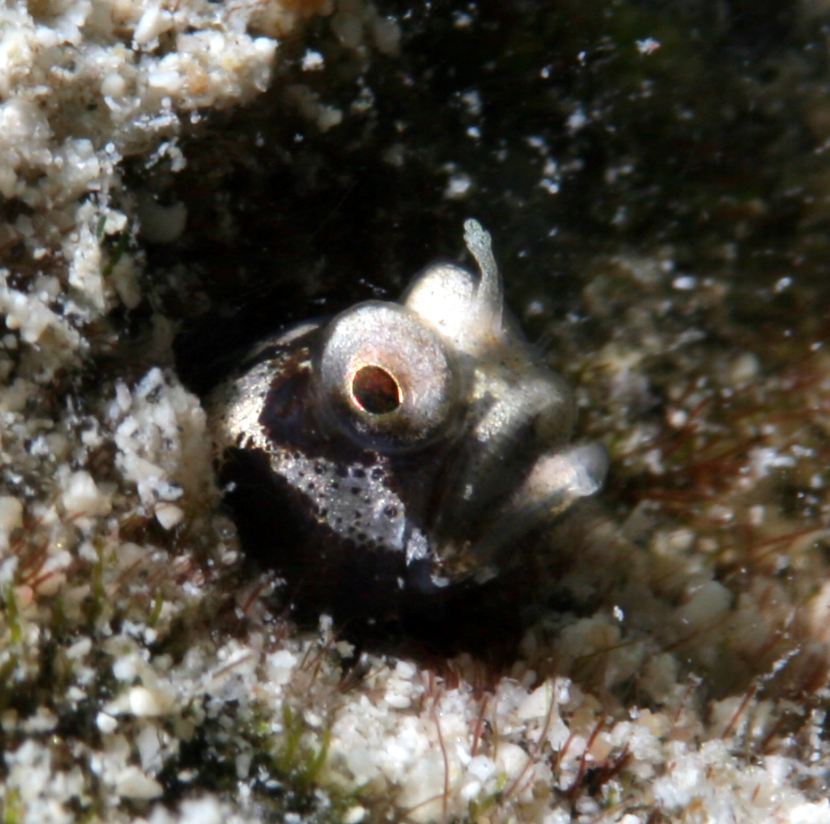
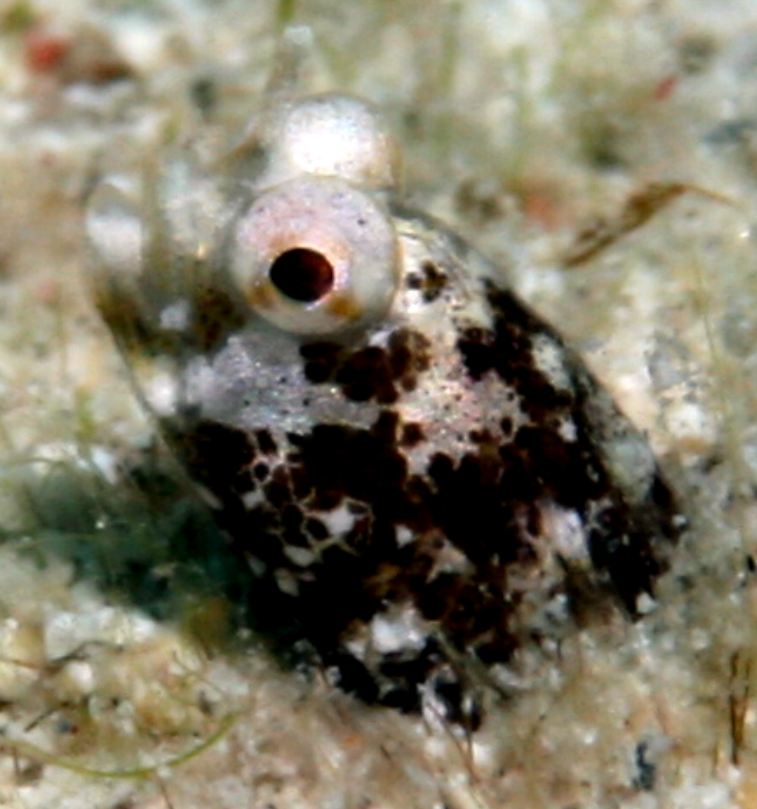
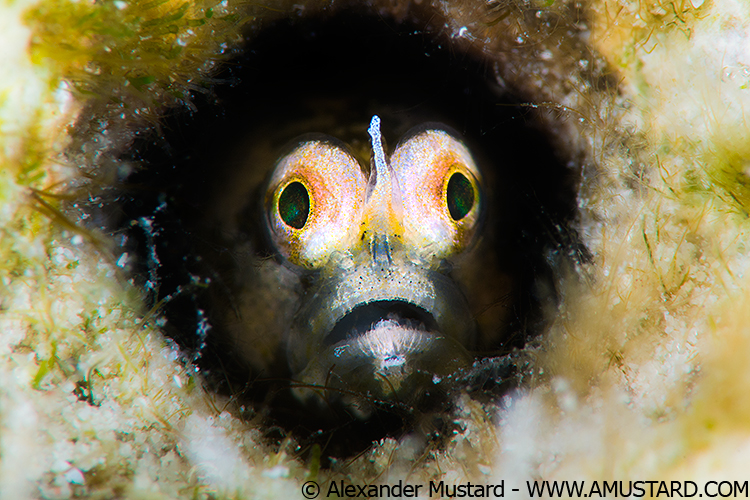
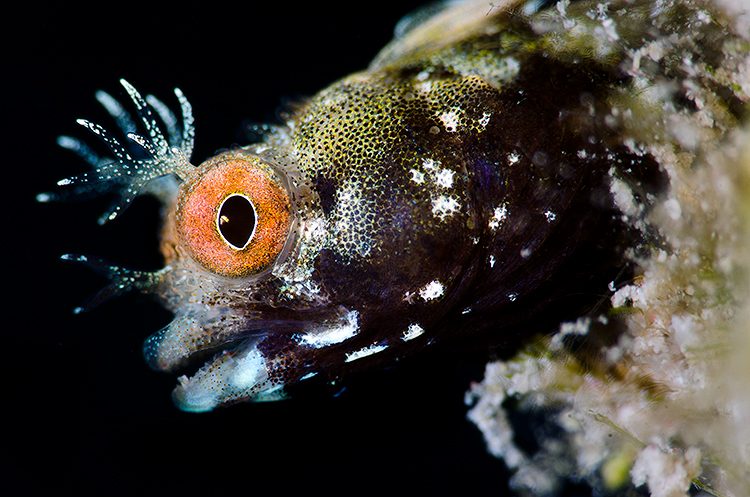
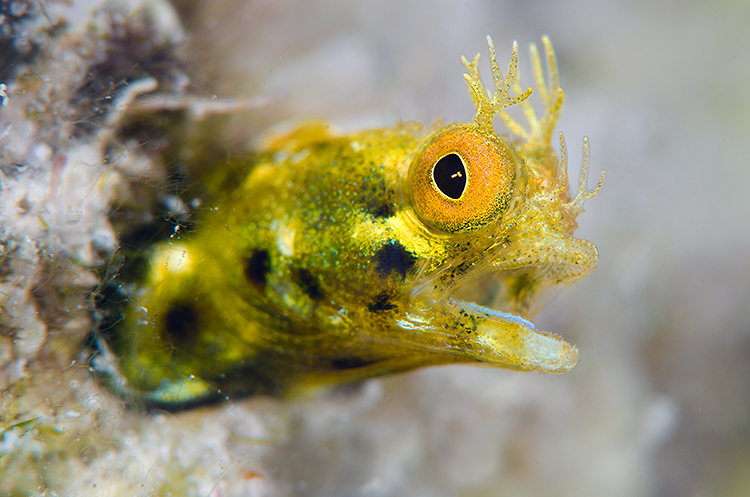
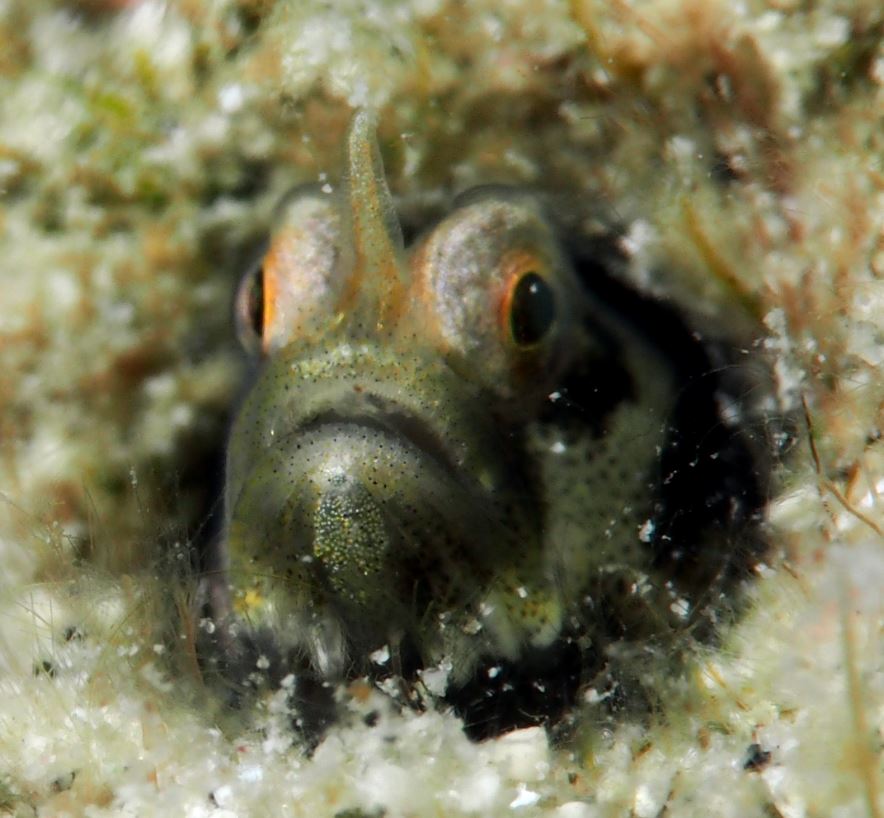
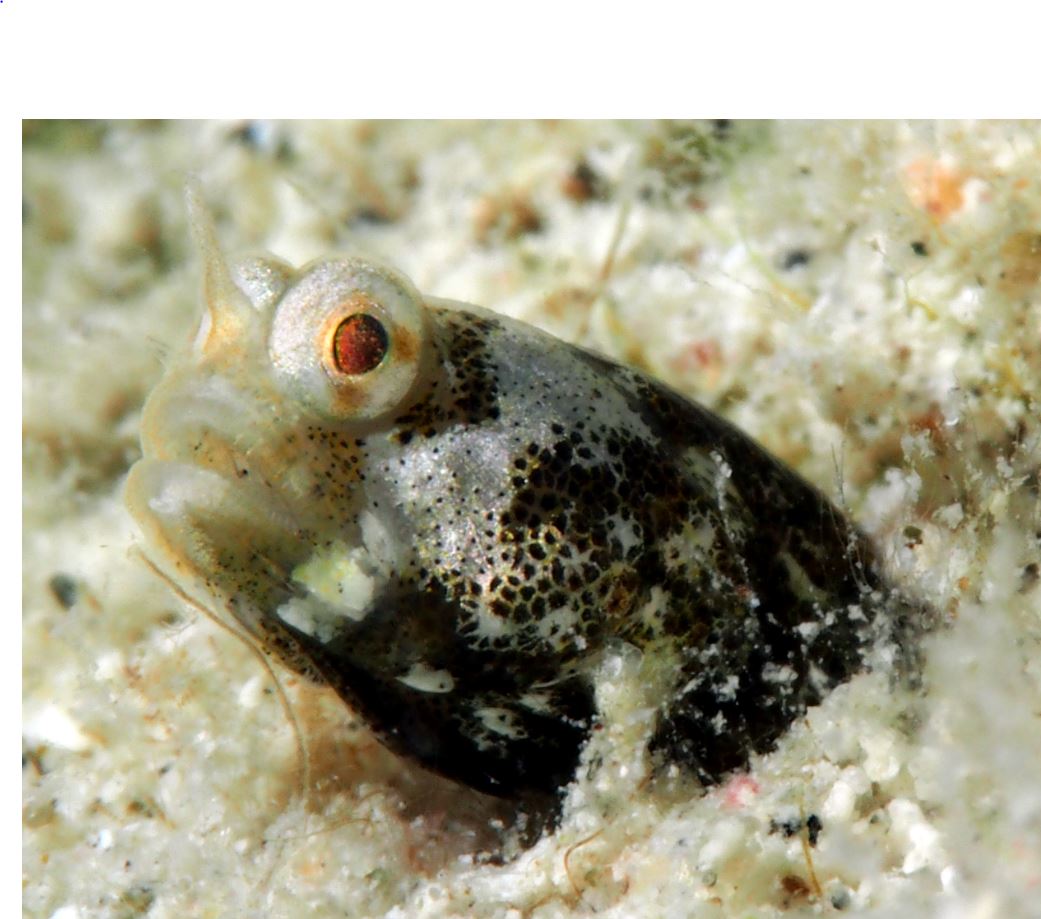
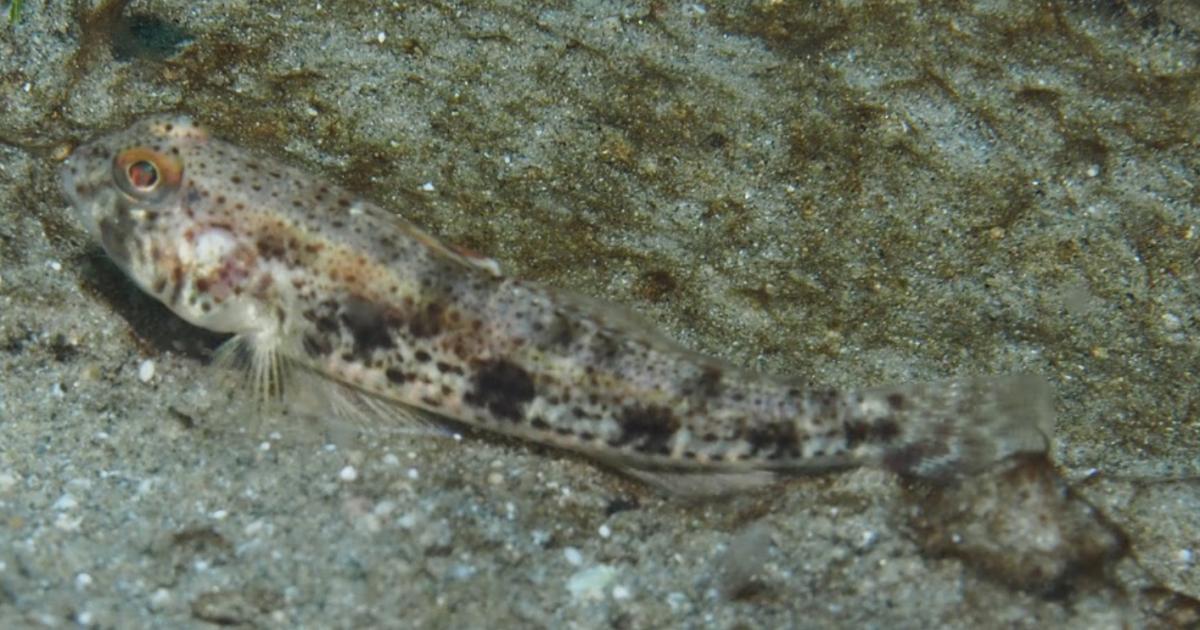
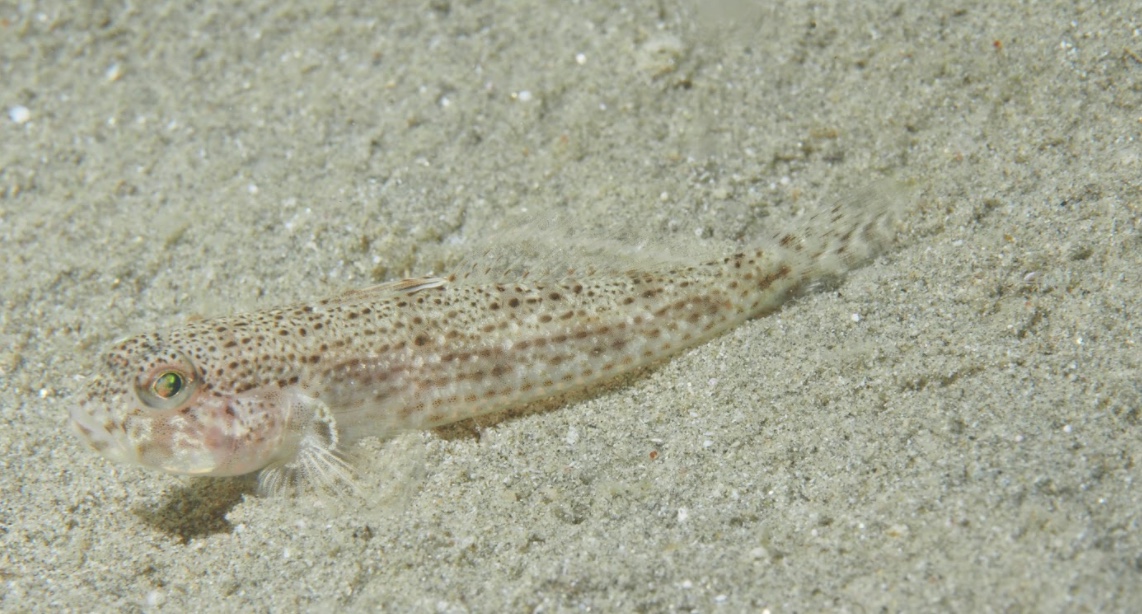
This is almost certainly a new species and my gut feeling was also that it is a blenny rather than a goby. But the single horn/cirrus is very unusual for either family. To me, and also Chris, it in particular resembles Caribbean tube blennies. But according to fish base and the experts not a single member of the tube-blennies (Chaenopsidae family) is known from the Pacific. So if this ends up being such a blenny it will be a big surprise. I expect to be in either Safaga or Marsa Shagra in May and now have a good idea in what types of habitat to look for them.
Cheers, Bart
I agree that it looks very like a Chaenopsid tube blenny, but I can’t believe it is one, either. More likely a case of convergent evolution - if you are a blenny and you decide to live in a tube, you are going to end up looking a certain way! The mouth, in particular is very like a tube blenny, and not really like any Red Sea blennies I know.
I can’t see any way that a true Chaenopsid could be in the Red Sea.
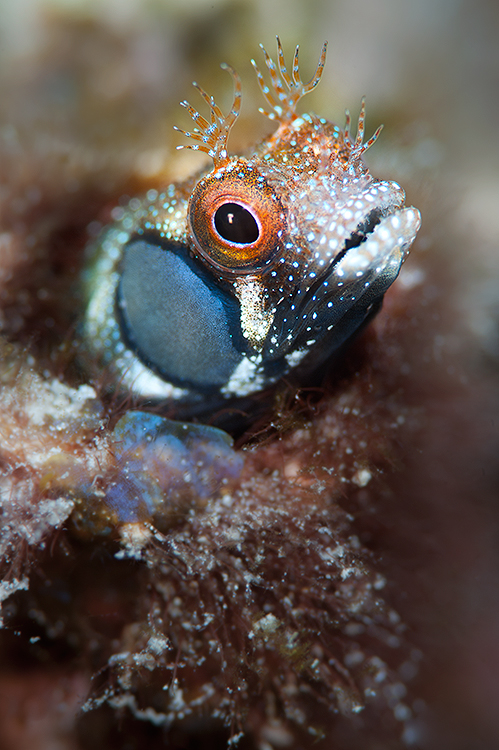
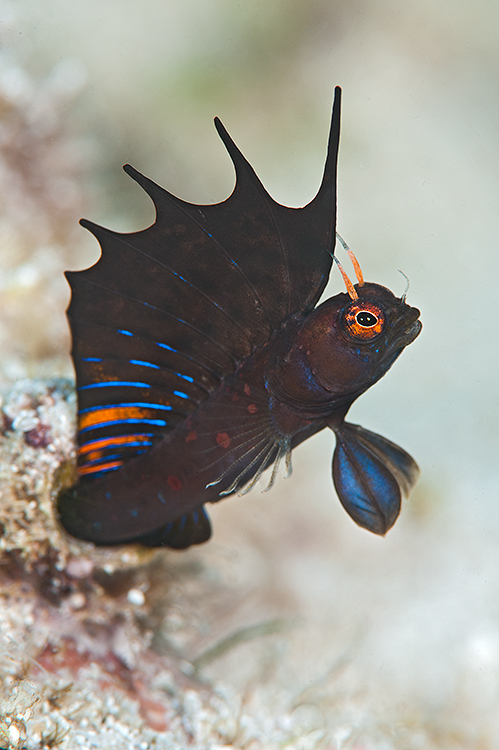
Tube blennies (Chaenopsidae) are a New World species (found in Tropical Atlantic, Caribbean and warmer areas of the East Pacific). Here are a few for comparison. There is no doubt that there is plenty of resemblance in size and shape. Although all these have paired cirri between the eyes (and more over the rest of their heads). In fact I have never used the word cirrus before, because I have never seen an unpaired cirri!
Caribbean rough head tube blenny - which looks most similar

Caribbean rough head tube blenny (golden type)
East Pacific brown cheek blenny:
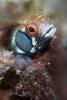
East Pacific signal blenny:
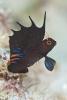
I agree this is most likely new species and it has gone undetected because of its unusual habitat preference. I showed my photo in a talk last week to 250 keen divers, most of whom dive in the Red Sea regularly, and nobody came up saying that they had seen it before.
My only other theory is that this is a juvenile of a larger blenny, but that does not account for the mouth looking so like a tube blenny.
I also don’t believe it can be an invasive species (there is a lot of shipping in the Red Sea) - because it does not look like anything else known from elsewhere.
So for a name Mimoblennius unicirrus! 
Alex