Skip to content

Photography Gear and Technique / Archived topic

Pool test D800 and 17-35 with Seacam superdome

Started by StephenFrink ·

  • 18Posts
  • 18Replies

Read-only discussion

Pool test D800 and 17-35 with Seacam superdome

18 posts
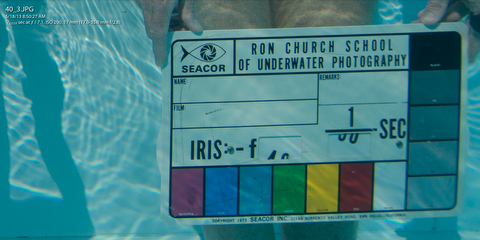
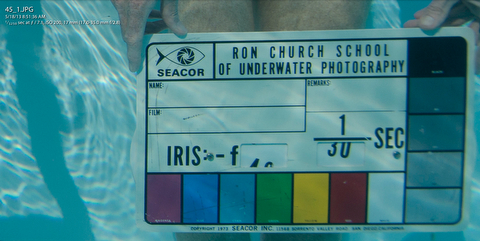
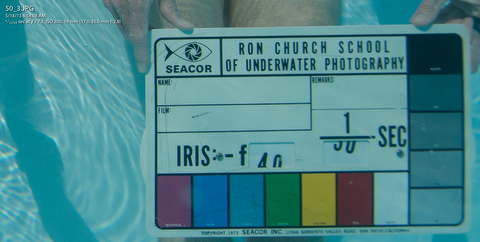
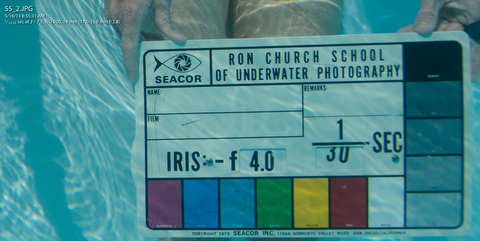
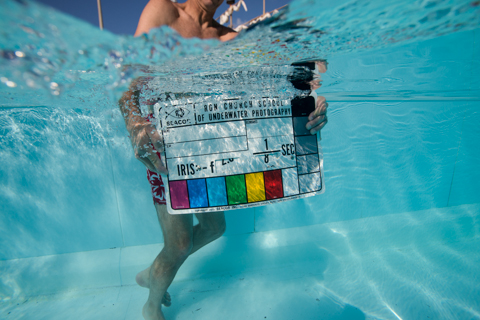
  1. Two of my friends were complaining about inability to get sharp focus on the same 17-35mm Nikkor zoom, and wondering if it was faulty glass. As we dug through variables we discovered the issue was more about being set to continuous AF when they should have been on single servo, and the fact that the camera acquired focus more quickly than they were used to and was often catching detritus in the water rather than the intended subject. But, while we were at it, we did some pool tests to determine which port extension was best with Seacam supedome, test PVL (port extension, in mm) 20, 25, 30, 35, 40, 45, 50, 55, and 60. We also tested for sideways motion and forward motion, and how efficiently it acquired focus in single servo.


    Both motion tests looked great, as they dealt only with performance in the center of the frame.


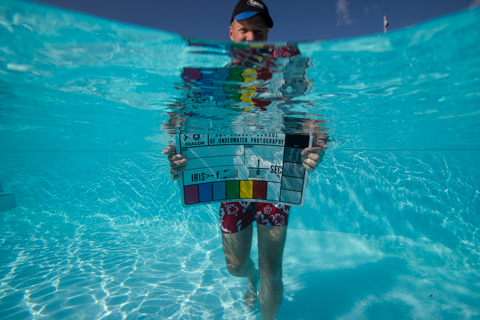
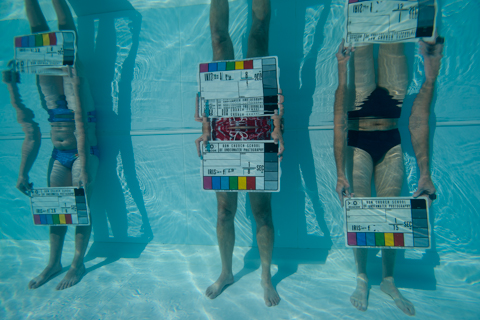
    Scenarios looked like this:
     

    post-630-0-08299900-1368993840_thumb.jpg


    post-630-0-30908400-1368993859_thumb.jpg


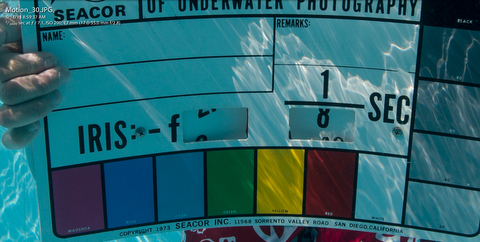
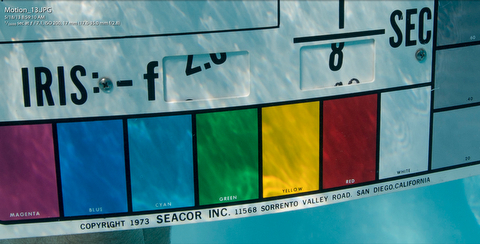
    100% views:


    post-630-0-26381800-1368993895_thumb.jpg

    Motion forward


    post-630-0-04352300-1368993926_thumb.jpg

    Motion sideways

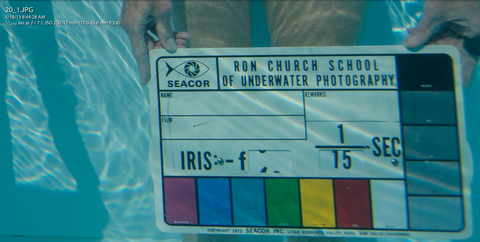
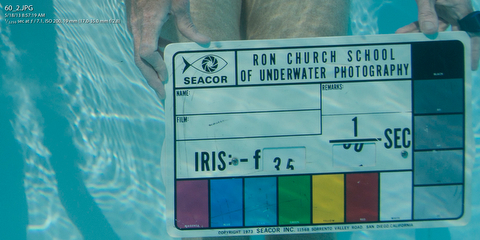
  2. Then we set about testing for edge performance in what should have been a fairly forgiving set-up, checking the type on the bottom of the slate on the right hand side of the frame, like this:


    post-630-0-57995200-1368994142_thumb.jpg


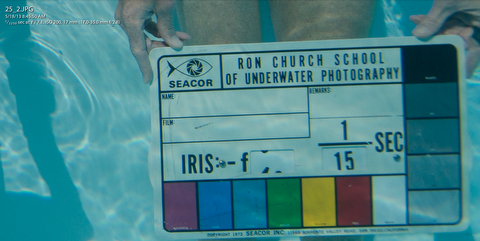
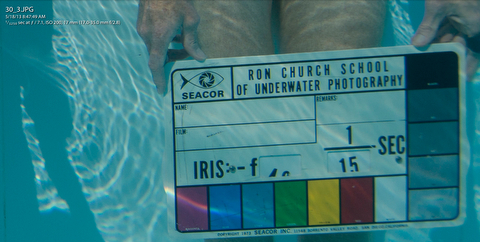
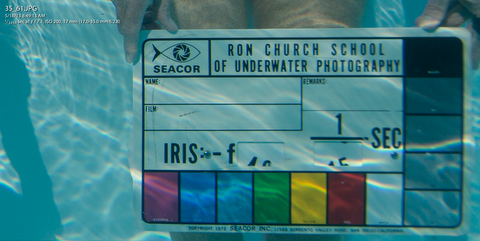
    I then took screen grabs at 100% from Lightroom at the various PVL extensions:


    post-630-0-72656300-1368994194_thumb.jpg

    20


    post-630-0-70277900-1368994232_thumb.jpg

    25


    post-630-0-00366800-1368994253_thumb.jpg

    30


    post-630-0-49682800-1368994275_thumb.jpg

    35


    So far, all pretty grim.


  3. Carrying on:


    post-630-0-53721400-1368994412_thumb.jpg

    40


    post-630-0-16762600-1368994430_thumb.jpg

    45


    post-630-0-39060800-1368994451_thumb.jpg

    50


    post-630-0-74220000-1368994468_thumb.jpg

    55


    post-630-0-11161300-1368994494_thumb.jpg


    The PVL 60 is the best, which surprised me. I'd be inclined to do more open ocean testing if this was my camera and lens. Also, all of these were shot of F-7.1 at ISO 200. In a real life scenario it would likely be better to shoot a higher ISO to get F-11 or F-16 if optimal corner performance the goal.

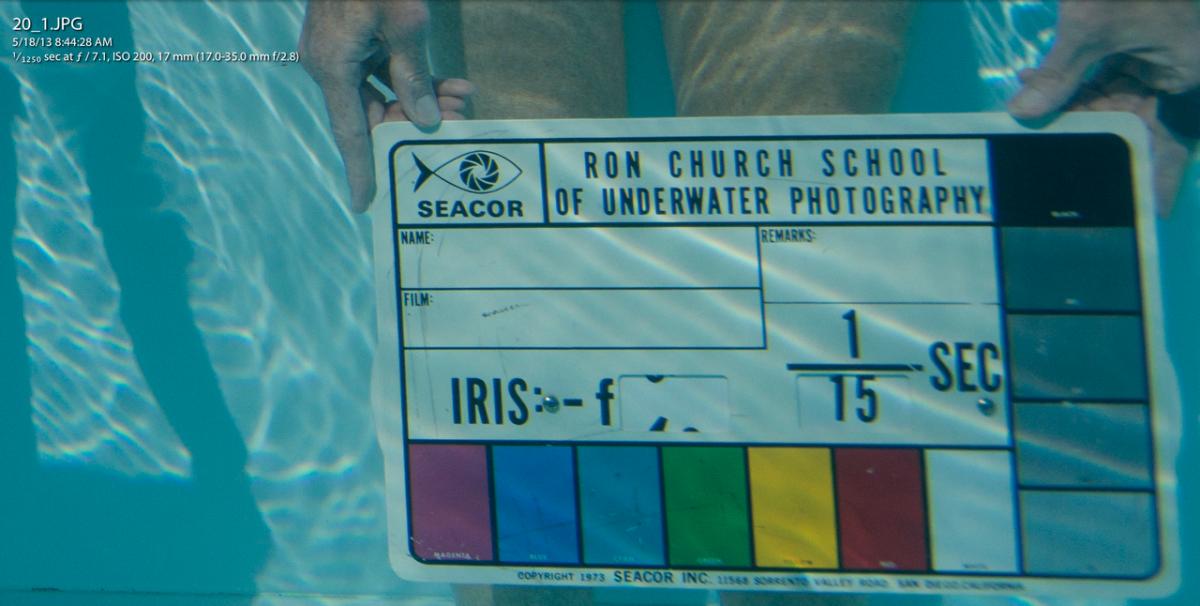
  4. Here is the larger screen grab from PVL 20:


    post-630-0-29669900-1368994770_thumb.jpg


    Here is the larger screengrab from PVL 60, showing both ends of the test range:


    post-630-0-80493000-1368994844_thumb.jpg


    Not without variability because of slight alteration in change of position of slate, but in this series, PVL 60 was the best of the best. And I see the lens was inadvertently moved to 19mm instead of 17mm on the 60mm port extension test. But, checking for clarity of the type suggests more port extension is necessary for this lens than we had been assuming.

    Edited by StephenFrink
  5. Alex seems to prefer the 16-35 for u/w work. Did you have a chance to check that one out too. 60mm extension seems pretty long indeed. Great info. Thx for sharing.


    Michel

  6. The chromatic aberration was pretty funky on the edges too:


    post-630-0-69443100-1368995080_thumb.jpg


    I'm a Canon shooter, so I don't have a lot of experience with the 17-35 on a D800. Those who have more personal experience will no doubt offer insights.


    In fact, in conversation about this topic a few days ago Dr. Mustard offered that he preferred the 16-35 F-4 for this application. I said at the time that the greater length of the 16-35 and subsequent potential for upward torque with a large dome might dissuade me. But, if the 17-35 needs this much port extension, at least this particular 17-35, the 65-70mm port extension required of the 16-35 may not be substantially different if offering superior optical performance.


  7. Alex seems to prefer the 16-35 for u/w work. Did you have a chance to check that one out too. 60mm extension seems pretty long indeed. Great info. Thx for sharing.


    Michel

    Michel - No, only the 17-35 was available to us that morning for testing. Clearly, the 16-35 deserves a closer look. The new 18-35 would likewise be interesting to test.

    Edited by StephenFrink
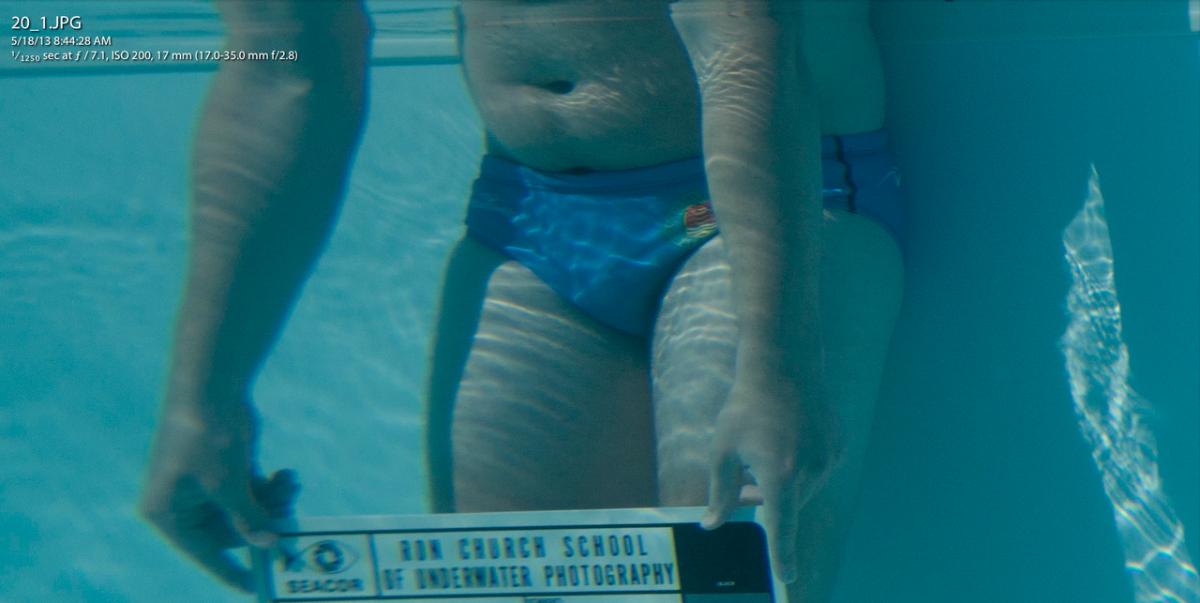
  8. I'm more concerned about the use of budgie smuglers in the test images!! :mocking:

  9. I'm more concerned about the use of budgie smuglers in the test images!! :mocking:

    If that means Speedos, we're allowed. We just finished swimming our laps for the morning. But, yes, at 100% kind of alarming, now that you mention it :)

    Edited by StephenFrink
  10. Thx Steve,


    The18-35 may be interesting since it may need a shorter extension. Price/quality ratio should be interesting to compare with big brothers. Fitted to a D600 it could become an economic alternative for many.


    Anyone volunteers for the task?


    Michel

  11. I have both the 17-35mm and 16-35mm lenses - and since I've had the 16-35mm, I've not taken the 17-35mm underwater. I think the 16-35mm has some barrel distortion, which is perhaps the reason why it works a little better behind a dome.


    The 14-24mm is more problematic still. It can work in some situations, but as an all-rounder I am happiest with the 16-35mm. Here is an example showing, for me, excellent corner sharpness in the foreground, while still keeping the diver in the background of the frame sharp, taken with the 16-35mm @ 16mm.


    _1134030269.jpg

    The upward torque issue is always a problem with big domes and long port extensions. Especially when married to a heavy camera with a tightly tailored housing, like the D800.


    I've not had a play with the 18-35mm yet.


    Alex

    Edited by Alex_Mustard
  12. We would set either up with a 70mm extension and a large dome for best corner sharpness. So not surprising that your 60PVL yielded best results, Steve. I've had no issues swimming with the Nauticam D800, Zen 230 superdome and a 70mm extension. Offshore in a lot of current, it was bulky, but nicely balanced.


    I think the 16-35 is a nice lens, Alex's shots in clear bright conditions show it's capabilities well. But is very slow to use uw in even moderate viz, especially zoomed out to 30-35mm for large animals. I just could not catch focus in Mexico, even in moderate conditions. When we were down on at 115' shooting sharks it was pretty hopeless, tried all sorts of tricks to focus on a rock, etc. My friend was shooting a D3 with a 17-35 and he was also having issues. The sigma 15 + TC was better at 21mm f3/5, but I was still wanting a longer faster lens for big animals.


    Really giving some thought to about a 28mm f1.8 or something. May rent something for the next trip and give it a go.


    Jack

    Edited by JackConnick
  13. Here's an interesting related article:


    DxO's score of the "Best" lenses for the D800


    Has anyone shot the Tokina 16-28? Might be a good alternative for an f2.8 lens, scored better than the 16-35 or the 17-35.


    Jack

  14. I think the 16-35 is a nice lens, Alex's shots in clear bright conditions show it's capabilities well. But is very slow to use uw in even moderate viz, especially zoomed out to 30-35mm for large animals. I just could not catch focus in Mexico, even in moderate conditions.


    It was clear, but it was actually very dark when I took the picture above. 1/50 @ ISO 1000. Although it was nicer underwater than in the wind and snow above. Here is a video from that day:


    I used the 16-35mm in awful viz (less than 1m) on my last dive and was fine.


    https://www.facebook.com/photo.php?fbid=10152807166410713&set=a.129989815712.206702.796325712&type=1&theater


    But I do accept that an f/4 lens will focus less well than an f/2.8. But I think the 16-35mm focused much more reliably than the Tokina 10-17mm, for example.


    Alex

  15. Hmm, never had any issues with the Tokina 10-17, even here in Putrid Sound... ;-)


    At f/4 the 16-35 isn't bad, but if I'm going to shoot at 16mm the Sigma FE or Nikon 16FE f2.8 is the lens of choice. Zoomed out to 35mm it becomes f5.6 and AF was very unreliable in Mexico, except near the surface is fairly bright conditions.


    My experience, YMMV. I know a lot of guys love the lens, I just couldn't get it to work well zoomed out.


    Jack

  16. Hmm, never had any issues with the Tokina 10-17, even here in Putrid Sound... ;-)


    At f/4 the 16-35 isn't bad, but if I'm going to shoot at 16mm the Sigma FE or Nikon 16FE f2.8 is the lens of choice. Zoomed out to 35mm it becomes f5.6 and AF was very unreliable in Mexico, except near the surface is fairly bright conditions.


    My experience, YMMV. I know a lot of guys love the lens, I just couldn't get it to work well zoomed out.


    Jack

    Which version of the 16-35mm are you using?

    The present version is f/4 through the zoom range.

    It works just nicely in my experience.


    /Erik

  17. At f/4 the 16-35 isn't bad, but if I'm going to shoot at 16mm the Sigma FE or Nikon 16FE f2.8 is the lens of choice. Zoomed out to 35mm it becomes f5.6 and AF was very unreliable in Mexico, except near the surface is fairly bright conditions.

    Jack


    Two quick points for clarification. First the angle of coverage of the 16-35mm at 16mm is about 110 degrees, corner to corner. The Nikon 16mm fisheye and Sigma 15mm are 180 degrees - which is a huge amount wider than the widest the 16-35mm can cover.


    The Nikon 16-35mm has a constant maximum aperture throughout its range - of f/4. The Tokina 10-17mm ranges from f/3-5 to f/4.5 as you zoom in. The Nikon 16-35mm uses the more advance AFS AF, which is build in the lens. The Tokina uses the AF-D protocol, powered from the camera body.


    Alex

  18. Yeah, I was wrong about the latest 16-35 being an f/4-5.6, my bad. But it didn't change my results and feelings about it. Yes, AF-S is faster than AF-D Alex, but it doesn't help if it doesn't catch focus, it just hunts faster...


    Still thinking about the Nikon f1.8 28mm lens...Ken Rockwell found it to be just as sharp as the 16-35 (for whatever that's worth...). Seems like it would be about the right focal length.

    http://kenrockwell.com/nikon/28mm-f18.htm


    Jack

Kraken Sports

Account

Navigation

Search

Search

Configure browser push notifications

Chrome (Android)
  1. Tap the lock icon next to the address bar.
  2. Tap Permissions → Notifications.
  3. Adjust your preference.
Chrome (Desktop)
  1. Click the padlock icon in the address bar.
  2. Select Site settings.
  3. Find Notifications and adjust your preference.