Skip to content

Photography Gear and Technique / Archived topic

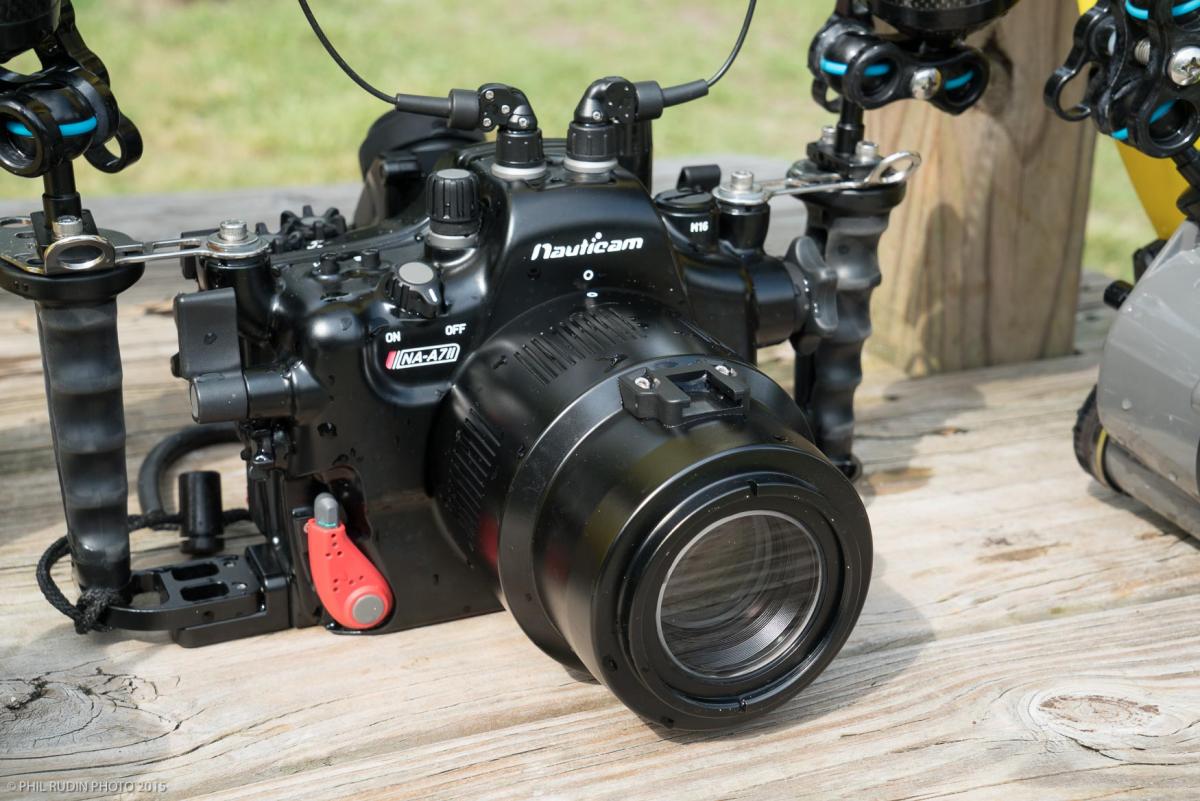
Nauticam NA-A7II w/a port/lens choices

Started by mojodiver ·

  • 10Posts
  • 10Replies

Read-only discussion

Nauticam NA-A7II w/a port/lens choices

10 posts
  1. I was looking to pick up a Sony a7RII with a Nauiticam housing. Looking at the port chart for the recommended lenses it looks like the Sony 16-35mm requires the 180mm optical port. Next the Sony 28mm lens with fisheye adapter requires the 140mm port. I was wondering if anyone had experience with both of these lenses with one single port. I wonder what the 28mm with the fisheye adpter would look like in the 180mm port of vice versa. I know sometimes the charts don't always give you every option that could work. I wouldn't be to concerned with being a little rough on the edges. I could go with my Canon lenses and a metabones adapter but then I will need to go with the large dome. Part of the reason to get the setup is to slim down a little and the need to lug around 2 different w/a ports isn't practical.


    Thanks in advance!

  2. You should be able to use both with a n100 to n120 adaptor, the appropriate extension rings and either the 8.5" acrylic dome or the 230mm glass dome.


    I don't think the 180mm dome is a good solution for a fisheye since it is not hemispherical, but rather a flatter cutout from a larger dome. It's meant for wide angle lenses, just like Nauticam's 250mm wide angle glass dome.


    However, the Sony 28mm + fisheye adapter inside a dome port is probably not the best option for image quality. You might be better off using the 28" in a flat port with the WWL-1 wet fisheye lens or a canon-mount sigma 15/canon 8-15 with the metabones adapter. This option would not require a larger dome then the 28mm + fisheye adapter -- it could still be used with the 140mm dome for CFWA, or the 8.5"/230mm dome for more standard work and split shots.

  3. I shoot the Sony FE 16-35mm zoom with the recommended 180mm port with the same results you would expect from the same focus length lens on a DSLR with a 200/230mm port at the same F/stop value.


    The Sony A7R II with its high resolution is unforgiving with less than stellar lenses like the Sony fisheye adapter lens on the Sony FE 28mm, the 28mm alone is great and the much better choice would be the small flat port with the new Nauticam WWL-1 wet lens which has a rectilinear angle of view around 130 degrees with the 28mm on the Sony full frame system.


    The WWL-1 can be used across several platforms from consumer compacts and M4/3 to Sony full frame with a verity of different port lengths depending on the lens and system used. This system is a compelling upside for mirrorless full frame V. DSLR's with large 220/230/250mm ports for lenses with an angle of view less than 130mm.


    The proper port for the Sony FE 28mm lens with the Nauticam NA-A7R II is contained in the attachments.


    Edited by Phil Rudin
  4. Thank you I appreciate the responses. So just wanting to clarify:


    So the sony FE 16-35mm it is recommended to go with the 180mm port, N100-N120 adapter and the extension ring 50?


    With the Sony FE 28mm (don't go with the Sony fisheye adapter) Get the WWL-1 with the M-67 bayonet converter and which small port? ( Phil I assume in your second link was for the small port but I couldn't get it to work)


    Also which port setup is recommended for the Sony 90mm macro? I can't seem to find it on the chart.


    Thanks again!!

    Edited by mojodiver
  5. Hi Mojo,


    For the FE 16-36mm zoom you can use the N100-N120 extension ring which has a focus dial and a 120mm X 50mm extension or Nauticam now offers a 180mm port that has the 100mm opening. This port would be used with a 30+50mm extensions direct to the housing and you don't get the second focus/zoom dial.


    Regarding the WWL-1, it is a water contact lens which does not require a port. The photos show the one piece lens attached to a Nauticam NA-EM1 housing. NOTE that this is an early prototype lens which I was testing back in February and the design has greatly changed over the last few months, so not the same mounting system or final lens.


    I have attached a photo of the 90mm port on the Nauticam NA-A7/A7R II housing and a link to the part.


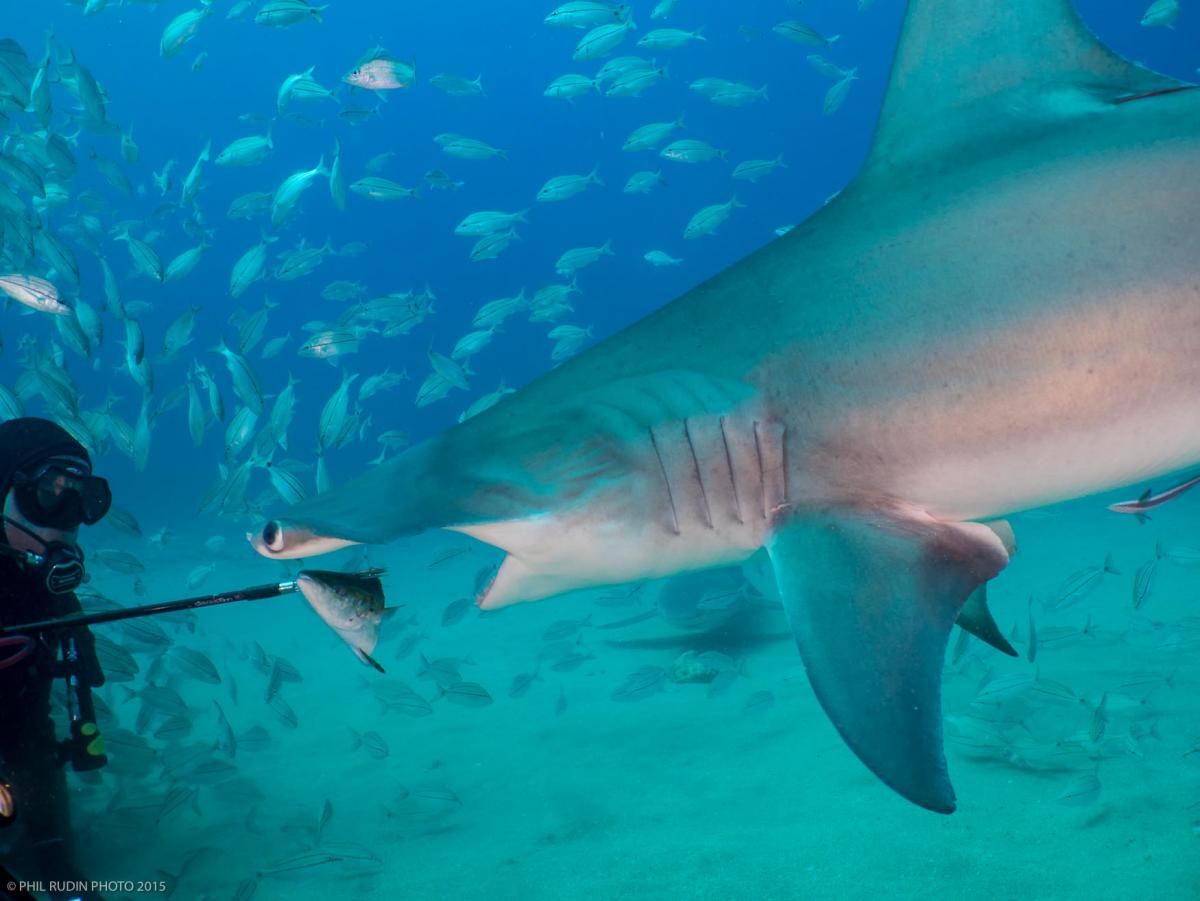
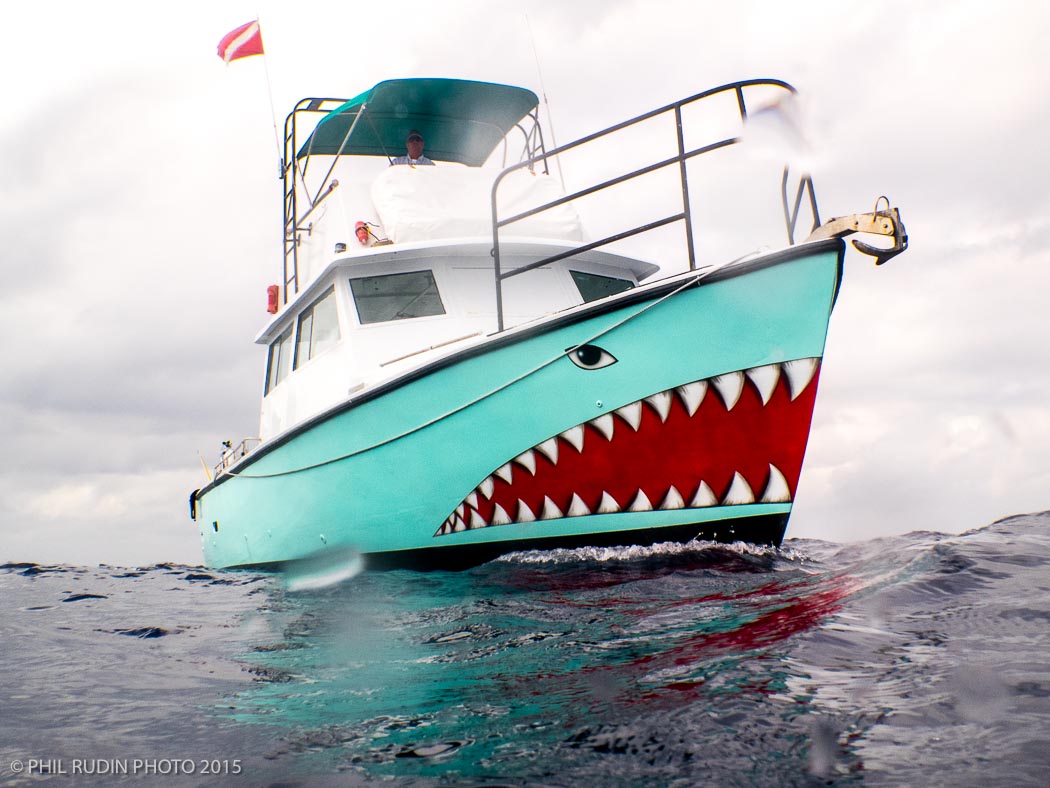
    Photos of the prototype design for WWL-1 and a Shark photo taken with a Nauticam NA-EM1 housing using the Lumix G 14-42mm zoom at 25MM, ISO-400, F/6.3, 1/200th. You will see the the lens is not a fisheye and does not bend lines.


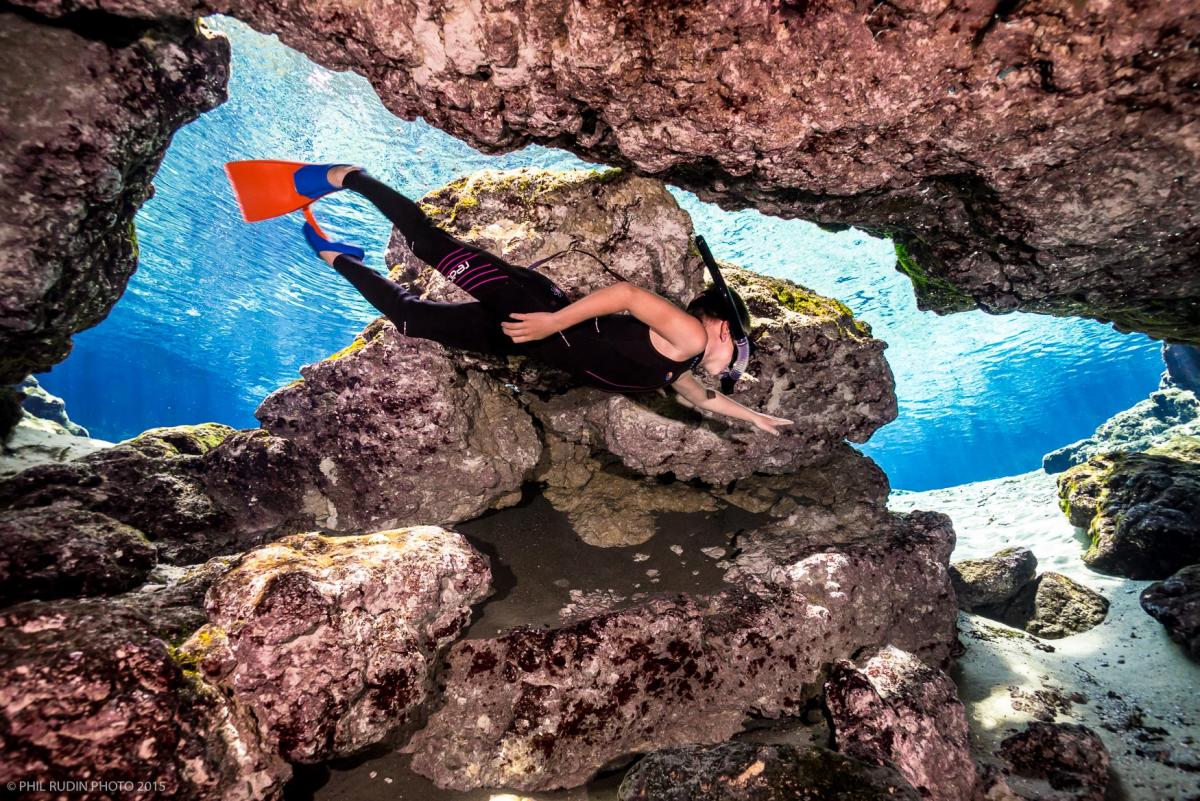
    Also attached is a cavern photo using the Sony 16-35mmm at 16mm with the Sony A7 II in the Nauticam NA-A7II housing, Nauticam 180mm optical glass dome port, ISO-400, F/5.6, 1/125th.


    http://reefphoto.com/shop/index.php?main_page=product_info&cPath=3_76&products_id=8462


    http://reefphoto.com/shop/index.php?main_page=product_info&cPath=80_148_149&products_id=8370


    post-2618-0-00409500-1448556959_thumb.jpg

    post-2618-0-14053300-1448556974_thumb.jpg

    post-2618-0-20680200-1448556991_thumb.jpg

    post-2618-0-94412200-1448557009_thumb.jpg

  6. Thanks again Phil,


    The cavern shot looks great! Let me ask you this...how would the Sony FE 28mm with the WWL-1 compare to the beloved Tokina 10-17mm on a DSLR? Especially for close focus wide angle?

    Can I assume that the better route with the Sony FE 16-35mm would be getting N100-N120 adapter since there is a second focus/zoom dial?


    Thanks!

  7. Hey Phil,


    Thanks for posting all that. The corners on the Sony 16-35mm don't look too terrible at F5.6 inside the smaller dome!


    Since you've had a chance to use the Sony 16-35mmF4 and the WWL-1 with the panasonic 14-42 at various focal lenghts, how do you rate the strenghts and weaknesses of the two setups?


    I know the WWL-1 is a semi-fisheye with 120-130* angle of view when used at 28mm full frame equivalent (i.e. 14mm on the panasonic/olympus cameras). But does it become more rectilinear once you're zoomed in? In the shark photo, the WWL-1 already appears rectilinear at 25mm. Is it rectilinear before that, at say, 20mm? What would you estimate its field of view to be at those focal length 20, 25, wherever it becomes rectilinear? How does the field of view range and image quality (especially sharpness in center and corners) compare with the rectilinear sony 16-35mm?


    I'm looking for a solution that will cover the 130*-70* range with at least good IQ.

  8. Mojo, It seems that a bit of misinformation has been put out by some that have used the WWL-1 in advance of its release. First I don't see anything within the release that nauticam.com put out about the WWL-1 that would suggest it is a fisheye, (semi-fisheye whatever that is) lens. It appears rectilinear to me throughout the Lumix G 14 to 42mm zoom range at all distances and above water. Second is that the assumption was made by some that the lens would only work at around the 28mm setting on all lenses, it has been designed to work through the entire zoom range of the lenses for which it has been tested. The lens can do close focus wide angle as it will focus all the way to the dome glass with all compatible lenses at the widest end of the lens. Comparing to Tokina 10-17 on a APS-C DSLR is just not apples to apples because the Tokina is a fisheye lens. My choice would be for the extra zoom/focus dial.


    Dreifish, Being able to use the Sony FE 16 to 35 zoom behind a 180mm port onA7/A7R full frame v. a 220/230mm dome with the same lens on full frame DSLR with as good or better corners is an upside for mirrorless.


    I have not yet tested the WWL-1 with the A7R II and Sony FE 28mm + WWL-1. The angle of view with this combo is 130 degrees and will focus all the way to the glass which sounds excellent for U/W work. I think on the Sony A7 II/A7R II that the WWL-1 with the 28mm F/2 will win out in most cases including ease of travel. For split images the 180mm port will win out and at times having a greater zoom range will be an advantage.


    Again comparing a M43 camera and lens to full frame is not apples to apples and I could make an argument for both systems based on Cost, size, image quality and a host of other features. At present the WWL-1 only works well with the Sony A7 line and the Sony FE 28mm F/2 lens, so no zoom at this point.


    Regarding image quality I think that both the Sony 16-35 and 28mm are the high quality needed for a large MP camera like the A7R II. The 14-42 zoom is good for its cost but image quality would not match the Sony system.


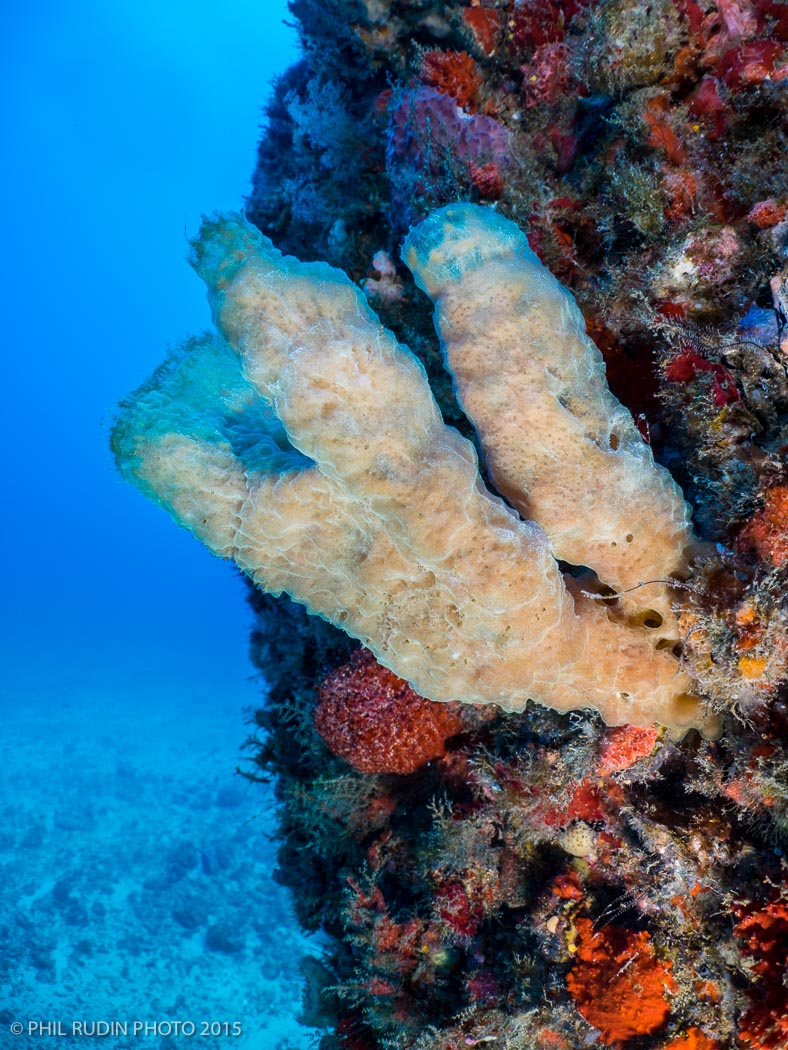
    Images are examples of the Lumix G 14 to42mm zoom on the Olympus E-M1 in the Nauticam NA-EM1 housing with the prototype WWL-1 at different focus lengths, observe that no fisheye effect appears to me.


    You should also checkout Peter Rowlands review of the WWL-1 lens in the current issue of UWPMAG.com, this is a free PDF download. Peter is shooting with a Panasonic M43 system and has tested the lens while doing video.


    Close focus at 42mm, ISO-400, F/7.1, 1/160th, Sponge at 14mm, ISO-100, F/5, 1/60th, Shark at 22mm, ISO-400, F/6.3, 1/200th and above water at 22mm, ISO-400, F/18, 1/320th.


    post-2618-0-15079200-1448646695_thumb.jpg

    post-2618-0-79450500-1448646706_thumb.jpg

    post-2618-0-94965500-1448646721_thumb.jpg

    post-2618-0-11638200-1448646733_thumb.jpg

    Edited by Phil Rudin
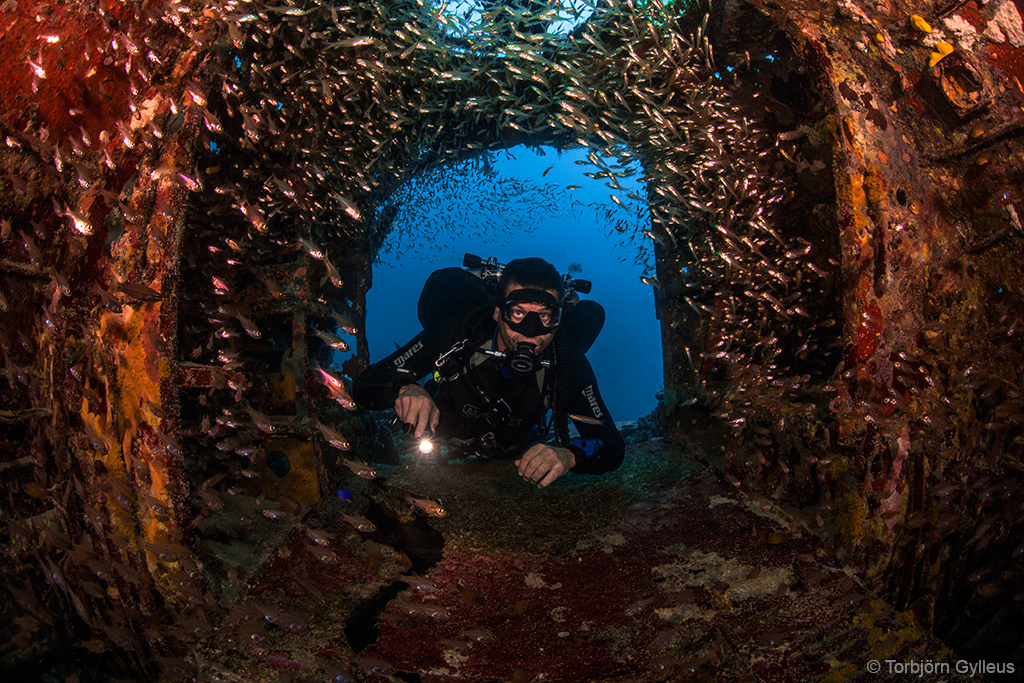
  9. I have been using the A7RII with a Sigma 15mm + Metabones IV during a two week dive trip and it has worked flawlessly.

    I'm specially impressed by the accurate autofocus and i have rarely used the MF, even in low light conditions.

    Since I use the Nauticam mini glass dome, I usually stay above f9 to keep a decent corner sharpness and rather turn up the ISO or use a slow shutter speed.


    DSC01272.jpg
    15mm f16 1/15 ISO200

    Edited by tobbe
Nauticam

Account

Navigation

Search

Search

Configure browser push notifications

Chrome (Android)
  1. Tap the lock icon next to the address bar.
  2. Tap Permissions → Notifications.
  3. Adjust your preference.
Chrome (Desktop)
  1. Click the padlock icon in the address bar.
  2. Select Site settings.
  3. Find Notifications and adjust your preference.