



This may be a silly question and I've used the search feature prior to posting, how do I know I'm shooting 1:1 with my set Nikon D7100 with a 105mm, my previous camera Olympus had a in camera setting.
Thanks in advance for any input.
Into odes
Read-only discussion
This may be a silly question and I've used the search feature prior to posting, how do I know I'm shooting 1:1 with my set Nikon D7100 with a 105mm, my previous camera Olympus had a in camera setting.
Thanks in advance for any input.
Into odes
1:1 is the maximum magnification of the lens. You can't see the distance marker in most housing/ports, but why do you really care if it is 1:1 or 1.04:1
Bill
Good point Bill, I don't really know why just reading and trying to learn. It was thrown around a lot in a article I read.
But thanks
The 105 Nikon lens has a minimum focus distance of about 1 foot (30 cm or so) measured from the focal plane line on the camera body (not the front of the lens). At that distance you get true 1:1 i.e. a beastie 36 mm or so across fills the frame. What you should do if you are interested is to mount your camera on a tripod and shoot a ruler at various distances from the ruler and you will see that even relatively large movements away (say an inch or 10%) you will still get 38 mm or so filling the frame. If you play that way you will find out how important (to you) that last little bit of magnification is.
Bill
Ask Bill has said 1:1 is the max magnification for most macro lenses, so at 1:1 (also called life size) what you capture on the sensor is the same size as it is in real life. So a 10mm nudibranch will be the same size in real life as captured on the sensor. What changes is the size of the sensor, so while the 105 on a D800 at 1:1 will yield an image which is about 36mm on the long side, your D7100 (1.5 crop factor) will yield an image that is about 23.5mm on the long side and a M43 (X2 crop factor) at 1:1 will be 17.3mm on the long side. Same 10mm nudibranch will be the same size in all three images.
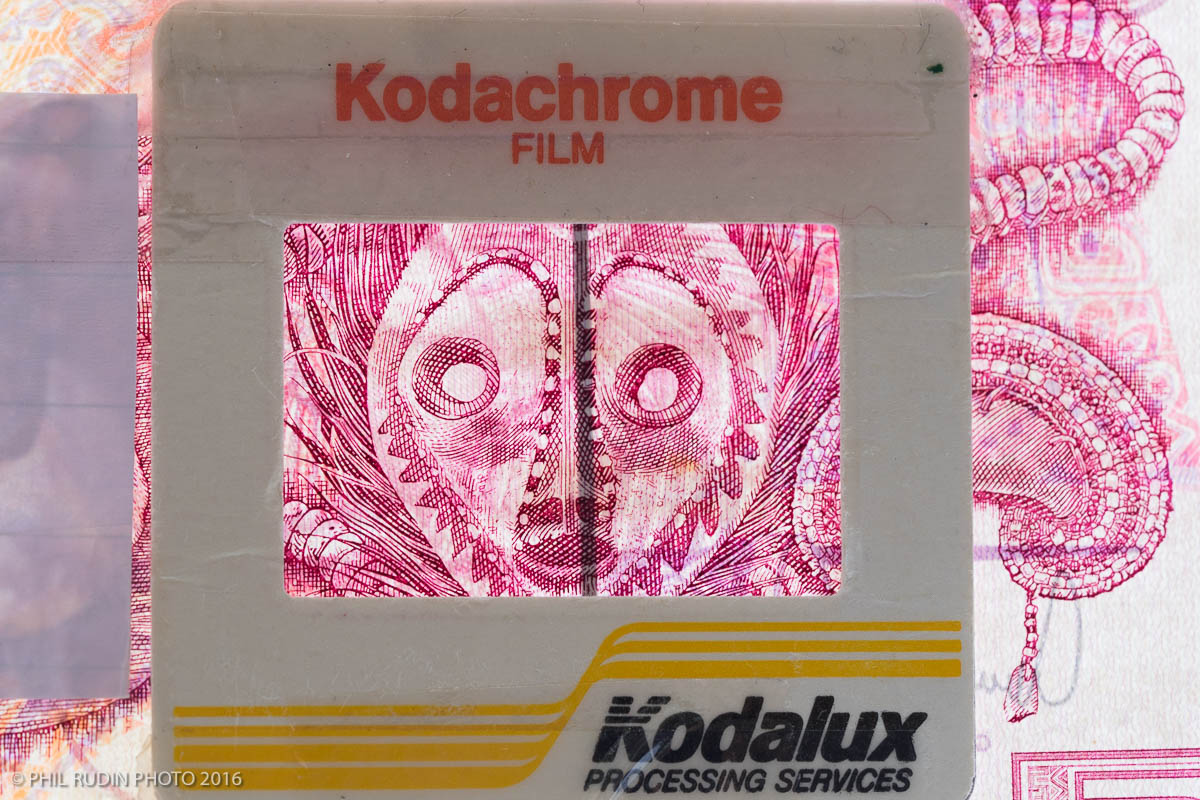
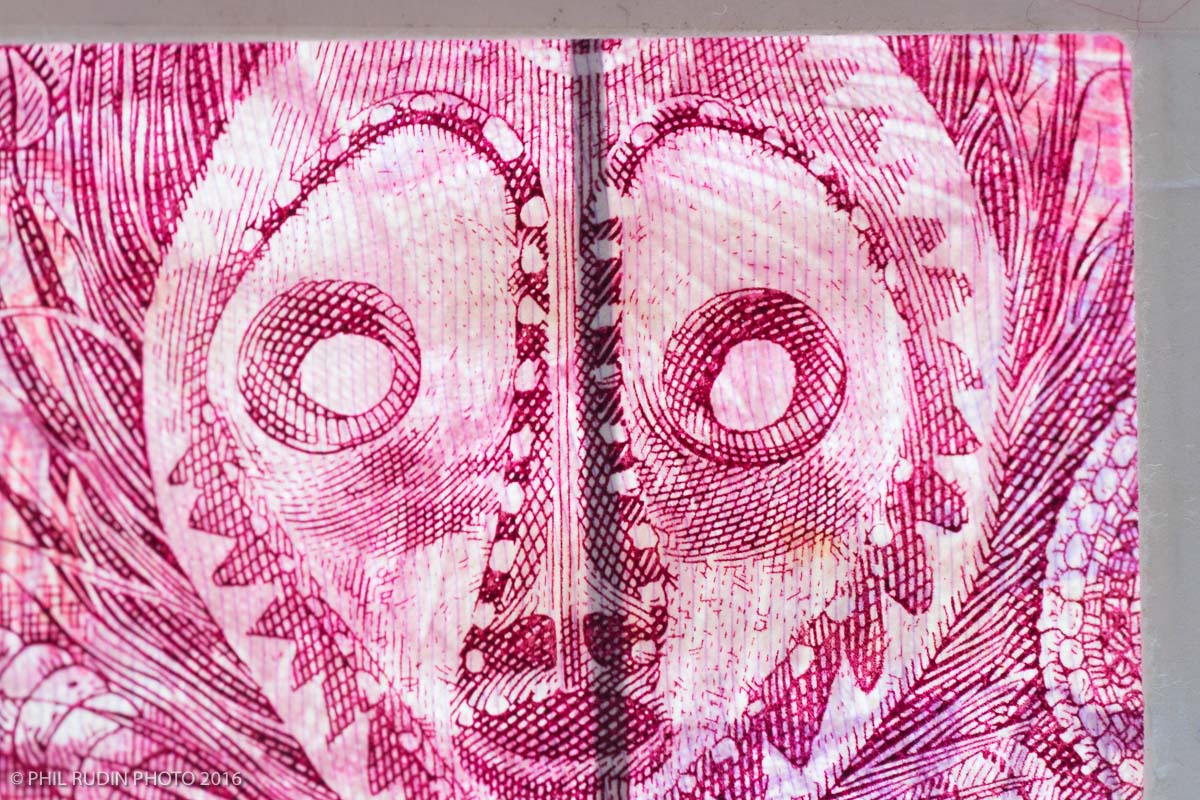
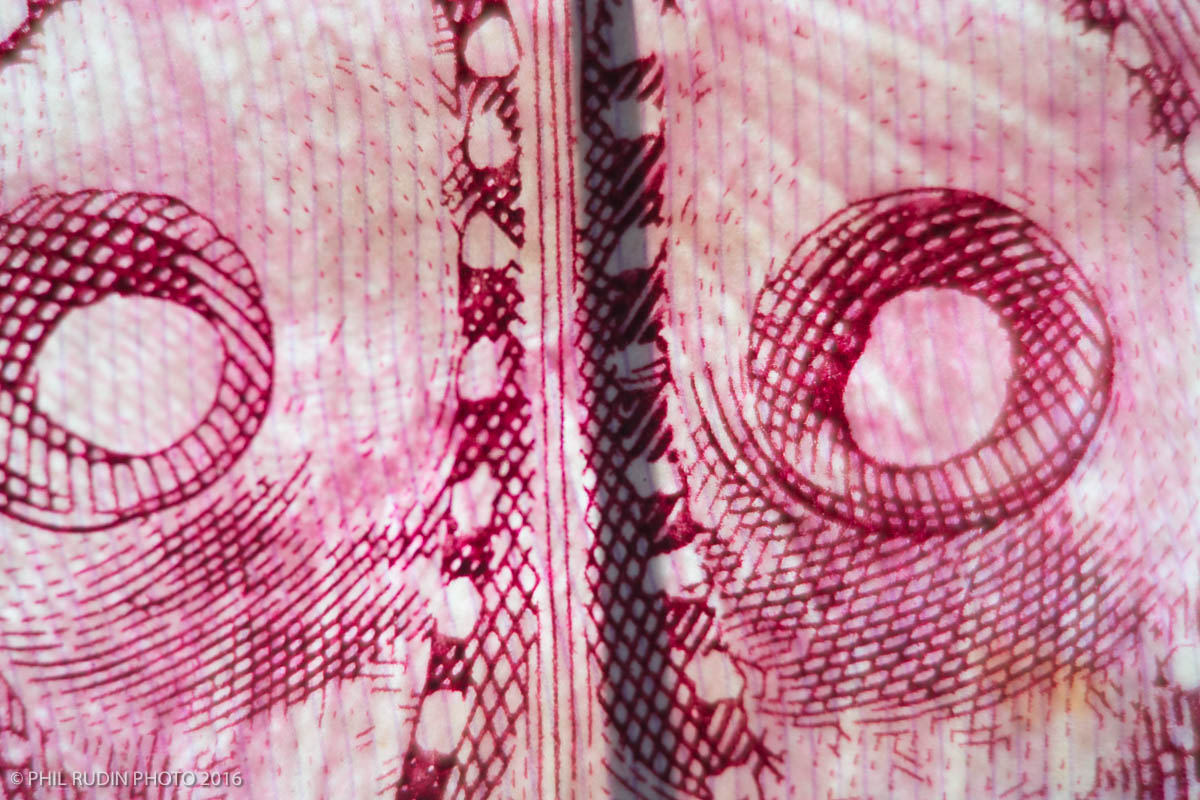
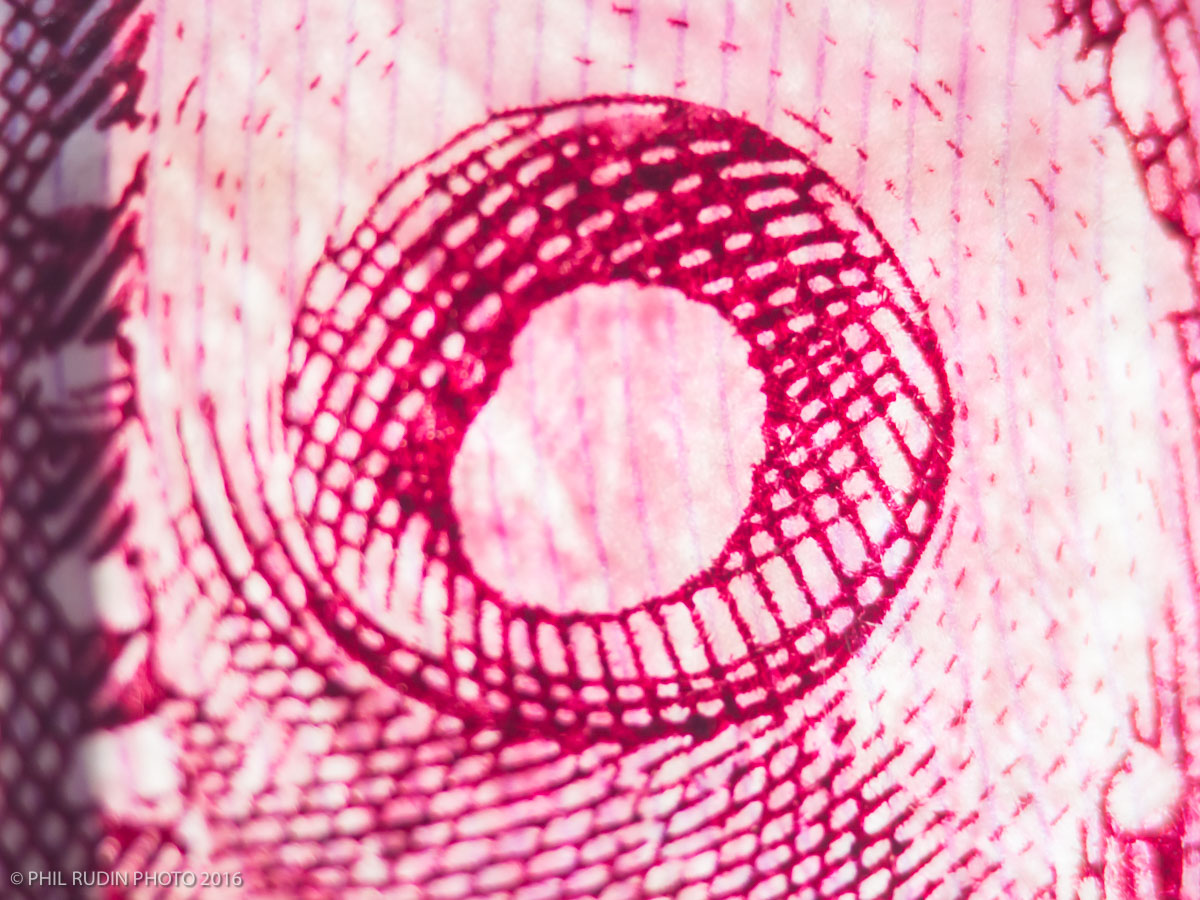
I have attached four photos with a simple way for you to test the limits of your own equipment, I always zoom the lens to 1:1 with manual focus and then leave it there and rock the camera back and forth to find focus. The first thing you will realize it that you are much closer than you would expect especially when you add closeup lenses for added magnification.
Tape a 35mm slide mount to a bill of some kind or a stamp so that it fills the entire frame, tape it to a window so that you have good back lighting. Then set the lens at several different magnifications and add any C/U lenses you may want to test. Your results should look something like the attached photos. First three photos are using the Sony A7 II and A7R II Full Frame cameras with the Sony FE 90mm macro set at 1:1. First image shows the setup, second image is at 1:1 and the third image is at 1:1 with the Nauticam SMC-1 C/U lens. The fourth photo is an Olympus E-M1 M43 camera with Olympus 60mm macro at 1:1 using a SAGA +15 C/U lens. As you will see the smaller sensor yields a subject that takes up much more of the frame at 1:1 than full frame will. Your D7100 would fall in the middle between these two cameras.

Terms of Use Privacy Policy Guidelines We have placed cookies on your device to help make this website better. You can adjust your cookie settings, otherwise we'll assume you're okay to continue.

A worldwide community for underwater imaging.
