i use a Nikon D800 in a Nauticam housing. Having just purchased a Sigma 15 Fisheye, I'm looking now for a port. I intend not to buy the biggest one, so which one would you recommend - Nauticam 140 glass 18810 or I heard that the Zen 170 would fit, too, or any other recommendation?
Best regards, Sascha
Almost any of those domes work fine. 8.5" acrylic, 170 Zen, 230 Zen, 140 Nauticam, etc.
I love the 170mm Zen with the Sigma 15 - used with my D800 and now D810 & Nauticam Housing.
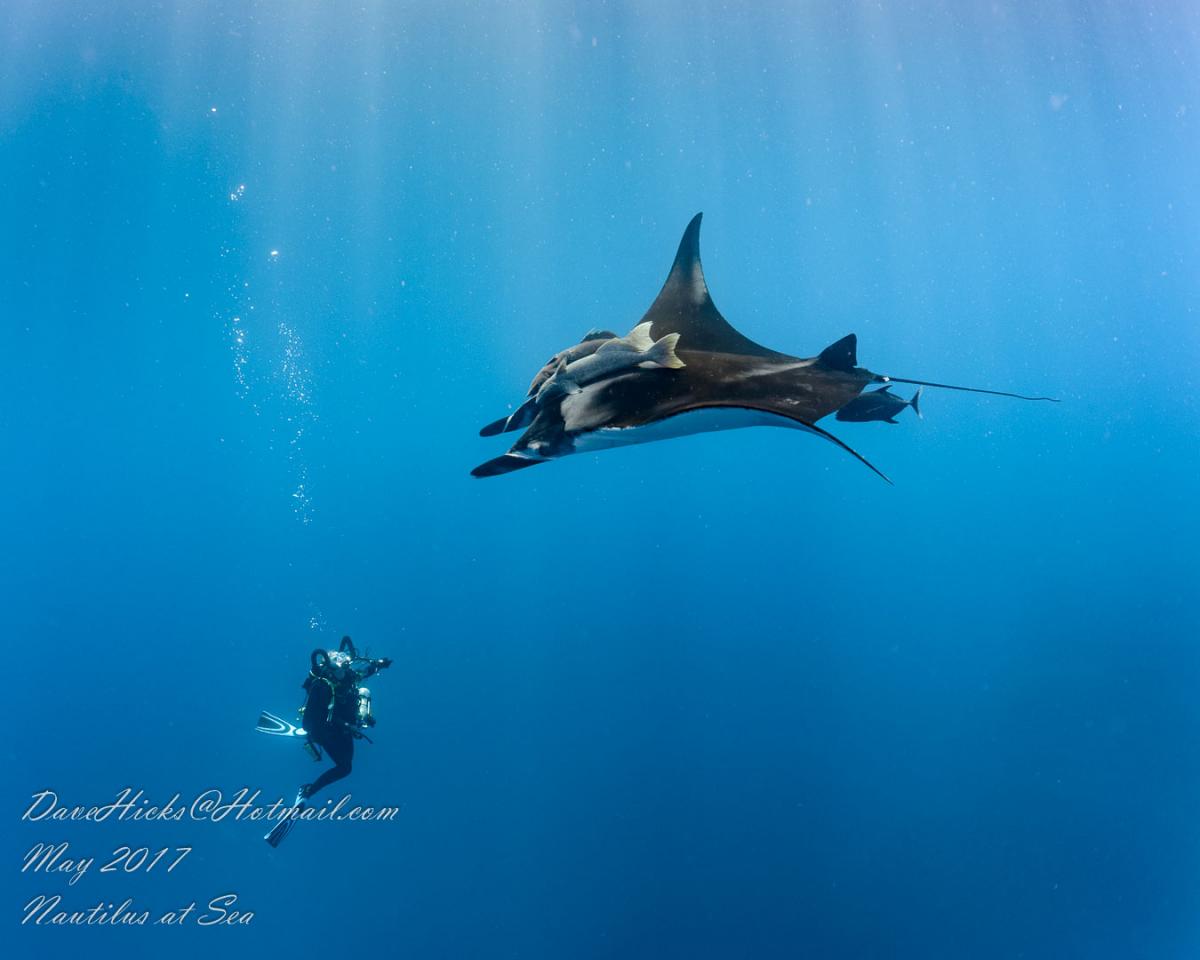
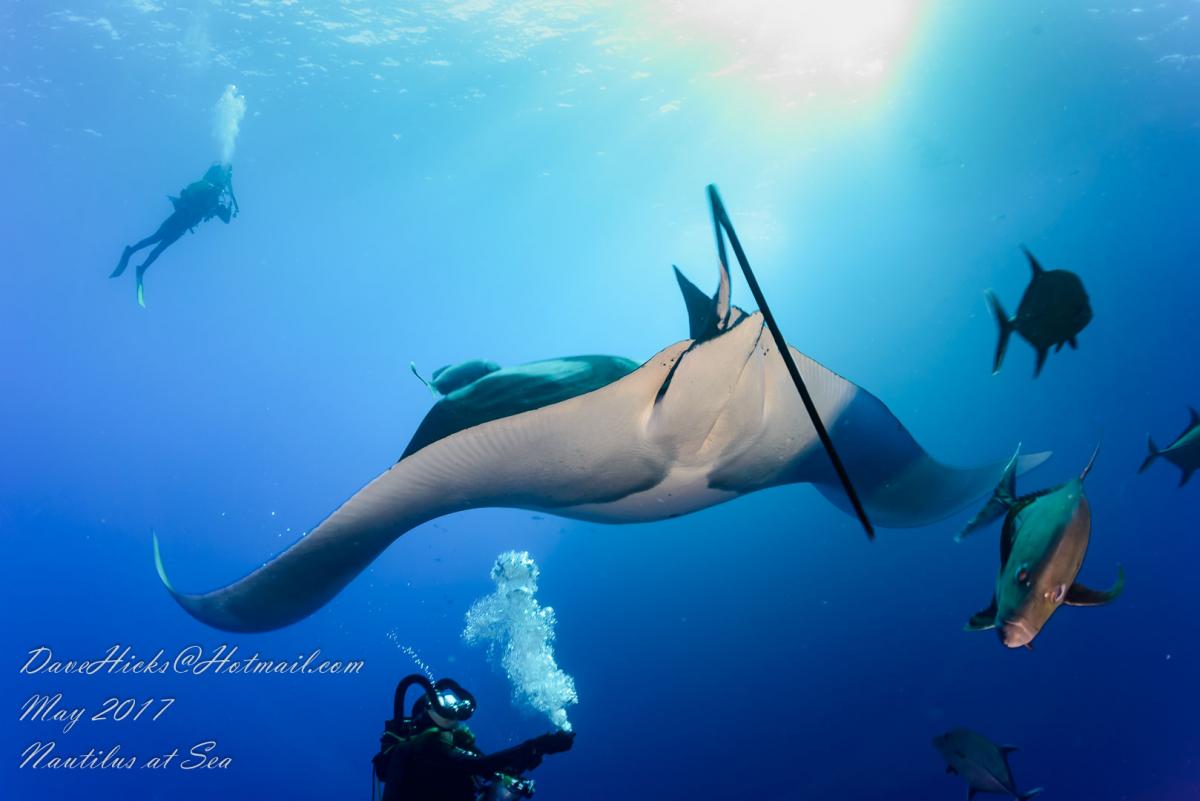
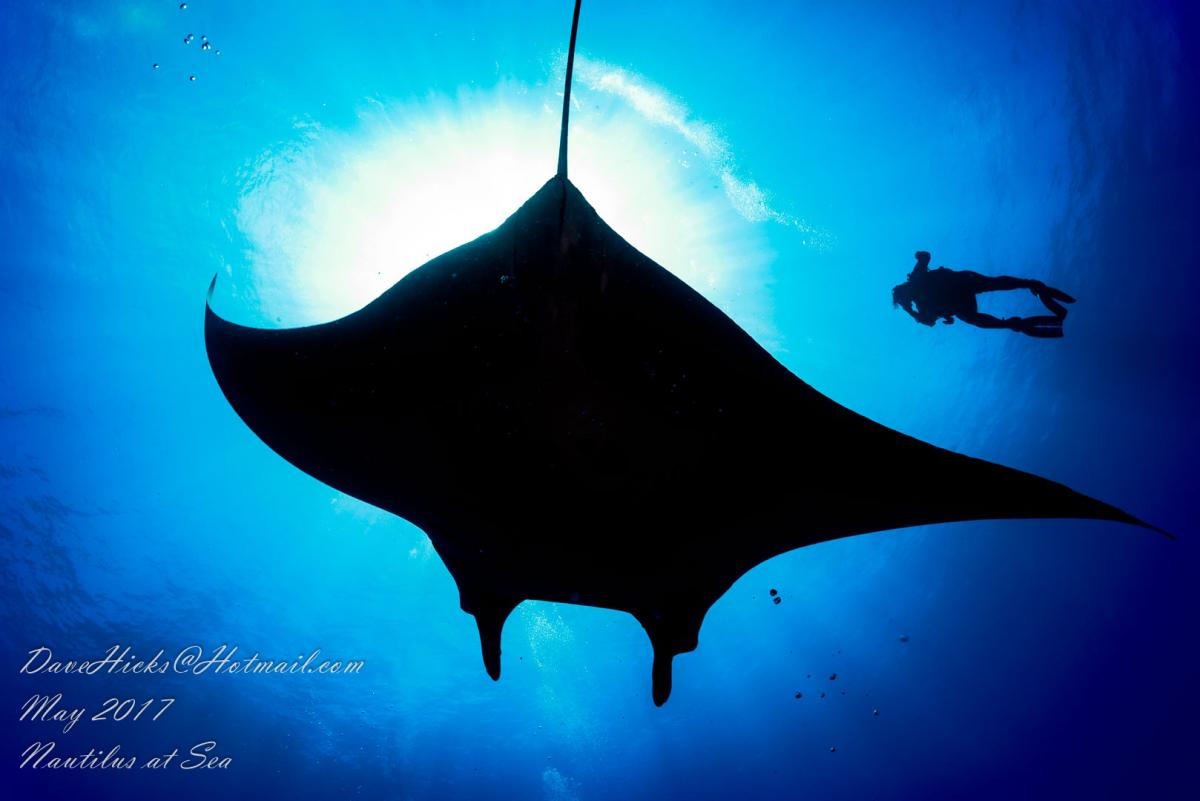
I just completed a trip to Socorro where I primarily used my D800 / Nauticam system with the Sigma 15mm FE + Kenko 1.4TC under the Nauticam 8.5" dome with 20mm extension. I was very happy with this setup and found the field of view plenty wide, FE effect minimized, and corner sharpness quite good. Certainly better sharpness than I've seen with Nikon 16-35 lens under the same dome.
Here a few few sample shots:
....I have already the Zen 170 which I used for my 17-35......would there a remarkable progress in the Zen 230?
...any experiences abput the differences of Zen 170 and Zen 230?
Dave,
Do you feel it’s necessary to use the Kenko 1.4 TC on the Sigma 15?
Dave,
Do you feel it’s necessary to use the Kenko 1.4 TC on the Sigma 15?
No, definately not necessary. However there are some nice advatages to using this setup. I found that in shooting large pelagic creatures in places like Soccoro or Galapagos you really benefit from some extra reach. Sharks rarely come in close enough to get the full benefit of the 15mm frame so you end up cropping an awful lot.
You get a bit more reach with the TC without cropping but it's still very wide. You also get a reduction in the typical fisheye curvature with the TC than without. You can apply some Lens Corrections to distortion in Lightroom to fine tune this to your liking. Finally the TC will also get you that much closer for CFWA as well which I like to use for reef life.
Why should someone then buy a Zen 230 if there is no benfit.....or is there just with a fisheye no difference?
Big domes improve image quality in rectilinear wide angle lenses due to the curved virtual image having a larger radius so the corners are closer to the same plane as the centre. This means you need to stop down less to pull the corners of the virtual image into the Depth or field. The virtual image is also further away meaning the lens has an easier time reaching focus.
A fisheye however has a 180 deg field of view which means it is not designed to take images of flat surfaces, so it doesn't have issues focusing on a curved virtual image and in any case focuses very close with huge depth of field. So provided the entrance pupil is positioned properly to avoid aberrations and the lens is also positioned so it does not vignette a small dome is not a major disadvantage.
Thanks Chris for this helpful explanation! Now I understand...