Downside of a dome: you can't use an accessory diopter with a flat port, you can easily scratch your expensive dome, you get less magnification, the lens does not focus quite so close.
On the plus side you get a 33% greater angle of coverage (I often use this combo when shooting larger macro subjects - e.g. octopuses on muck dives).
You also get corners free from Chromatic Aberrations - which are very noticeable in fine detail when using the Nikon 60mm AF-S G behind a flat port. Most people don't worry about this - because the important subject matter isn't in the corners - but if you look at your images you will see it.
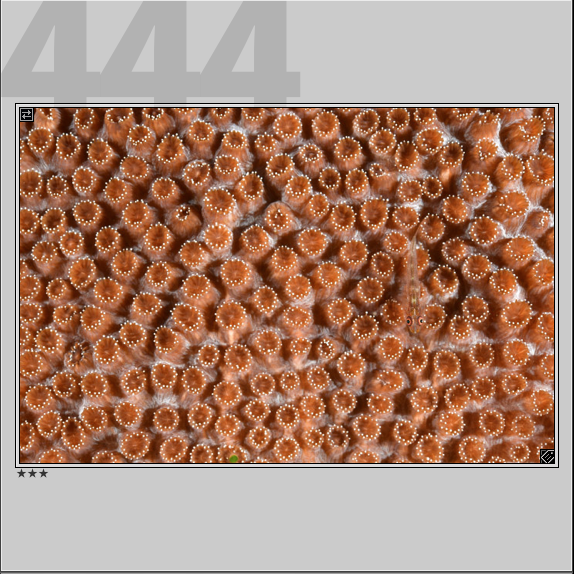
This is an example of a very standard image shot with 60mm and curved port (unprocessed direct from camera):
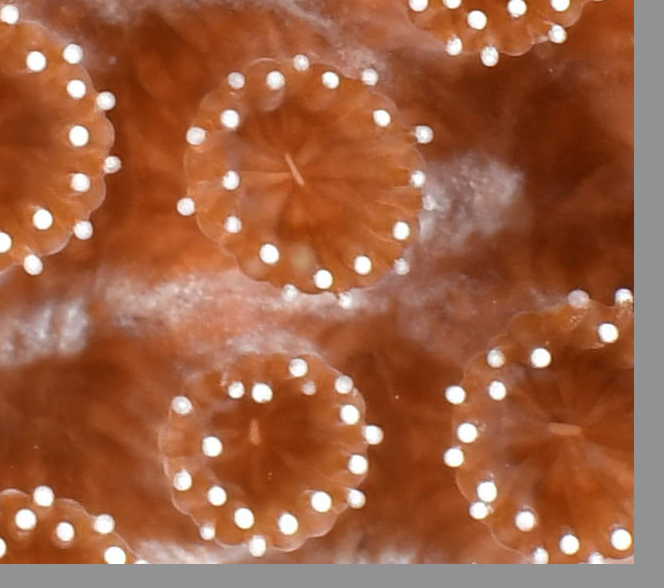
Here is the corner detail - screen grab from lightroom. See how all the detail is well defined right to the corner. This is the advantage of a curved port.
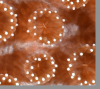
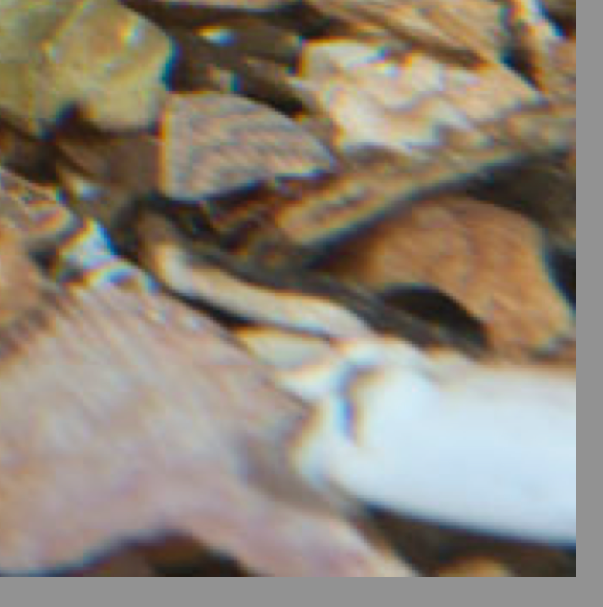
This is a typical corner frame crop from a flat port shot with a 60mm, which shows all the detail is smeared by CA.
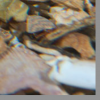
Of course - most of the time this does not matter as the main subject is rarely in the corner of the frame!
I use both. The flat port most of the time. A curved port (a small section of a larger dome - not a mini dome) when I value greater angle of coverage and/or specifically want those perfect corners.
Alex