



Hello
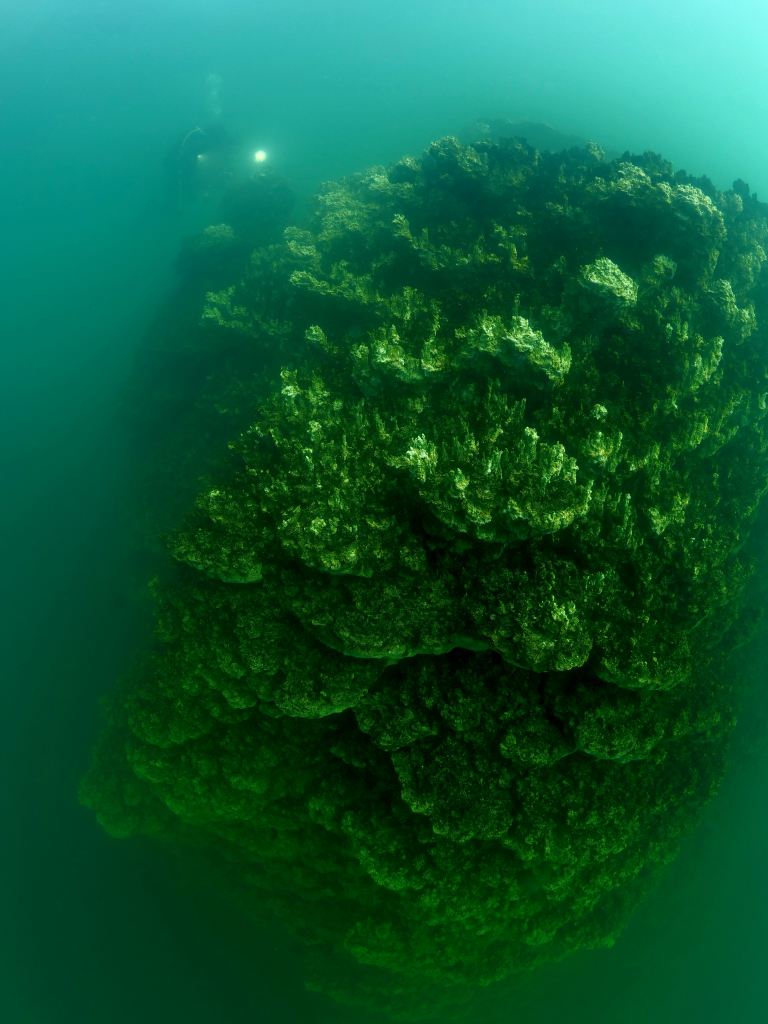
filmed those microbialites in Turkey with gh5 and a 8mm lens
Hope you enjoy
Shooting Technique, Workflow and Editing / Archived topic
Started by lutfu ·
Read-only discussion
Hello
filmed those microbialites in Turkey with gh5 and a 8mm lens
Hope you enjoy
Very interesting! Is the blurry water due to temperature or dissolved substances (salinity) or both? Since it appears to be going up it could be because this water is less dense which could be due to temperature (warmer) or less dissolved stuff (fresher). However if it is warm enough the water could have a higher salinity and be buoyant.
Very interesting! Is the blurry water due to temperature or dissolved substances (salinity) or both? Since it appears to be going up it could be because this water is less dense which could be due to temperature (warmer) or less dissolved stuff (fresher). However if it is warm enough the water could have a higher salinity and be buoyant.
Hello
İt should be less dissolved stuff because the water coming out was colder actually...
Interesting. The relationship between salinity, temperature and water density is complicated as shown in this figure. The curved lines are lines of equal density, a.k.a. isopycnals. And this is for seawater with fixed ratios of dissolved substances.
Interesting. The relationship between salinity, temperature and water density is complicated as shown in this figure. The curved lines are lines of equal density, a.k.a. isopycnals. And this is for seawater with fixed ratios of dissolved substances.
Hello
some coulumns were like 15 20 meters high and especially the bottom of those were so cold compare to the surface of the water...
I don't know if it explains but a more scientific definition of water I paste below
Lake Van is a terminal soda lake located in a semiarid region (eastern Anatolia, Turkey). Its geographical setting makes Lake Van a superb archive of paleoenvironmental changes. One of the aims of the ICDP PALEOVAN project is the reconstruction of the hydrological and climatic variability in the eastern Mediterranean region and the Near East on glacial/interglacial and millennial time scales. We applied a multi-proxy approach to distinguish the environmental synsedimentary imprint and the postsedimentary diagenetic changes. Microfaunal evidence, carbonate isotopic composition (d18O, d13C), molecular proxies (BIT, ACE) and isotopic composition of lipid biomarkers (dD) are matched with isotopic and elemental composition (d18O, dD, Mg, Ca, Sr, Cl, salinity) of sediment pore-water. An excellent correspondence between these proxies indicates that the elemental composition of pore water in Lake Van does not result from diagenetic changes, but, unlike in many cases known from marine environment, represents to some extent relicts of 'paleolake-water'. On the contrary, the stable isotopic composition of the pore water (d18O, dD) seems to reflect more recent hydrological regime dominated by precipitation/evaporation changes. As salinity and chlorine concentration changes mimic the isotopic composition of biomarkers for the last 140 ka, we use pore-water data to quantify changes in the lake level. Our reconstruction (Tomonaga et al., in review) is in line with previous studies on lake terraces (Kuzucuoglu et al., 2010) and seismic surveys (Cukur et al., 2012) showing a major transgression of up to 105 m with respect to the current lake level during the last interglacial (MIS5e), and a major regression of ~145 m at ~30 ka BP during the last glacial. Kuzucuoglu et al. (2010) Formation of the Upper Pleistocene terraces of Lake Van (Turkey). Journal of Quaternary Science 25, 1124-1137. Cukur et al. (2012) Sedimentary evolution of Lake Van (Eastern Turkey) reconstructed from high-resolution seismic investigations. International Journal of Earth Sciences 102, 571-585 Tomonaga et al. (in review) Porewater salinity reveals past lake-level changes in the Earth's largest soda lake.
Interesting. I found more facts about Lake Van here:
https://en.wikipedia.org/wiki/Lake_Van
And the salinity here:
https://www.google.com/search?q=lake+van+turkey+salinity&ie=utf-8&oe=utf-8&client=firefox-b-1
The table says 23 parts per thousand so not as salty as the main oceans: 32-35 parts per thousand
Very interesting! Thanks for sharing!
Gesendet von meinem GT-I8200 mit Tapatalk
Really cool,
Did not realize there were Microbiolites in Turkey.
I know of the ones in British Columbia, Canada about 4 -5 hours drive from me, and others in Chile. There was here a research group from NASA / SETI were studying them as a form of early earth life which could exist on other planets...
They even set up an Analog Mars Mission with communications trailer, time-delay on comms, divers as 'astronauts' submersibles as rovers, ROV & Autonomous Underwater Vehicles all conducting research on the lake as part of the project.
Looks like the website isnt managed now the project is finished as video and image links are broken.
This topic has given me incentive to go on a camping / dive trip to check them out
Regards
Adam
Sent from my SM-G903W using Tapatalk
Hello No actually it wasn't as salty as ocean..it was so bitter though.....and it was a bit like diving in silicone because the form of the water was strange.. İt wasn't good for my ear and lips but im not 100 percent sure if it was because of the water. but definitely not good for open injuries.
the interesting thing about there was we went there to film microbialites but we found an unknown part of an urartu castle from 700 bc
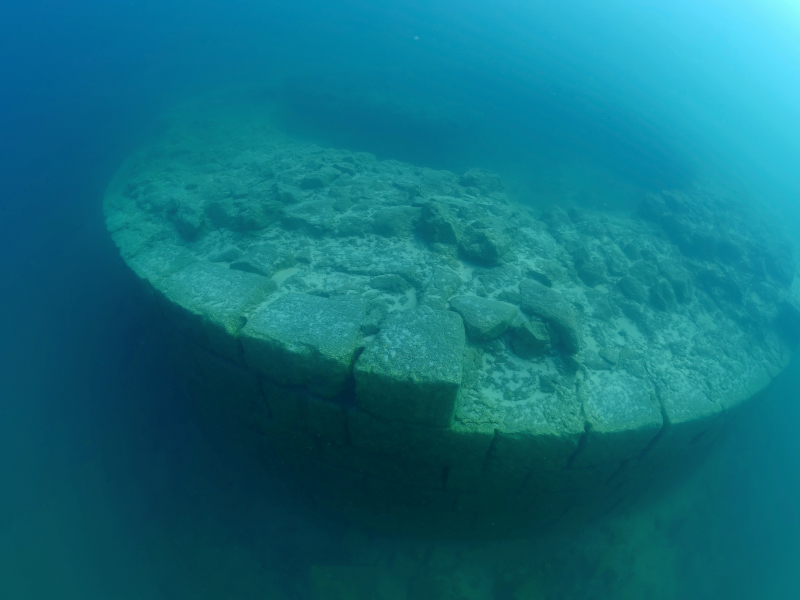
Thanks Benedika it was really interesting I definitely want to back there again since I scratched my port and the best parts (According to me) I had to film with a scratched port..
Hello Adam
Thanks for the interest and I didn't know that microbialites are such beautiful and interesting things.
I definitely have to go again
will be appreciated if you go and share your experiences here
regards
Lutfu
I will definitely share video clips if I go.Hello Adam
Thanks for the interest and I didn't know that microbialites are such beautiful and interesting things.
I definitely have to go again
will be appreciated if you go and share your experiences here
regards
Lutfu
In the meantime I saw this article this morning
https://www.scientificamerican.com/article/a-lake-that-looks-like-mars/
Regards
Adam
Sent from my SM-G903W using Tapatalk
I will definitely share video clips if I go.
In the meantime I saw this article this morning
https://www.scientificamerican.com/article/a-lake-that-looks-like-mars/
Regards
Adam
Sent from my SM-G903W using Tapatalk
İnteresting
the ones in lake Van were more look like New York though 
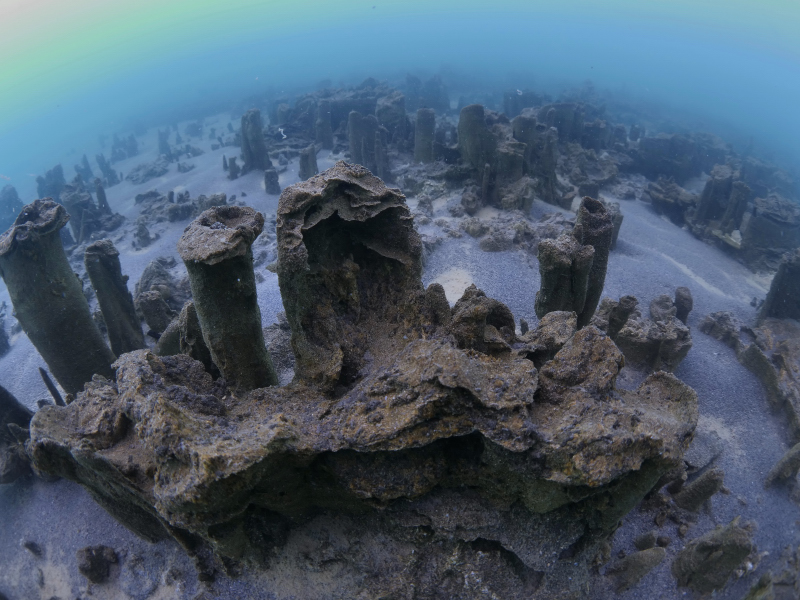
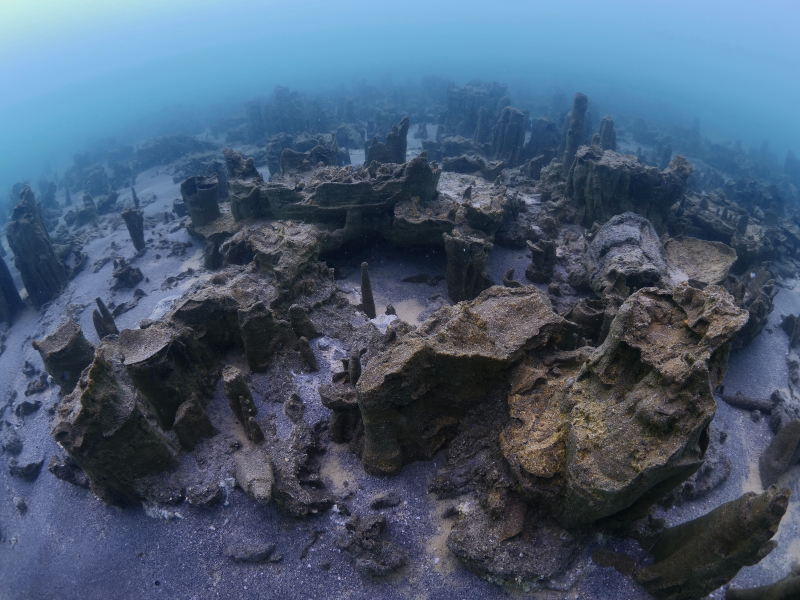
2 more here
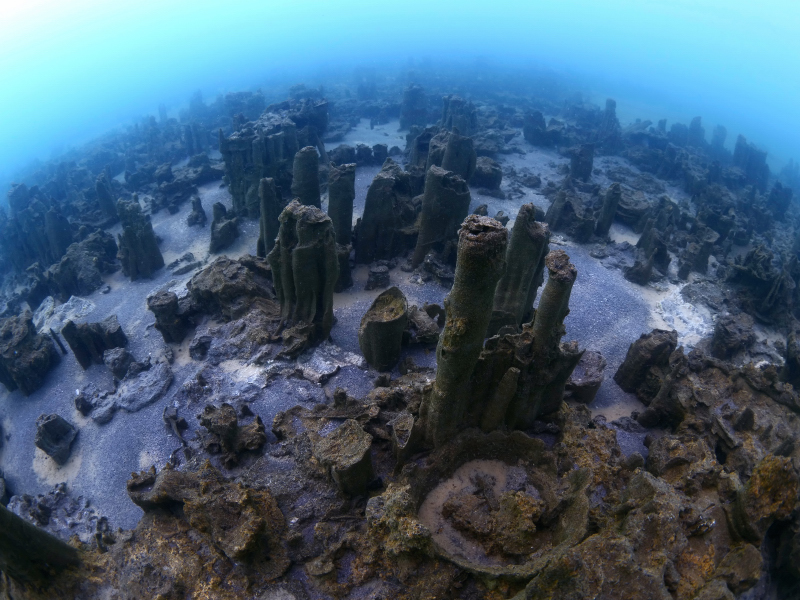
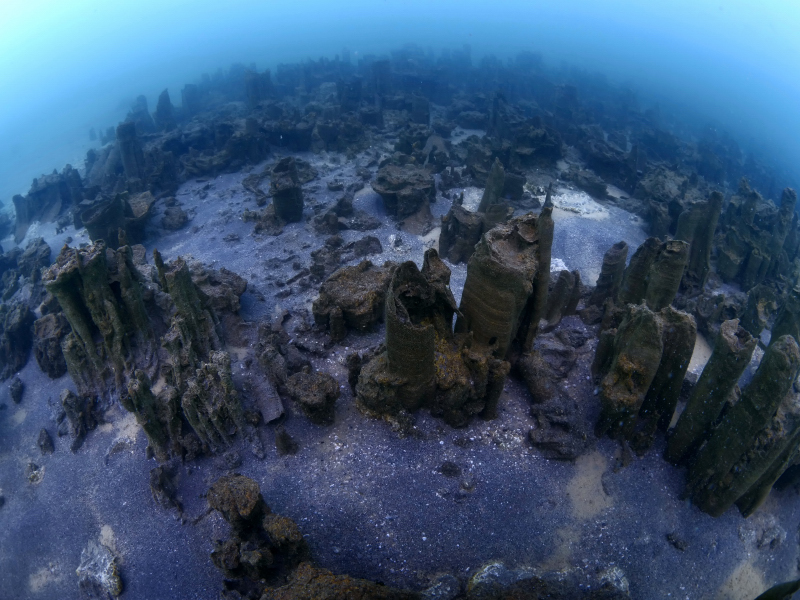
From same lake again

Terms of Use Privacy Policy Guidelines We have placed cookies on your device to help make this website better. You can adjust your cookie settings, otherwise we'll assume you're okay to continue.

A worldwide community for underwater imaging.