1 hour ago, Jerry Diver said:
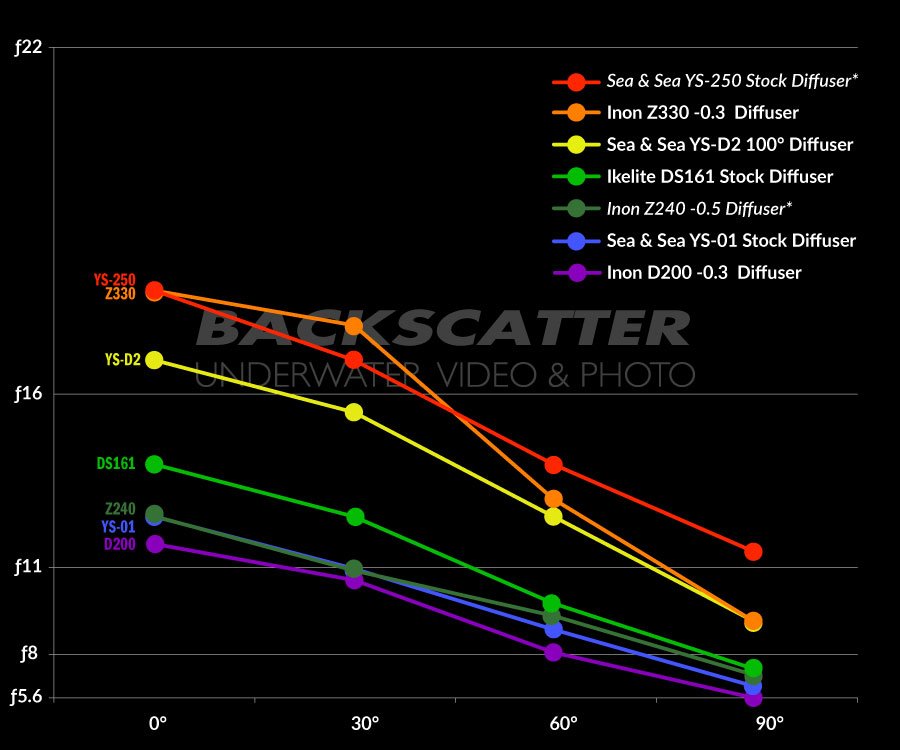
Contrary to popular belief a diffuser does not increase the angle of light by shifting light to the edges of the beam. Light can only be shifted through optics, diffusers are much "dumber" devices.
Diffusers are opaque and they inadvertently decrease the power and by decreasing power where it's abundant a more even distribution across the whole angle can be seen. This evenness is then translated into more "angle" because with a normal exposure in the center we get a less steep fall off on the edges BUT the overall light output is decreased as a result.
What a diffusers actually does, and this is not advertised nearly as much, is that it softens the light by making the shadows less hard. This softening is usually what we are pleased to see.
Straight flash tubes have advantages and disadvantages. Straight flash tubes are limited as they can not take as much energy because of their compact shape. Some manufacturers take two straight tubes but even like that a power of 200 Ws or more is not possible to handle only with a reasonable amount of straight tubes. Their advantage is the before mentioned compactness and also price point to some extent - they are cheaper.
Circular flash tubes also have advantages and disadvantages. Circular tubes are usually bigger and require a more powerful capacitor to get a similar amount of light on an area that straight tubes would cover with ease. This is because by default a circular tube will cover a larger area and thus spend its energy on a wider angle. The advantage being that they can handle more power and as default their light spread is more evenly distributed.
A collimated ray of light can only be widened through a lens but this is nothing to do with how diffusers work because light is not just waves but also particles.
A diffuser is a radiating surface that accumulates light and then distributes it on a different shape so it does increase angle of coverage it is the primary mean for shops to create nice lighting when you go and try your clothes etc the light loss on a straight line depends on the fact the radiant body need to store the energy before releasing it and then this is diffused instead of being concentrated and some of this is lost by collisions within the diffuser body. Without diffusers you would have areas that are illuminated and others that are dark.
Diffusers tend to distribute at wider angle at expense of more energy retained so a diffuser on a strobe that is marked 100 or 120 is actually marked as 50 or 60 normally on land.
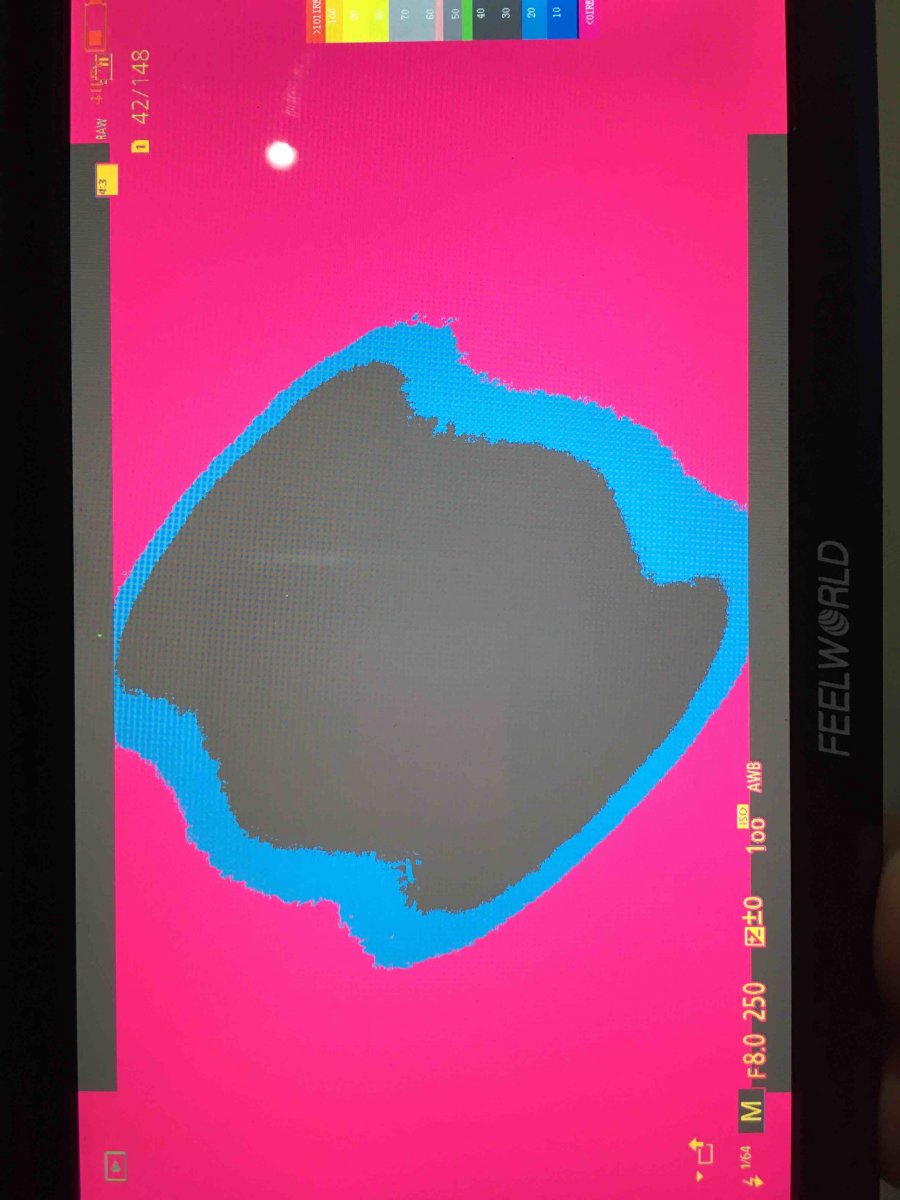
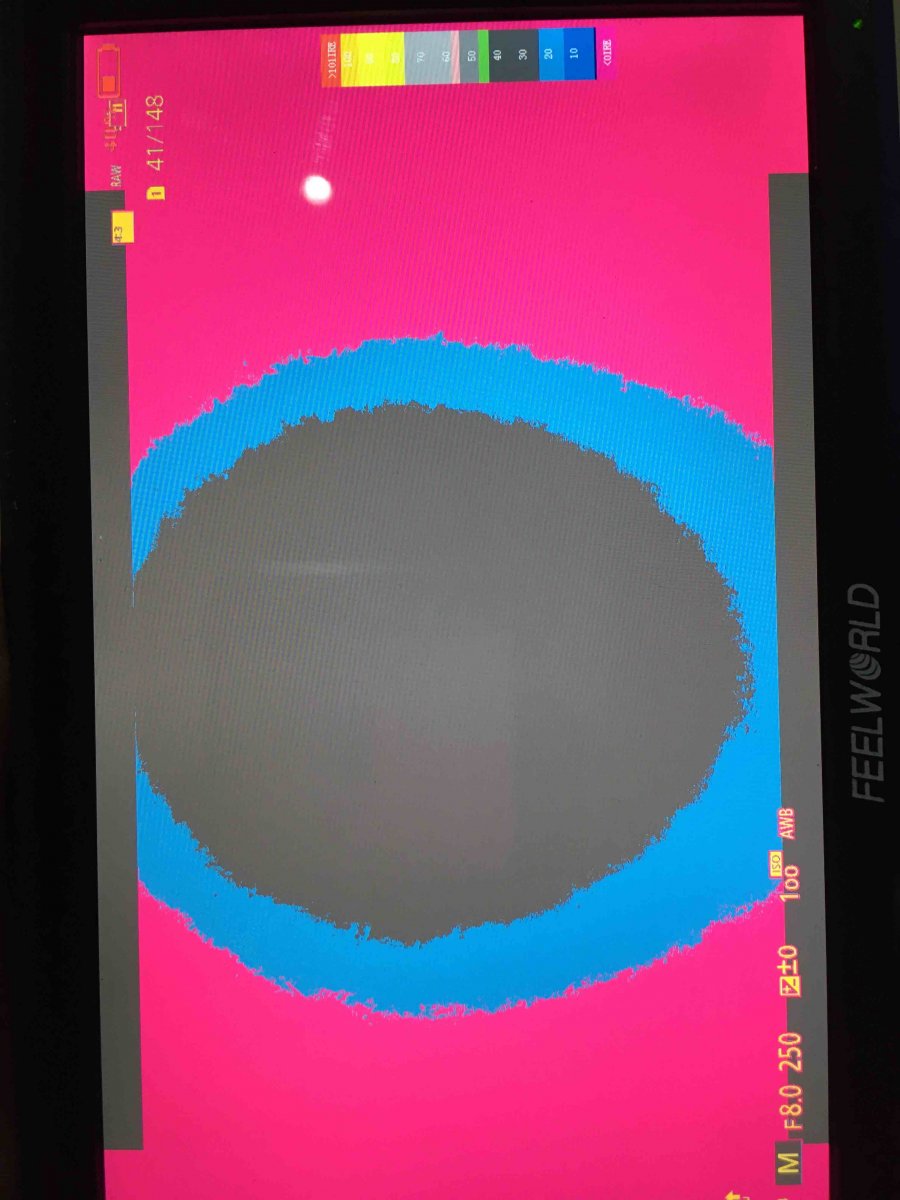
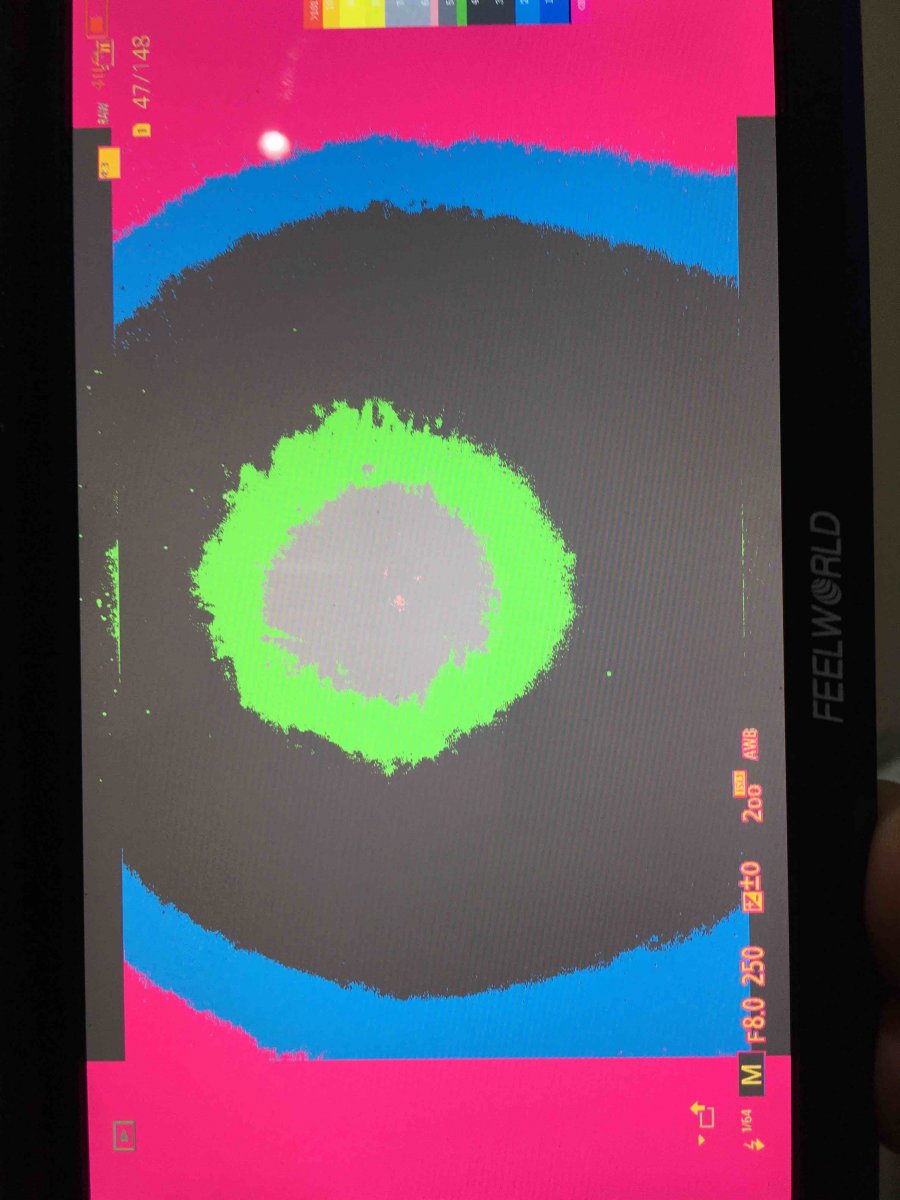
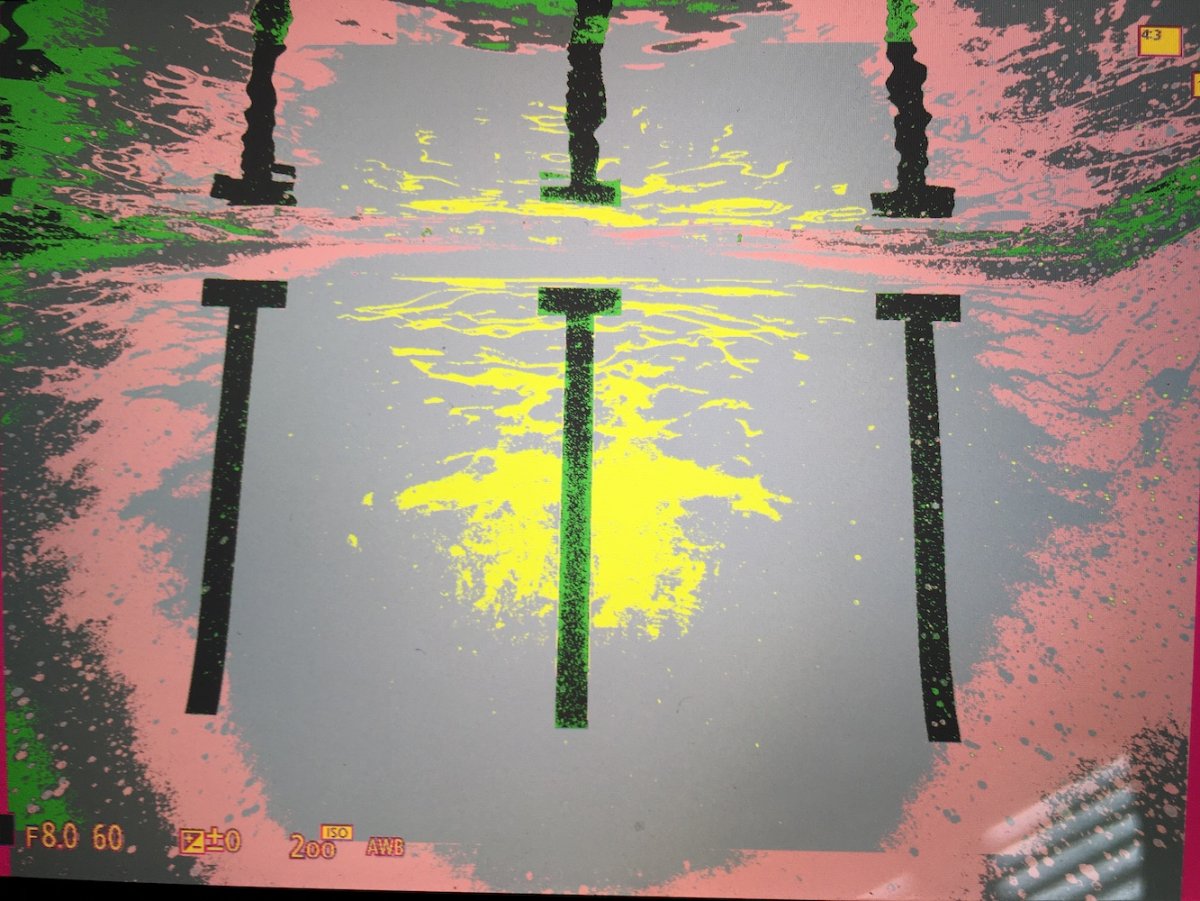
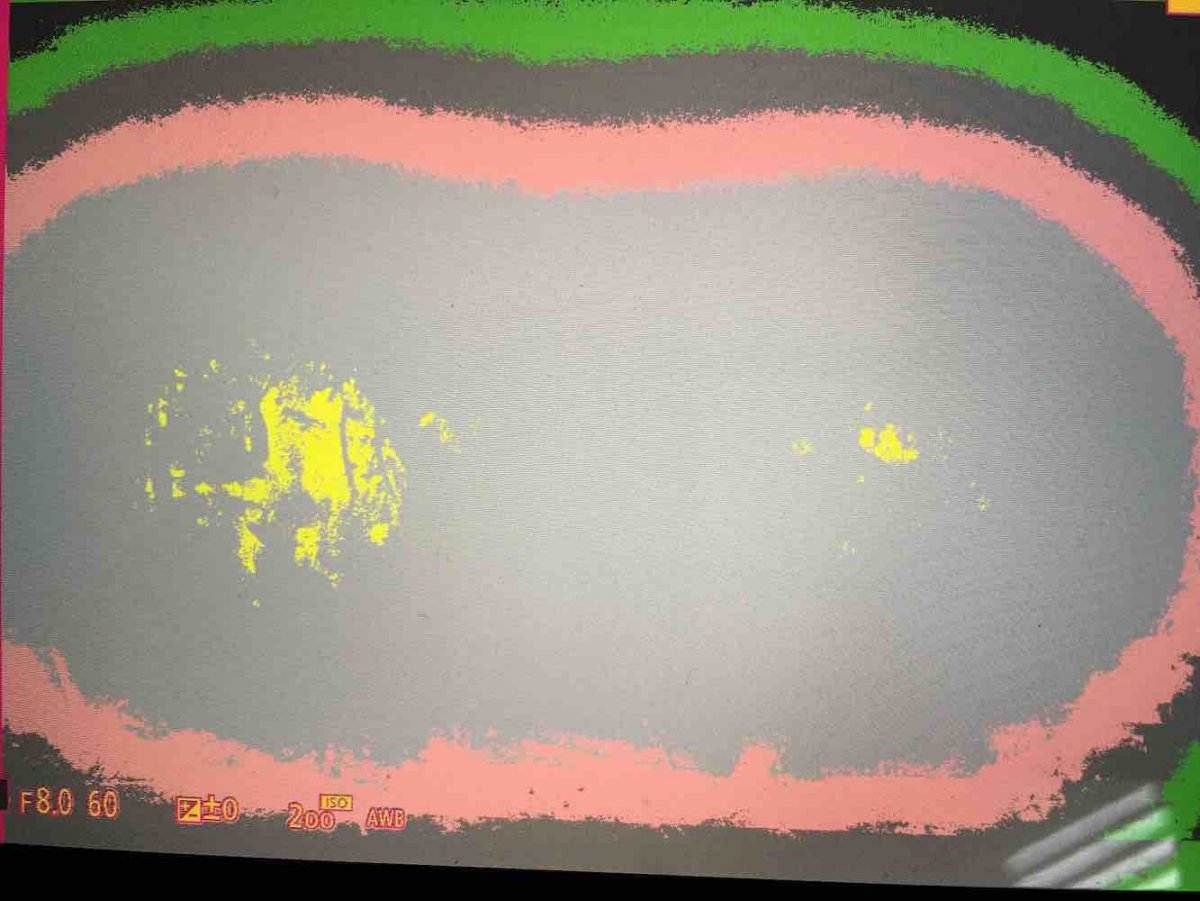
This does not take into any effect the scattering of light in water that is not air and behaves differently which is the point I think is emerging from the shots and the false colour. Light is transmitted in air but scattered in water due to the fact you have particles, there are of course particles in air but the density is very little
So an opal diffuser with 50% transmission will require double the power and will increase the angle of coverage diffusing the light.
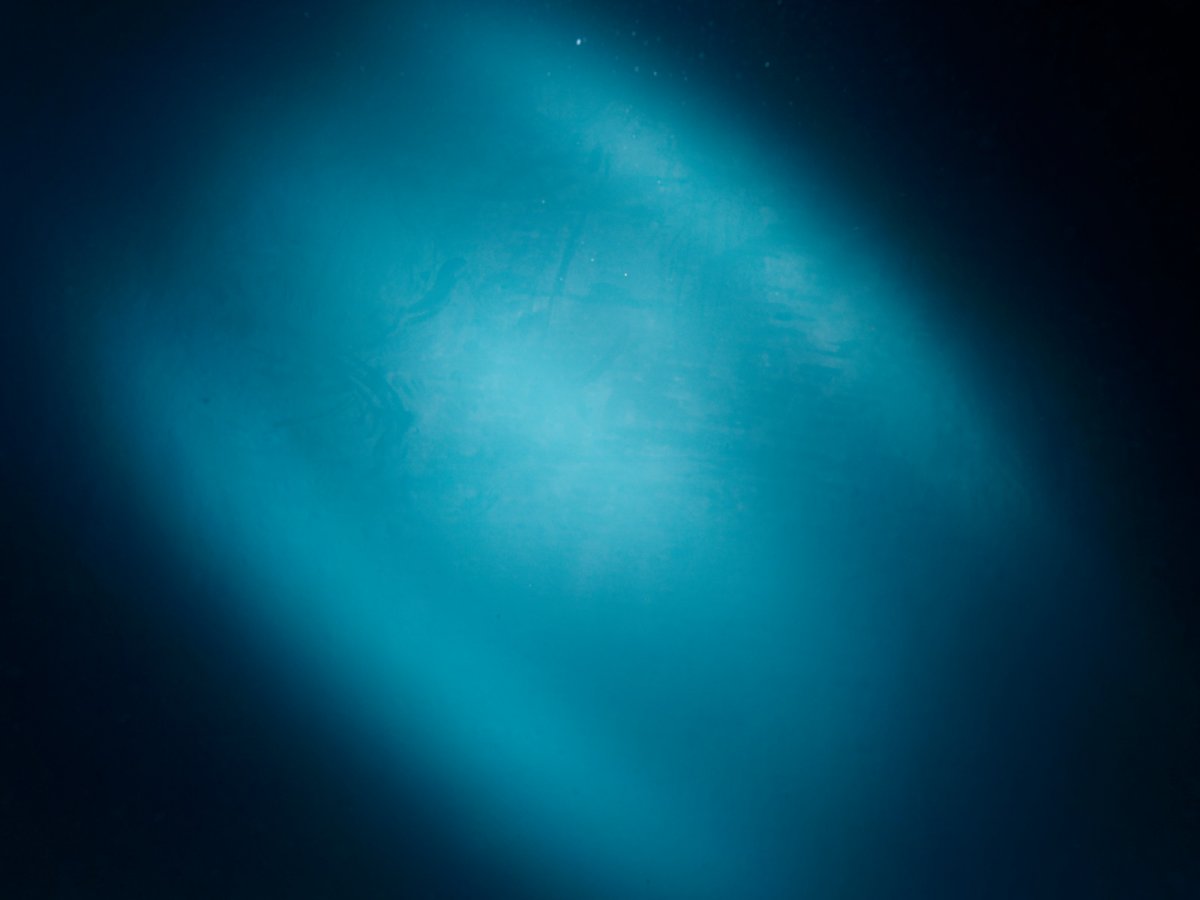
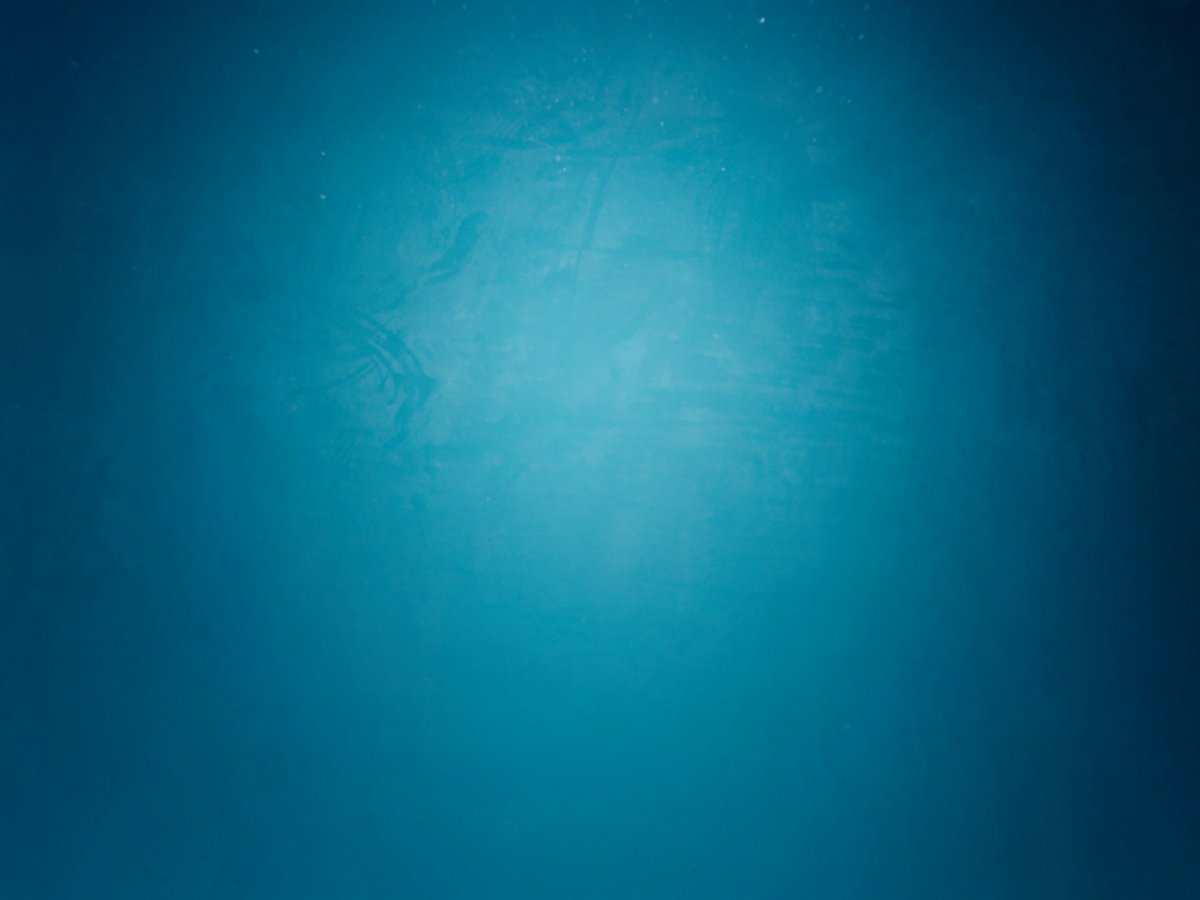
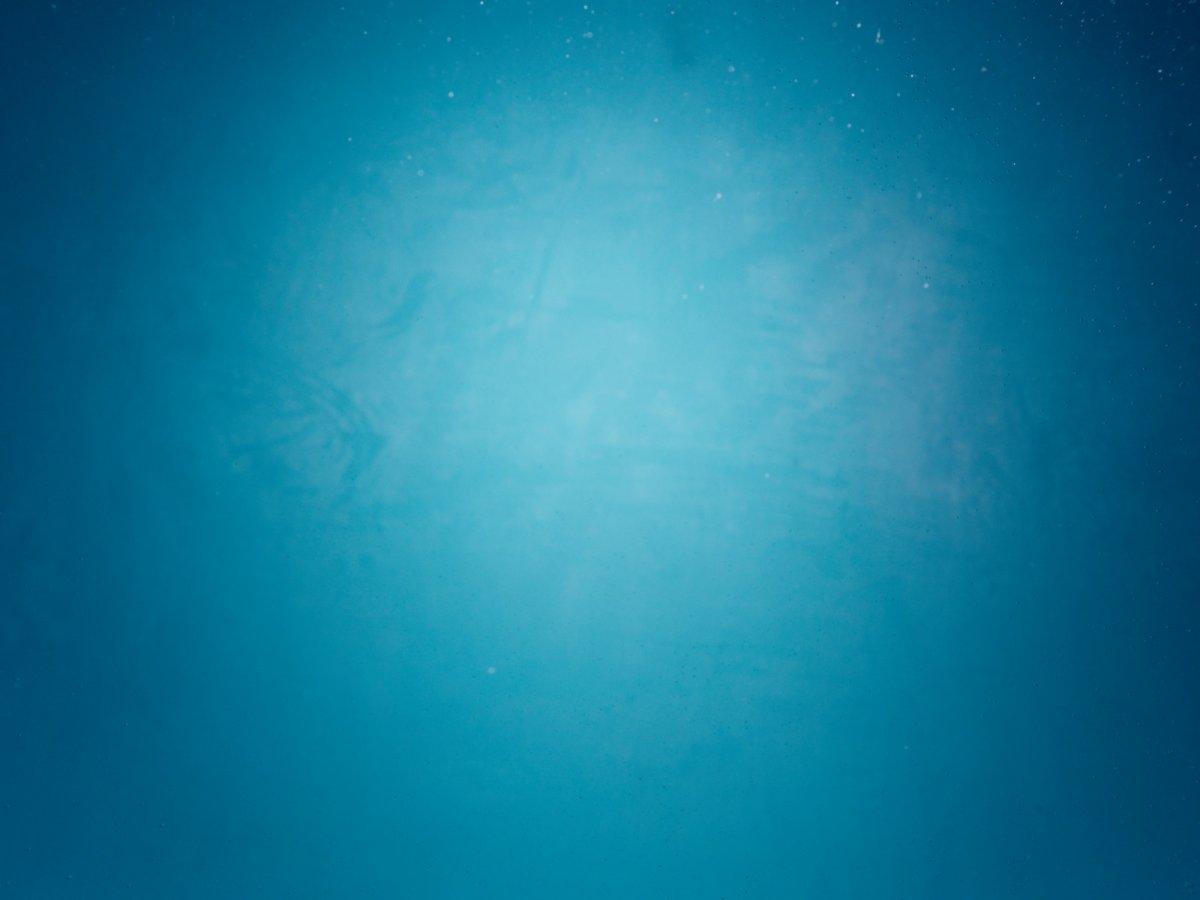
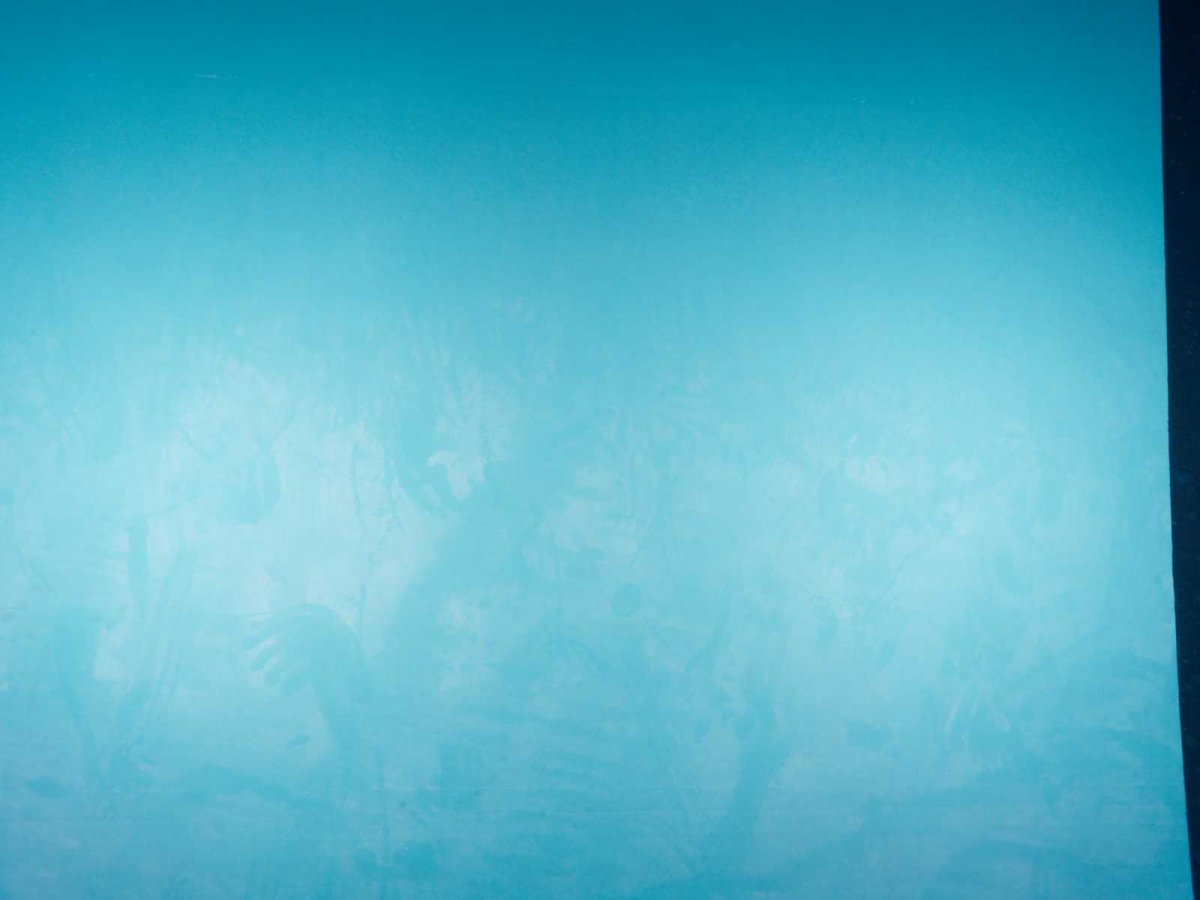
From the shots you can also see that even without a diffuser the drop of angle of coverage of the strobe is not as sharp as you would expect with a ray of light coming long distance from the sun
if you look at the shots on the wall the strobe with the diffuser on is very similar to an ideal single point light and the fact that if looses intensity past 90 degrees is due to inverse square law not to the angle. In fact no strobes can cover a wall at 45 degrees incident angle without suffering a loss of a stop. As you go further away this becomes 3 stops that is 25% of the original intensity practically zero as you did not throw 100% in the centre