Skip to content

Photography Gear and Technique / Archived topic

„Pro“ Lenses - do we need them U/W?

Started by Jock ·

  • 8Posts
  • 8Replies

Read-only discussion

„Pro“ Lenses - do we need them U/W?

8 posts
  1. High quality, professional lenses normally cost a lot. They have (or should have) a superior optical quality, resulting in sharp, detailed pictures. 

    Just a devilish question - do we as U/W photographers really need them nowadays? 

    Software possibilities seem to be unlimited, just a couple of mouse clicks and wham! the picture is (hopefully…) better than before.

    I found a program called DxO PureRaw2, which promises to enhance RAW pics with artifical intelligence, Sounded good to me, so I gave it a try - and was more than impressed. The software downloads profiles for the specific camera - lens combination, then provides global lens sharpening, lens distortion correction (de-selrect for close focus fisheye pics…), recovers details and removes color fringes. All with just two or three mouse clicks. 

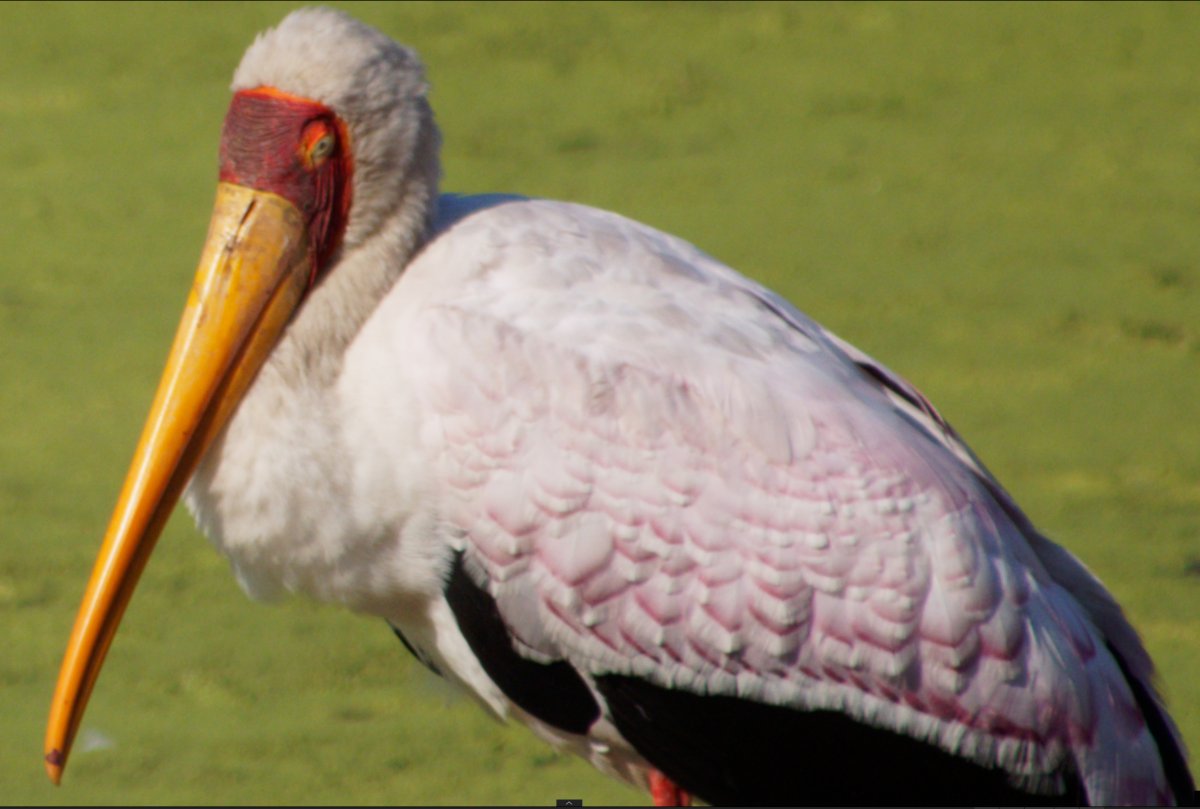
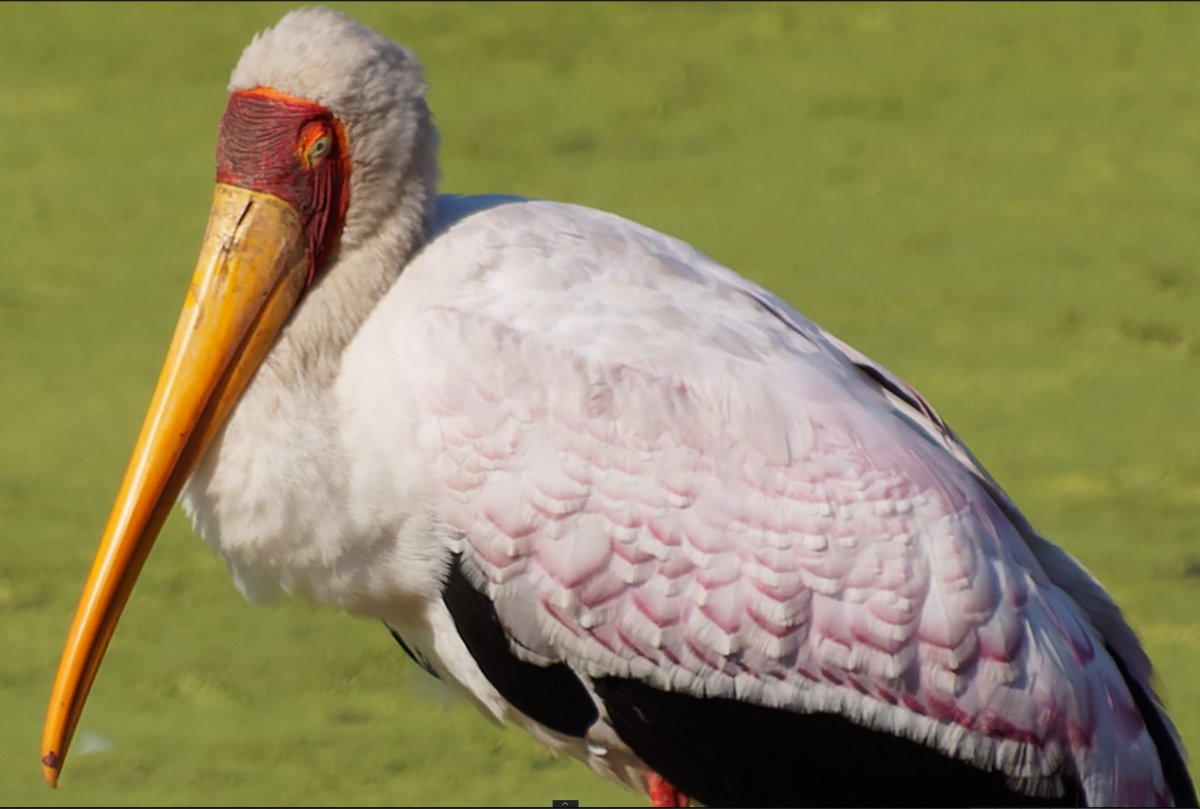
    I made screenshots from the „compare results“ window in PureRaw and attach a few cropped before-after samples as lossy jpgs, 3x enlarged. No further adjustments made. Hopefully the difference is noticeable on your screens. (If you click on the pics they will be enlarged.)

    Crab: Olympus OM-D EM 5 plus Panasonic 8mm/3.5 fisheye, ISO 200, f/8, 1/40sec. 

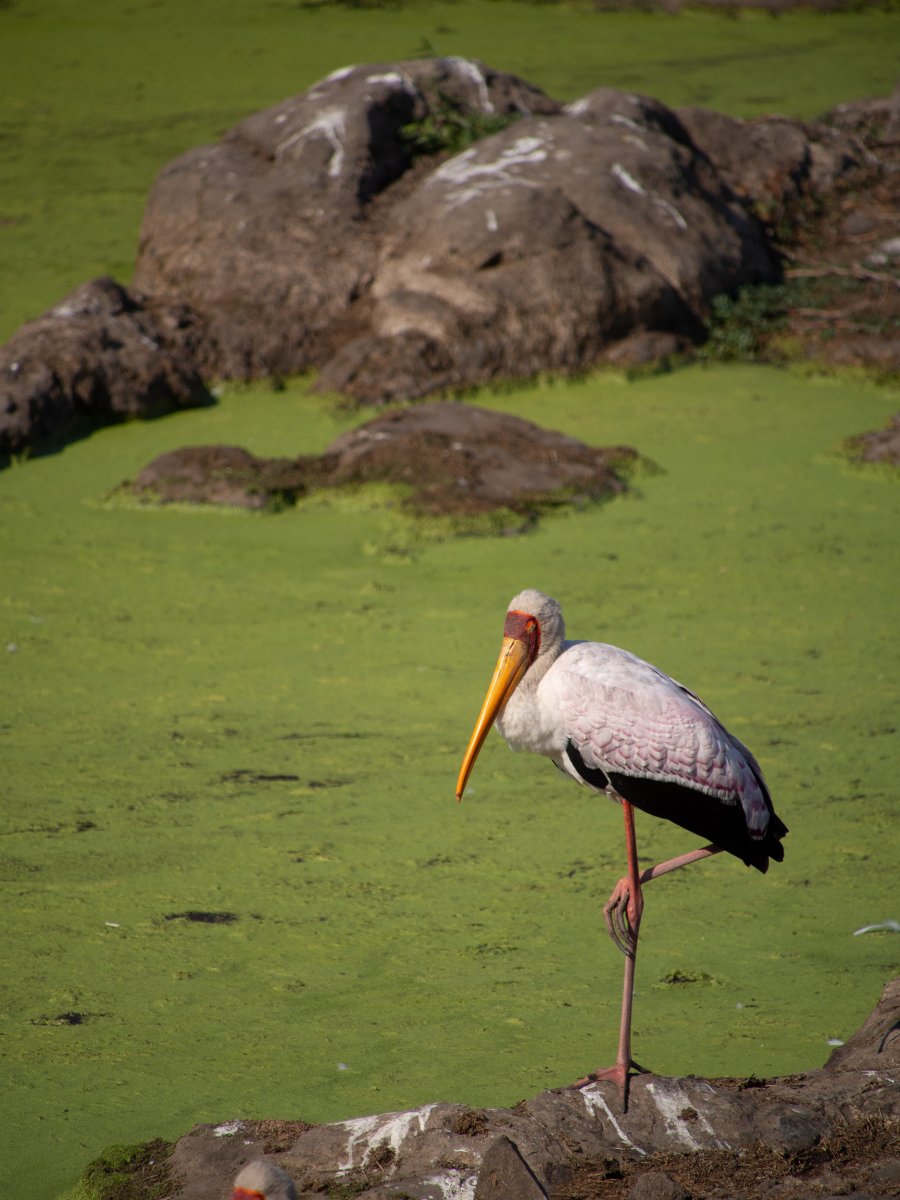
    Bird: Olympus OM-D EM 5 plus Panasonic 100-300m/4.0-5.6 at 300mm, ISO 200, f/5.6, 1/125sec.

    When developing raws from my Oly TG5 results are even more impressive. No pics attached, just believe me.

    Is this (in technical terms!) good enough? For me 100% yes. For National Geographic? Possibly not, but who knows…

    Software is advancing rapidly. I think Adam and Alex mentioned in one of their Wetpixel Live videos that maybe 30+ Megapixel sensors could be unnecessary sooner or later due to the phantasic results when Gigapixel AI or similar software is used. Maybe expensive lenses will become unnecessary, too, at least partially - what do you think? The money you save could be invested in a dive trip…

    Cheers,

    Jock

    Crab original.jpg

    Crab before 3x.jpg

    Crab after 3x.jpg

    Bird original.jpg

    Bird before 3x.jpg

    Bird after 3x.jpg

    Edited by Jock — addition
  2. An interesting question, Jock.

    There is all sorts of software that can make significant enhancements to an u/w (or any!) photo. Lightroom is full of them. AI - elements off which are in LR - can do even more.

    But when it comes to buying lenses for u/w use, I think there should be an element of caution in assuming "Pro" lenses are better - and worth the extra.

    "Pro" often means that you get a wider widest aperture and still retain high quality at all aperture settings. But the widest apertures (say f2.8 rather than a f4 model  or f1.8 v f1.4) are generally not especially useful underwater.

    In addition there are lenses which are stellar topside and awful underwater; and vice versa. For example the Tokina 10-17: fabulous u/w, horrible topside. Or the Nikon 14-28 (a very Pro lens): superb topside, not great u/w.

    Bear in mind too the resolution degrading aspect that seawater brings. 

    So are traditional "Pro" lenses worth the extra for underwater use? Hmmmmm, really have to question that..... not in my experience.

    Edited by TimG
  3. If you are thinking you just don't need the resolution underwater that you do above, start shooting some macro.  You can always find a use for more resolution, and even though you have another piece of glass and some water between sensor and subject, you can still make use of more resolution.

  4. On 8/14/2022 at 1:34 PM, Jock said:

    High quality, professional lenses normally cost a lot. They have (or should have) a superior optical quality, resulting in sharp, detailed pictures. 

    Just a devilish question - do we as U/W photographers really need them nowadays? 

    Software possibilities seem to be unlimited, just a couple of mouse clicks and wham! the picture is (hopefully…) better than before.

    I found a program called DxO PureRaw2, which promises to enhance RAW pics with artifical intelligence, Sounded good to me, so I gave it a try - and was more than impressed. The software downloads profiles for the specific camera - lens combination, then provides global lens sharpening, lens distortion correction (de-selrect for close focus fisheye pics…), recovers details and removes color fringes. All with just two or three mouse clicks. 

    I made screenshots from the „compare results“ window in PureRaw and attach a few cropped before-after samples as lossy jpgs, 3x enlarged. No further adjustments made. Hopefully the difference is noticeable on your screens. (If you click on the pics they will be enlarged.)

    Crab: Olympus OM-D EM 5 plus Panasonic 8mm/3.5 fisheye, ISO 200, f/8, 1/40sec. 

    Bird: Olympus OM-D EM 5 plus Panasonic 100-300m/4.0-5.6 at 300mm, ISO 200, f/5.6, 1/125sec.

    When developing raws from my Oly TG5 results are even more impressive. No pics attached, just believe me.

    Is this (in technical terms!) good enough? For me 100% yes. For National Geographic? Possibly not, but who knows…

    Software is advancing rapidly. I think Adam and Alex mentioned in one of their Wetpixel Live videos that maybe 30+ Megapixel sensors could be unnecessary sooner or later due to the phantasic results when Gigapixel AI or similar software is used. Maybe expensive lenses will become unnecessary, too, at least partially - what do you think? The money you save could be invested in a dive trip…

    Cheers,

    Jock
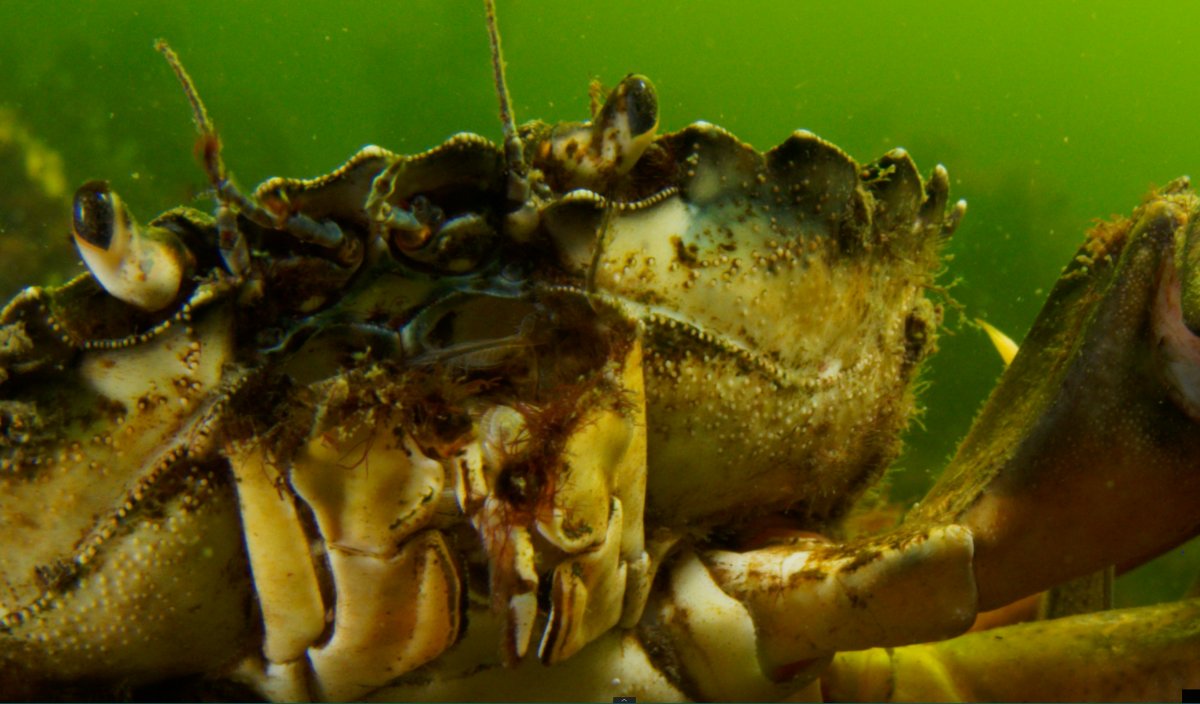
    Crab original.jpg

    Crab before 3x.jpg

    Crab after 3x.jpg

    Bird original.jpg

    Bird before 3x.jpg

    Bird after 3x.jpg

    Olympus used the 'Pro' label for some of their Zuiko range Canon has some lenses that are for 'professional use'

    No other manufacturers draw such a defined line to my knowledge and to be frank I agree with that approach

    You need to consider the combination of master lens and port or wet lens to draw a conclusion on performance normally a better lens with the right port produces better results than a worse lens with the right port but many times there is no right port for a lens and many approximations or there is only a port for one lens and not for another

    Software as a panacea to make a lens or a sensor better is not really the point as that software also improves the better lens and sensor so it is not a way to close the gap it just improves the starting point

  5. A small correction - Sony make 3 grades of lenses - best are labelled "G Master", mid range are labelled "G" and cheapest with no "G" in the name. Apart from max aperture variations mentioned above, the better lenses may have say, weather sealing and improved IQ compared to the cheaper ones. I own one G Master and some Gs, plus a couple of the cheapies; all of which I use with A6400.

    Out of these my clear Sony lens favourites are Gs - 90 macro G and 16-55 2.8 G zoom; the latter sadly only suitable for use on land due to long MFD. (I also have and am a huge fan of Zeiss 50 Touit macro and Sony / Zeiss 24. These are my 'go to' underwater lenses when I can't decide what else to use, and could be described as "G equivalents'!)

    Of my non-G lenses, I quickly got rid of my 16-50 kit lens. I have a 30mm macro and while it's 'good enough', I've never bonded with it and rarely use it! (But I haven't sold it either). I also have a non-G 18-135 (land use only) which is pretty good, but not in the same class as the 16-55 G. 

    I have just bought a 10-20 G mainly for underwater, with high hopes compared to the old 10-18 non-G version, but no chance to test it yet.

    In summary, and assuming you are likely to stick with your choice of manufacturer and format for some time, I reckon it's always worth getting (or trading up to) the best glass you can afford. 

  6. 8 hours ago, dentrock said:

    I also have a non-G 18-135 (land use only) which is pretty good.

    When I had my Sony A6500 I also had the 18-135, it was a GREAT all in one travel lens.  I took just that lens, the A6500 body and 4 batteries with me on a 2 week backpacking trip through Belgium and Netherlands, best honeymoon ever (it better be as its the only one Ive had ;-). 


    If you want to try out the 18-105G let me know I just found one in my box of camera stuff, its in the original box with all the caps and papers.

  7. A bit off topic but yes, I relied almost exclusively on my 18-135 during trips to Greenland, Iceland and China, and was pleased with the results.

    Back to the OP who is asking if software can negate the need for "pro" lenses. Well the answer is 'yes' and 'no'. Phone cameras have killed off most compact cameras (the Olympus TG series is an outlier in this regard). But without software enhancements, the photos from phone cameras would be pretty awful with their tiny sensors and cheap plastic lenses. So a 'yes' there.

    But if you want to maximise IQ, then post software doesn't (yet) replace a need for good lenses, noting that lens quality is only a part of the story; and the skill of the photographer is much more important than the equipment they use. So a qualified 'no' there; and I agree with Interceptor who points out that if you pimp hi res images (cf low res ones), the starting point is raised, so the end result will be... well, better!

    Finally, none of this really matters, because if you are happy with your gear and the results you are getting, who cares? Someone who shoots for the socials will have very different needs compared to someone trying to make a living from underwater photography.

  8. No manufacturer could make and sell poor lenses these days. So virtually all are 'fit forpurpose'. FWIW I have some current Leica lenses which I use on old rangefinders, and some current Sony lenses for the A7 series. If I shot them side by side I would be hard pushed to say one was better than the other. There are differences but in the real world these aren't so much about 'sharpness' and all the aspects photographers discuss at length, but more are subtle; variations in flare patterning or starbursts created from the diaphragms. 'Pro' lenses may be built to stand more and heavy continuous use (perhaps/maybe, I'm not convinced) which has little relevance if they are in a housing anyway. So as the last poster suggested, if you are happy with what you use then its designation is irrelevant.

Kraken Sports

Account

Navigation

Search

Search

Configure browser push notifications

Chrome (Android)
  1. Tap the lock icon next to the address bar.
  2. Tap Permissions → Notifications.
  3. Adjust your preference.
Chrome (Desktop)
  1. Click the padlock icon in the address bar.
  2. Select Site settings.
  3. Find Notifications and adjust your preference.