Skip to content

Photo / Video Showcase / Archived topic

How to shoot seals

Started by parrazad ·

  • 3Posts
  • 3Replies

Read-only discussion

How to shoot seals

3 posts
  1. What's your technique for shooting seals? How do you set your camera?

    Here is what I do: 

    1. Seals are super-fast and in a fraction of a second everything starts and finishes. So, for that reason, I prefer freedving as opposed to scuba diving with seals because I can freely swim with them without being worried that I might be ascending too fast. Plus, over the years I have learnt that the secret to conserve gas in Scuba diving is slow swimming and being calm which doesn't work with seal because they are like bullets in the water :D
    2. Also, most of the action happens in shallow water (say shallower than 10 metres/30 feet) which is a range that's easy for freedivers. I can spend 1 minute or two down the bottom with the seals which is perfect to take a few shots and come back up.
    3. Also, swimming/freediving with seals makes them curious about you so they come closer to you without being worried about all the bubbles and scuba diving weirdness. You get a much more natural interaction with them. The younger ones love my Dolphine kicks and summer solts/backflip. Obviously, we all know they are wild animals, and we should maintain a safe distance and avoid harassing them because that can have really painful consequences. 
    4. as far as camera settings go, I set my camera on shutter priority with shutter speed of 1/500th or faster. This way I can ensure the shots are not blurry. I'm not too worried about aperture setting because corner sharpness specially when taking photos in blue water doesn't harm the images much - in my eyes most often I can't even tell if the corners are soft or not; it's all blue water.
    5. I set the ISO depending on the light conditions. Generally, ISO around 400 is a good start on my camera (Nikon D810) but I make sure to balance between ISO and Aperture such that my camera doesn't have to set the aperture wider f/6.3-ish.
    6. In majority of the dives, I won't take my strobes because I'm shooting close to the surface and there are plenty of light and colour. I have tried shooting with strobes. It gives certain flexibilities but it also limits my movements.
    7. I also think if the sun is behind me, it helps the shots. It also reduces backscatter as well.
    8. I use 16-35mm rectilinear lens because it's wide enough to cover the scene but it's not too wide like a fisheye that I have to get too close to my subjects. It's a good balance of both worlds, in my view.

    Now, your turn. How do you take photos of seals? What's your special technique?

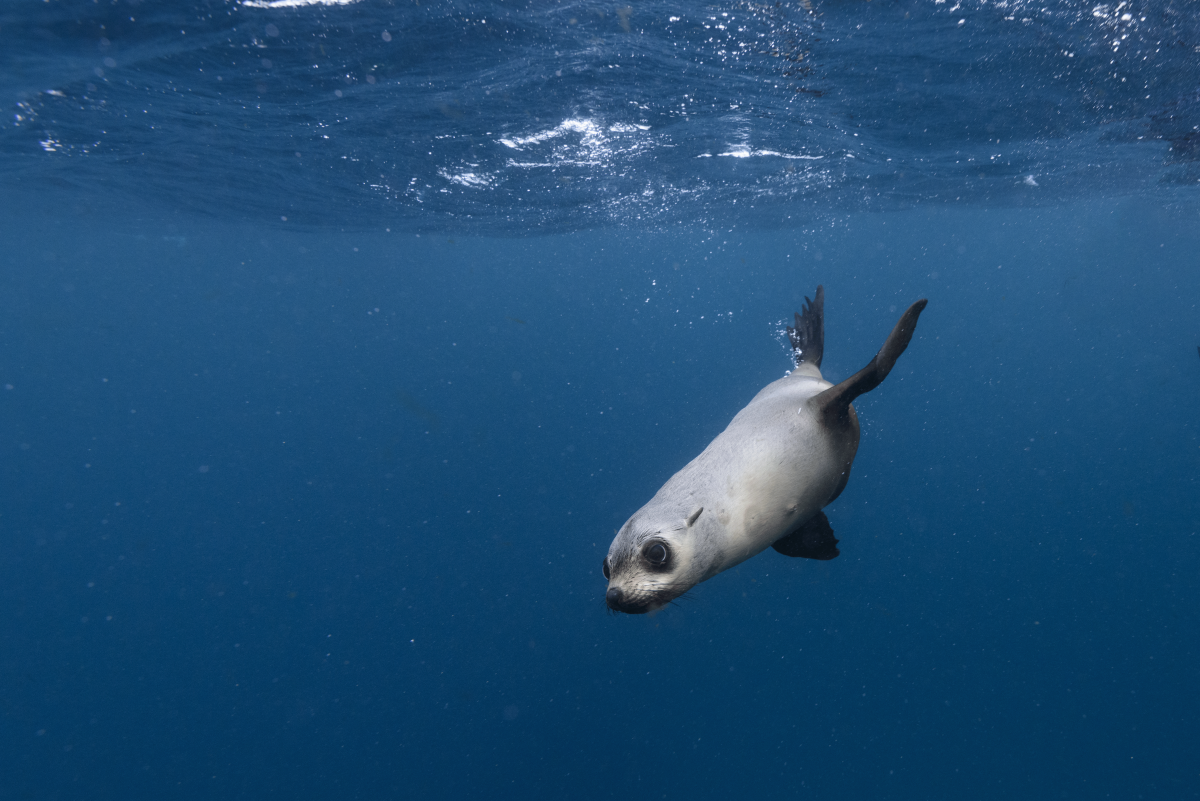
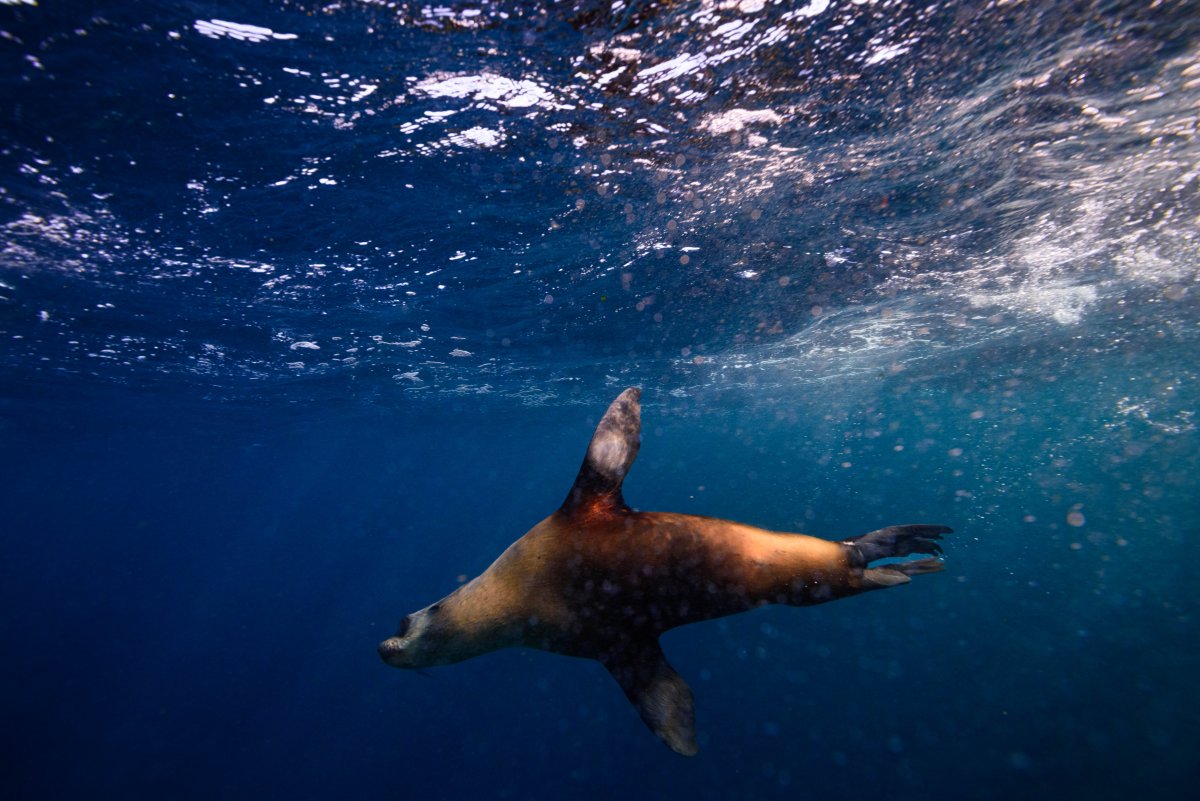
    Here a couple of shots from my last trip to Montague Island and diving with OZ and Kiwi fur seals. (Some photos are with flash, and some aren't...)
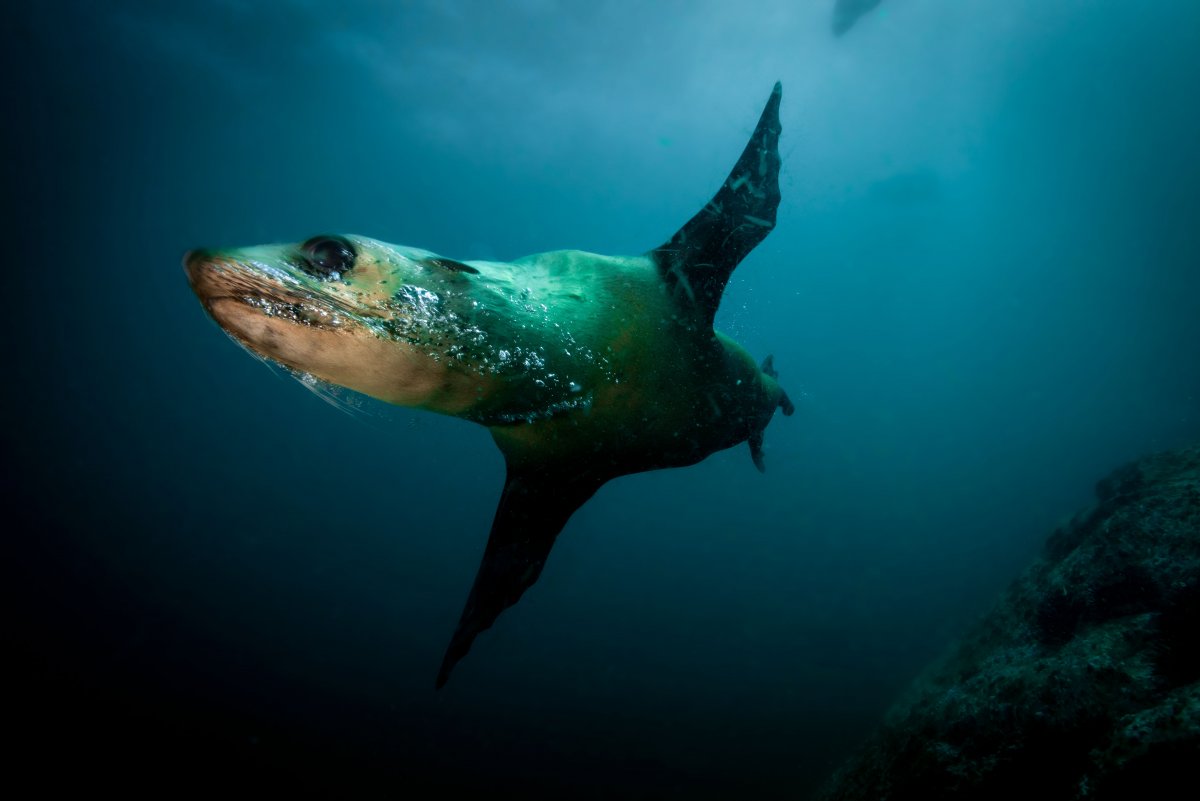
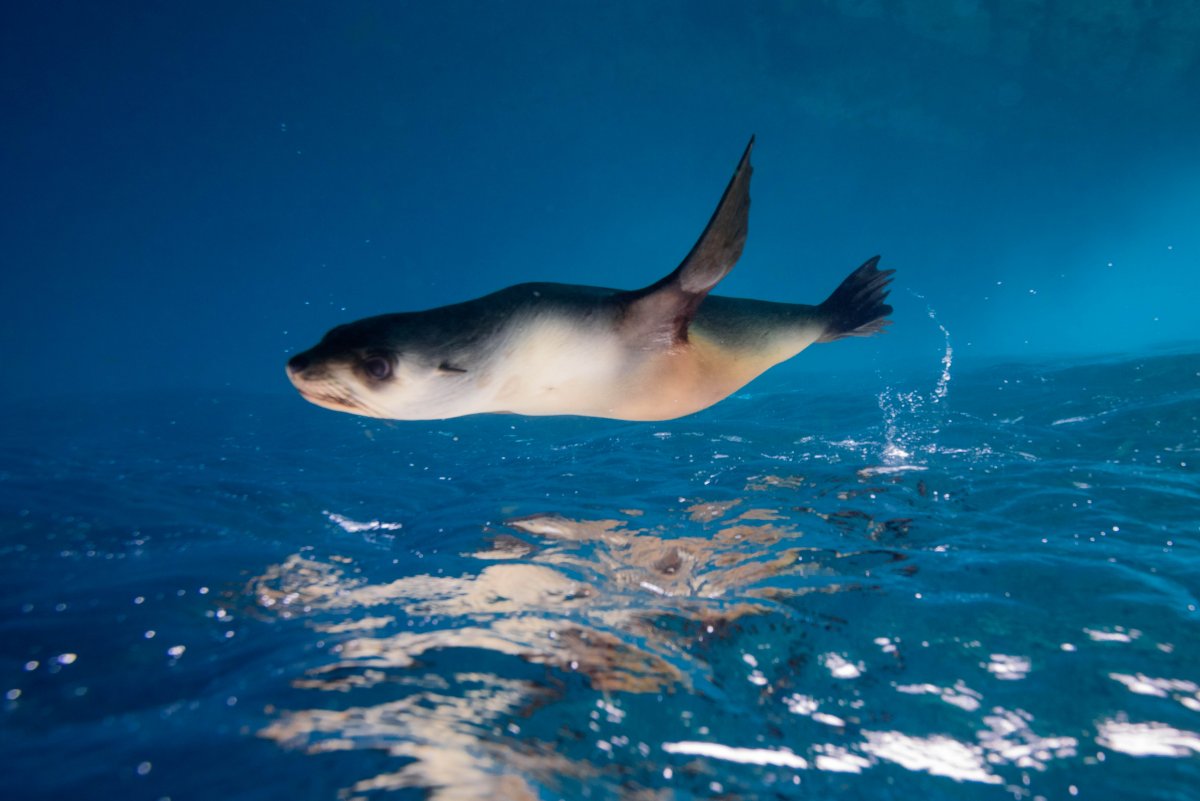
     

    _8100989.jpg

    _8108064.jpg

    _8108065.png

    _8108602.jpg

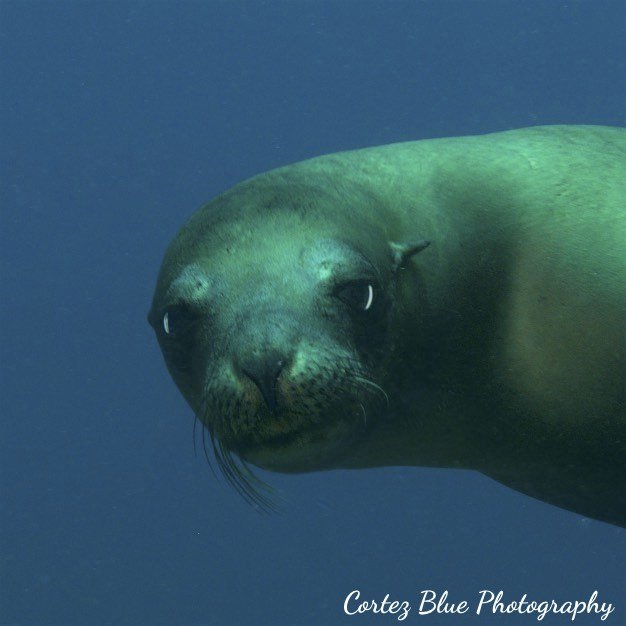
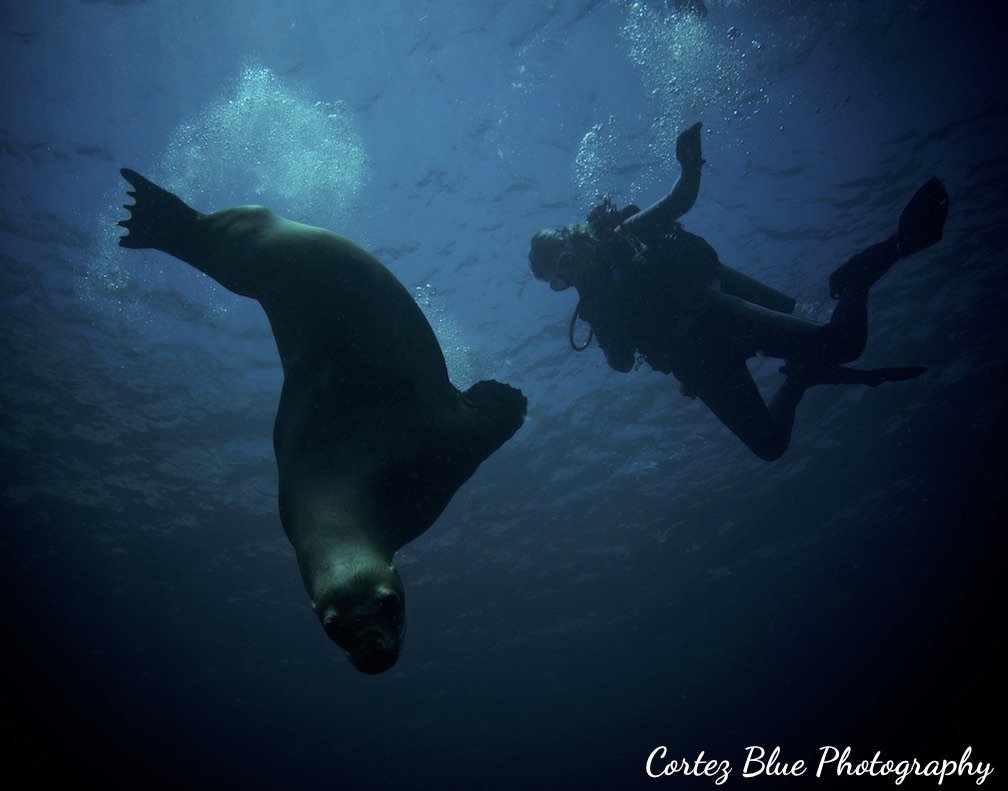
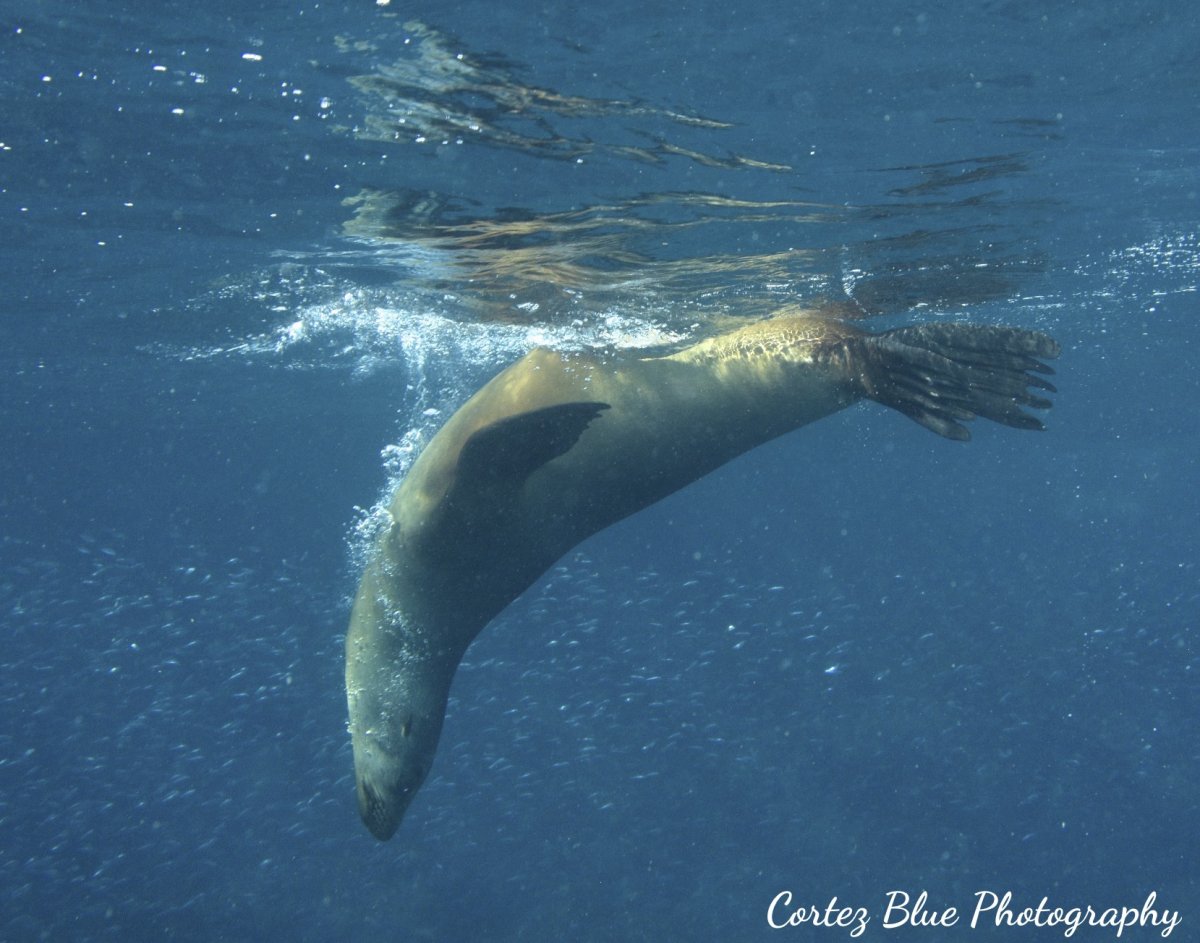
  2. I'm sure techniques for capturing images of pinnipeds probably vary. Over the course of the past twelve years, I've had the opportunity to do a lot of diving with California sea lions. The years (2016-2019) were focused upon diving with sea lions as I was working on my book, Dancing with Sea Lions. Over the course of working on the book, I did over three hundred dives with sea lions.

     1.    California sea lions are speed demons, but scuba diving with them has never presented any issues for me. I can maneuver pretty quickly on scuba and staying calm isn't an issue. Given the fact that most of my diving involves profile variations, I've never had any problems with ascending too quickly. 

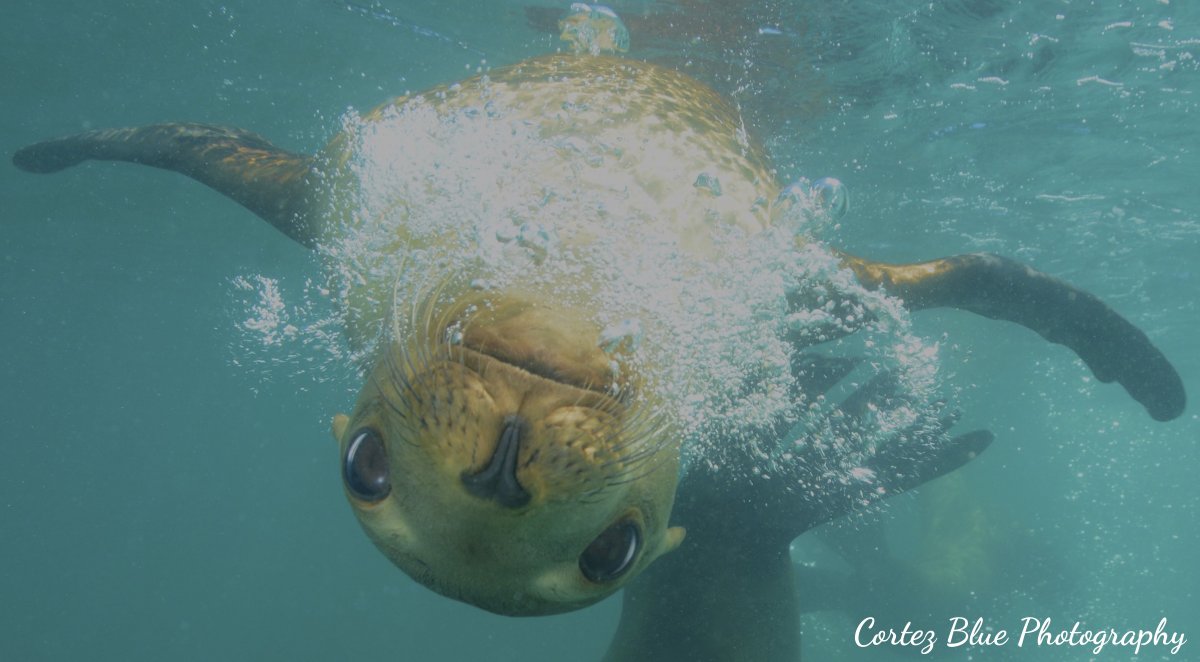
     2.    Sea lions don't seem to be bothered by bubbles. In my experience, they appear to enjoy imitating divers by blowing bubbles. Often, bubbles attract them.

     3.    I've noticed that brightly colored diving equipment like yellow, white and blue fins encourage sea lions to interact with divers. If I'm looking for images of sea lions interacting with divers, I usually watch the divers with brightly colored fins. I wear black equipment and don't seem to draw as much attention as divers with more brightly colored gear.

    4.    I seldom shoot without strobes. And, yes, I can maneuver with my housing/strobe setup pretty quickly.

    5.    My Nikon D7200 syncs at 1/320 and I shoot manually. ISO is usually set at 200 and I pre-set the aperture at f.8. Depending on natural lighting conditions, I may bump to a higher ISO or open the aperture a bit. Late afternoon shooting on some rookery dive sites involve losing some natural light due to shadowing. A focus light helps the camera achieve focus.

    6.    The lens I used for most of the underwater images of sea lions in my book was a Nikkor 10-24mm. Towards the end of my work on the book, I used a Nikkor 16-85mm in order to achieve a bit more reach. I still prefer the quality of the images produced with the 10-24mm.

    7.    Unfortunately, I see a lot of divers who seem to forget that pinnipeds like sea lions are wild animals. I've seen divers get hurt because they aren't paying attention to behavior. Sea lions usually signal when a diver needs to back off.

    My Nikon D850 finally gets to start making trips underwater. We'll see how I do with it over the next few months. 

    -Tinman

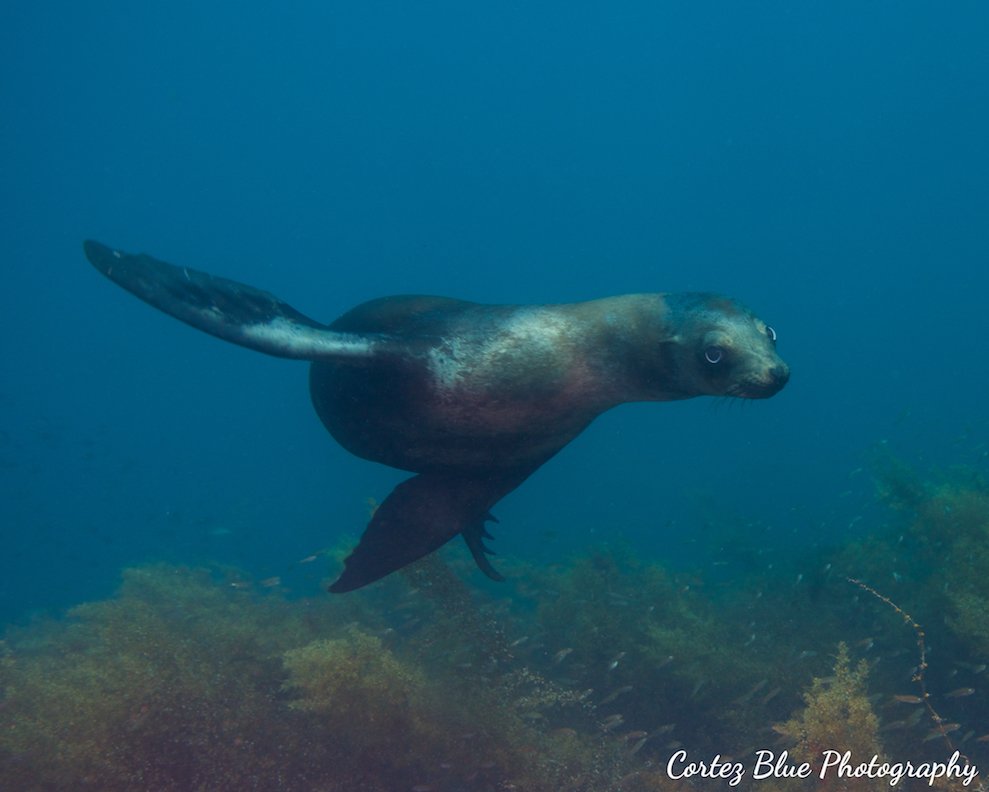
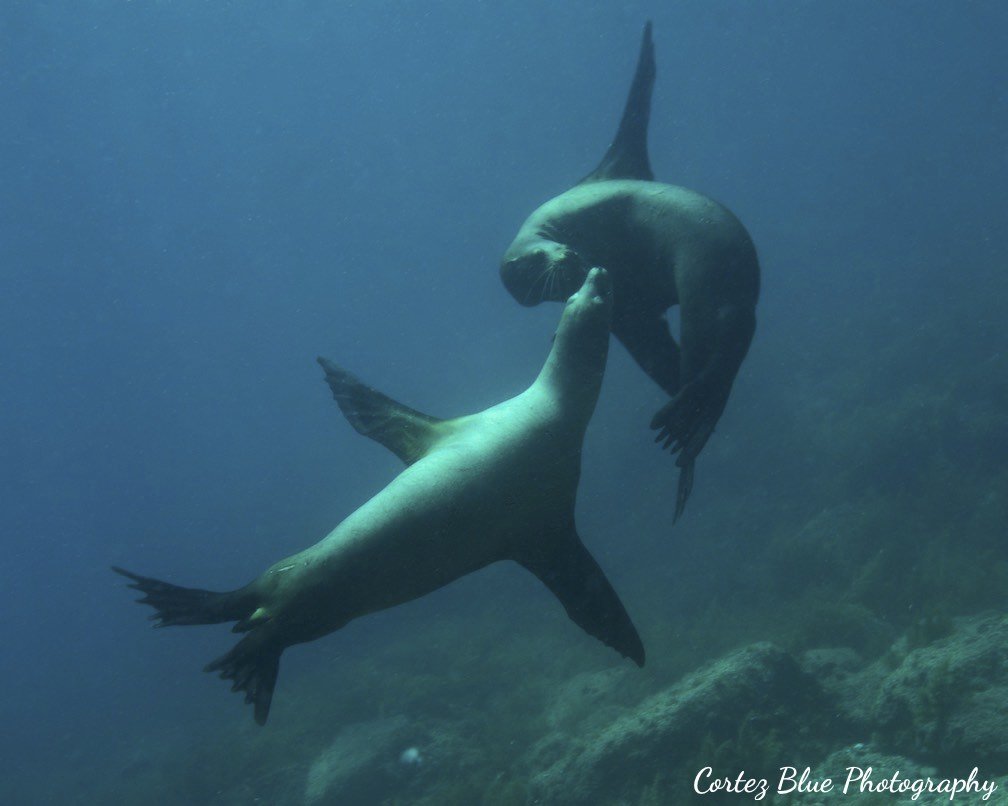
    _DSC2916.jpg

    _DSC2256 copy.jpg

    _DSC1158.jpg

    _DSC1223.jpg

    _DSC1349.jpg

    _DSC2881.jpg

    MB_P_BubblesMySeaLionDiveBuddy_PhilipBonds.jpg


    _DSC1231.jpg

    Edited by Tinman
  3. 3 hours ago, Tinman said:

    I'm sure techniques for capturing images of pinnipeds probably vary. Over the course of the past twelve years, I've had the opportunity to do a lot of diving with California sea lions. The years (2016-2019) were focused upon diving with sea lions as I was working on my book, Dancing with Sea Lions. Over the course of working on the book, I did over three hundred dives with sea lions.

     1.    California sea lions are speed demons, but scuba diving with them has never presented any issues for me. I can maneuver pretty quickly on scuba and staying calm isn't an issue. Given the fact that most of my diving involves profile variations, I've never had any problems with ascending too quickly. 

     2.    Sea lions don't seem to be bothered by bubbles. In my experience, they appear to enjoy imitating divers by blowing bubbles. Often, bubbles attract them.

     3.    I've noticed that brightly colored diving equipment like yellow, white and blue fins encourage sea lions to interact with divers. If I'm looking for images of sea lions interacting with divers, I usually watch the divers with brightly colored fins. I wear black equipment and don't seem to draw as much attention as divers with more brightly colored gear.

    4.    I seldom shoot without strobes. And, yes, I can maneuver with my housing/strobe setup pretty quickly.

    5.    My Nikon D7200 syncs at 1/320 and I shoot manually. ISO is usually set at 200 and I pre-set the aperture at f.8. Depending on natural lighting conditions, I may bump to a higher ISO or open the aperture a bit. Late afternoon shooting on some rookery dive sites involve losing some natural light due to shadowing. A focus light helps the camera achieve focus.

    6.    The lens I used for most of the underwater images of sea lions in my book was a Nikkor 10-24mm. Towards the end of my work on the book, I used a Nikkor 16-85mm in order to achieve a bit more reach. I still prefer the quality of the images produced with the 10-24mm.

    7.    Unfortunately, I see a lot of divers who seem to forget that pinnipeds like sea lions are wild animals. I've seen divers get hurt because they aren't paying attention to behavior. Sea lions usually signal when a diver needs to back off.

    My Nikon D850 finally gets to start making trips underwater. We'll see how I do with it over the next few months. 

    -Tinman

    _DSC2916.jpg

    _DSC2256 copy.jpg

    _DSC1158.jpg

    _DSC1223.jpg

    _DSC1349.jpg

    _DSC2881.jpg

    MB_P_BubblesMySeaLionDiveBuddy_PhilipBonds.jpg


    _DSC1231.jpg

    Great points. I've done scuba with seals as well, but I feel freediving makes it whole a lot easier. 

Account

Navigation

Search

Search

Configure browser push notifications

Chrome (Android)
  1. Tap the lock icon next to the address bar.
  2. Tap Permissions → Notifications.
  3. Adjust your preference.
Chrome (Desktop)
  1. Click the padlock icon in the address bar.
  2. Select Site settings.
  3. Find Notifications and adjust your preference.