Skip to content

The Galley: General Chat / Archived topic

How to spot small critters

Started by parrazad ·

  • 11Posts
  • 11Replies

Read-only discussion

How to spot small critters

11 posts
  1. I've never had much luck with super-macro photography because I can't find small critters to take photos of. If somebody points it out to me, then I see but if I am looking for them, almost always I fail! 

    Also, I wear glasses and recently got prescription lenses for my scuba mask but still the same stroy. 

    How do you spot small critters? Do you have a special technique for it?

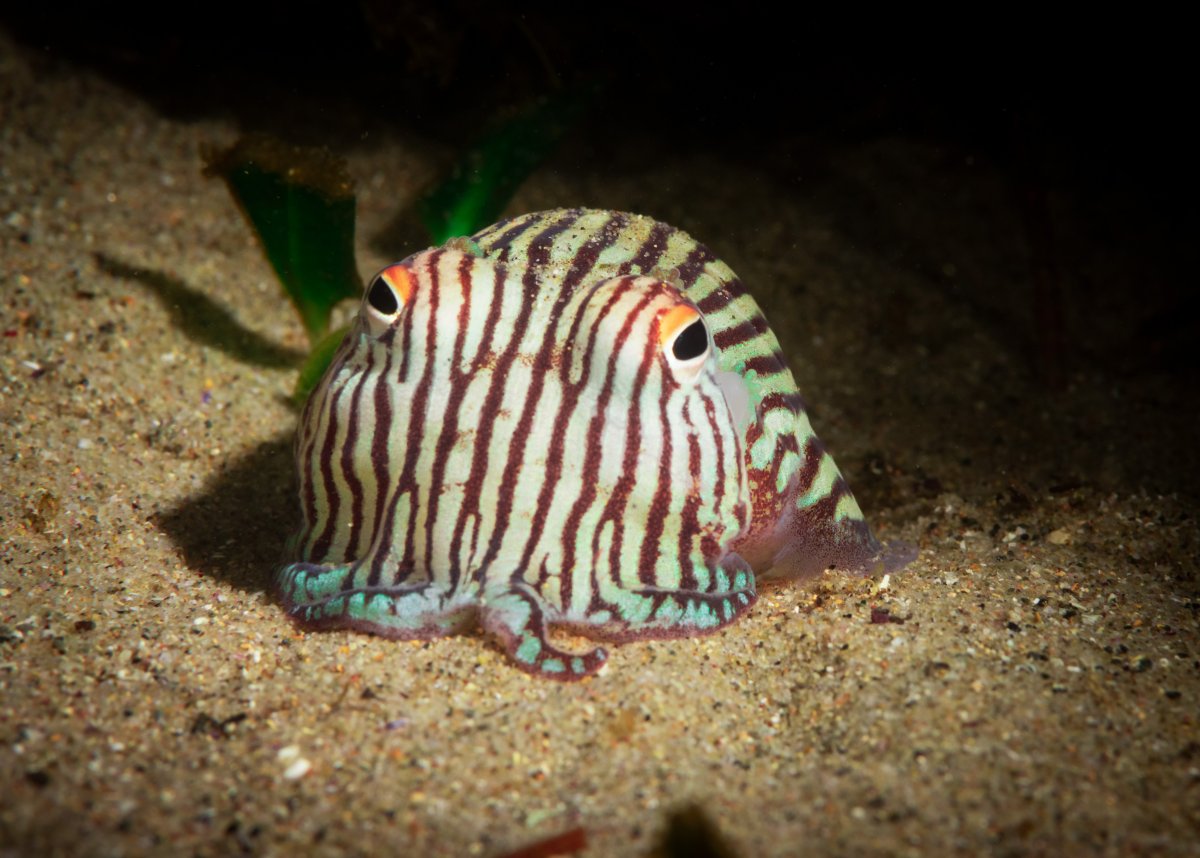
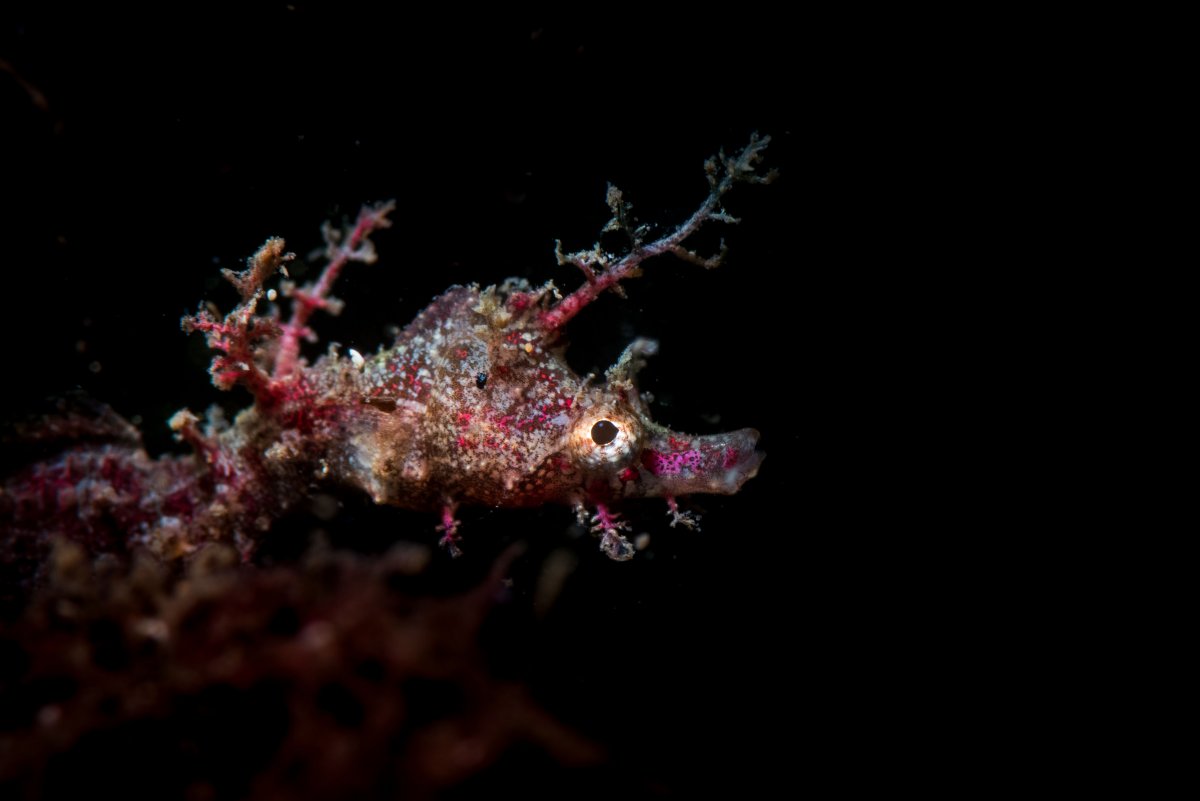
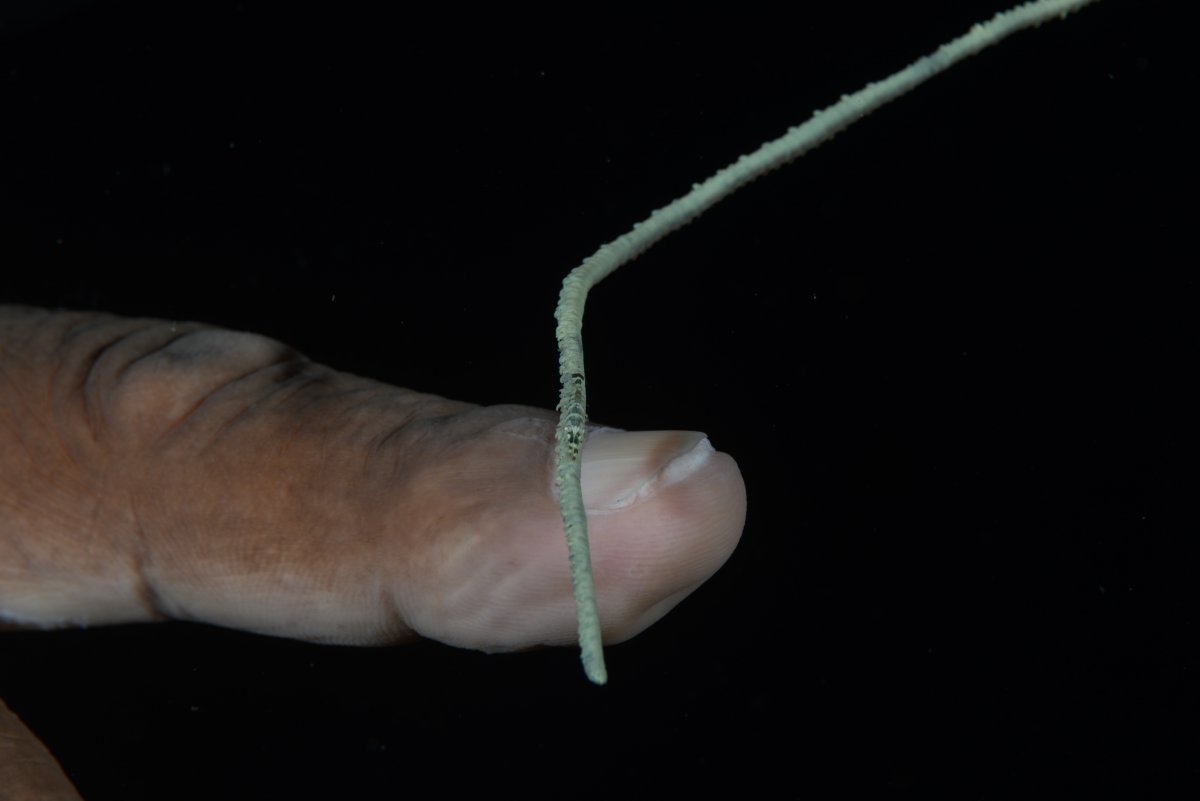
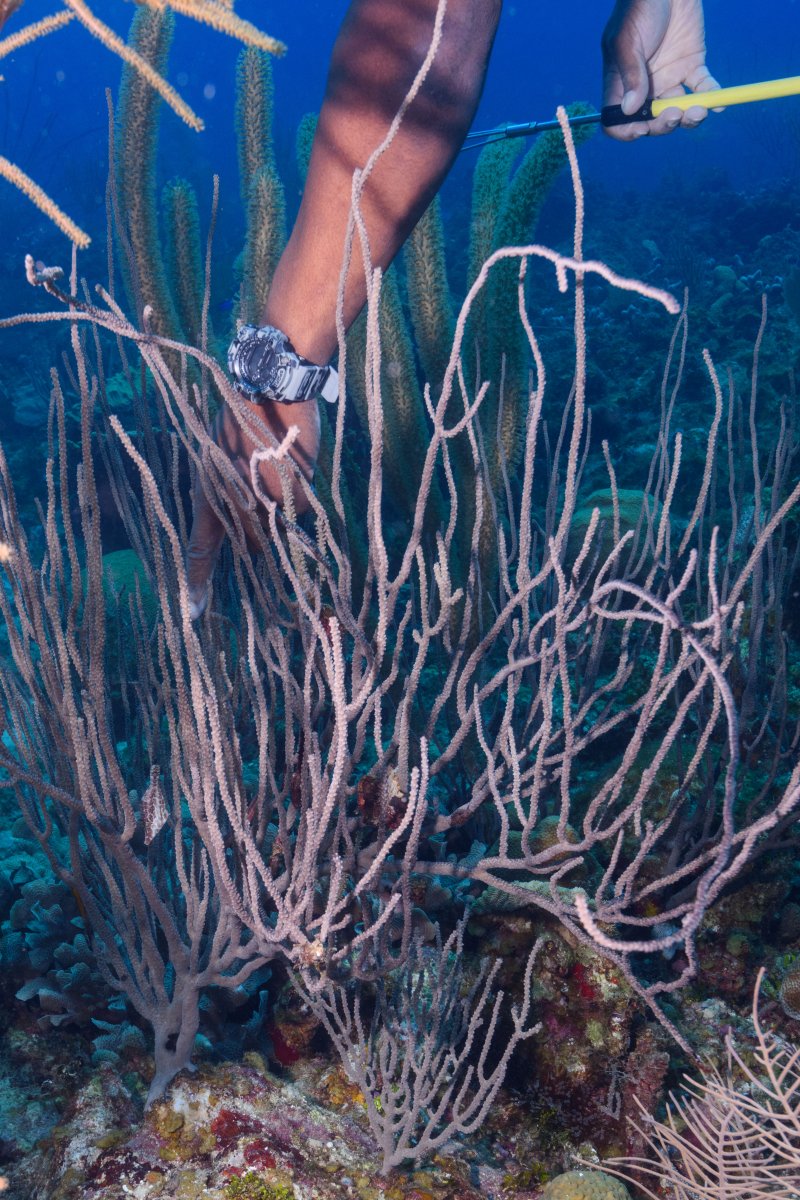
    Here are a few shots that I would never be able to take if they were not pointed out to me:
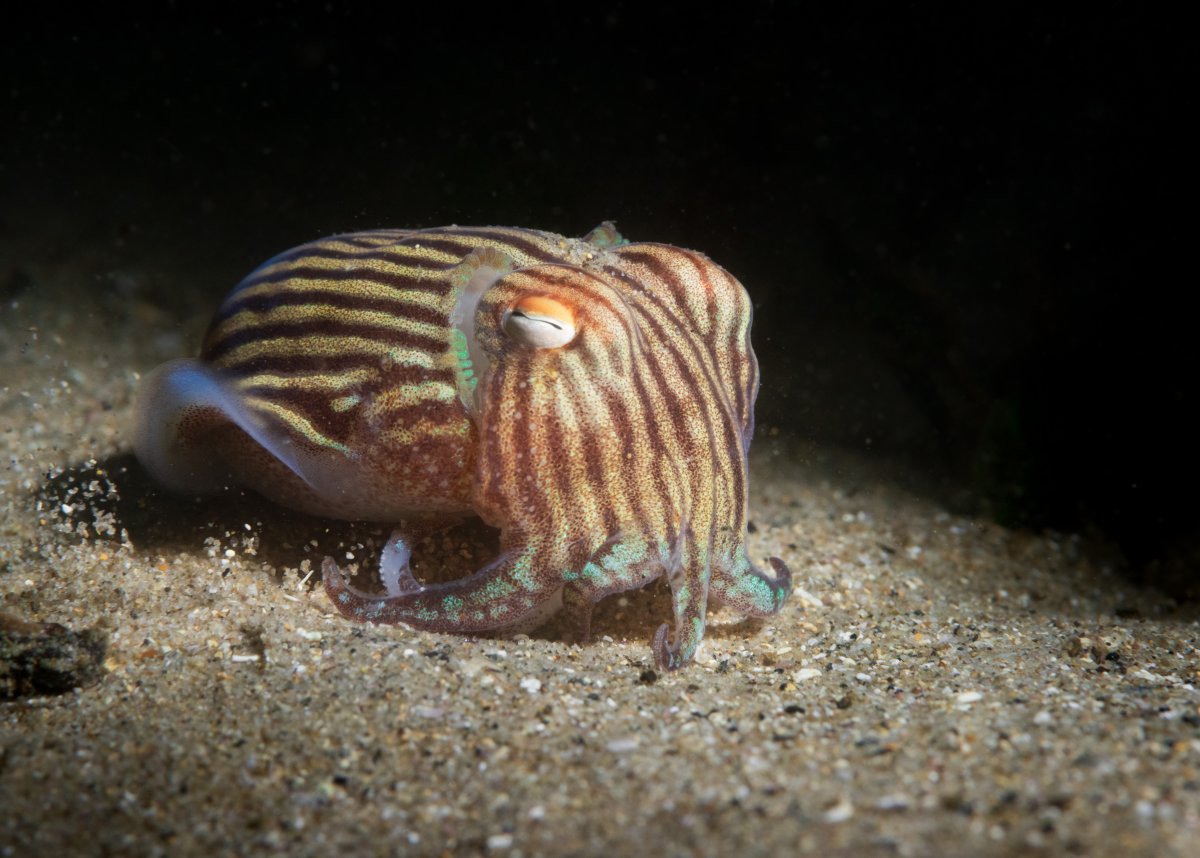
    _8106001.jpg

    _8106228.jpg

    _8109754.jpg

  2. Pygmy pipe horses are the worst, tiny and especially cryptic.  The people who find them dive the sites regularly, and know them like the back of their hand and seem to know the rocks on a first name basis(literally) - so they no which rock to swim to to search closely.   I've found a couple of pygmy pipe horses - one was a white one which is not a fair comparison.  I am told they can be spotted as they sway a little out of sync with the weeds and hydroids in the surge. 

    You might want to start with sea horses have someone show you them and work out how to find your way back to that rock next dive and search for them there.  Then work your way up - you need to get your eye in - train the eye-brain combination in what to look for.

    Also have a dive torch with you - use this to scan the rock, a lot of critters are red which is pretty dim until the torch hits it.

    Edited by ChrisRoss
  3. I think a lot of it is also practice and knowing the habitats of critters. The second time I went to lembeh I already knew what guides might be pointing at and could also find some of my own, which means you get first dibs to take a picture. 

  4. I agree with Chris and hyp. It’s familiarity with the site and the habits of the critter. I worked in Lembeh, dived some of the sites literally dozens of times  and knew exactly where to look in response to a guest request. To an extent too, your eyes and brain tune in to the macro environment. 
     

    Once you develop that feel for the critter and its environment, you can apply the skill pretty much anywhere.  So once you know where, eg whip coral gobies lurk, you can find them whether in Lembeh or the Red Sea  

    But it does take good vision or prescription! If you can’t focus your eyes (Pygmy pipe dragons are a great example), it’s never going to be easy!

  5. 2 hours ago, TimG said:

    Once you develop that feel for the critter and its environment, you can apply the skill pretty much anywhere.  So once you know where, eg whip coral gobies lurk, you can find them whether in Lembeh or the Red Sea!

    Quoted for emphasis. I found so much more stuff in the Red Sea after visiting lembeh a few times. 

  6. The biggest change for me was learning “macro vision”.  By that I mean diving for only that purpose, and not sightseeing in general and looking for bigger subjects at the same time (while of course maintaining situational awareness and buddy contact).  Second was learning to look for habitat first - bubble coral hides porcelain crabs, certain algaes harbor certain tiny nudis, the right anemone is home to particular shrimp, etc.  It helps invaluably to begin learning from experienced spotters too!  

  7. 20 minutes ago, troporobo said:

    diving for only that purpose, and not sightseeing in general and looking for bigger subjects at the same time

    Spot on!


    20 minutes ago, troporobo said:

    Second was learning to look for habitat first

    Totally agree

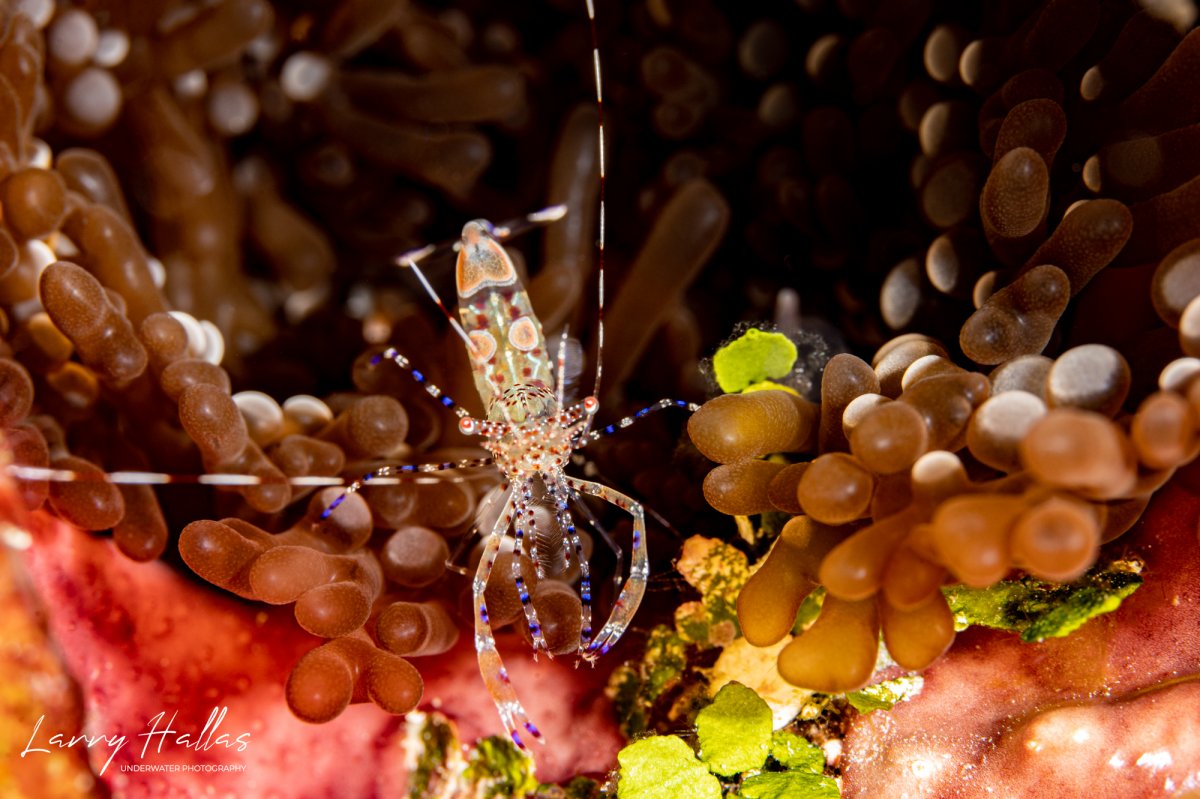
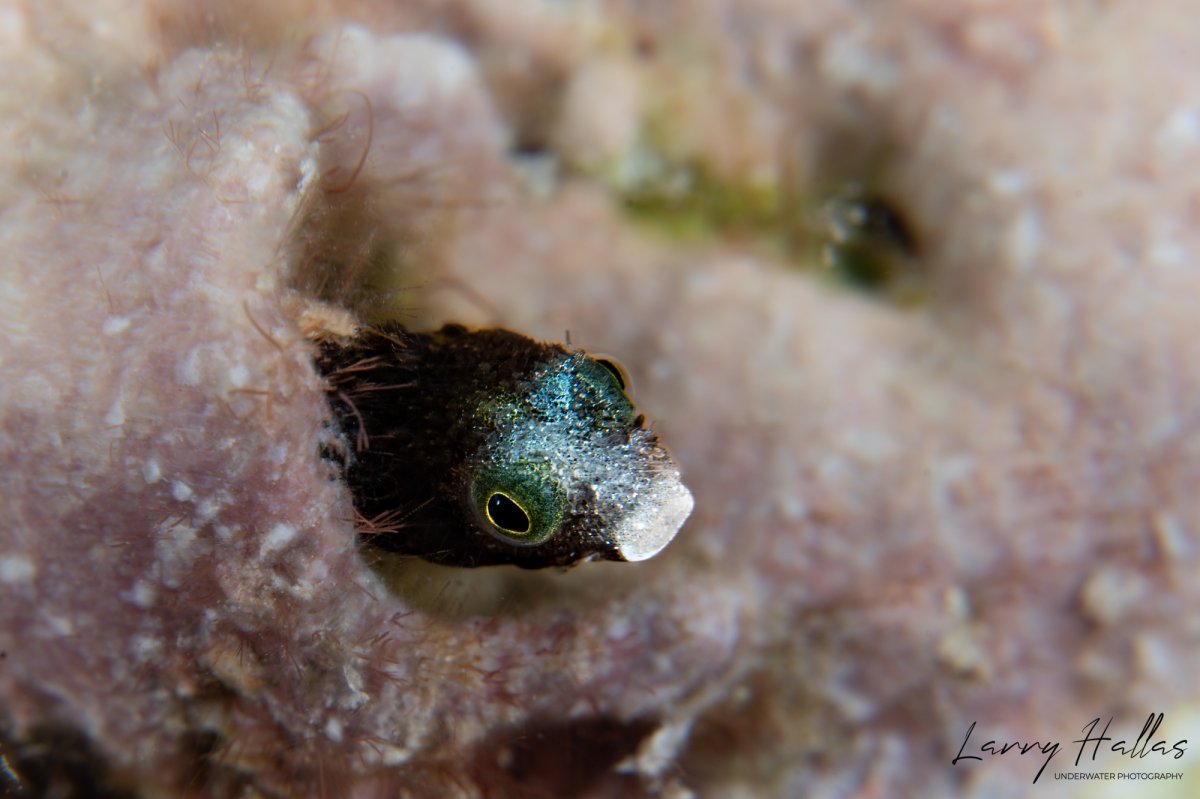
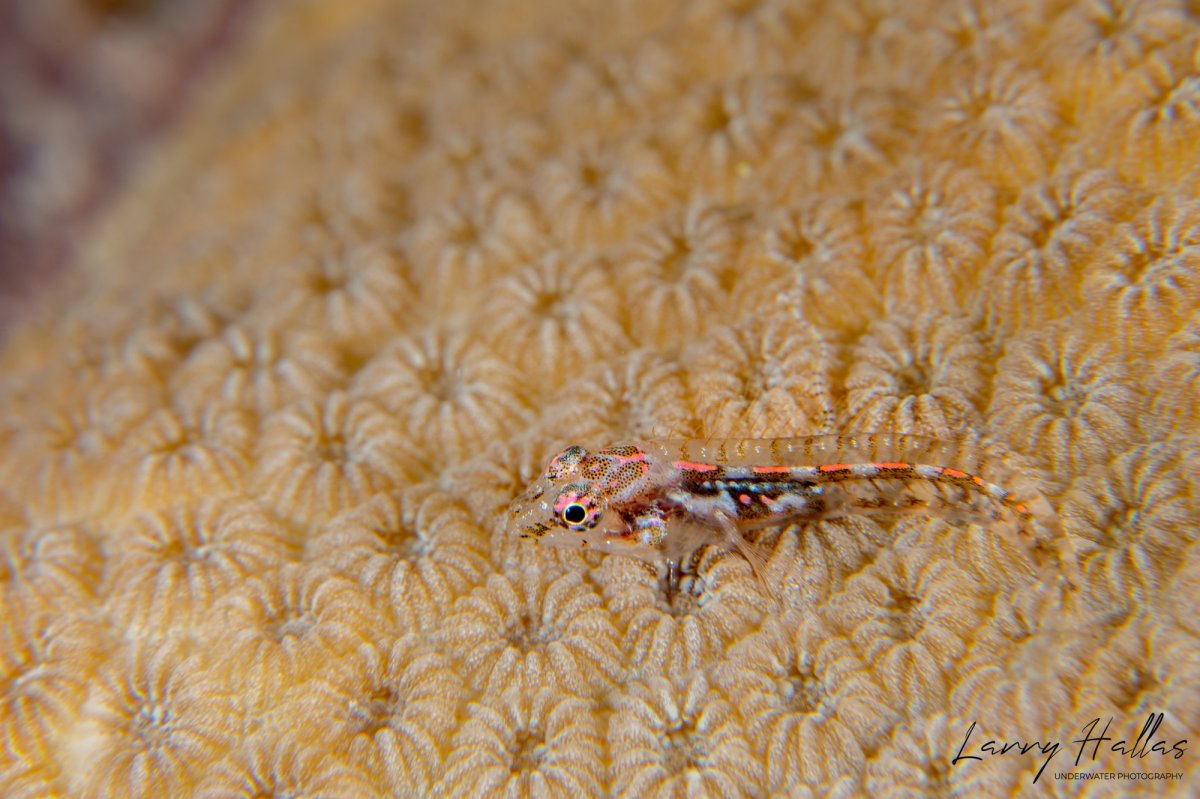
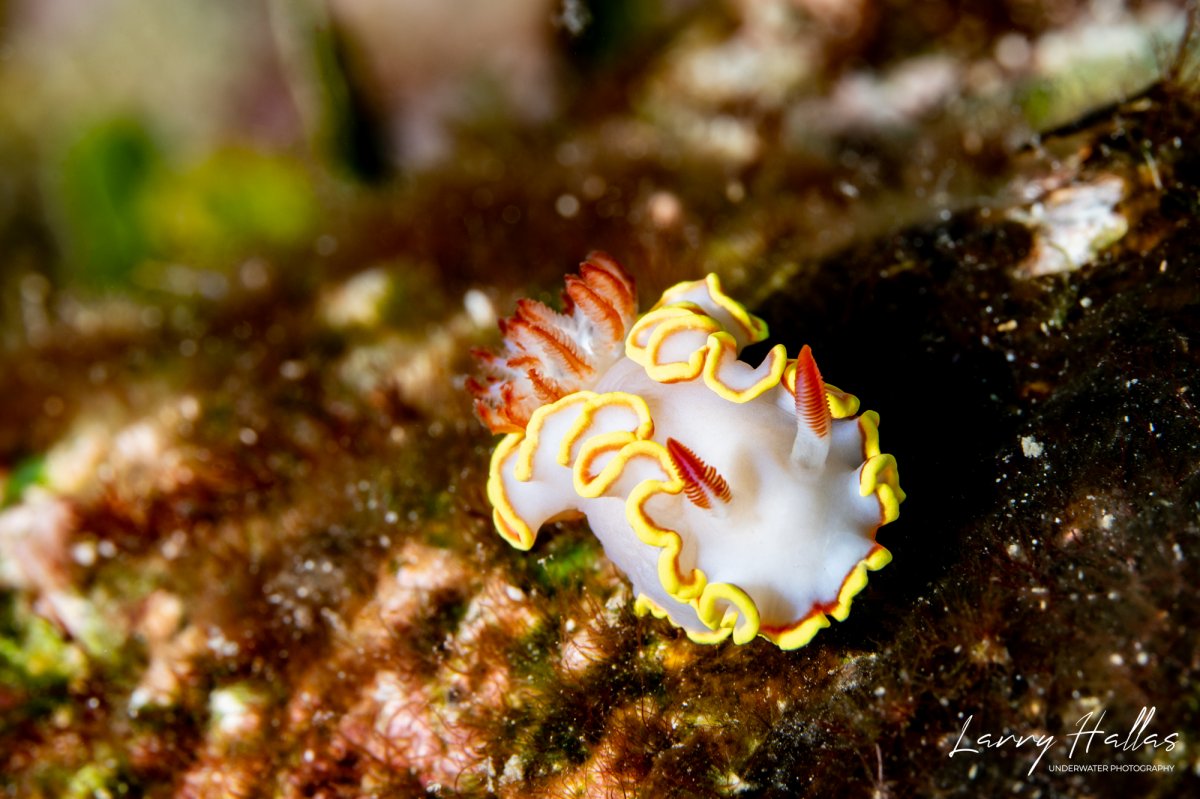
  8. I struggle with the same issues spotting super-macro critters. I have reader lenses in my dive mask, but find myself swimming around with my head cocked way back so I can see close up. I am going to order specialized "progressive lenses" made for my dive mask from an ophthalmologist in Florida that specializes in scuba diving. I have also found that once I learn from a dive guide where to look for them, like tiny blennies, nudibranchs or anemone shrimp, I get better at finding them on my own. In the last few months, I have managed to find some tiny super-macro critters on my own. I have also ordered a Nauticam SMC-1 to upgrade my super-macro setup. For me the key to super-macro is practice-practice-practice. Here are a few of my recent finds on my own: 

    1832502287_AnemoneShrimp.thumb.jpg.ef4039ed019d04903ed09aac83c8caa1.jpg1298866285_SpinyHeadBlenny.thumb.jpg.fcbb64974b8de0121587c957c74c06fc.jpgLarry

    Tiny Glass Blenny.jpg

    Red-Tipped Sea Goddess.jpg

  9. My specialty is following a super divemaster (David Valerio) in Roatan.  Further, I go at a time I'm often the only diver on the boat so I have full access to whatever he finds, and he looks for things I'm interested in finding.  He really is phenomenal at seeing things.  Also has over 20,000 dives in the local dive sites.

    I've learned a lot from him, but honestly it's more 'finally recognizing what you are pointing at' than 'I'm now finding those on my own'.    Except Lionfish.  I seem to be quite good at spotting them.

    I'm not sure I've ever spotted a Sea Horse on my own.

  10. On 10/30/2022 at 9:25 PM, phxazcraig said:

    My specialty is following a super divemaster (David Valerio) in Roatan.  Further, I go at a time I'm often the only diver on the boat so I have full access to whatever he finds, and he looks for things I'm interested in finding.  He really is phenomenal at seeing things.  Also has over 20,000 dives in the local dive sites.

    I've learned a lot from him, but honestly it's more 'finally recognizing what you are pointing at' than 'I'm now finding those on my own'.    Except Lionfish.  I seem to be quite good at spotting them.

    I'm not sure I've ever spotted a Sea Horse on my own.

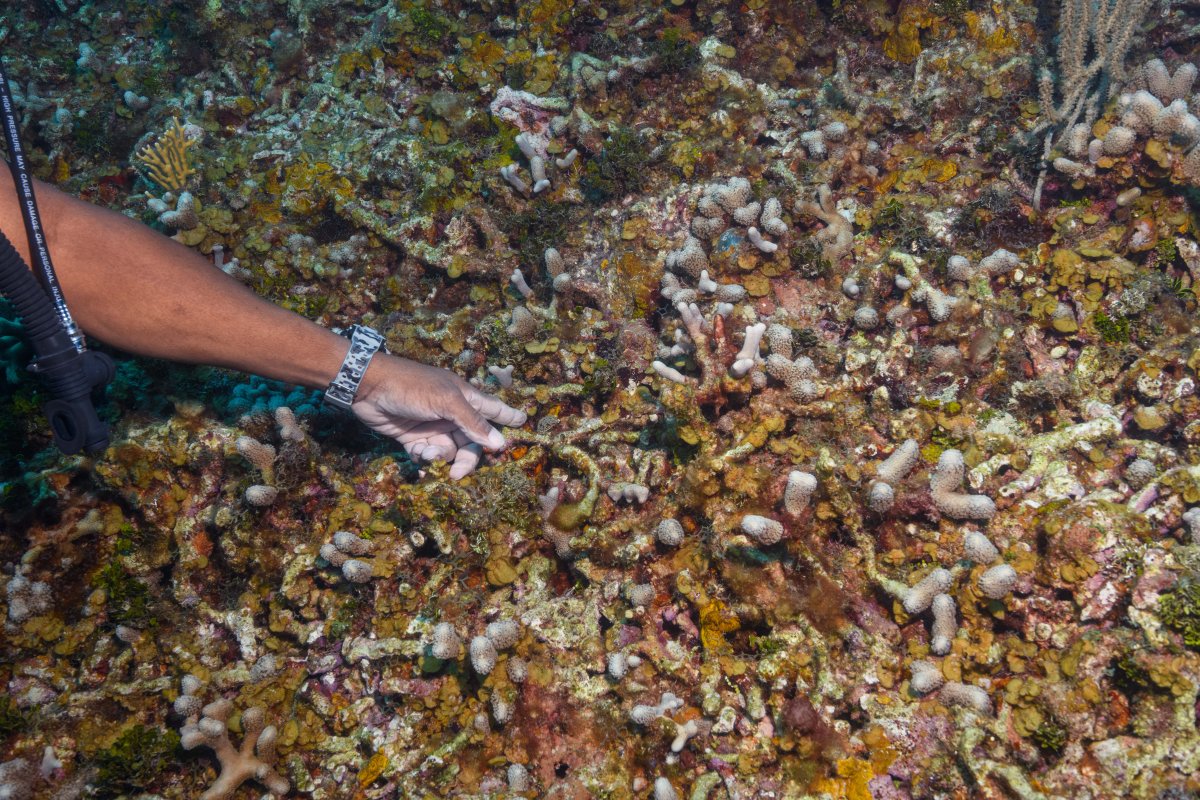
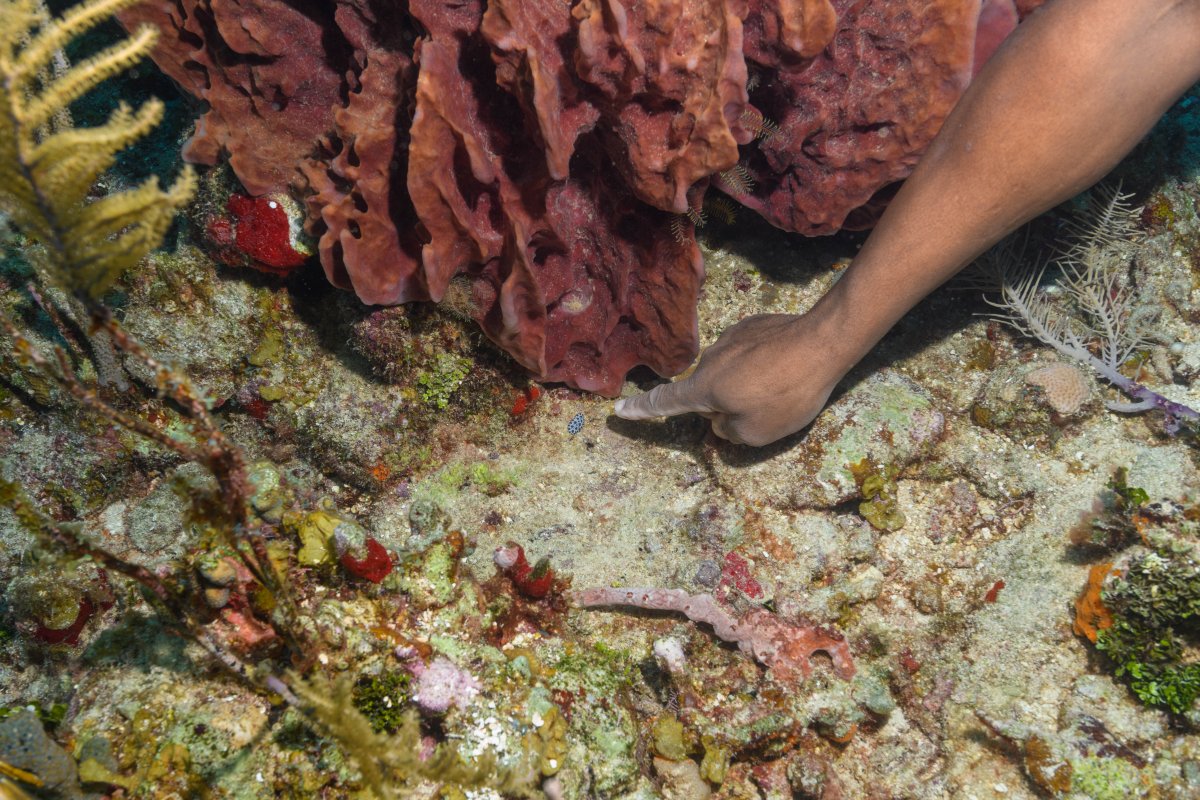
    Here are a few examples of David pointing out stuff to me.

    170930-092001-46-D810.jpg

    190922-105714-4-D850.jpg

    191003-111851-1-D850.jpg

    191003-112103-4-D850.jpg

    191003-112227-3-D850.jpg

  11. I have a tough time finding small things as well.  I have gotten better from practice and knowing critter environment. I wish I had a good dive guide to learn from. Some other things that seemed to have helped me was seeing eye reflection or a slight movement from the critter. 

Account

Navigation

Search

Search

Configure browser push notifications

Chrome (Android)
  1. Tap the lock icon next to the address bar.
  2. Tap Permissions → Notifications.
  3. Adjust your preference.
Chrome (Desktop)
  1. Click the padlock icon in the address bar.
  2. Select Site settings.
  3. Find Notifications and adjust your preference.