My tips, which will seem obvious to you with your recent experience.
1. Nothing - nothing - will improve your photos better than having perfect buoyancy. I find most macro to be done while attempting to hover just above the subject. You WILL need to be able to do this, including in current.
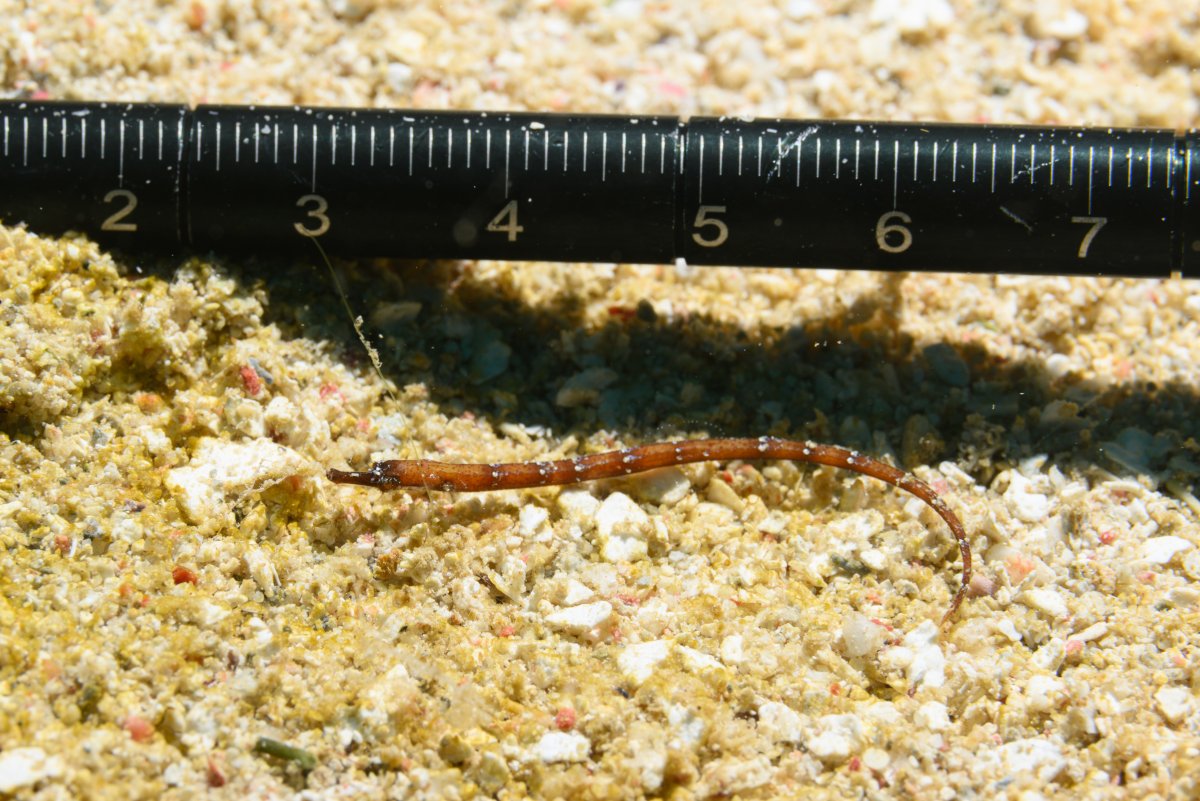
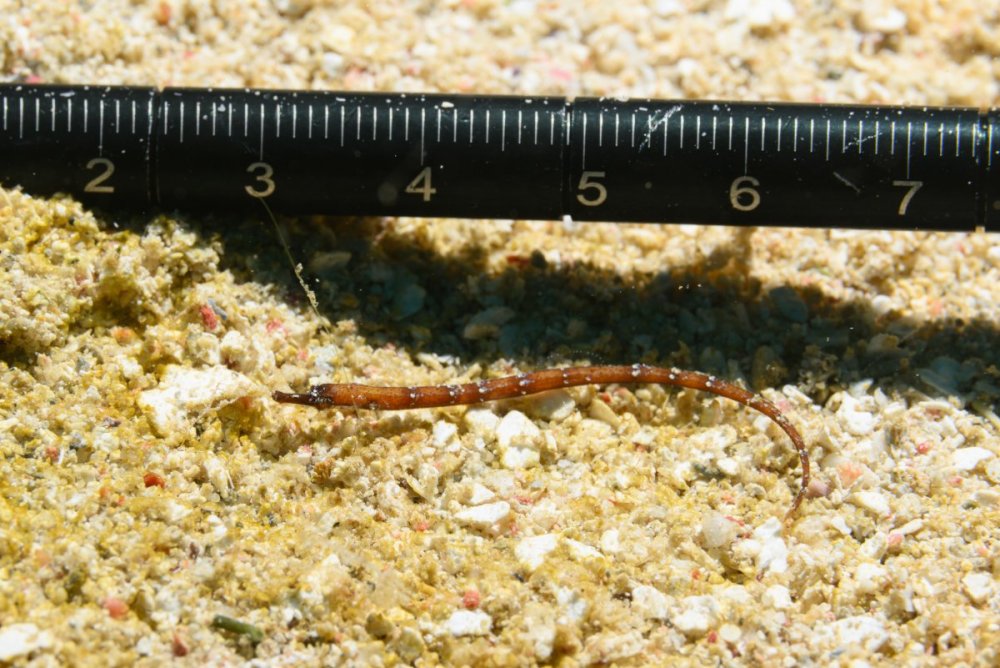
2. Sometimes a 'muck stick' can help. (Get one at least 18 inches in length). With a sandy bottom, you can sometimes jam the stick into the sand to help hold still with the left hand while shooting with the right. (Which points out a problem with muck sticks - you often need to shoot one-handed.) More often (for me) I just use it when getting into awkward head-down positions where I use it to shove off from a rock to back up. Also useful to point with, or bang on a tank for attention, and the stick I have even has a centimeter scale marked on it that can be useful for measuring, like the following example:
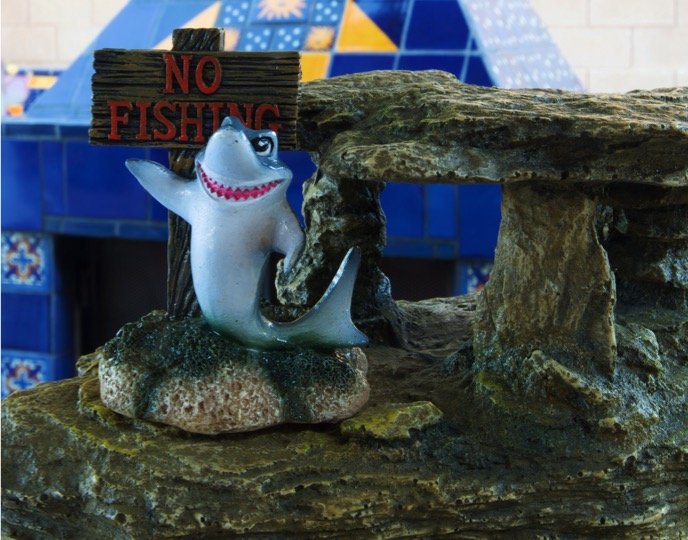
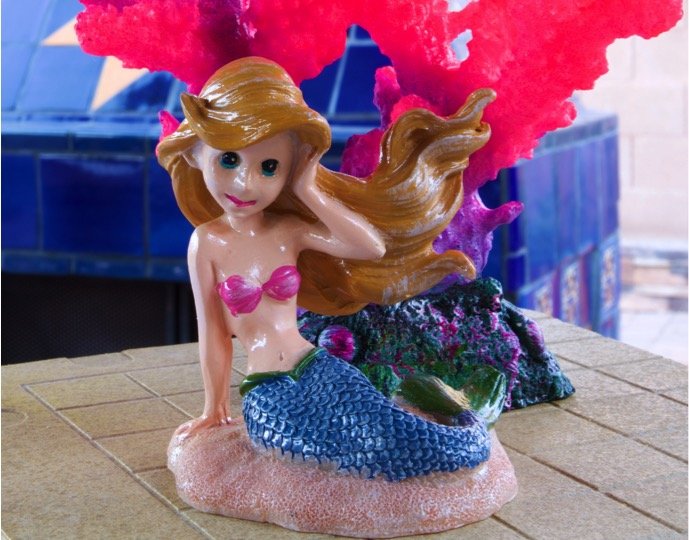
In a pool, one thing you don't have is current. Not sure there is a good way to simulate that. But I like the idea of building a small set of both subjects and obstructions around them so you can practice getting the camera into ... awkward positions.
I would also add highly reflective objects next to highly absorptive objects so you can get an idea of how to handle the dynamic range of such a situation in post processing. (And flash power).
Finally, if you have a Whibal (or similar) white balance card, it might be useful to try a series of shots at different ranges to see how your color balance changes as the flash range increases. May give you some idea what color temp is about right in post-processing too.