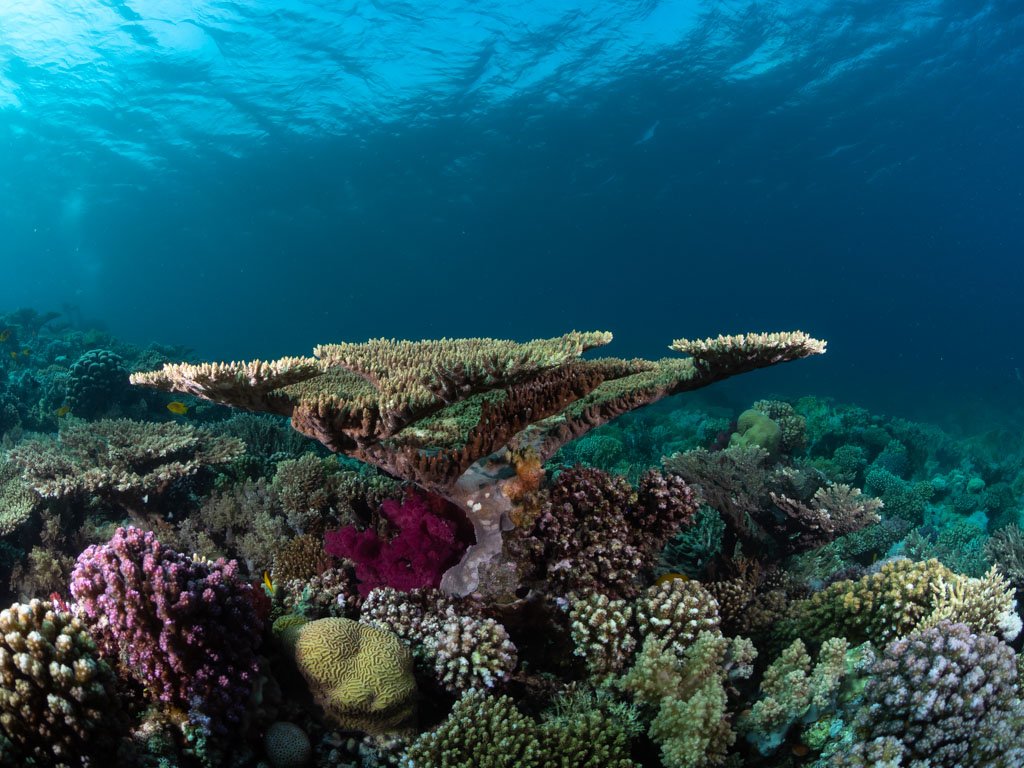
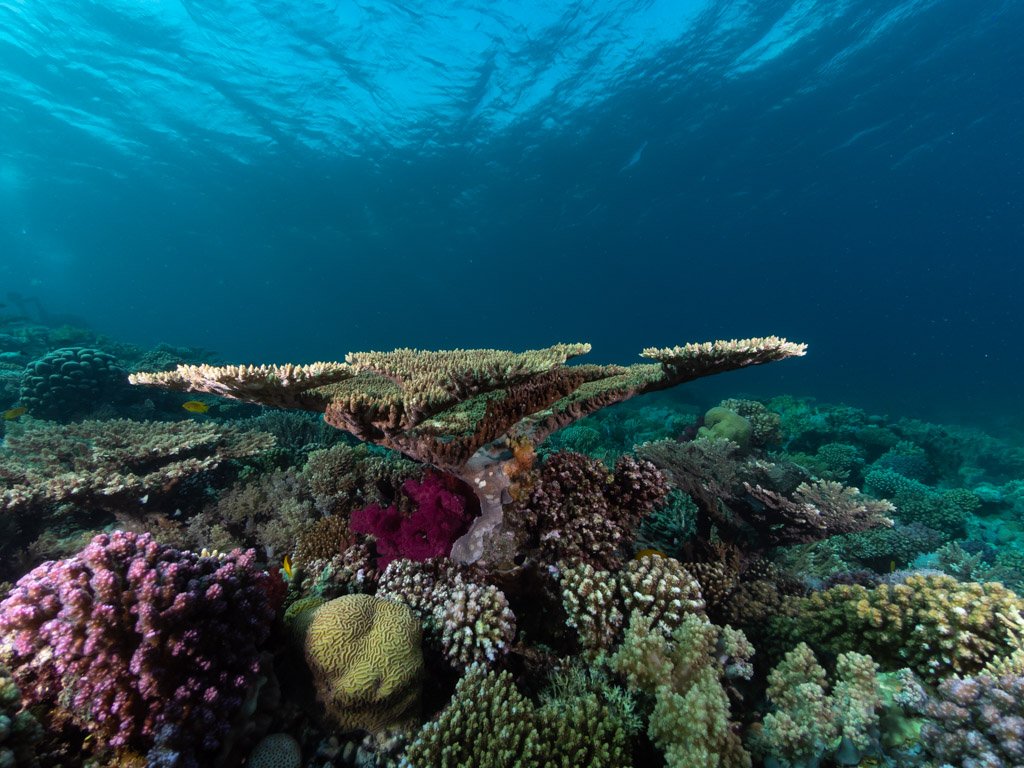
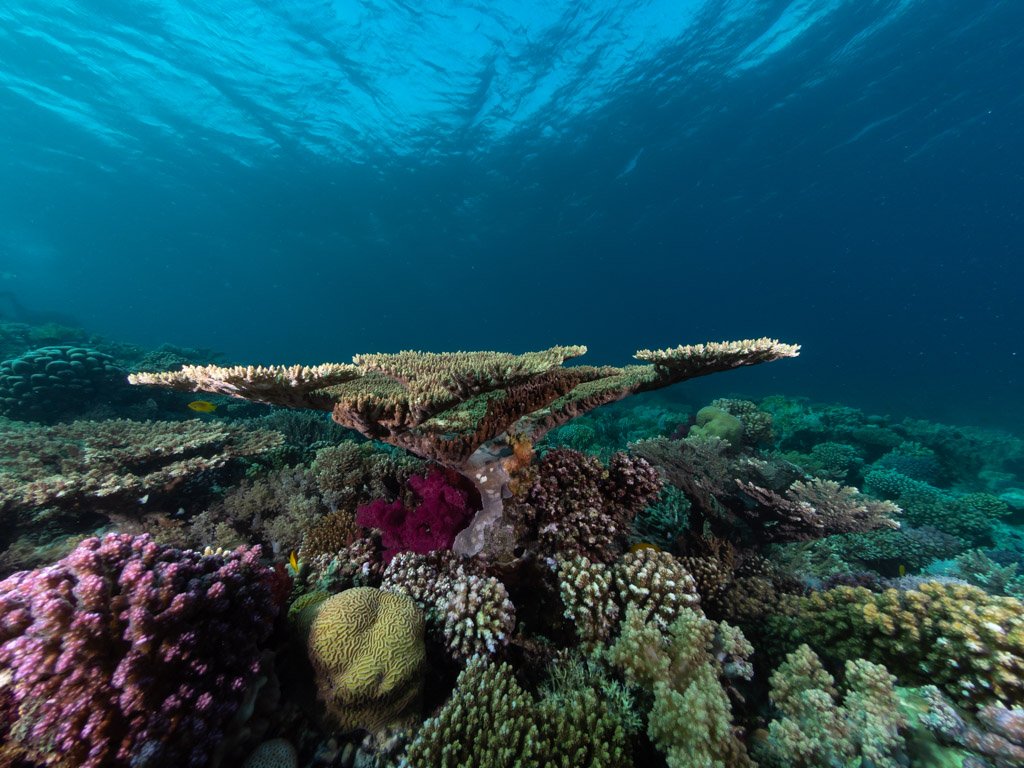
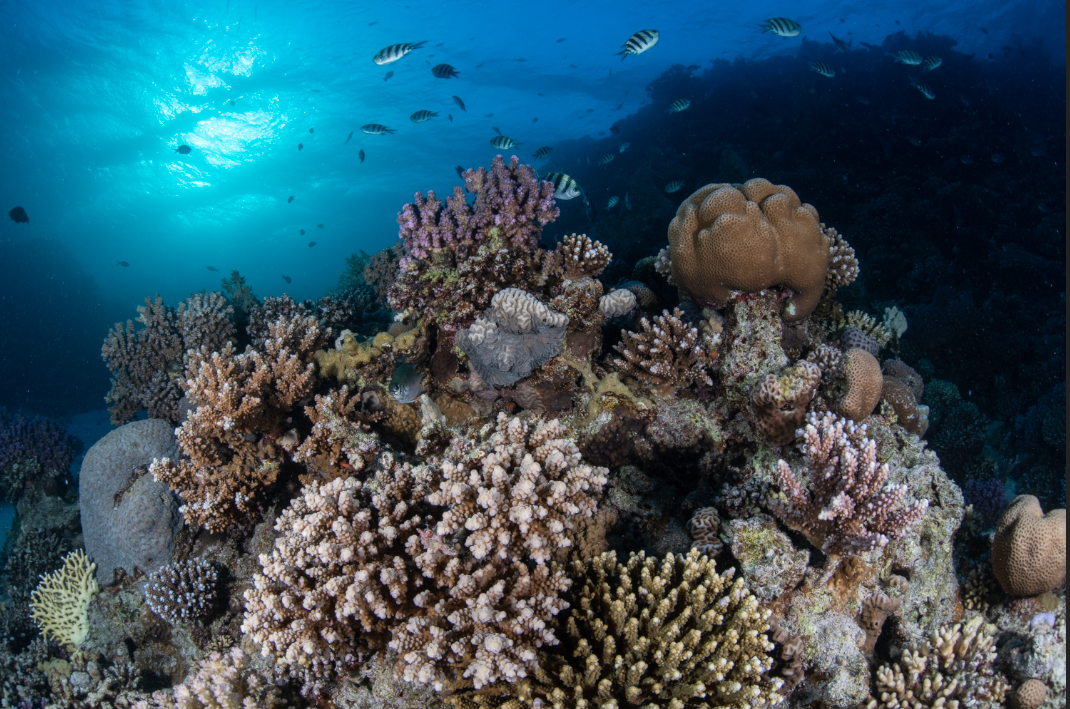
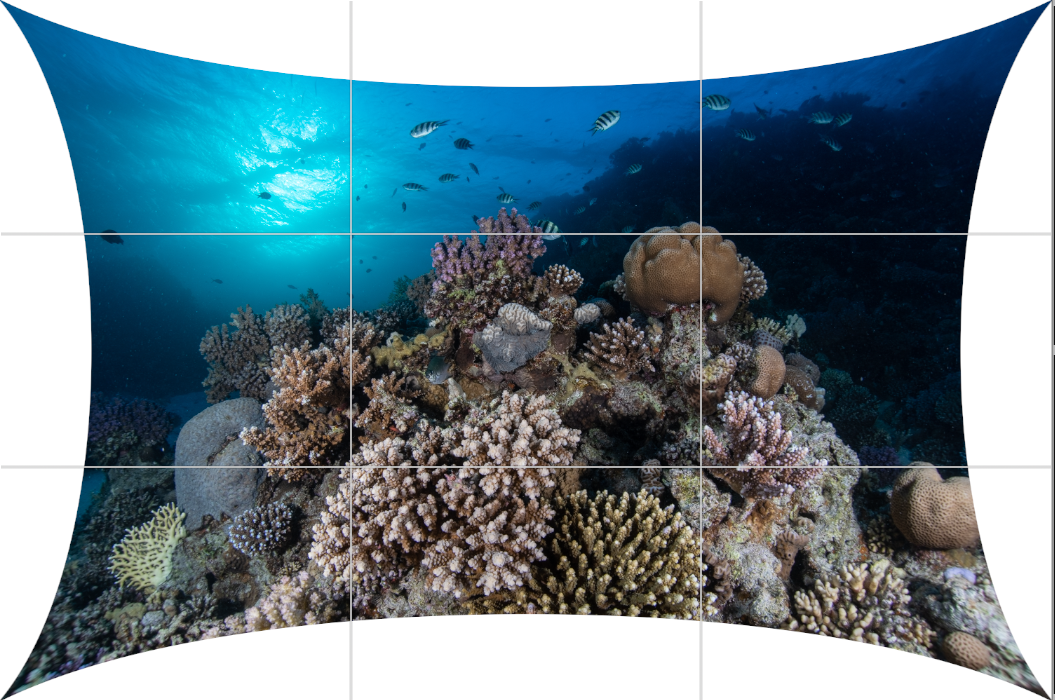
Image editing software (and build-in firmware of camera bodies) allow for the gradual correction of "fisheye distortion" of images obtained using fisheye lenses. Fisheye lenses are regarded to be valuable for UW WA photography by many. At 180° FOV this distortion is at its maximum and it decreases when, with zoom fisheye lenses, the focal length is reduced. Also WA wetlenses as WWL and WACP, exert to some extend, fisheye distortion.
Since some time I often correct this fisheye distortion (obtained with the Canon 8-15mm and the Tokina 10-17mm fisheye lenses on MFT cameras (Olympus EM1II and EM5II)) in LR, in most cases not 100% but less - and I like it. In a recent thread on the Canon 8-15mm fisheye lens, several peers state, that correction of fisheye distortion in postprocessing is not worth as it ruins the image quality. This makes me thoughtful and I would like to hear the opinion of the others (and maybe see also examples). It would not be the first time that I am excited by some postprocessing gadged, but after using it for some while and hearing the opinion of others, I discover that I went into a dead end...
When discussing the impact of fisheye distortion correction, I believe that one should take into account:
#1.: The enormous AOV of 180° at 8mm (for MFT sensor). A rectilinear lens with comparable AOV should have a focal length of less than 1mm. I guess that in real life the IQ (and also the distortion) would be so bad that thsi is the reason that such a lens does not exist.
#2.: When juding the effect of "defishing" on IQ, this should not be done using regions that are not in focus. E.g. from regions in the corner that are much closer to the photographer as the main subject and therefore not in focus. Stretching out such out of focus regions will lead even to more blurr in the result. This kind of blurr is a different issue as the corner unsharpness that is provided by domeports at wider apertures.
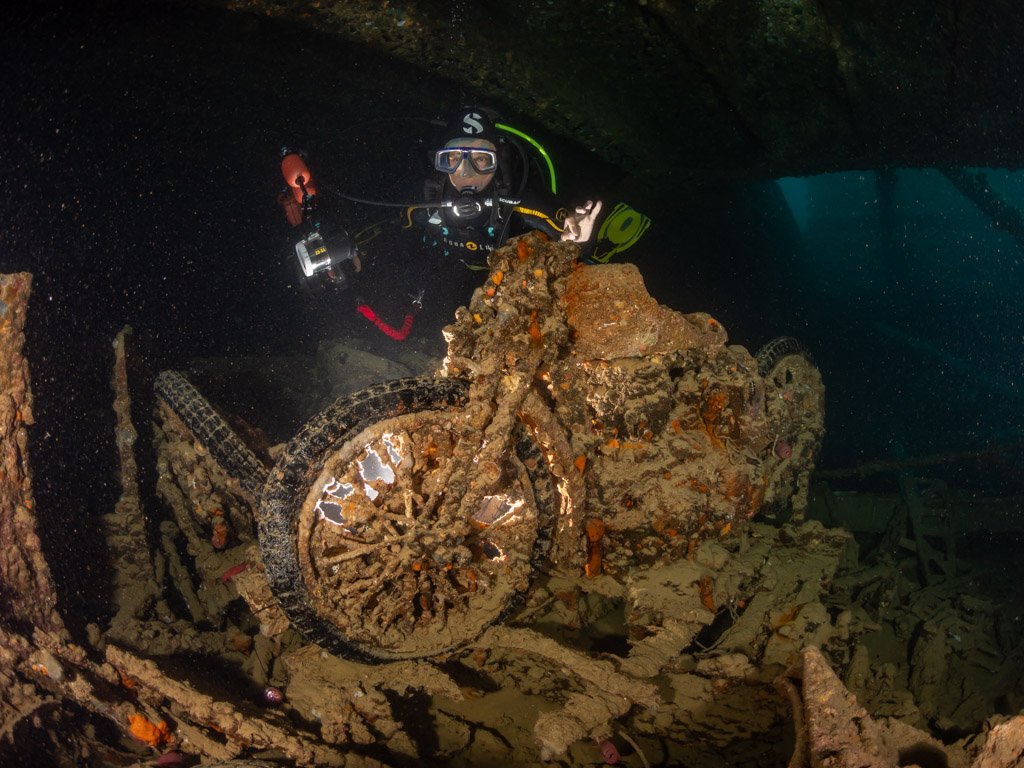
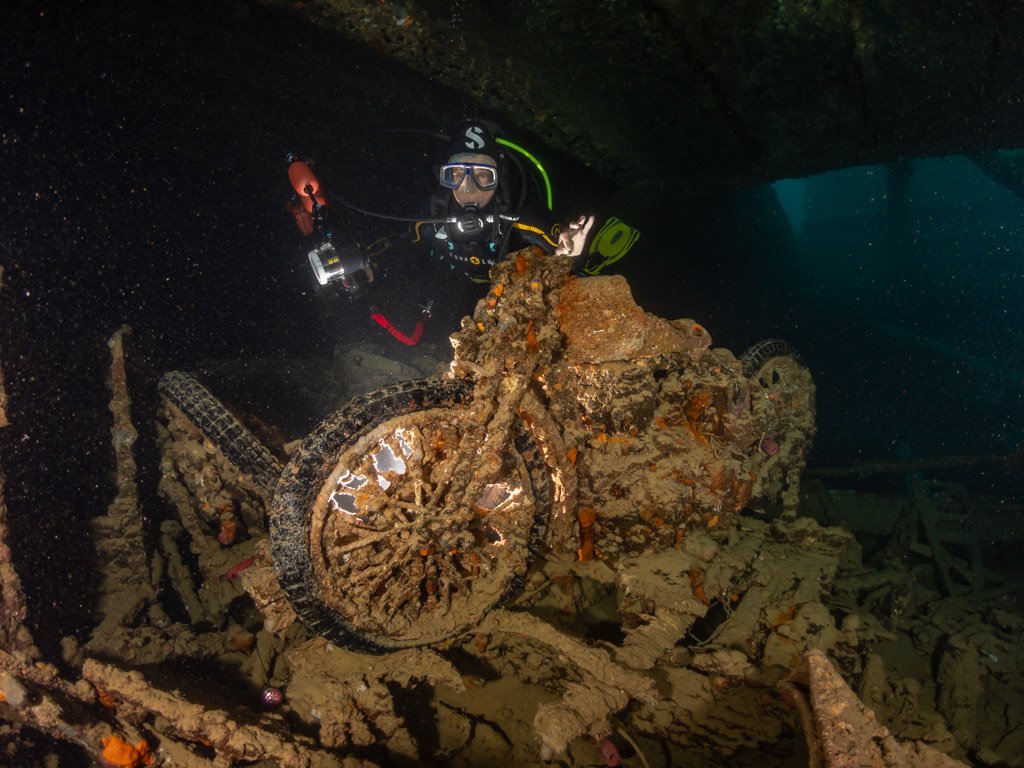
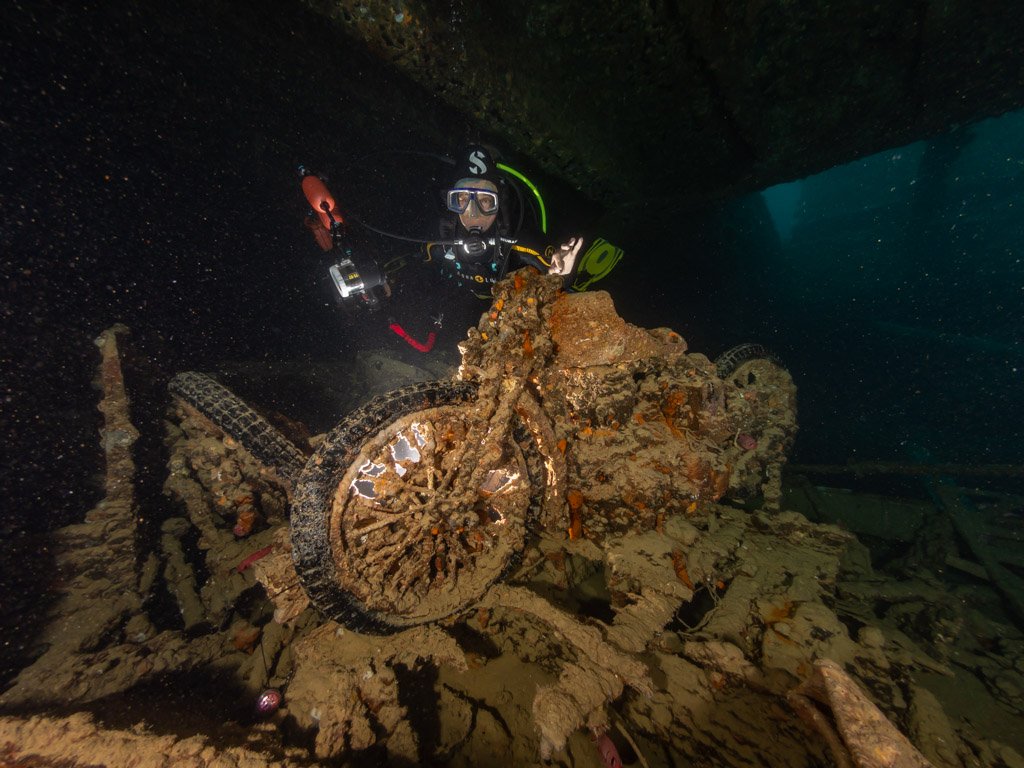
Subsequently I post two examples, how I use this correction tool...
Wolfgang