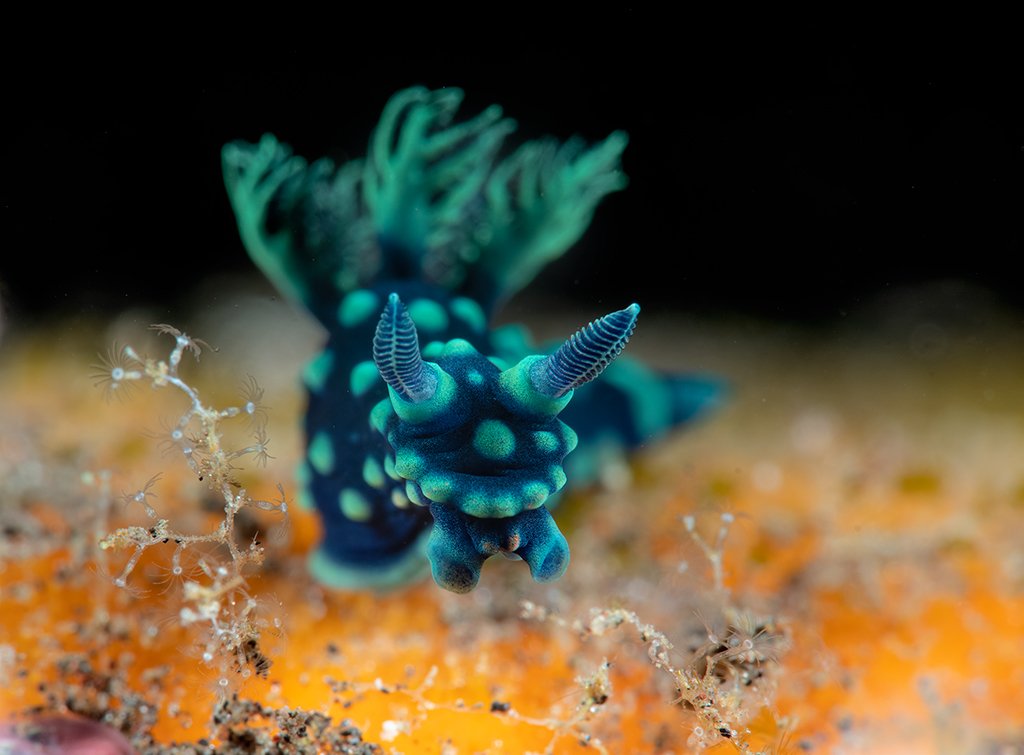
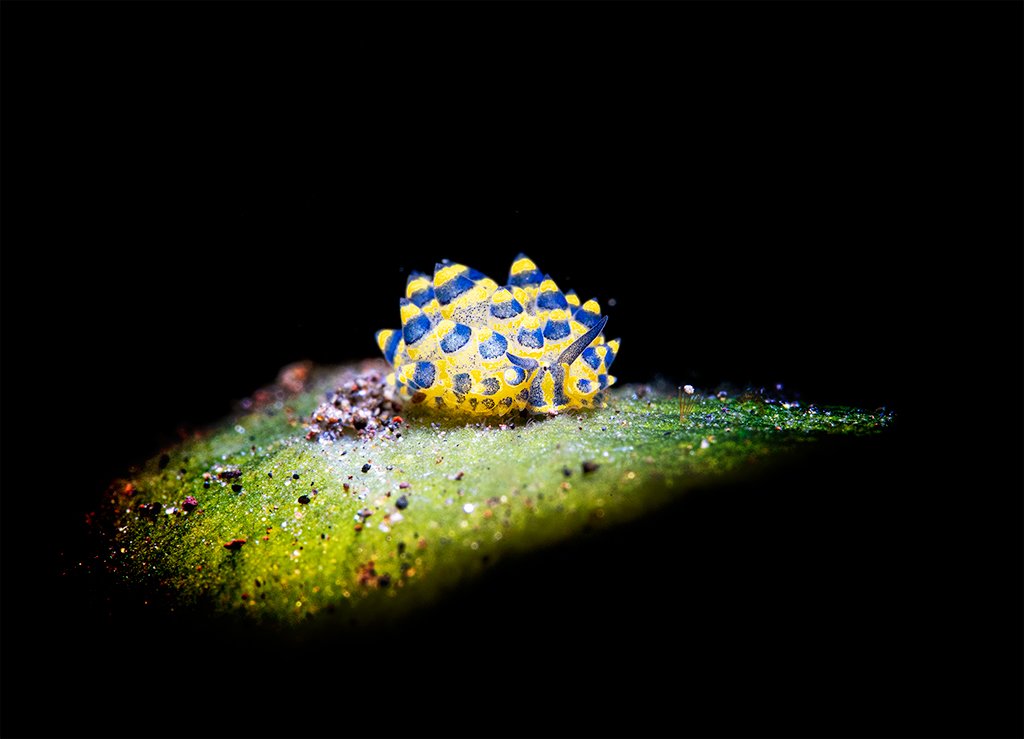
Great photos! I hope to be in Lembeh next month, with the intention of greeting these critters.
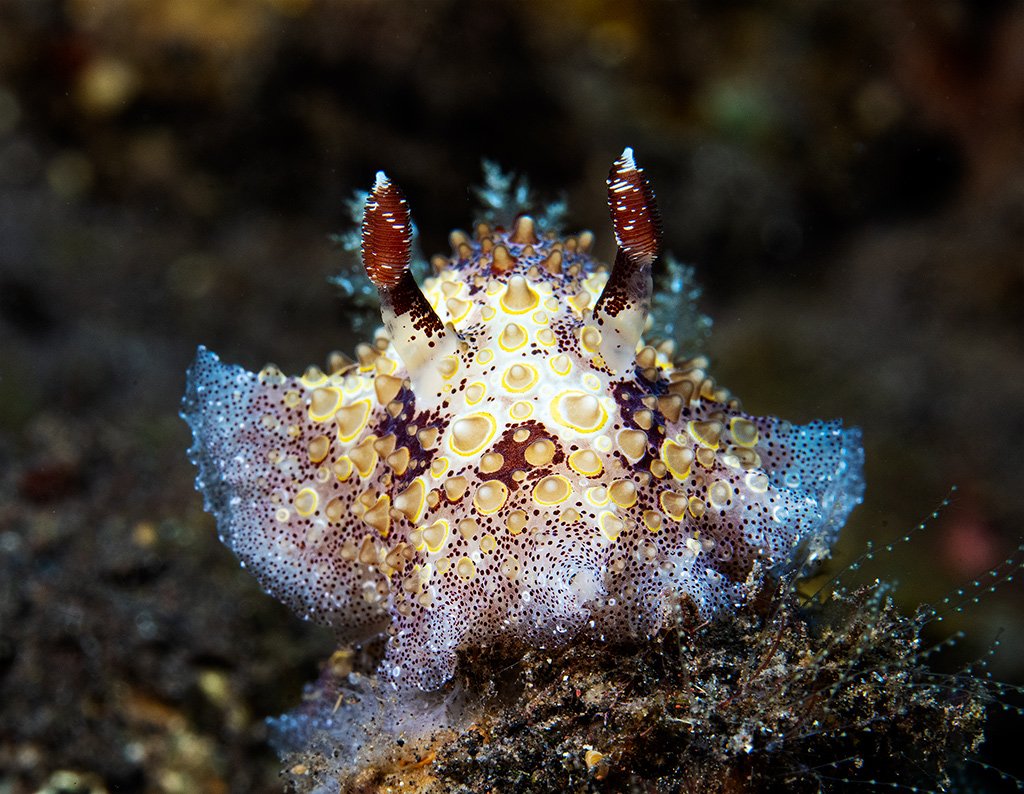
I asked nudibranch expert Mike Miller of San Diego about nudibranch #3, which he identified as Carminodoris estrelyado, a nudi described in p. 95 of "Nudibranch & Sea Slug Identification" by Gosliner, Valdes and Behrens, though I must say the book photo is not that good. However, the web has a dramatic photo of it: https://www.thebestnudibranchhunter.com/carminodoris-estrelyado/ and says: "It is found in the Indo-West Pacific.

Before known as Hoplodoris estrelyado.
“Estrelyado” is actually the Tagalog word for “sunny side up” which is derived from the Spanish word “estrella,” for star, indicating the eggs are formed into star-like patterns with the yolk facing upwards. To make a long story short, Terry Gosliner & Dave Behrens thought that the colour pattern on the dorsal surface of this beast looked like fried eggs, served sunny-side up. Not only does the color look like a fried egg, but the tubercles covering the dorsal surface are tall and shaped like plump perfectly prepared fried eggs. The remainder of the dorsal surface is speckled with the white and black of scattered salt and pepper served with this dish. Okay, enough of the food thing, the rhinophores and gills look nothing like food, are typically dorid in shape, and are dark brown with white specks." "






 )
)


