



Everything posted by DiversLens
-
Hello, Does anyone here use screens to protect macro subjects from movement caused by currents and surges? I have heard that some videographers use them, but I am not sure if they prefer solid screens or a fine mesh. I tried using a dive slate, but it created turbulent eddies and vortices around the edges that made the movement worse. Logically, a folded mesh screen that covers the subject from three sides seems like the best approach. It would also need to be very easy to set up underwater. I would greatly appreciate it if you could share your experience or any DIY designs that work well. Thank you, Val
-
Note: This is a repost from the Video Gear forum, as I believe it would be of great interest for photographers as well. I finally found the game-changer I'd been searching for. Just before my dive trip to Lembeh in October 2025, I purchased the Mid-Range Focus Optimizer 3 (MFO-3) from Divesea Indonesia. Their service was excellent—the lens was promptly delivered to the Dive Into Lembeh Resort, waiting for me upon arrival. The Problem with Traditional Macro For too long, I've been frustrated by the limitations of my standard macro setup (Nauticam-Sony FX3-Sony 90mm lens). The experience of missing a shot of a large subject, like a magnificent octopus, because it simply wouldn't fit in the frame was constantly disappointing. Even when shooting small, spectacular critters like nudibranchs or a blue-ring octopus, I often felt constrained by a lack of compositional variety. I needed more space, more context, and a different perspective. A New Name for a Revolutionary Lens While the Nauticam MFO-3 delivers incredible results, I believe its name—"Mid-Range Focus Optimizer 3"—is overly technical and confusing. The official descriptions, with their heavy emphasis on blackwater photography, do not adequately capture its true, versatile benefits. Honestly, if I hadn't taken the leap and tried it myself, I would never have understood its immense potential. If you ask me, this lens should be renamed the Wide Angle Macro Lens (WAML). Why WAML? Because it perfectly describes its function: it gives you the power to shoot with a wide-angle perspective while keeping your macro setup. While it won't offer full wide-angle capability, it tremendously expands your range of possible subjects and compositional opportunities. Beyond the Lenses I own several other Nauticam lenses, including the SMC-2, SMC-3, and MFO-1, but the MFO-3 quickly became the most-used lens on my Lembeh trip. It truly unlocks a new dimension in muck and macro diving photography. To show you exactly what this lens can do—and the incredible footage you can capture—I’ve put together a short video demonstration. A few print-screens from the video (with MFO-3 and without MFO-3) are posted below. WITH MFO-3: WITHOUT MFO-3: If you enjoyed the video, please SUBSCRIBE for more underwater adventures and hit the notification bell so you don't miss our next video! https://youtu.be/bi6gxZ-RvLM
-
I finally found the game-changer I'd been searching for. Just before my dive trip to Lembeh in October 2025, I purchased the Mid-Range Focus Optimizer 3 (MFO-3) from Divesea Indonesia. Their service was excellent—the lens was promptly delivered to the Dive Into Lembeh Resort, waiting for me upon arrival. The Problem with Traditional Macro For too long, I've been frustrated by the limitations of my standard macro setup (Nauticam-Sony FX3-Sony 90mm lens). The experience of missing a shot of a large subject, like a magnificent octopus, because it simply wouldn't fit in the frame was constantly disappointing. Even when shooting small, spectacular critters like nudibranchs or a blue-ring octopus, I often felt constrained by a lack of compositional variety. I needed more space, more context, and a different perspective. A New Name for a Revolutionary Lens While the Nauticam MFO-3 delivers incredible results, I believe its name—"Mid-Range Focus Optimizer 3"—is overly technical and confusing. The official descriptions, with their heavy emphasis on blackwater photography, do not adequately capture its true, versatile benefits. Honestly, if I hadn't taken the leap and tried it myself, I would never have understood its immense potential. If you ask me, this lens should be renamed the Wide Angle Macro Lens (WAML). Why WAML? Because it perfectly describes its function: it gives you the power to shoot with a wide-angle perspective while keeping your macro setup. While it won't offer full wide-angle capability, it tremendously expands your range of possible subjects and compositional opportunities. Beyond the Lenses I own several other Nauticam lenses, including the SMC-2, SMC-3, and MFO-1, but the MFO-3 quickly became the most-used lens on my Lembeh trip. It truly unlocks a new dimension in muck and macro diving photography. To show you exactly what this lens can do—and the incredible footage you can capture—I’ve put together a short video demonstration. A few print-screens from the video (with MFO-3 and without MFO-3) are posted below. WITH MFO-3: WITHOUT MFO-3: If you enjoyed the video, please SUBSCRIBE for more underwater adventures and hit the notification bell so you don't miss our next video!
-
Thank you for sharing. My micro slider will not help with this:).
-
Could you give a link to your video to show the final result?
-
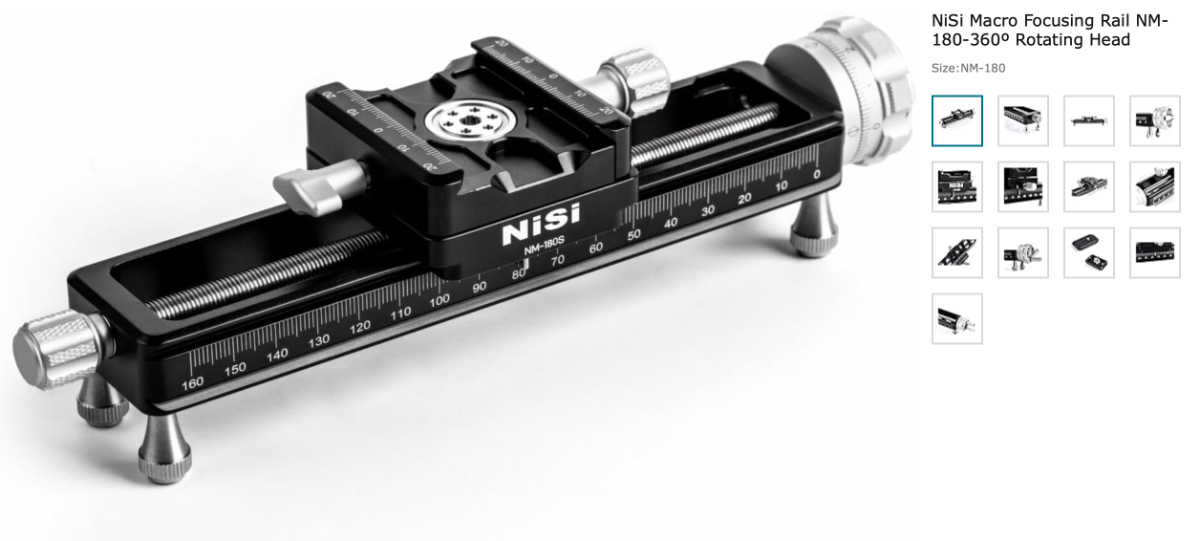
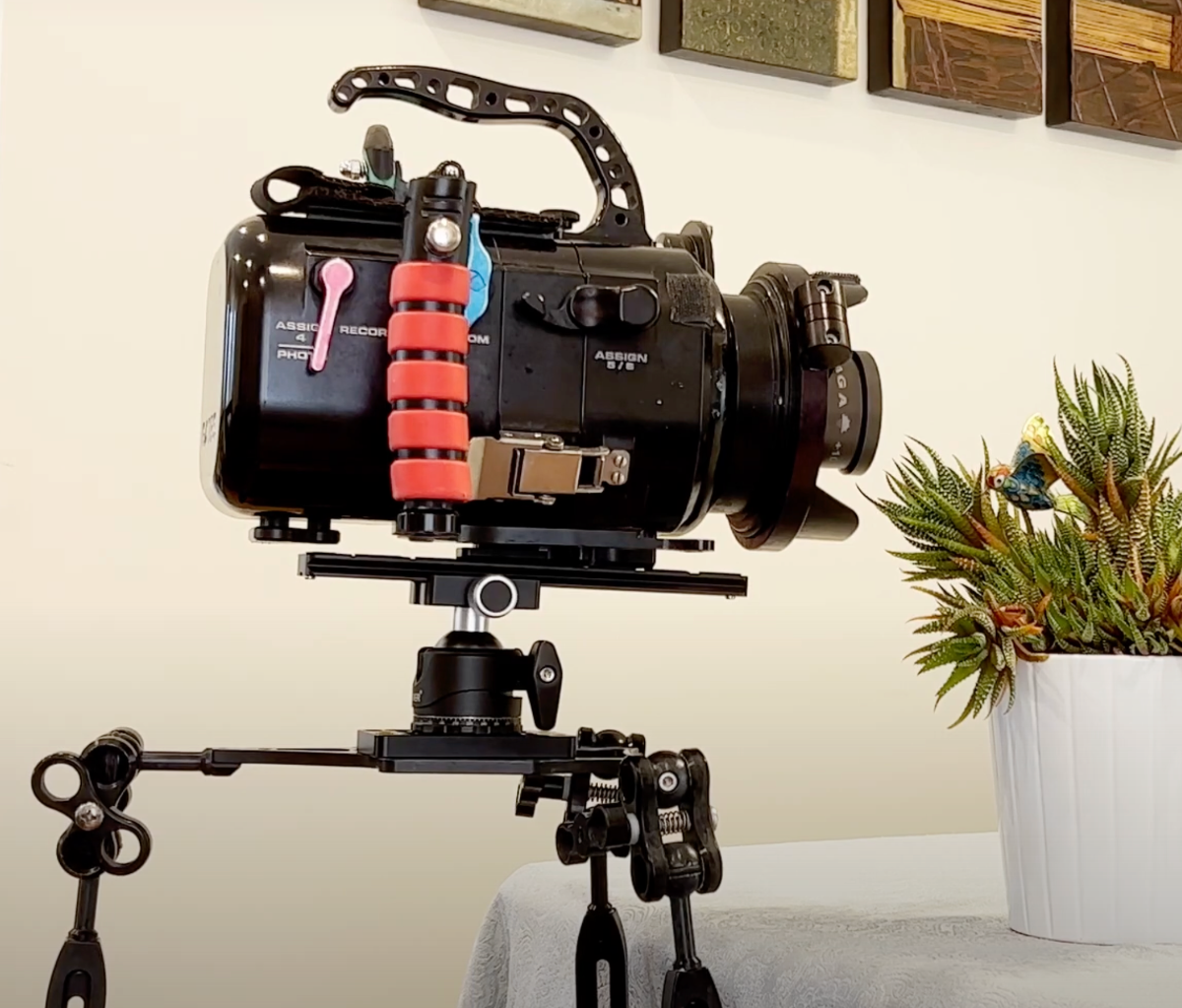
I purchased an INON UW Tripod System and a NiSi Macro Focusing Rail (see photo). The build quality of the NiSi Rail looks good. I particularly appreciate the large diameter knob on the focusing rail and the 180-360 degree rotating head on the tripod. I already own an Ultralight tripod plate, which I plan to use with this setup. I'll be testing these items in Anilao in April-May and will share my experiences sometime in May or June.
-
Thank you for sharing these photos, Ar! These are nice tripods for a BBC crew! I am definitely not going to that level of stability and micro adjustments.
-
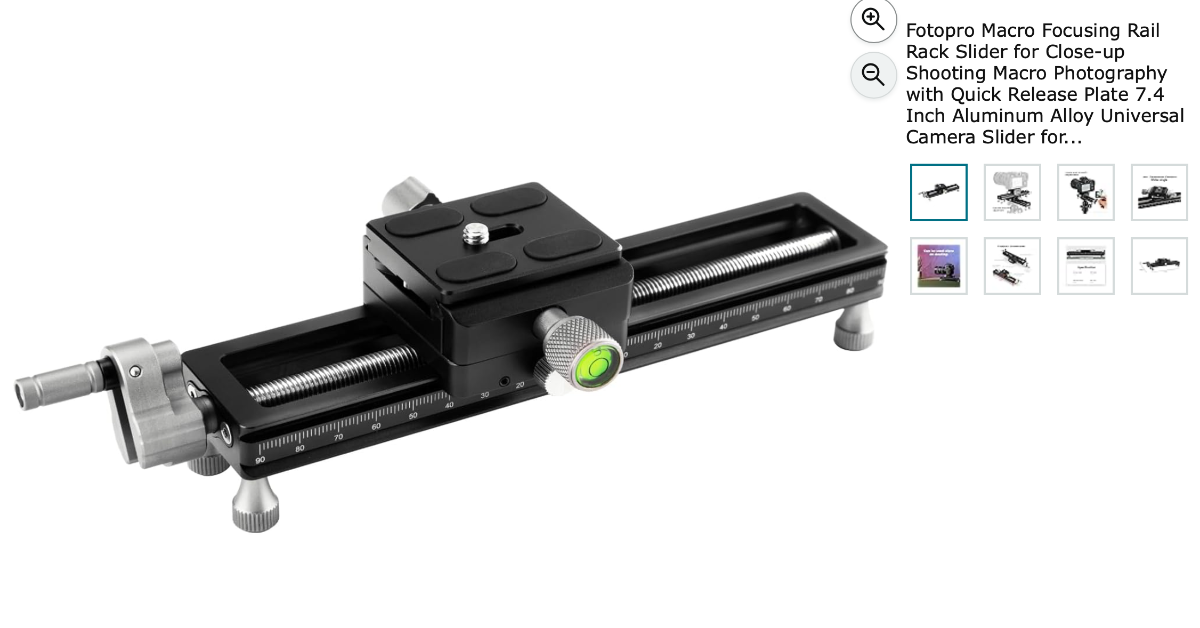
I agree: Noveflex is nice, but very expensive. I assume that the Fotopro or similar macro slider will do similar work. I will try. Also, I was not thinking about following the subject by moving the housing with the micro microslider. When I setup the housing at the right distance, I usually adjust focus using the Focus Ring.
-
Here is the link to the video. I am looking for a macro slider with an endless screw as well. Which one do you have? I found one from Fotopro.
-
Could you send me a private message with information about how much you want for it? I probably will be in the USA this summer. This will simplify shipping. Thank you.
-
I showed how the slider works in the video about modifications to Gates tripod. I do not have a video demonstrating how it works underwater. I just push or pull the housing, while holding a tripod in place. As I mentioned before, it was not very smooth. That is why I am looking for an improvement. Most of my macro and super macro clips shot in Alor, Anilao, Tulamben and Amed in the second half of 2023 and 2024 are shut with this setup. Here the link to the one of the latest videos:
-
Yes, I used in about 5 or 6 dive trips. My current macro slider, however, is not very smooth.
-
Thank you for your message insomniac. I am not planning to use all components of INON Tripod System.
-
Many thanks for your reply and sharing your experience, Tim. In my additional post above, I provided a bit more information about my experience with a standard tripod system.
-
Hi Ben, Thank you for your reply and links. I like you macro video and subscribed to your YouTube channel. Please see my post above with some more details.
-
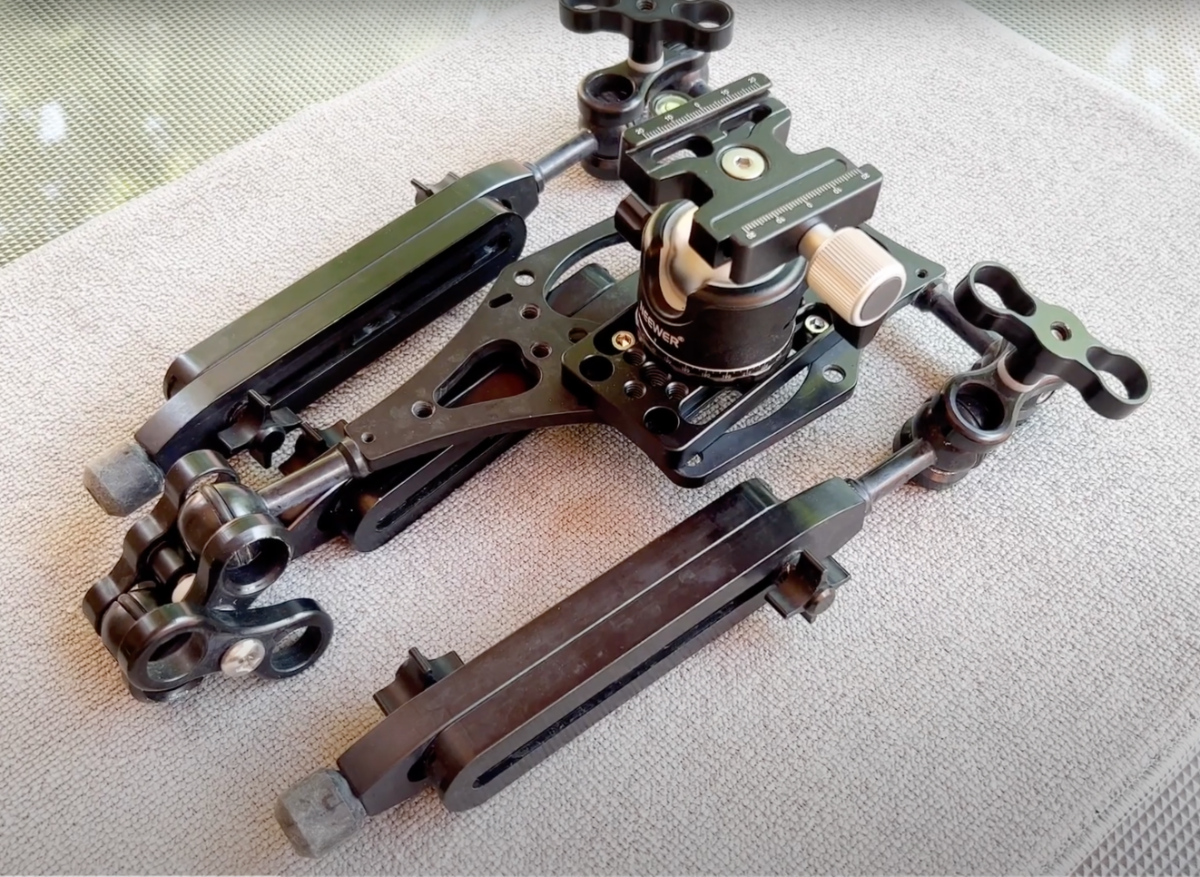
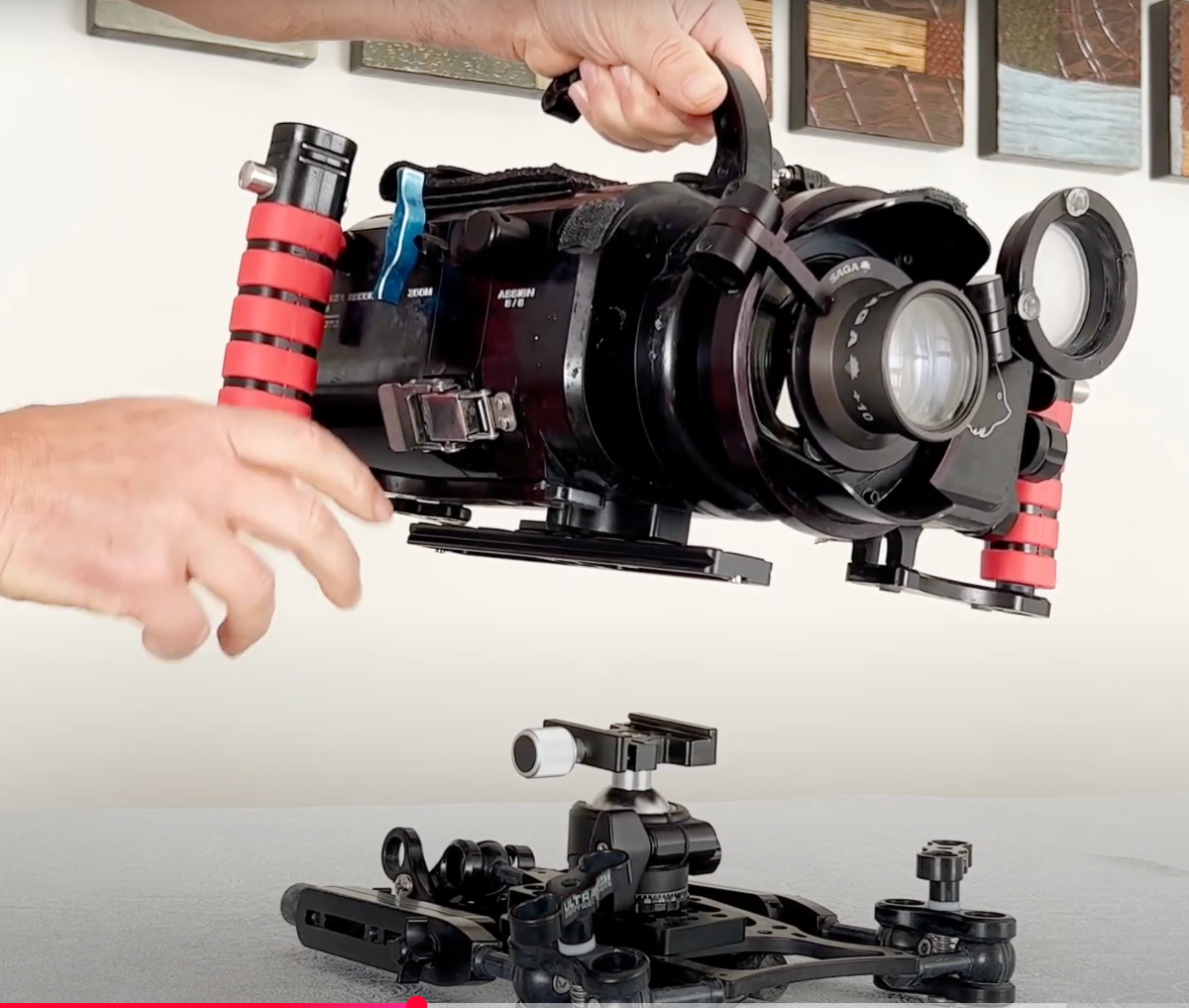
I'm researching the INON Underwater Tripod System as a potential replacement for my Gates tripod, specifically for macro videography with a Sony FX3 in a Nauticam housing. I'm hoping to gather some user experiences before making the switch. If you own or have used the INON system, could you please share: How does it compare to other underwater tripods you've used? What are your thoughts on its stability, especially in currents or with larger housings? How easy is it to set up and adjust underwater? Are there any specific advantages or disadvantages you've encountered for macro work? Any general tips or recommendations for using this system? Your feedback would be invaluable in my decision-making process! Thank you, ValThis video unveils the secrets of Amed's thriving coral reefs, a haven for scuba divers seeking both beauty and unique marine encounters. We'll take you on a journey to some of our favourite dive sites, including the Japanese Ship Wreck/Coral Garden, Melasti, Bunutan, Lipah, Pyramids Wall, and the Jemeluk Wall. Prepare to be captivated by the kaleidoscope of colors, the intricate coral formations, and the incredible array of macro life that calls Amed home. Experience the magic of diving in this hidden gem of Bali! Please note that this is an HDR video and it is best to watch it on HDR-compatible TVs, monitors, tables or phones. If you have any inquiries about the video or resort we stayed at, please feel free to leave a comment below.If you liked this video, please don't forget to give it a LIKE and show us your support. And, if you want to stay up to date with all of our latest adventures, hit the SUBSCRIBE button and the notification BELL on the Diver's Lens YouTube channel. Thank you for watching and we hope to hear from you soon! My Underwater Video Equipment: Main Camera: Sony Professional Camcorder PXW-Z90 Housing: Gates AX700 / Z90 with Gates GP34A Wide Angle Port and internal UR Pro Red Filter Video Lights for Wide Angle: Keldan Video 8X 11000 Lumen, CRI 92 (5400K) Keldan Ambient Filter M1 (10-20m) for 4X/8X Video Lights for Macro: Backscatter MW 4300 Macro Diopters: Saga +10, Saga +5 and INON +6 UCL-165LD Main Camera Settings: 4K, 30 FPS Picture Profile: PP10 (HLG) Gamma: HLG3 Color Mode: BT2020 https://youtu.be/rzHPnAtl288Thank you, Peter.Our new video showcases the incredible biodiversity of Tulamben in Bali, Indonesia. We capture stunning footage of frogfish, nudibranchs, and other fascinating critters, but the real challenge was capturing super macro nudibranchs, like the tiny "Shaun the Sheep." See how we achieved extreme magnification by stacking three diopters (+6, +5, and +10) to reveal these miniature marvels. Please note that this is an HDR video and it is best to watch it on HDR-compatible TVs, monitors, tables or phones. If you liked this video, please don't forget to give it a LIKE and show us your support. And, if you want to stay up to date with all of our latest adventures, hit the SUBSCRIBE button and the notification BELL on the Diver's Lens YouTube channel. Thank you for watching and we hope to hear from you soon! My Underwater Video Equipment: Main Camera: Sony Professional Camcorder PXW-Z90 Housing: Gates AX700 / Z90 with Gates GP34A Wide Angle Port and internal UR Pro Red Filter Video Lights for Wide Angle: Keldan Video 8X 11000 Lumen, CRI 92 (5400K) Keldan Ambient Filter M1 (10-20m) for 4X/8X Video Lights for Macro: Backscatter MW 4300 Macro Diopters: Saga +10, Saga +5 and INON +6 UCL-165LD Camera Settings: 4K, 30 FPS Picture Profile: PP10 (HLG) Gamma: HLG3 Color Mode: BT2020Thank you for your comment about wide angle. Regarding footage with dolphins, Mola Mola and whales, unfortunately, they were not good enough to include in the video.Thank you! I am glad you enjoyed it!Thank you, Diggy. I am glad you enjoyed it.Thank you, Maria! Val




Important Information
Terms of Use Privacy Policy Guidelines We have placed cookies on your device to help make this website better. You can adjust your cookie settings, otherwise we'll assume you're okay to continue.