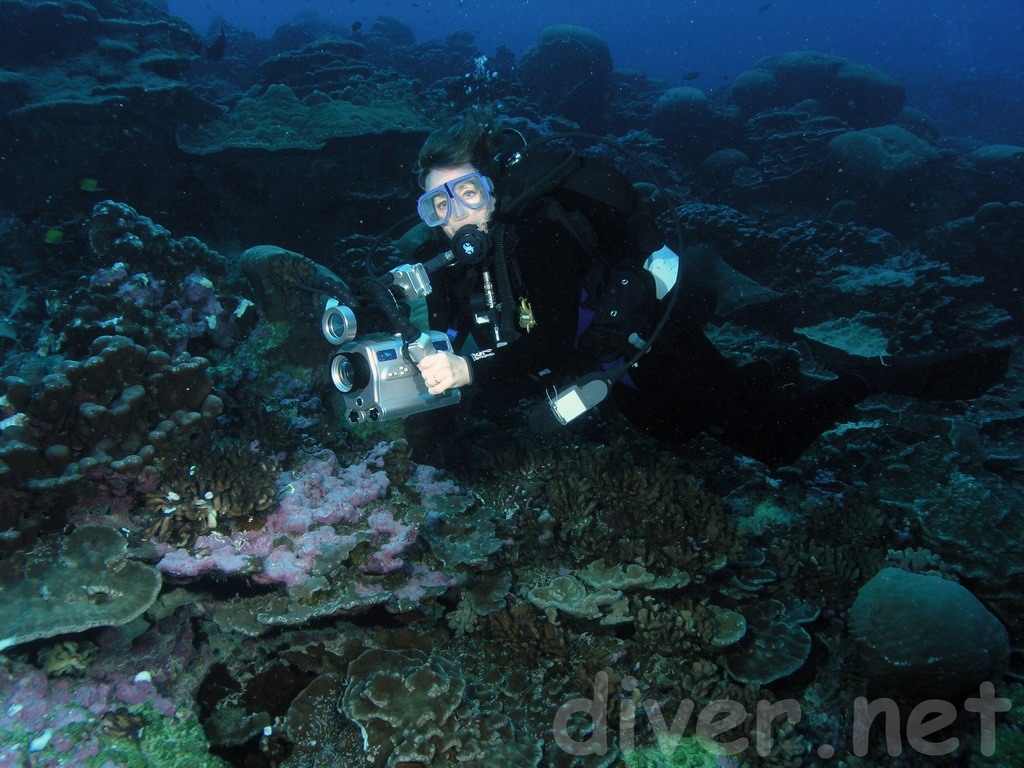
Hello All,
Just recently returned from an incredible exploratory dive expedition to Clipperton Island onboard the Nautilus Explorer. The trip included a number of Mexican scientists and researchers there to study the marine life and assess the health of the reefs of Clipperton Island. (More information can be found in Captain Mike Lever's captain's log on the Clipperton trip.)
I'll be posting a DiveFilm podcast episode in the next week or so with more about our trip, what we found there, and some of the history of that island and the situation with the shark populations there--or lack thereof.
What I'd like to start with, though, is a five minute video I put together on our transit home that includes an interview in Spanish with Roberto Chavez Arce, one of the Mexican divers and explorers on the trip. Underwater imaging by Roberto, Alicia Hermosillo and myself. Many of us are extremely concerned about gaining some sort of protection for the island and the surrounding reefs, and Roberto addresses this concern in the video.
The footage gives a pretty good idea of what we found: abundant healthy coral, numerous free-swimming morays, beautiful Clipperton Angels (named after Conrad Limbaugh), and several species of colorful opisthobranchs. The sharks that Conrad Limbaugh described in 1956 as being so numerous and aggressive that he had to cut short his diving until he could return with shark cages in 1958 were all but gone. Instead, we encountered small numbers of wary Silvertips and a handful of Hammerheads in deeper water. And the reason is very likely overfishing. You'll see footage of some of the miles and miles of longline criss-crossing all the reefs we dove in our five days of diving the waters of Clipperton Island.
Clipperton is an amazing place--I loved it. And I would return in a heart beat--especially to film the morays. In the meantime, I'll be posting video to try to get the word out about this wild and vulnerable island in the hope that perhaps it is not too late to establish some form of protection and enforcement.
Here's the first video post:
Mary Lynn
 Let us know how we can help with protection status.