I originally learned to dive in Puget Sound, with its cold (45-55 degree) water and strong currents. In the ensuing years, however, I have largely become what my friends around here call a "warm water wussie" (WWW)  , and--despite my obsession with underwater photography in other places--I have actually never taken a camera into Puget Sound...until yesterday.

I've been using housed DSLRs in Seacam housings for years, but wanted something smaller and more manageable to use around here (with dry suit, cold fingers, etc.), so I got an OEM housing for my little Canon G9, which is a great little topside camera that shoots RAW (RAW is a must for uw photography, IMHO, because you simply MUST have the ability to adjust WB after the fact). I added an Inon UCL-165 macro lens using a 67mm adapter (this thread shows you how to make one). Because I already have Inon Z240 strobes, I got an optical cable for one of them from Inon and a few other parts (from UCLS and Reef Photo), and I was ready to go.
Yesterday, I did my first dive with this rig - at Seacrest, a popular dive spot only 15 minutes from downtown Seattle. It's pretty mucky, and vis was only 15 feet or so, but I still enjoyed it! Since this was my first "photo dive" in cold water, and my first dive using the G9, I figured I'd post a little about it here in the Beginner forum!
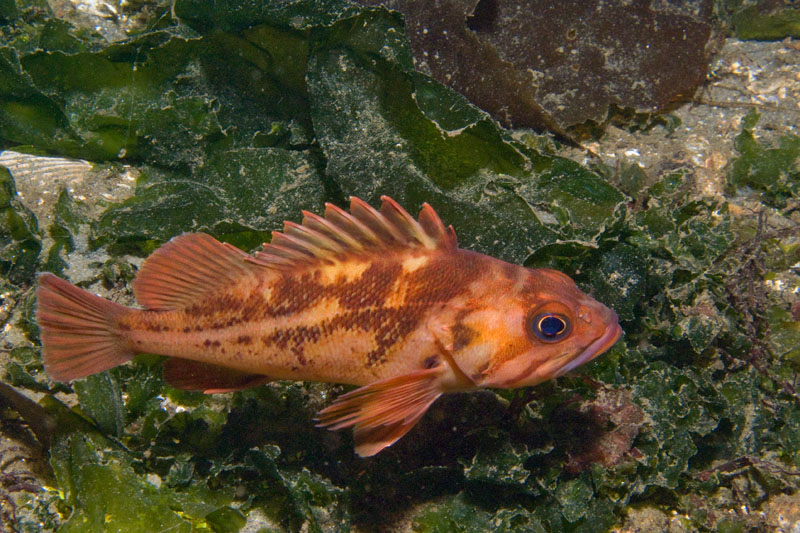
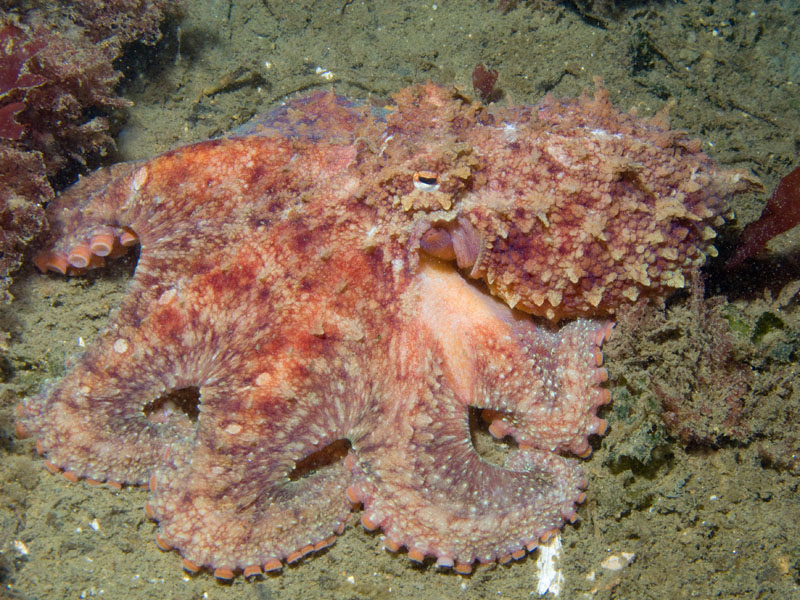
Here are some quick observations, as well as a few photos:
- The G9 OEM housing is awkward to hold onto - you tend to push buttons on the back unintentionally, at least with heavy gloves.
- OTOH, the OEM housing is very small, light, and - with a single strobe and Ultralight base and arm and one strobe, it only slightly negative, so isn't hard to hold steady.
- The G9 is a very capable little camera - I'm very happy with it!
- The G9's automatic settings in any of the program modes (P, Tv, Av) short-change you either on shutter speed (it chooses 1/60) or aperture (it uses low settings most of the time), so I put it on M and selected a shutter speed of 1/160 (to allow for wobbly hands in cold water) and aperture at f/8 (the highest it has available) for max. depth of field. Those were the highest settings at which I felt I could get a decent exposure with one Z240 strobe). I was quite happy with those settings, and didn't change them the entire dive. When shooting macro, I dialed the strobe way down, and when I took off the macro wet-lens, I put the strobe on full power. Note: if I were planning to shoot anything more than 1-2 ft away, I would set the shutter speed a little slower (1/100 or 1/125), which should still be fast enough for most things, and would give my strobe more oomph for subjects farther away.
- Using an external strobe, I would NOT set the camera's WB to cloudy (as I always do with my Canon DSLRs for underwater use). While WB can be fixed in raw converter software, the G9's interpretation of "cloudy" is way too yellow (at least in the greenish waters of Puget Sound), so it needs to be "fixed" in EVERY shot on the computer with that setting. In the future, I'll try AWB to see how it does...
- The UCL-165 lets you take pretty decent macro shots, but only focuses within a VERY narrow range about 5-6 inches from the subject. It is quite difficult to tell on the camera's display if the subject is really in focus or not.
- Transporting, carrying, diving with, and rinsing/storing the G9 is a helluva lot easier than a Seacam housing with dual strobes!
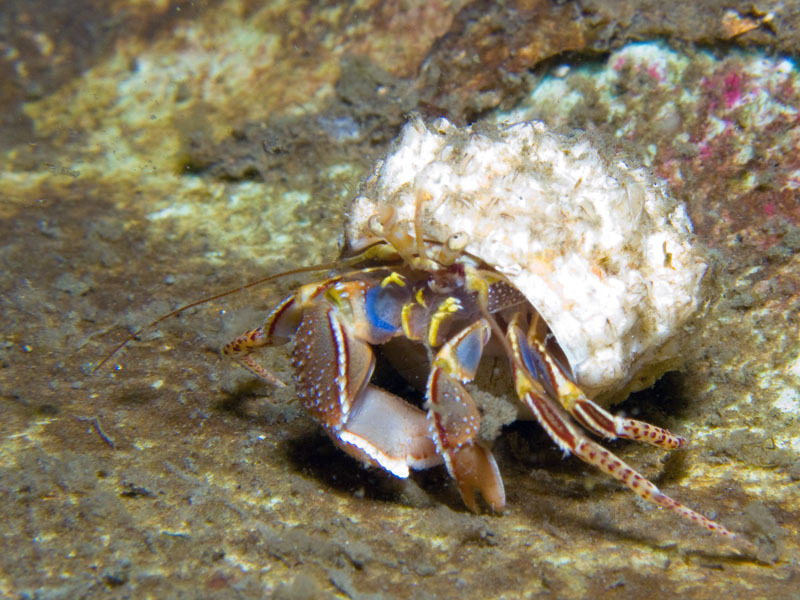
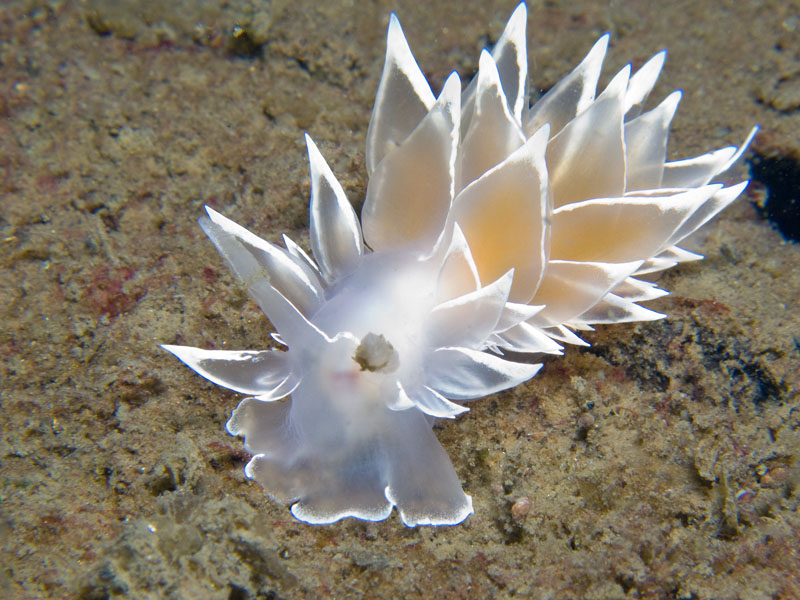
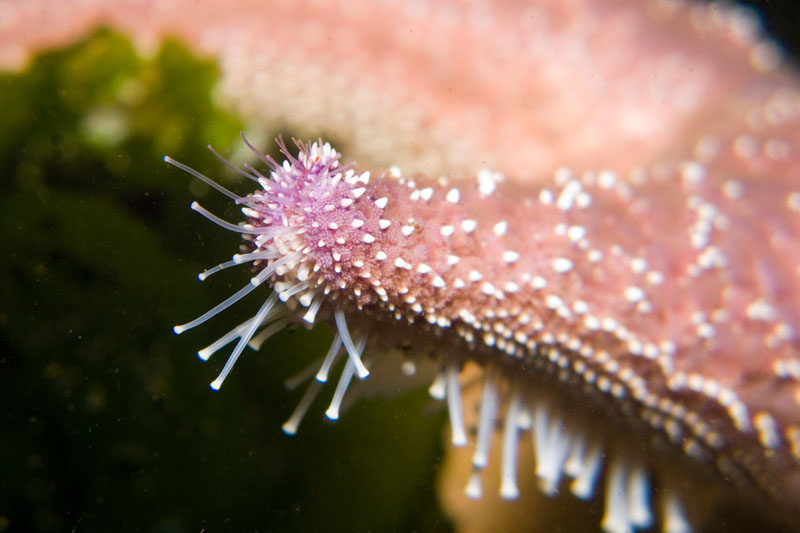
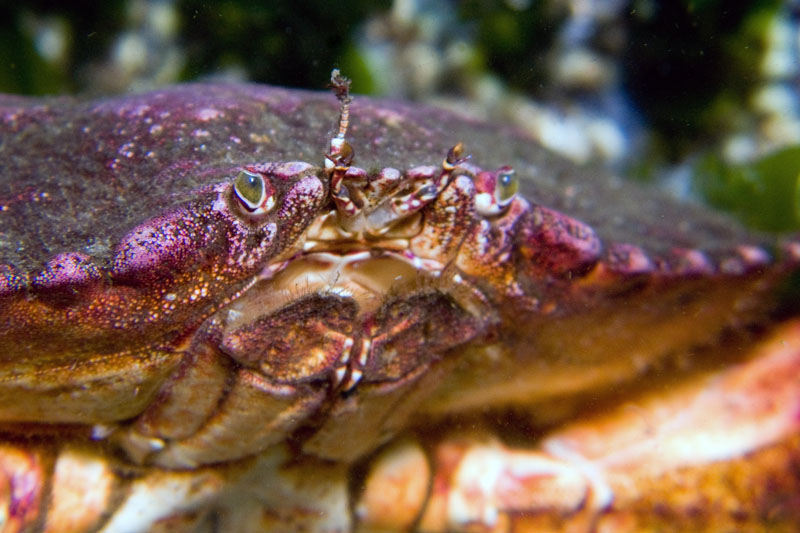
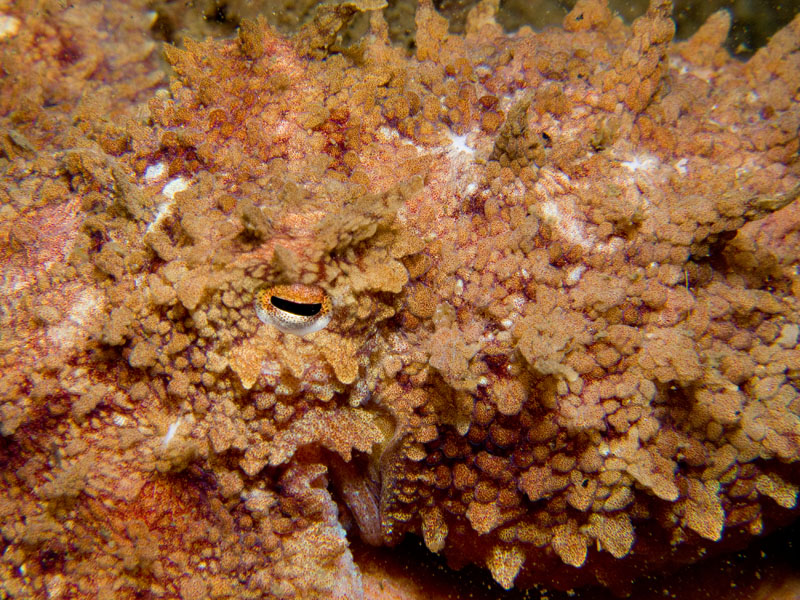
Here are several shots with the UCL165 macro wet-lens attached. (See reply post for non-macro examples.)