I sold it

.
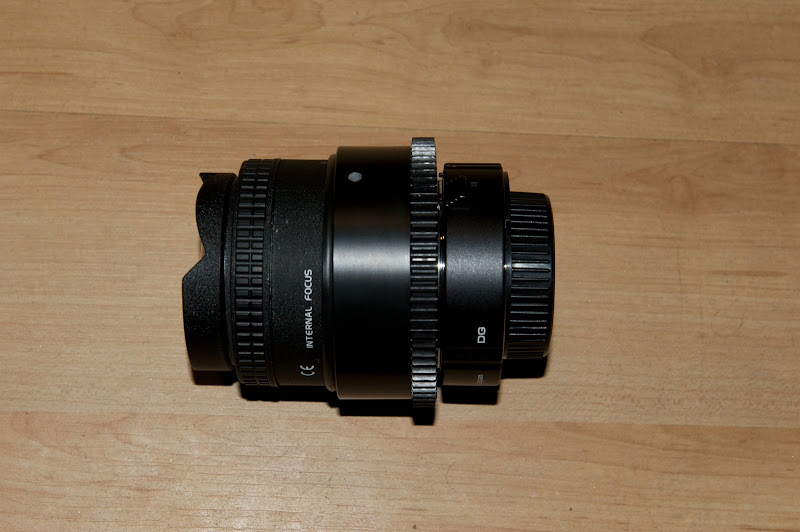
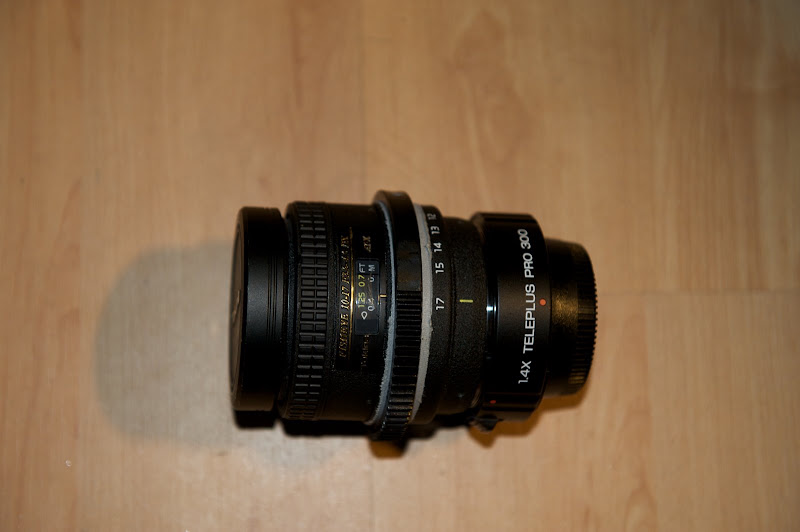
With the teleconverter, I felt it too slow (f/5-6.3) and lacking the quality I was looking for. The usual benefit of using a fisheye lens underwater is the ability to obtain sharp corners nearly wide-open, or without stopping down as much as a typical rectilinear. Unfortunately, the lens appears to perform more poorly (from center crops) once the teleconverter is added until it is significantly stopped down, defeating that benefit.
Your results may vary! 
I was about to sell mine; and I'm glad (at least till I try it in open water) that I didn't.
A few things:
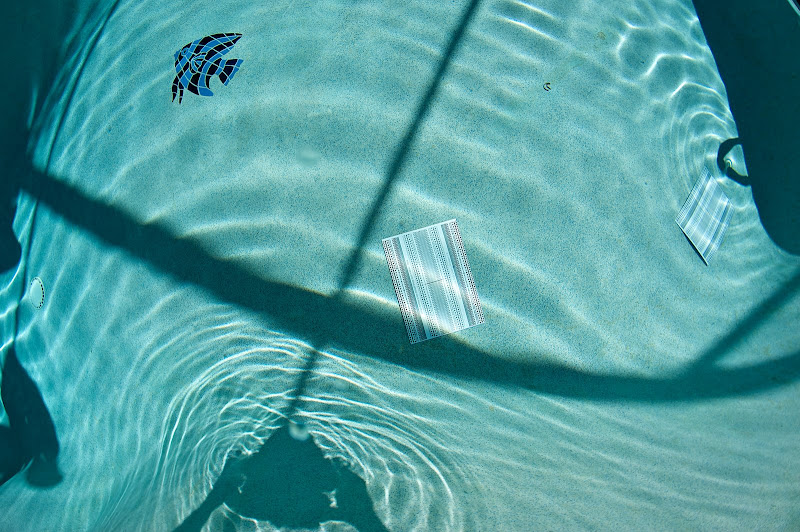
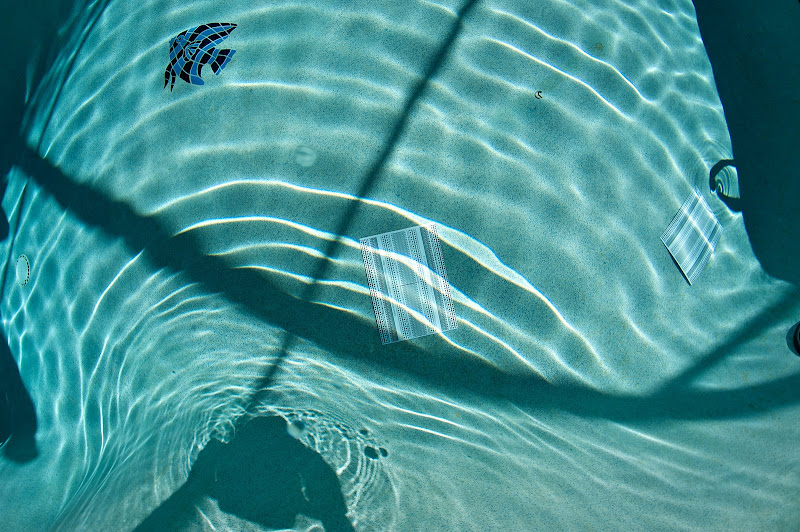
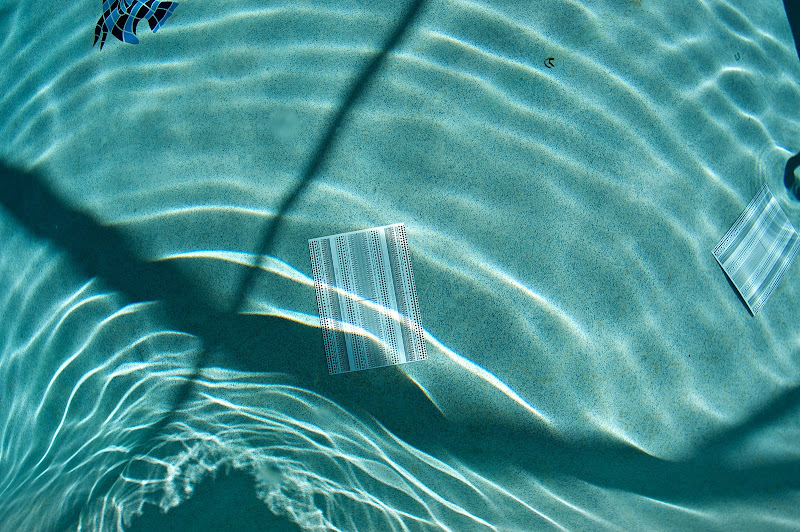
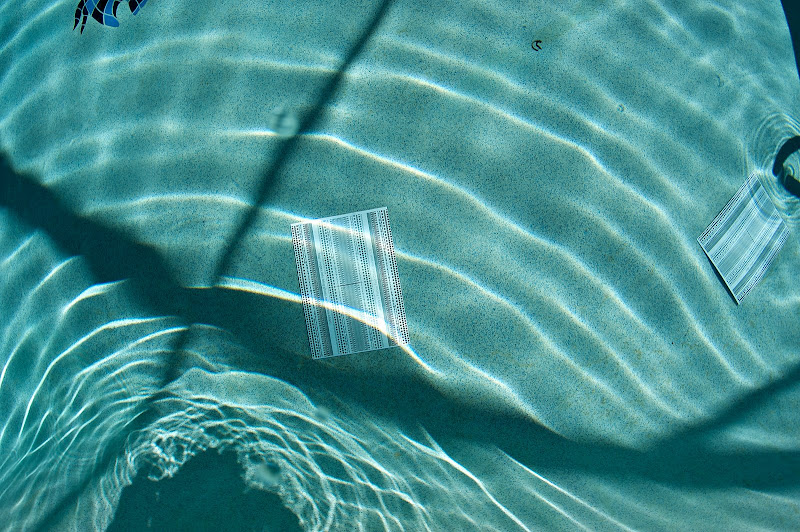
Your tests are done topside, testing close focus abilities, and not behind a dome at average shooting distances. Just from my own observations of my own tests, my lighting with the natural light in the pool is more even and with less noticeable drop off towards the periphery. DOF will also be greater across the frame at average shooting distances.
I would not consider this combination of course for topside, but I do think putting a fisheye behind a dome is likely to make a relatively better match (at least with the FE2 designed for the 16mm) than any rectilinear. Putting a rectilinear behind present dome designs is always a little like putting a square peg in a round hole.
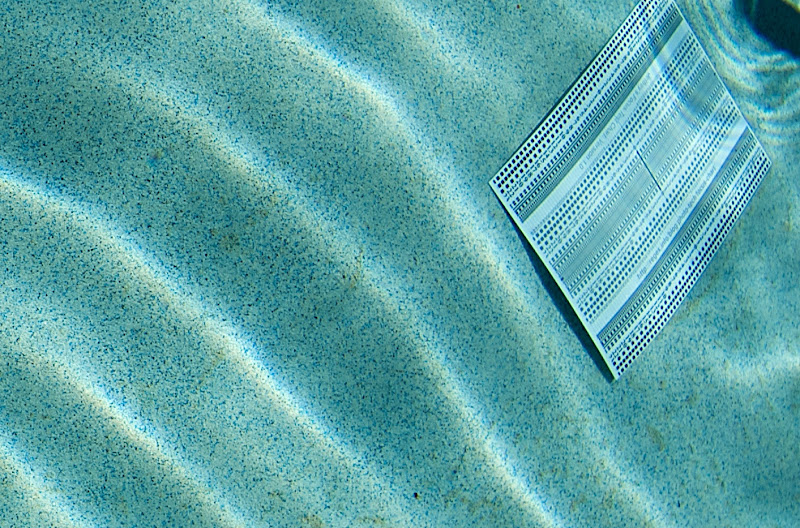
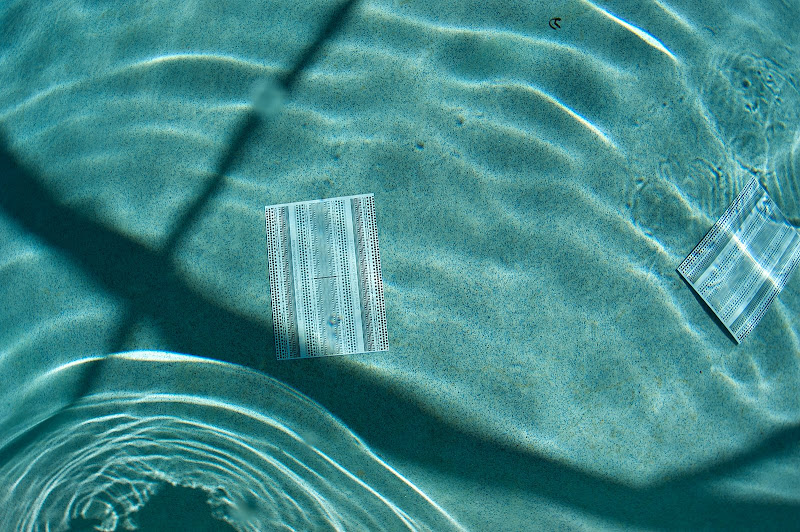
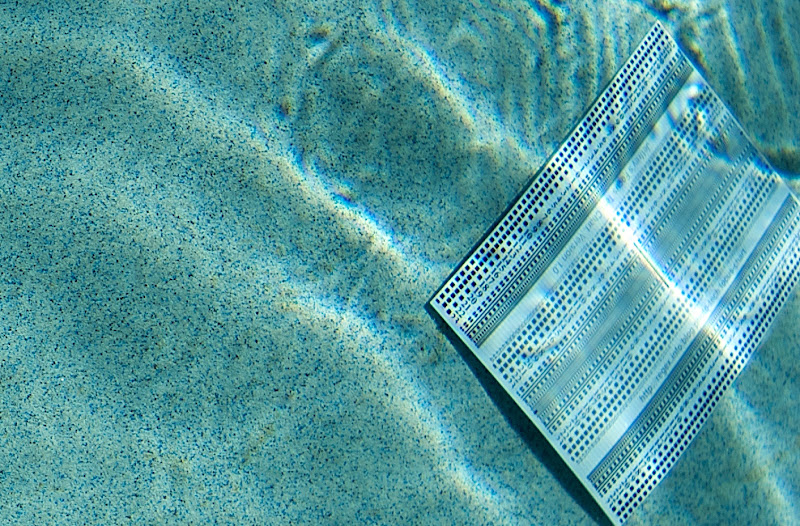
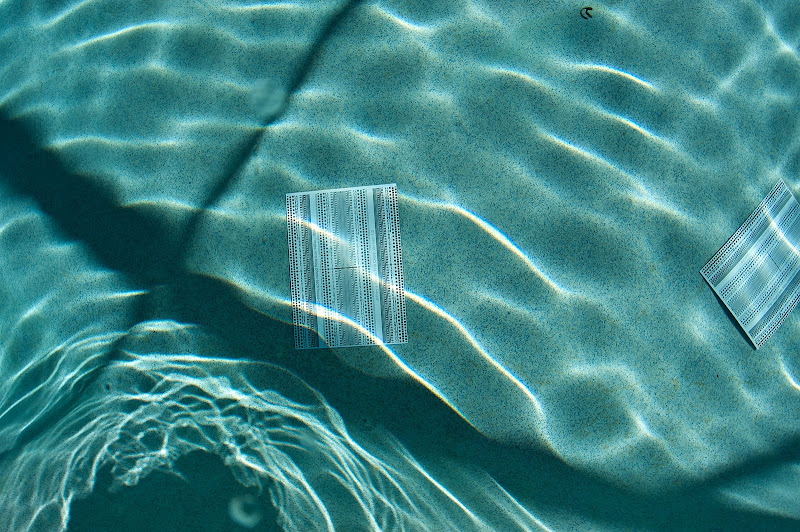
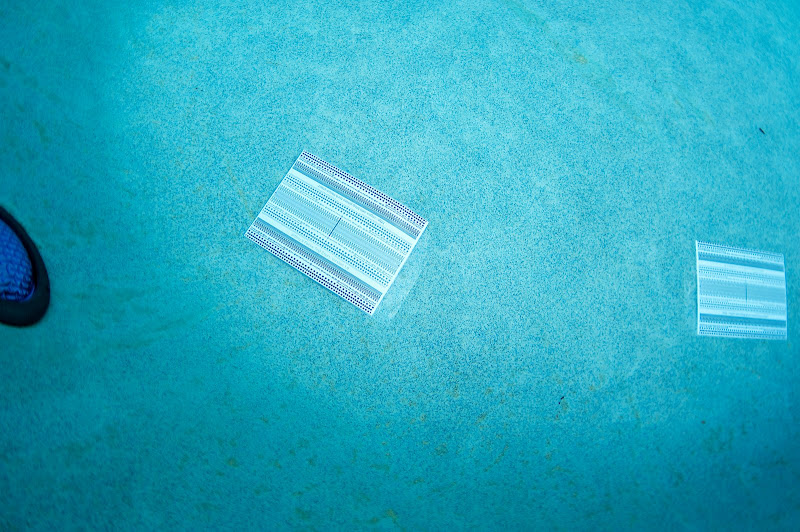
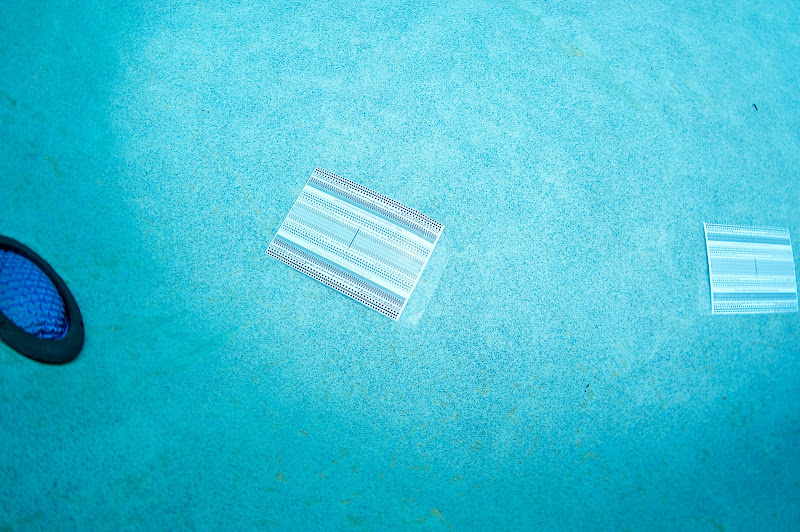
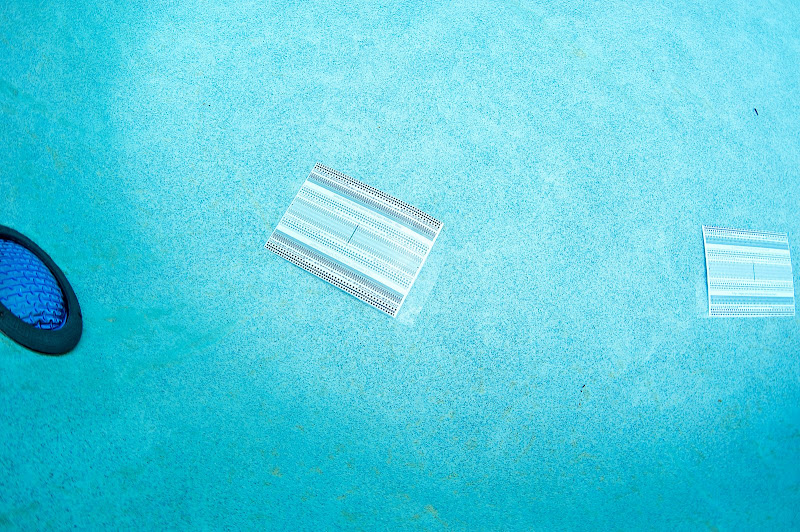
My main interest here was to compare corner sharpness to two lenses that I own: The 14-24 Nikon at 14, with the Tokina at similar FOV(13-14 on the ring), and the 17-35 Nikon at 17 with the Tokina at similar FOV (16-17 on the ring). I suspect Canon's wide angles to be similar to the 17-35. I use other peoples' tests for these two lenses for my comparisons, which of course is not ideal.
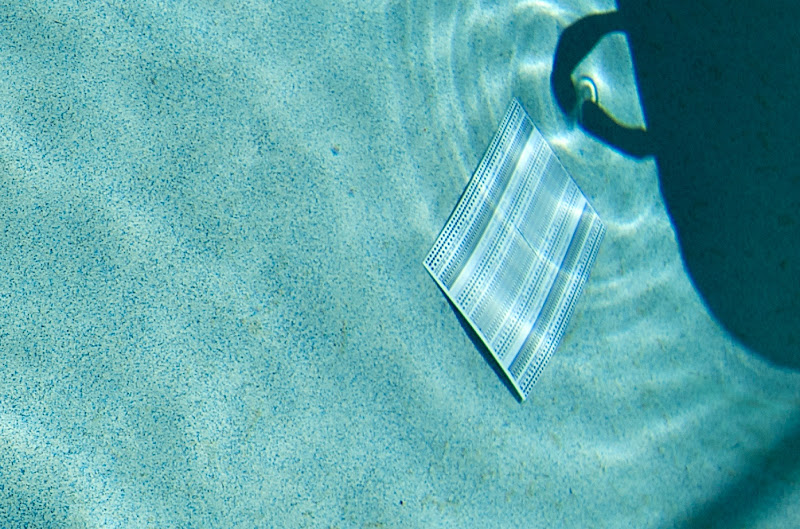
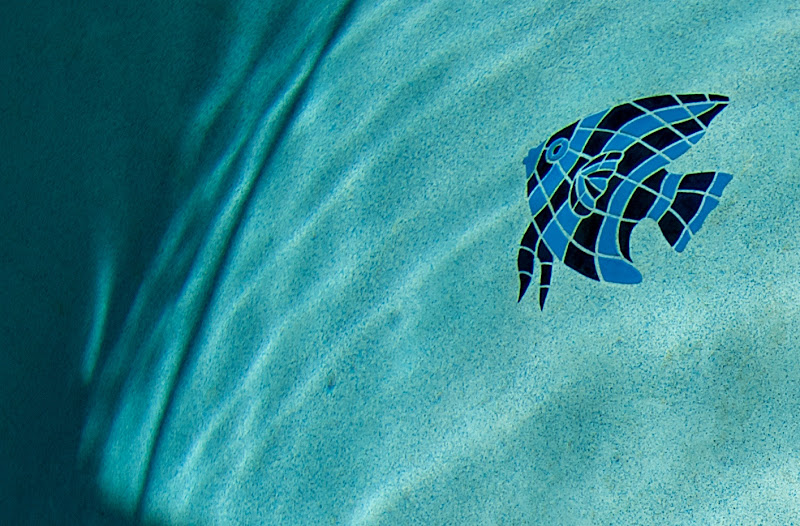
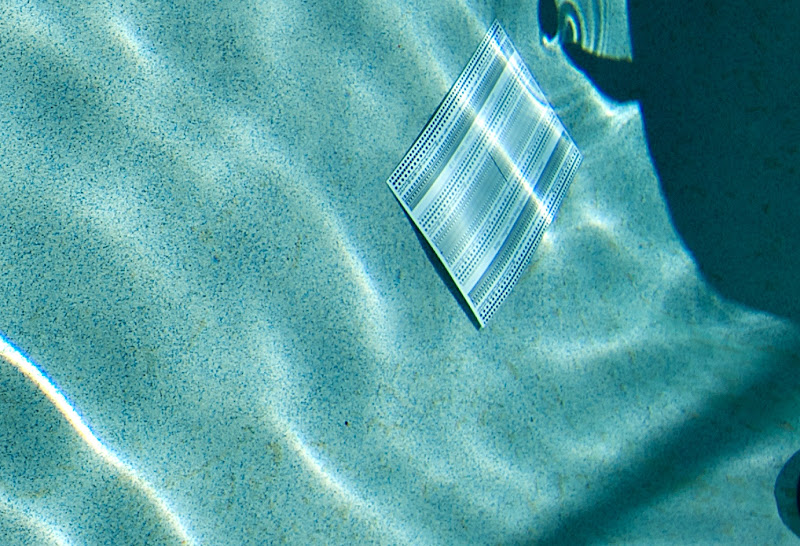
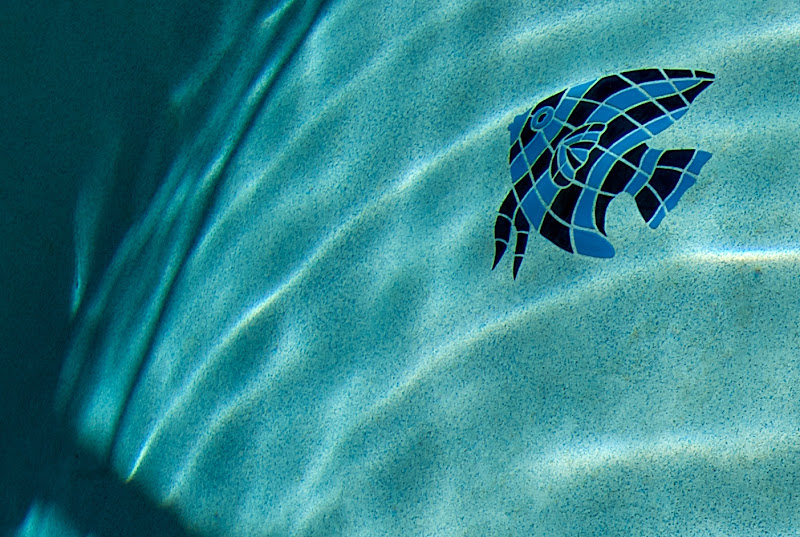
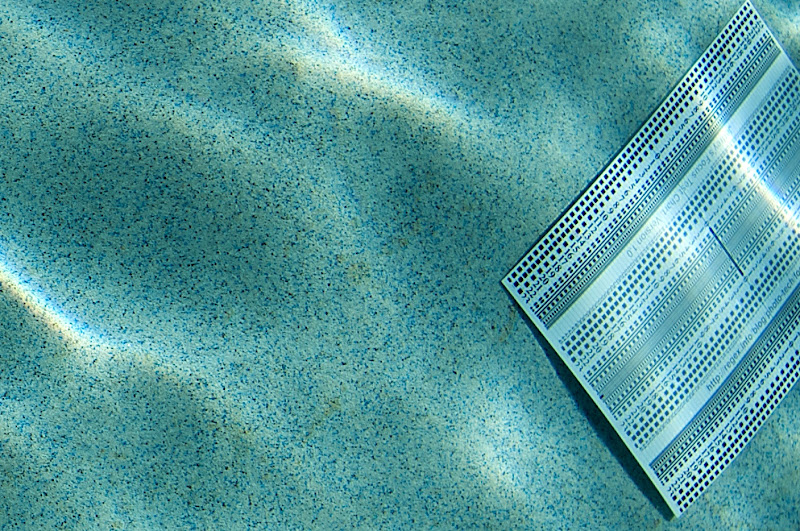
My impression so far is that at f8 this setup compares favorably and may even be better than either of these two rectilinears at the corners, and definitely better than the 17-35 without a diopter. One limitation of my tests is the glare on the peripheral chart, which I think degrades the quality a little. I will try to repeat sometime with better more even lighting. I have yet to see any Canon rectilinear tests that convince me they are better as well.
The other concern I have about all the rectilinear tests is that to some degree they are very specific for the exact setup of each specific test. With a rectilinear it is only possible to say that for this exact, lens, port extension, dioptre, port, and distance to the test chart at the periphery, we have achieved a certain degree of sharpness at the periphery. Change any one of those parameters, particularly peripheral test chart distance by even a few inches, and the conclusions may be different.
At least for the FE2 domeport, being designed for a fisheye, knowing the DOF characteristics of the Tokina, I am certain I will have a far greater range of focus at the periphery than I am likely to have with any rectilinear. In practice, this should allow a much larger range of conditions and subject planes that are likely to be in focus across the whole image. The close focus ability of this setup is also unmatched by any rectilinear.
The slowness of the setup is much less of a concern to me now with the D700 compared to my D200, knowing I can shoot at 800 or 1600 if need be and still get quality as good or better than I could get with 200 ISO on the D200. If someone ever actually makes an FX fisheye zoom, of course I would like it to be faster particularly for autofocus, and I'm sure it would be. Come to think of it, this combination seemed to autofocus OK when I used it with DX. No question this is a 'poor mans' setup, but I have not seen any wide rectilinear underwater tests yet that blow me away as being significantly sharper. My 14-24 is a spectacular lens topside, and if I saw anything that made me think it can be easily and repeatably replicated underwater, I would adopt it in a heartbeat.
I think one should also keep in mind that considering the popularity of the 10-17 on DX, a 14-24 FX Fisheye zoom which this setup mimics, is a very desirable lens. A fisheye zoom is considered by many as one of the 'deficiencies' currently in full frame lens availability for underwater use.






.jpg)
.jpg)
.jpg)
.jpg)