Hey phxazcraig
I read your two emails about your trip with interest.
Yep schlepping a 230 dome around is quite a job - and you are right, you have to be pretty darn keen to do it often when travelling. I've done a few posts about travelling with one. It's always a challenge!
I was sorry to read though that you are having edge sharpness issues. I had the same thing with the Nikkor 16-35mm in a Subal housing with a 190 dome. I used the +2 diopter as recommended - but it was still pretty awful at the edges, although, as you say, sharp as a tack in the middle.
So I upgraded to a (Subal again) 230 dome. Edge sharpness is better but needs to be at f11 to be really good. Centre is really sharp at pretty much anything. I still use the +2.
I'm not sure though why you are still having poor edges with a 230 dome and a +2. Can you see any difference between the shots at f8 and at f11? Perhaps Nauticam users can offer some suggestions.....
You mentioned too that poorish viz made wide-angle pics tricky. Yeah, always a problem. But, if I might suggest, you need not let this put you off too much.
if you want to shoot "big vistas" then, of course, poor viz makes it pretty hopeless.
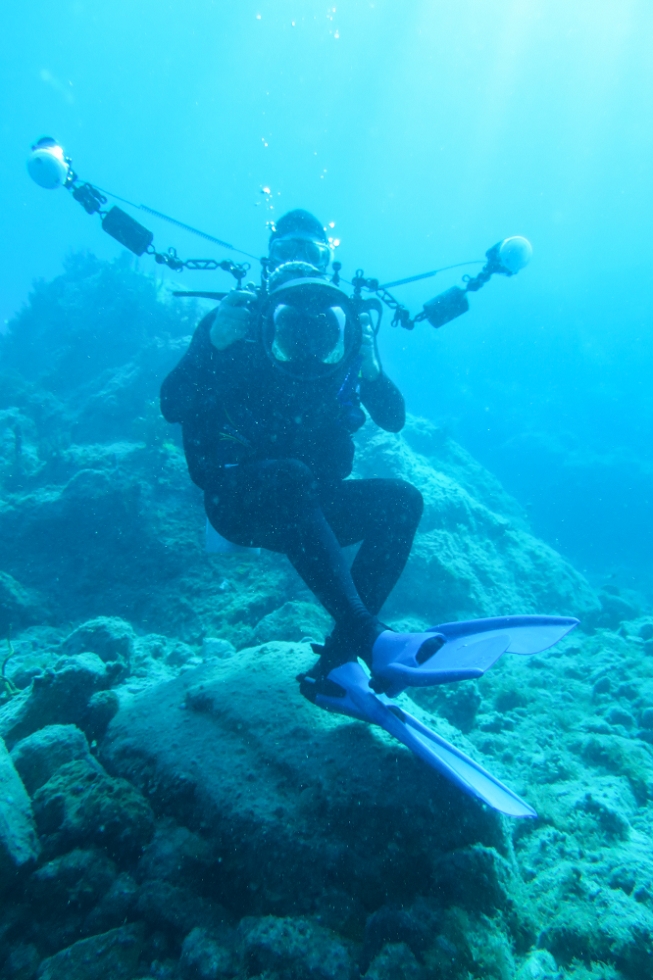
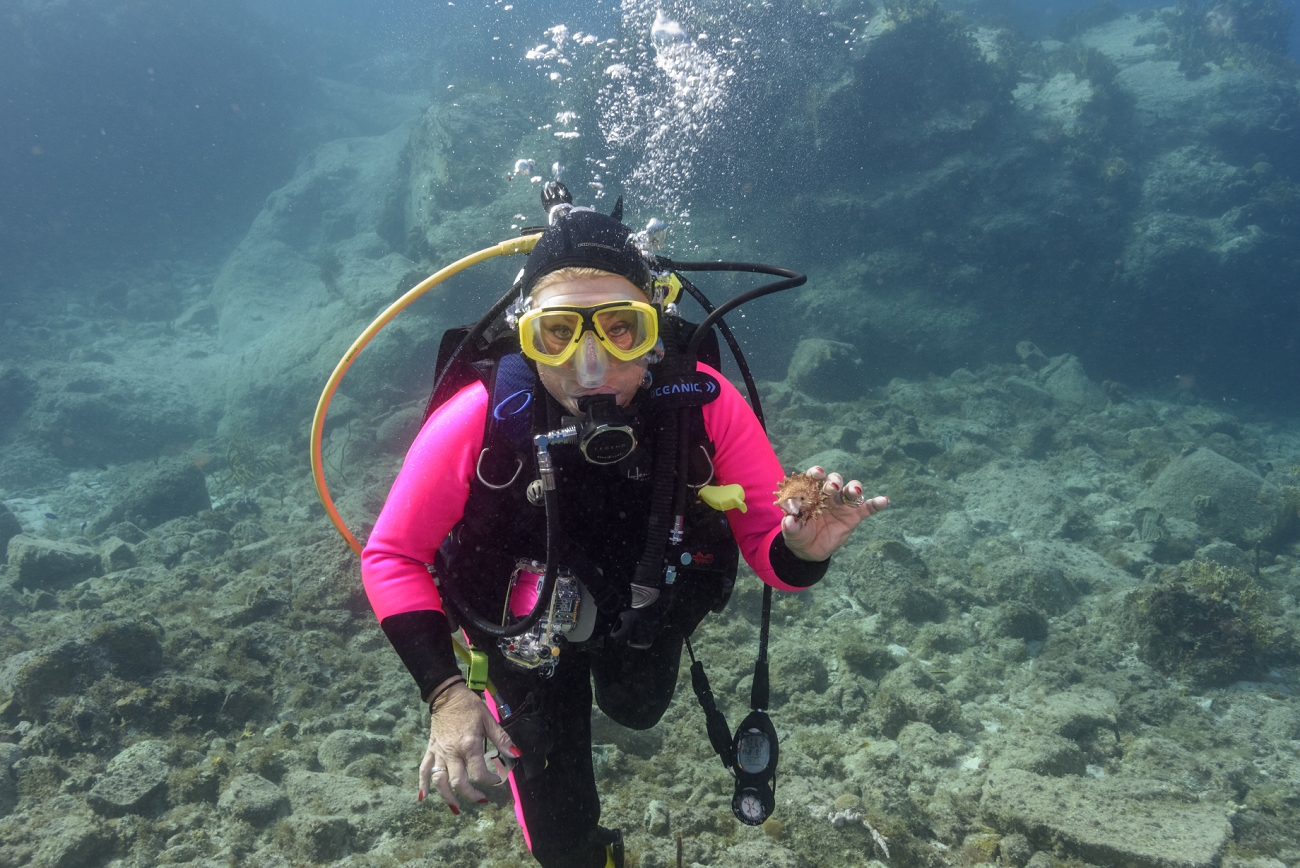
But if I've found if you concentrate on one close element in the image (maybe some nice coral or reef structure) perhaps slightly to the left or right of centre - and then balance the other side with an approaching diver, I've found the the viz quality is nothing like as much of an issue. But you do need to be within say 1-2 feet of the main element of the image. The slightly less clear diver just adds to the image (for me anyway!) and creates a story and a context. Another advantage is that the edges are generally not as crucial. And, yet another advantage... you are not trying to light the whole image with strobes (pretty hopeless in my experience with Inons Z240s) but only lighting the key element of the image - perhaps with both strobes on the same side lighting the off-centre, say, coral, or reef feature. You can balance that with ambient lighting for the exposure on the diver.
I've found even in turbidish water you can create some good wide-angle images, e.g. Lembeh. I was down in the southern Red Sea a couple of months ago and although there was about 60' of viz, there were an awful lot of floaters in the water which wasn't great for "vistas" but no problem for the "isolating" type images.
Sorry, I'm not at home at the moment so can't upload a couple of examples to show you - but I hope you can get what I'm on about. I'll try and upload something when I'm home.
Hope that might help a bit!
PS: just had a thought, if you click on my Shutterstock gallery underneath my signature you can see some there. They're aren't revolutionary by any means - actually pretty bog-standard - but it illustrates what you can do with W/A in less than ideal viz.