Skip to content

Photography Gear and Technique / Archived topic

Sony a7R III + FE 24mm 1.4 GM

Started by ilauzirika ·

  • 24Posts
  • 24Replies

Read-only discussion

Sony a7R III + FE 24mm 1.4 GM

24 posts
  1. Hi everyone!

    I am in the process of moving from compact/iphone underwater photo to using my sony setup that I use landside for my hobby/work. I have been reading a lot of posts regarding setups for a Sony a7R III. I mostly own primes and the 24-105 G zoom. As I am starting to plan to upgrade from a bare iphone housing to a housing that will allow me to use my sony setup underwater I am looking at what the best lens choices are. While I have the Macro end covered with the 90mm, my biggest doubts come at the wide angle end. I don't own any zoom other than the 24-105mm (which I believe is not the best option underwater) as I mostly use primes and for the wide end I only have the 24mm 1.4 GM, if I need anything wider I tend to do panoramas :).

    My favourite lens on land is the 24mm 1.4 GM. Stays on most of the time... I see that Nauticam has a recommended  a setup with their housing (which is the one i am leaning towards). I have been trying to find reviews or experiences with it but they seem scarce. I am wondering if any of you have good experience with it or if there are better alternatives, like buying a cheap 28mm f2 or 28-60 and a wet wide lens. I wonder if the quality of the 24mm in a 7" dome as recommended by Nauticam will yield better results than the wet wide lens combo. 

    Obviously there are other variables like setup size for travel, lightning... But at this stage I am trying to understand if I can get started  and get good results with the lenses I have (24mm for the wide end and the 90 for macro dives) and the housing/dome combinations out there.

    Does anyone have experience or know of any review that compares those lenses?

    Thank you all for the help!

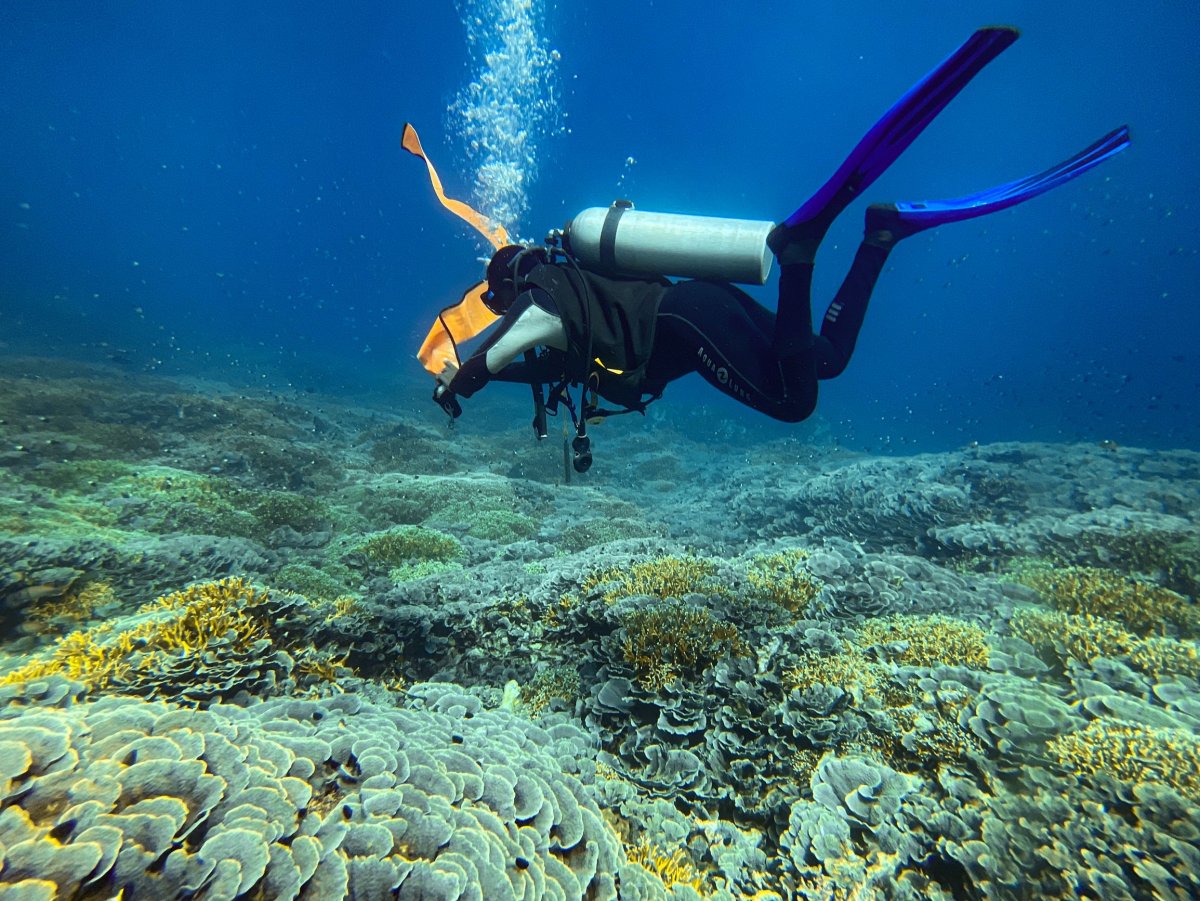
    PS: I added one photo that I took with my iphone + sealife sportdiver, just to show the type of photography that I enjoy most.1.thumb.JPG.3ae10cab9d9283026fc887761fa4d6a0.JPG.
  2. in underwater terms, 24mm is not that wide, UW you don't put on a wide lens to get a bigger angle of view , you use WA to get closer to your subjects so you have less water between you and your subjects.  You are also placing the lens behind a dome and this means the lens needs to have good close focus capability.

    Dome ports are a problem with wide angle work and the required size of the dome port scales with sensor size.  the classic wide angle lens for UW work is the 16-35 and in full frame this needs a 230mm dome to get decent corner performance.  As I said the 24mm is not that wide in UW terms so you can get away with a smaller dome.  You also need to stop down to f11-16 to get the corners sharp with such a lens at the widest setting.

    All this applies to rectilinear lenses, fisheyes can use smaller domes and they are to goto choice for close focus wide angle work and reef scenics and a 15mm full frame fisheye works well in the Nauticam 140mm dome.  One of the disadvantages of SONY is lack of full frame fisheye and you need to adapt a lens like the Canon 8-15 or Sigma 15mm fisheye.

    You choice will depend a lot of the type of shots you prefer, rectilinear lenses are good for wrecks as they keep straight lines straight and also for things like sharks where you may not get close enough with a full frame fisheye.  For shots with people in frame the rectilinear may also be preferred, if you place a diver too far from centre the shape distorts with a fisheye - this is not normally a problem for reefs and other UW subjects. 

    Wet lenses are a little in between Fisheyes and rectilinear and were developed specifically to deal with the problems of using large domes but still getting corner problems.  The 230mm dome is really quite big and hard to travel with.  The wet lenses are sharp across the frame and work well at wider apertures.  They are are not quite rectilinear and have some barrel distortion, but nowhere near what you get with a fisheye lens.

    I would also suggest that housing a land camera you already own is not always the best choice.  Other systems may do a better job UW.  Smaller format sensors are always cheaper to house and can be more versatile UW.  The advantages of full frame are somewhat reduced underwater in my view.  I'm not saying don't do, but go in with your eyes wide open and decide if you want to spend the extra $$ or not, the savings can be significant.  In may case I could buy the housing , camera and one port for the price of just the housing for my land camera. 


  3. Good advice from Chris.

    24mm or 28mm really isn't wide enough and, as Chris sets out, wide angle allows you to get much nearer the subject, reduce the amount of water between you and the subject - but still allow for a wide-ish image.

    As Chris says, 16-35mm is about the standard for rectilinear on a full frame sensor but, as you can read in various other posts, you need a 230mm (9") domeport to avoid horrible edges. They are BIG, heavy, expensive and a pain when travelling. Don't be lured (as I was) into thinking that there can't be that much difference between an 8" and 9" port! There is!

    You can avoid this to an extent by either using a smaller port (eg 8") making sure your subjects are in the so soft bits of blue water at the edges. Or, b ) use a fisheye - Sigma 15mm I'd suggest. Using my old Nikon D800 (full frame) the Sigma 15mm fisheye became my go-to lens. It could use a much smaller domeport and, unless you need straight lines in your images (rare underwater), it can handle most things - certainly very good for "diver on the reef" shots.

    Again, as Chris says, I'd suggest you scope out the real costs of housing your topside full frame camera: domeport, extension rings, correction lenses, consider the impact for travelling - then see what else you could do with the total sum you would need. It could well be that a different camera system makes sense. 

    But there is one important consideration: are you going to be happy with what you buy after you slap down what will be a load of cash? If it's REALLY the full frame topside camera you want - and if you don't have it you are always going to be disappointed... then that could be a perfectly reasonable decision to make. Just appreciate that it might not be the best value for money or even produce the best results.

  4. Your Sony camera is very popular for underwater photo. I've been shooting them for years. I would suggest you have a camera shop build you a complete set up. It can get complex going it alone. Backscatter is good and Blue Water Photo as well. I finally settled in on a wide angle set up. If you want some macro you are going to add some big bucks to your rig. Your choice. Other than the housing you are are going to need tray, arms, strobes (2) and sync cords. You might as well get a good light for some video. Your build could get north of $3,000 US.

  5. Thank you Chris, Tim and Bill. Very much appreciate the honesty and your perspective!

    You made very compelling points about the challenges of that focal length and Wide angle photography Underwater. I am definitely in no rush of making any decisions right now, more on the exploratory side of things, looking at options and ideas. So your comments are certainly helpful. If only physics would make things easier... Hopefully later this year I will have a chance to physically visit some distributors and try some options out as well to gauge weight, portability, budget, etc.... 

    I especially like the comment about portability of larger domes, indeed, that is something in my pros and cons list to consider. 

    While it would be nice to reuse the equipment I already own, it does make sense not to get stuck with that option. I am also considering things like the Sony RX100 vii which seems to offer the opportunity for a more cost effective setup to get started, and as you all mentioned leave room for the extra accessories that will be required for the setup (lights, hardware, wet lenses...). and also options/sizes from other manufacturers. But there is plenty of information about this out in the forum, so I will continue looking into it. 

    I guess at this point it is more about figuring out options and budgets, and the end of the day, it will mostly be a hobby, an expensive one (:)), but a hobby hahaha, so no rush (and learning from you all is fun!). really appreciate your input and time!

  6. A pleasure, ialuzirika - lots to think about for sure. And if you need more thoughts or input, you know where to come!

  7. 17 hours ago, ilauzirika said:

    Hi everyone!

    I am in the process of moving from compact/iphone underwater photo to using my sony setup that I use landside for my hobby/work. I have been reading a lot of posts regarding setups for a Sony a7R III. I mostly own primes and the 24-105 G zoom. As I am starting to plan to upgrade from a bare iphone housing to a housing that will allow me to use my sony setup underwater I am looking at what the best lens choices are. While I have the Macro end covered with the 90mm, my biggest doubts come at the wide angle end. I don't own any zoom other than the 24-105mm (which I believe is not the best option underwater) as I mostly use primes and for the wide end I only have the 24mm 1.4 GM, if I need anything wider I tend to do panoramas :).

    My favourite lens on land is the 24mm 1.4 GM. Stays on most of the time... I see that Nauticam has a recommended  a setup with their housing (which is the one i am leaning towards). I have been trying to find reviews or experiences with it but they seem scarce. I am wondering if any of you have good experience with it or if there are better alternatives, like buying a cheap 28mm f2 or 28-60 and a wet wide lens. I wonder if the quality of the 24mm in a 7" dome as recommended by Nauticam will yield better results than the wet wide lens combo. 

    Obviously there are other variables like setup size for travel, lightning... But at this stage I am trying to understand if I can get started  and get good results with the lenses I have (24mm for the wide end and the 90 for macro dives) and the housing/dome combinations out there.

    Does anyone have experience or know of any review that compares those lenses?

    Thank you all for the help!

    PS: I added one photo that I took with my iphone + sealife sportdiver, just to show the type of photography that I enjoy most.1.thumb.JPG.3ae10cab9d9283026fc887761fa4d6a0.JPG.

    First the Sony FE 24mm F/1.4 is a fantastic lens and I have used it underwater but would not recommend it for the simple reason that F/1.4 is great for astro and all but useless for U/W work. When shooting from behind a dome port of any size on full frame the rule of thumb is to shoot at F/13 or above for excerptible corners.

    Next issue is that for those looking to move into U/W photography they apply above water experience to equipment selection. I had a hard time wrapping my head around the idea that you can take a "kit" lens in combination it with a water contact optic like WWL-1B and get a wider AOV and much better image quality than with say the Sony FE 12-24 F/2.8 or 16-35 F/2.8.

    I suggest that you go to uwpmag.com, go to back issues at the top of the home page and enter Alex Mustard into the search engine. Alex has done two excellent reviews on water contact optics like WWL-1 and WACP-1. Enter my name Phil Rudin and you will find a wealth of information on shooting with Sony and associated products. Next I have reviewed WWL-1/1B twice, first with the 28mm F/2 and second with 28-60. The 28-60 is a better lens for both speed and optical quality. I have also reviewed lenses like Rokinon 18mm and Tamron 17-24mm F/2.8 using the Nauticam 180mm port on full frame. When I used the 24mm F/1.4 I was using a 230mm port and it still did not out preform the 28-60 with WWL-1B. Lots to consider and uwpmag.com along with this site are great sources of info. uwpmag.com is a free PDF download.


  8. Hi @Phil Rudin, is the 28-60 with WWL-1 solution available and good for A7R iii ? On the Nauticam website, I cannot find this option in their system builder interface (although I think they don't update this too often). Thanks!
    Ajay

  9. 51 minutes ago, ajay said:

    Hi @Phil Rudin, is the 28-60 with WWL-1 solution available and good for A7R iii ? On the Nauticam website, I cannot find this option in their system builder interface (although I think they don't update this too often). Thanks!
    Ajay

    Generally best to use the port charts, there is a separate one for the WWL-1:  https://drive.google.com/file/d/16jbJ08JAzMxCLoI6LfraDJzks75oWC5e/view

    You'll see the recommended port for use with 28-60 on N100 housings listed there.

  10. Ah yes, thanks Chris.

  11. 13 hours ago, ajay said:

    Hi @Phil Rudin, is the 28-60 with WWL-1 solution available and good for A7R iii ? On the Nauticam website, I cannot find this option in their system builder interface (although I think they don't update this too often). Thanks!
    Ajay

    Hi jay, Just to be clear the 28-60 works with all Sony FF cameras. So far I have used it with A7C, A7R IV and A1. In the past I used WWL-1 with Sony A7R II/III and with M43 cameras. At that time the only option was the FE 28mm F/2. The new 28-60 has better image quality, speed and more. 

    If you buy the WWL-1 used it comes with a 67mm threaded mount and a bayonet mount. I recommend the WWL-1B if you are buying new because of the integrated float collar and smaller overall size v. WWL-1 with optional float collar. Be aware you will need three things in addition to the 28-60 lens. For Nauticam the zoom gear, the port with 67mm threads and the 67mm to port bayonet mount to mount the lens. The current issue of uwpmag.com has my review of the WWL-1B with the 26-60 lens, again this is a free PDF download.

  12. Thank you Phil for your insight! I have been reading your articles and they are definitely helping to understand the options available. I will continue reading now!

  13. 15 hours ago, Phil Rudin said:

    Hi jay, Just to be clear the 28-60 works with all Sony FF cameras. So far I have used it with A7C, A7R IV and A1. In the past I used WWL-1 with Sony A7R II/III and with M43 cameras. At that time the only option was the FE 28mm F/2. The new 28-60 has better image quality, speed and more. 

    If you buy the WWL-1 used it comes with a 67mm threaded mount and a bayonet mount. I recommend the WWL-1B if you are buying new because of the integrated float collar and smaller overall size v. WWL-1 with optional float collar. Be aware you will need three things in addition to the 28-60 lens. For Nauticam the zoom gear, the port with 67mm threads and the 67mm to port bayonet mount to mount the lens. The current issue of uwpmag.com has my review of the WWL-1B with the 26-60 lens, again this is a free PDF download.

    Hi Phil - Thank you for all the helpful information on the Sony/WWL-1B setup. I have read both your article in the current UWPmag issue as well as your comments here with gray interest.

    Like you, I have had a hard time wrapping my head around the idea that an inexpensive consumer lens like the 28-60 zoom or the FE 28 f/2 with the WWL-1B could outperform lenses like the Canon 8-14 or Sony’s new 14mm rectilinear lens behind a high quality glass dome. But reading your article and the comments of other here, that seems to be the case.

    I shoot video and am transitioning from a GH5, to an A1/Nauticam system along with a Ninja V that will allow me to capture PROres RAW video. The good folks at Backscatter have recommended the WWL-1B.

    Are there any caveats that I should know about this setup, apart from it’s inherent unsuitability for over-unders? I have heard that the area between the front of the flat port and the rear of the wet lens needs to be “burped” at the beginning of a dive, as air bubbles get trapped in there. I assume this could be more of a problem if you’ve backrolled into the water with your camera as opposed to having your camera handed down to you. Do you find that there are any issues getting sand or debris trapped between the port and the wet lens?

    Thank you!

    Edited by jplaurel
  14. 15 hours ago, Phil Rudin said:

    Hi jay, Just to be clear the 28-60 works with all Sony FF cameras. So far I have used it with A7C, A7R IV and A1. In the past I used WWL-1 with Sony A7R II/III and with M43 cameras. At that time the only option was the FE 28mm F/2. The new 28-60 has better image quality, speed and more. 

    If you buy the WWL-1 used it comes with a 67mm threaded mount and a bayonet mount. I recommend the WWL-1B if you are buying new because of the integrated float collar and smaller overall size v. WWL-1 with optional float collar. Be aware you will need three things in addition to the 28-60 lens. For Nauticam the zoom gear, the port with 67mm threads and the 67mm to port bayonet mount to mount the lens. The current issue of uwpmag.com has my review of the WWL-1B with the 26-60 lens, again this is a free PDF download.

    I read your very interesting reviews in UwP 199&200. I am grateful that you do all this tests and reviews that help others to choose the gear and how patiently you explain again and again... :good:

    All images you show (WWL1 and WACP) are very sharp (as far as one can judge from the limited resolution in the pdf files), but in many you close down aperture, I guess to improve IQ (since also ISO is above the base level). I am curious what happens if you open the aperture to f 4.0 (or f 5.6 at the long end). Are the WWL1 and WACP1 images still sharp?

    How is the resolution of WWL1 (in the edges, but also in the center), at wide aperture, compared to same conditions, but with WACP1? It is clear to me from what you write, that the WWL1 gives better IQ than any rectilinear lens in domeport, but is it still worth the money and the efforts to go for WACP1?

    Thanks, Wolfgang

  15. 1 hour ago, Architeuthis said:

    is it still worth the money and the efforts to go for WACP1?

    This screams like Fomo ;-)

    WWL1 quality at corners is very good even at low apertures - no doubt the WACP1 will be better (designed for FF + no water contact between lens wet-lens) but it's up to each person (and wallet) to decide where they want to draw the line!

  16.  

    30 minutes ago, waterpixel said:

    This screams like Fomo ;-)

    WWL1 quality at corners is very good even at low apertures - no doubt the WACP1 will be better (designed for FF + no water contact between lens wet-lens) but it's up to each person (and wallet) to decide where they want to draw the line!

    I googled "Fomo" - "FoMO": Fear of Missing Out. Haha, learned new acronym ... :lol:

    This is what I mean: easy to calculate the savings in Euros and Kilos, but what, exactly, is missed on the optical side (if there are even losses in IQ: lot of $ not always correlates with IQ, see, for instance, rectilinear WA lenses behind superdomes)...

    For instance I would not exchange my current setup against a GoPro, which is much cheaper, smaller and lighter as EM1II in Nauticam housing plus lenses and ports. Although both make pictures UW, much too much is missed out with GoPro on the IQ side...


    Wolfgang

    Edited by Architeuthis
  17. 2 hours ago, jplaurel said:

    Hi Phil - Thank you for all the helpful information on the Sony/WWL-1B setup. I have read both your article in the current UWPmag issue as well as your comments here with gray interest.

    Like you, I have had a hard time wrapping my head around the idea that an inexpensive consumer lens like the 28-60 zoom or the FE 28 f/2 with the WWL-1B could outperform lenses like the Canon 8-14 or Sony’s new 14mm rectilinear lens behind a high quality glass dome. But reading your article and the comments of other here, that seems to be the case.

    I shoot video and am transitioning from a GH5, to an A1/Nauticam system along with a Ninja V that will allow me to capture PROres RAW video. The good folks at Backscatter have recommended the WWL-1B.

    Are there any caveats that I should know about this setup, apart from it’s inherent unsuitability for over-unders? I have heard that the area between the front of the flat port and the rear of the wet lens needs to be “burped” at the beginning of a dive, as air bubbles get trapped in there. I assume this could be more of a problem if you’ve backrolled into the water with your camera as opposed to having your camera handed down to you. Do you find that there are any issues getting sand or debris trapped between the port and the wet lens?

    Thank you!

    The WWL clearly out performs rectilinears were the fundamental problem is rendering the curved virtual mage onto a flat sensor, the jury is probably still out on the quality comparison with a fisheye which is a bit of a different beast with a much greater field of view, the fisheye doesn't suffer from the curved virtual image as the way it projects the image is fundamentally different.

    on the issue of the burping, the bubbles not caused by entry style, there is air in there before you jump and some of it sticks as bubbles to the surfaces, due to surface tension, because they are enclosed they tend to stay there as there is no movement to dislodge them, so you take off the lens and maybe shake it a little to dislodge any bubbles and replace it.

  18. Regarding Fisheye lenses underwater I am not as big a fan as most preferring rectilinear instead. The WWL-1/1B and WACP-1 render images that to me are much closer to rectilinear then they are to fisheye.

    The Sony FE 28-60 zoom behind both WWL-1 and WACP offer better speed and image quality than Sony FE 28-70 (WACP only) and FE 28 F/2 (WWL-1 only). NOTE that WWL-1B has been redesigned with the bayonet mount only so the Nauticam bayonet to 67mm mount is needed for mounting the lens.

    Regarding using lower F/numbers like F/6.3, F/5.6 these are my feelings. I am much more acutely aware of low F/numbers when shooting macro as a way to isolate the subject from the background. I do shallow DOF for wide angle, see the "Pit" shot, a bit deep and very dark but most of the time I shoot F/8 and higher with WWL-1 and WACP. This is because these full frame cameras are excellent up to ISO-640 and beyond. With M43 I rarely shot above ISO-320. Secondly if you are asking apples to apples between WWL-1/WACP and a wide lens with large dome port the water contact lenses win hands down. 

    I also don't obsess over corner sharpness near as much as some folks do so I will be on the list for the new Sony 14mm F/1.8. I also consider that every high end lens I purchase have a terrestrial use that requires the same high quality like astro and the large investment in NiSi filters I use with the FE 12-24 F/2.8. 

    I have never made any effort to remove bubbles from WWL-1 with bayonet mount because it is vented and that does not seem to be an issue for me.

    When I buy a lens I commit to keeping it longer than most camera bodies because they are constantly being updated. I am quite happy with the results from my rectilinear lenses behind my Zen 230mm dome port and have no intension to sell lenses or ports because for one I love shooting split images. However the water contact lenses are both smaller and shaper. I can assure you that you get what you pay for so I have no doubt that given the same 28-60 kit lens the WWL-1B is excellent but will not out preform the WACP at any time. While I have not yet used the WACP-2 it is designed to support some of the best F/2.8 wide zoom lenses made and should have a significant edge over anything else in the market. 

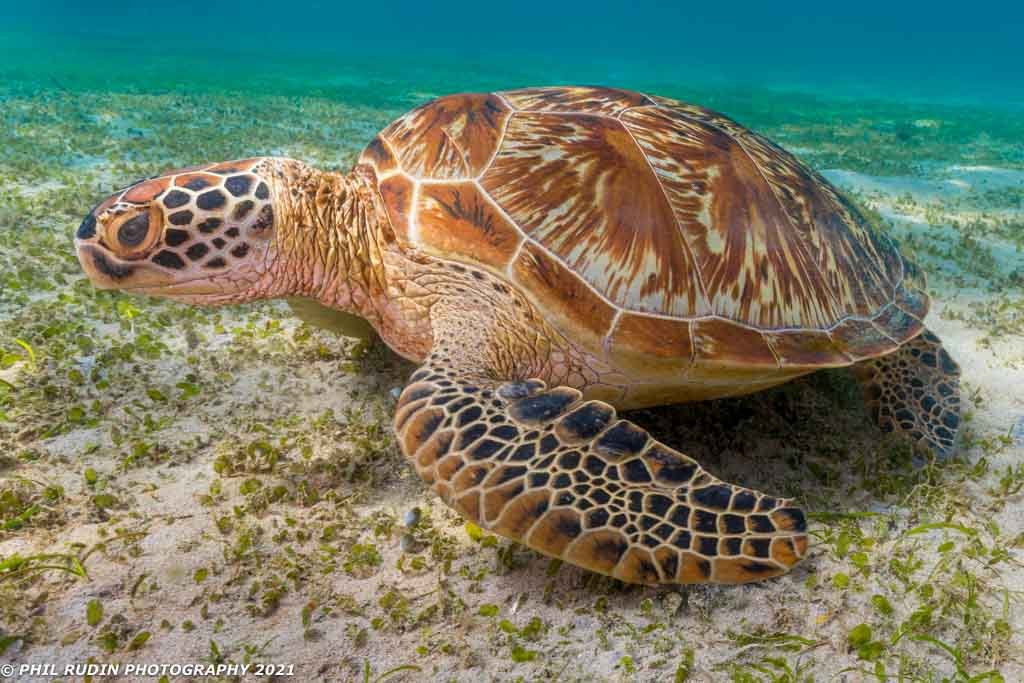
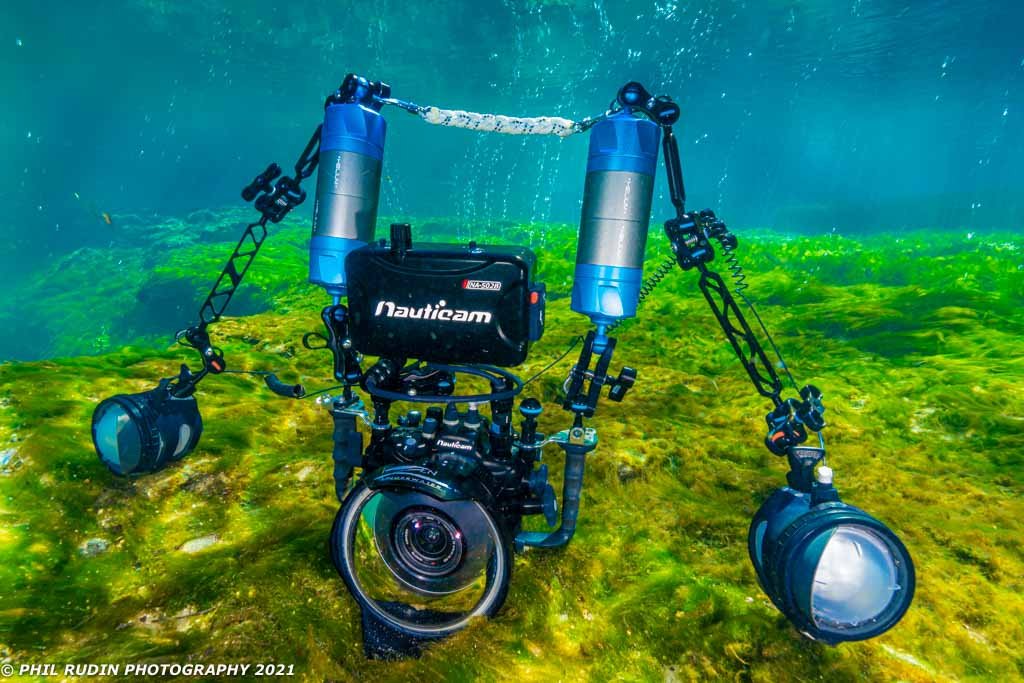
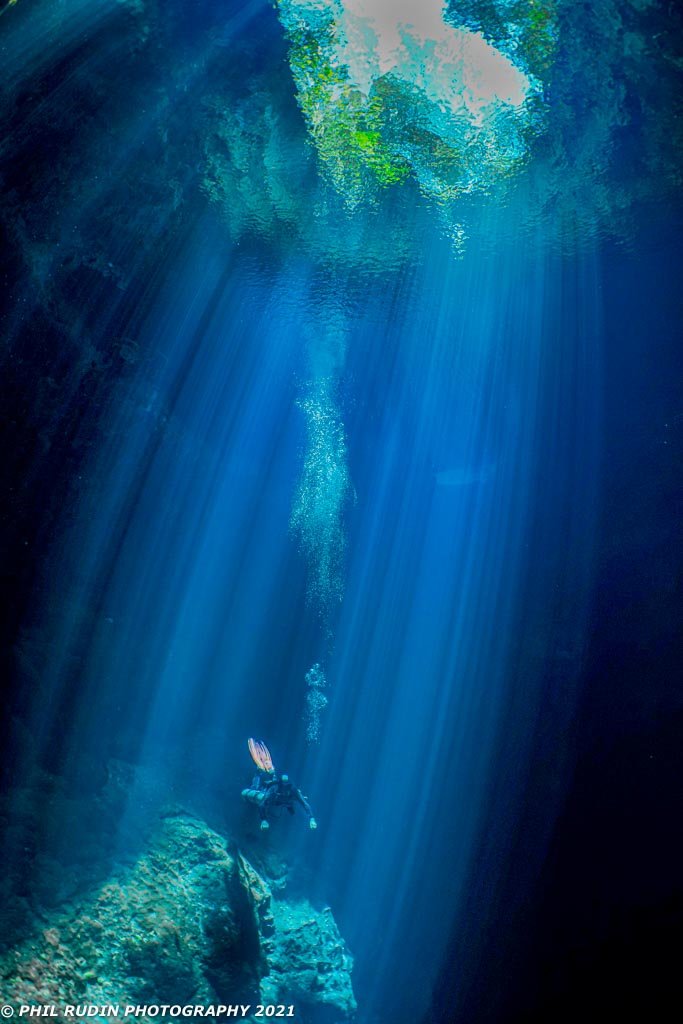
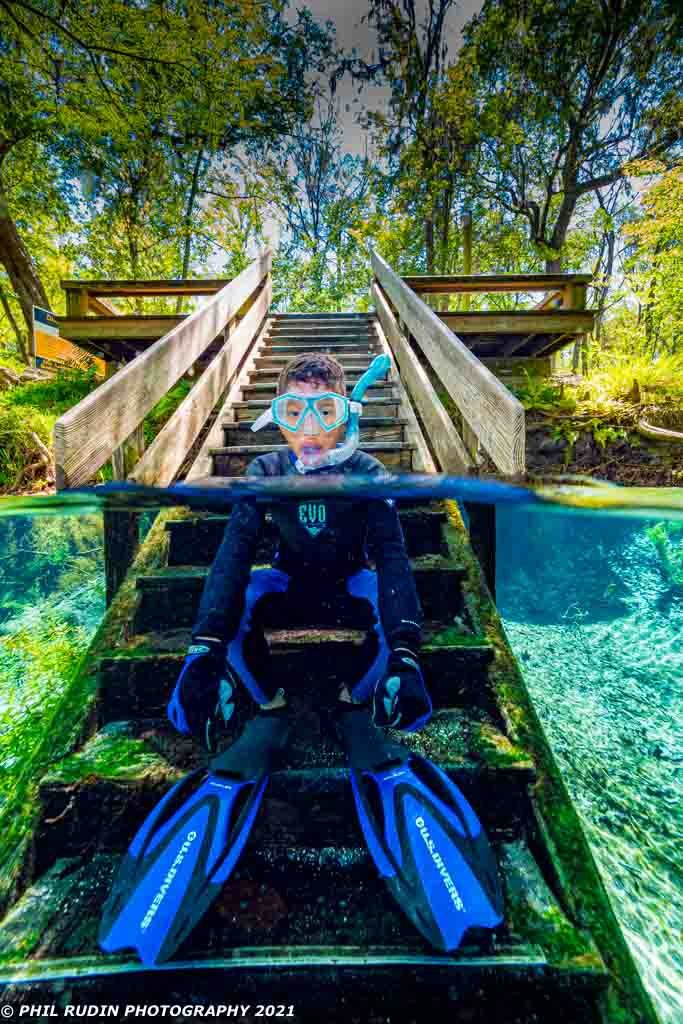
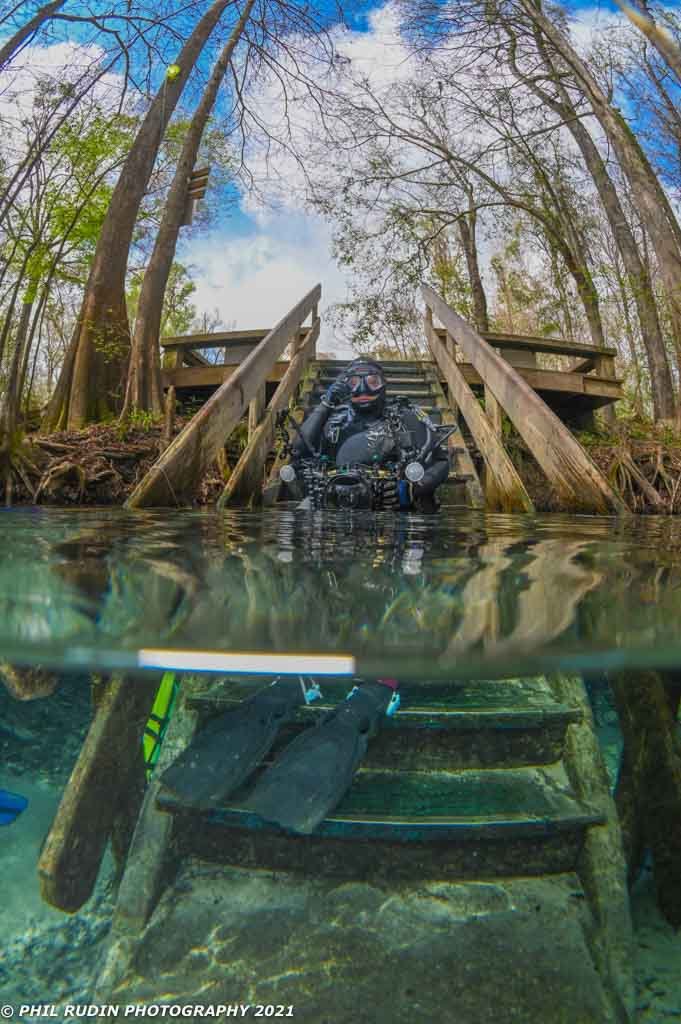
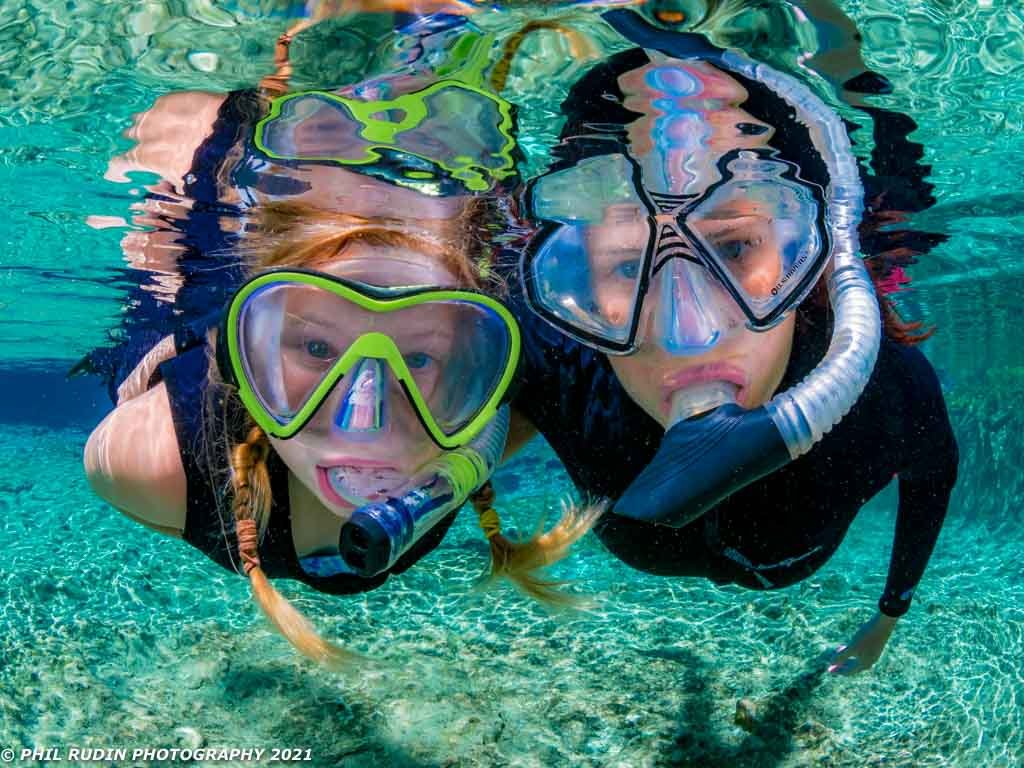
    Images to demonstrate fisheye v. rectilinear and dome v. water contact optics.

    Turtle is Zeiss 18mm F/2.8 with Zen 200mm port

    Camera equipment is with Rokinon 14mm F/2.8 and Zen 230mm dome.

    Cave is the Pit at F/6.3 with WWL-1 and 28mm F/2.

    On the wooden steps, same place one with Olympus 7-14 at 7mm, the second is 15mm fisheye. Notice that distinct differences in the straight lines in the septs, wooden seating above and the trees.

    Snorkelers with the Olympus 8mm fisheye. This is what I hate about fisheyes, right side subjects arm looks like it was squeezed from a toothpaste tube, shined and distorted. The turtle would be elongated as well if not shot with a rectilinear lens.  

    untitled-03685.jpg

    untitled-01362.jpg

    untitled-01005.jpg

    untitled-3220165.jpg

    untitled-0477.jpg

    untitled-7190129.jpg

  19. I agree, divers in the shot are the biggest weakness of full fisheyes, but I really like the look on reef scenes and the wide angle makes it much easier to get a sunball in the frame. The other big advantage of the classic dome/lens combination is splits, which are impossible with wet lenses and I think also the WACP 1 (the 2 works afaik). 

  20. 2 hours ago, hyp said:

    I agree, divers in the shot are the biggest weakness of full fisheyes,

    Not sure I'd agree with this:

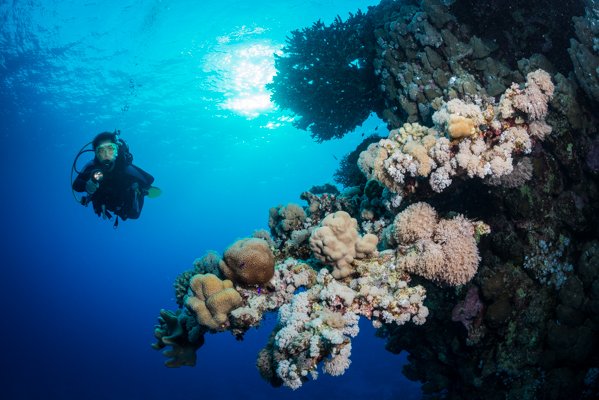
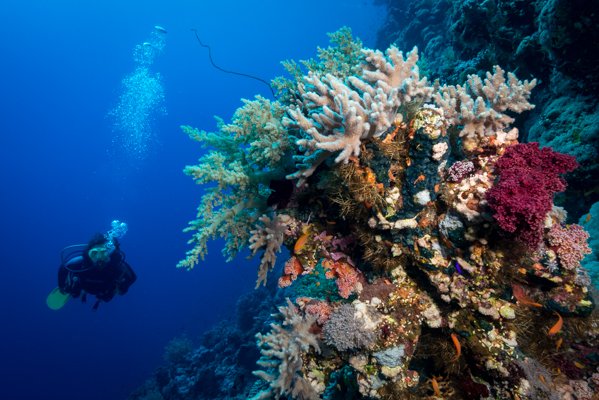
    Which of  theses pics were shot with a fisheye?


    TG40591.jpg

    TG40612.jpg

    TG40494.jpg

    TG40547-Edit.jpg

    Edited by TimG
Fotosub Shop

Account

Navigation

Search

Search

Configure browser push notifications

Chrome (Android)
  1. Tap the lock icon next to the address bar.
  2. Tap Permissions → Notifications.
  3. Adjust your preference.
Chrome (Desktop)
  1. Click the padlock icon in the address bar.
  2. Select Site settings.
  3. Find Notifications and adjust your preference.