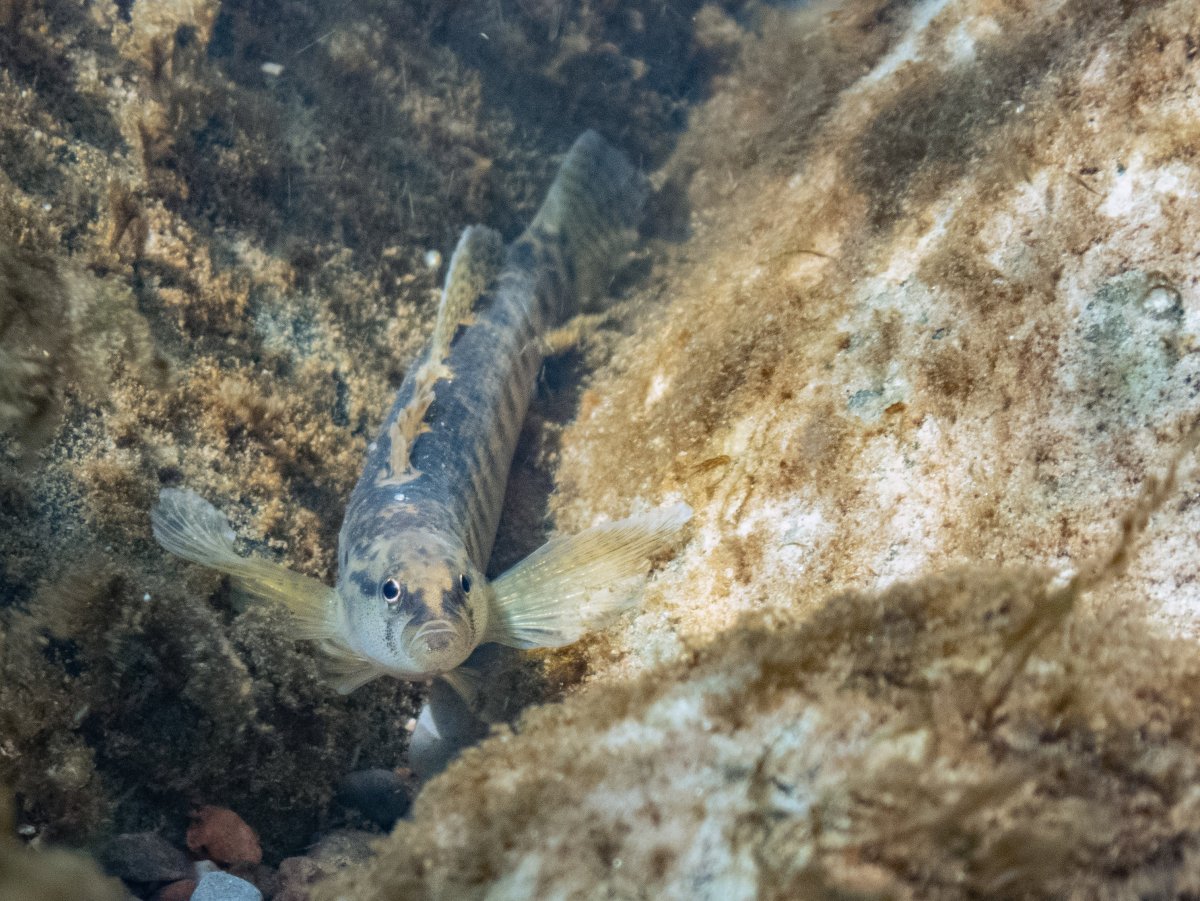
Hey Steve
The fact that you shoot RAW is very helpful. If you have Lightroom , for example, tweaking the Clarity and Dehaze settings could make quite a difference especially as you don't want to use lights/strobes.
I appreciate making these changes is not the same as creating the image in-camera, but it will bring a sharpness of colours and definition which would be very helpful and, I suspect, achieve what you are looking for.
Putting the camera in a housing won't make any difference of course to image quality - although you might sleep better at night not worrying about flooding! If it allows you to attach a wide-angle or fisheye lens, there are a couple of issues to bear in mind.
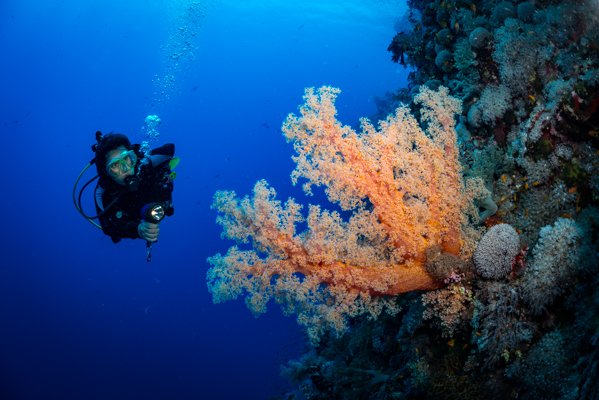
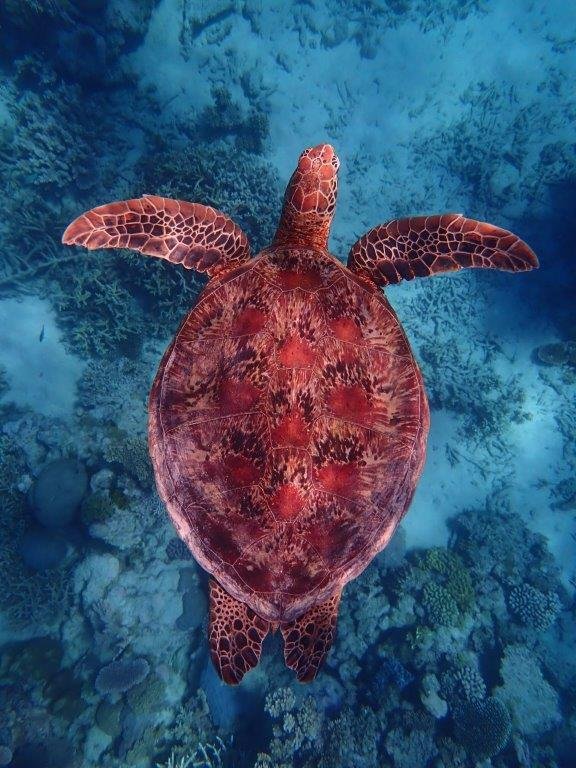
On the wide-angle, as Chris and I have mentioned, the key thing with u/w photography is getting as close as possible to the subject. Wide-angle lenses underwater are mainly used so that you can get right up to the subject but still show the subject against a background or in a context: eg, imagine a diver in front of a fan coral or against the reef. With a wide-angle (or especially fisheye) you can be with a metre of the subject, have the whole thing in the frame AND some of the environment. This then gives image a context and eliminates lots of water between the lens and the subject (as Chris mentioned about the distortion/defraction etc) and brings better colour saturation, clarity and sharpness.
I'm attaching one pic which may explain this. The diver/coral is REALLY close to the (fisheye) lens - maybe within 12"-18" - which minimises the amount of water between subject and camera. You don't use this kind of lens (wide-angle/fisheye) normally to show a wider angle of view.
If you are going to use the wide-angle lens whilst snorkelling on the surface you will increase the angle of view but, effectively, not get any close to the subject - actually make it look even more distant and unsharp. To use the lens effectively you have to get very close to the subject. The same - even more so - with the fisheye.