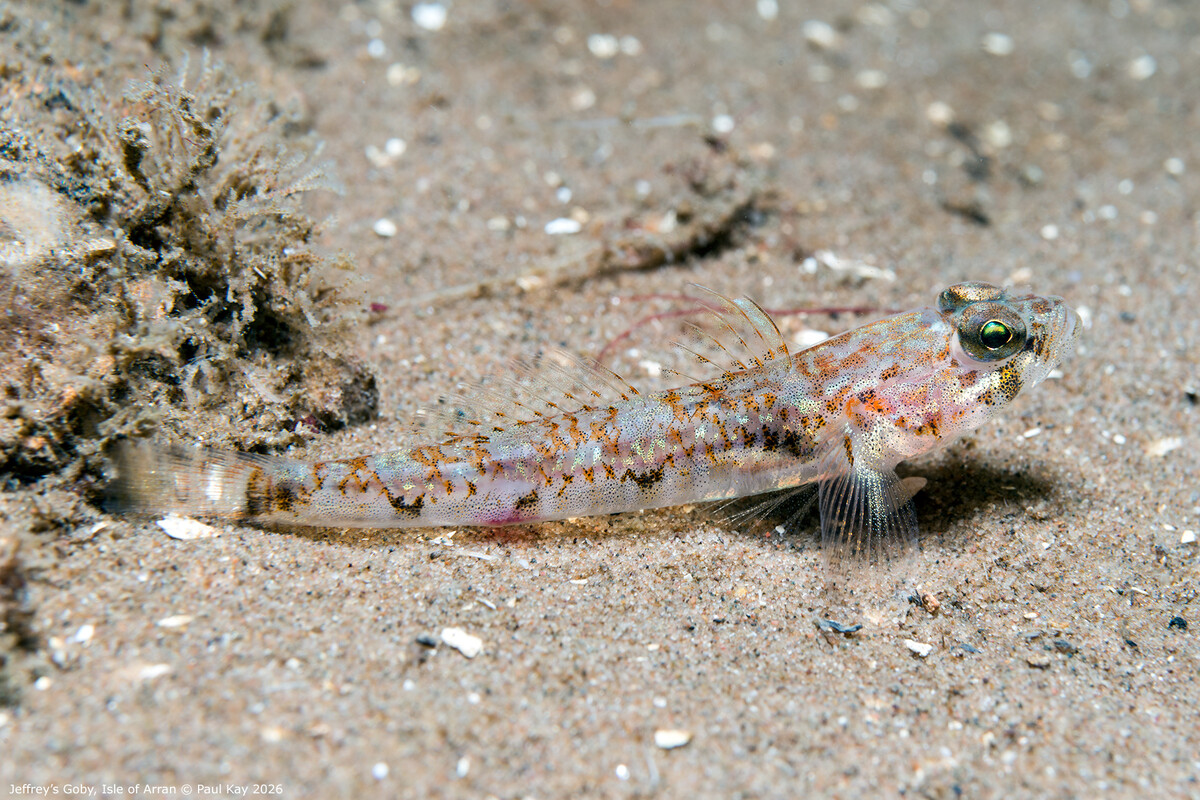
I have undertaken a lot of fish photography for scientific purposes. The problem is that a versatile set-up will work adequately but probably not as well as a more limited set-up, depending on subject. I find that I use a full frame camera and 60 or 100 lenses. IF type lenses are usually faster to focus, but again it depends. If you are wanting photos which are good enough to count fin rays and/or scales then your technique needs to be precise too and you are probably balancing depth of field with diffraction. I find on full frame f/11-16 probably offers the best compromise, and everything is starting to become a compromise when you are shooting fish which can move in any direction unpredictably, or are smaller than the dimensions of the format and the light and contrast are never as good as might be hoped. My fish 'system' of choice would probably be a decent MPixel camera (~25MPixels, maybe more) with a macro (90/100/105mm) and a flash with light which switches off during exposure. That said I've been successful with 60mm macro (I use a Nikon now as the 50mm Sony has not proven to be my favourite) lens too, and even an 18-35. It depends. This Jeffrey's Goby (~4cm long) was shot on a 60 macro in temperate seas off Scotland a couple of weeks ago - the elongated second fin ray confirms its identity and is the feature I needed to capture.