



Posts posted by Alex_Mustard
-
-
We put this up yesterday. Neither of us have tried the camera - but we were online when the Sony announcement video came out - and were going to discuss it between ourselves - so recorded an episode about it.
-
 2
2
-
-
-
1
-
-
Like most underwater photographers, I have greatly enjoyed UWP Mag down the years. And will miss it coming out every couple of months. We were very lucky to have such a diverse and quality publication about our little world.
I haven't asked Peter, but I would think he'd be very supportive of the right person taking up the mantle. And knowing him well, very against the wrong person.... 🤣
Alex
-
3
-
-
14 minutes ago, Adventurer said:
@Alex_Mustard Didn't you shoot Apollo S strobes, not Apollo III 2.0 in blackwater ?
From what I understand smaller sized Apollo S are supposed to be much weaker than HF-1.
I just recall you not finding the MTL mode when you had Apollo III 2.0 in the Red Sea with Oceanic Whitetips?
You must have gotten distracted by the lovely bouncing batteries, you were so enchanted about 😏I shot the Apollo III for both oceanics in the Red Sea and blackwater in Anilao (see below). I shot the Apollo S during the day in Anilao.
-
1
-
-
Matthew and I recorded this last week about the Maxi. Not much new here - we summarise a lot of what is in this thread. But we do show lots of photos taken with the Maxis and also video of us shooting with the strobes.
-
3
-
 1
1
-
-
Edited by Alex_Mustard
23 hours ago, Adventurer said: Hi Dreifish, I think your Apollo III units where not functioning OK or your test setup was faulty in some way. I cannot confirm the way you trashed that strobe, having now shot this and the HF-1 for two years. I bought the HF-1 because of your disruptive Excel sheet back in the days.
I found the same thing using the Apollo strobes vs the Backscatter HF1s shooting blackwater back in March. Working in the desirable range of 2-4 frames a second shooting blackwater (you really don't need to shoot faster than that), I found the HF1 always gave me more light than the Apollo. Marelux suggested there might be something wrong with both of their strobes I was using.
-
3
-
-
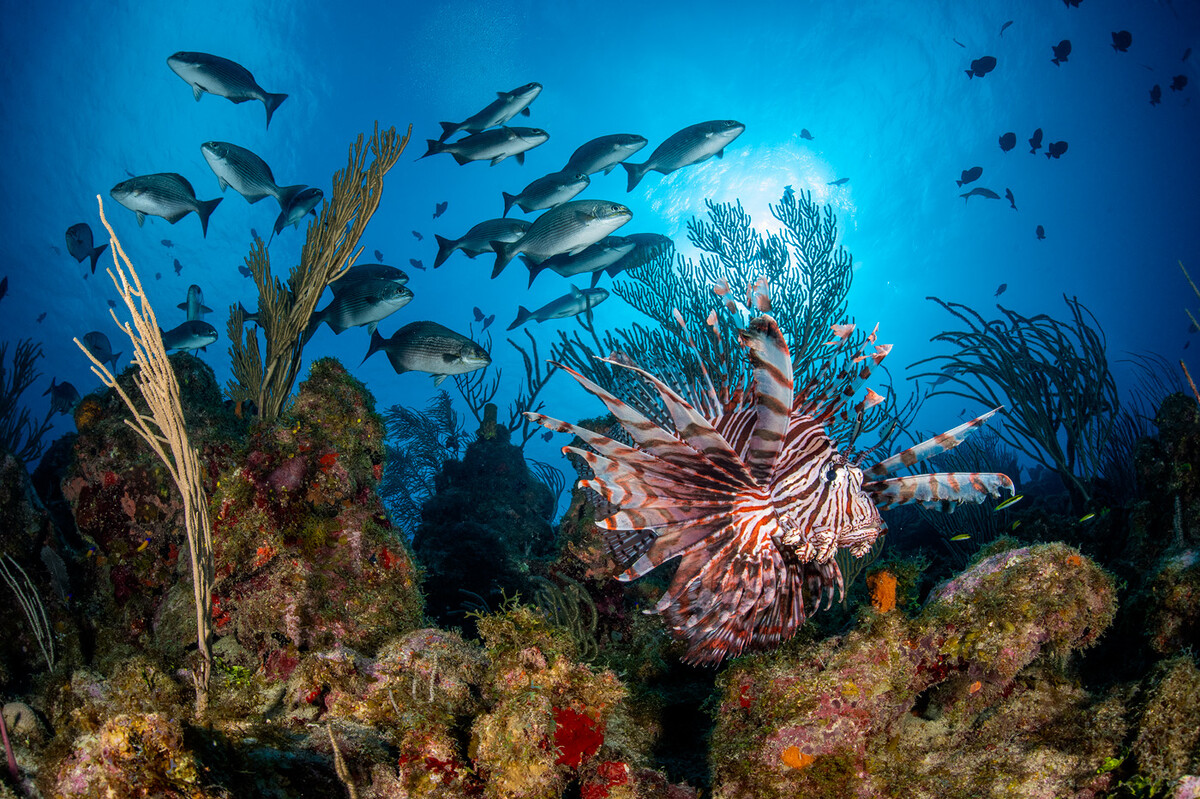
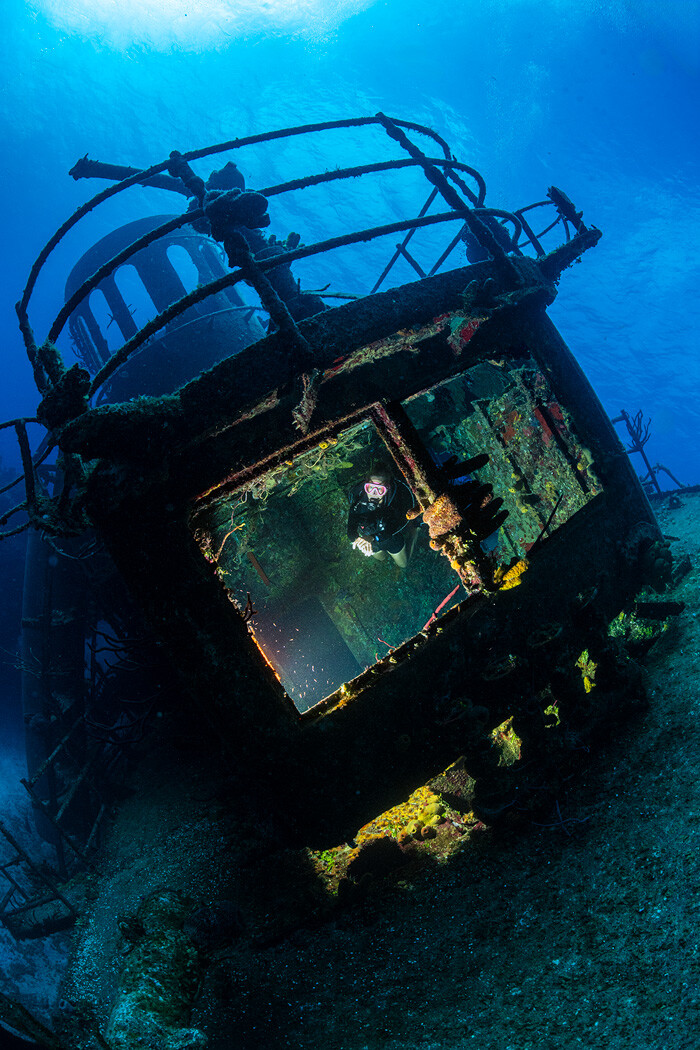
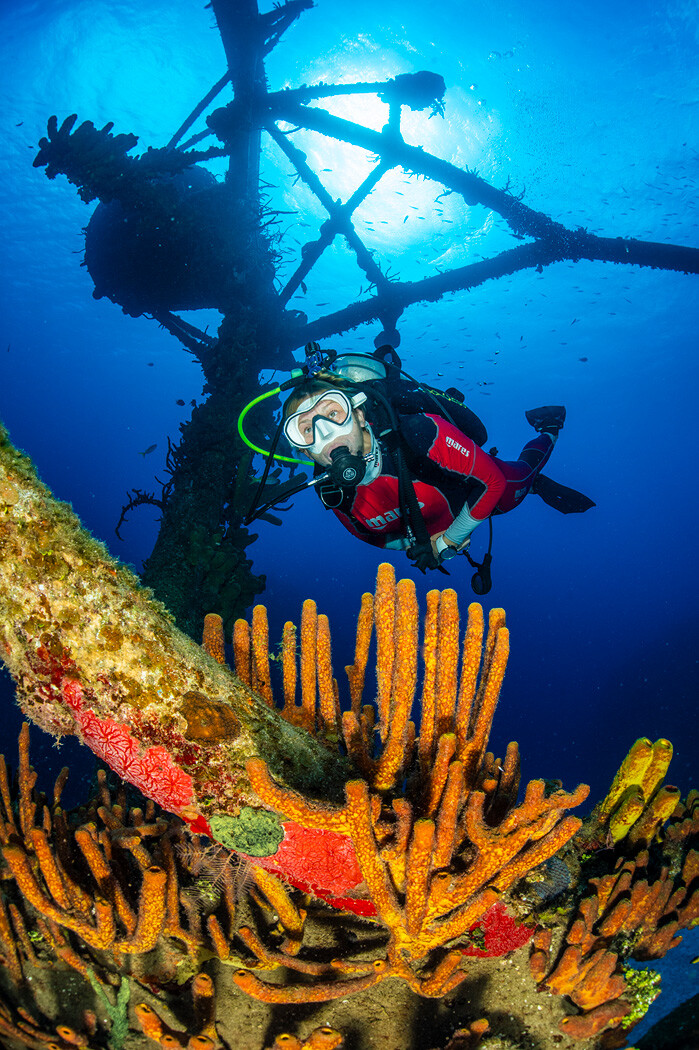
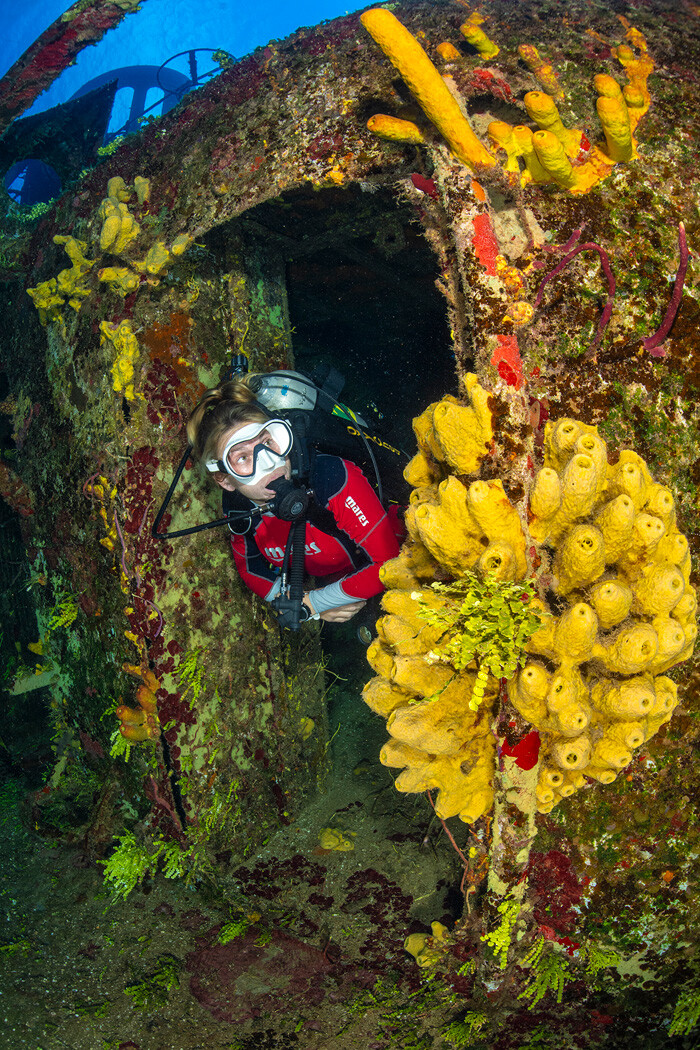
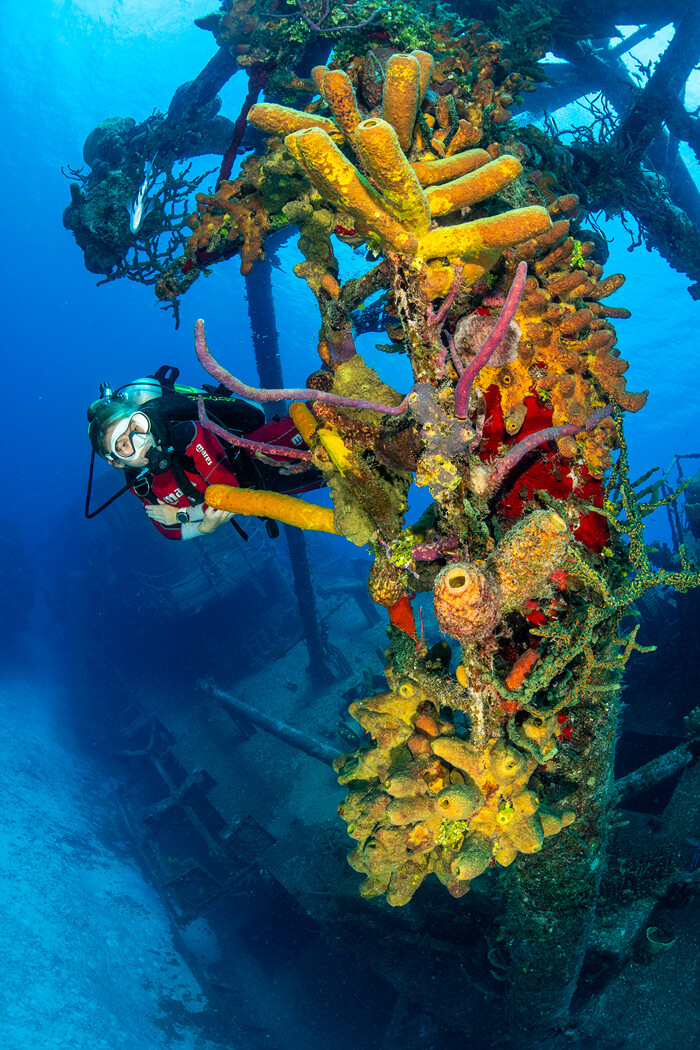
Matthew and I have both been shooting the Retra Maxis here in Grand Cayman. We will talk about them on our show after the trip. Here are a few photos taken with them that I have processed out (for other reasons) so I can share easily.
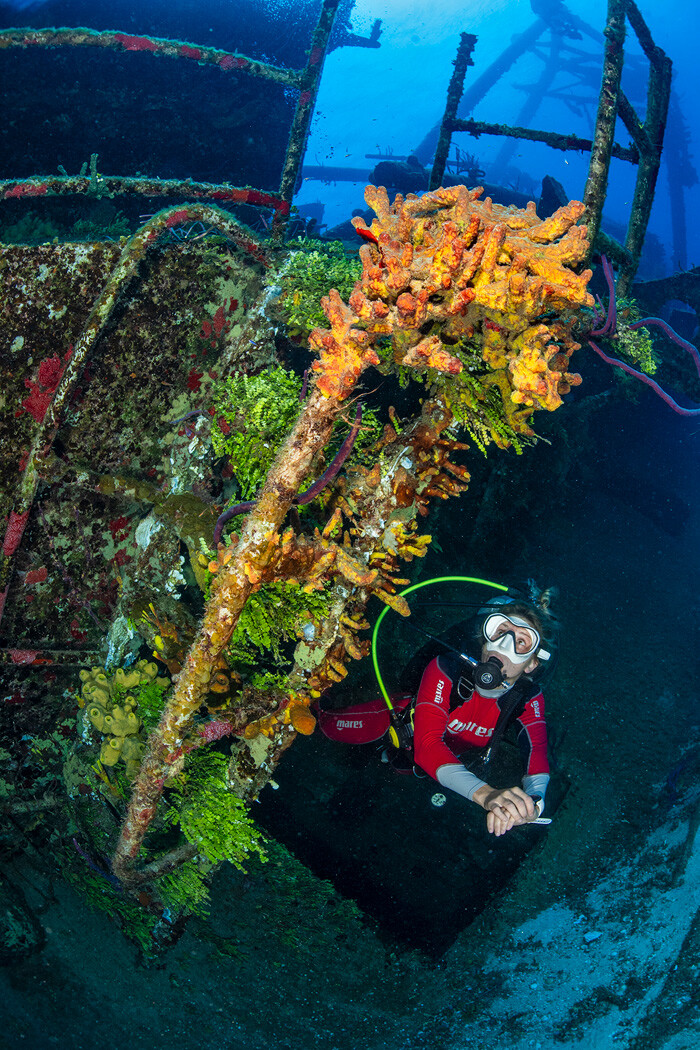 h
h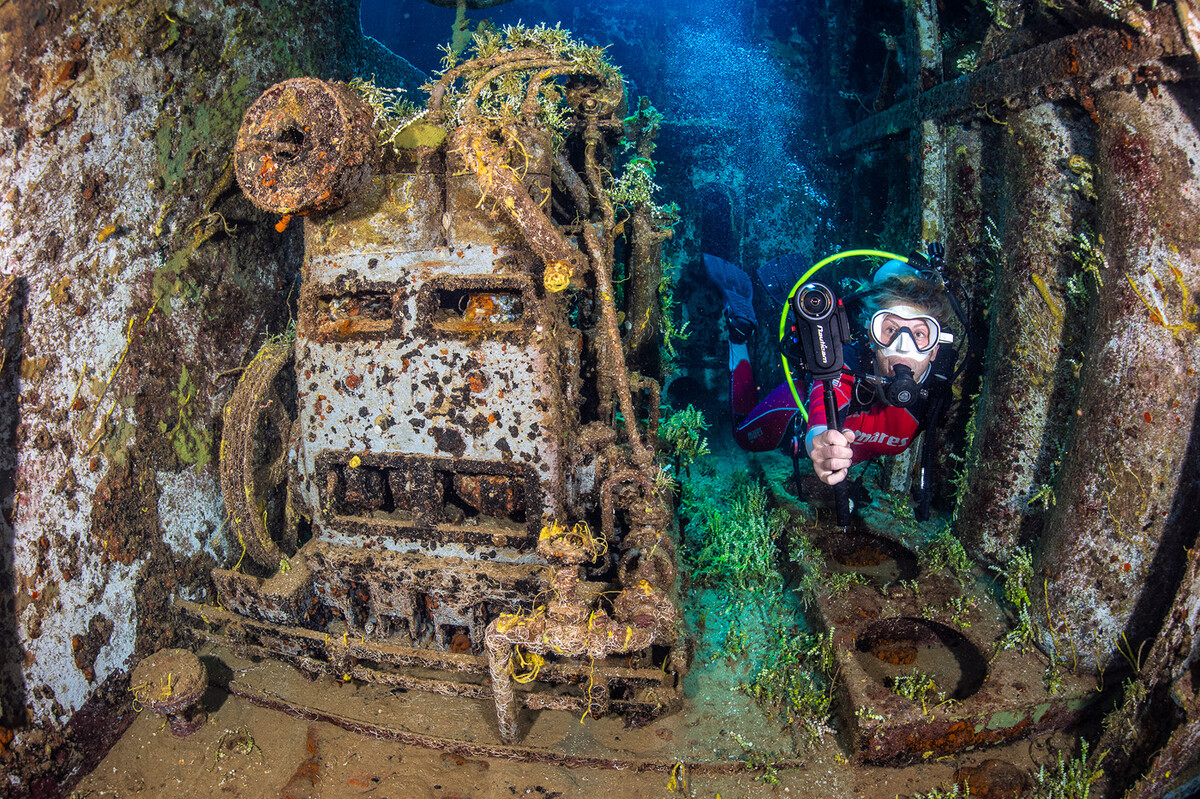
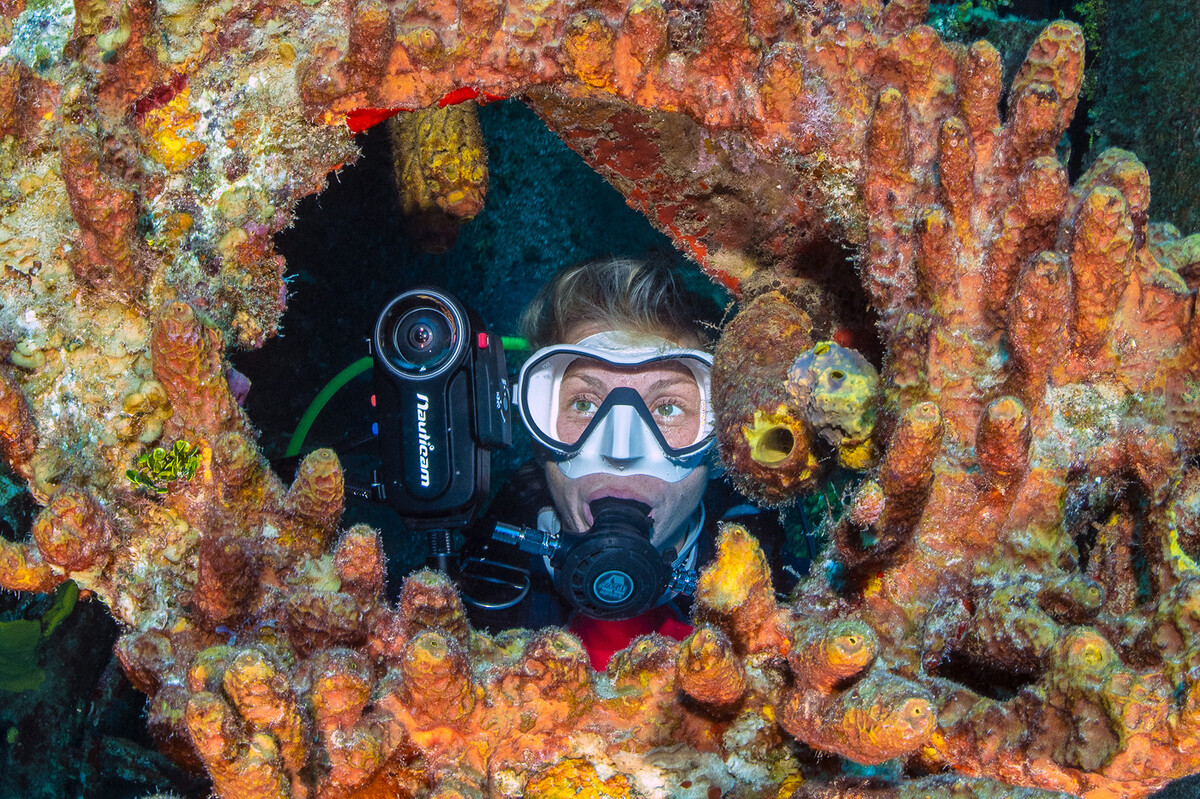
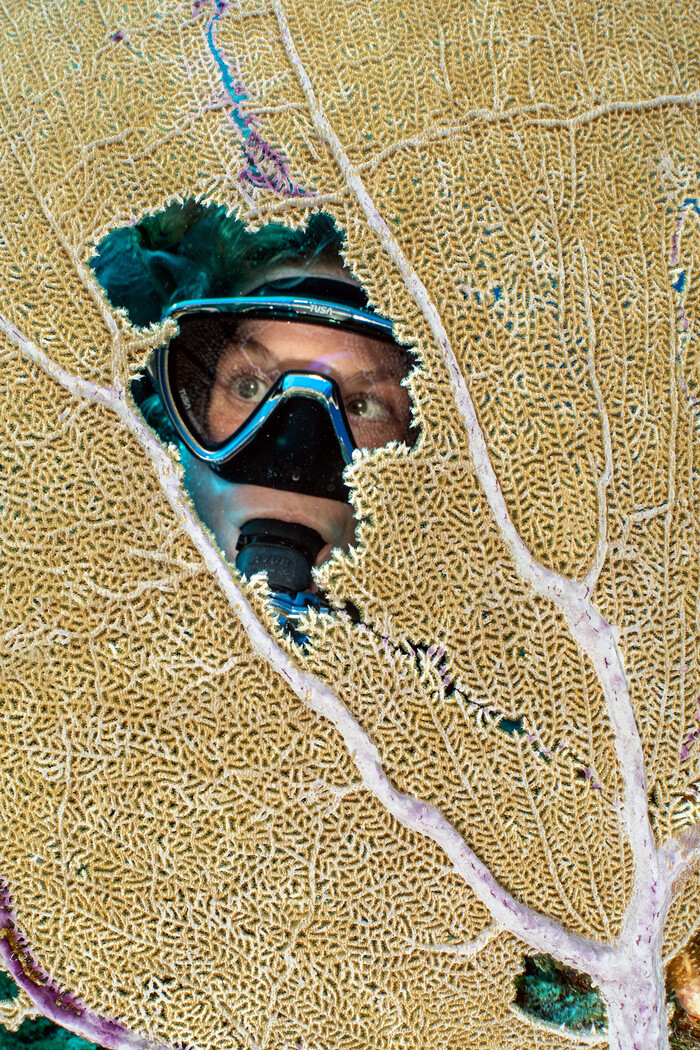
-
4
-
2
-
-
We've done a follow up RAW episode - discussion about contests - which will be out in about a week (I am rather busy right now).
Alex
-
3
-
1
-
-
Thank you! Very happy that you liked our Christmas episode.
My experience of checking many RAW files for UW contests down the years is:
About 80% of shots that win are shot very well - with only the minor tweaking, small or no crops, similar to what Matthew and I did with our good shots in the video. I think many photographers would be shocked how most of the winners have actually had very little done to them.
About 15% have had bigger changes - bigger crops, large adjustments in colour, white balance, exposure, strong adjustments on masks etc - but all within the rules - but making quite noticeable changes.
About 5% fail - either by people deliberately pushing the limit and hoping nobody will check. Or by people processing an image when they first took, not thinking about contests, and then entering the processed file without remembering what they had done.
I'd also add that several times I have seen photos awarded in contests that I have seen in other contests, checked the RAW files and failed them. So I know that a couple of contests out there are not strict on enforcing their RAW file rules - despite saying they have them (better just to say they won't do them).
Anyway, I am going to be checking 200 RAW files from UPY 2026 in the next few days - so hopefully there won't be any new lessons or surprises!
Alex
-
3
-
-
There is an aussie guy called Admiral Achtel who has done lots of resolution tests as he'd a specialist in high resolution cinematography (UW and on land)
https://achtel.com/underwater-cinematography/
He is someone who has spent lots of time measuring stuff and probably has the best information you are looking for (although he is also selling stuff - so be aware that the data he shares are likely to support what he sells).
As he (occasionally!) mentions his systems were used for filming Avatar. Which is a perfect example of what lots of people here are saying - you may have the sharpest lens - but you need more than that to avoid creating something dull to look at.
-
3
-
2
-
 1
1
-
-
Hopefully others will pass on their advice here. But we do cover this question as part of the next episode of The Underwater Photography Show - out before Christmas.
-
3
-
-
-
1
-
4
-
-
15 minutes ago, ShallowSeasGallery said: Im flying Qatar Airways+Garuda from the US to Manado next year and I was wondering if anyone had luck exceeding the Qatar airways 7kg limit or with their carry bag policy at all? Some forums say their "personal item" definition is very strict "if it has a laptop in it, its hand luggage not a personal item" strict.
Qatar typically weigh and then add a tag to hand luggage at check in. They are not super strict on weight - but they always seem to weigh it. But after that initial check - there is no further check. So if you could ask a friend to hold a heavy item while you check in and then once your bag is tagged it won't be weighed again (although will be scanned again in Doha). Garuda don't usually strictly enforce hand baggage weight.
One person's laptop bag is not the same as someone else's!
-
1
-
-
-
3
-
-
Edited by Alex_Mustard
10 hours ago, Tom Kline said: "Rebikoff-Ivanoff corrector, in its basic form, consists of a plano-concave front element with a magnifying element behind. It eliminates the optical distortion caused by a flat air-water boundary.
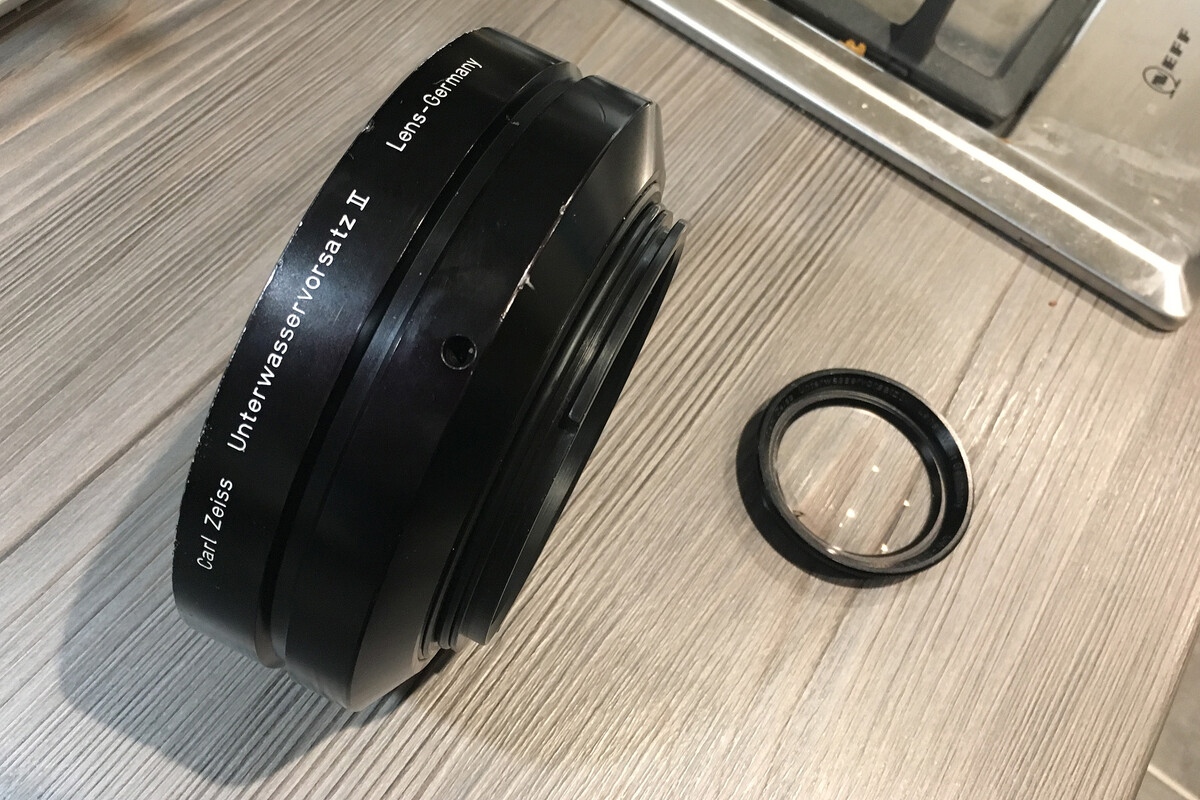
The Zeiss one is definitely more complicated. The front (main) part is not simply plano-concave. But it two elements sandwiched together, with the outer element being slightly convex. Also the internal lens is not a simple positive lens - but matched to the outer lens. Worried about loosing this lens, we measured its strength and made a simple replacement matched to the same strength, which didn't work anywhere near as well (showing there is something more in the design).
I know that I shared a lot of stuff about it on Wetpixel at the time. That Tom also contributed to. Search Ivanoff on Wetpixel forums - e.g.
-
1
-
-
Edited by Alex_Mustard
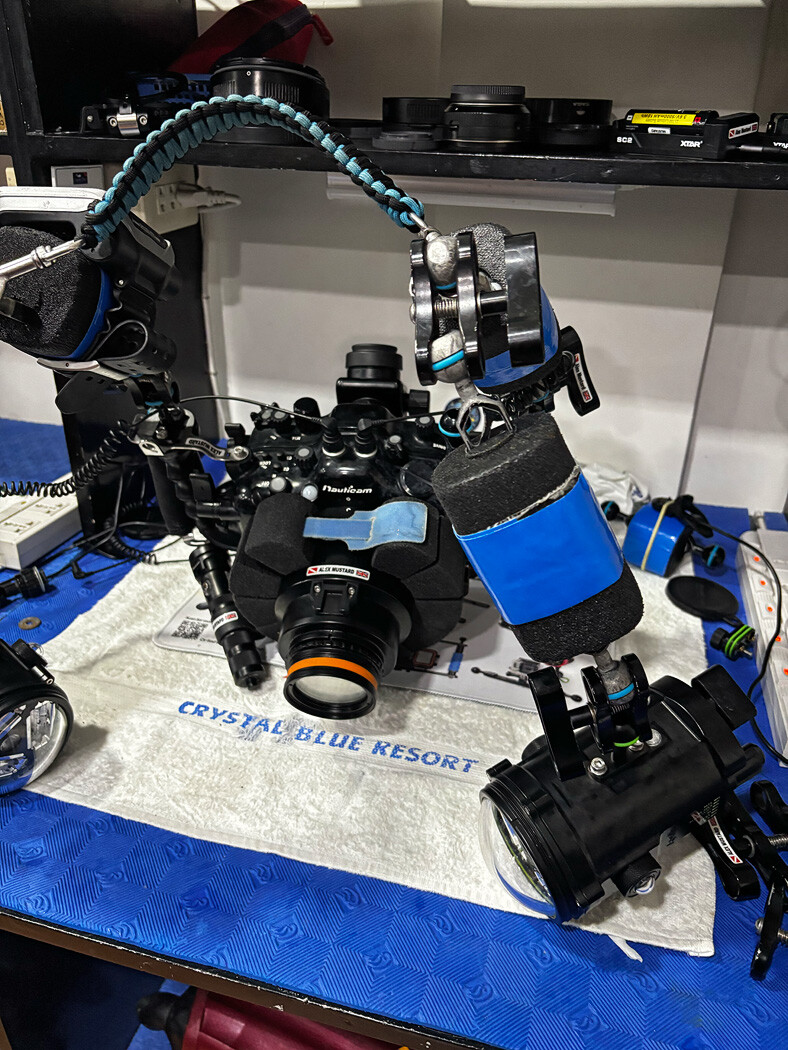
That photo shows my camera before a blackwater dive, but the strobes are not in their shooting position - they are in their carry to the boat position!
I generally shoot BW with the strobes pushed out wider than this, just in front of the port (as shown) and aimed in at around 45 degrees (again pretty much as shown). Ideally translucent subjects show up best with the light coming through them from behind, whereas more solid subjects show up better with more front lighting. This position is a good compromise for both (as a starting point).
When shooting the MFO-3 as a main lens on BW, yes, I would have the strobes a little further forward still.
Hope this helps,
-
4
-
-
Edited by Alex_Mustard
Here is a photo of my port and internal lens (not attached to housing or lens):
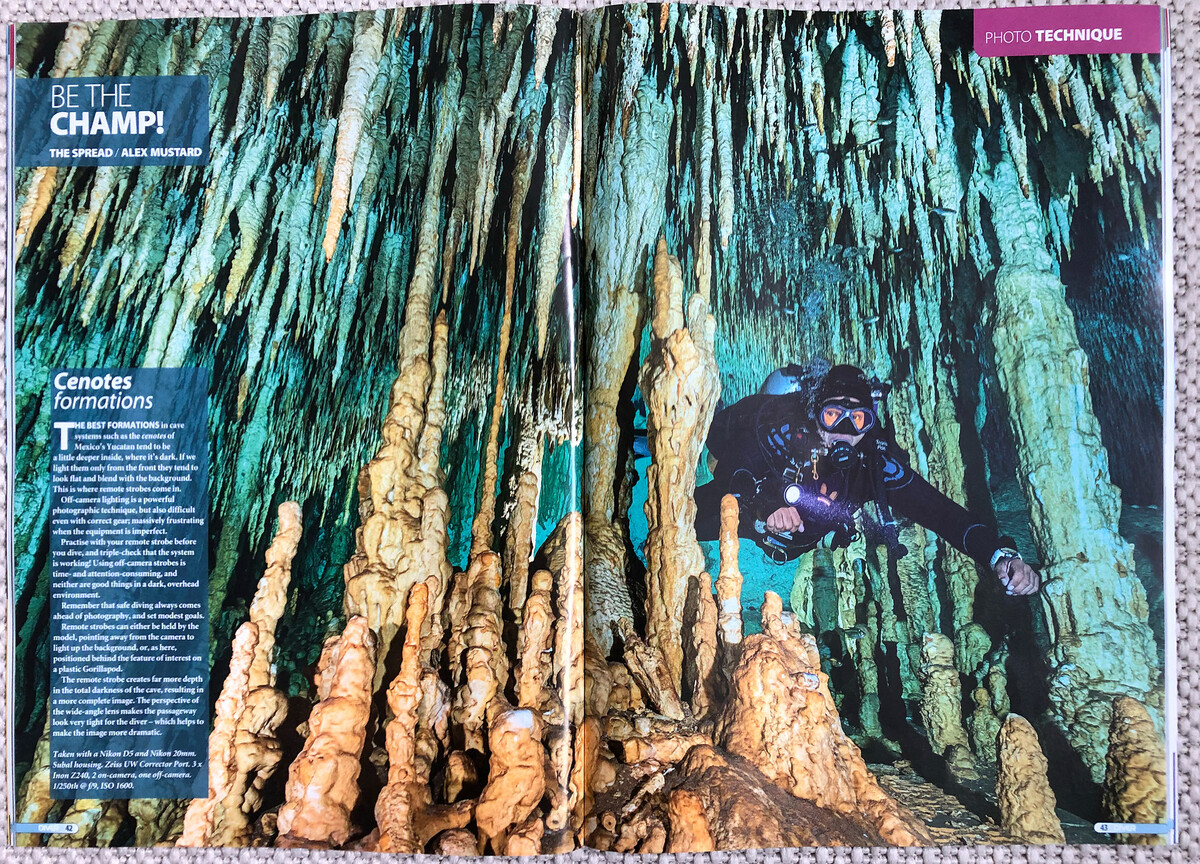
When searching my phone for the word Zeiss (to find the picture) this one came up of another one of the shots from it in print:
And here are a couple more from my website that I didn’t share previously:


In the UK, the older guys who used these in the 1960s and 1970s always called them Ivanoffs. I suspect that this was because they didn’t like Rebikoff personally, probably because of his commercialisation of the idea! That’s why I always call it an Ivanoff or simply a Corrector Port - as I was taught about it from these guys.
My setup works very well. And I have faith in this idea for people or manufacturers to develop. It definitely has a corner sharpness advantage over a dome at more open apertures. But once you get to f/13 or more closed down - I think it performs very similarly to a dome. I was always slightly frustrated that I could not get my 16-35mm @ 16mm to perform as well as the 20mm did - it would go blurrier towards the corners.
I haven’t adapted the Corrector to my Mirrorless camera (yet). This is partly because I use the Nikonos 15mm (a 20mm equivalent) with my Sony - which kind of does the same job (and is more travel friendly). And this is partly because I don’t have many Sony wide angles of my own to test - and don’t want to spend money buying lenses that I am not sure will work. Added to this, I would never shoot rectilinear as my main wide angle underwater - I just find the look of the images too low impact for my taste. I much prefer barrel distortion (fisheye distortion) compared to rectilinear for underwater shooting - so would always choose a WACP or WWL over a 16-35mm or similar for shots in this FoV range. Which means spending money on this solution is hard to justify.
-
2
-
1
-
-
-
7
-
3
-
-
1 hour ago, Tom Kline said: This sounds to me more a benefit of the de-magnification effect (1.33x eliminated) compared to a plane port. Mertens has a long discussion on depth of field and gets into loss of aperture due a plane port, compensating by changing distance, etc. There is also Fig. 6.17 that would be much better in color as there are 8 lines if I counted correctly. It would have been more interesting if Mertens had compared to a dome port as well.
I'd agree with that from practical experience. That this is relative to flat port, not a dome port, which of course, is what we’d be using these wide angle lenses behind these days.
-
1
-
-
Edited by Alex_Mustard
I am excited to see Seacam exploring this idea. And keen to see more sample images - as the one test shot on their website looks both distorted and with very poor corner performance. Which I find somewhat surprising as I found this technology gave good optical performance (up to a 20mm wide angle on full frame).
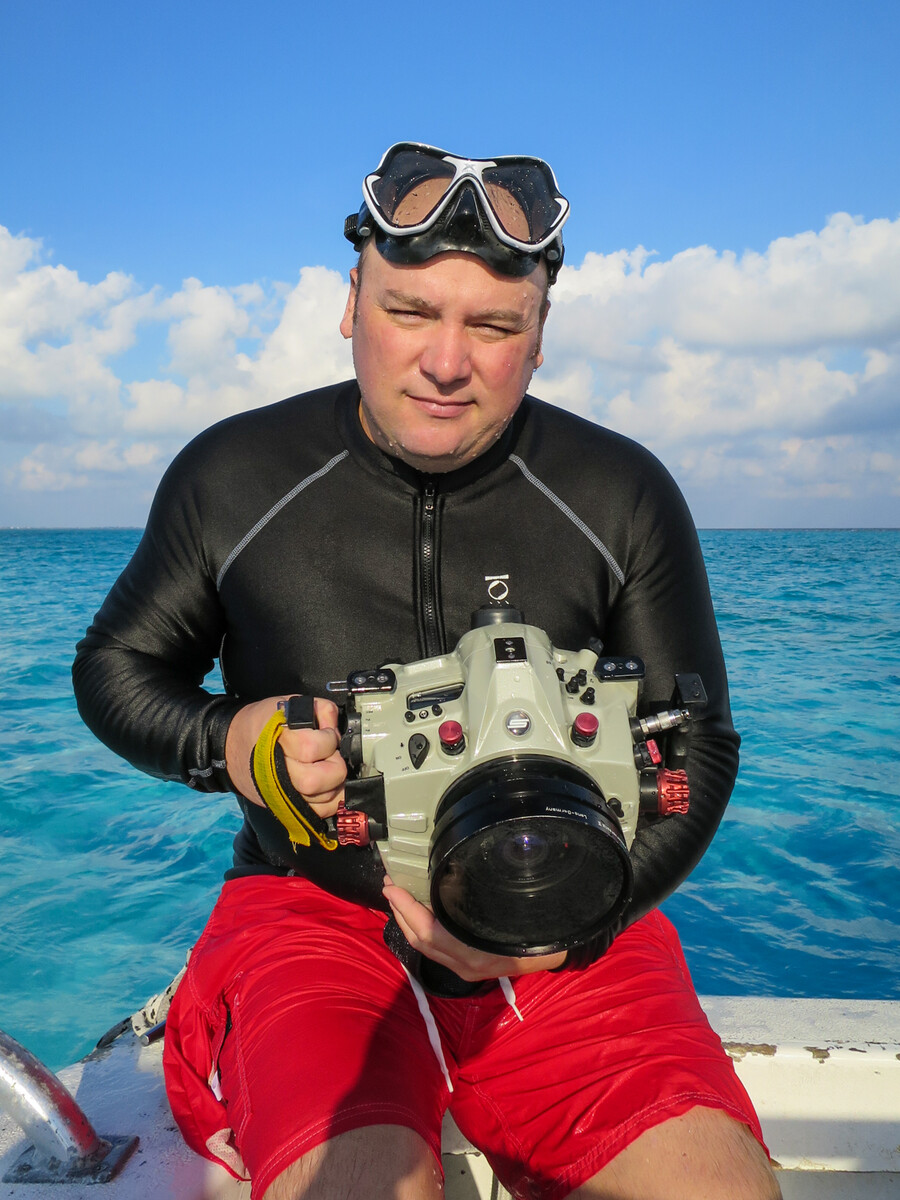
I shot with an Ivanoff style port for several years, and was very happy with its performance, but have not bothered adapting it to my current housing yet - and have been using the smaller Nikonos 15mm to fill this niche instead. Here it is on my Nikon D5 in 2015.
I used the optic quite a lot for a couple of years and took many well known images with it.
Such as this photo from the Wildlife Photographer of the Year:
Wildlife Photographer of the Year
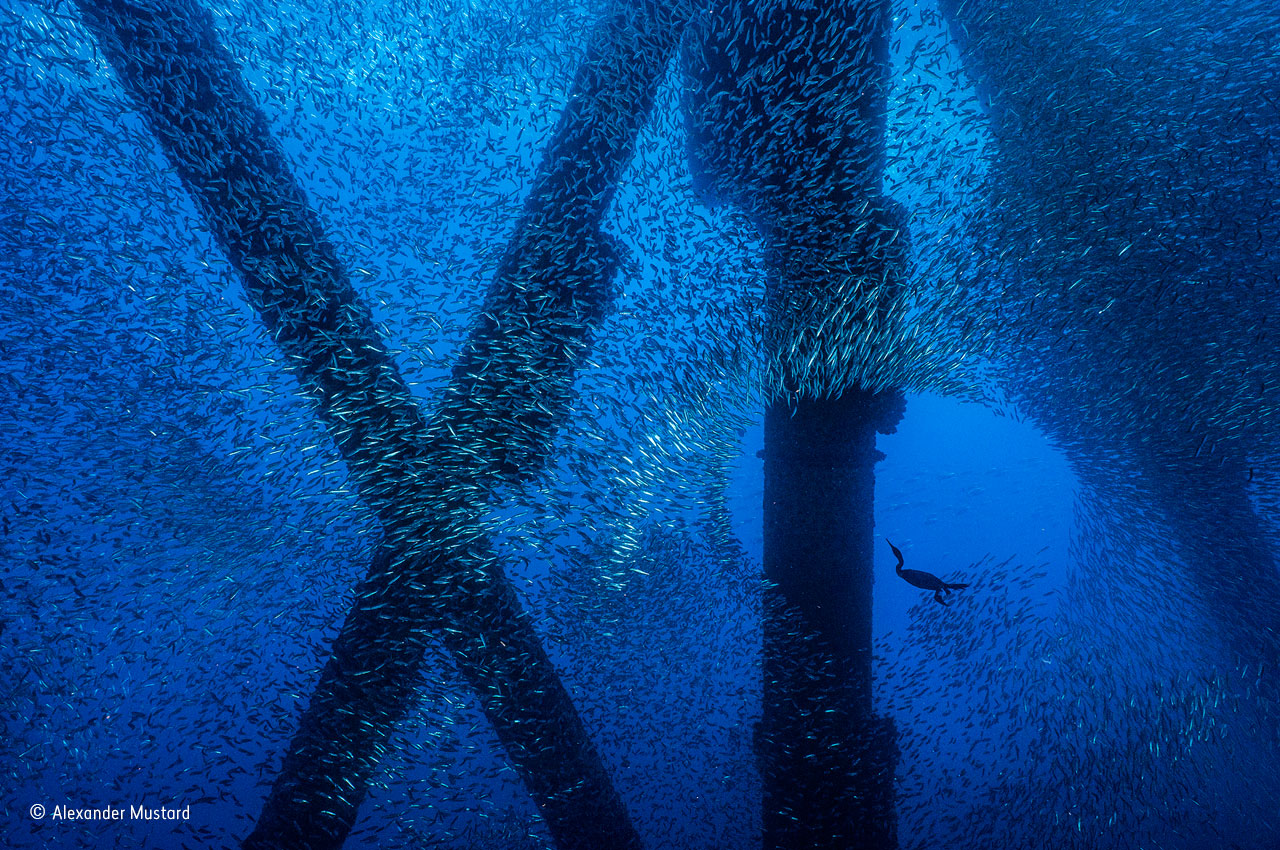
Rig diver | Wildlife Photographer of the Year | Natural...
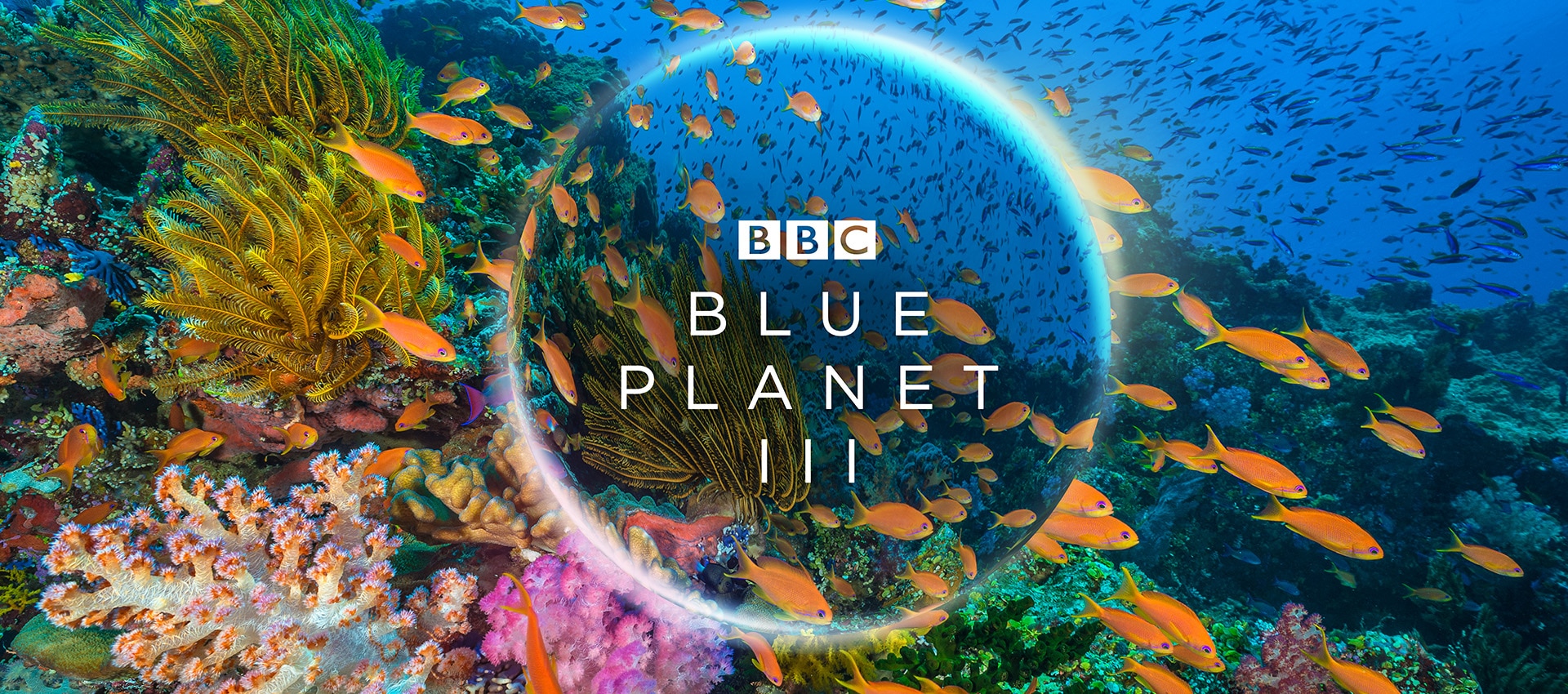
Diving beneath the oil rig, Alex had to anticipate when the cormorants would burst through the fish shoal. The birds hide behind the legs of the rig after they plunge into the dark waters, gaining theAnd also this photo, which will be seen widely in the coming months as it is the main promotional image for the forthcoming BBC Blue Planet 3 series:
Could you be a part of Blue Planet III | BBC Earth
We are currently on the lookout for captivating and unusual animal behaviours from the marine world, and would love your help. Some memorable BBC nature sequences began as observations by wildlife entAs well as others.
Rebikoff was the one to claim extreme depth of field for this lens (see figure 6.13 in Mertens 1969) but I never felt this was especially evident in my pictures. This is shot with the port - and shows minimal depth of field can be achieved:
https://www.amustard.com/library/fifteen/CAY15_am-101945.jpg
For me the downside of the system is that the look was too rectilinear! Topside photographers always think that fisheye distortion is something that we'd want to avoid underwater - but actually it is the barrel distortion of fisheye lenses than makes many underwater wide angle pictures immersive. Non-fisheye wide angle images often feel stand-off-ish. So carrying the weight of this port around for the few wide angle shots I don't want to have a fisheye look, is the main reason I'm not currently using mine.
But overall I am excited to see this option being explored and developed. If it works it would be easy to adapt to any housing. I look forward to some sample images that show decent corner performance on 16mm wide angle lenses. Mine gave exceptional image quality with my 20mm lens - but the corner performance was not great when I used my 16-35mm with it.
-
3
-
2
-
-
Edited by Alex_Mustard
I've shot over 3000 underwater images with the Sony 100mm now.

It is definitely the best macro lens that I have tried on my Sony. And arguably the best macro lens on the market.
That said it is small gains over other options, rather than this being a whole new world. AF better, especially tracking and difficult subjects. Sharpness excellent, but not that different. Bokeh more attractive. The 1:1.4 range makes it very versatile - you can definitely do so much with the lens and MFO-1. Works very well with MFO-3, SMC-3 and EMWL-160 (although I find I get a bit more camera shake than with 90mm - despite stabiliser - need to check settings). The most impressive thing to be me is the performance with teleconverter. AF is amazing with TC.
-
10
-
3
-
-
I had the chance to shoot it in Lembeh, last week, while the Backscatter boys were in town. Matthew and I will surely chat about it when I am back.
-
11
-
2
-
-
-
3
-
1
-
-
5 hours ago, Johan said: Oh, am I seeing a rubber band to prevent the AF/MF ring from switching back to MF inadvertently? Simple and brilliant idea, thanks. We've all been there, on a dive and feeling helpless with the ring that had moved back into MF.
O-ring from an old Inon strobe.
-
2
-


UW Photo Mag is over after this issue
in Photography Gear and Technique
I recorded an interview with Peter for the UWP Show.