Everything posted by Alex_Mustard
-
One of my group (Mark Green) used it successfully with the 90mm on OM-1. And the 60mm is listed as a lens it works with on the Nauticam website (link below - list at bottom of the page) https://www.nauticam.com/collections/water-contact-optics-for-nav/products/mid-range-focus-optimizer-3-mfo-3 My flip adapter is a standard double Nauticam one. Alex
-
Thoughts and images from MFO-3
-
Let's see a picture? I've not seen the final product yet. Matt and I have a UWPS episode coming on Saturday on the flashes. I took almost 10,000 shots with pre-prod units in the Red Sea last month. Alex
-
I have the Carl Zeiss designed Ivanoff, which I used extensively with a 20mm lens on Nikon SLR (my friend Peter Ladell converted the port fitting). I have not converted it for my Sony because the Nikonos 15mm has almost identical performance, but I am sure I will experiment with it again in the future. I used it to take quite a lot of photos, such as this well-known one: Wildlife Photographer of the YearRig diver | Wildlife Photographer of the Year | Natural...Diving beneath the oil rig, Alex had to anticipate when the cormorants would burst through the fish shoal. The birds hide behind the legs of the rig after they plunge into the dark waters, gaining...This is another: The Zeiss corrector has two lenses - the port and then a second corrector lens that goes on the front of the camera lens. I tested it with and without this internal corrector lens - and without it the Ivanoff was no better than a dome, but with it, it rivalled a water corrected lens like the Nikonos. At the time I tested one other Medium format Ivanoff corrector port (from a Mamiya 6x7 housing) and this was similarly "no better than a dome" - and it did not have an internal corrective lens. Lots of Ivanoff style ports were made for video cameras in the 90s. They weren't amazing optically, but worked well enough for the low-res video of the day. They were smaller and more robust than domes and I feel worked well with the physically small lenses on video cameras. A frustration with the Zeiss system was that the internal corrective lens was quite small in diameter (made for the Hasselblad SWC) and this limited the lenses I could use with the port to those that had a physically small front element. I tried a number of lenses, but none worked as well as a Nikon 20mm. I would put more effort into reviving my port - but for now the Nikonos 15mm is basically doing the same job for me. Yes, I don't have AF, but that is less of an issue than you might think. And it is smaller and lighter than the Ivanoff. I'll watch your tests with interest. Because I quite quickly lucked into a system that worked really well, I felt I never tasted variables that thoroughly. Once I had the right port extension and found that the internal lenses worked great with the 20mm, I just got out there and used it. When ever I varied things the results deteriorated quickly, which also put me off doing more tests. Alex
-
My experience of the rumor [sic] sites down the years is that they rarely have any insight. In general they speculate for clicks, rather than having any proper info. I have seen them wildly wrong in their predictions of items I have already shot. However, I am inclined to believe this one. I think an ultimate-quality macro from Sony is overdue. I had hoped they may also choose a focal length that would differentiate it from their existing offerings (100 vs 90 is not really different) - but I also see how 100mm is probably the sensible choice for them when competing with Canon and Nikon.
-
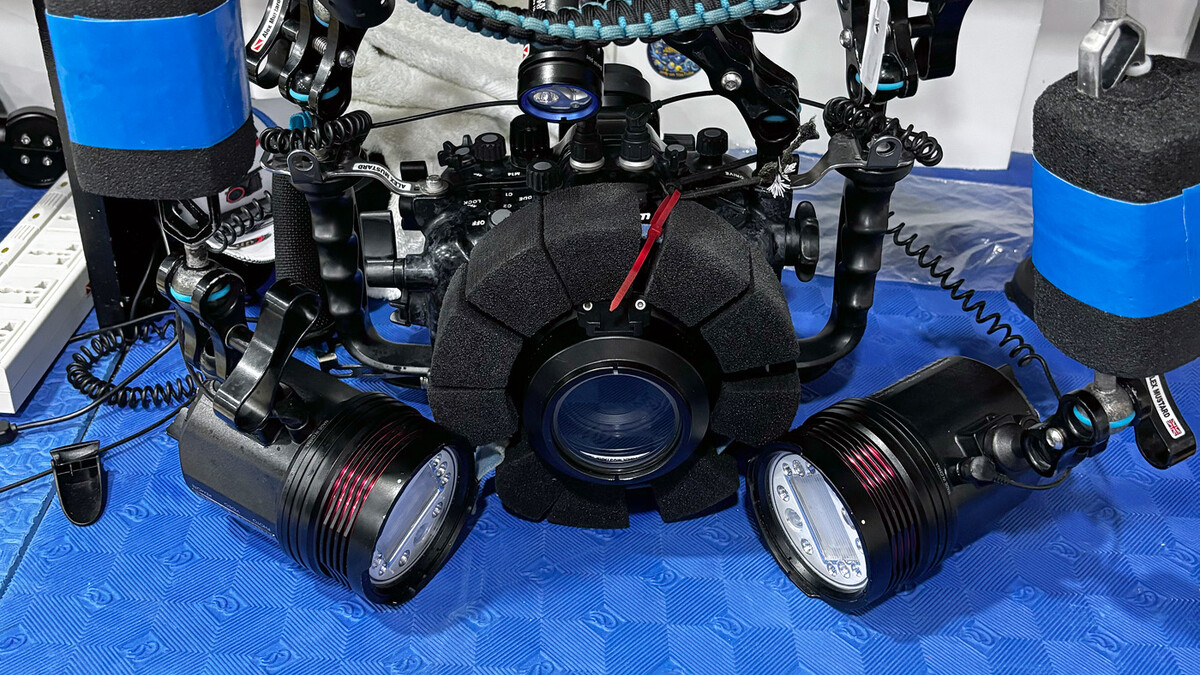
This is how use them on Blackwater (no diffusers and no (option of) beam restrictors):
-
Not specific to Blackwater, but a general comment well worth stressing. The differences between the light produced by different strobes are often much larger than the differences between using or not using certain accessories. Regularly when teaching I will give very different advice across a group - saying to those with strobe A they need to use this accessory, while those with strobe B require something different to achieve the same end result. This is also why you can find conflicting advice when we try and generalise. For blackwater I've noticed that photographers using strobes with hard light will say diffusers are very important for minimise flare on the subject (silvery scales, around eyes etc). While those using strobes with soft light will talk about the need for beam restrictors to minimise backscatter. Rather than this advice being seemingly conflicting, in reality they are both actually reaching a similar end point in their quality of light.
-
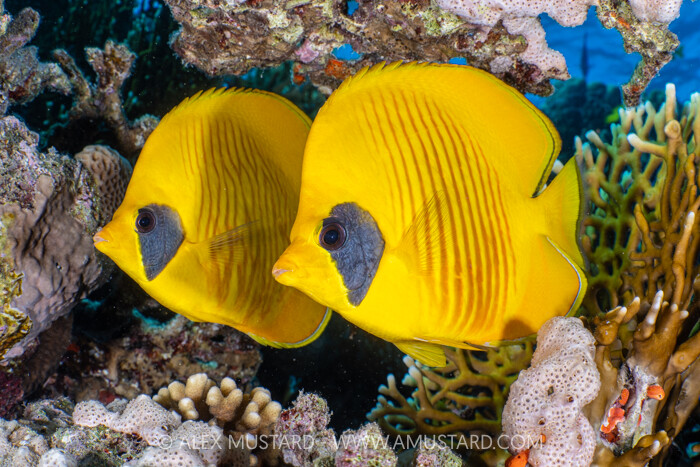
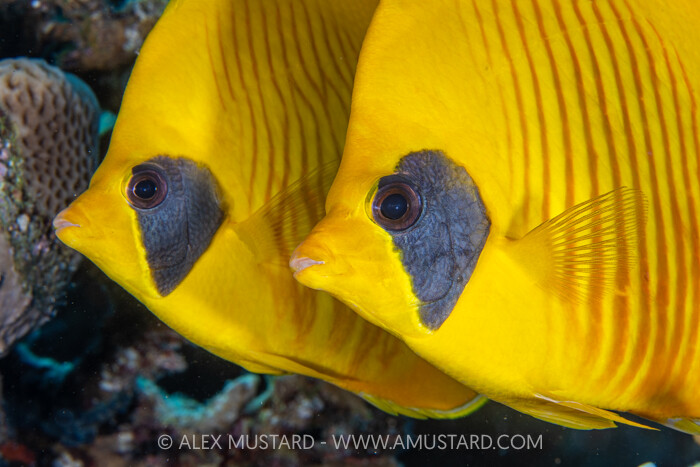
A point worth raising is that it is difficult to do really precise test shots with and without the MFO-2. I just wanted to highlight this issue – as surely many with and without shots will be shared in the coming months and you should look at them bearing in mind the difficulty in having a consistent methodology. The problem is two fold. First, the addition of the MFO-2 requires the camera lens to refocus (because of the Focus Optimizing stuff). For test shots this means you can’t simply use a fixed focus on the camera to do a with and without shot. And second the MFO-2 is a macro lens and is very long. I have been doing with and without shots keeping the camera a constant distance from the subject. Theoretically, you might think that it is best to keep sensor to subject the same for both shots. However, because the MFO-2 is so long (and we’re shooting macro here) the front element ends up much, much closer to the subject, than the bare lens. So it has been suggested that it would be a better test to keep the front element of the bare lens and the MFO-2 the same distance from the subject – as this is often the limiting factor in underwater photography – both when approaching as subject as closely as possible and also for shooting through as little water as possible. But doing makes the MFO-2 looks a lot, lot wider than the straight macro lens (because the camera has to be moved further back from the subject). The MFO-2 is already a lot wider! There is no perfect way to show/shoot with and without MFO-2 images. All I can say is that when you put it on it does make a really significant change. This test shot was done with the keeping the sensor the same distance from the subject (keeping the camera in the same place) – although I accept this means that the front element of the lens of the MFO-2 is much closer to the subjects, than the standard lens (so for some this underestimates how much wider it makes the view). Without MFO-2 With MFO-2
-
No idea. The normal rule in underwater photography is think of the maximum amount you can possibly justify or afford and then double it!
-
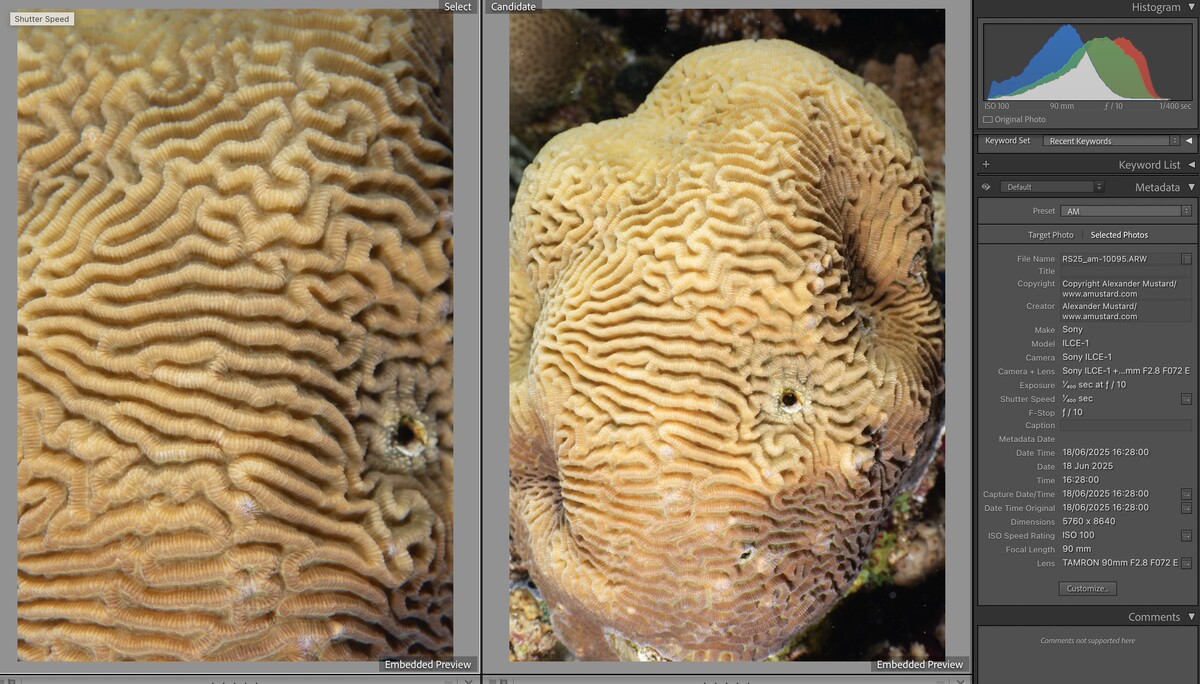
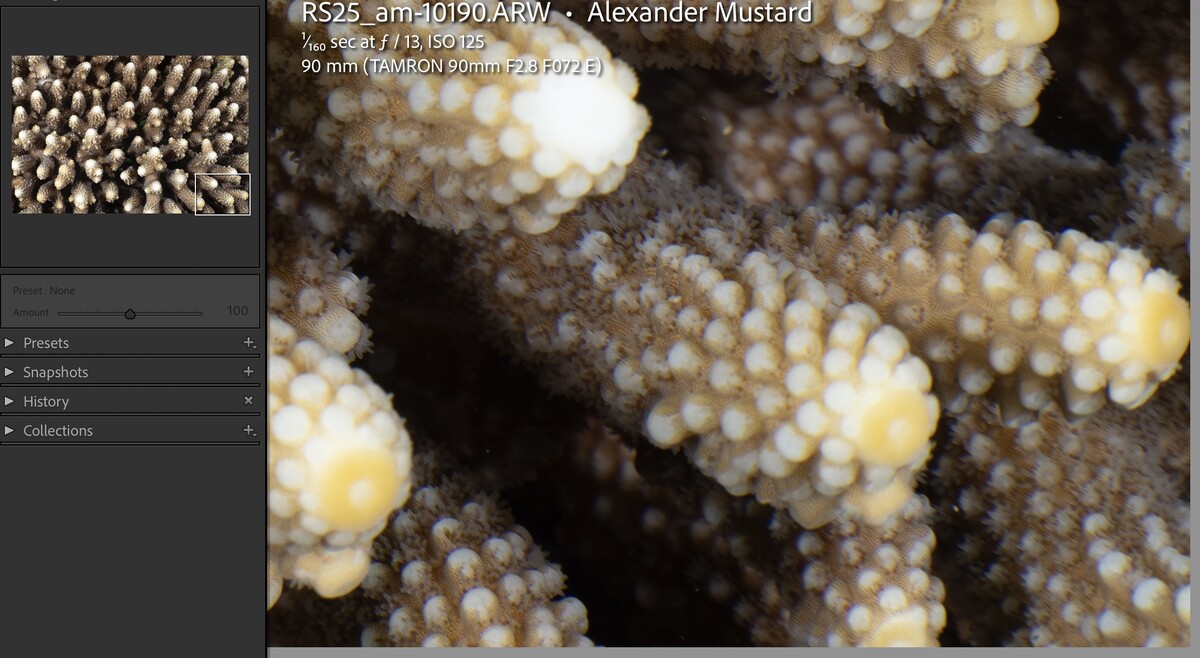
I asked Nauticam to look into designing such a lens specifically because of the limitations of only having a one "decent" focal length macro lens on Sony FF (90mm) and Canon FF (100mm) camera systems. The MFO-2 basically converts the Canon 100mm into a 60mm macro and the Sony 90mm (or Tamron 90mm, I used today) into a 50mm lens - while keeping the fast AF (arguably helping it focus faster) and high quality optics of these popular lenses (and adding some water correction for good measure). These are simple test shots from toady. First a coral: left - 90mm alone, right - 90mm + MFO-2 - I am sharing screenshots straight from Lightroom without processing: Note it is hard to do an exact and exact comparison on real subjects because the MFO-2 requires refocusing. But it really makes a big difference to the field of view - I'd say at least the difference between the macro lenses many of us have spent years choosing between. Such shorter focal length macro lenses are very valuable for those that dive in poor visibility, for those that like some of the larger macro subjects (octopuses, frogfish, seahorses etc) and for blackwater photographers. And the lack of good options is a frustration. I made the request for this lens after my blackwater trip in March and it is exciting to see it already - I expected it to be more of a niche product for these specific users... I was surprised how long the lens is, which left me concerned it would be hard to aim and could unbalance the rig. The lens needs to be this size to perform well optically, but it is surprising lightweight for its size - and just a little negative underwater. However I was actually surprised that adding this lens makes the rig very comfortable and it feels very natural to shoot through it on a dive. Being noticeably wider than the standard macro lens it is actually even easier to aim and compose than the standard lens. I passed it to a friend during today's dive and he just got on with shooting it (I had to demand it back)! The image quality with the MFO-2 is very good. It is impressively sharp across the frame, with some mild CA creeping in at the corners. I'd like to test back to back to be sure, but I feel it is better in the corners than a Sony 50mm or Nikon 60mm behind a flat port, but behind how these lenses before behind a curved port. Anyway - it is very, very good. This shot shows corner frame detail at 100% on unprocessed RAW file (50MP camera) And here is another more central in frame - this time 200% zoom in on a 50MP file. It also focuses right to the front element - although like a port this starts to limit lighting options. Here is my finger (uncropped) to show smallest subjects it suits (same as 50/60mm on full frame, really). Now I have dived with it, its great strength is that it is light and easy to carry on all macro dives. Meaning that macro dives are no longer a decision between 105 or 60mm, you can now have both options, always. So when you see a great macro subject you can get two totally different macro shots of it very quickly. Before I used it underwater a serious M43 user (OM-1) on the trip asked me if he should order one. I said "No! You have the option of 4 macro focal lengths already, this isn't really for you." After the dive I said "Try it - if you do you will want one - it is so nice having the option of two macro primes with every subject." The MFO-2 is quite long - but this makes it light too - which makes it very comfortable to dive with and very natural to shoot with (contrary to what you might think with the length) - I really can't see me doing many macro dives without it. It was designed for FF Sony and Canon FF users frustrated with a lack of macro options. But others may be interested too, may turns to will if you get to try one. Hope this is helpful.
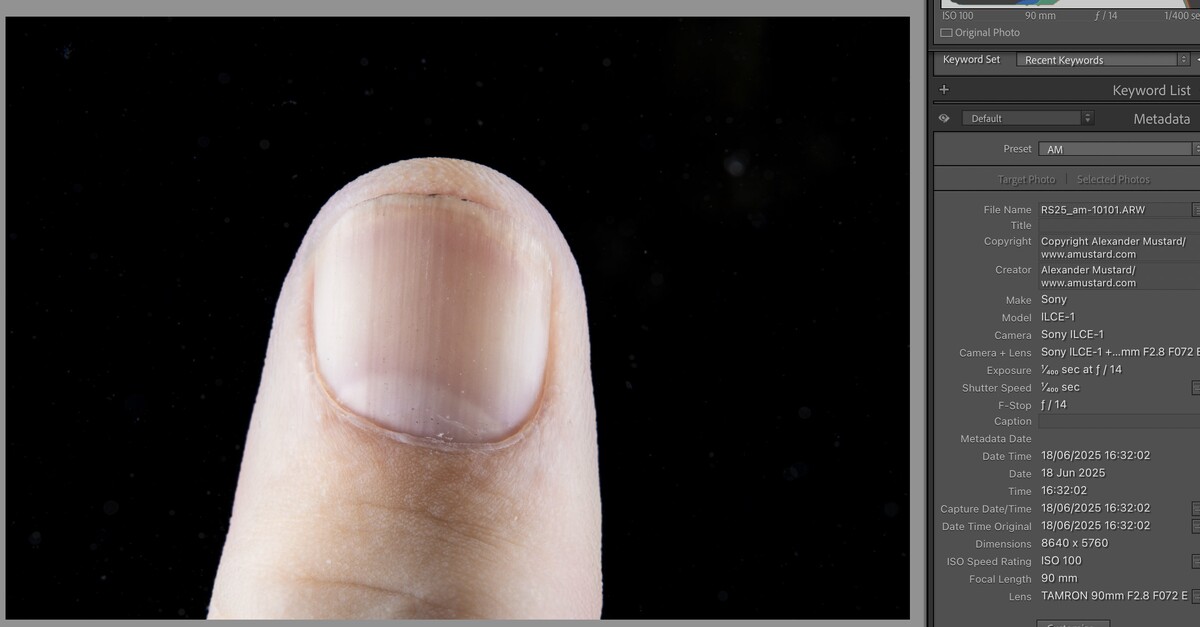
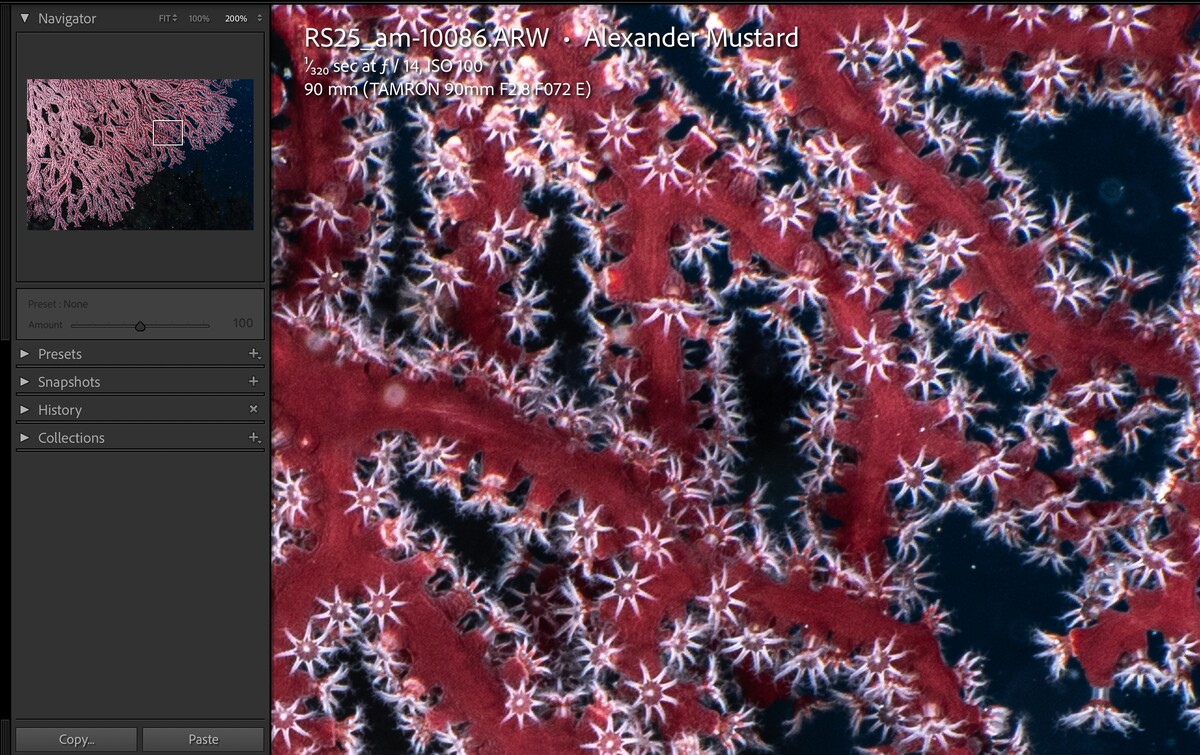
-
Very different to MFO-1. So not relevant to the discussion here (I didn't bring it up!). Since many still struggle with the job of the MFO-1 - it is to give you a bit more magnification than the lens does on its own (while improving IQ and AF a bit).
-
Don't want to derail discussion. Once I've tried it, I'll share more details. It is designed to do a different job from MFO-1. Despite looking production ready with the finish, it's early stages. Alex
-
Article says “first” so perhaps there will be more soon?
-
While I fully agree that smaller sensors give more depth of field, there seems to be a mistaken belief that the goal of macro photography underwater is all about maximising depth of field. Sometimes it is. But usually it isn't. I shoot on full frame. And this same thinking would mean you would imagine that I always have my lens closed down to maximise depth of field. Instead you will see a very wide range of apertures used. This, as an example, is the apertures I have selected for the 4300 macro shots that remain in my Lightroom (after culling) from my shoots over the last 12 months. I share this to make the point to show the fallacy of the sweeping statement that saying that one camera system giving more depth of field makes it better for macro.
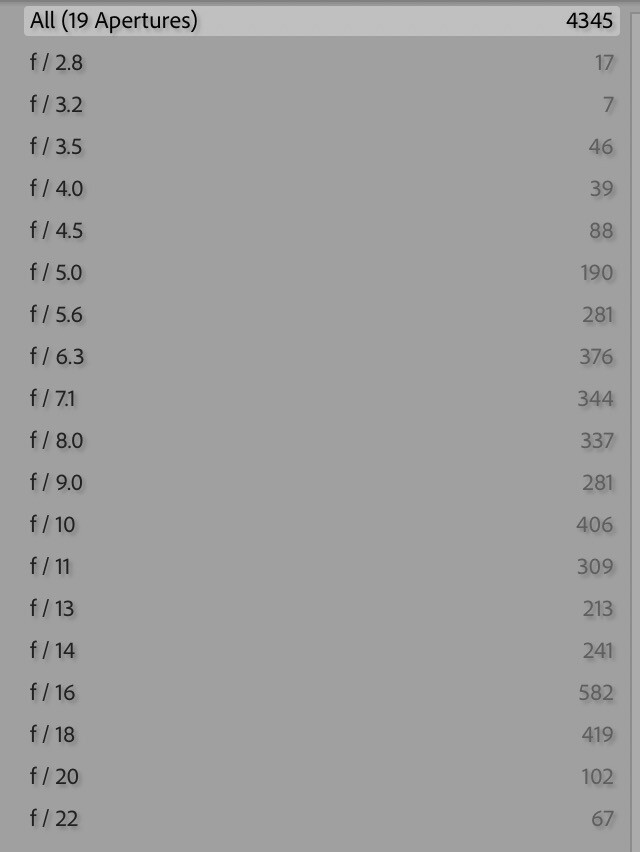
-
Of the ones I have tried, I thought the autofocus of the Canon R5 Mk2 with the 100mm is the best combo (once you get used to the AF). I’ve not shot the latest Sony cameras (A9-3 and A1-2) for comparison. I’d use this with Nauticam’s SMC and MFO lenses - because these are the best quality supplementary close up lenses I have tried.
-
[CBA]
-
I am also a card-carrying fish nerd and I only shoot AFC UW. MFO works great. But is it transformative - no. Buy it because you regularly find subjects a bit too small for the 90mm on its own, and then enjoy the other small benefits. I think camera body makes a big difference to how well the Sony 90mm focuses.
-
I do think Nauticam's promotion of the MFO-1 has caused plenty of confusion around this lens, because they have drawn attention to minor features equally to its main purpose. I asked Nauticam to develop this product because I wanted a high quality, but weaker close up lens than the SMC. There are lots and lots of subjects that are a bit too small for a straight macro lens and too big for a SMC. The MFO was designed to plug this gap. The optical design of all of Nauticam's close up lenses includes a correction for the image aberrations created by using a flat port in water. This is beneficial for image quality (especially away from the middle of the frame) and also by presenting the lens with a clearer image - improves focusing performance of the lens a bit. The MFO also improves focusing because it stops the lens hunting as much because it makes it impossible to focus on very distant subjects in UW terms (as the focus range is now shifted closer) . This is particularly helpful with mirrorless cameras (PDAF) - which can struggle to know what to do when a subject is totally out of focus. That said, I would say AF improvement is a minor benefit of the MFO. Image quality improvement is also the same as other Nauticam close up lenses (they all aim to do the same correction for the flat port). I like Mike Bartick's comment on the MFO-1 in this regard - "think of it as a make it 'betterer' switch - stick it on your macro lens and just go and use it". The MFO will allow you to fill the frame with smaller subjects, stop you shooting things that are too far away, give small improvements in image quality and AF. The optical correction that all Nauticam's close up lenses make for the port is the reason it does not make sense to stack the MFO and SMC. As both perform a correction - you end up with a double change, in other words as far away from optimum as having no correction. So they work together, but without the image quality benefit. The other point I want to mention is that you should not ever use the Focus Limiter Switch on your macro lens whenever you might be using UW close up lenses. You need this full range of focus to properly exploit the full range of these lenses. I previously used the FIT +5 and the Nikon 5T for the role of the MFO. But these did not have the same image quality of the MFO, as they did not correct for the flat port aberrations (which is why I pushed Nauticam to make the MFO). I have shot the MFO for over a year (in pre-production form last year). It does not record in the EXIF, but there are 25 pages of images on my website since I started using the MFO and most of the macro shots are taken with it: see this page https://www.amustard.com/library/page/search/alex/26/ and forward to 1, which cover the last year (my most recent trip was sharks - so ignore the newest 90 or so images - pages 1-5!).
-
I have two videos about my setup (for Sony A1) - where UW stills photography is the priority use: and
-
I use the Nikonos 15mm lens quite regularly (but I don't always tag the lens in keywords, so it is hard to share a gallery of images). I just use it on Nauticam's stock adapter. It is the lens I have owned from new (30+ years). Here are a few recent ones:
-
We've got an episode of The Underwater Photography Show coming out about this later today.
-
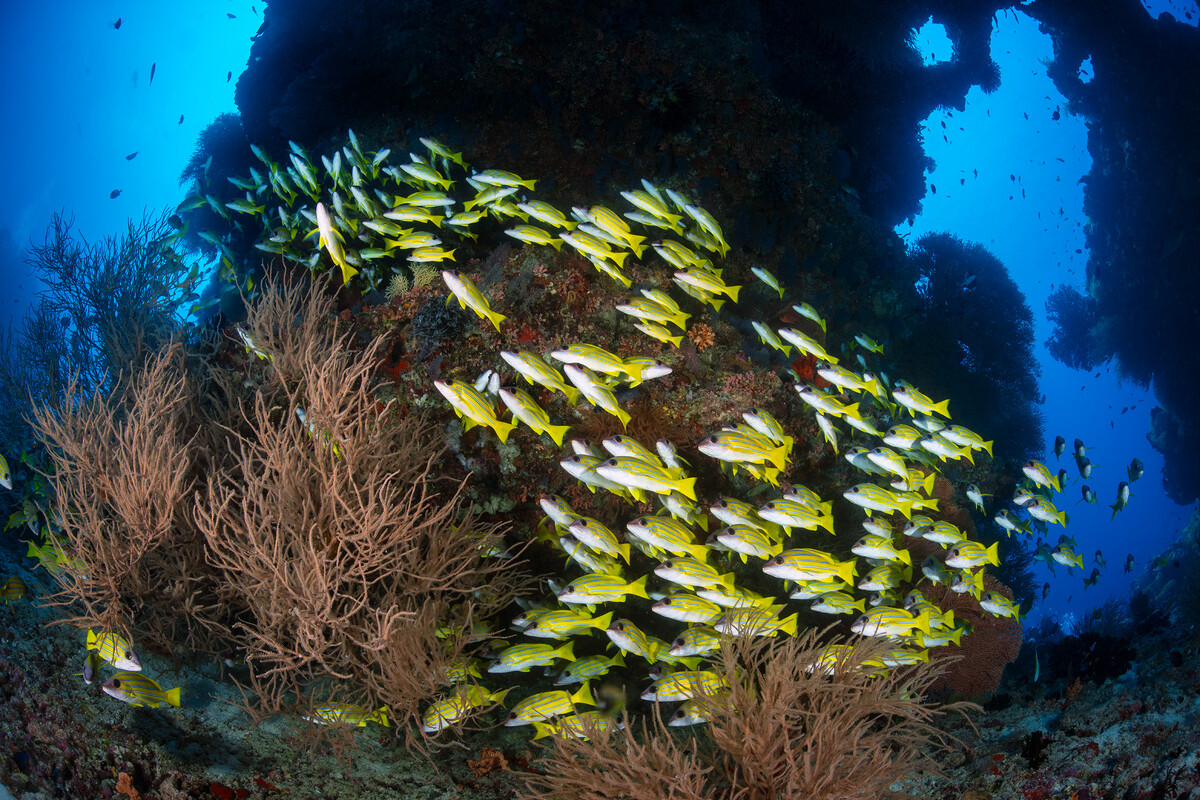
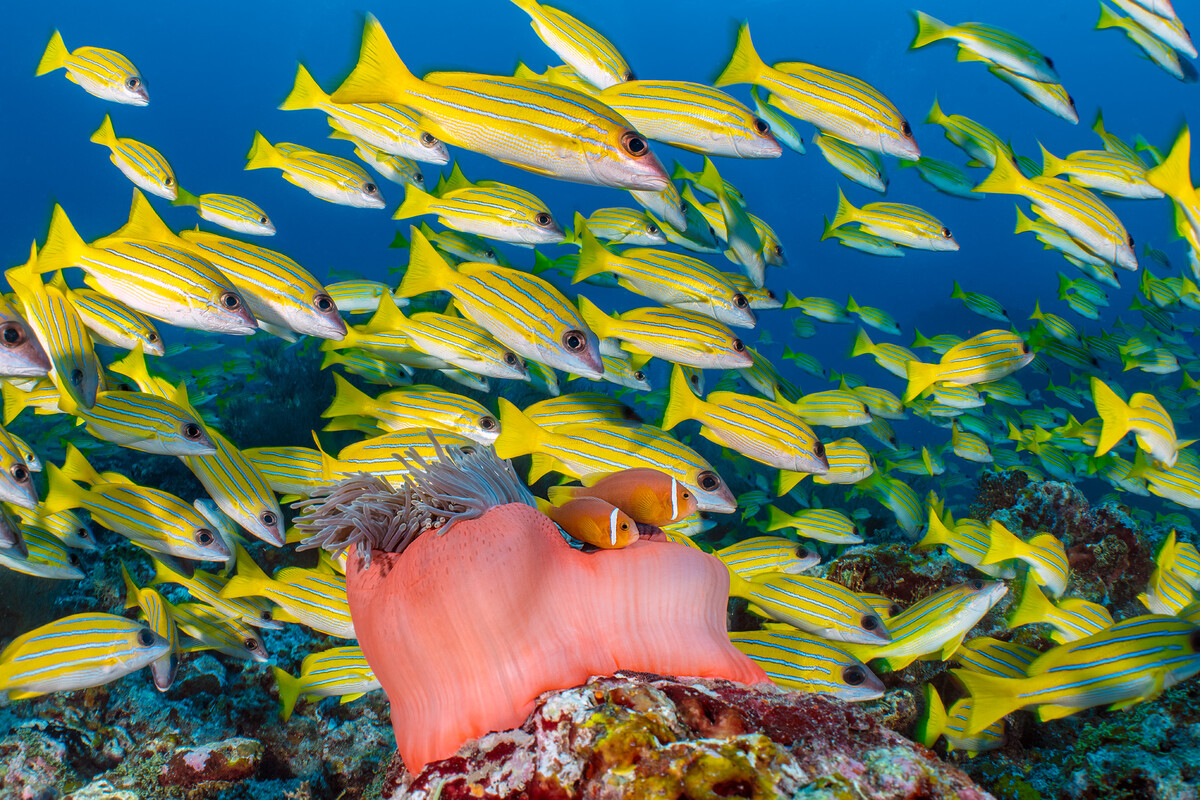
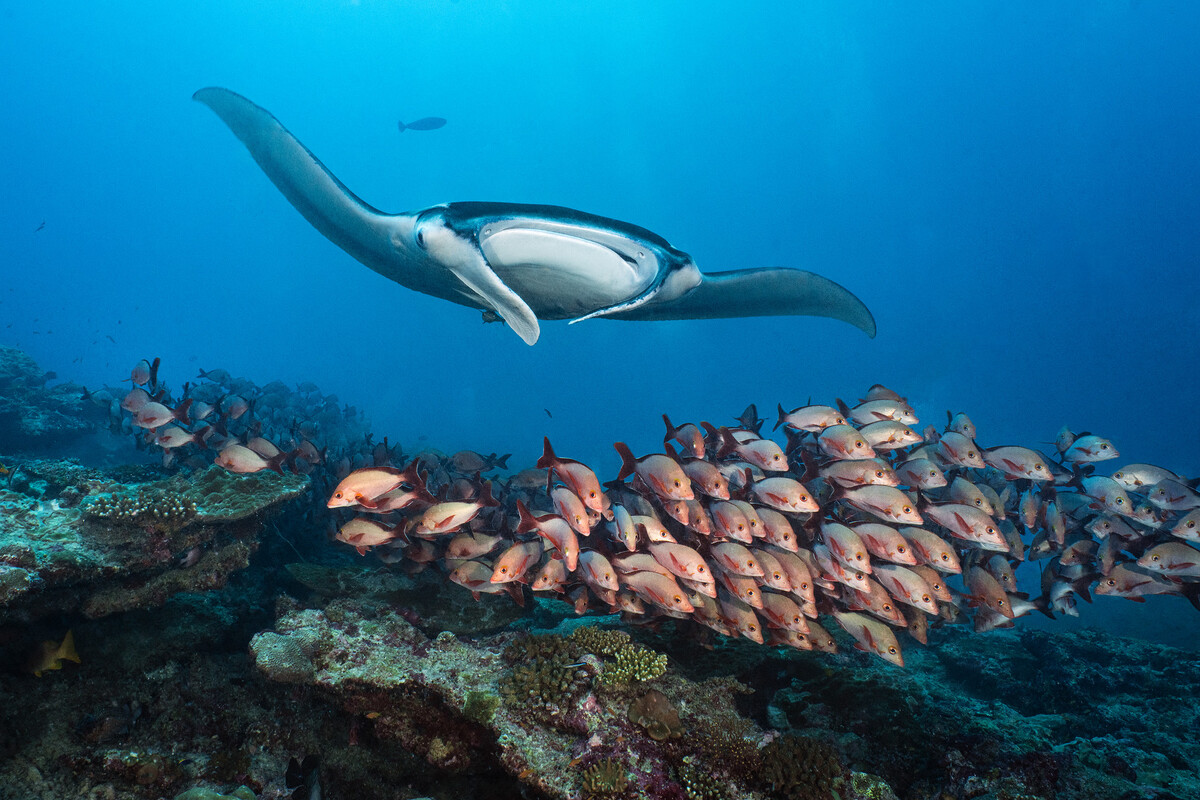
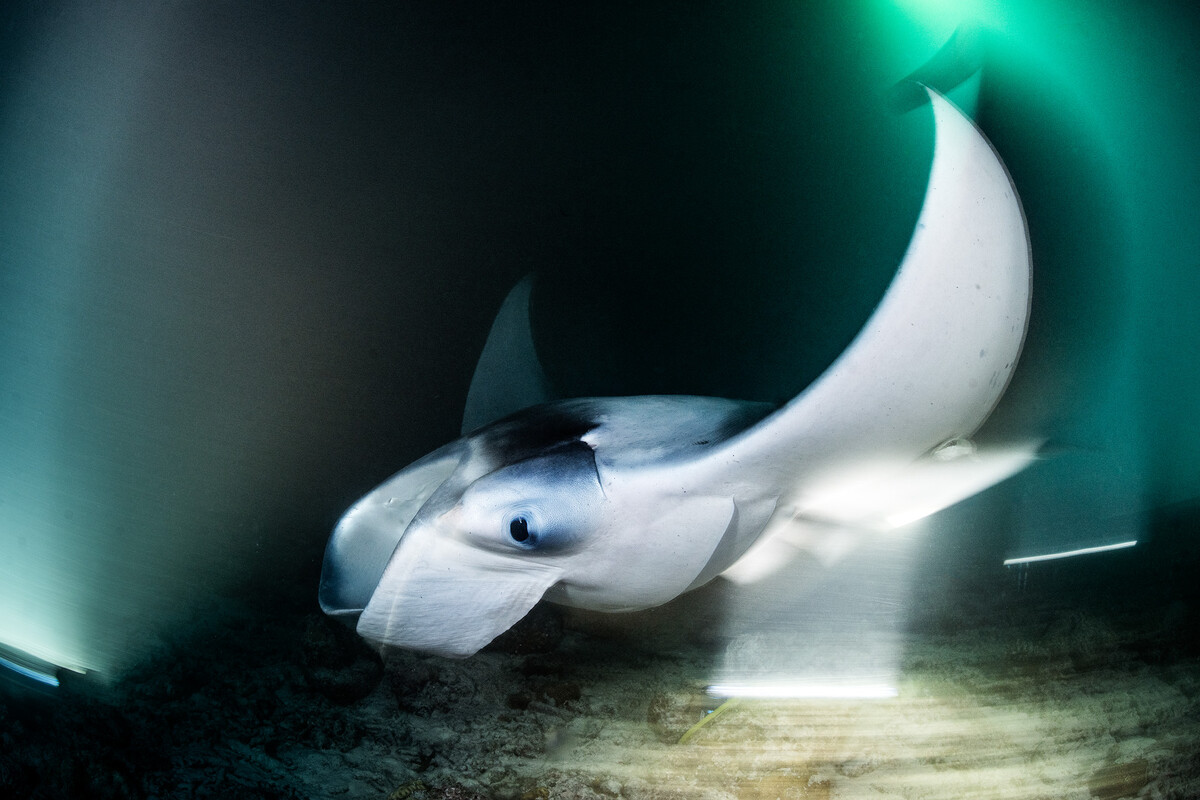
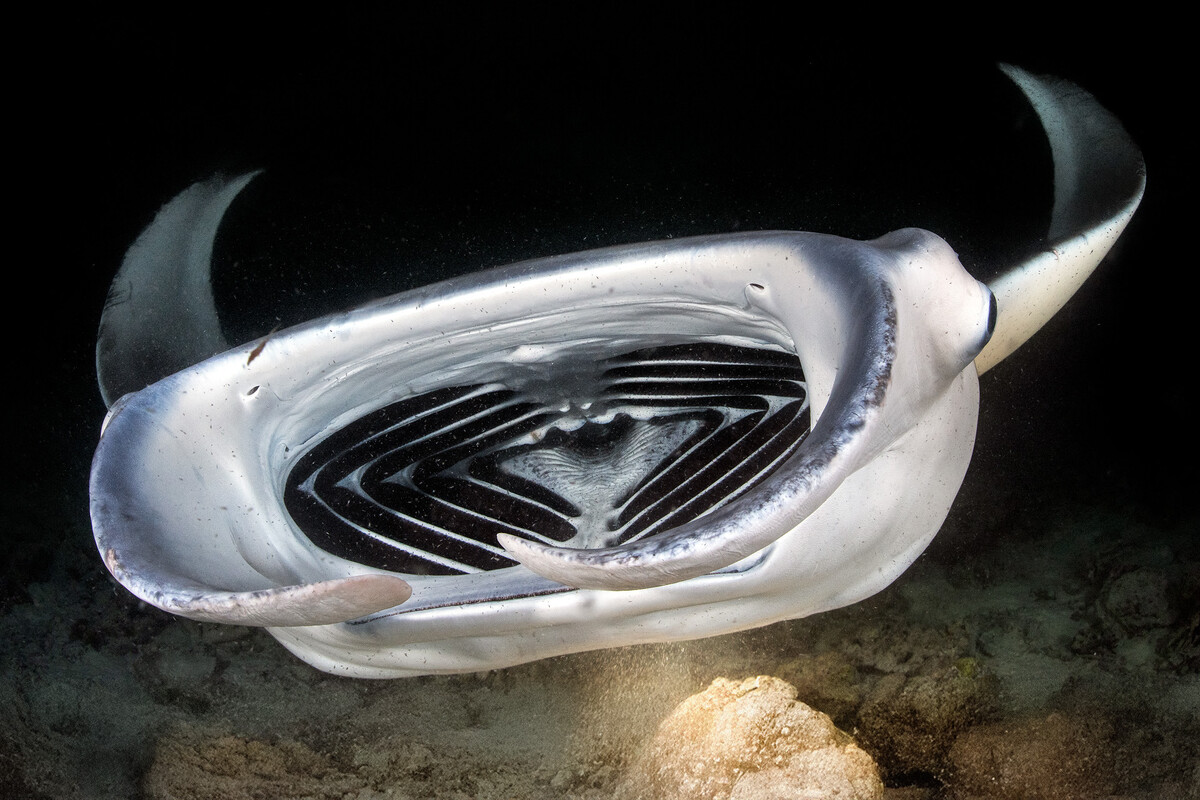
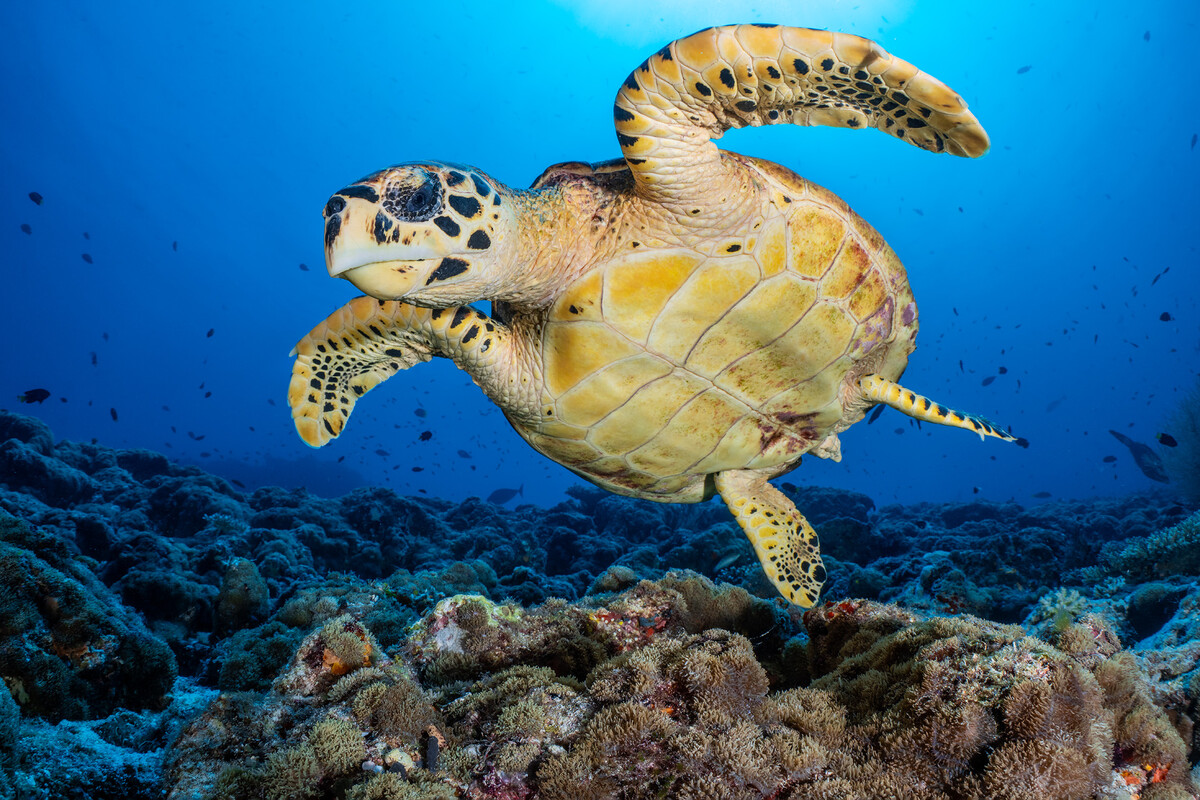
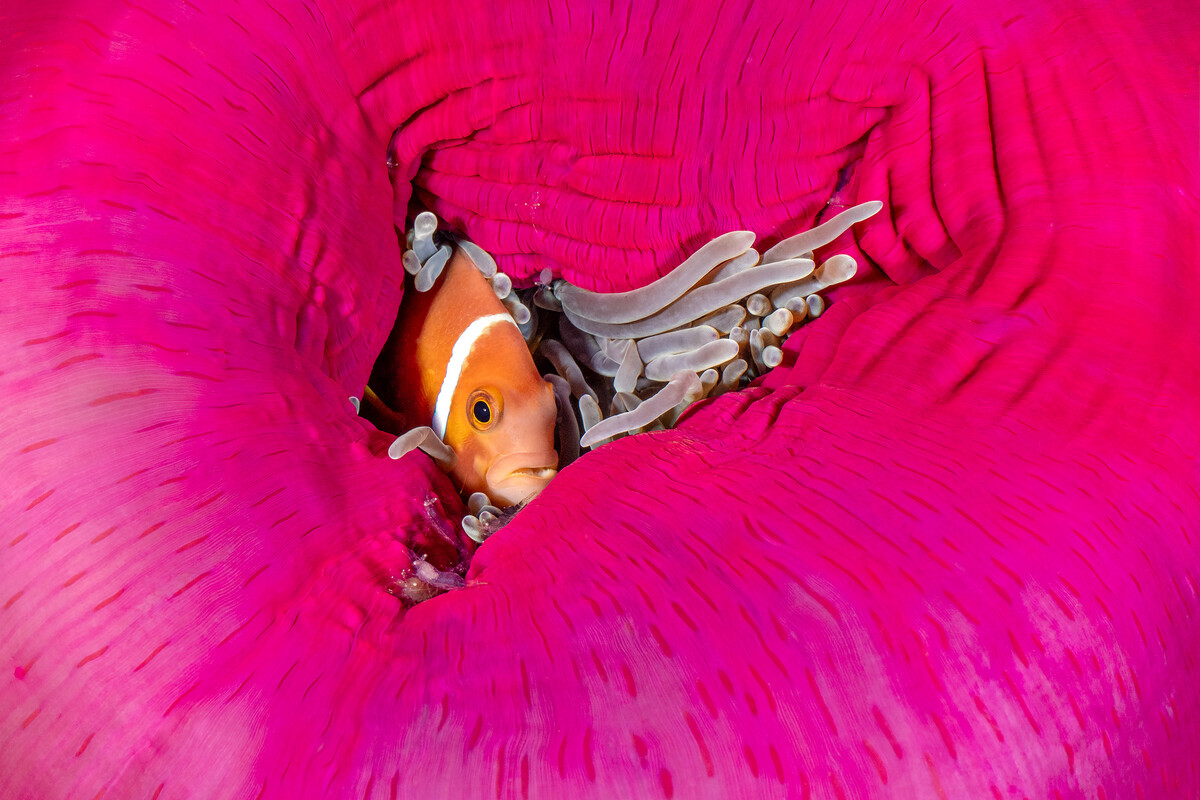
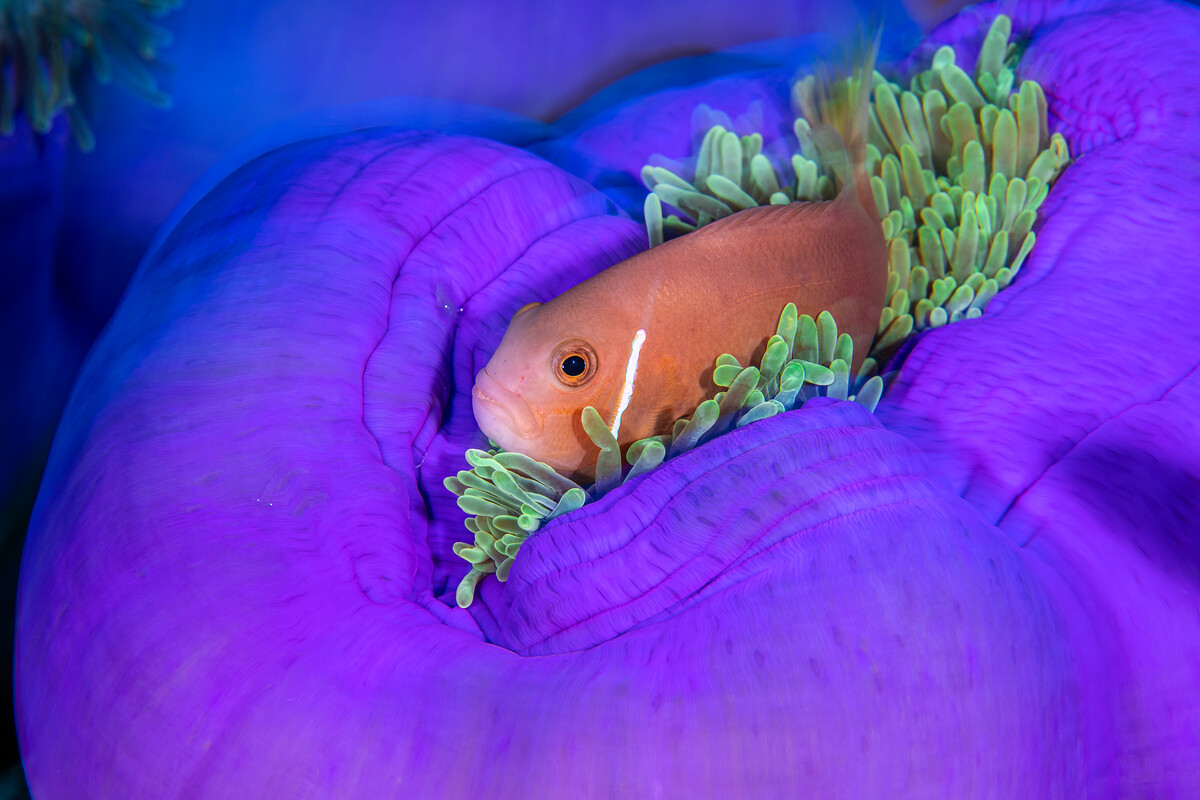
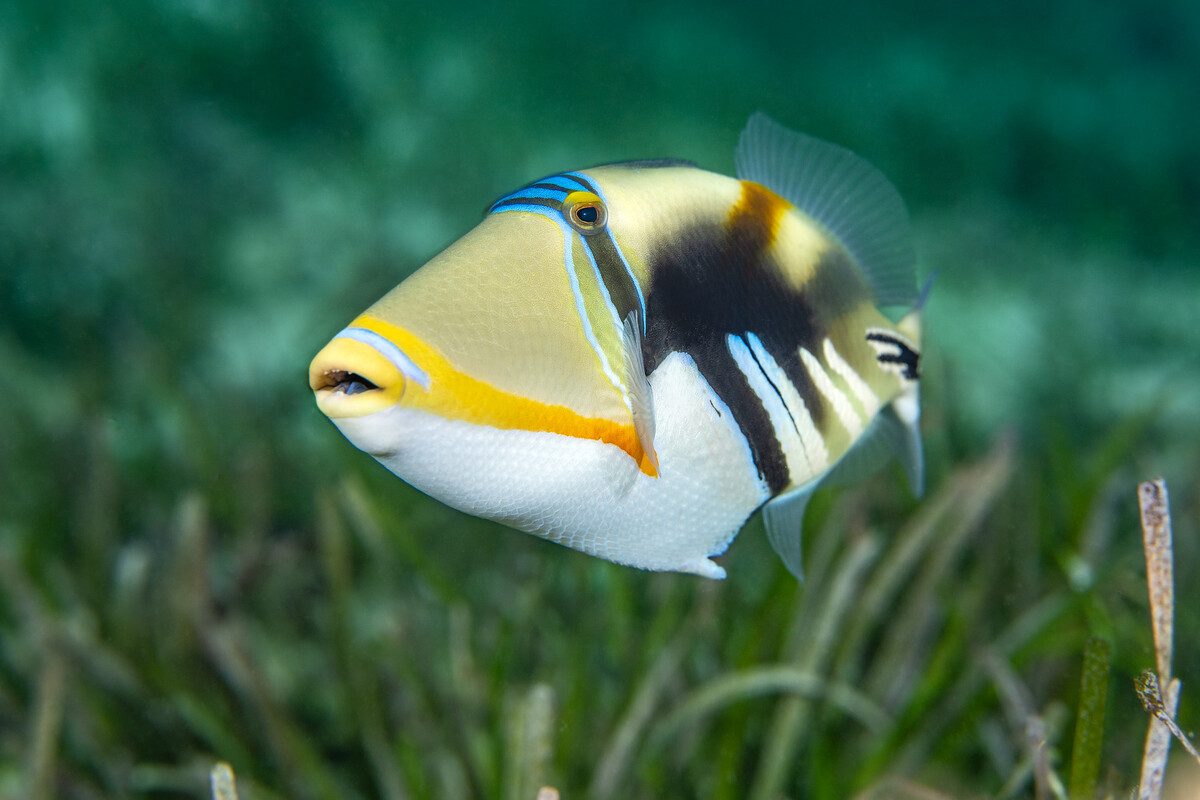
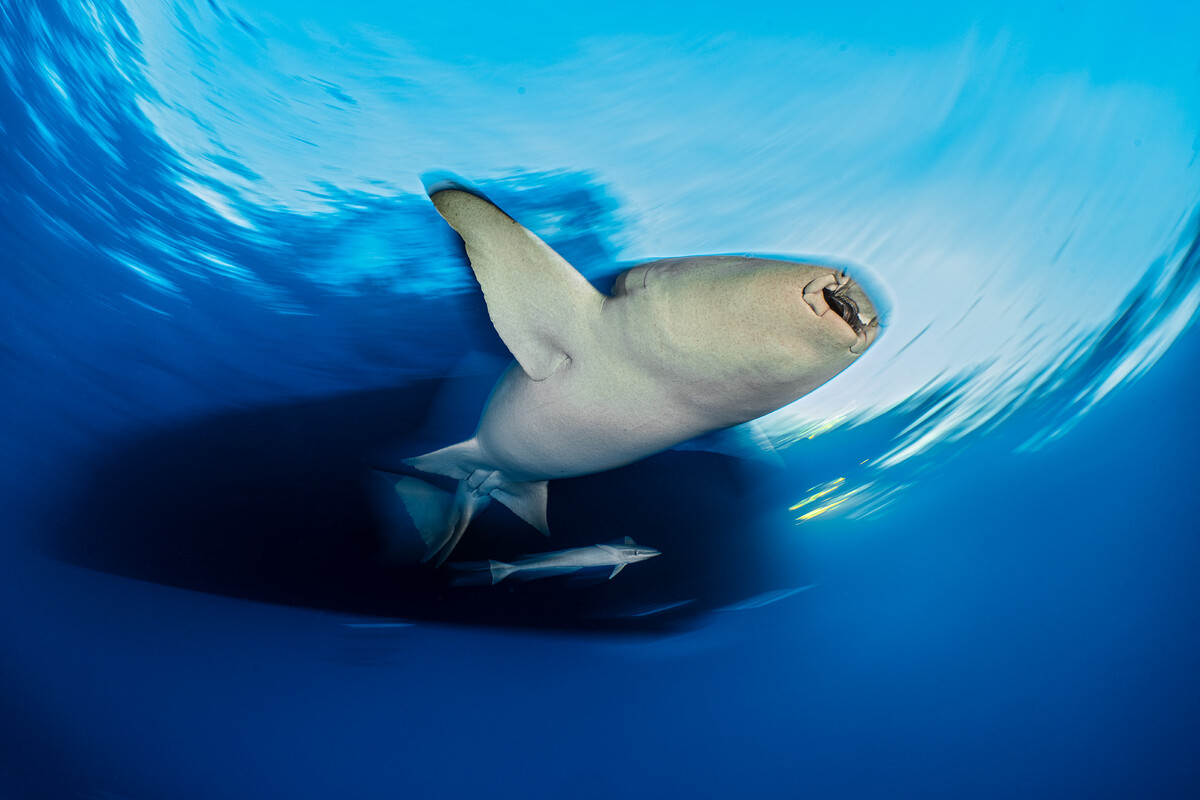
And a small selection of shots taken with the Retra Maxi strobes in the Maldives Sony A1, 28-60mm, FCP Sony A1, 28-60mm, FCP Sony A1, 28-60mm, FCP Sony A1, Nikonos 15mm Sony A1, Nikonos 13mm Sony A1, Nikonos 13mm Sony A1, 28-60mm, WACP Sony A1, 28-60mm, WACP Sony A1, Tamron 90mm, MFO-1 Sony A1, Tamron 90mm Sony A1, 28-60mm, FCP
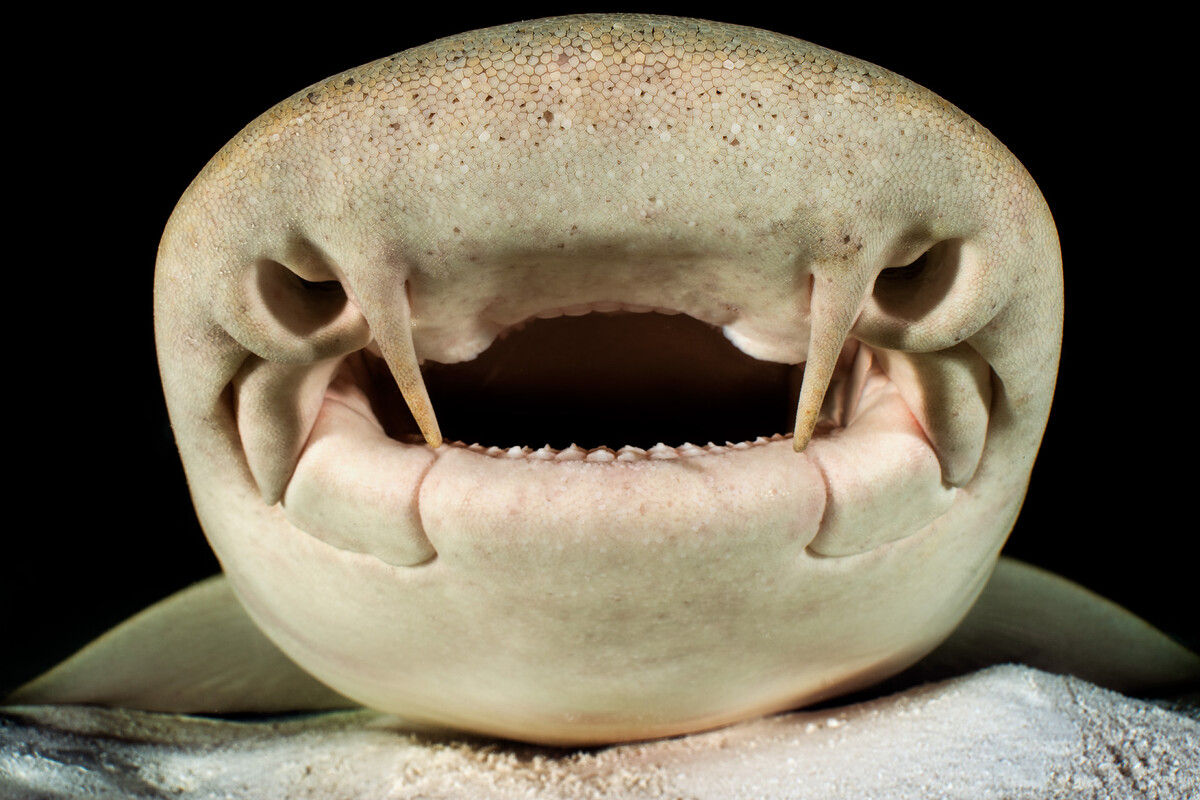
-
Images and thoughts on trying (pre-production) Retra Maxis in the Maldives in March/April. Quick summary - performed very much as you'd expect them to - mega powerful, good ergonomics. With specs that are very similar to Backscatter HF-1 (Retra can claim to be the most powerful strobe on paper - but basically max power on these is all but the same as FULL +2 on HF-1 in the real world). Dry weight same as HF-1, but fatter, so much closer to neutral underwater. Quality of light not as nice as Retra Pro Max, but I still produced very pleasing images (just a bit more care needed on strobe positioning). Alex
-
Thanks guys - Waterpixels got the obligatory plug as Website of the Year in our end of 2024 episode.
-
We’re closing in on the 100th episode of The Underwater Photography Show (2 to go)! Thought I’d do a post to check it out, if you haven’t already: https://www.youtube.com/@UWPhotoShow/videos Alex