Skip to content

Photography Gear and Technique / Archived topic

Wide-angle Macro - again....

Started by Don Silcock ·

  • 27Posts
  • 27Replies

Read-only discussion

Wide-angle Macro - again....

27 posts
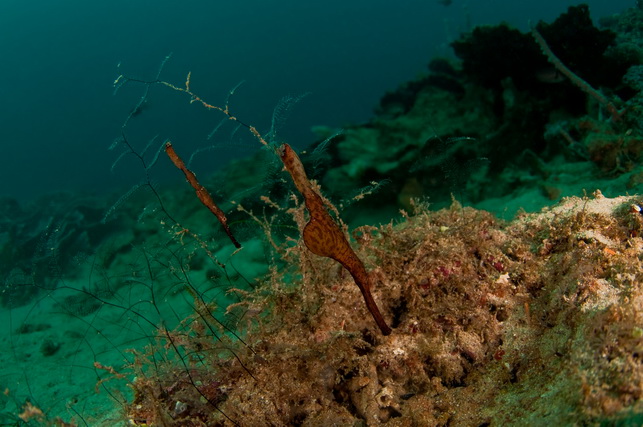
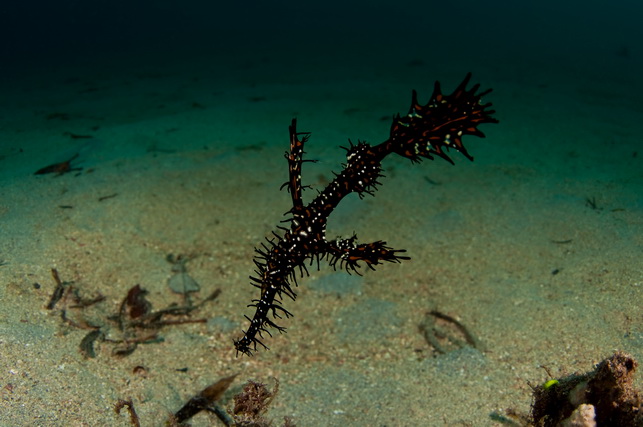
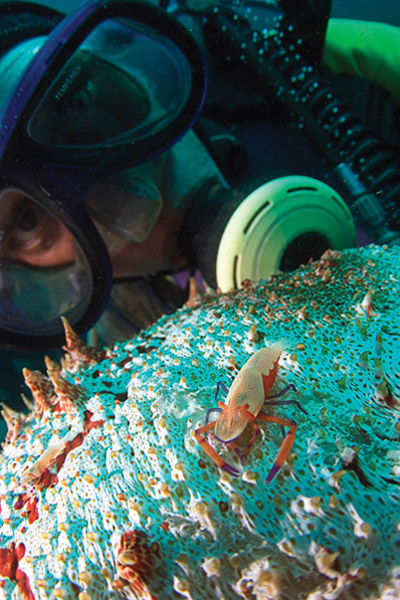
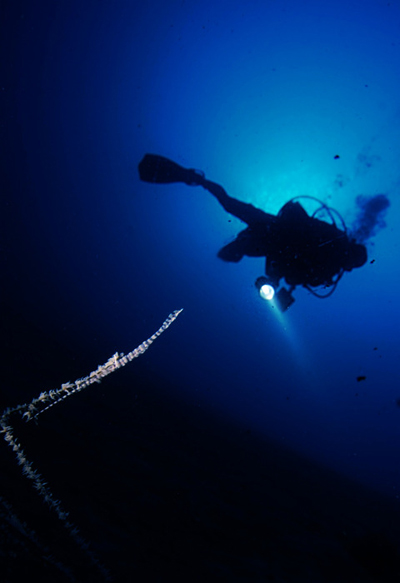
  1. I had another go at Alex's wide-angle macro technique on a recent trip to North Sulawesi. I was using my D300 in my Sam Chae converted Subal D200 housing, 10.5 FE & DG Kenko N-AFd 1.5x TC behind a DP54B small Subal dome I managed to find on Ebay. I used a 20mm EXR as that is more or less the effective thickness of the Kenko TC.


    Here were my best results:


    post-867-1256806127.jpg


    post-867-1256806146.jpg


    Would appreciate any feedback and also confirmation that I am using the right TC & EXR.


    Also, I have to say that the more I use the D300 underwater, the more impressed I am with it - it really is a great camera! Here is the link to the images from the trip, which was one of my most productive ever.


    http://www.indopacificimages.com/pages/ima...lery/index.html


    Don

  2. Very nice images Don! Great gallery.

  3. Hi Don,


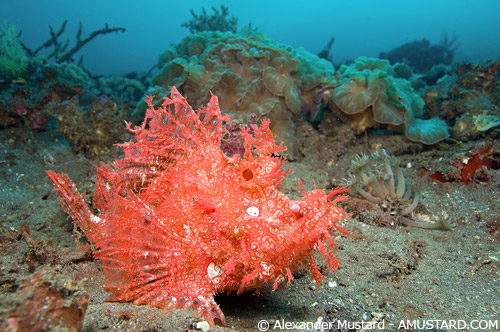
    Good progress. That is the same set up that I used to take this photo (this is uncropped or photoshopped):


    amustard_15.jpg

    f/10 @ 1/15th.


    This is not a straight forward technique - but then if it was as easy as it looks everyone would have the shots. I think these sorts of images will be easier with the Inon Endoscope lens - although that does produce a slightly different looking perspective.


    The ket to this technique is to get very, very close to the subject. I think you have achieved this with the second image. You need to select a critter that you can get right up to without it being scared. Frogfish/scorpionfish are ideal. With more skittish subjects you will need to dedicate more time. I spent two dives with the ghost pipefish in my image.


    Then once get close you need to work on the lighting. When a subject is just a few cms (1 inch) from your port it is tough to light - but you need it this close to get the magnification effect on the subject. It can take a while to get the lighting right - and it is best to set it up on a non-mobile subject, like a sponge, before moving in on your actual subject. You strobe light is too much behind the single ghostpipefish


    These shots are interesting because they combine a macro foreground with a wide angle background and therefore you have to choose an exposure that is long enough to burn in enough background light to achieve this. This usually means a long exposure, considering you will be stopped down considerably to get some reasonable depth of field. I also use filters on my Inon strobes to help the blues for these types of shots.


    LMB09_01.jpg

    f/13 @ 1/25th - this was a small frogfish as you can see from the sponge.


    Alex

  4. how about some information on the filters you use on the strobes? were these photos shot in raw and worked on? Great shots!

  5. My shots are almost identical as shot, not cropped and colours not adjusted. A few specs of backscatter cleaned up.


    The filters on my Inons were Lee 444s. You can read about them here.


    Alex

  6. Hi Don,


    Good progress. That is the same set up that I used to take this photo (this is uncropped or photoshopped):


    amustard_15.jpg

    f/10 @ 1/15th.


    This is not a straight forward technique - but then if it was as easy as it looks everyone would have the shots. I think these sorts of images will be easier with the Inon Endoscope lens - although that does produce a slightly different looking perspective.


    The ket to this technique is to get very, very close to the subject. I think you have achieved this with the second image. You need to select a critter that you can get right up to without it being scared. Frogfish/scorpionfish are ideal. With more skittish subjects you will need to dedicate more time. I spent two dives with the ghost pipefish in my image.


    Then once get close you need to work on the lighting. When a subject is just a few cms (1 inch) from your port it is tough to light - but you need it this close to get the magnification effect on the subject. It can take a while to get the lighting right - and it is best to set it up on a non-mobile subject, like a sponge, before moving in on your actual subject. You strobe light is too much behind the single ghostpipefish


    These shots are interesting because they combine a macro foreground with a wide angle background and therefore you have to choose an exposure that is long enough to burn in enough background light to achieve this. This usually means a long exposure, considering you will be stopped down considerably to get some reasonable depth of field. I also use filters on my Inon strobes to help the blues for these types of shots.


    LMB09_01.jpg

    f/13 @ 1/25th - this was a small frogfish as you can see from the sponge.


    Alex

     

    Alex, thanks very much for getting back to me on this - I greatly appreciate the feedback & encoragement.


    Points noted and I will be giving this another go in the fiords of Tufi, in PNG later this month.


    More to follow....


    Don

  7. Interesting work and techniques…the gallery is fantastic.


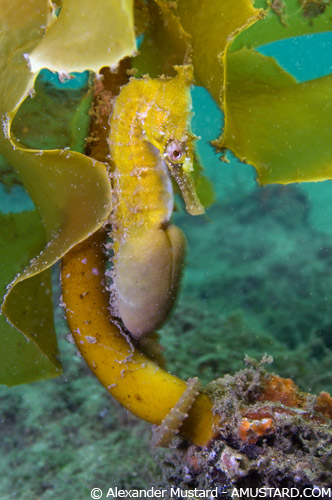
    From what is see on the second image you have a downward perspective, so even if you had opened up to get more ambient light like Alex's image you would only see sand and it would not give you the depth of the image like Alex has in his, you can see more off in to the distance. I'm newbie at underwater photography, so don't take me to serious, it's only my personal view, Alex may have something else to add.


    Mark

    Edited by mborosch
  8. I was wondering - when people use a teleconverter with the Tokina 10-17, what focal length do they usually go with? My zoom gear won't let me zoom the Tokina once the teleconverter is attached.


    Cheers,

    Tim

  9. LMB09_01.jpg

    f/13 @ 1/25th - this was a small frogfish as you can see from the sponge.


    Alex

     

    The thing I'm most interested in here is the apparent gradation between foreground strobe light and ambient light. I haven't done much with this technique, but in Don's photos, and sometimes in mine, you can clearly see where the strobe light ends and the ambient exposure begins on teh substrate. however in Alex's photo, the gradation is much smoother. Now there are 2 factors that make this transition visible - luminosity and colour.


    With luminosity, you're adding more light to the substrate so it should be lighter than the ambient-only area. And strobe colour temp is obviously differnt from ambient temp. So, Alex, any tips on balancing this transition?? Obviously you've opened your ambient exposure up quite a bit, but i've found when doing this that i get some ambient wash-out blue/greens on my subject and on the substrate. Is it most beneficial shooting into the sun (looking at the background shadows in the frogfish pic)? Hoping you can maybe shed some light on your very well balanced illumination. Cheers,


    Chris

  10. however in Alex's photo, the gradation is much smoother. Now there are 2 factors that make this transition visible - luminosity and colour.

    With luminosity, you're adding more light to the substrate so it should be lighter than the ambient-only area. And strobe colour temp is obviously differnt from ambient temp. So, Alex, any tips on balancing this transition?? Hoping you can maybe shed some light on your very well balanced illumination. Cheers, Chris


    Funnily enough the first part of my Visions In The Sea talk tomorrow is on exactly this subject. I believe it comes from understanding that there is more to strobe lighting than not getting backscatter and simply getting the exposure right. Its about quality of light, not just quantity. You need to generate a quality of strobe lighting which is sympathetic with (similar to, except in colour) the ambient light, and as I explain in the talk, this means first appreciating the quality of ambient light underwater. Then understand your strobes and the effects of strobe positioning, aiming, power, number of strobes etc.


    Personally I don't believe it will make any difference to the number of pictures you will sell. But it is the way I like to light my pictures and I think it gives them an extra level of polish. I'll do an article on it at some point, but for now its a story I use in talks and on my Controlling Light Underwater workshops. I talk about it quite freely face to face - it is just something that I have yet to type up - and its a bit long-winded for a forum post.


    Alex


    [edit] I also believe that this is something you have to get right in camera, it is not something that Photoshop fettling will achieve.

    Edited by Alex_Mustard
  11. I was wondering - when people use a teleconverter with the Tokina 10-17, what focal length do they usually go with? My zoom gear won't let me zoom the Tokina once the teleconverter is attached.


    Cheers,

    Tim

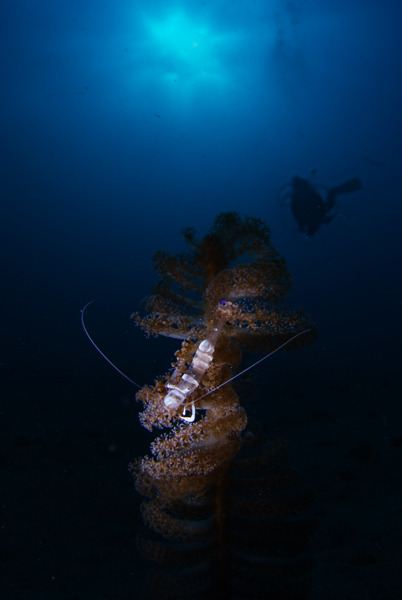
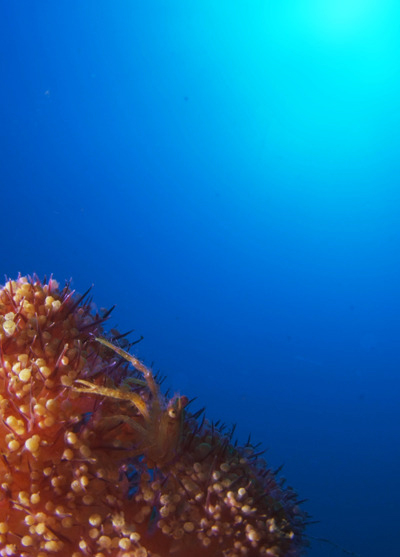
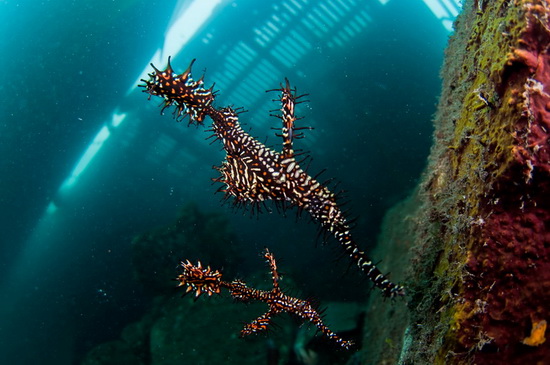
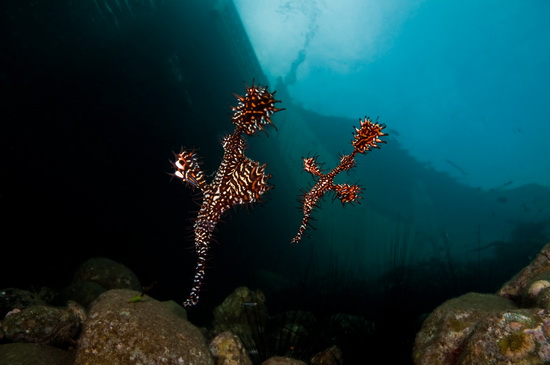
    These( upper 2 ) are Photos by Tokona 10-17 + 1.4 teleconverter with Fuji S 5 pro, and the others

    are without teleconverter

    post-25407-1257985737.jpg

    post-25407-1257985774.jpg

    post-25407-1257987265.jpg

    post-25407-1257987669.jpg

    Edited by cho
  12. Nice shots, Cho.


    I think that the demonstrate again the challenge of getting a good quality of lighting at these very short camera to subject distances. Which usually produces hard light on the sides of the subject, leaving the front of the subject slightly in shadow. Although I think that the spotlight lighting on the shrimp on the seapen works very well.


    Depth of field is always a problem with this type of shot because of the close focus (and I think it will be worse, not better with the Inon Endoscope, when widely available).


    Alex

    Edited by Alex_Mustard
  13. Thank you, Alex, a few years ago , I read your articles about macro wide shot and I tied by Tokina 10-17. Sometime, I used HID light instead of strobe, and could get good results, less back scatter , easy to focuse narrow area of subject.But the problem was the balance of exposure with foreground subjects and background.

    Edited by cho
  14. Ah, interesting. I think that the shrimp on the seapen is very interesting use of the spotlight. Works really well.


    When working with a continuous light (HID) as main light to be balanced with the ambient light - you can alter the brightness of the HID by moving it closer and further away from the subject. Although this also changes the size of the spotlight.


    Alex

  15. Ah, interesting. I think that the shrimp on the seapen is very interesting use of the spotlight. Works really well.


    When working with a continuous light (HID) as main light to be balanced with the ambient light - you can alter the brightness of the HID by moving it closer and further away from the subject. Although this also changes the size of the spotlight.


    Alex

    Does inon endoscope lense work in other port , nexus or seacam? It might work in only inon port. Otherwise, how can it be used in other housing, not in inon housing ? Does anyone know?

  16. Does inon endoscope lense work in other port , nexus or seacam? It might work in only inon port. Otherwise, how can it be used in other housing, not in inon housing ? Does anyone know?


    I think Saga in Spain are working on adaptors for it. I am sure there will be lots of info when it is properly available. Alex

  17. I got back from Tufi in PNG on Monday night after 2.5 weeks really good diving - I also had several opportunities to try different wide-angle macro set-ups on a site I know very well now, the house reef & dive wharf.


    I have written an article on my experience this time and just posted it on my site:


    http://www.indopacificimages.com/pages/pag...05_wamacro.html


    The Readers Digest version is that you just gotta have a compact dome to stand any chance, but once you get one and get your technique & lighting sorted it really is possible to get a really different perspective on an site you think you already know well...


    Here is the link to my Tufi Wharf gallery and my "traditional shots":


    http://www.indopacificimages.com/pages/ima...lery/index.html


    Whereas here is the best shot I got with the 10.5mm and 1.5x TC, behind the small Subal DP54B port - did not have the lighting quite right at that point in time, so there is a bit more backscatter than there should have been....


    post-867-1259833086.jpg


    Here is the best shot from using the Sigma 17-70 with the 1.5x TC and DP54B:


    post-867-1259833102.jpg


    Don

  18. Cool. Nice article, Don. I think it takes things forward from what I have written, by focusing on the factors that really make a difference to getting this technique to work for you.


    I found that the sigma 17-70mm behind the 4" dome gave plenty of magnification without the need for a TC. Although I have never actually tried it UW with a TC. Although can't use it anymore.


    These were taken with 17-70mm (or 17-40 as is ends up) behind the mini-dome with dioptre:


    Lembeh:

    LM01.jpg


    post-713-1259834501.jpg


    Sydney:

    post-713-1259834534.jpg


    Alex

  19. Great Article Jack. I've been trying to gte to grips with this, and failing-your pointers regarding lighting are particuarly illuminating! I also think subject selection is critical-you mention using "sessile" subjects.


    Great thread in all though everyone!


    Thanks


    Adam

  20. Quick newbie question regarding this topic.

    If you want to do wide-angle macro, are smaller dome ports better than the larger ones (6 vs 8 inch)?

    And is your field of view dependent upon the dome or the lens?

    I'm a little lost on this topic and am thinking about an upgrade the dslr world over this next year.


    The tokina 10-17mm seems to be a quite common lense for uw use, would it be possible to use this lense for wide angle macro like

    the above images or would the sigma 17-70mm be better for this purpose?


    Cheers,

    Phil

    Edited by pmerc
Turtle

Account

Navigation

Search

Search

Configure browser push notifications

Chrome (Android)
  1. Tap the lock icon next to the address bar.
  2. Tap Permissions → Notifications.
  3. Adjust your preference.
Chrome (Desktop)
  1. Click the padlock icon in the address bar.
  2. Select Site settings.
  3. Find Notifications and adjust your preference.