Skip to content

Photography Gear and Technique / Archived topic

Wetpixel Live: Downsizing UW Imaging Systems

Started by adamhanlon ·

  • 54Posts
  • 54Replies

Read-only discussion

Wetpixel Live: Downsizing UW Imaging Systems

54 posts
  1. There tends to be an inevitable focus on upgrading or getting additional performance from underwater camera systems. However, these improvements come at the expense of similar or additional weight and bulk. @Alex_Mustard and @adamhanlon discuss what to consider and the best options when you are seeking to reduce your camera gear's footprint.


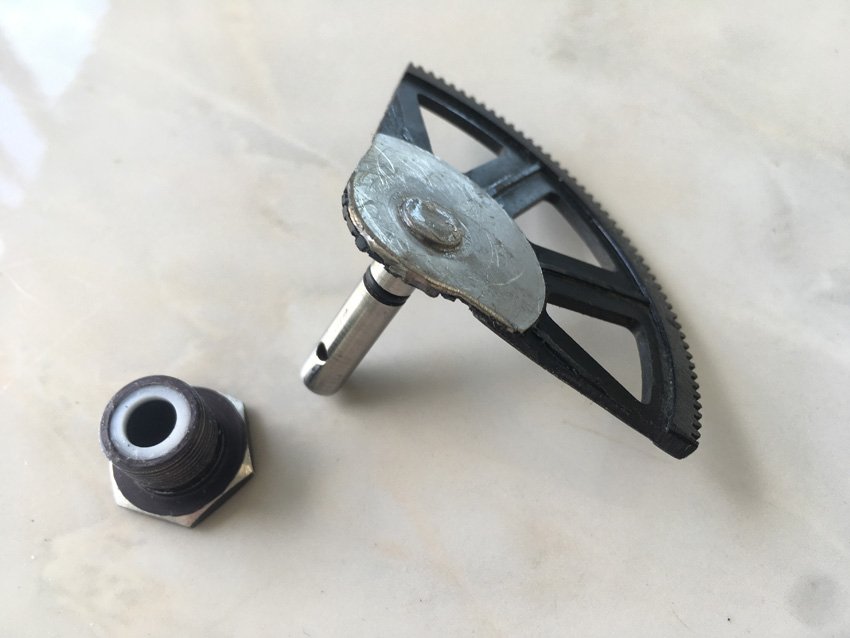
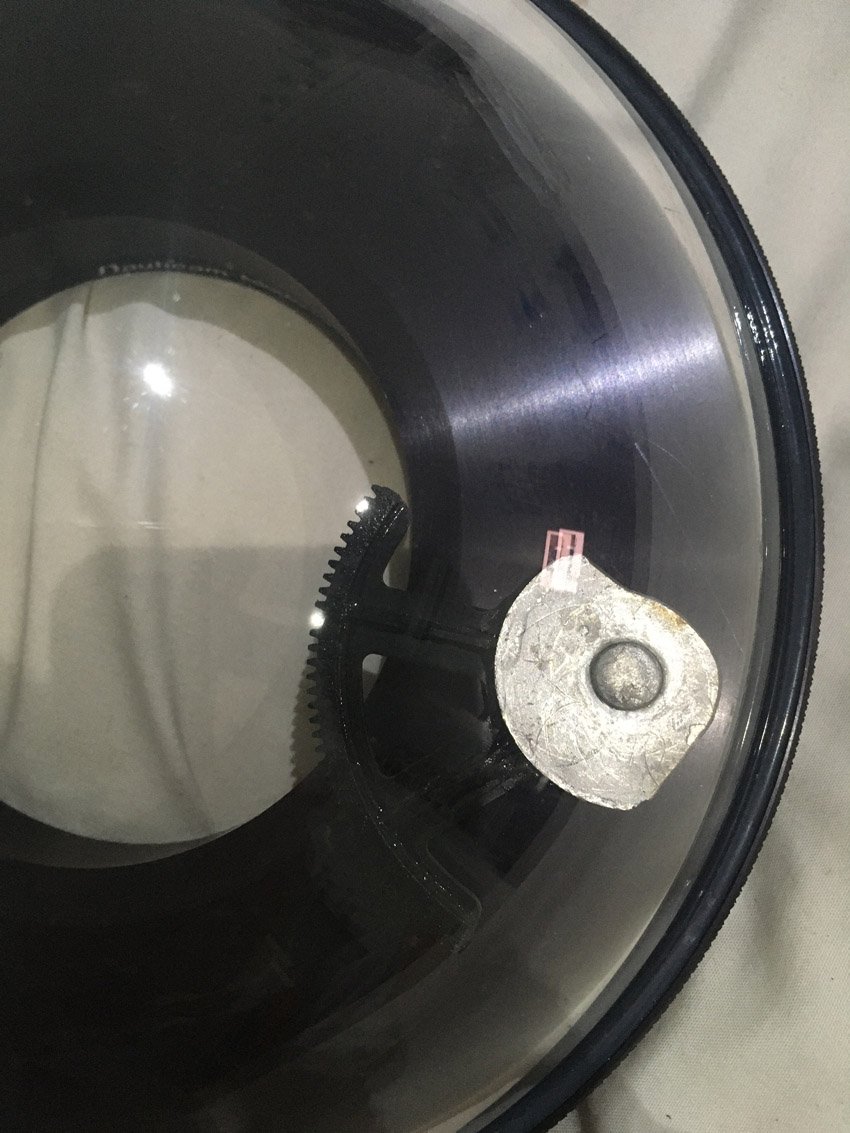
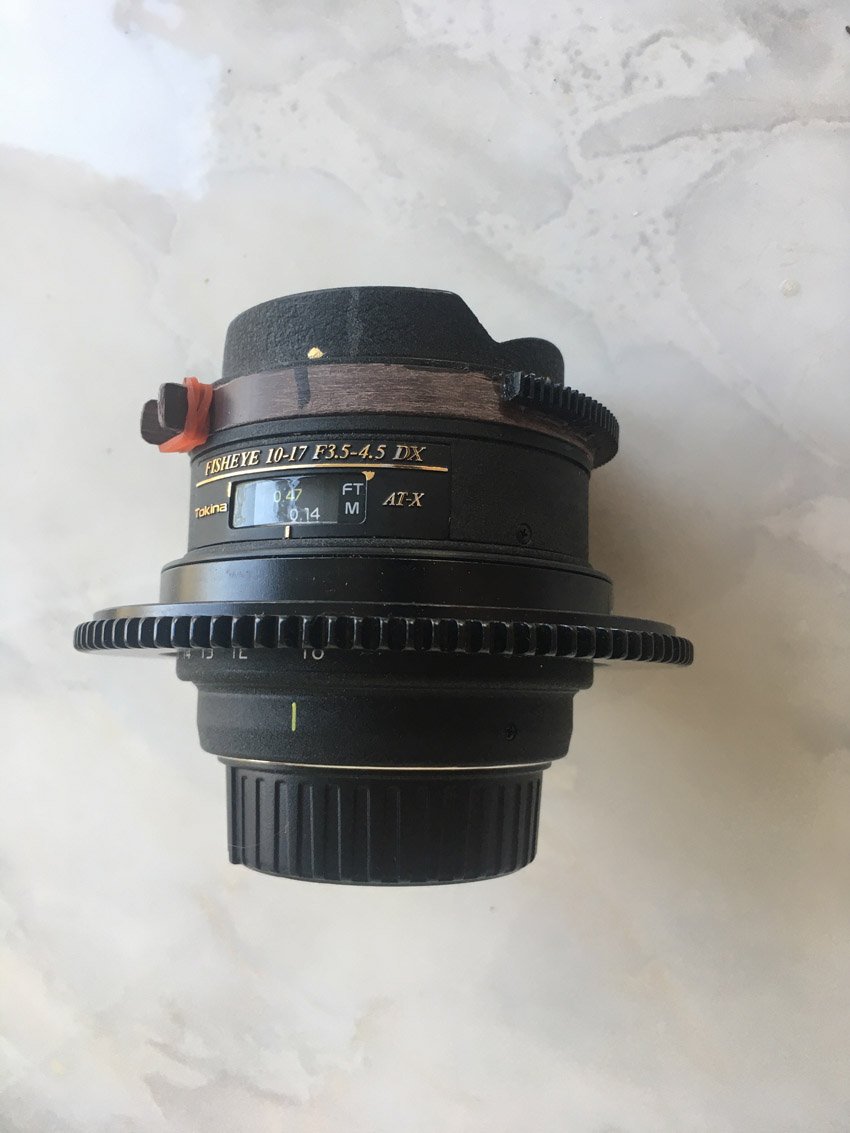
  2. I have just downsized from NA-D800 to NA-Z50, a crop sensor mirrorless. The 9" glass dome I had is 3kg, the WWL-C is just over 1 kg. For fisheye I am using the Tokina 10-17 with manual focus in an 8" acrylic dome. Mostly I use it for over/under so manual focus is no disadvantage. I use f16 and focus at about 6m underwater.

    Yesterday I compared the 10-17 with the Nikkor 8-15 in a camera shop at f16, ISO 200 and a bean bag. I can't tell the difference. New eyes might be a better investment.

    I intend to get this whole process written up on UWP sometime, but here is a picture of the manual focus mechanism made from a toy helicopter main gear, some drainpipe, a pillar valve top and an Aquatica (with an A to N adapter) dome I didn't mind drilling a hole in.

    IMG_3573B.jpg

    IMG_3577B.jpg

    IMG_3620B.jpg

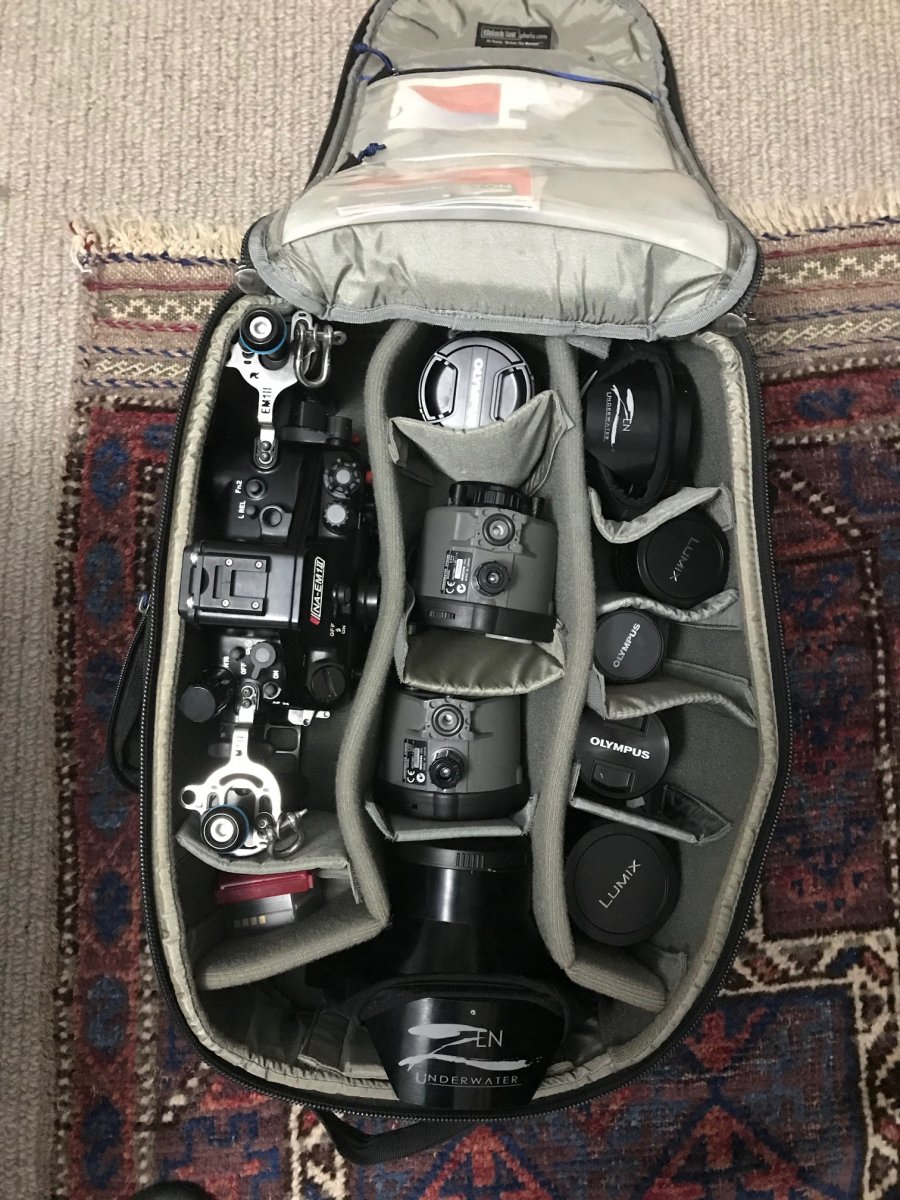
  3. I have an OM-D EM-1 MkII Olympus system and for me it's pretty travel friendly.  Here's a photo of it in my camera backpack ready for travel.  In the backpack is the housing, macro port, 100mm dome, 170mm dome and 4 lenses, plus some accessories, batteries etc.  A laptop is in the sleeve underneath.  Weight is 8-10kg.   I also use a domestic size spinner carry-on when travelling with the system packed in that.

    If you are into such things comparing the EM-1 II sensor with APS-C sensors such as the D-500, sony A series and Canon cams like the D80 show it is a very close match in IQ.  The AF of the EM-1 is a step above the other bodies and works quite well.  the EM-5 III is reported to have similar performance, only downside is the battery is smaller so it's a 2 maybe 3 dive cam rather than a 3 maybe 4 dive cam.

    IMG_2948.jpg

  4. 3 hours ago, PeteAtkinson said:

    I have just downsized from NA-D800 to NA-Z50, a crop sensor mirrorless. The 9" glass dome I had is 3kg, the WWL-C is just over 1 kg.

    I assume you've tried the WWL-C with the 16-50? To me, if starting from scratch that looks like a very good combination. Especially if it can be paired with one of the SMC macro lenses.

  5. Short personal point of view here - I listened to the pod but may have missed a few things due to trying to work at the same time. About size of DSLR vs mirrorless. I agree that on paper you may not save much, given identical sensor size. In practice it might still be significant.

    When I bought my used Sea&Sea housing for Z6/Z7 the guy I bought it from also had a Sea&Sea housing for the D850. Side by side, with equivalent dome ports and 14-30/4 on Z and 16-35/4 on D850, the size difference was notable. At least a larger difference than I expected and it would make a difference both for travelling and handling. It's partly the smaller housing - not much lighter, but smaller. It's partly also needing less extension tube for the Z solution.

    I'm not making the case that it's half the size or anything like that and yes obviously micro 4/3 would be smaller. But to my surprise, my Sea&Sea setup for Z is not much bigger than my old Ikelite setup for Panasonic LX100. Bigger YES but not so much as I would have thought.

  6. 1 hour ago, horvendile said:

    I assume you've tried the WWL-C with the 16-50? To me, if starting from scratch that looks like a very good combination. Especially if it can be paired with one of the SMC macro lenses.

    Yes, WWL-C with the 16-50 kit lens. I liked this approach because it gives me high quality in a small light package with an angle of view I like. I don't shoot macro but the WWL-C can be detached from the flat port in about a second. I think that underwater, mirrorless has few advantages, if any, but above water the focus accuracy is more useful than SLR cameras in my opinion. Either the buffer or the flash (triggering optical strobes) seems to  limit fast shooting on the Z50 even set to 1/32 power.

  7. Just to deploy a little science here...

    Figures are all Sea&Sea/Nikon quoted ones.
    Housings 

    Z6/7: 239 x 169 x 158 (2,700g)
    D850:  246 x 202 x 140 (2,850g)
    So the MDX D850 is 7 mm higher, and 33mm deeper, but is actually 18 mm thinner than the MDX Z6. (I suspect this is to accommodate the FTZ adaptor. 

    Weight difference is 150g (less than the weight of an iPhone 11!)

    As a comparison, Ikelite LX100 : 152 x 185 x 150 mm (1,600g)

    Lenses:

    16-35mm f/4 for D850: 680g
    14-30mm f/4 for Z6/7: 485g

    So Z6/7 lens is 195g lighter

    Ports:

    With the above lenses, they both use the same domes so weight/size is the same.
    Z6/7 uses a 40mm extension at 234g
    D850 uses 2 x 40mm extensions 468g

    So for rectilinear wide angle, the weight saving is around 579g. Space saving is negligible. Just under 600g may be significant, but I don't see it as being a worthwhile reason to spend $1000s in order to do so!

    For this type of shooting, when apertures need to be f/13 or greater to get details in the corners, both systems require big strobes!

    WWL is not rectilinear, and has quite a lot of barrel distortion. It would be wrong to compare the optical results of using WWL with those of a large dome and (in the case of a Nikon DX camera) a 10-24mm f/3.5-4.5 for example. Both are great, but do not replace each other optically.  

    Adam



  8. 19 hours ago, adamhanlon said:

    There tends to be an inevitable focus on upgrading or getting additional performance from underwater camera systems. However, these improvements come at the expense of similar or additional weight and bulk. @Alex_Mustard and @adamhanlon discuss what to consider and the best options when you are seeking to reduce your camera gear's footprint.


    Good article I do not fully agree on the size penalty of Olympus Pro model the EM1 housings are not very large at all Nauticam makes them bigger putting handles around them. Panasonic GH5 is big because the camera has a massive heat sink and is a video beast

    If photos are your only objective a Panasonic GX9 or olympus that is not EM1X is totally adequate as @Alex_Mustard said as long as 20 megapixels is enough. I also want to say that the average MFT user (without offending the category as I am one) is less capable underwater as usually is a guy that came from bottom not downgrading

    So for DSLR you can go down to APSC DLSR if you want to go mirrorless is MFT and there are smaller bodies

  9. 4 hours ago, adamhanlon said:

    Just to deploy a little science here...

    Figures are all Sea&Sea/Nikon quoted ones.

    (...)


    Yeah but my point was, albeit possibly clumsily expressed, that the size difference (not weight difference) looks more significant in reality than the numbers imply. Though of course, that may be subjective and depend on expectations. If I had expected a huge difference I might have thought the difference small when I saw it. As it was, I expected very little difference but it was in fact immediately obvious.

    Note also that while the domes were indeed equal, the 16-35 requires (IIRC) 40 mm extra extension which adds noticeable extra bulk when the system is assembled.

  10. 8 minutes ago, horvendile said:

    Yeah but my point was, albeit possibly clumsily expressed, that the size difference (not weight difference) looks more significant in reality than the numbers imply. Though of course, that may be subjective and depend on expectations. If I had expected a huge difference I might have thought the difference small when I saw it. As it was, I expected very little difference but it was in fact immediately obvious.

    Note also that while the domes were indeed equal, the 16-35 requires (IIRC) 40 mm extra extension which adds noticeable extra bulk when the system is assembled.

    The flange distance difference between mirrorless and DLSR is usually 20-25mm this in the scheme of things is not significant and if you put an adapter you are back where you started

  11. 41 minutes ago, Interceptor121 said:

    The flange distance difference between mirrorless and DLSR is usually 20-25mm this in the scheme of things is not significant and if you put an adapter you are back where you started

    30.5 mm difference in the Nikon case, but unless I misunderstand you this does not matter for what I wrote. The 16-35 requires 80 mm of extension tubes, the 14-30 requires 40 mm. Flange distance does not come into it.

  12. 14 minutes ago, horvendile said:

    30.5 mm difference in the Nikon case, but unless I misunderstand you this does not matter for what I wrote. The 16-35 requires 80 mm of extension tubes, the 14-30 requires 40 mm. Flange distance does not come into it.

    If the lens is not redesigned from scratch the parallax point which is used for the extension calculation does not move 

    So with a mirrorless camera using a lens not designed for mirrorless your extension is longer so even if the housing is more compact there is zero benefit underwater

  13. Yes but the 14-30 is made from scratch for Z. And requires shorter extension than the 16-35. Agreed though, using the 16-35 on a Z camera would net exactly nothing when it comes to domes/extensions.

  14. I did allow for the increased extension needed with the D850. Sea&Sea recommend 2 x 40mm extension for the 16-35mm f/4, whereas the 14-30mm only needs one. The extra 234g is the biggest single weight difference between the systems. Of course , once you get in the water, these differences are negligible...

    I have no idea how the 14-30mm works behind a dome port however. 

    Some other manufacturer's mirrorless housings are actually heavier than their SLR equivalent. 

    I think the crucial point is that simply "moving to mirrorless" will not really save you significant weight or bulk. There may be lots of good reasons for doing so, but these are not among them :)


    Adam

    Edited by adamhanlon
  15. Good discussion. A few things I would add. First please remember that Wetpixel Live is always intended to be a take on a subject, rather than a definite review of an issue. Adam certainly hadn’t done those calculations before we did it, although they do bear out what we were saying. Also WP Live is recorded in one take - and things often come out slightly wrong or get forgotten (there is no edit button like there is here). Although I don’t think there is anything wrong in this one.

    During the discussion we do comment that some people definitely prefer Mirrorless systems and some definitely prefer SLRs irrespective of weight. And this is definitely reason to choose. But the argument of a sideways move within a format from SLR to Mirrorless because of the weight saving does not usually stack up. 

    The big saving is moving to the smaller M43 mirrorless format. Especially some of the smaller, lighter cameras, which can make a massive saving to system weight. Depending on the camera you are downsizing from this might mean a drop is potential image quality - but as we say while you might be able to see the difference on the computer, you probably won’t on the page and certainly not online. And the image quality is definitely still within the “professional quality” expected standards. So it is really up to the individual to learn to deal with that aspect.

    Edited by Alex_Mustard — because I can - wish we had such a button on Wetpixel Live recordings!
  16. Regarding the idea that Sony APS-C cameras are a niche market for housing manufactures is perhaps misunderstood. Housings for A6300/6400/6500/6600 are available from most manufactures for all or some of these cameras. Manufactures include Fantasea, Ikelite, Isotta, Nauticam, Sea & Sea, Seafrogs and more. It would be more accurate to say niche manufactures like Seacan and Subal don't make housings for these cameras. Also Aquatica, Ikelite, Isotta, Nauticam and Sea & Sea have all listed an intent to support the coming Sony A-1 and I suspect Seacam and Subal will perhaps do the same. The Sony A-1 is surely more of a niche camera than the Sony A6000 series cameras. I fully understand the idea that a Sony user could show up on a vacation or workshop may be the only Sony user. I have been in that passion on a number of occasions and ended up helping others more than they needed to help me.  

    Regarding size, most U/W photographers just like land photographers don't need or want to deal with large MP cameras in the 45-60+ megapixel range. I appears that 20-24MPs is the sweet spot for M43, APS-C and full frame for many cameras, including high speed sports cameras. It is also clear that FF cameras in the 20-24MP range out preform M43 and APS-C cameras in terms of image quality. 

    It is clear that DSLR cameras will never be able to compete with mirrorless cameras in regard to size and the gap is widening. Take the new Fujifilm GFX 100S a 100+MP medium format camera which is 150X104X87MM and 900G v. The D850 at 146X124X78.5 and 915G. In addition Fujifilm has been able to reduce the size of the lenses v. past MF lenses.

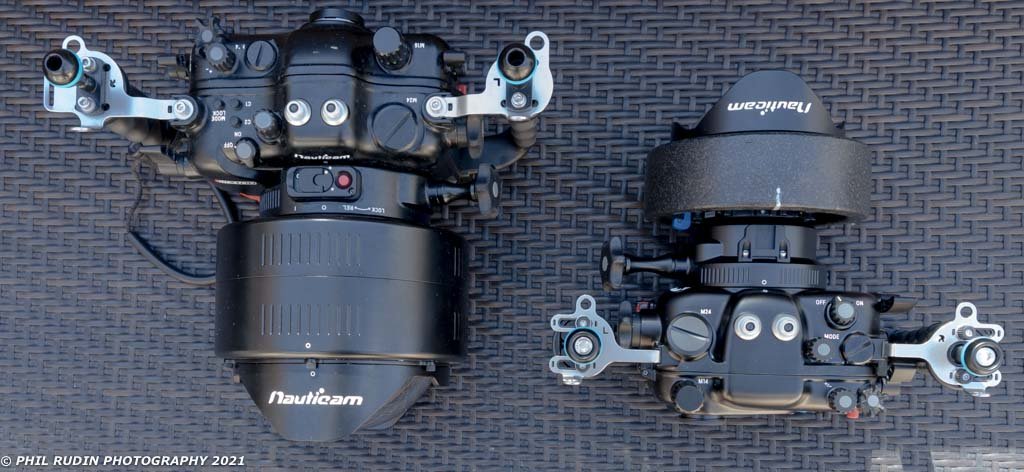
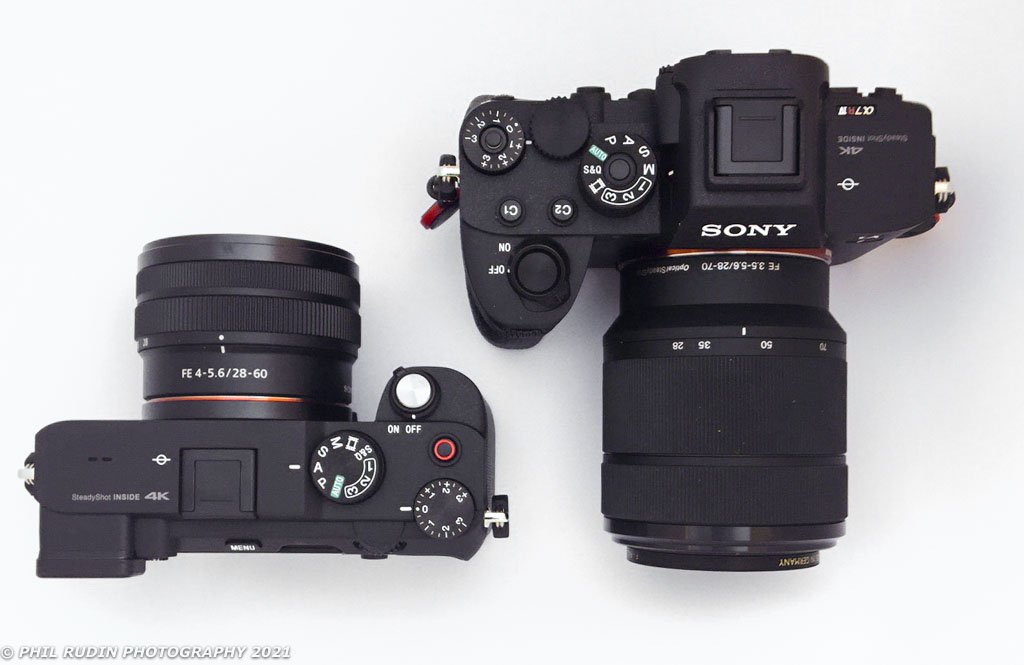
    Lastly the new Sony A7c camera and 28-60mm zoom are just a glimpse into the future of mirrorless camera size. The full frame 24.2 BSI sensor camera that is smaller and lighter than the Olympus EM1 III, Comparing Nauticam housings the NA-A7C housing is smaller at 307/172/103 and 1.78kg v 305/175/116 and 2kg for EM1 III. I fully agree that the Sony full frame lenses are bigger and require larger ports. The system can however be used with the 45 port and WWL-1. The Sony 28-60mm zoom is the only full frame lens I am aware of that works with WWL-1, which is very well suited to the 24MP sensor. While the lens works great with the 61MP A7R IV and WACP realistically most users will opt for the WWL-1 simply because of cost just as they may select CMC closeup lenses over SMC C/U lenses. For macro the housing requires that same N100 macro port for the 90mm macro as is does for all of the Sony FF cameras. 

    What is most important to come away with here is that the A7C and 28-60 zoom will likely not be the end of the story. I suspect that smaller FF lenses for this camera will be coming. I also see the ability for a future high res version of the camera. 

    Images are of the already very small Sony A7R IV and Sony FE 28-70mm with the WACP and the A7C with the 28-60 and WWL-1.  


    untitled-02285.jpg

    untitled-2638.jpg

  17. Regarding the idea that Sony APS-C cameras are a niche market for housing manufactures is perhaps misunderstood. Housings for A6300/6400/6500/6600 are available from most manufactures for all or some of these cameras. Manufactures include Fantasea, Ikelite, Isotta, Nauticam, Sea & Sea, Seafrogs and more. It would be more accurate to say niche manufactures like Seacan and Subal don't make housings for these cameras. Also Aquatica, Ikelite, Isotta, Nauticam and Sea & Sea have all listed an intent to support the coming Sony A-1 and I suspect Seacam and Subal will perhaps do the same. The Sony A-1 is surely more of a niche camera than the Sony A6000 series cameras. I fully understand the idea that a Sony user could show up on a vacation or workshop may be the only Sony user. I have been in that passion on a number of occasions and ended up helping others more than they needed to help me.  
    Regarding size, most U/W photographers just like land photographers don't need or want to deal with large MP cameras in the 45-60+ megapixel range. I appears that 20-24MPs is the sweet spot for M43, APS-C and full frame for many cameras, including high speed sports cameras. It is also clear that FF cameras in the 20-24MP range out preform M43 and APS-C cameras in terms of image quality. 
    It is clear that DSLR cameras will never be able to compete with mirrorless cameras in regard to size and the gap is widening. Take the new Fujifilm GFX 100S a 100+MP medium format camera which is 150X104X87MM and 900G v. The D850 at 146X124X78.5 and 915G. In addition Fujifilm has been able to reduce the size of the lenses v. past MF lenses.
    Lastly the new Sony A7c camera and 28-60mm zoom are just a glimpse into the future of mirrorless camera size. The full frame 24.2 BSI sensor camera that is smaller and lighter than the Olympus EM1 III, Comparing Nauticam housings the NA-A7C housing is smaller at 307/172/103 and 1.78kg v 305/175/116 and 2kg for EM1 III. I fully agree that the Sony full frame lenses are bigger and require larger ports. The system can however be used with the 45 port and WWL-1. The Sony 28-60mm zoom is the only full frame lens I am aware of that works with WWL-1, which is very well suited to the 24MP sensor. While the lens works great with the 61MP A7R IV and WACP realistically most users will opt for the WWL-1 simply because of cost just as they may select CMC closeup lenses over SMC C/U lenses. For macro the housing requires that same N100 macro port for the 90mm macro as is does for all of the Sony FF cameras. 
    What is most important to come away with here is that the A7C and 28-60 zoom will likely not be the end of the story. I suspect that smaller FF lenses for this camera will be coming. I also see the ability for a future high res version of the camera. 
    Images are of the already very small Sony A7R IV and Sony FE 28-70mm with the WACP and the A7C with the 28-60 and WWL-1.  
      
    untitled-02285.thumb.jpg.de41c08c85b116e207b5bba4b38d0767.jpg
    untitled-2638.thumb.jpg.ee66e88fd5d99d2cda0dda9379dfef7b.jpg

    Although at same settings a larger sensor produces a higher IQ once you work at constrained depth of field the benefit is zero
    So your full frame fisheye at f/11 is aspc at f/8 and MFT at f/5.6
    Your two stops ISO benefit is gone
    As a land based full frame user the benefit is in those situations where I can have a different look for example shooting f/2 wt night where f/1 on MFT doesn’t exist
    Or bright scenes where full well capacity of full frame just gives more detail
    Underwater those benefits for most dont exist
    What is different is that some larger cameras are just better camera either for af, battery life functionality
    Then of course WACP type solutions bring back the gap however they are expensive


    Sent from my iPhone using Tapatalk
  18. Good discussion. A few things I would add. First please remember that Wetpixel Live is always intended to be a take on a subject, rather than a definite review of an issue. Adam certainly hadn’t done those calculations before we did it, although they do bear out what we were saying. Also WP Live is recorded in one take - and things often come out slightly wrong or get forgotten (there is no edit button like there is here). Although I don’t think there is anything wrong in this one.
    During the discussion we do comment that some people definitely prefer Mirrorless systems and some definitely prefer SLRs irrespective of weight. And this is definitely reason to choose. But the argument of a sideways move within a format from SLR to Mirrorless because of the weight saving does not usually stack up. 
    The big saving is moving to the smaller M43 mirrorless format. Especially some of the smaller, lighter cameras, which can make a massive saving to system weight. Depending on the camera you are downsizing from this might mean a drop is potential image quality - but as we say while you might be able to see the difference on the computer, you probably won’t on the page and certainly not online. And the image quality is definitely still within the “professional quality” expected standards. So it is really up to the individual to learn to deal with that aspect.

    One thing that I think you guys have missed is that smaller format wider aperture means smaller strobes
    A pair of prosumer plastic strobes is adequate for MFT borderline for APSC and small for full frame
    I think you need to look at the whole system beyond housing and ports
    Perhaps a MFT pro camera is still bulky but a pair of mid sea and sea or inon are less bulky and cheaper than other solutions and with a smaller format will deliver the goods


    Sent from my iPhone using Tapatalk
  19. Even if what you are saying is true and I don't agree that it is I still end up with a 6000 X 4000 max res file at 14 bit while you end up with a 5184 X 3888 max with 12 bit depth on M43. If you go to the A7R IV it extends to 9504 X 6336 max res at 14 bit. I can use the A7r IV in APS-C mode and get a 26MP file that for sure has better IQ than M43 and is better than most APS-C cameras.

    I was both a 43 user and a M43 user for years so I understand the differences. I still own an E-3 and a EM-1 II cameras with a verity of lenses but with the exception of the 300mm F/4 for its size I no longer find any upside over FF. I would prefer a so called full frame camera in the 4:3 format because it is better to me than 3:2 but that is a discussion for another day.

    I have also used the M43 kit lens, 14-42 with WWL-1 and I have used A7R IV and A7C with WWL-1 the quality on FF is excellent. I like the WACP-1 but with the Sony 28-60 zoom you have choices on any Sony FF camera regardless of the number of MPs.  

  20. 1 hour ago, Interceptor121 said:


    A
    What is different is that some larger cameras are just better camera either for af, battery life functionality


    Sent from my iPhone using Tapatalk

    +1 on this point. The Canon 1D4 and Nikon D2X2 were the last crop bodies with the big batteries and had state of the art AF for their time. Issue for me is for cold water use such as temperatures around 5C/40F typical of groundwater fed streams and so have better viz than others in my area. For more recent bodies (Canon 1Dx and Nikon D4S) vastly improved high ISO (e.g., 12800) has increased (relative to the last croppers ((just mentioned))  my shooting capability as well.

Isotta

Account

Navigation

Search

Search

Configure browser push notifications

Chrome (Android)
  1. Tap the lock icon next to the address bar.
  2. Tap Permissions → Notifications.
  3. Adjust your preference.
Chrome (Desktop)
  1. Click the padlock icon in the address bar.
  2. Select Site settings.
  3. Find Notifications and adjust your preference.