



13 hours ago, ChrisRoss said:I could post the 100% crop here for comparison, but would need the image author's permission to do so.
Go for it Chris.
Photography Gear and Technique / Archived topic
Started by phil.elsasser ·
Read-only discussion
13 hours ago, ChrisRoss said:I could post the 100% crop here for comparison, but would need the image author's permission to do so.
Go for it Chris.
5 hours ago, RVbldr said:Go for it Chris.
This is a 1000 pixel wide centre crop of the unprocessed Raw image, it looks a little better if you click on it as the forum software is compressing it to 700 pixels wide inline.
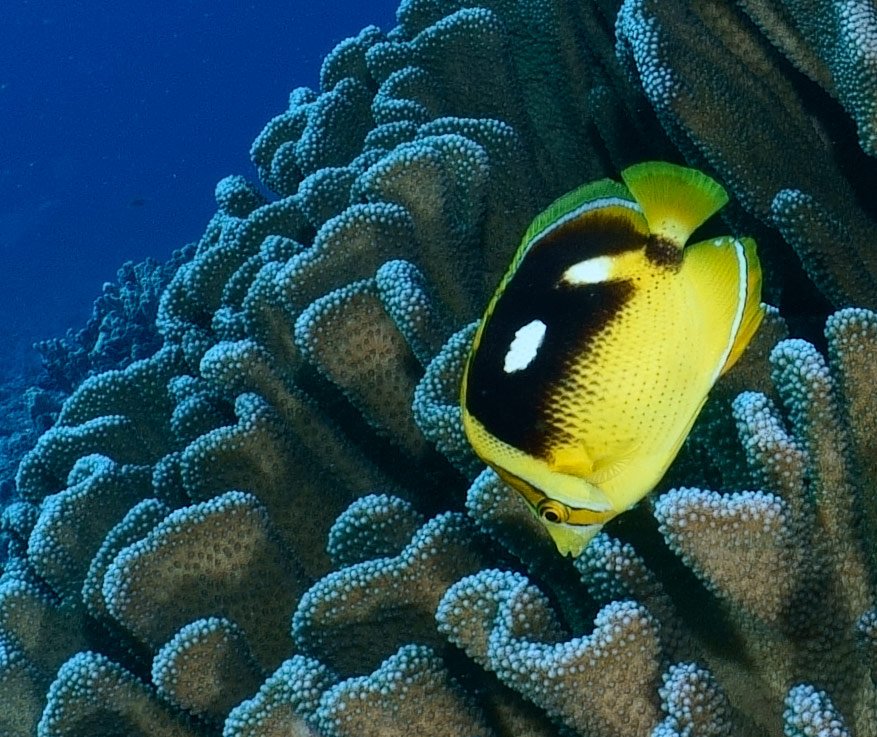
I am not sure I follow this logic of the focus point being the coral and way down in the corner no where near in the same plane of focus you would not expect the corner to be soft. Further I don't grasp the premise that many believe that a fisheye corrects this problem, especially when used with a small port.
I have attached some Fisheye shots that seem to suffer the same corner results as other lenses.
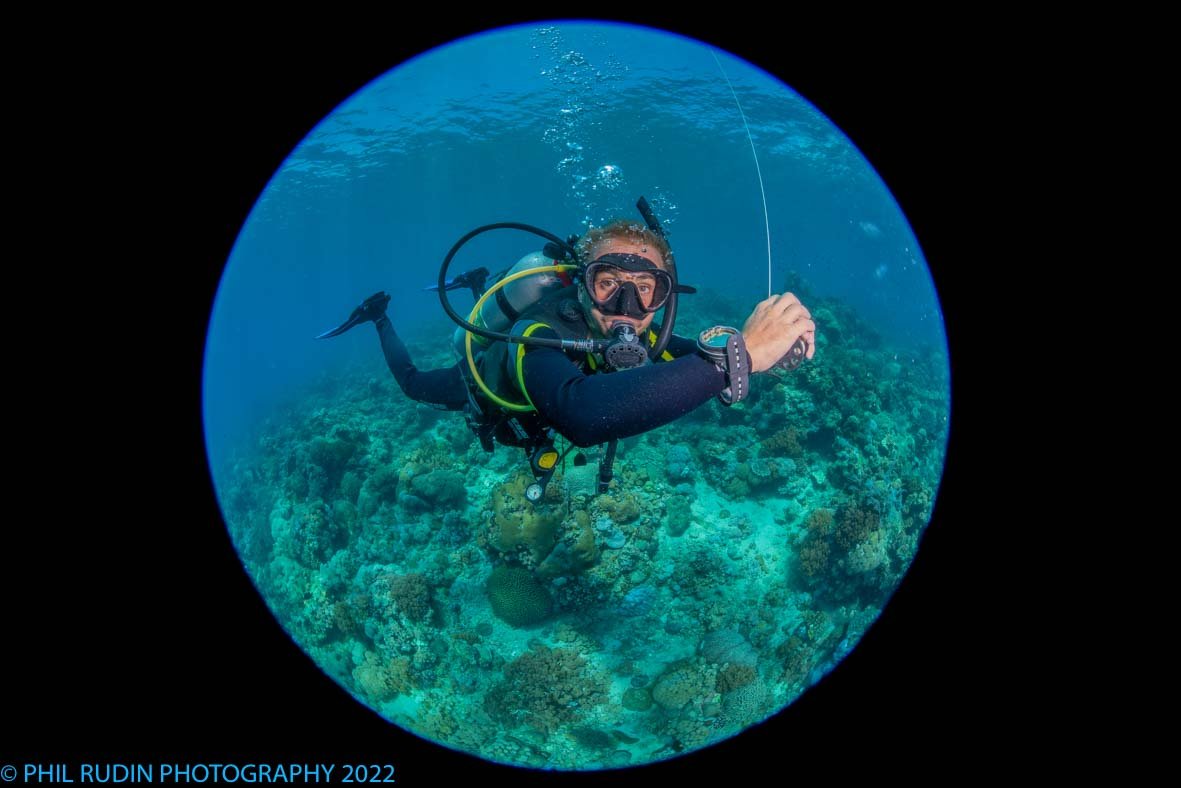
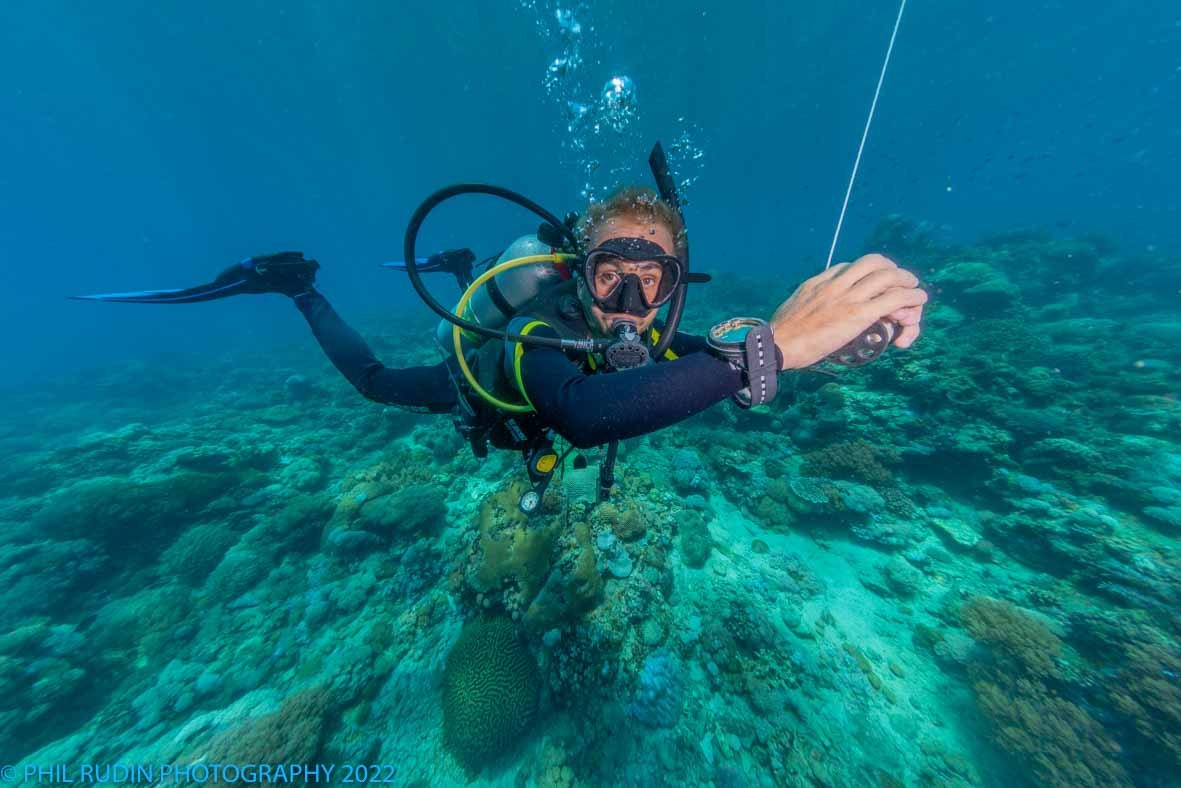
The first is an Olympus 8mm fisheye and as Adam suggested you can focus on the dome with the glove in focus and hardly anything else is in focus at F/7.1 with a 140mm dome. #2 is the Canon 8-15 at 15mm and F/8 with a 100mm dome shot at F/8 and the Canon 8-15mm at 8mm and F/11 with a 100mm port. all suffer from soft corners and if you use the lens profile for C-8-15 in Lightroom it de-fishes the lens and the problem becomes even worse.
All images are un-cropped.
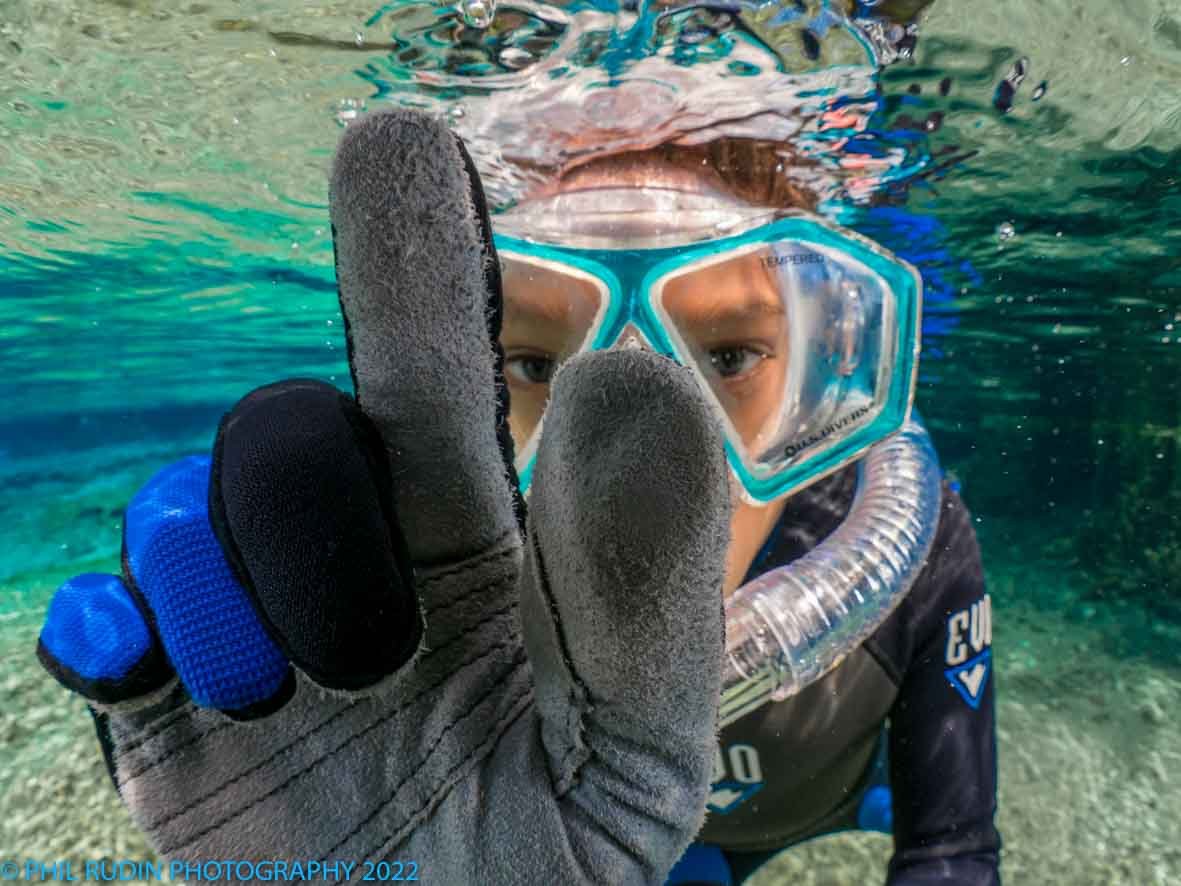
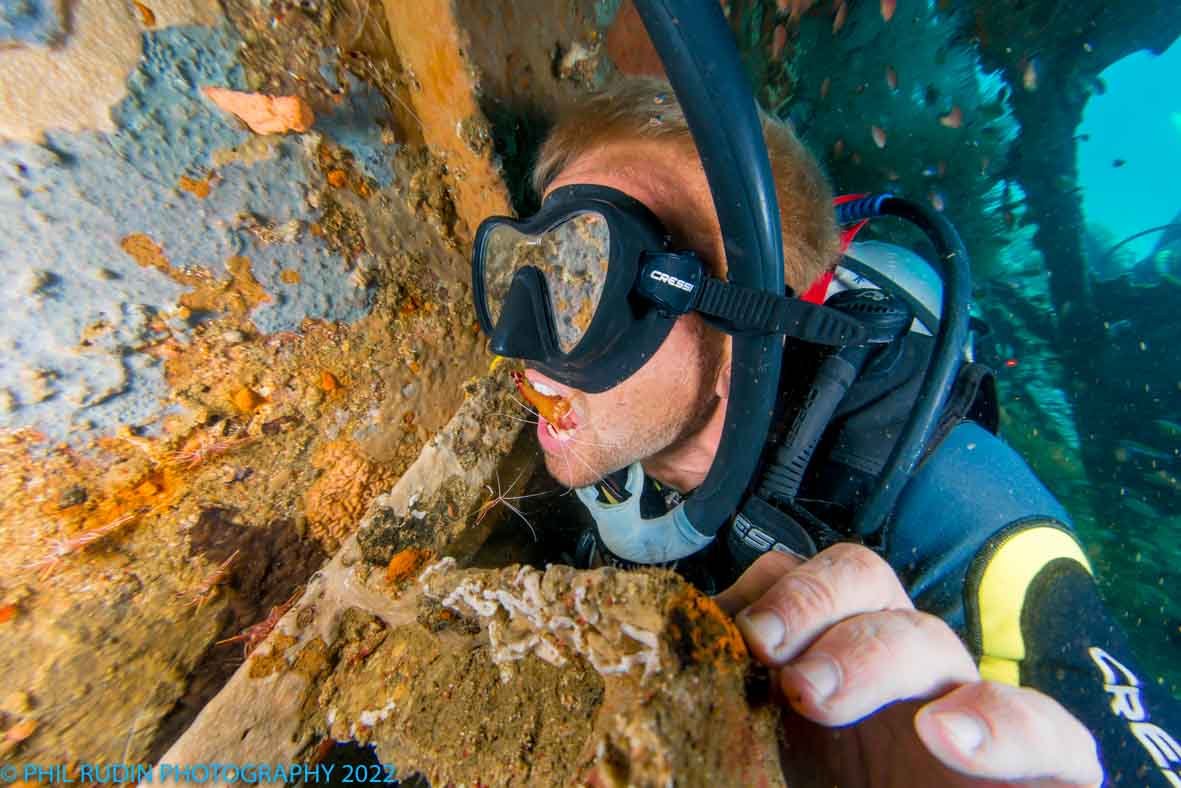
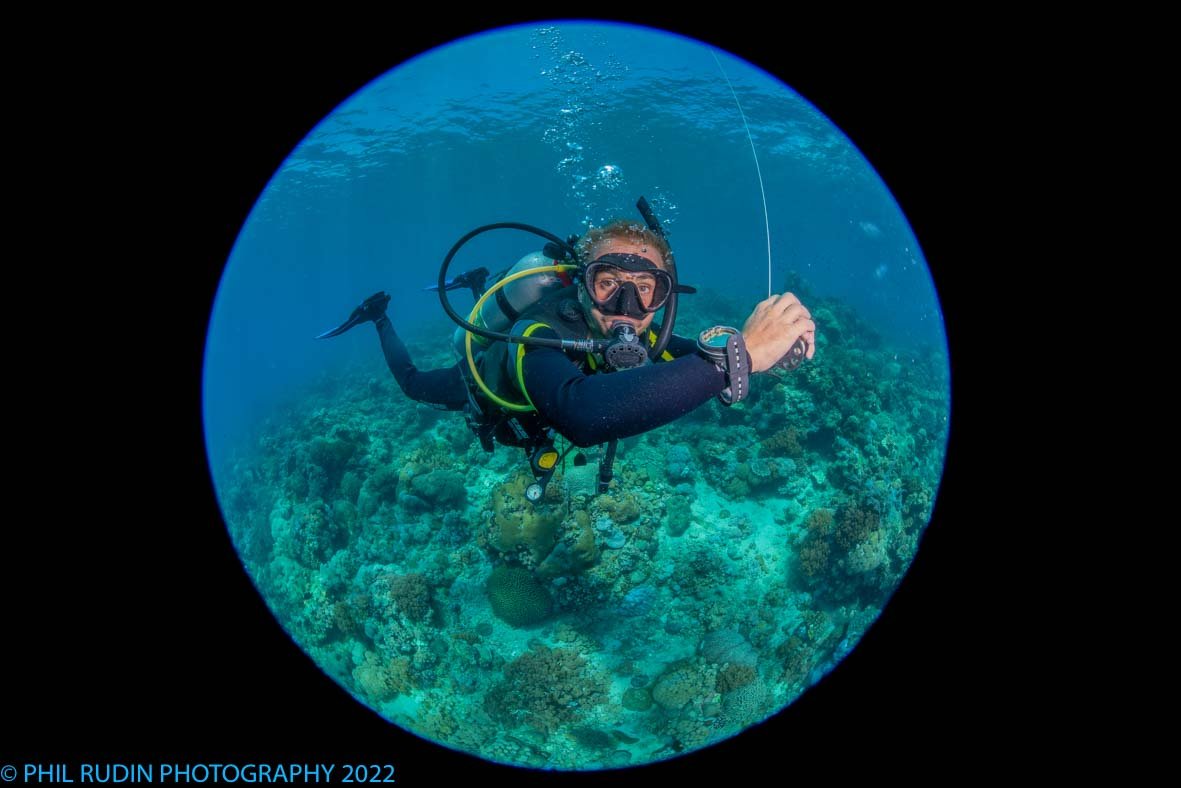

1 hour ago, Phil Rudin said:I am not sure I follow this logic of the focus point being the coral and way down in the corner no where near in the same plane of focus you would not expect the corner to be soft. Further I don't grasp the premise that many believe that a fisheye corrects this problem, especially when used with a small port.
I have attached some Fisheye shots that seem to suffer the same corner results as other lenses.
The first is an Olympus 8mm fisheye and as Adam suggested you can focus on the dome with the glove in focus and hardly anything else is in focus at F/7.1 with a 140mm dome. #2 is the Canon 8-15 at 15mm and F/8 with a 100mm dome shot at F/8 and the Canon 8-15mm at 8mm and F/11 with a 100mm port. all suffer from soft corners and if you use the lens profile for C-8-15 in Lightroom it de-fishes the lens and the problem becomes even worse.
All images are un-cropped.
This is really a different issue Phil, the first 2 shots have limited depth of field as you are focused in very close and some parts of the image in the centre are also a little soft where they are not at the main subject distance. The corners are either much closer or much further away than the main subject.
For the Coral shot while the coral head and sea floor are different distances, it is in no way a CFWA type shot and the depth of field at f13 should cover the full scene and the corners are a little soft due to the lens/WWL optics. If you look closely at the bottom edge sharpness improves towards the centre bottom and you can see unsharp/sharp boundary is more or less circular even though all along the bottom seems to be at a similar distance. The corners fall off in sharpness due to the optics not a lack of depth of field.
Whether that is a problem for the coral head shot is purely subjective - I'd be quite happy with that shot myself but with a different subject/composition maybe less so?
@Phil Rudin
@ChrisRoss has explained it perfectly!
The issue here is not one of (camera) focus. It is an issue of depth of field. I would say that I would expect better corners with shot #4 with the 8-15mm at f/11.
 Perhaps this emphasises the problems with very small domes. They are great for CFWA (as they allow lighting) but are optically always a significant compromise. With full frame cameras, I prefer to shoot anything scenic with a dome of 170mm or greater (but will use smaller domes for specific purposes)
You are entirely correct that fisheye lenses suffer from the same optical problems as any other lens. It is just that due to the barrel distortion in the image, the corner sharpness seems (creatively) less noticeable.
1 hour ago, adamhanlon said:@Phil Rudin
@ChrisRoss has explained it perfectly!
The issue here is not one of (camera) focus. It is an issue of depth of field. I would say that I would expect better corners with shot #4 with the 8-15mm at f/11.
You are entirely correct that fisheye lenses suffer from the same optical problems as any other lens. It is just that due to the barrel distortion in the image, the corner sharpness seems (creatively) less noticeable.
Yes, but pure geometry says the cause of the corners problems is different.
Even further Rectilinear lenses render a straight line parallel to the sensor as a straight line. But if the line runs from one edge of the frame to the other at a constant distance from the camera that line gets longer as the angle of view increases meaning that the line where it crosses the edge of the frame gets physically further from the camera. This is I think one of the limits to designing wider rectilinear lenses. if the angle of view is 180° the line where it crosses the edge of the frame is at infinity. In a dome UW, the straight line is effectively a curved virtual image of the physical line and the corners being closer to the camera no longer lie within the depth of field which is thick plane surface parallel to the camera.
A fisheye on the other renders an arc centred on the entrance pupil as a straight line on the sensor and every thing at the same radius is in focus - in theory. I don't know the exact causes for corner unsharpness in fisheye lenses. It is probably a combination of errors in placement of the entrance pupil at the dome centre of curvature, with optical aberrations present in the lens -and possibly optical issues with the dome itself towards the edge of the dome. Also the lens itself may not have the zone of sharpest focus as a perfect sphere, while the virtual image is a perfect sphere.
A larger dome I suspect is more forgiving on placement error (as a percentage of dome radius), it will certainly be more forgiving if the zone of sharpest focus of the lens is not perfectly spherical. This effectively explains why fisheyes can use smaller domes and wider apertures compared to rectilinear lenses before starting to have problems in the corners. It is like they were designed with the curved virtual image of a dome UW in mind.
@ChrisRoss
Sorry, way but a great discussion!
The fisheye is still using a virtual image created by the dome. This is "located" in front of the port at a distance of 3 x the radius of the dome. So with a 4" dome, the virtual image will be 6" in front of the dome, but with a 7" dome, this will be 10.5" away.
Dome ports are curved and hence the projected virtual images are too. I suspect that the soft focus is due to the extreme arc of curvature caused by using a small dome, combined with the fact that as the virtual image curves, the corners end up simply being too close to the lens for its minimum focus.
On 1/10/2022 at 7:56 PM, phil.elsasser said:Super excited to be upgrading to a FF camera from many years of shooting M4/3s.
I previously shot the Panasonic 8mm FE lens for wide angle shots and am now debating between two options for a WA set up with the Sony.
Option 1:
Sony 28-60mm with the WWL-1B
Option 2:
Canon 8-15mm with the 140MM glass dome
I am mainly a stills shooter and I think am more concerned with IQ and sharpness than the flexibility of being able to zoom to a 60mm. Would love any help in deciding. It seems that the WWL-1B set up is rather new, so I haven't been able to find any sample images taken with it or good info on how it will perform with that lens from Sony.
Thank you all for the time and responses!
Phil
Hi Phil,
This thread has gone way off the rails so I will respond to your original question. First let me say I have been shooting Sony since A7r II/A7 II and have used the Canon 8-15 with Metabones and Sigma adapters. It does an excellent job if you like the distorted look of the 15mm Full frame and 8mm circular look. I have not found corner sharpness to be any better shooting fisheye than with the WWL-1/1B, both have the same glass.
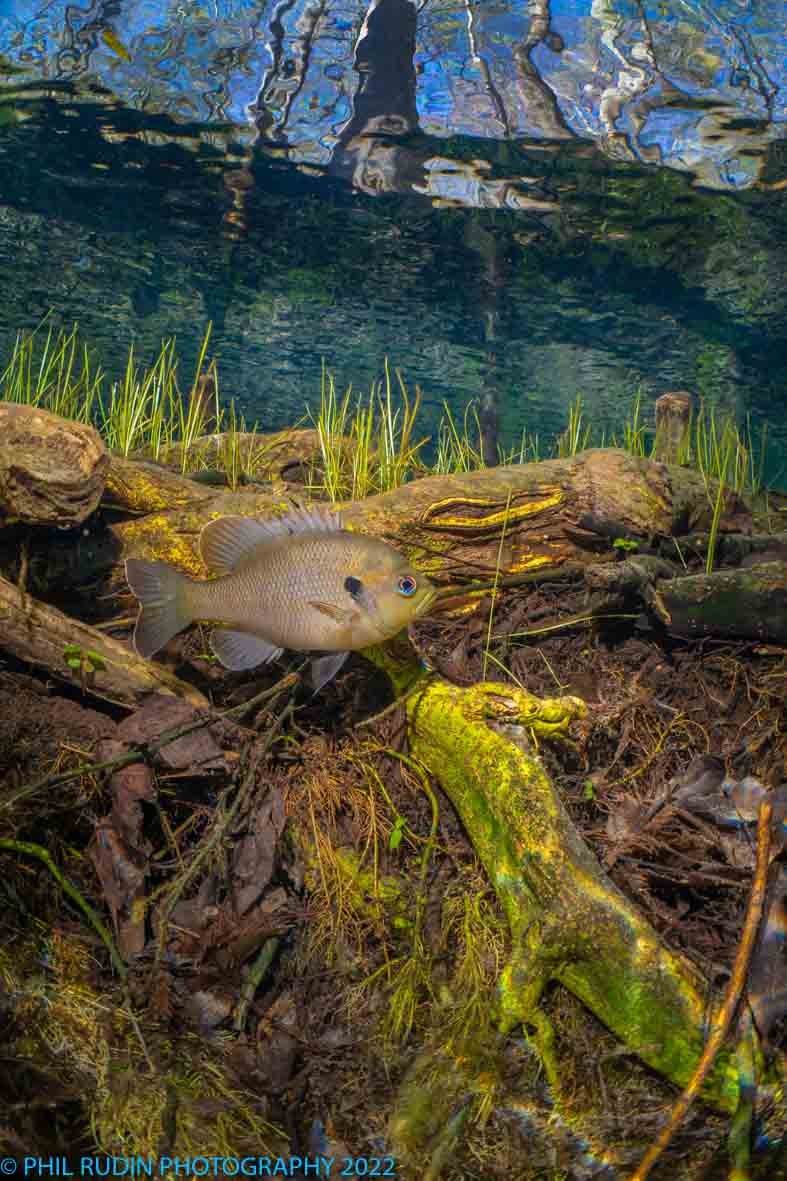
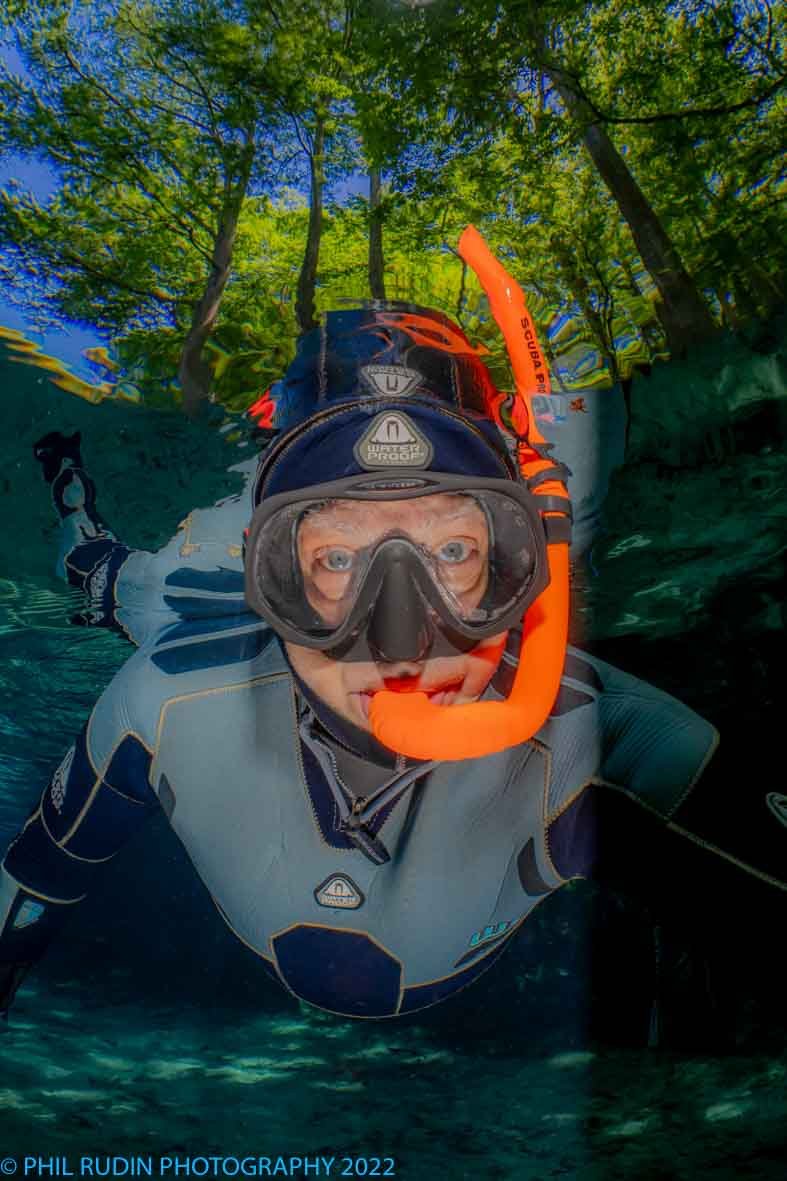
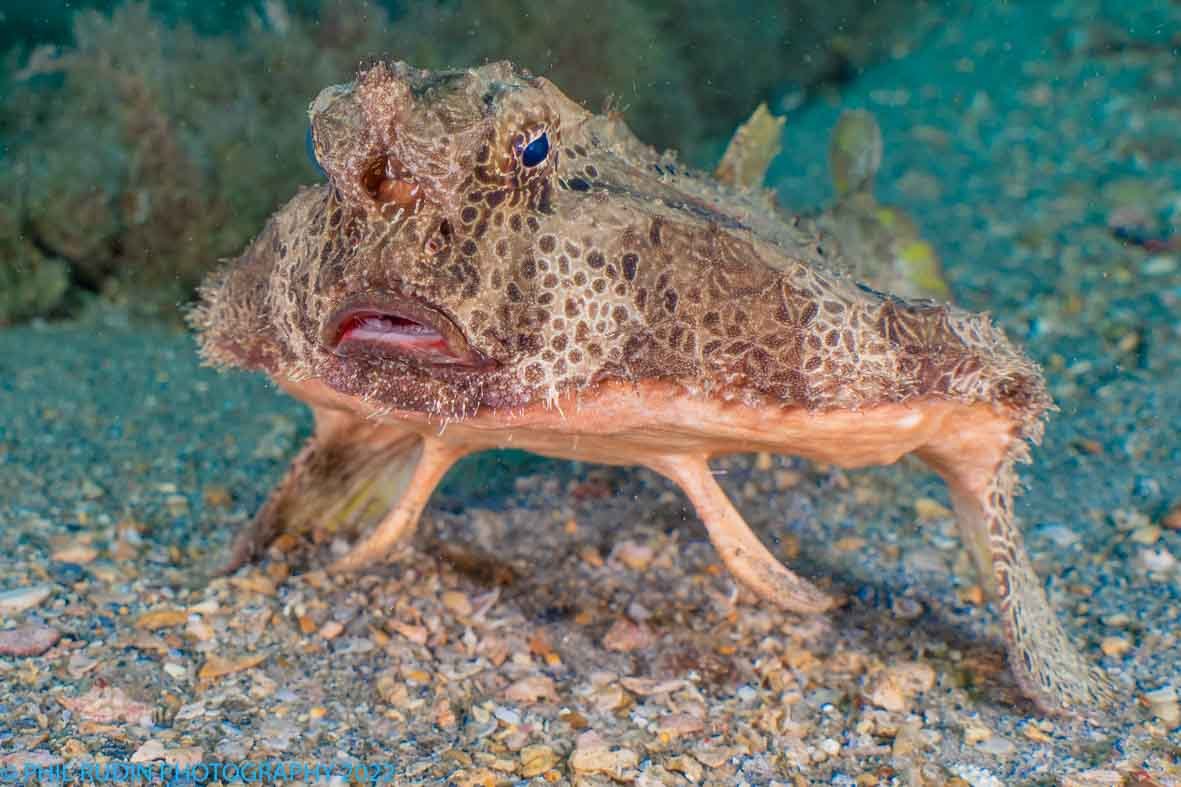
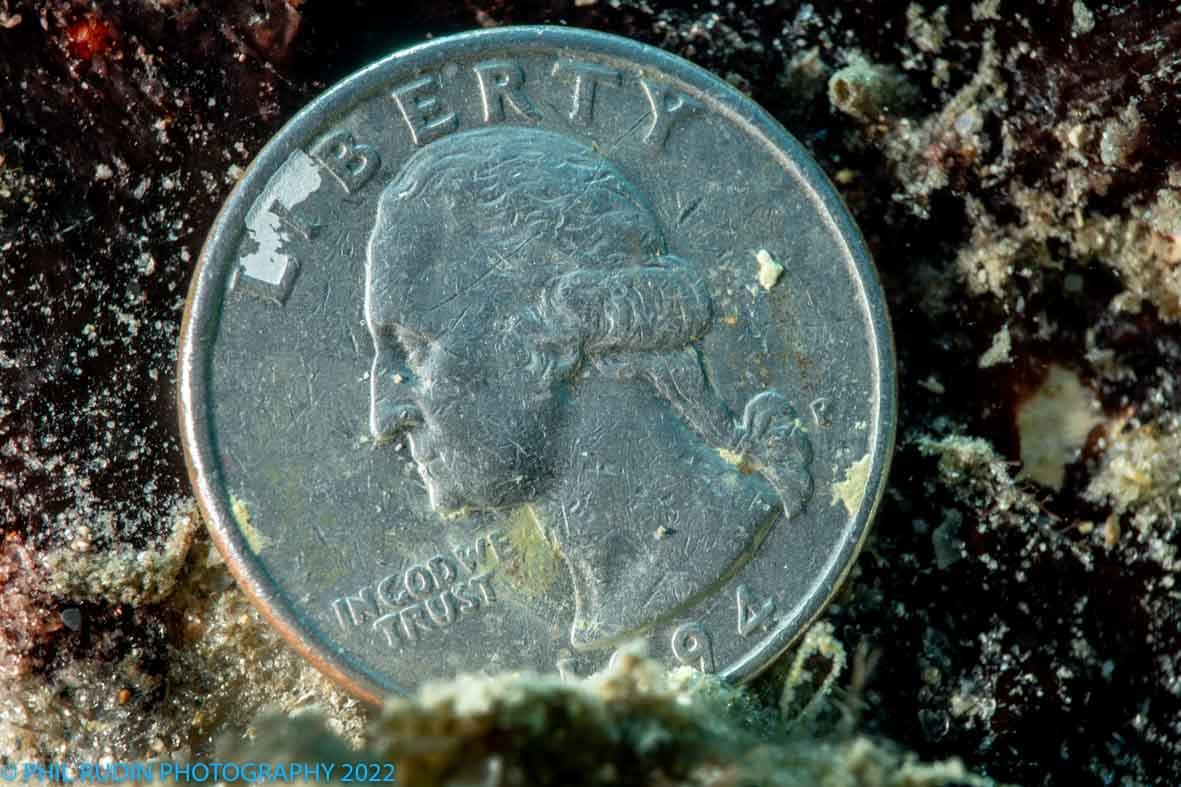
I have used the Sony FE 28-60 since its release with the A7C, A7R IV and A1. I also used the WWL-1 with the Sony FE 28mm F/2 and 14-42 on M43 cameras. My recommendation is for the 28-60/WWL-1 combo over a fisheye, if you can't have both. For me it is more versatile both in and out of the water and the lens for a "kit" has excellent image quality. With the 28 end of the lens and WWL you get a 130 degree AOV which to me is often more manageable than the 180 and beyond AOV. At the 60mm end with the flat port you get very close to 1:1 and if you add a CMC-1 you get beyond life size. I use both lenses but tend to use the 28-60 much more. While the 28-60 is not a traditional rectilinear lens it is much much closer to rectilinear than it is to any fisheye.
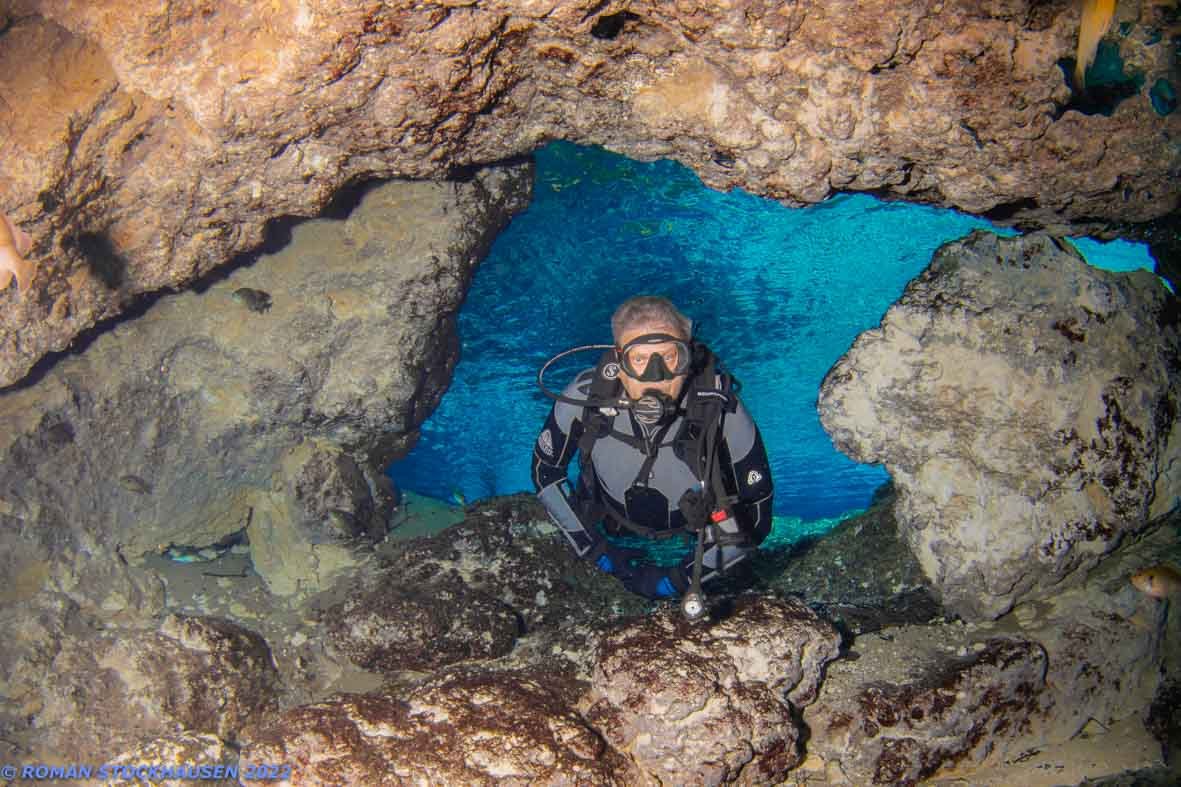
You may be able to judge your tolerance for corner sharpness from these photos.
I attached a few photos to illustrate it range.
@Phil Rudin - I greatly appreciate your response and wisdom. I have read the uwpmag reviews you have written and they are definitely a wonderful resource.
I ended up pulling the trigger yesterday to start out with the 8-15mm. Mainly it came down to the fact that I wanted to ease the transition into a new system and figure it would be closest to the Panasonic 8mm on M43 that I was shooting before and was happy with.
Mainly I decided that this would give me a good comparison to understand the new FF system and then could always add the 28-60 / WWL-1B, especially if I end up shooting more video which I plan to learn a bit more of.
Thanks to everyone who contributed to this thread, its been really helpful.
P.S I got my new A1 just the other day and took it out to shoot the migrating Bald Eagles that call Colorado home in the winter. I am blown away at the AF on this thing, cannot wait to use it more.
18 hours ago, ChrisRoss said:This is really a different issue Phil, the first 2 shots have limited depth of field as you are focused in very close and some parts of the image in the centre are also a little soft where they are not at the main subject distance. The corners are either much closer or much further away than the main subject.
For the Coral shot while the coral head and sea floor are different distances, it is in no way a CFWA type shot and the depth of field at f13 should cover the full scene and the corners are a little soft due to the lens/WWL optics. If you look closely at the bottom edge sharpness improves towards the centre bottom and you can see unsharp/sharp boundary is more or less circular even though all along the bottom seems to be at a similar distance. The corners fall off in sharpness due to the optics not a lack of depth of field.
Whether that is a problem for the coral head shot is purely subjective - I'd be quite happy with that shot myself but with a different subject/composition maybe less so?
Hi Chris,
I release the photos V. the reef shot are not apples to apples but the fact still remains that the idea of the fisheye lens is to allow you to get very close and while the center of the frame at 100%, (attached) looks very sharp to me I respect your higher standards.
To your second point I have attached a non-CFWA shot using the Tokina 10-17mm at F/8 in an eight inch dome using a Canon EOS Rebel SL3 (smaller sensor camera). The 10-17 is by far the worst fisheye lens I have ever used but the results are the same along the bottom of the frame where the center part of the frame is in focus and gets progressively worse towards the corners. This issue occurs with all optics not just the Tokina or the WWL-1.
10 hours ago, adamhanlon said:@Phil Rudin
@ChrisRoss has explained it perfectly!
The issue here is not one of (camera) focus. It is an issue of depth of field. I would say that I would expect better corners with shot #4 with the 8-15mm at f/11.
You are entirely correct that fisheye lenses suffer from the same optical problems as any other lens. It is just that due to the barrel distortion in the image, the corner sharpness seems (creatively) less noticeable.
Hi Adam,
Regarding photo number four I guess I failed to explain completely. Image #3 and image #4 are the same image. The #4 image has the Lightroom lens profile applied and it has de-fished the image and made the background much worse. I have found that using lens profiles with lenses behind domes always results in softer corners and in the case of the 8m circular fisheye the results are most evident.
I agree regarding FF compromises which are as bad for fisheye lenses as for rectilinear lenses.
The photos again.
11 hours ago, Phil Rudin said:Hi Adam,
Regarding photo number four I guess I failed to explain completely. Image #3 and image #4 are the same image. The #4 image has the Lightroom lens profile applied and it has de-fished the image and made the background much worse. I have found that using lens profiles with lenses behind domes always results in softer corners and in the case of the 8m circular fisheye the results are most evident.
I agree regarding FF compromises which are as bad for fisheye lenses as for rectilinear lenses.
The photos again.
Regarding the "defished" photo from the 8mm circular fisheye I would like to say that the comparison to a regular rectilinear WA lens is not fair: The defished image has a diagonal AOV of almost 180°. A (hypothetical) focal length for rectilinear of 1mm would yield 175° and 2mm yield 170°. Such lenses do not exist and the AOVs of available lenses are substatial smaller and the focal lengths longer. One should crop the image e.g. to give diagonal AOV of 144°, corresponding to 7mm and then compare the corners...
Similar is the situation when comparing corner sharpness of the 15mm fisheye (180°) with the WWL1 (130°)...
Wolfgang
I don't know why this has been so hard to understand. The point is DO NOT use lens profiles in your software with dome ports or you will get the attached image rather than the usable circular fisheye image. I am in no way trying to make any type of comparison I am only trying to illustrate lens profiles BAD no lens profile GOOD.
7 hours ago, Phil Rudin said:I don't know why this has been so hard to understand. The point is DO NOT use lens profiles in your software with dome ports or you will get the attached image rather than the usable circular fisheye image. I am in no way trying to make any type of comparison I am only trying to illustrate lens profiles BAD no lens profile GOOD.
I think the confusion arises from the fact that de-fishing is not your typical lens profile. Many new rectilinear wide lenses depend upon lens profiles to correct distortion and other issues, particularly m43 lenses but probably many others as well. I certainly agree you don't want to de-fish your fisheye images as all the corner detail gets stretched out and this rarely works well.
Rectilinear wide lenses may or may not be adversely impacted by their built-in lens profiles when used in a dome and for them the message is try turning off the profiles and see if you like the results better. They are normally on by default. De-fishing would normally be off by default.
Hi @Phil Rudin,
Can you share the camera settings for the pictures? I appreciate that you are showing the versatility of the zoom, but judging corner sharpness with this information is difficult.
I would say that the corners in images 1 and 2 are pretty soft (and there is quite a lot of barrel distortion)
Adam
Hi Adam,
I have posted a number of photos some twice on the top pages of this thread. tell me which photos you are referring too and I will be happy to post the information.
17 hours ago, Phil Rudin said:Hi Adam,
I have posted a number of photos some twice on the top pages of this thread. tell me which photos you are referring too and I will be happy to post the information.
Hi Phil-thank you!
The ones that I am most interested in are the first 2 of your images that you posted using the 28-60mm. On eos of a fresh watrer fish and the other is of a snorkeler in Snells window.
Hi Adam,
The fish is with the Sony A7C 24mp camera in Nauticam NA-A7C housing with the Sony FE 28-60mm "kit" lensat 28mm full 4000X 6000 resolution, borrowed WWL-1, ISO-400, F/10, 1/125th sec in RAW, with two Inon Z-330 strobes. Point of focus was the fish.
The Snorkeler is a selfie taken with the Sony A150MP in a Nauticam NA-A1 housing with the Sony FE 28-60mm kit lens shooting in APS-C mode at 29mm with WWL-1B, Inon Z-330 strobes, ISO-500, F/8 1/500th sec.
Also Adam my account is maxed out on space and I can't find a way to remove old photos to make room for future posts.
Hi @Phil Rudin, thank you very much for your detailed information about the 28-60 and wwl1 combo in this and other posts. i would like to upgrade my 1 inch compact camera to a high resolution a7 camera soon.
could you possibly make a statement as it is with flares when the sun is in the picture? with my current setup (rx100 + fantasea uwl09) the flares are very strong and i often have problems while focusing when the sun is in the picture and i'm in more shallow water.
Another point that interests me is the aperture range when taking photos in wide angle. is that often the range f5.6-8 or f8-11 or f11-16?or as a specific example with CFWA images, do you have to stop down as much for a larger depth of field? It is clear to me that you can not make a general statement here but i started with the rx100 a few years ago and a too small depth of field was never a problem in any situation.
thank you
samuel
Hi Samuel,
First I try to avoid shooting into the sun with any wide lens to avoid flare. The Sony A1 can do full frame sync at 1/400th sec.or 1/500th in APS-C mode which is a big help in shallow clear water.
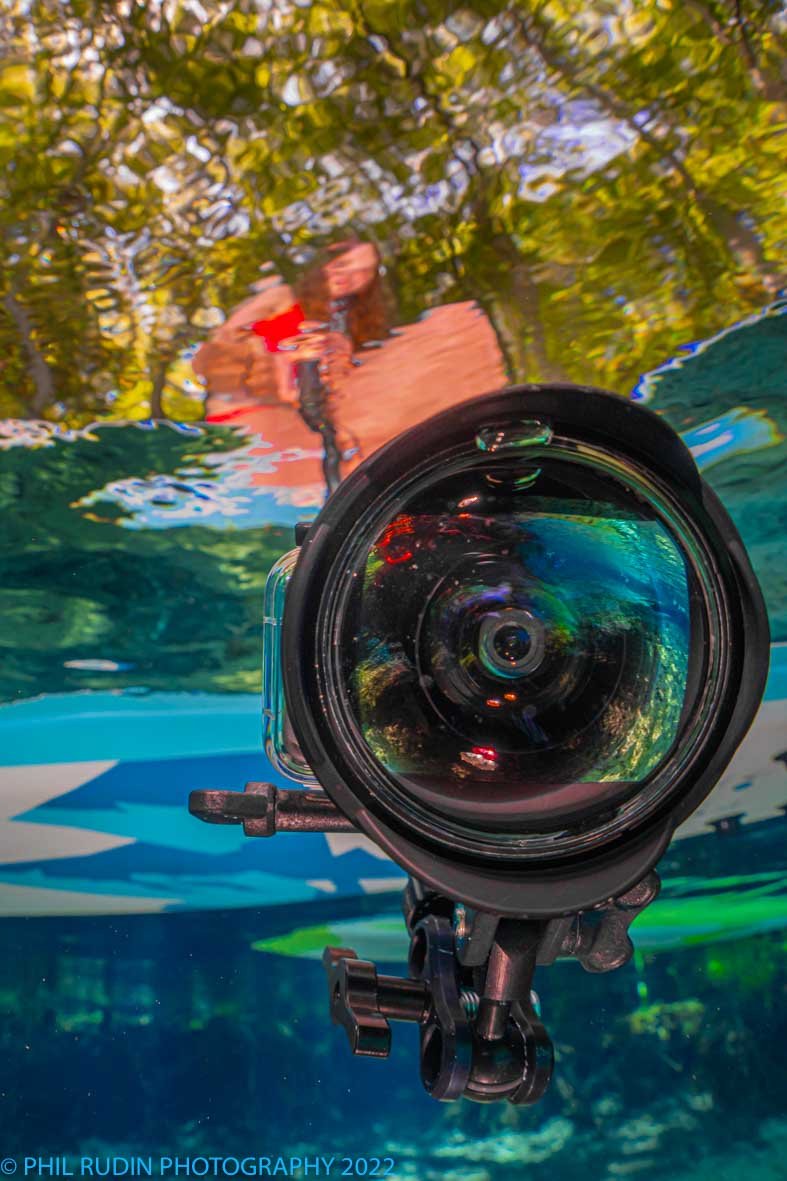
The first shot is at F/6.3 at 1/160th sec. and the second is at F/10 at !/160th both at ISO-500 with Sony A1. Both images have a good bit of bright sky but no flare. Like all wide lenses you get some purple fringing.
The one inch sensor is a complete myth. One inch is 25.4mm, the so called one inch sensor is 13.2 X 8.8mm. Even if you added hight plus width it would not equal 25.4mm. That would be 116.16 squared, that is about half the size of the M43 sensor at 17.4 X 13mm or 226.2 squared. The Sony A1 has a sensor that is 35.9 X 24mm or 861.6 squared. That makes the A1 sensor almost 7.5 times larger than the 1" sensor. You can go on line and research the differences in all aspects if you are interested.
The third photo of the tree in shallow water with bright sky is taken with the Sony A7C, 28-60 at 28mm and WWL-1. I used ISO-400, F/14 and 1/160th sec. the highest shutter speed for the A7C. I really like the Sony A7C, 28-60mm, with the WWL-1 and CMC-1 (closeup lens) as a small travel package. My A7C review is in UWPMAG.com back issue #119 if you are interested in learning more.
Also considering selling my like new Nauticam A7C housing since I have now moved onto the A1 and have the A7 IV in house, PM if interested.



Terms of Use Privacy Policy Guidelines We have placed cookies on your device to help make this website better. You can adjust your cookie settings, otherwise we'll assume you're okay to continue.

A worldwide community for underwater imaging.