



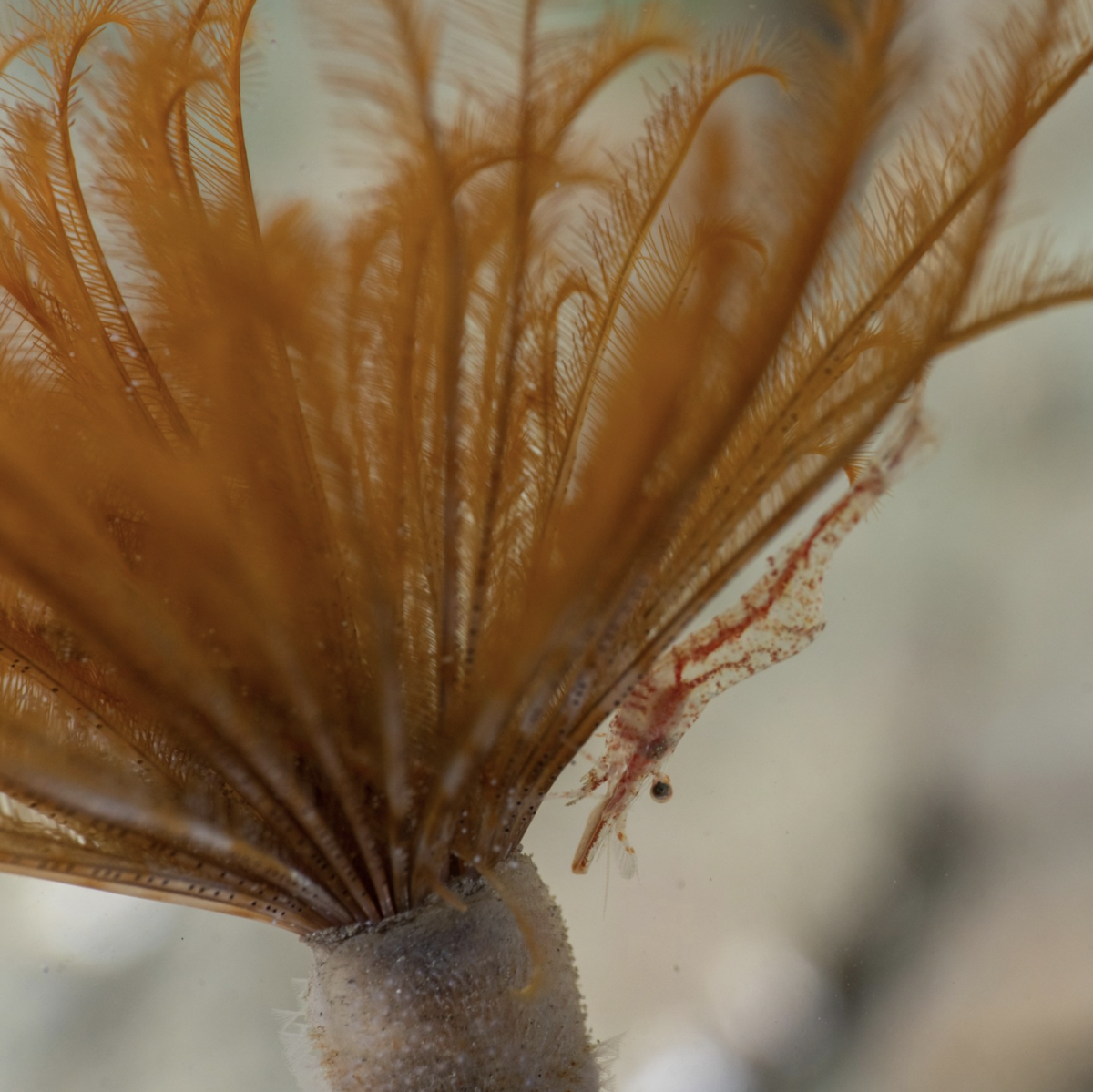
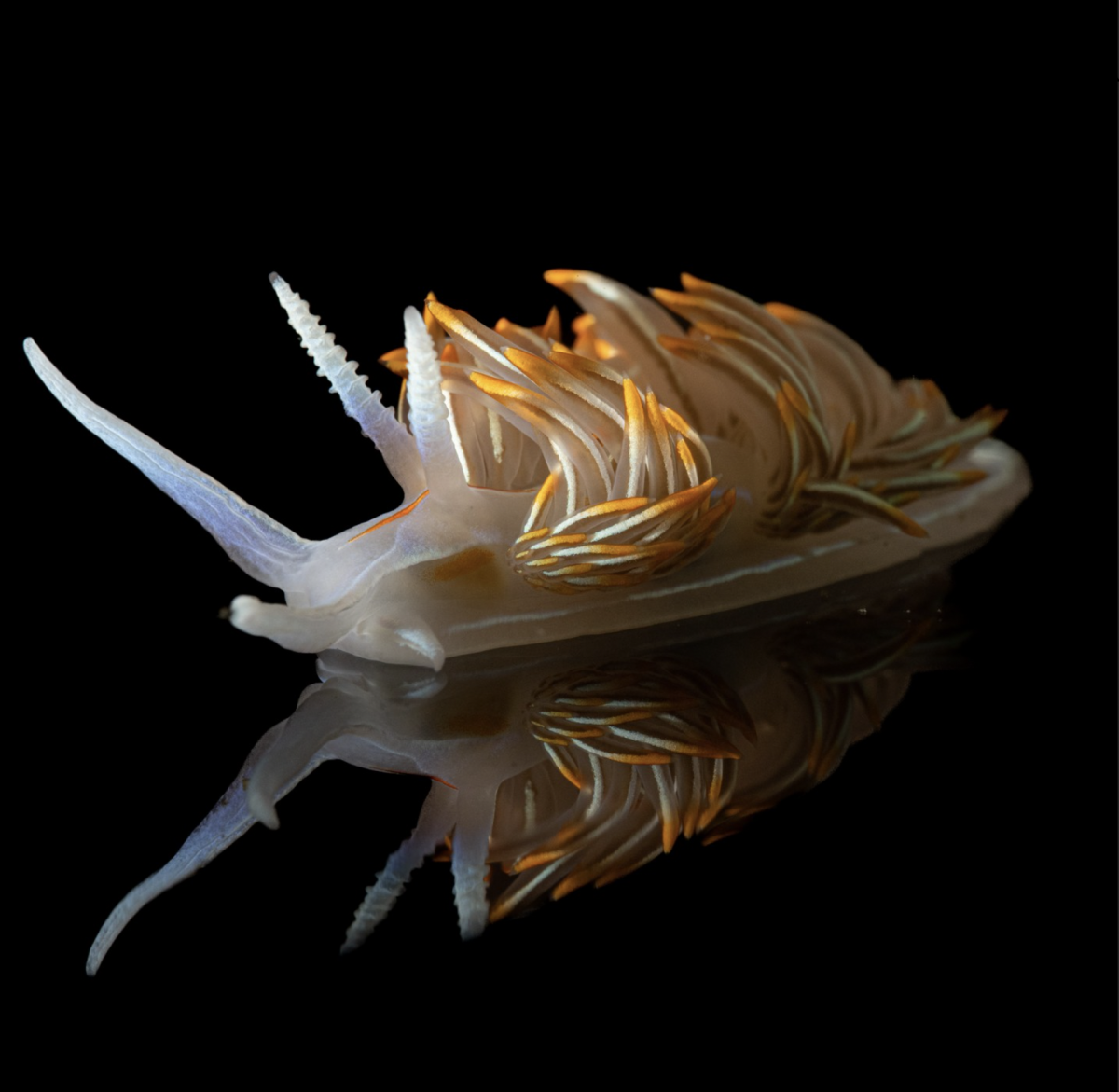
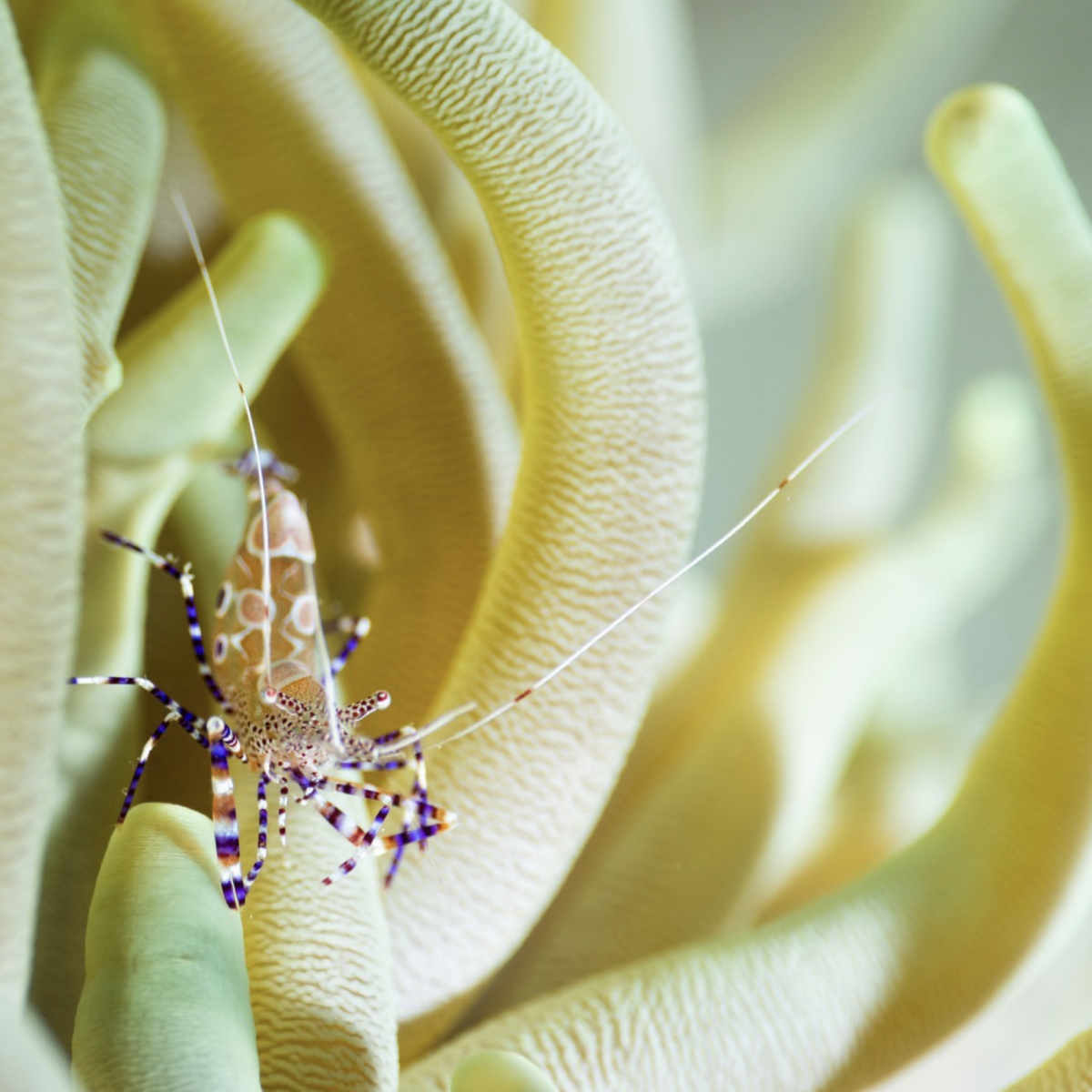
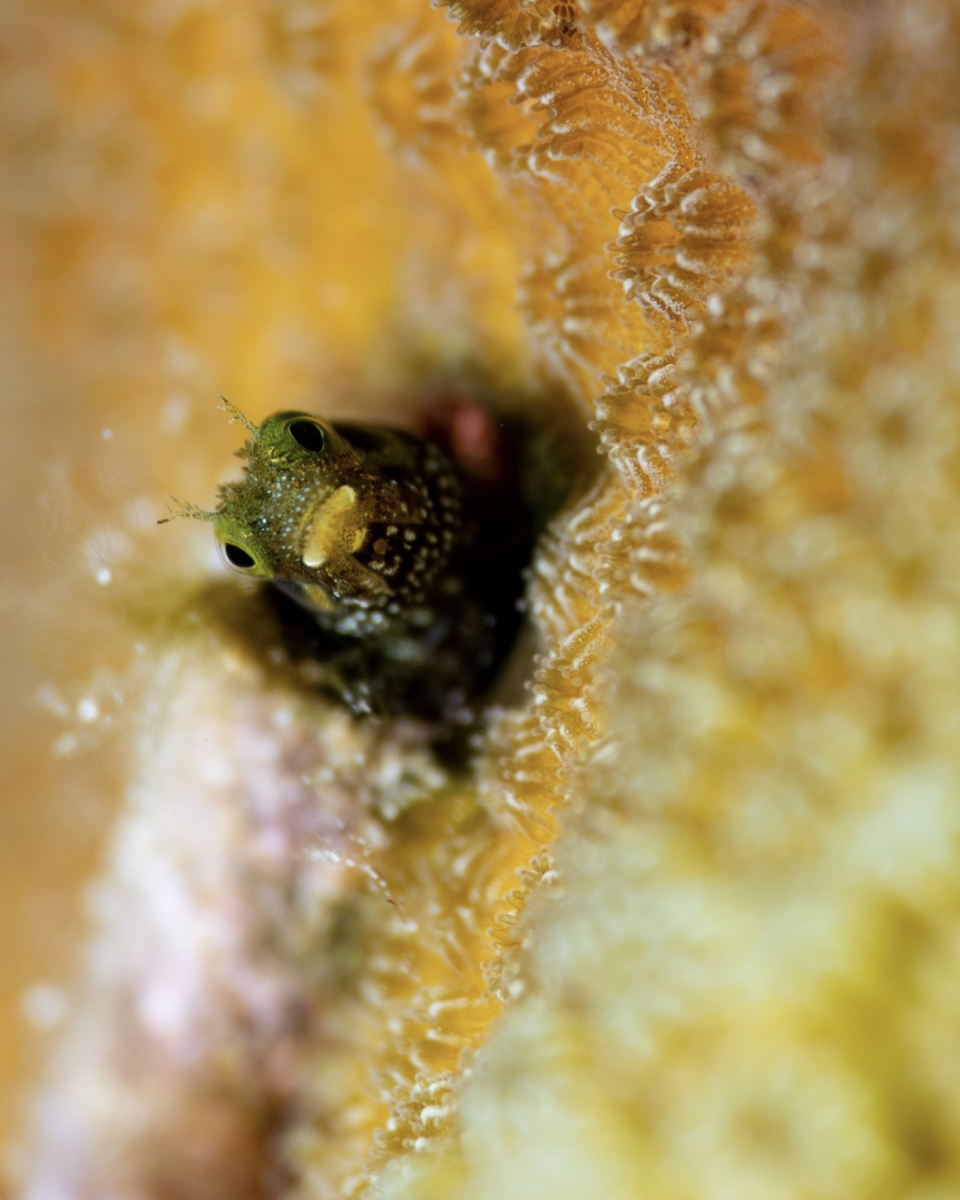
And here's some (instagram) shots I've taken with the 28-60 / CMC-1 Sony A1... They aren't amazing, but they meet my needs as a hobby and to show people what I saw...
Photography Gear and Technique / Archived topic
Started by Interceptor121 ·
Read-only discussion
And here's some (instagram) shots I've taken with the 28-60 / CMC-1 Sony A1... They aren't amazing, but they meet my needs as a hobby and to show people what I saw...
3 hours ago, insomniac said:And here's some (instagram) shots I've taken with the 28-60 / CMC-1 Sony A1... They aren't amazing, but they meet my needs as a hobby and to show people what I saw...
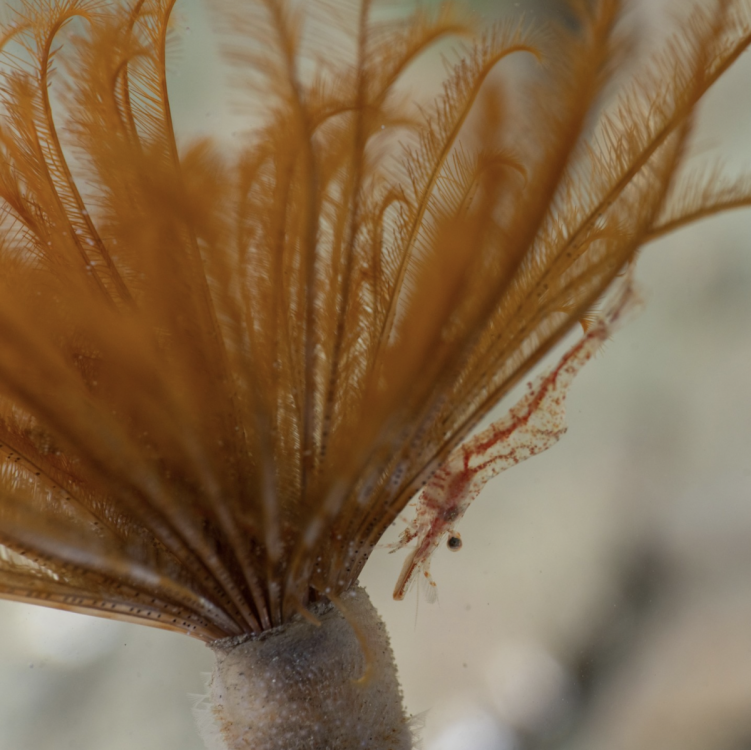
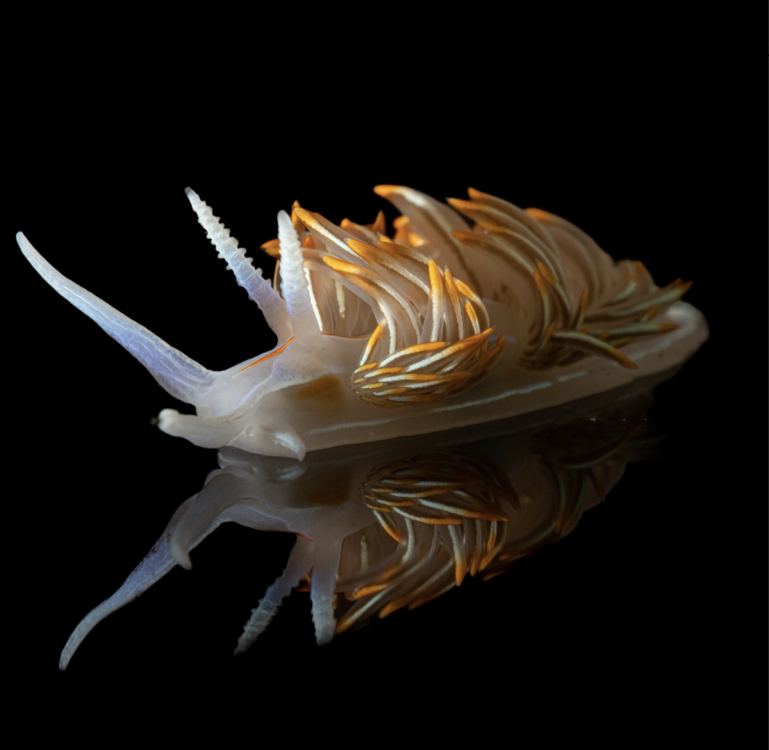
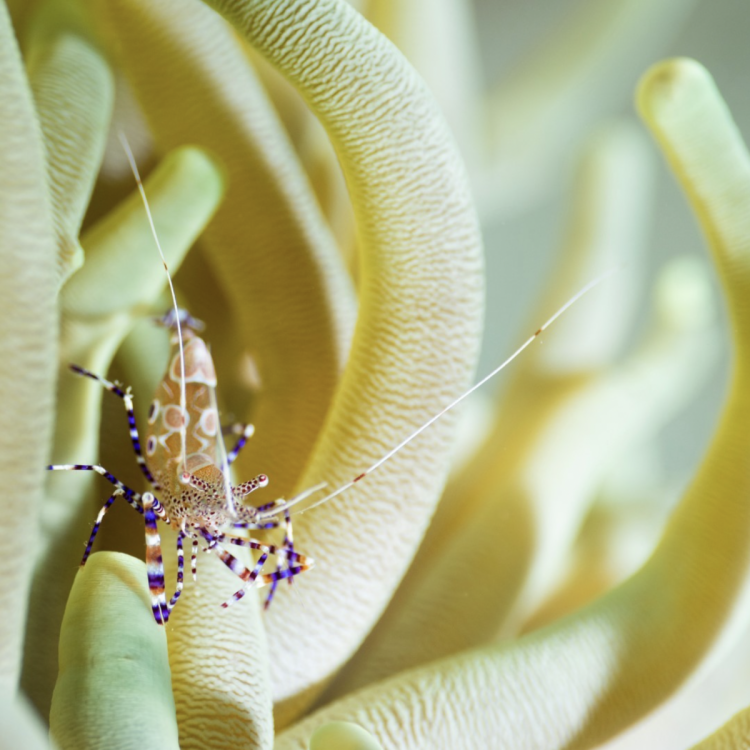
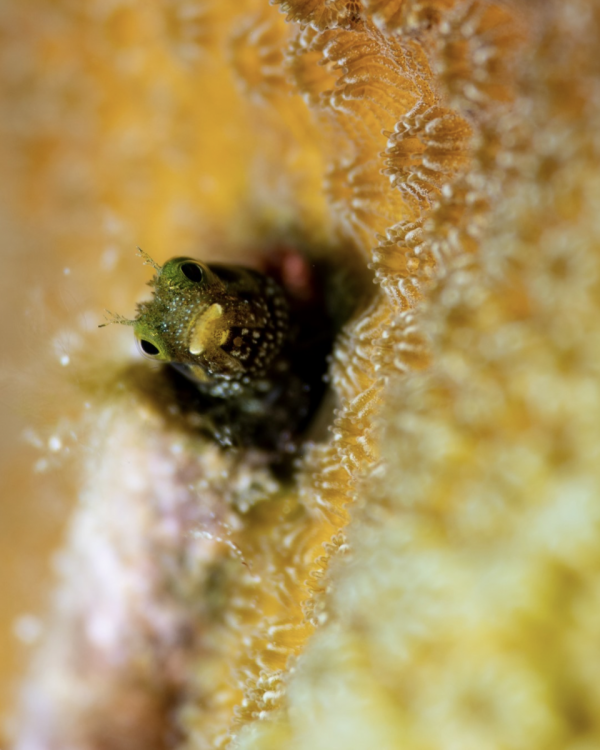
Thank you for your examples
Have you tried shooting in APSC mode with your camera? It would still have 25 megapixels
The CMC-1 achieves 0.9x but with crop you get 1.35x. With the CMC-2 you have 0.7x that becomes 1.05x
Perhaps the CMC-2 is a better option with more working distance
Cropping the edges of the frame removes the poor quality corners
Obviously you can crop in post but for composition purposes it helps to magnify the screen
On 1/25/2023 at 6:16 AM, Alex_Mustard said:The first thing I would say is that it is very easy to carry the CMC on a bayonet in your pocket ready for that "just in case" macro subject. But changing is a faff that you would only do for something special. Not only do you need to remove and store the WWL and then clip on the CMC, but you also need to reposition your strobes and change your camera settings. It is a special subject only option - but a good one to have for special subjects in the right size range.
I agree with this. It takes me a couple of minutes to change over from wide angle to macro, so I’d only do this for a particularly special subject that appeared on an otherwise wide-angle dive. An example would be a Pygmy seahorse.
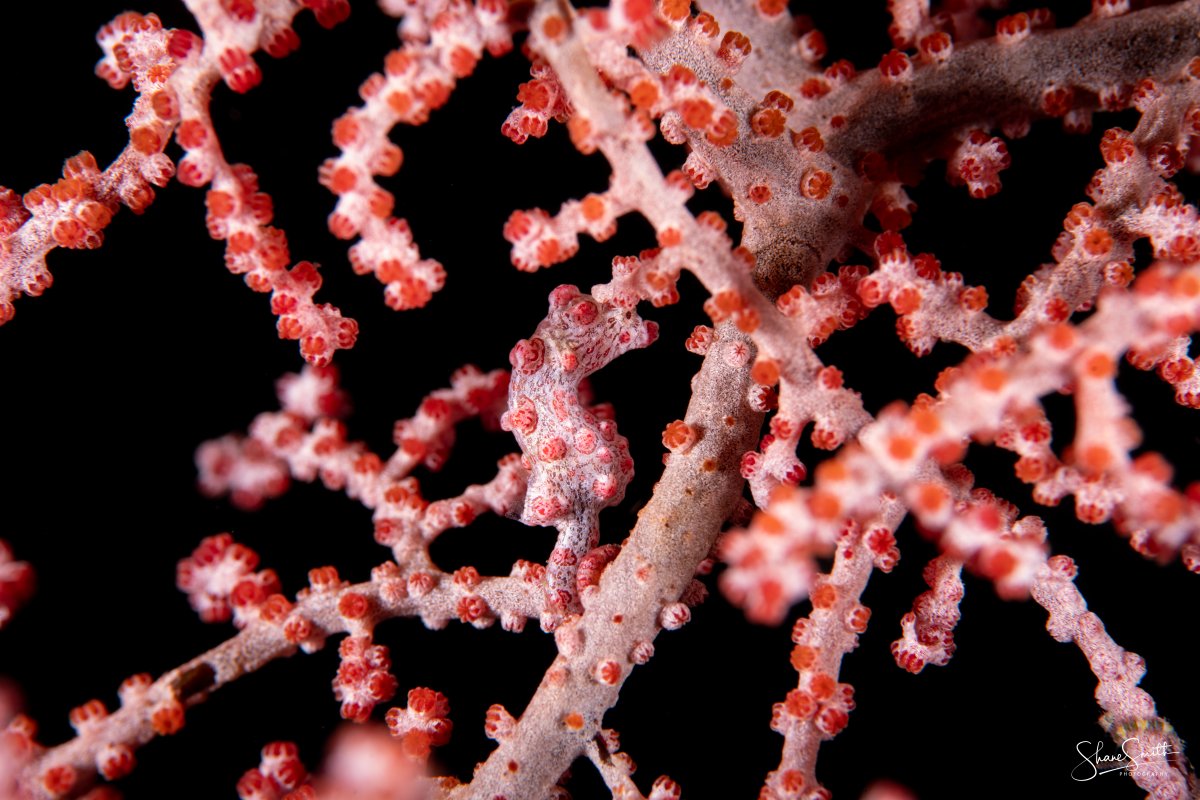
(Shot with 28-60 at 60mm + Nauticam SMC-1. Not a “perfect” Pygmy shot, but also not bad considering that I’d set out on this dive to shoot wide-angle shots of the sea-fans. On other days that I took my fisheye to do this I just had to smile and wave if our guide spotted a Pygmy).
I also agree with Alex that the long min-focusing distance at 60mm limits the usefulness of the lens bare. One thing that I’d like to try would be to put on a weak but high-quality diopter to pull this min-focusing distance a little closer. I used to do this on my rx-100 with quite a bit of success, but the diopter I used for that produced mushy images on a full frame sensor.
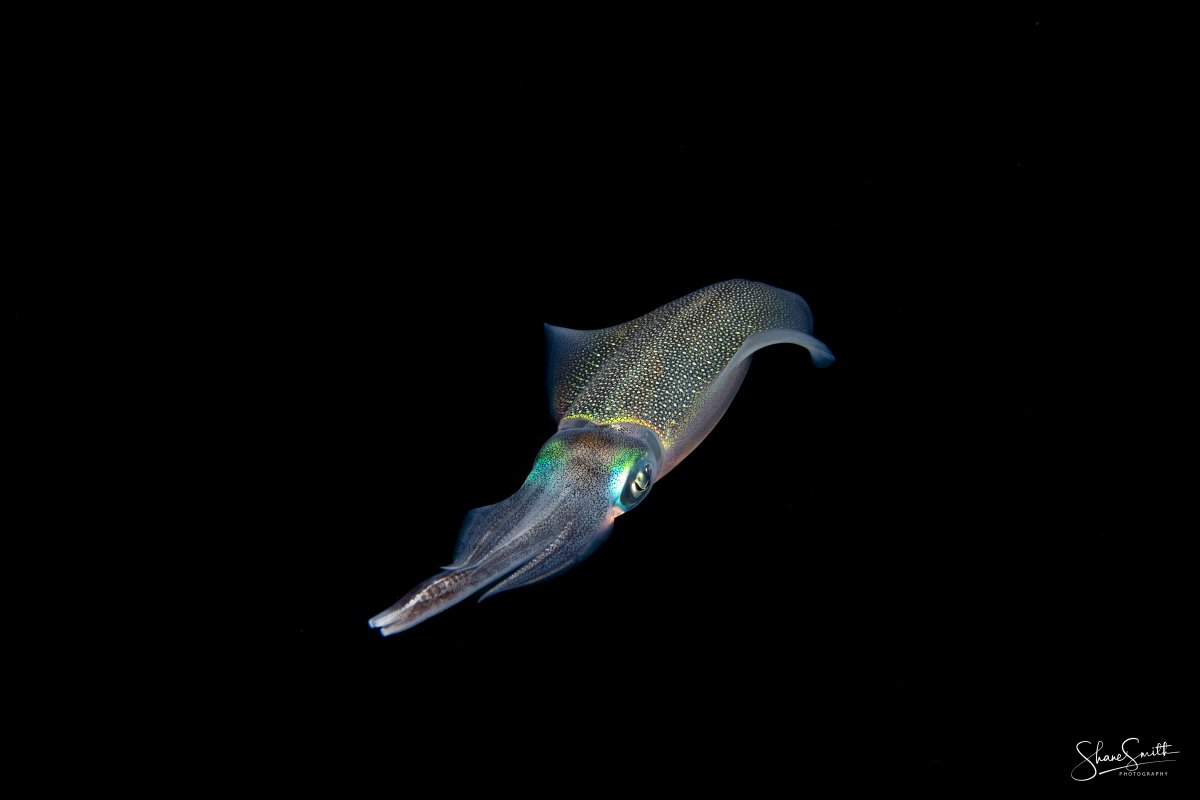
(For the right sized subject, the 28-60mm lens can be handy. Shot at 60mm.)
Using the lens bare is definitely a “just in case” option that I’d only use occasionally. My primary use for the lens is behind a WWL-1, and it performs very well in this setting.
On 1/24/2023 at 7:04 PM, fruehaufsteher2 said:OK, I got your point.
But looking at other MTF-charts the resolution of other lenses is, even for the 90mm macro, not much better.
In my opinion f/11is nearly never used, mostly you go with 5,6 or 6,3 according to the possibility of the lens, and mostly at 28mm - and you always look at the center or the inner third of the picture. So resolution stays within 70-60lp/mm
The 90mm macro is better, but is below 90lp/mm.
So I doubt that any problem at taking pictures is due to the resolution of the lens. I wouldn't follow the verdict of saying the 28-60 is a weak one.
Using the 28-60mm behind a WWL-1, you need to be at F11 for reef scenes to get sharp corners, F8 for blue water scenes, F16 for CFWA. At these apertures you get sharp images. Any less and you sacrifice your corners. I’d hardly ever shoot at F5.6 unless I was in blue water with very fast-moving subjects (e.g. dolphins using natural light)
As a comparison point though, I’d you use the Canon 8-15mm fisheye behind a 140mm dome (which is roughly the same size as the WWL-1 - slightly larger), you need to shoot at F13 for sharp corners on reef scenes, F16 for CFWA.
Nit picking aside, I agree with the overall conclusion of the thread: the 28-60 is a remarkably good lens given its size, weight and cost. It’s not perfect, and the Canon 8-15mm fisheye for example is probably slightly sharper. However, as an overall package combined with the WWL-1 it produces great results in a remarkably small form-factor for a full-frame camera.
I think one of the conclusions that Massimo is implying is that you wouldn’t gain any advantage in stepping up to a WACP with this lens. You’d probably gain a bit stepping up to a WACP-C where you could shoot at F8 with sharp corners. Beyond that (WACP-1) you might be limited by the lens as you open up to F6.3 or F5.6. I haven’t personally tested this, so I’ll leave the final verdict up to those who have the gear and can try it out in the real world. I’m personally very happy with my WWL-1 for the moment, and the 28-60 is fantastic behind that.
48 minutes ago, shanesmith.photos said:Using the 28-60mm behind a WWL-1, you need to be at F11 for reef scenes to get sharp corners, F8 for blue water scenes, F16 for CFWA. At these apertures you get sharp images. Any less and you sacrifice your corners. I’d hardly ever shoot at F5.6 unless I was in blue water with very fast-moving subjects (e.g. dolphins using natural light)
As a comparison point though, I’d you use the Canon 8-15mm fisheye behind a 140mm dome (which is roughly the same size as the WWL-1 - slightly larger), you need to shoot at F13 for sharp corners on reef scenes, F16 for CFWA.
Nit picking aside, I agree with the overall conclusion of the thread: the 28-60 is a remarkably good lens given its size, weight and cost. It’s not perfect, and the Canon 8-15mm fisheye for example is probably slightly sharper. However, as an overall package combined with the WWL-1 it produces great results in a remarkably small form-factor for a full-frame camera.
I think one of the conclusions that Massimo is implying is that you wouldn’t gain any advantage in stepping up to a WACP with this lens. You’d probably gain a bit stepping up to a WACP-C where you could shoot at F8 with sharp corners. Beyond that (WACP-1) you might be limited by the lens as you open up to F6.3 or F5.6. I haven’t personally tested this, so I’ll leave the final verdict up to those who have the gear and can try it out in the real world. I’m personally very happy with my WWL-1 for the moment, and the 28-60 is fantastic behind that.
You cover much more with the canon 8-15mm in terms of field of view. Consider that the 28-60mm with WWL-1 or WACP is like a 20mm fisheye.
Because the canon covers a much wider angle getting closer this creates a depth of field issue as the corners are far away but if you stepped back to have the same size frame the canon will be easily sharper at any aperture now you may have an issue with strobes to cover that frame size
It does not make sense to compare depth of field and corners when you don't have the same magnification
For what concerns WACP-C vs WWL-1 is mostly about convenience. If you don't benefit from the wet mount there is no real appeal in the WWL-1 except you have no budget and that is the only choice
WACP-1 for me means looking at a better master lens than the 28-60mm
Underwater adapters do not make lenses better they can only limit the damage of the water those optics expand the field of view at the cost of distortion but distortion is something underwaters users do not have an issue with so let it be
Personally I do not think I will shoot the canon 8-15 at f/16 unless my subject is really close and the background is important most times it is not
Thank you everyone for such a helpful discussion. I learned a ton. Very excited to use my WWL-1 + 28-60. WACP is so far out of my budget, it was not an option for me.
I have now tested the 28-60mm with WWL-1 in the pool
I can confirm the issue at the edges is due to the 28-60mm lens
In this example I focus on the writing on the slate at f/8 and even so the writing is soft. Clearly the lens has issues on the sides full stop

When you stop down to f/11 the lens is as good as it can be in the edges but overall pretty mediocre
I think the 28-60mm lens is OK for 4K video but there are better options for photos and this regardless of WACP-C WACP-1 etc being used

Terms of Use Privacy Policy Guidelines We have placed cookies on your device to help make this website better. You can adjust your cookie settings, otherwise we'll assume you're okay to continue.

A worldwide community for underwater imaging.
