Skip to content

Photography Gear and Technique / Archived topic

Some interesting findings on Nauticam Water Contact Optics on Sony

Started by Interceptor121 ·

  • 31Posts
  • 31Replies

Read-only discussion

Some interesting findings on Nauticam Water Contact Optics on Sony

31 posts
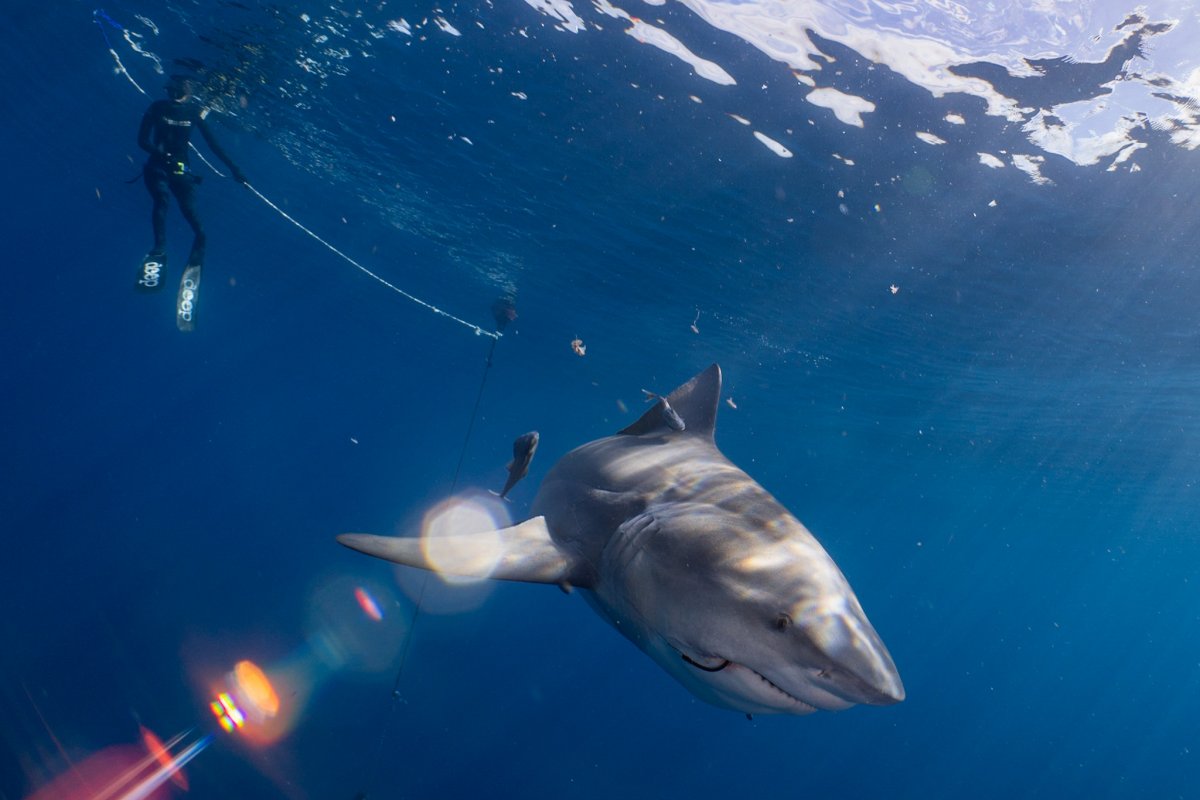
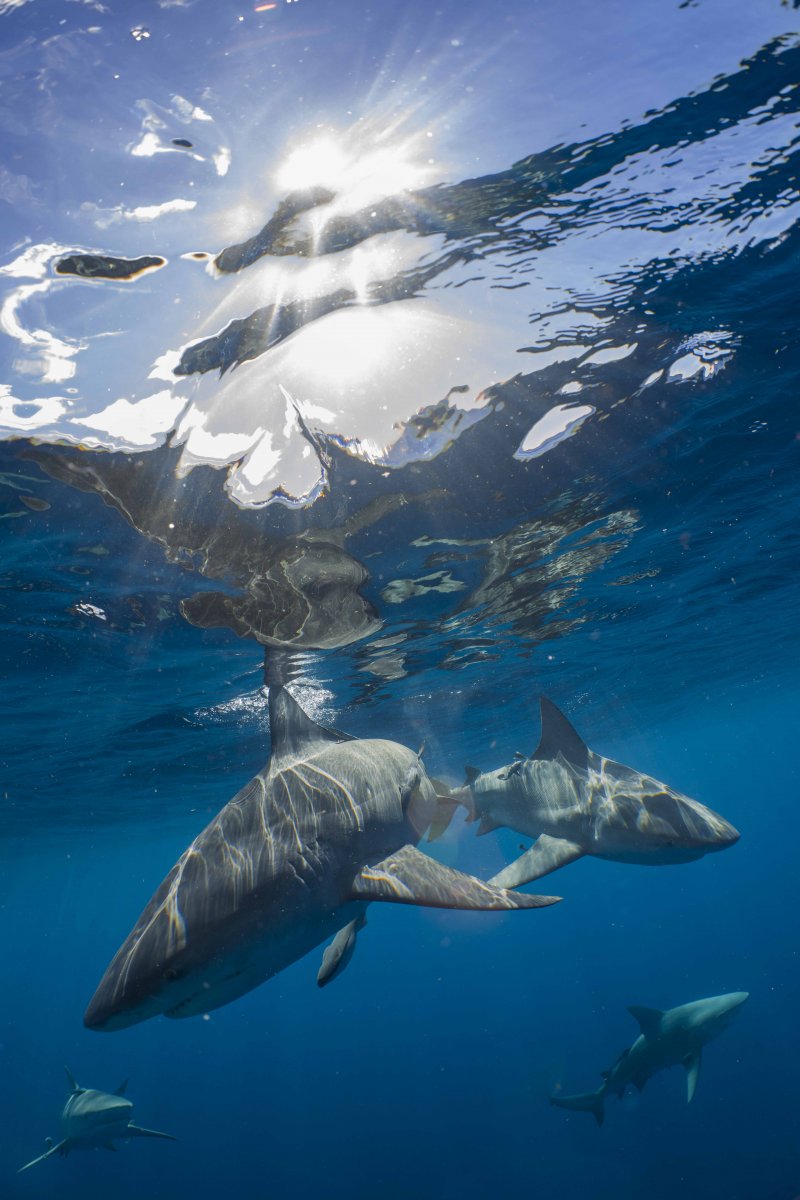
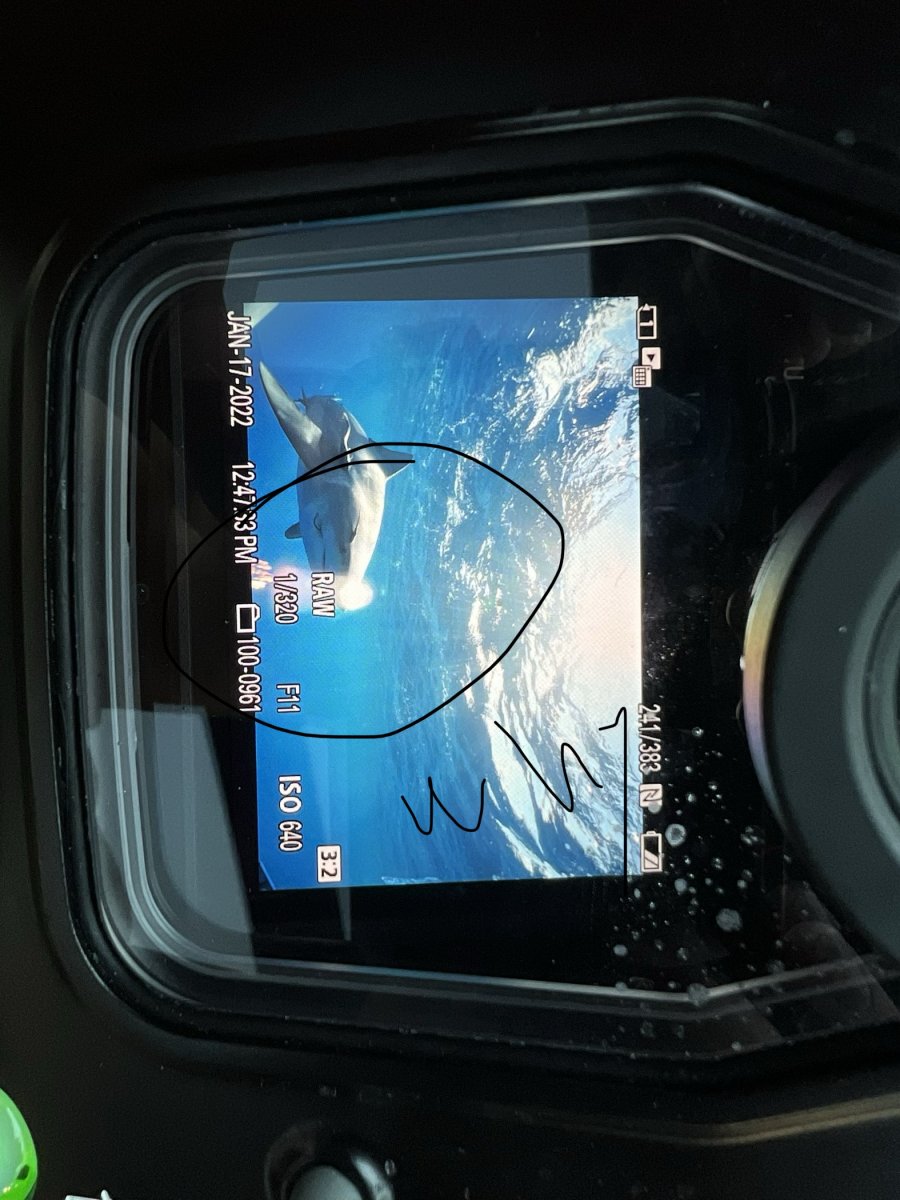
  1. I think flare, but I’m not totally sure. I notice it most when shooting towards the surface on breath hold. I do a lot of sharks, and this is my favorite way to swim with them so comes up a decent amount.

    I’ve been able to generally avoid it by watching for it and moving myself differently in relation to the sun, but if there was a way to reduce it at all with a slightly different extension I’d be ecstatic.

    D003F0C4-680B-4806-A5D9-8F4016F775A7.jpeg

    502958E0-40A7-459C-83A5-2FEA7FCFE60E.jpeg

    018EE4AB-7015-4591-97AB-685941B0A4C6.jpeg

  2. 16 minutes ago, ScottyR said:

    I think flare, but I’m not totally sure. I notice it most when shooting towards the surface on breath hold. I do a lot of sharks, and this is my favorite way to swim with them so comes up a decent amount.

    I’ve been able to generally avoid it by watching for it and moving myself differently in relation to the sun, but if there was a way to reduce it at all with a slightly different extension I’d be ecstatic.

    D003F0C4-680B-4806-A5D9-8F4016F775A7.jpeg

    502958E0-40A7-459C-83A5-2FEA7FCFE60E.jpeg

    018EE4AB-7015-4591-97AB-685941B0A4C6.jpeg

    Ghosting are those shapes that are distinct in the direction of the sun

    Flare is the hazy lack of contrast

    The effect is more prominent with the aperture stopped down

    I would first try to shoot at f/5.6 - f/8 to see what happens those are midwater shots nothing at the edges or close distance


  3. I don't recall flare or gusting being a deal breaker for me, but I tend to try to keep the sun at my back to avoid the issue.


    DSC06528 copy.jpg

  4. 10 hours ago, ScottyR said:

    I think flare, but I’m not totally sure. I notice it most when shooting towards the surface on breath hold. I do a lot of sharks, and this is my favorite way to swim with them so comes up a decent amount.

    I’ve been able to generally avoid it by watching for it and moving myself differently in relation to the sun, but if there was a way to reduce it at all with a slightly different extension I’d be ecstatic.

    Your first shot is classic of a bright light source hitting various elements, the way to avoid that is to not have the sun hit the elements.   Looking at the reflections I see 5 main reflections so it's probably hitting the WACP?  Changing the spacing won't have any impact on that unless you go to a very narrow angle of view I would think?

    A better approach may be re-think how you position yourself from when you first dive down to get the sun behind you - basically plan where you are going from the surface with sun position in mind.

  5. 8 hours ago, ChrisRoss said:

    Your first shot is classic of a bright light source hitting various elements, the way to avoid that is to not have the sun hit the elements.   Looking at the reflections I see 5 main reflections so it's probably hitting the WACP?  Changing the spacing won't have any impact on that unless you go to a very narrow angle of view I would think?

    A better approach may be re-think how you position yourself from when you first dive down to get the sun behind you - basically plan where you are going from the surface with sun position in mind.

    Shooting backlit happens a lot I don't recall the WWL-1 having this problem

    I can see both flare as lack of contrast and ghosting with this lens which are those artefacts and they are pretty bad considering the lens has antireflection coating on both sides

    Flare as lack of contrast would be improved changing the mount to prevent light leakage in the housing but only reducing the extension is not generally sufficient

    I have a WACP-C prototype and will try with my extension which is 5mm shorter than Nauticam but I think I will see the same flaring...!

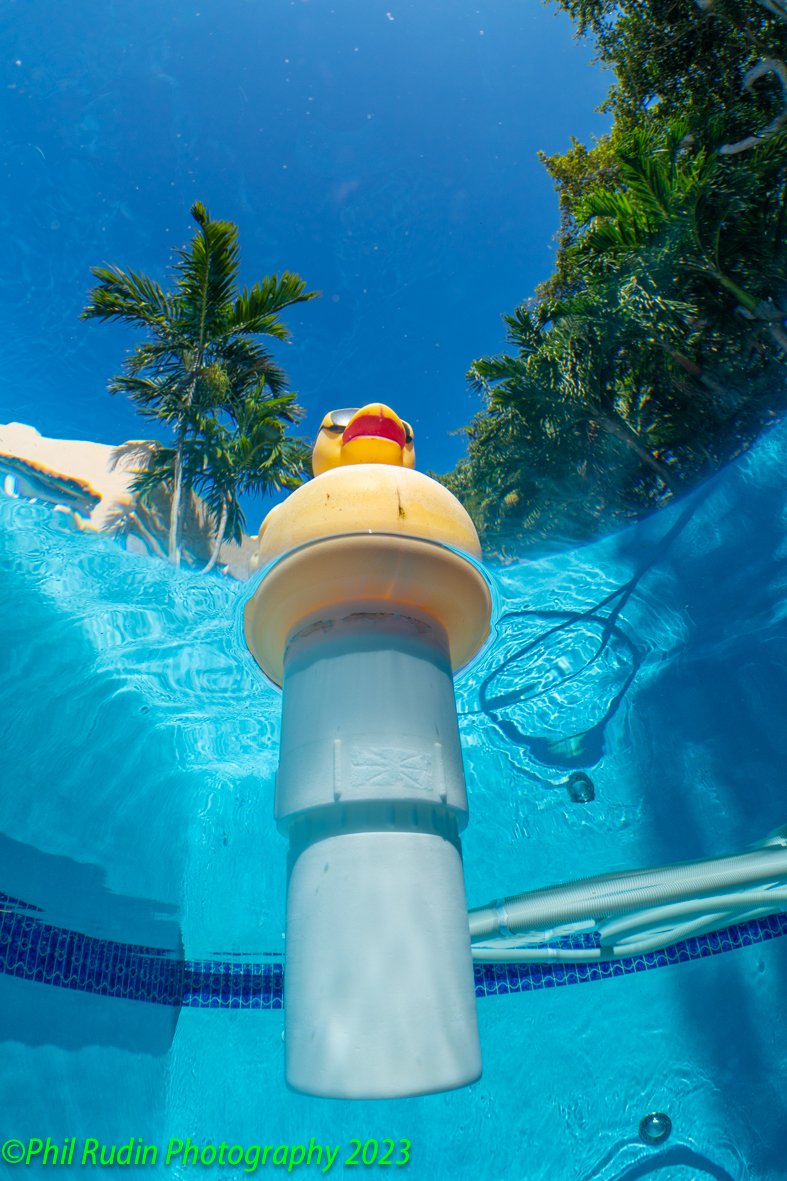
  6. On 4/19/2023 at 3:28 PM, Phil Rudin said:

    The Marelux port adapter for the WACP-C is a custom five inch to N100 17mm adapter. I have similar tests with WACP-1 using Nauticam N100 to N120 35.5 adapter and Marelux to Nauticam 20mm adapter and the results are a bit closer. If I have an opportunity to locate a WACP-1 with the N100 mount I will give it a try on this new 17mm extension.

    I might not have understood everything but: Does that mean that in fact the WACP-C sits in fact closer to the lens than with the Nauticam-solution? The difference is about 5mm?

    That means - if we had a shorter port extension than the currently used 30mm (N100) I would have a wider field of view?

    Edited by fruehaufsteher2
  7. 18 minutes ago, fruehaufsteher2 said:

    I might not have understood everything but: Does that mean that in fact the WACP-C sits in fact closer to the lens than with the Nauticam-solution? The difference is about 5mm?

    That means - if we had a shorter port extension than the currently used 30mm (N100) I would have a wider field of view?

    Getting the lens closer to the wet lens generally increases the field of view but it depends lens by lens the difference may be minimal

    In the case of the Sony 28-60mm the flat port is 45mm and the WACP-C has 25mm space inside which means you could have 20mm or 25mm extension and the lens would still not touch the glass

    As you get closer to the glass the field of view increases sligthly not massively I have done this test with the camera fixed and changing the distance on land we are talking about small differences

    to give some context my new test lens that is  wider than 28mm bumps into the glass at 27mm. With 1 cm gap it does until 27mm and then vignettes. At 5mm gap it does not vignette at 26mm -> for me 5mm is the right gap

    On the Sony 28-60mm in all cases you get 28mm without vignette and the field of view changes very little but other things may change how much is unclear


  8. 4 hours ago, fruehaufsteher2 said:

    I might not have understood everything but: Does that mean that in fact the WACP-C sits in fact closer to the lens than with the Nauticam-solution? The difference is about 5mm?

    That means - if we had a shorter port extension than the currently used 30mm (N100) I would have a wider field of view?

    To address your question the Sony camera sits in a different passion in the Marelux housing than it does in a Nauticam housing. So if you take the WACP-1, with the Sony FE 28-60 lens Nauticam recommends the N100 to N120 35.5 extension with the N120 version of WACP-1.

    With Marelux you use an N120 to Marelux extension that is 20mm so a 15.5 difference with WACP-1. With the N100 version of WACP-1 the same N100 30 extension is recommended which issued with the WACP-C. That would mean a 5.5mm difference between the N120 version and the N100 version of WACP-1. Nauticam has the N100 version for WACP-1 as the combination the gives the best results.   

    With both the N100 WACP-1 and WACP-C the N100 30mm is currently you only choice because Nauticam does not make anything shorter in N100. I am sure a custom extension could be sourced but how long would you want it to be.

    What is clear is that the 17mm Marelux extension gets the Sony 28 to 60 lens fully extended closer to the rear element of the WACP-C than with the 30mm Nauticam extension.

    Nauticam is making custom extensions for WACP-C, example Nauticam makes an N120 to N100 which is 15mm so that you can use the Sony FE 28-70mm kit lens with adapter on Nikon-Z with WACP-C and get full zoom through.

    Nauticam updated port charts yesterday (4/20) and the port extensions for WACP-C with Sony 28-60 and 28-70 have not changed.

    My WACP-1 is the N120 version. I would like to try the N100 version with the Marelux 17mm extension to see if the AOV becomes wider but I am not sure I want to spend $580.00 for a conversion kit. 

  9. Thanks, this clarifies it for me. It was more a hypothetical question or something related to future improvement strategies if needed. Currently I am fine with the FOV both at 28 and 60mm. 
    but in fact if a wider FOV is desired I might have to go for a shorter extension. (I have a housing with N100 and the WAPC-C). 


  10. 1 minute ago, fruehaufsteher2 said:

    Thanks, this clarifies it for me. It was more a hypothetical question or something related to future improvement strategies if needed. Currently I am fine with the FOV both at 28 and 60mm. 
    but in fact if a wider FOV is desired I might have to go for a shorter extension. (I have a housing with N100 and the WAPC-C). 


    As we exchanged by email this is 1 cm longer than the lens 

    The WACP-1 N120 is further away

    It is unclear of what the benefit is to reduce it further. I have the prototype lens but am shooting video tonight so if required I could put it on with a very short extension to check

  11. 6 hours ago, Interceptor121 said:

    As we exchanged by email this is 1 cm longer than the lens 

    The WACP-1 N120 is further away

    It is unclear of what the benefit is to reduce it further. I have the prototype lens but am shooting video tonight so if required I could put it on with a very short extension to check

    Ah, ok, I didn’t get that there’s a difference between the N120 and the N100 variant. Anyway, my current N100 combo with the 30mm extension works great. My question was just for curiosity and to understand the technique behind. 
     

    Thanks a lot! 

Account

Navigation

Search

Search

Configure browser push notifications

Chrome (Android)
  1. Tap the lock icon next to the address bar.
  2. Tap Permissions → Notifications.
  3. Adjust your preference.
Chrome (Desktop)
  1. Click the padlock icon in the address bar.
  2. Select Site settings.
  3. Find Notifications and adjust your preference.