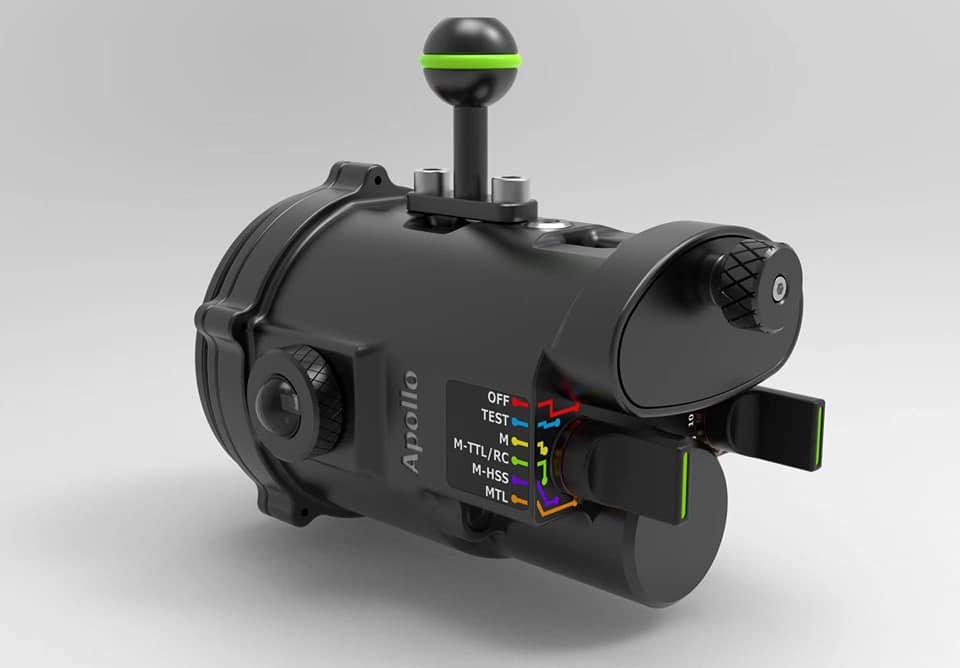
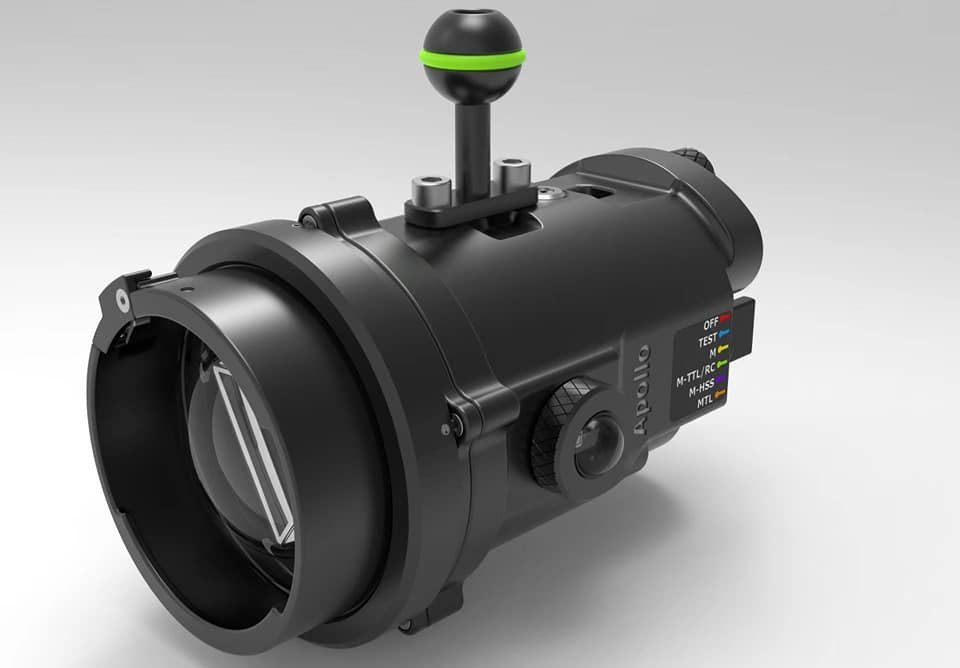
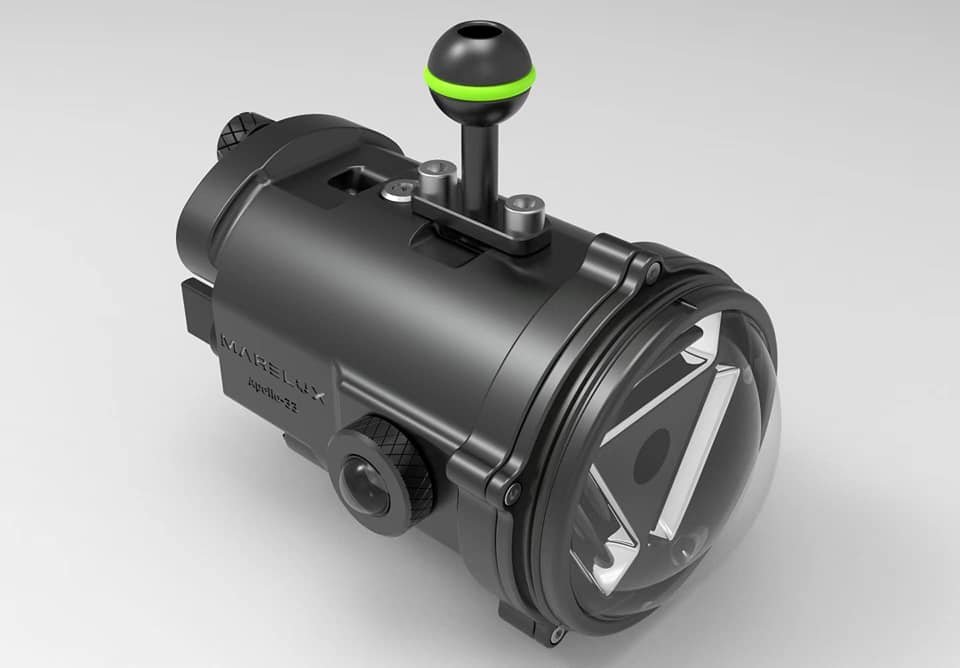
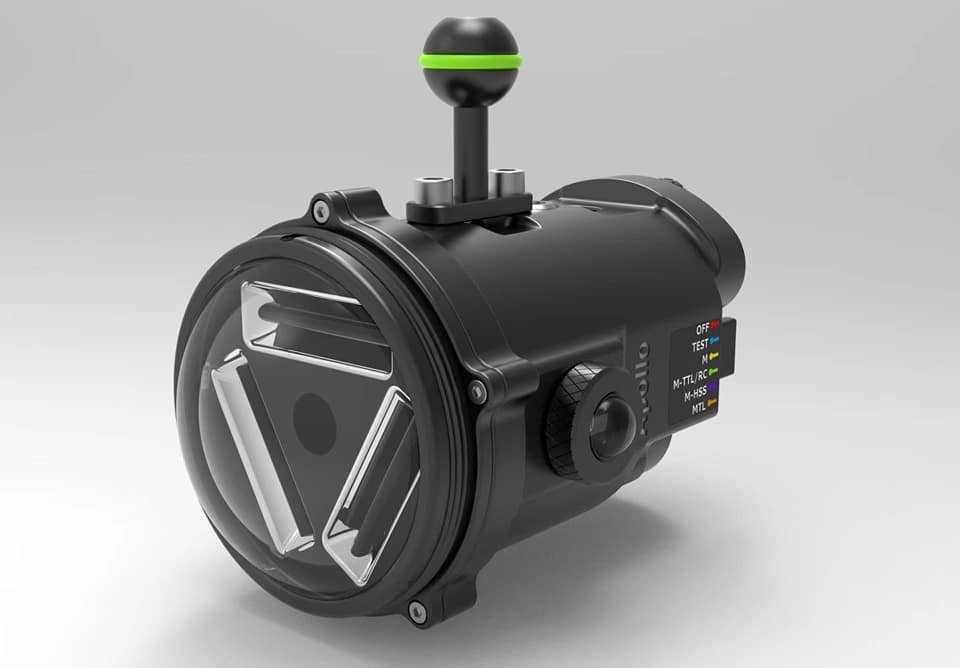
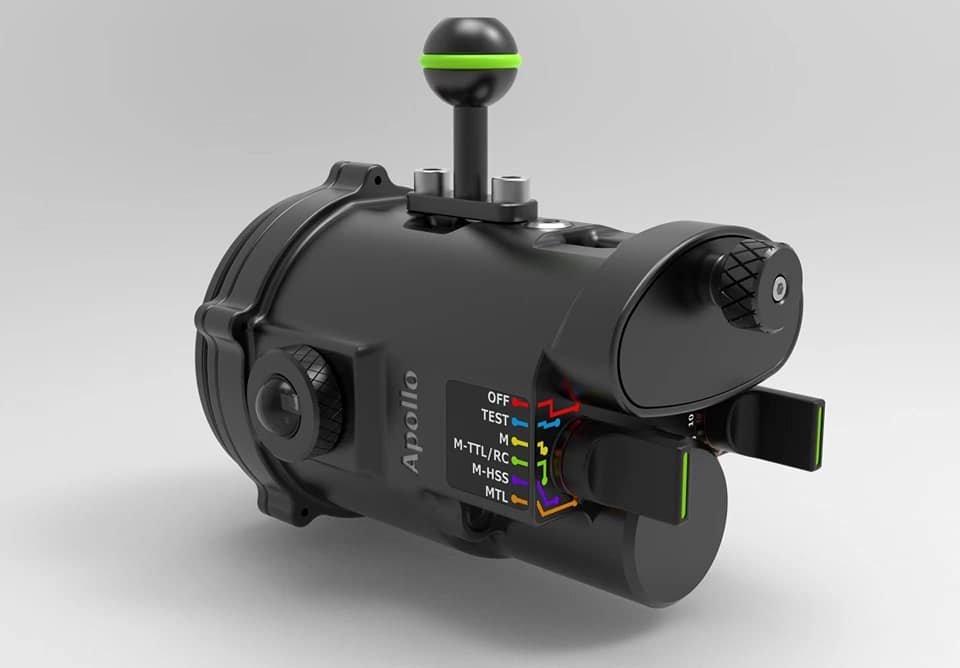
Some more information on the soon-to-be-released Marelux Strobe is now available.
The specifications are looking promising.
Lights, Strobes, and Lighting Technique / Archived topic
Started by Geo Cloete ·
Read-only discussion
Some more information on the soon-to-be-released Marelux Strobe is now available.
The specifications are looking promising.
Because I am sure someone will ask US retail is $999.00 and they do fire wirelessly, no need for wire or fiber optic cable.
19 minutes ago, Phil Rudin said:Because I am sure someone will ask US retail is $999.00 and they do fire wirelessly, no need for wire or fiber optic cable.
Thanks, Phil. Is there some device that screws onto the housing optic ports to trigger the strobes wirelessly? Or do you still need one master strobe connected via fiber optic cable that can trigger additional strobes wirelessly?
My understanding, is that a small sending unit fits into the optical port on the housing and sends a signal to the small round domes which are on both sides of the flash. Not sure if it needs a direct line of sight. ![]()
FINALLY someone makes a strobe that takes loose 18650s. Hallelujah. Well, there's the SeaFrogs one that's been available for a while now, but that doesn't count.
Also be aware that wireless trigger works in manual, HSS and MTL at this time, you still need a fiber core for TTL and Olympus RC. The second photo down has the DOCK installed for the Marelux SOFT/SOFT PRO, color filters flash dome and other accessories.
Anyone know the difference between the announced Apollo 22, Apollo 33 and Apollo 44?
https://www.bluewaterphotostore.com/marelux-apollo-underwater-strobe-apollo-22
https://www.bluewaterphotostore.com/marelux-apollo-underwater-strobe-apollo-33/
https://www.bluewaterphotostore.com/marelux-apollo-underwater-strobe-apollo-44/
6 hours ago, JayceeB said:Anyone know the difference between the announced Apollo 22, Apollo 33 and Apollo 44?
I don't know but the Apollo 22 image on the bluewaterphotostore site shows a substantially smaller strobe with what seems space for 2 instead of 3 batteries. My guess/hope is that they all show the same functionallity but at different power level, size, weight and cost. Looks interesting!
One downside is unfiltered colour temperature of 6200K, diffuser gives 5500K which is OK for green water, would be looking for 4600K or so for blue water wide angle work. Interesting it does Olympus RC flash even though Marelux doesn't have a housing for any Olympus/OM system cameras as yet. Wonder if it means one is in the works?
1 hour ago, ChrisRoss said:One downside is unfiltered colour temperature of 6200K, diffuser gives 5500K which is OK for green water, would be looking for 4600K or so for blue water wide angle work. Interesting it does Olympus RC flash even though Marelux doesn't have a housing for any Olympus/OM system cameras as yet. Wonder if it means one is in the works?
Hi Chris,
That was my first reaction as well, but then from testing results, I have seen using an accurate light meter which reads both the strength and color temperature of the light I was beyond surprised at that actual data compared to that list by manufacturers. Having seen that, I no longer think that my initial reaction/thought was an accurate one.
14 hours ago, Phil Rudin said:Also be aware that wireless trigger works in manual, HSS and MTL at this time, you still need a fiber core for TTL and Olympus RC. The second photo down has the DOCK installed for the Marelux SOFT/SOFT PRO, color filters flash dome and other accessories.
Hi Phil, what is your understanding of what MTL will be?
I truly hope that the wireless triggering works like a charm and does not require a direct line of sight. It would be a major leap forward if we are no longer restricted by having to use synch or fiber optic cords.
12 hours ago, JayceeB said:Anyone know the difference between the announced Apollo 22, Apollo 33 and Apollo 44?
https://www.bluewaterphotostore.com/marelux-apollo-underwater-strobe-apollo-22
https://www.bluewaterphotostore.com/marelux-apollo-underwater-strobe-apollo-33/
https://www.bluewaterphotostore.com/marelux-apollo-underwater-strobe-apollo-44/
When I followed the links, there is no photo for the 44 yet. Comparing the 22 and the 33 my guess is to agree with Glasseye Snapper that at minimum the difference will be in size and light output strength. Seeing that Marelux has now made a solo announcement for Apollo 33 and that it can be pre-ordered, I would also guess that the decision was made to first focus on this model. So I don't think all three models will come to the market at the same time.
Regarding Chris comment about Olympus RC flash, Marelux already has a housing for the very popular TG-5/TG6 supports both. With two fiber optic ports.
Geo, My understanding of the MTL setting is that it is used when shooting multiple images as in several frames per second. If say you are set for five frames a second at power level three with most current flash heads the light will be most intense on the first flash and less intense on the last. The MTL setting regulates the output so that the light will be more even over all five frames.
Regarding the three Marelux offerings the Apollo 33 with GN33 is in a range with the most popular brands like Ikelite, Inon, ONEUW, Retra, Scubalamp, Sea & Sea and more all having products around the same power output and with a verity of veering features.
I think it is clear that the Apollo 22 (GN around 22) will be smaller with with less features and a lower cost while the Apollo 44 (GN around 44) with be more feature rich at a higher price point.
8 hours ago, Phil Rudin said:Regarding Chris comment about Olympus RC flash, Marelux already has a housing for the very popular TG-5/TG6 supports both. With two fiber optic ports.
Geo, My understanding of the MTL setting is that it is used when shooting multiple images as in several frames per second. If say you are set for five frames a second at power level three with most current flash heads the light will be most intense on the first flash and less intense on the last. The MTL setting regulates the output so that the light will be more even over all five frames.
Regarding the three Marelux offerings the Apollo 33 with GN33 is in a range with the most popular brands like Ikelite, Inon, ONEUW, Retra, Scubalamp, Sea & Sea and more all having products around the same power output and with a verity of veering features.
I think it is clear that the Apollo 22 (GN around 22) will be smaller with with less features and a lower cost while the Apollo 44 (GN around 44) with be more feature rich at a higher price point.
Right, though I would think the 33 model is probably overkill for the TG-6 - the 22 is probably better suited.
Reminds me of my Ys-110a's with the triple flash tubes. I'm looking to replace those next year, so I'm interested to see what happens with this when it's more than just screenshots of the 3d models.
On 7/26/2023 at 6:32 PM, Barmaglot said:FINALLY someone makes a strobe that takes loose 18650s. Hallelujah. Well, there's the SeaFrogs one that's been available for a while now, but that doesn't count.
Lithium batteries are designed for constant discharge over time not for high current. A cell subject to high current drain will have a substantal reduction of life span. There is also a concern over heat generation in such operation.
The specs talk of 1000 cycles at full power and recycle time of 0.6 seconds. That sound pretty impressive considering that there will be just 3 Panasonic batteries inside best case.
I am not sure why marelux went this way but today the only flashguns topside that have 18650 are those that have a combined video light all the rest take NiMh and the studio equipment is main powered.
I am curious to learn how this strobe performs in time once the batteries have been used for 10-20 dives but I won't be rushing for one myself
The specs dome angle of coverage 140 vs 110 also sound optimistic considering that domes have no effect on beam angle but only on the ability to resist pressure but that is a concept that unfortunately many manufacturers like to propagate regardless of the lack of measurements
14 minutes ago, Interceptor121 said:Lithium batteries are designed for constant discharge over time not for high current. A cell subject to high current drain will have a substantal reduction of life span. There is also a concern over heat generation in such operation.
And yet, Li-Ion cells are widely used in e-cigarettes, which have a discharge profile quite similar to that of strobes.
Just now, Barmaglot said:And yet, Li-Ion cells are widely used in e-cigarettes, which have a discharge profile quite similar to that of strobes.
In fact there is a lag between inhale and the device moving for automatic batteries unless they are constantly powered and therefore always on discharge.
Normally a strobe fires immediately as it is based on a capacitor and a xenon tube.
This strobe does not look like it has xenon tubes the elements look like some form of LED and that also drives normally worse light quality and higher color temperatures due to the blues and purple that a led always contains.
Xenon flash tubes have CRI 100 but LED normally peak at 95 for commercial application
Marelux has many ambassadors so we should see something out pretty soon.
Hopefully these strobes have a way to secure the terminal so that they can be packed with batteries in check in unlike ecigarettes that are forbidden
19 minutes ago, Interceptor121 said:This strobe does not look like it has xenon tubes the elements look like some form of LED and that also drives normally worse light quality and higher color temperatures due to the blues and purple that a led always contains.
I highly doubt it's possible to get ~200W/s out of reasonable size LEDs. 6200K color temperature points squarely at xenon.
21 minutes ago, Interceptor121 said:Hopefully these strobes have a way to secure the terminal so that they can be packed with batteries in check in unlike ecigarettes that are forbidden
I don't think you can pack Li-Ions in check-in these days regardless of packaging. Just put the cells in plastic boxes in your carry-on, and check the strobes in without batteries.
Terms of Use Privacy Policy Guidelines We have placed cookies on your device to help make this website better. You can adjust your cookie settings, otherwise we'll assume you're okay to continue.