-
Never had an issue as well, but have heard a couple of stories over the years, mostly related to work permits (suspected undeclared professional work projects in Indonesia) more than actual imaging gear. Other than that blackwater photographer's post I reposted, looking into it I did find these AI-flavoured wise-words by Mr. Lucas White on... alibaba.com 😅 https://www.alibaba.com/product-insights/how-to-pack-a-dslr-without-looking-like-you-re-smuggling-gear-through-customs-in-bali.html But yeah, doesn't really seem like the dreaded Mexican custom extortion is spreading, luckily.
-
This will bring you up to speed on the 2023 Wetpixel drama: https://divernet.com/scuba-news/wetpixels-hanlon-denies-sitting-on-divers-cash/ https://www.deeperblue.com/wetpixel-owner-adam-hanlon-faces-accusations-of-withholding-payments-amidst-health-concerns/ https://www.undercurrent.org/UCnow/dive_magazine/2023/Wetpixel202309.html https://www.undercurrent.org/UCnow/dive_magazine/2023/WetpixelStoryClarifications202310.html
-
From what I understood the Xtar 21700 5000mAh 10A (which are the ones that came with my Backscatter MW4300) are build around a Samsung INR21700-50E cell which has the following characteristics: https://www.18650batterystore.com/products/samsung-50e The issue is that the original raw Samsung cell doesn't have a protection circuit or button top, which is what Xtar offers. It can also be tricky to source an original cell as an individual consumer. I need to buy new ones for the MW4300 (one cell died on me) and will probably go for the newer Xtar 21700 5000mAh 25A, though the higher amperage isn't that important for a video light.
-
I've also never had issues in Indonesia, but this post was from an underwater photographer - as mentioned, it was most likely a one-off customs agent trying his luck. That said, Indonesia did try to enforce strict customs rules on electronics when I was living there, and they started controlling incoming travellers (not just residents) for phones, laptops, and cameras, but backpedalled after a few days due to the chaos this caused. I think it was in 2022, IIRC. I don't really understand how Mexican import regulations can be applied to personal goods which are going to leave the country with the tourist, which is virtually unheard of as it's not generally considered an import.
-
Hello all, If anyone has a 67mm Keldan Spectrum Filter SF-2 gathering dust somewhere, or alternatively a UR-Pro CY 67mm, please let me know. Thanks! Ben
-
On a related note, this post showed up on my social media feed today: "Has anyone else had problems bringing camera gear into Bali? I’ve done it dozens of times but last night they pulled me aside jn customs and told me I was only allowed one personal camera below $500! They eventually let me go, but I’m still unclear on the rules, on what was going on, or what to do next time." Let's hope this is a one-off attempt by a greedy agent and doesn't become a pattern in Indonesia as well...
-
Hi Johan, welcome aboard. Selamat datang di forum ini! I’m sure you’ll find plenty of people here who love diving in Indonesia’s amazing waters, myself included 😄
-
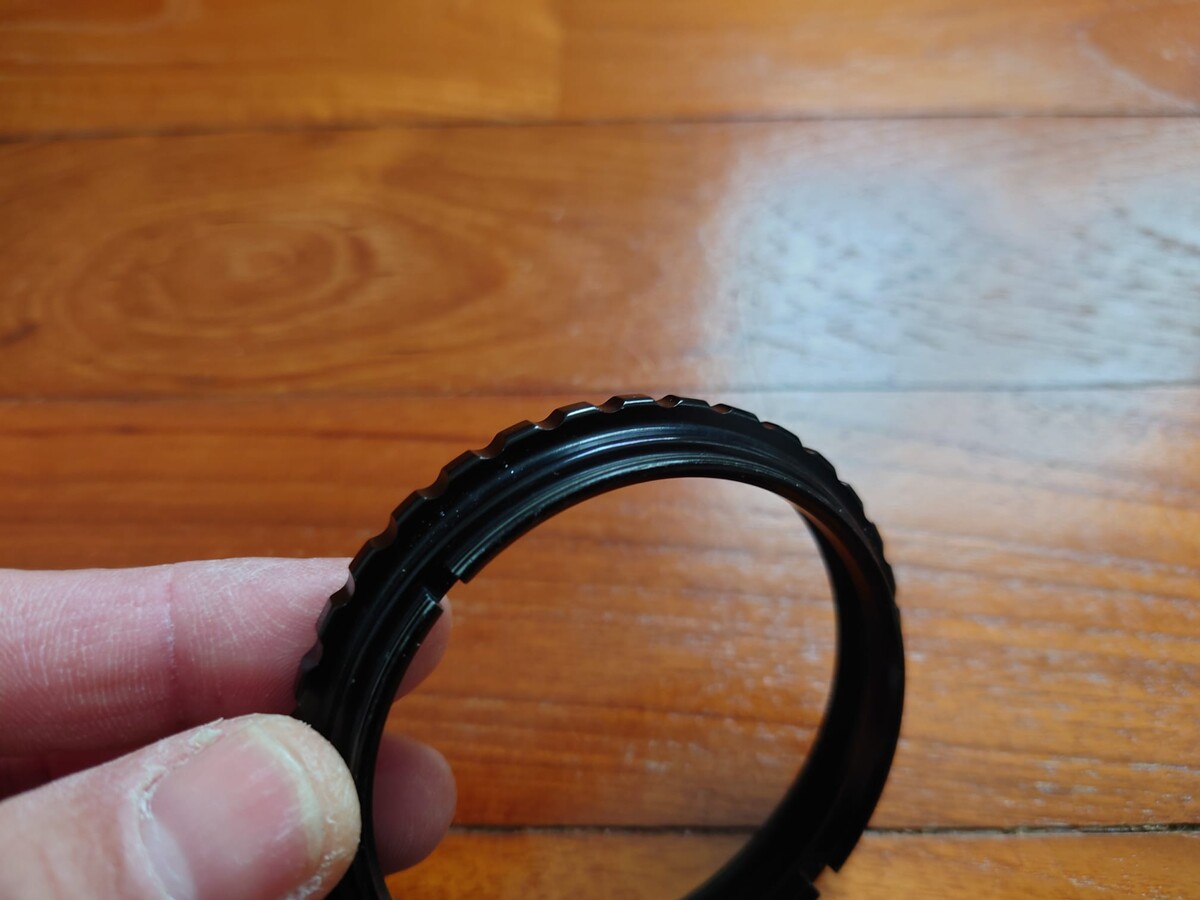
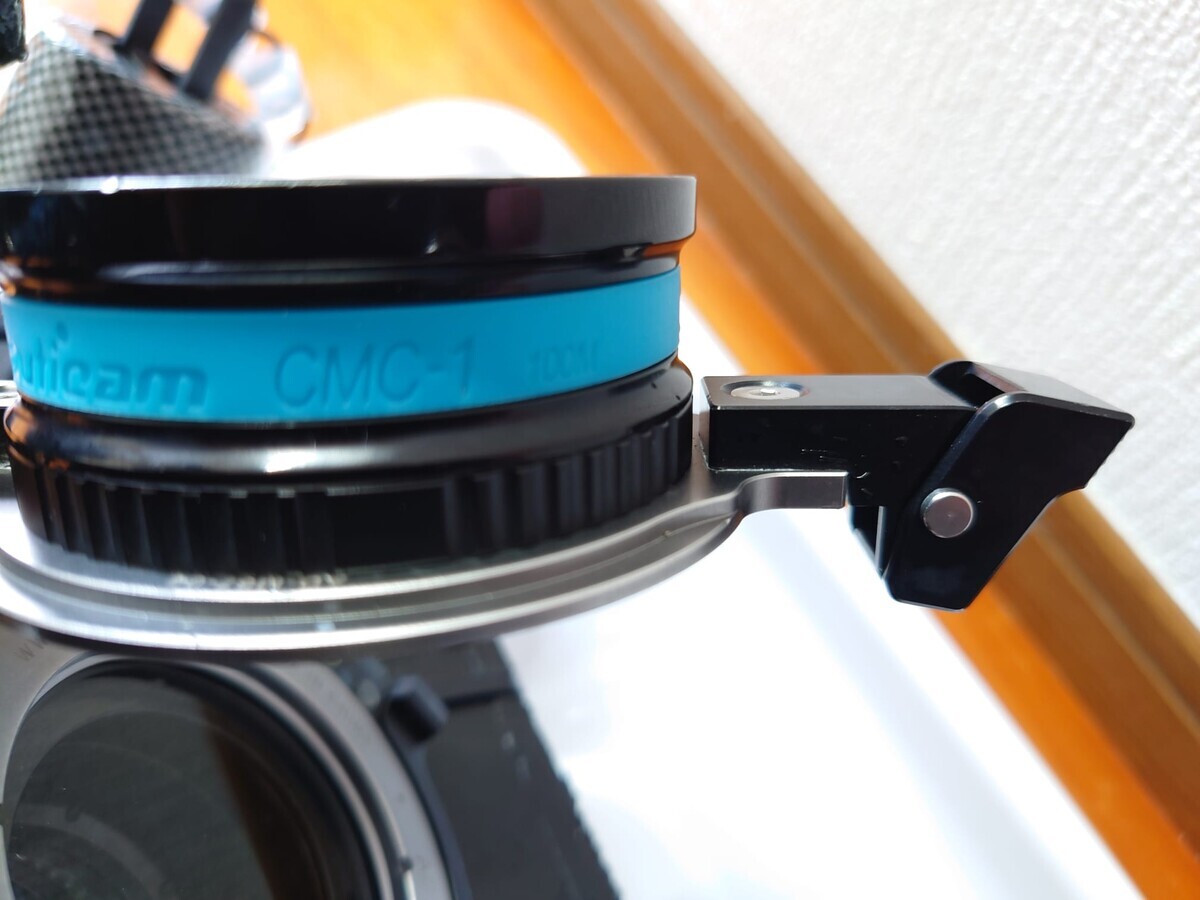
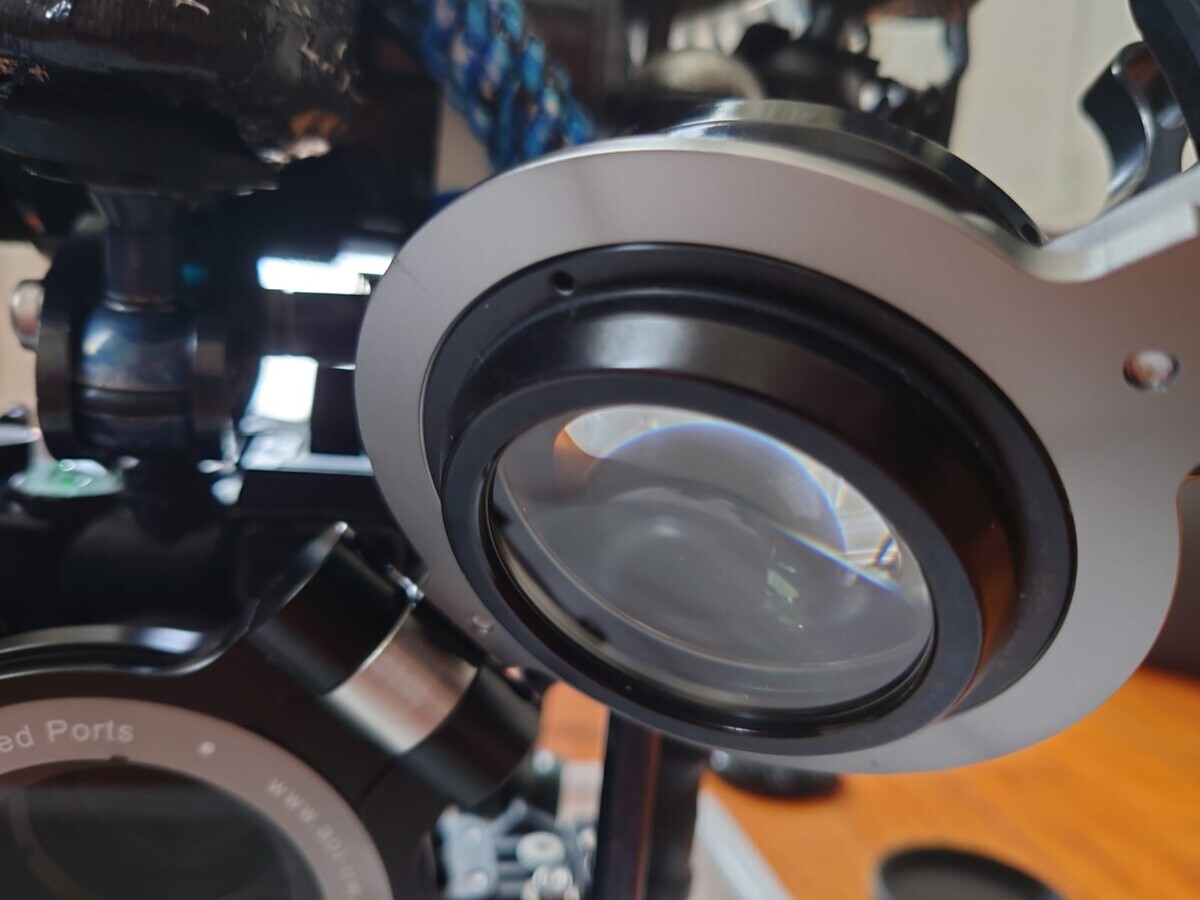
Is the 67mm adapter provided with the MFO3 like this one? (this is the one that comes with the CMC diopters and a few others) If this is the case, then it's not possible to use it with AOI flip unfortunately - the adapter can't be screwed onto the flip holder because of where its locking mechanism sits, the adapter's protruding toothed section gets in the way. It's also not possible to use Nauticam diopters with this kind of design without a 67mm adapter on the AOI fllip because the rear end sticks out too much (the flip adapter base is too shallow) - the diopter hits the port glass and this prevents the locking of the adapter when the diopter is fully screwed in. Fortunately the smaller adapter (which has to be ordered from Nauticam) works, since the toothed section doesn't protrude as much and clears the flip's locking mechanism by a few mm, like this:
.jpeg.e9a7761ed4770988e1f8586b923f94a9.jpeg)
-
I use the AOI double flip, and plan to use it with MFO3 when I get one. The AOI flip works fine (I use it with an Inon UWL-H100 wide lens + dome port, it holds the weight), but keep in mind that you need to use the small Nauticam adapter to use their wet lenses (the AOI adapter itself is not deep enough, more details here: https://waterpixels.net/forums/topic/2611-question-on-dual-flip-lens-holders/page/2/#findComment-19553 and here https://waterpixels.net/forums/topic/2611-question-on-dual-flip-lens-holders/page/2/#comment-23000 )
-
Very interesting, thanks for this. The results are very nice in terms of IQ for wider shots, but WB struggles on both, with a really strong cast. How do you WB for the A6400, and what WB settings are you on for the GoPro? The lights don't seem to be making much difference on these shots, I guess the shots are too wide for available light power. This is timely - after years of holding on to the GoPro7, a 2nd hand GoPro 13 just arrived from MapCamera this very morning, so I plan to experiment with it as well. I'm really looking forward to 10bit colour, and to testing it with filters for mixed-lighting scenarios and WA. At first it will be with the LX10, but I'm also in the process of upgrading it to an Sony A7SIII rig (bought the Nauticam housing, but assembling the full kit will take a bit of time), so I'll be able to offer A7SIII + GoPro13 tests in a few months, hopefully. My A7SIII rig will be a macro rig at first, but I will have the GoPro13 on there for WA shots, and will test mixed-lighting with both on local reefs. Mixed-lighting tests on the LX10 were very promising (I use Keldan SF -1.5 filter on the lens plus Dreifish recipe "Dreifilters" on the lights) allowing to setting the WB to ambient light and getting closeup highlights (one way to describe it like having a bit of "directional sunlight" at your disposal). Maybe it's something you could look into? Regarding mixed lighting an action cams, here's an nice example of mixed lighting with the GoPro12 (GoPro Hero 12 with lens filter 2x Kraken Solarflare 10k Video Lights with Kraken Blue Filters) : https://www.facebook.com/watch/?v=786913180869855 cheers b
-
Great pictures and report, Dave. Would you recommend having the housing near neutral or slightly more negative than usual? I’ll be swimming with whales, if we’re lucky at nature’s casino, and from what I see in the footage here, a lot is shot from above. Duck diving is forbidden here, so I'll be filming on the surface, in potentially rough conditions.
-
As what will likely be my final follow-up on this matter: I never heard back from AOI. However, after exchanging with Fantasea, they reviewed the situation, and informed me they had discussed my case with AOI and directed me back to AOI, who would try to assist in a more suitable way. My previous email to them had not received any response, but I emailed AOI again after the Fantasea update. I followed up more than once before finally receiving a reply. The response I eventually received from AOI was as follows (quoted in full for transparency): Thank you for your continued follow-up and patience regarding the UCL-50LF diopter (Serial Number: UL30012889). We appreciate your clarification that Fantasea has referred you back to AOI, and we’d like to formally align on the service framework for this product. As previously communicated, this model is exclusively distributed and supported by Fantasea’s global sales & after-sales network. While AOI does not directly provide end-user support for Fantasea-distributed products, we are willing to offer a one-time technical service as a goodwill gesture, subject to the following terms: Service Quotation & Terms Inspection & Cleaning Fee: US$120 (covers initial assessment, disassembly, and cleaning of internal fogging/traces). This fee is non-refundable, even if additional repairs are declined. Parts & Additional Repairs: If inspection reveals damaged components (e.g., seals, optics) requiring replacement, we will provide a supplementary quotation with part costs and labor fees. Spare parts are sourced exclusively for Fantasea-authorized services, and we cannot sell parts directly to end users. Shipping Responsibilities: You are responsible for all inbound shipping costs, insurance, and customs clearance to Hong Kong. We recommend using a trackable courier (e.g., DHL, FedEx) to avoid loss. Return shipping costs (to Japan) will be quoted separately upon completion of service, and must be settled before shipment. Warranty: The service includes a 3-month warranty only for the specific issue addressed (internal fogging/cleaning). It does not extend to new damages, normal wear, or unrelated component failures. Holiday Schedule: Our technical facility will be closed for the New Year holiday from next week until end of Feb. All incoming units received will be processed operation resume. Please account for this extended timeline when planning shipment. Next Steps (If You Wish to Proceed) Confirm your acceptance of the above terms via reply email by Feb 10, 2026 (to ensure we can log your request before the holiday). **** I replied that in my view, a non-refundable USD $120 inspection and cleaning fee before any parts, additional labour, return shipping, or customs fees are even considered is not a reasonable or good-faith solution, and could not really be called a goodwill gesture... Once international shipping to Hong Kong, return shipping to Japan, customs handling, VAT, and potential additional parts are included, the total cost necessarily exceeds the retail price of a new UCL-05N. In practical terms, this offer means paying more than the cost of a new lens simply to enter an open-ended repair process with no upper cost ceiling, which is economically irrational, especially since the proposed structure guarantees that repair exceeds replacement value. AOI then offered to reduce the inspection fee by US $6, from USD 120 to USD 114, with all other terms unchanged. Shipping, customs, labour and any additional parts remain excluded, and same limited three-month warranty. I explained that a USD 6 reduction does not alter the underlying economics. The repair path remains more expensive than replacement, for a lens that was designed and manufactured by AOI (references to distribution structure or co-branding do not change that). I will not proceed under these terms and consider the matter unresolved. There has been no further response from AOI. *** The practical outcome is that I am left with no viable repair option, only a process that costs more than buying a new lens. To be clear, I was not asking for free service, but for a solution that reflects basic fairness, proportionality, and an understanding of customer experience. This could have taken the form of a significantly reduced replacement cost, a refurbished unit, a capped repair fee clearly below the price of a new lens, or another concrete solution that does not place the customer in a worse position than simply discarding the product. Frankly, I do not understand how a company can consider this an acceptable way to handle a product issue. From a customer standpoint, this is not support. It is a mechanism to formally close the case without providing a viable outcome. It's a real shame because AOI has actually put out some really nice wet lenses and diopters. The current "pro" line like the UCL-09, UCL-90 and UCL-900 diopters, are genuinely strong in terms of optical quality. But lenses like the UCL-900 retail for around USD 900. Imagine running into an issue at that price point and having to deal with this kind of customer service from AOI. I imagine this extends to other products such as housings, lights and strobes... Caveat emptor, as they say. That’s definitely something to take into account, which is why I felt it was worth flagging here. Especially given that AOI supports this forum, it would be good to hear their perspective here.
-
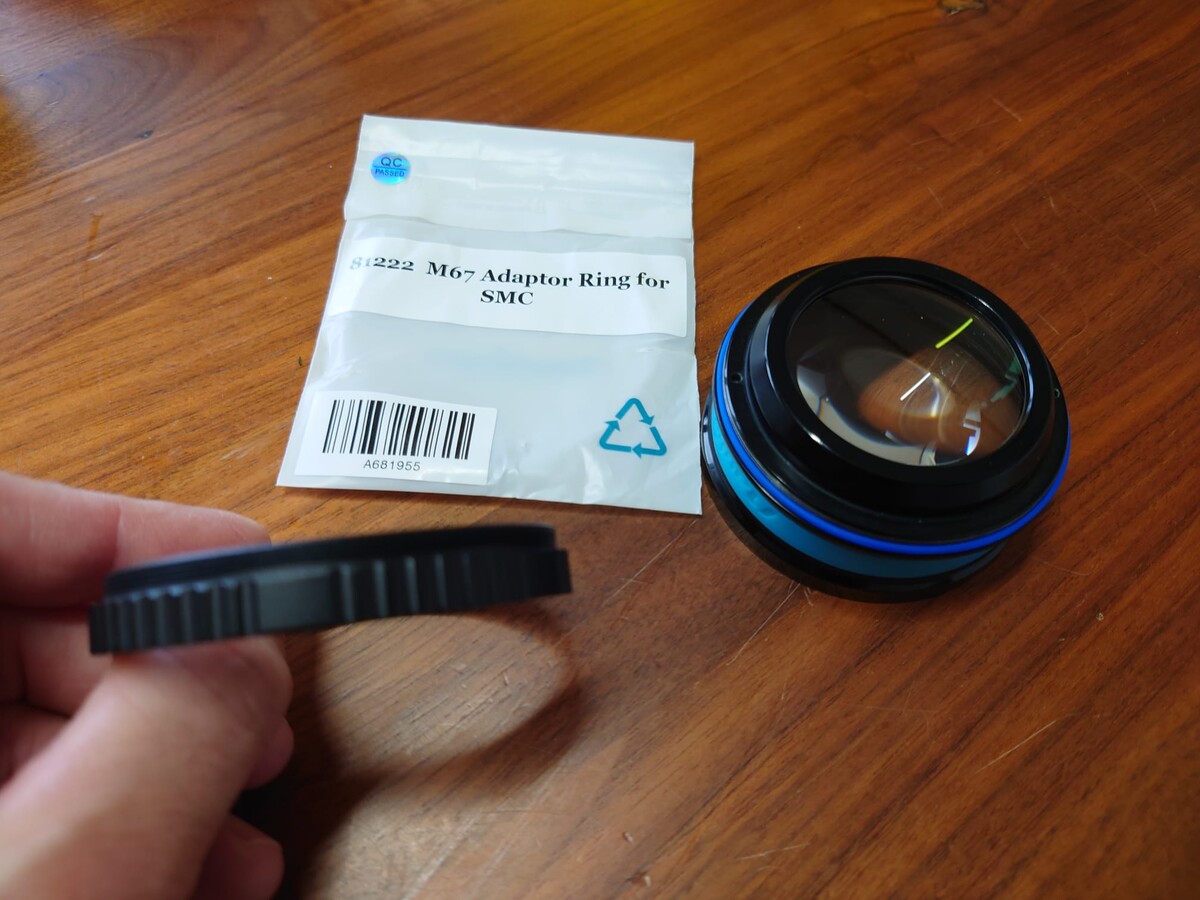
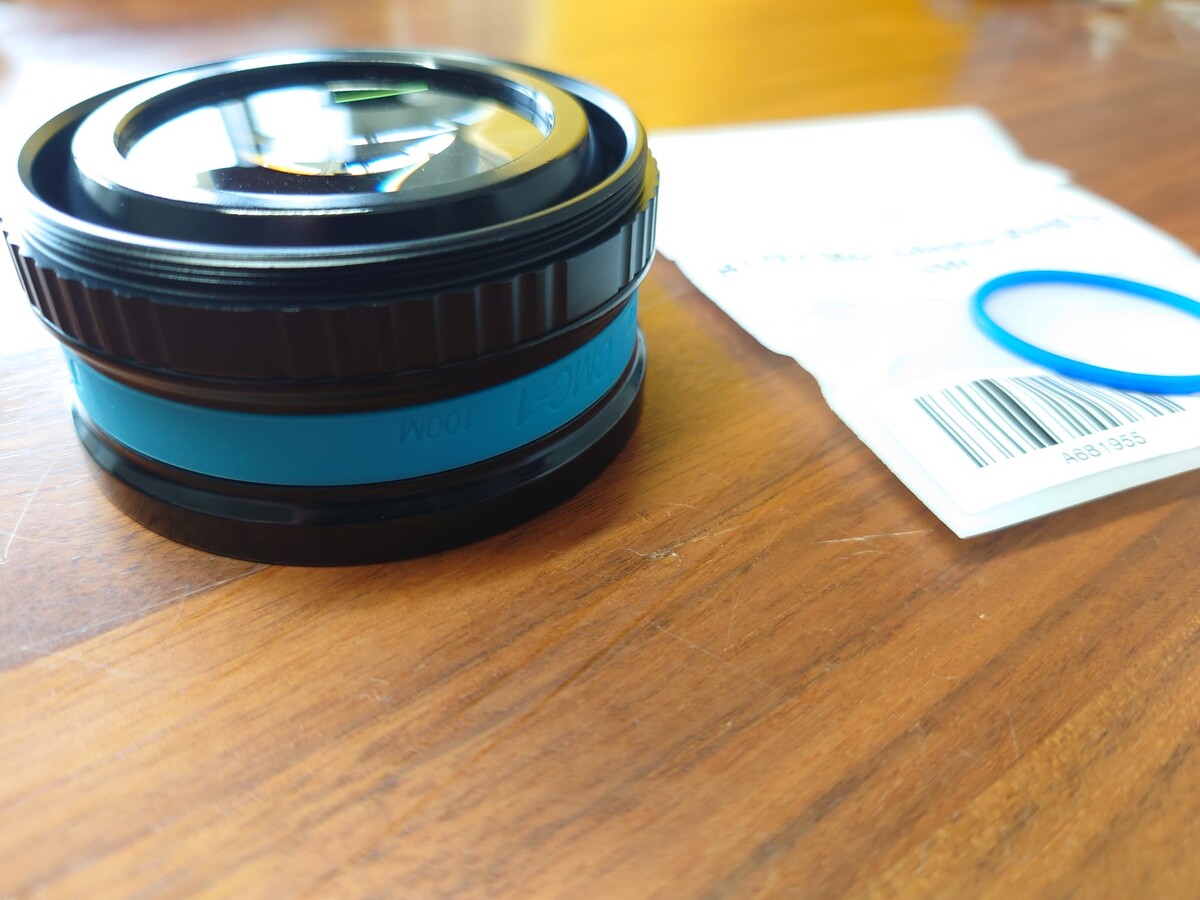
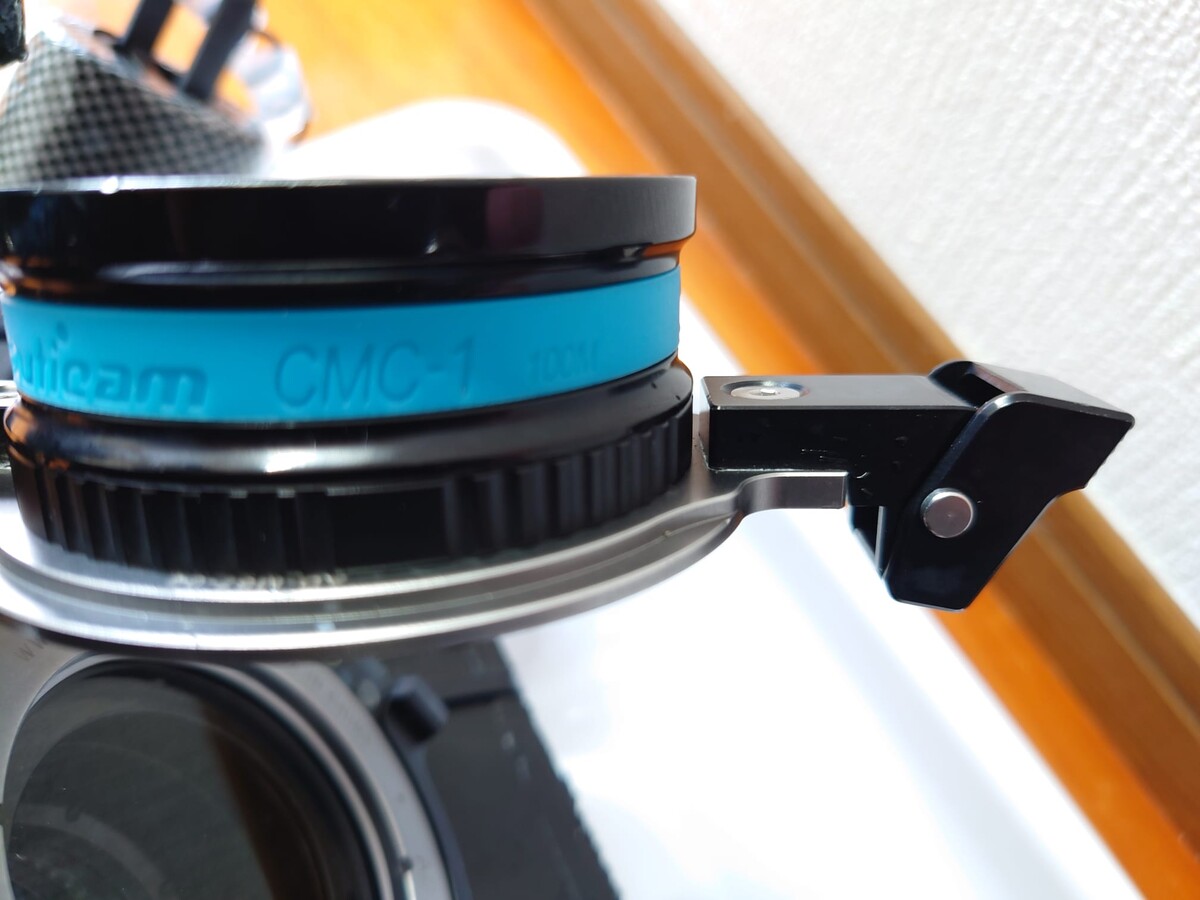
The adapter just arrived today and I can confirm it works perfectly with the AOI flip holder and the CMC-1 - the flip's locking mecanism doesn't get in the way like it does with the large adapter, and I can now remove the o-ring I was using as a spacer. This adapter was designed for the SMC-1, but I think most Nauticam wet diopters share the same design (Nauticam only lists the SMC-1, but Backscatter lists a bunch of compatible Nauticam diopters on the website, MFO, CMC, SMC, etc)
-
As a follow-up, X-Ray mag has just published a new feature on Mikomoto (and a bit of Osezaki): https://xray-mag.com/content/japan-honshu-mikomoto
-
Yes, this is a major issue with Peleliu. It's not dived as much and the currents are more complex than elsewhere, including serious downcurrents. We also had a fuel surcharge to go there and the owner was a little uneasy because of a drift incident that happened to staff a few years earlier (drifted off Peleliu and picked up safe hours later, far away, after a massive search). I've worked in Komodo so pretty cautious about this kind of thing, but really the only way to gain confidence is to dive it often, cautiously, in different conditions. We did go a few times and while I can visualise some sites like Yellow Wall, Wall/Cut Corner and Express to some degree, I wouldn't say that I'm comfortable with these, and there are plenty of sites in the area I haven't dived at all. This happens a lot on real liveaboard trips, where you sometimes even dive new sites on more exploratory trips, but one thing to keep in mind for Palau is that boat operators are generally not really used to following divers and drift dives as much as in places like Raja or Komodo. This is especially true for land boat ops. Local captains are great and are pretty much all fishermen with fantastic local knowledge, but most are used to dropping divers in one place and estimating pickups rather than following divers, which has to be taken into account on sites with drift potential like Peleliu sites or more exposed sites like Shark City for the snapper spawning. I was actually planning on diving a week from Peleliu with the op there when I had the time, but that didn't happen. The Peleliu sea bream spawning looks amazing, if anyone's done that. Sorry to hear that. It should be a little busy now but still... Keep in mind that Palau will be expensive, I don't know if the 10% PSGT is still applied (it was put into place as I was leaving), but this also increased the prices further. One thing you could look into are dive-accommodation packages. We offered packages with negotiated prices for accommodation available for people diving a certain number of days, with pretty much all the hotels I listed above, and I'm sure other operators do as well. It was quite a good deal, but yes, package or not it is still way more expensive than diving in SE Asia.