




-
I shoot with the A1 and upgraded from the 90mm to 100mm macro (shiny new gadget, woooh). I'll be one to say that the 90mm is fine, generally, yes it focus hunts occasionally but not that much on the A1. I used to shoot the 90mm on an A6000 (which didn't even have phase focusing) and the A1 is just night and day. The 100mm is better but it's not like it instantly focuses either. I also probably prefer the 90mm focal length. Definitely upgrade to the latest firmware of the A1, version 4+. They have added new focusing range areas, and the XS is very useful. I've been happy shooting in AF-C, XS tracking, center focus point, and using focusing+recomposing. A wider focusing area makes it harder to focus on a specific feature. A focus light is useful. There's definitely more hunting without it.
-
I've been using the AO cooler 36 for 10 years now. I love having it on day trips - the camera goes in there, as well as the spare tupperware box, mask, computer, towel, wet clothes, etc. It's very convenient. It's much easier to carry everything to a boat. It helps dampen vibrations as well on long boat rides. The zippers have been salted out for a while and don't close anymore. It folds but is quite thick so it takes a fair bit of luggage space. I have used it as a rinse tank in some hotels/resorts that weren't setup for it, or on 3-dives trip with a longer lunch break. But I find it rather unnecessary on a liveaboard, usually I don't even bring it. Just use the communal rinse camera tanks, cameras don't need to stay in the water much. It's hard to keep a soft-shell bag as your own rinse tank on the dive deck, it takes space in a usually crammed area, and freshwater is usually limited. And it's not very convenient or respectful to keep it in the bathroom, moving a wet camera back-and-forth across the dry area of the boat.
-
Sorry that you're facing this on location. Having suffered from 5 failed Sea&Sea YS-D2/D3 strobes at various times, my best advice is to get another brand when you're back home... Not very helpful for the problem at hand, I know, for which Chris gave great advice. In my case I suspect that Eneloop Pros were also too powerful for these strobes, and regular white Eneloop were preferable, with at one point a deficient set of batteries that also damaged a strobe. So if you have access to white Eneloops, use that for your remaining strobe. And in my case, when the strobes were fried, I could either manually trigger them but only at full power, or could only see a weak preflash but not the actual flash. So, when you use the optical cable between your working strobe and the dodgy strobe, are you able to adjust the flash power on the dodgy strobe? If so, that should be good news.
-
Hey Gary! Looks like there's a chance we could bump into each other at Blue Ribbon. I haven't been back this year, but stay there occasionally - will give a shout next time I do.
-
If space or weight is a constraint I wouldn't bother with macro on this trip. You're going for pelagic actions in the channels, or for mantas at cleaning stations, not for critter hunting. Strong currents, 4 or 6:1 divers per group, dives are usually quite deep (25m, not 5/10m), and coral is in pretty bad shape overall. Definitely bring the strobes. You'd probably do 1 or 2 night dives and these will be needed. You can also use them for CFWA.
-
Let us know what their recommendation is - I'm also curious about this setup. Though I'd rather go for a native lens... alas, no choice.
-
Out of the 2, I found Buceo to be nicer - better location, larger bungalows, and definitely more of a holiday feeling due to the space and location. Buceo's location is also great for Secret Bay though that's not a big differentiator. CBR has comfier rooms and very nice staff. Mike wasn't around when I was there. They have a nice classroom. Both are very well run dive operations. The food got old very quickly at CBR. To me this was, by far, the major downside of the resort. They tried to make it nice (soup, starter, mains, dessert etc), but it was just bland and uninspiring and I doubt I'll return because of that. Buceo had more options though you don't travel there specifically for the food either. Neither are great for vegetarians (I'm not but my partner is). Buceo was a bit more expensive, if my memory serves well.
-
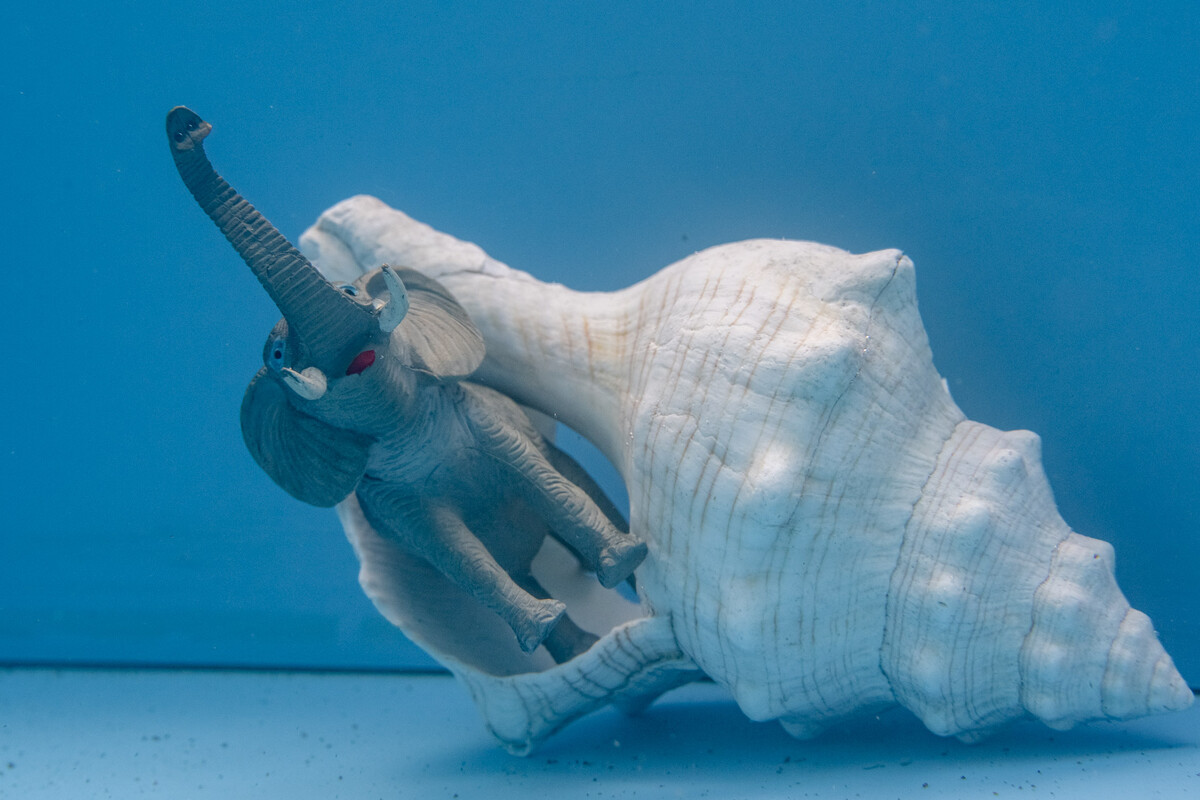
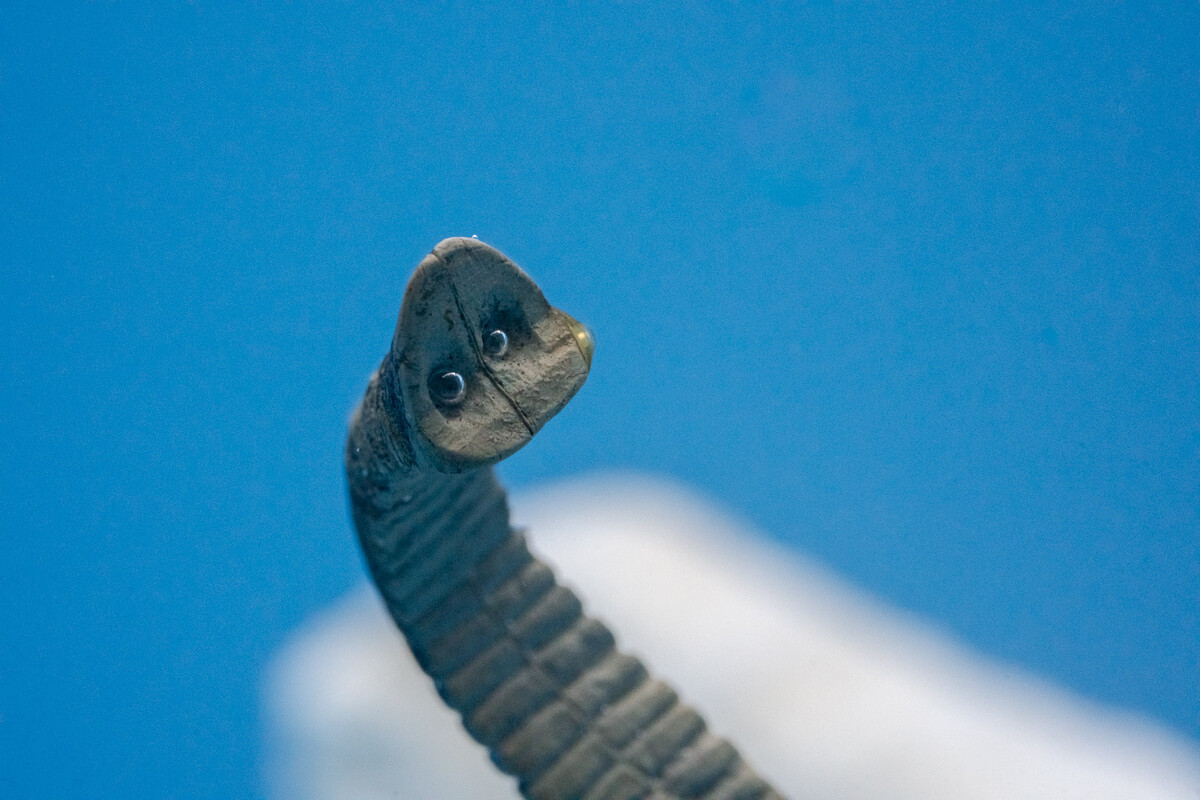
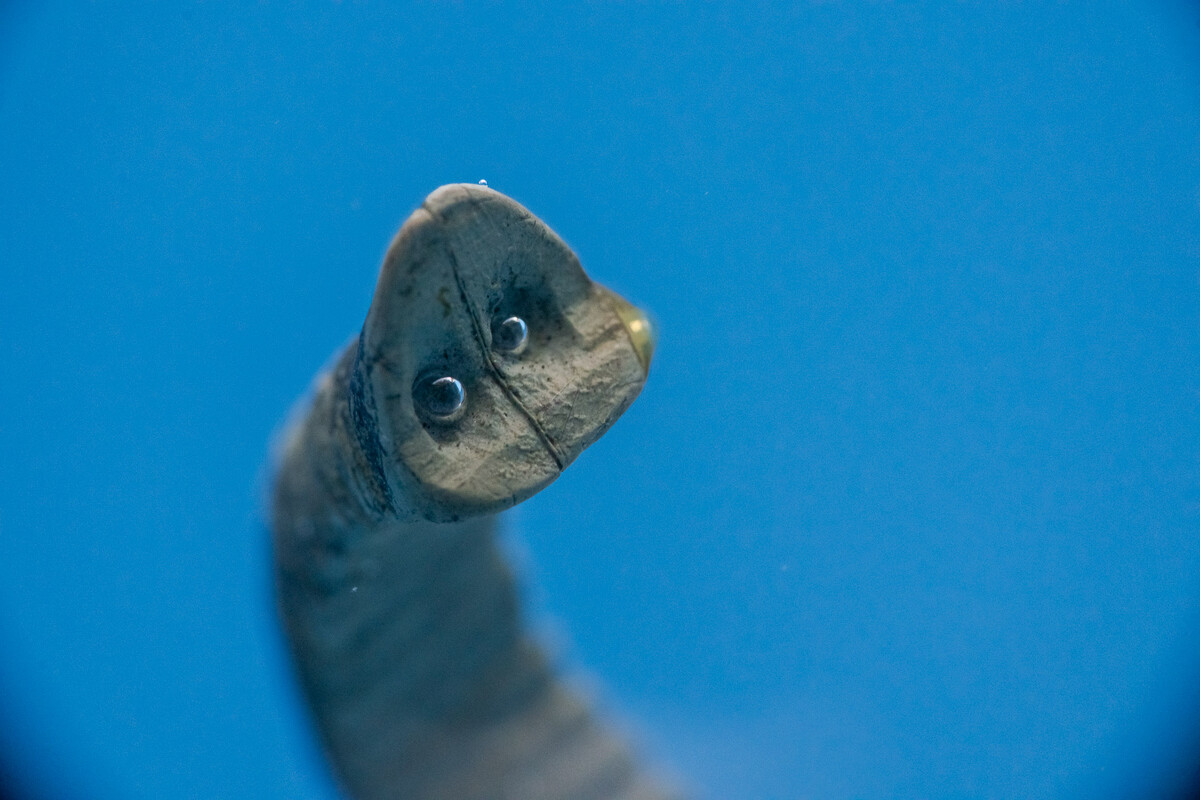
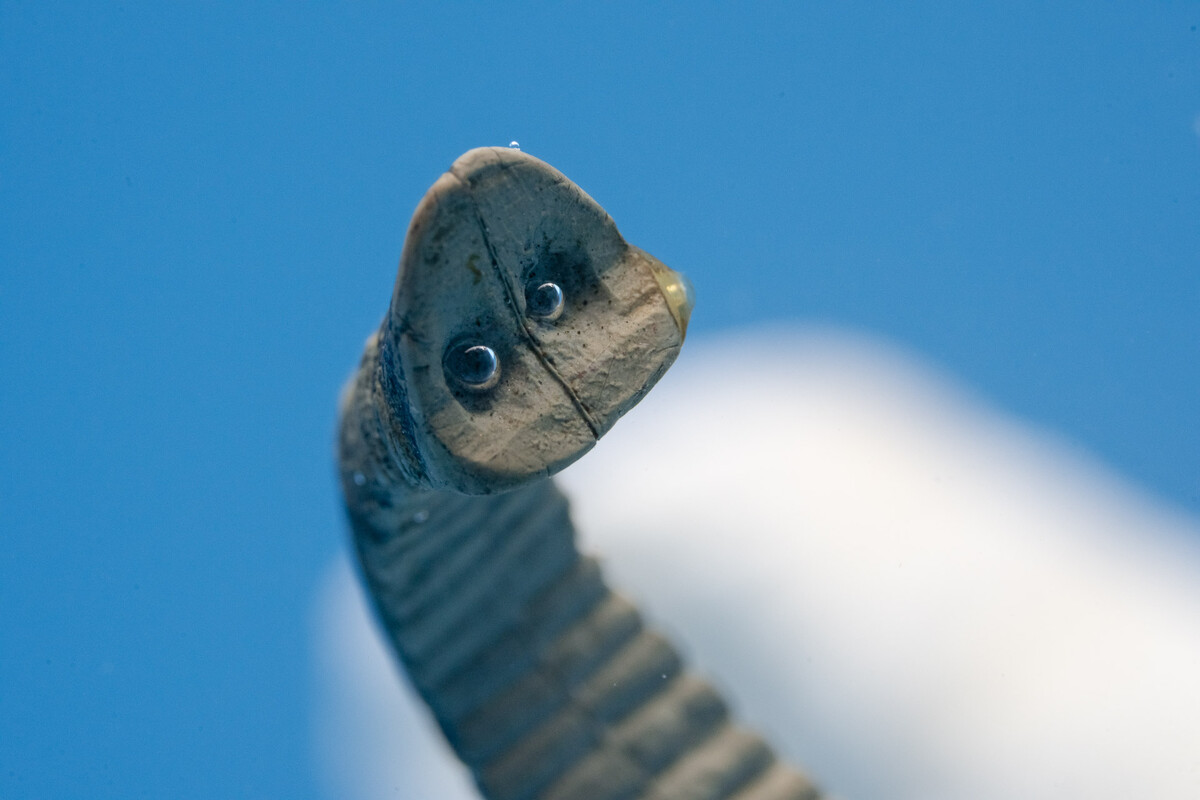
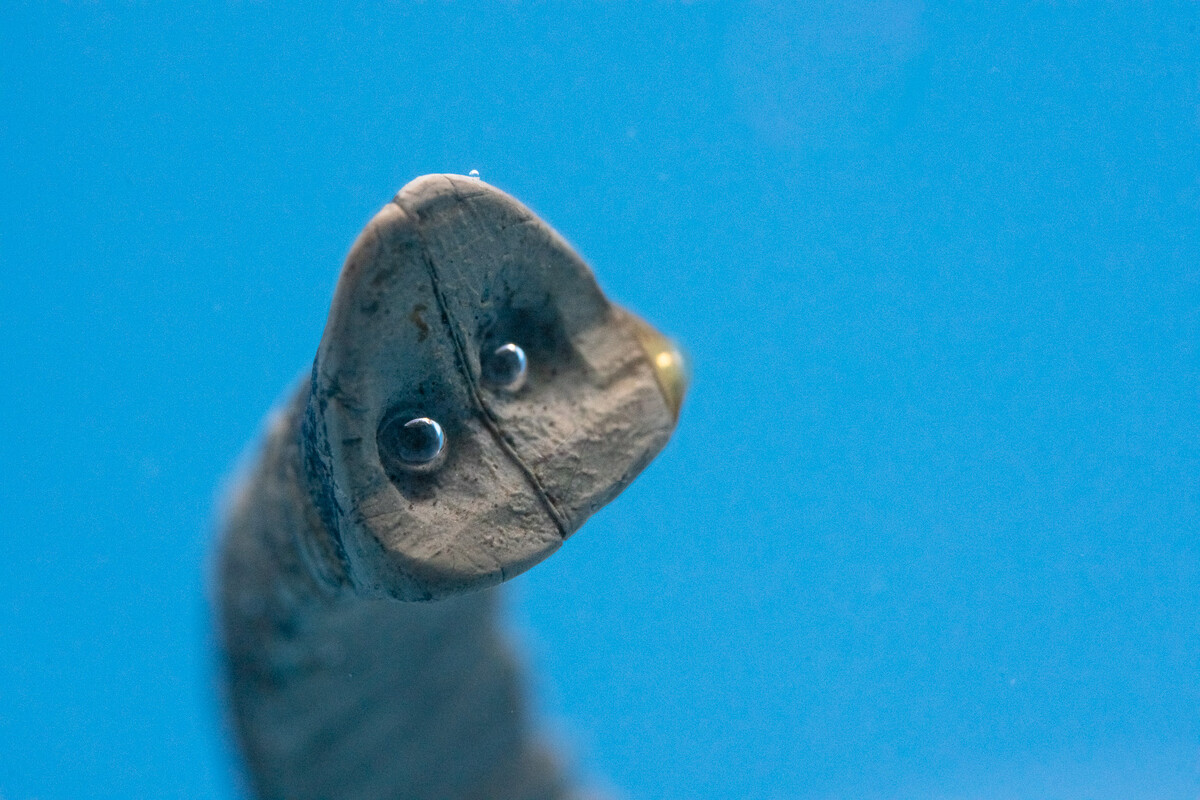
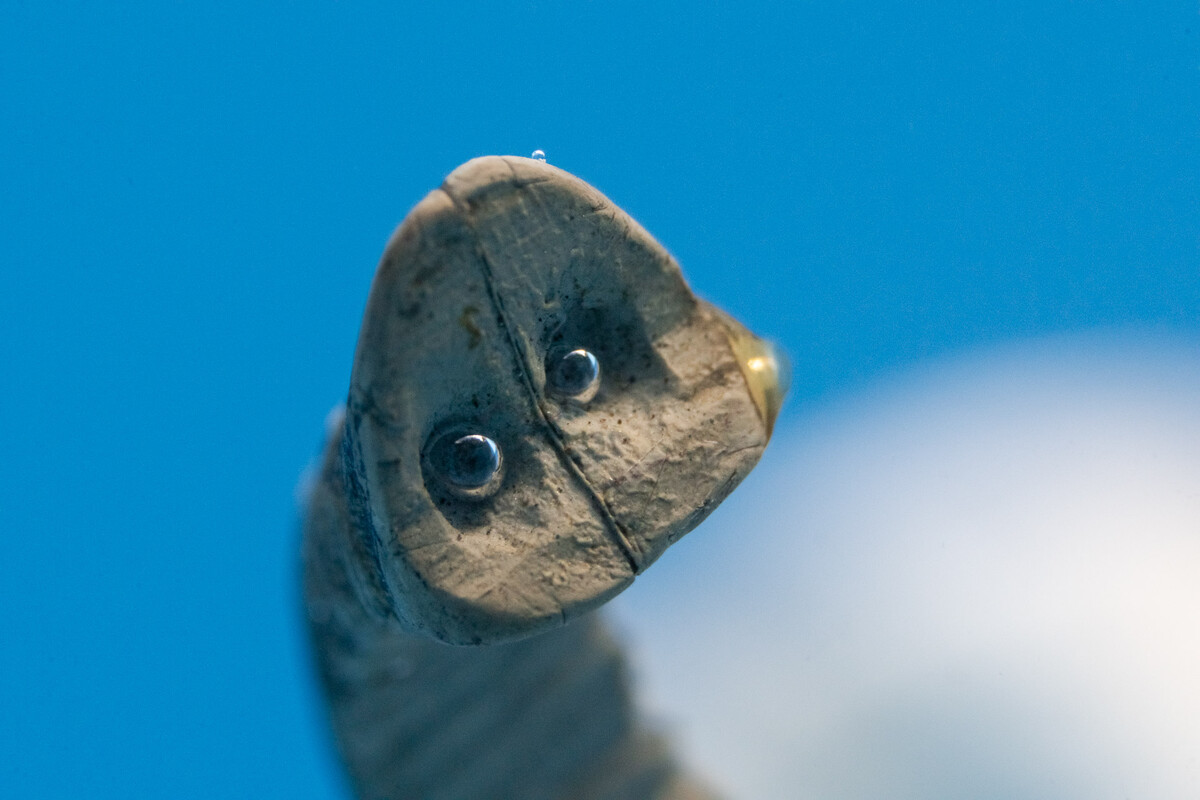
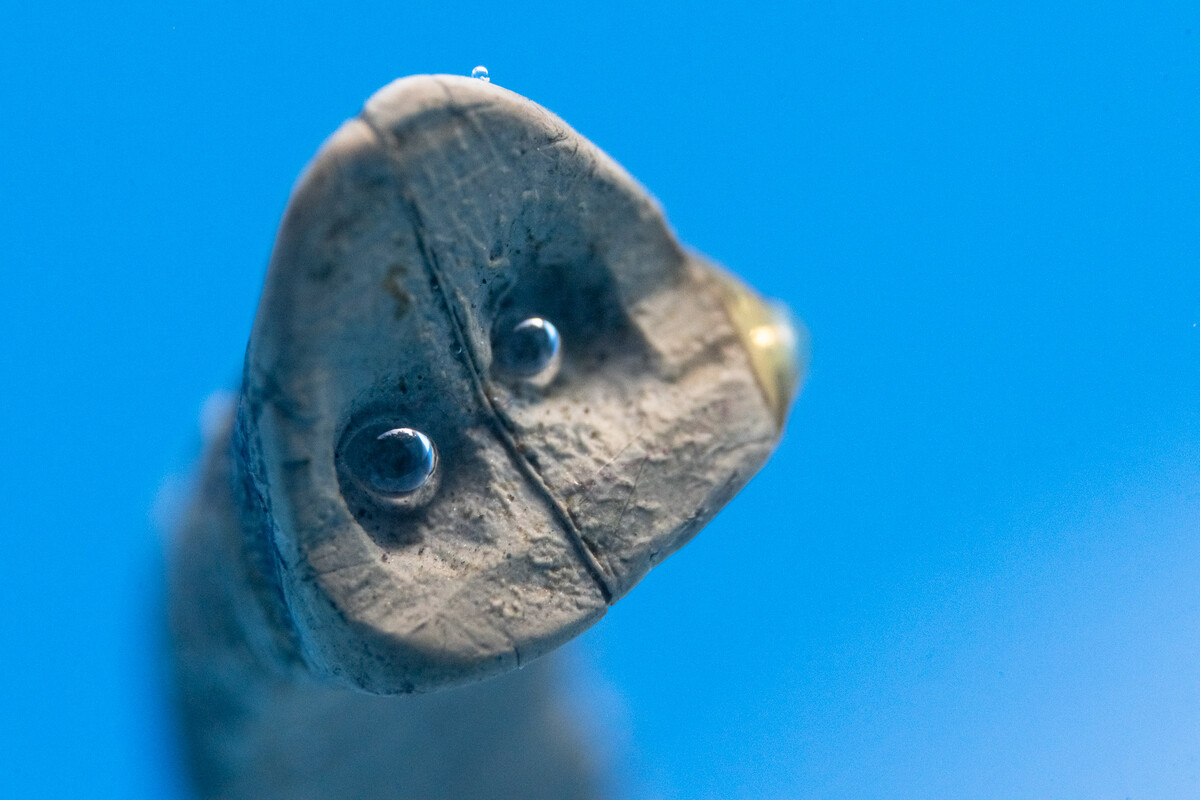
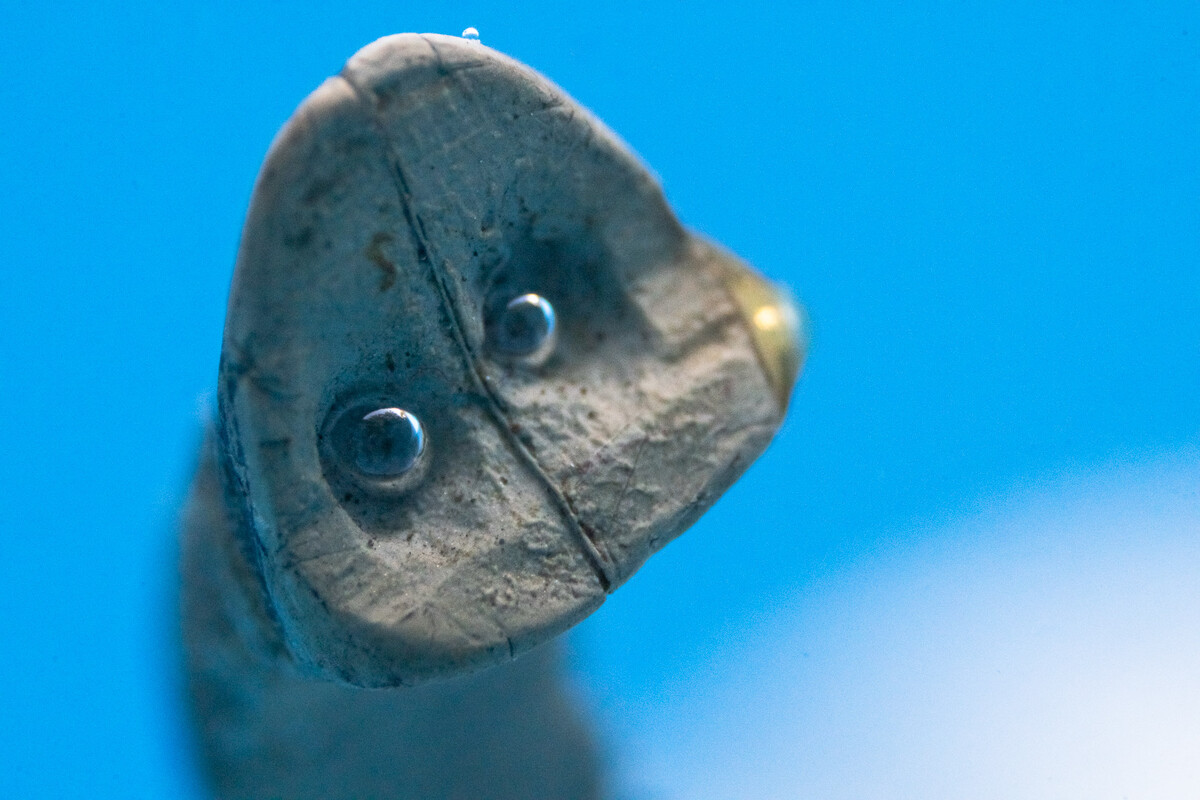
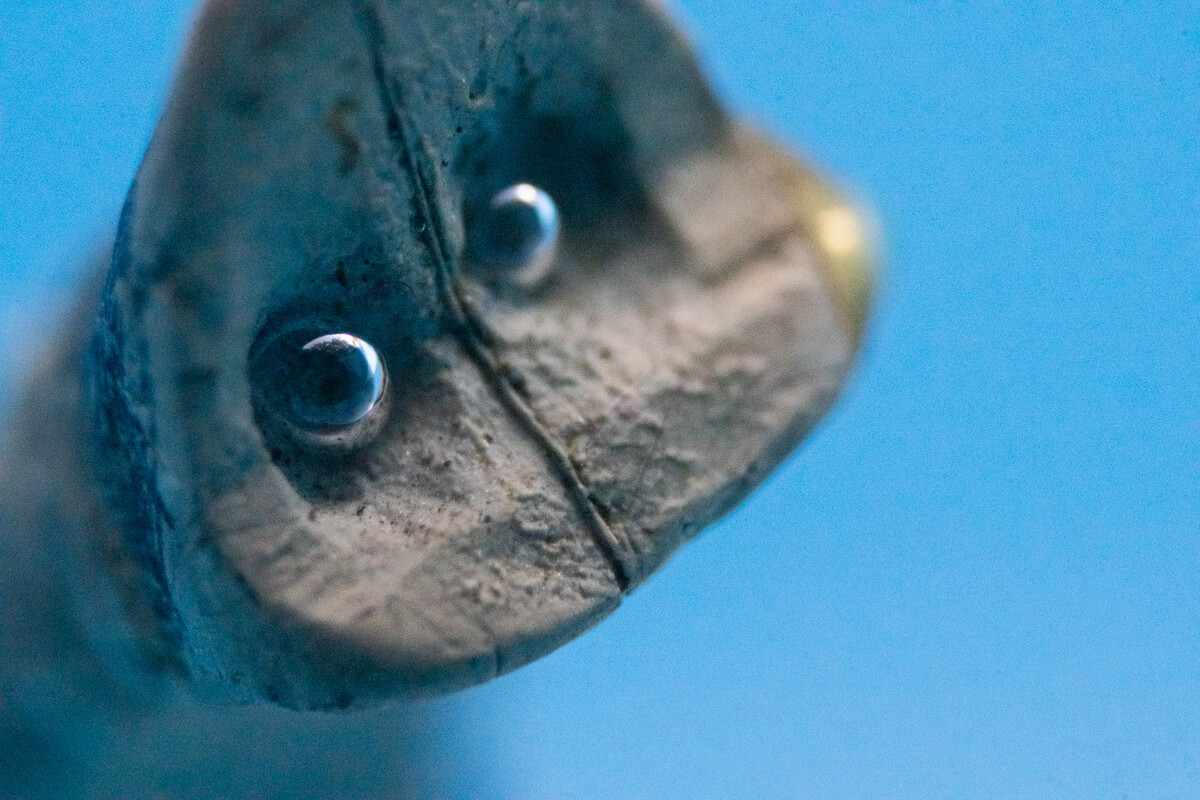
Seacam updated their port chart, and they recommend the PVL65 extension for the 100mm macro. I can confirm that a 60mm would not work. By email, Harald also recommended the PVL65+20 for the TC1.4, and PVL65+30 for the TC2.0 combos. Given what I already had, I ended up using the PVLs 45+20 for the 100mm, 45+40 for the 100mm+1.4, and 40+35+20 for 100mm+2.0. Stacking 3 extensions isn't optimal, but it works. Now for the test - I had a chance to go to the pool and play with everything. My aim wasn't pixel peeping, but to get a feel for this new gear, confirm that everything works, and see approx what magnification level I can get. Gear: A1, Seacam housing, MIP80 with extensions as above, no strobe, SMC-1. Lighting was inconsistent due to clouds so I did what I could. Some editing to try to get a consistent look across photos. All pictures use the same settings for texture (0) clarity (+10) dehaze (0) sharpening (40) and noise reduction (L15 C50). All pictures uncropped, exported at 1920px. I'm hoping the pictures show up in order. For pictures 2-9 I aimed to achieve the maximum magnification I could. Picture 1: Subject is 10cm long and has 2 rhinophores (elephantophores?) and a snout (snoot?) which is about 3-4mm. Picture 2: 90mm, 1/160, f/10, ISO 3200 Picture 3: 90mm + SMC1, 1/160, f/10, ISO 3200 Picture 4: 100mm, 1/125, f/10, ISO 1600 (inadvertently used different settings) Picture 5: 100mm + SMC1, 1/160, f/10, ISO 3200 Picture 6: 100mm + 1.4x TC, 1/160, f/10, ISO 3200 Picture 7: 100mm + 1.4x TC + SMC1, 1/160, f/10, ISO 3200 Picture 8: 100mm + 2.0x TC, 1/160, f/10, ISO 3200 Picture 9: 100mm + 2.0x TC + SMC1, 1/250, f/10, ISO 6400 (had to use faster shutter speed and bump up the iso) My perspective: this lens is going to be very fun to shoot. It is definitely faster to focus than the 90mm macro. The 100mm is slightly bigger, unfortunately it makes it tricky to take both the camera+lens out of the housing in one go, it's better to unscrew the lens first through the housing front. A battery change on a boat is a riskier operation. I love that we can natively achieve 1.4 magnification without having to add the SMC1, while keeping a greater working distance than the 90+SMC1. I also love that I can still add the SMC-1 to get an even higher magnification, whether used just with the 100mm, or with the TCs as well. Adding the 1.4x TC gives a 140mm lens, which can achieve about the same magnification as 100mm+SMC1 but is much more comfortable to handle. The 1.4x TC is light and adds weight towards the center of the camera whereas the SMC1 is heavy and off balance (I'm aware the SMC3 helps with that). And adding the SMC-1 on top of it really expands the range to super super macro Adding the 2.0xTC gives a 200mm lens. Magnification is great but the 200mm seems really inconvenient underwater, to get the whole elephant in the frame I had to move back more than I wanted, and I can see this would be both harder to frame subjects, and to position strobes. Adding the SMC-1 gives an even higher magnification as well, but the working distance was very small and getting the shot was really hard - despite perfect conditions with static subject and photographer. I can't imagine this working too well underwater. With the TCs, the minimum aperture also increases from f/22 to f/31 or f/45 so that may occasionally be useful as well. So the 100mm + 1.4x TC + SMC-1 will be coming with me to Lembeh, 90mm will enjoy its retirement. I'll keep the 2.0 TC for specific targets on local dives, like Shaun the Sheep
-
They both have their place topside for wildlife and birds. I pair the 2x occasionally with a 100-400 4.5-5.6. It is okay, the main inconvenient being that at 400mm the f-stop decreases to f/11, and there is some decrease in image quality. I've now gotten my hands on the 100mm and 1.4 as well and my first impressions are very positive. The 100mm focuses notably faster. The 90mm was already tack sharp so I wasn't expecting much improvement over there. I'll try to share some tests when I get to the pool (and soon after in Lembeh!). In practice I'm not sure how much use the 2x will get underwater, I would think the 1.4x is a lot more versatile.
-
I have this Behringer controller and used midi2LR a fair bit but wasn't quite satisfied with this solution. First you have to spend quite a fair bit of time setting it up, then building the muscle memory. Then I could never be fully reliant on it and had to switch back and forth with the mouse and keyboard. The hand(s) have to move a bit too much around. And finally there was quite a noticeable lag between the moment the wheels are turned and the sliders are changed. Long story short, I ended up buying LrSuperKeys (https://www.lrsuperkeys.com/), which is an LR add-on, not an external device, and this has been AMAZING. The way I use it: in LR, in the develop module, I now long press on a key and then either use the scrollwheel or click+move the mouse to adjust the sliders. So I'd press 1 to change the temperature, 2 for the tint, 3 for saturation, 4 for vibrance, Q for exposure, W for contrast, ASDF for highlights/whites/shadows/blacks, ZXCV for tone curve control, etc, 6/7/8/9/F5/F6/F7/F8/F9 to control red/orange/yellow/.../magenta (and depending on where the mouse is on the screen, it changes the hue, saturation or luminance), etc. Keys and shortcuts can all be configured. This has massively improved my editing workflow, the learning curve is minimal, there's no need for an external device, and... it's very fun to use.
-
+1 for this Protactic BP 450 AW II, it's been very solid. I usually carry my housing, FF camera, 2 or 3 lenses, 2 60D strobes, viewfinder, strobes and camera batteries and charger, focusing light, SMC-1, laptop, sometimes even laptop charger. I keep the ports, ports extension, arms, clamps and spare parts box in a check-in luggage, but could probably fit the macro port by changing the layout. It probably clocks in at 15kg with the laptop. Of course it's very heavy, but it's still comfy and inconspicuous enough.
-
I've just weighed my Seacam Compact Port at 1042g, and the PVL 40mm extension at 178g, for a total of 1220g. I had quoted incorrect figures on the weight of the Superdome and CP in an earlier post but I'm no longer able to edit it. I haven't seen a detailed tech specs sheet for either dome.
-
I'm happy to see some innovation from Seacam here. Although I'm not sure it's for me - I've been happy with the 16-35 PZ and compact port, and corner sharpness hasn't been an major issue except at CFWA. Couple of things I'm curious about: Is the field of view of the lenses the same as on land? Which of the major lenses are compatible? Can we use say a 24-105? What's the weight - they say "similar to the superdome" which is 2950g. The compact port is 1850g. What are the dimensions, weight, prices, diameters of the optical correction lenses? The one shown at the page is 77mm, but Sony's 16-35 are either 82mm (GM/GMII) or 72mm (PZ/Vario-Tessar). Canon is 82 or 77 and Nikon 77mm. I'm sure they've thought about this.
-
Oh, am I seeing a rubber band to prevent the AF/MF ring from switching back to MF inadvertently? Simple and brilliant idea, thanks. We've all been there, on a dive and feeling helpless with the ring that had moved back into MF.
-
For travel I use a Lowepro ProTactic BP 450 AW. I'm very happy with it. I can fit my housing, strobes, camera, 2 or 3 lenses, laptop, spare batteries and a couple of other parts. Of course the bag ends up being around 12-14 kg which is super heavy, but the bag is still comfortable enough. I haven't had any problem with airlines in Asia. I like that it appears just as a regular bag, and haven't been asked by airline staff to weigh it. For boat trips I've been using an AO Cooler 36 for about 8 years now. I am glad that I went with the 36 and not the 24. I don't see that much difference in terms of space taken by my old APS-C Ikelite setup, and the full-frame Seacam setup I now have. Then again the Seacam housing is compact. It's the arms that tend to get in the way. Extra space is always useful for spare parts tupperware, mask, dive computer, torch, towel, etc. However the zippers are metallic and will get encrusted. I did dissolve those a couple of times with vinegar, but that's a short term fix. I can't move them now and am not even trying anymore. I originally had the thought of using it as a carry-on but never did - yeah it's well padded but still too loose inside, + with all the spare parts, laptop etc... not ideal or feasible. What I do instead is that I put the AO coolers in a regular suitcase. So, with the suitcase open, I stack the fins first, then the cooler on top, stash the ports and arms in the cooler, then all my clothes. I've even managed to fit the BCD and reg as well in that suitcase. After that there's still plenty of space for about 1 swimsuit and 2.5 t-shirts...



Important Information
Terms of Use Privacy Policy Guidelines We have placed cookies on your device to help make this website better. You can adjust your cookie settings, otherwise we'll assume you're okay to continue.