




-
Hi Lou, With your question about reflection due to the housing colour, I have not noticed it happening. Also, the red does become dull quite quickly underwater just due to light absorption.
-
I had an Isotta Olympus OM-D EM 1ii housing and loved it. I replaced it with an Isotta Sony A7RV and also love it. I have also had an Isotta GoPro and TG housing. I was near southern Lake Garda by chance in late 2024 so visited their factory. Lovely family-owned artisan manufacturing company which, for me, adds to my enjoyment using their products. The quality is great. The housings are compact and they have a unique door system with double o rings. Also, double o rings on the ports and I think also on the buttons and knobs. The ergonomics on the models I have had are great (I use back button focus). They are more simple inside than some other housings which I think is an advantage. They have port adapters giving options for the Nauticam dry lenses if you want to use them. (But my favourite lens is the adapted Canon 8-15 with teleconverter or on it's own.) Since a couple of years ago they do have ports with the correct front 67mm threads for use with the Nauticam bayonet fitting (e.g. WWL-1B). The only negative I know off is that since they are quite a small company they tend to be slower than Nauticam or Ikelite to bring out new housings for the latest models, or less common cameras.
-
My wife and I dived for 12 days with Fish and Fins last year. We actually went for a week and extended it. We stayed some time at Palau Central and sometime in an amazing luxury tent at Carolines (looking out over the sea). At the airport on the way home we also met a couple who had stayed in Koror then for some days on Peleliu with some diving there, but they had local knowledge from previous visits. Our whole trip was great. I agree with the comments above...great advice from bghazzal. The kayaking/snorkelling is also great with unique coral communities in places like Nikko Bay and Risong Bay. Some dive centres hire out kayaks and Paddling Palau specialise.... A great option for the last day before flying or a day off in the middle of diving.
-
Hi Atus, Which mount did you get? I don't understand the Sea and Sea mounts (DX and NX) and which one suits Isotta. Thanks John
-
This may be daft.. but when I had my Olympus I wondered about the viability of the well regarded Raynox DCR-250 for super macro. These only cost something like US$100. Obviously this is more limiting than having a removable underwater diopter, but for a bit of fun with super-small subjects I wondered if it would work underwater (I never got as far as trying it out). It is 18mm thick and needs a slight step-down ring but maybe works if one has a 20mm port extension already that can be added to the macro port.
-
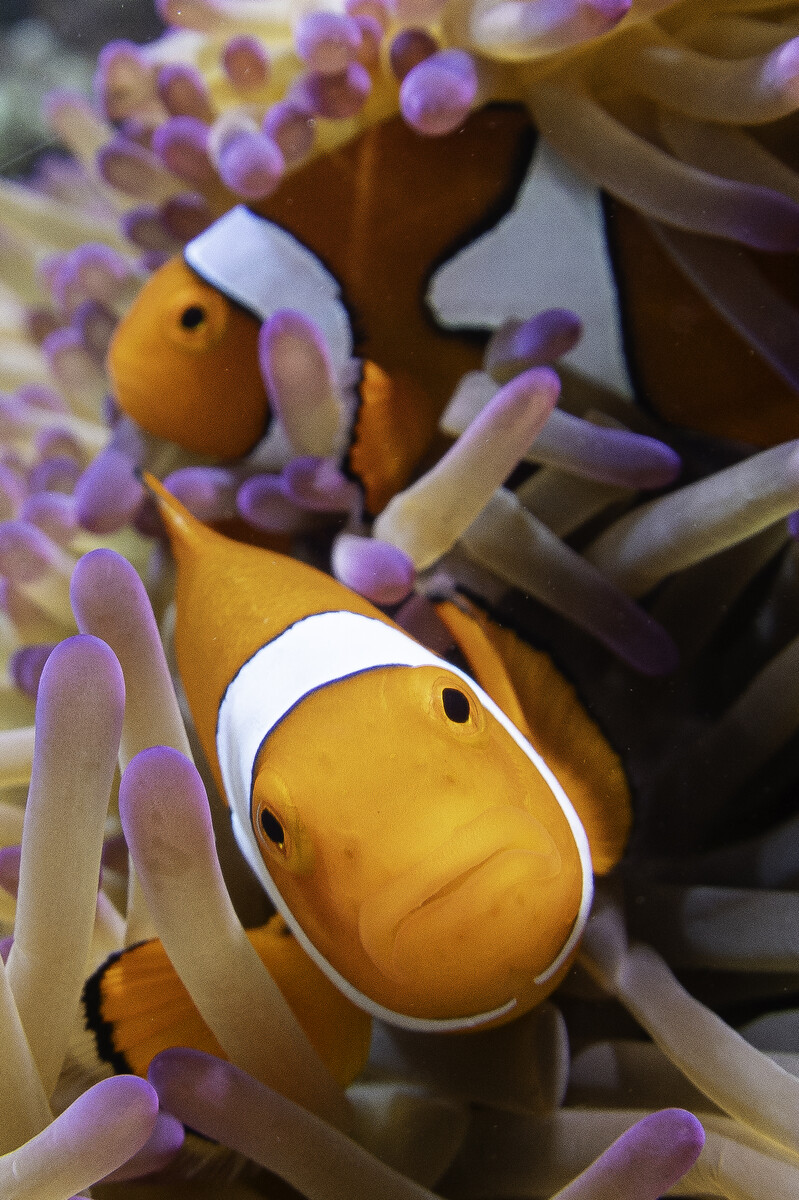
HI Sabine, So for list prices of A7R5 housings alone in Australia you have the prices below. (Then there is the lower cost Seafrogs around $1500 and the surf housings if you are just freediving.) .... Digital Diver (Cairns) Ikelite deluxe $4665 AOI $2489 Aquatica $6341 UWImages (Sydney) (also Marelux) Isotta $5852 Aquatic Imaging Australia (also Isotta) Marelux $5804 Scubapix (Cairns) Nauticam $6694 All are great dealers. Personally I like Isotta (I love Italy and family run artisan businesses but I also like their double o-ring sealing system) and bought my housing from Brett at UWImages in Sydney. I like the adapted Canon 8-15mm but I don't do video. If the 8-15mm fisheye is used with a teleconverter, the crop of the stabilisation and 1.2x crop for the 4k60 it may end up ok for video, but I guess folks are more likely to use the 16-35mm or WWL/WACP. My Sigma MC-11 used as an EF-E converter does not have autofocus in video but I believe the Metabones does on the rights setting. The Nauticam optics can be used with an adapter on Isotta with the Sony 28-60mm and I believe also on Marelux. I also use the Sony 20-70mm f4. I don't think Canon or NIkon do an equivalent lens that starts as wide, normally starting at 24 or 28mm, but I find 20mm wide enough and versatile (I put some photos on a thread about Palau a while ago.) I know some others use the Sony 16-35mm or Tamron 17-28mm. I do have a WWL-1C and also a Kenko 1.5x teleconverter for the 8-15mm. My smallest setup is the 8-15mm fixed on 15mm without a zoom ring in a small Isotta 4.5 inch dome. The cropping ability of the Sony A7Rv then can be used. An extra 20mm extension enables the teleconveter to be added. This photo below is taken with the Canon 8-15mm using the Kenko 1.5x teleconverter and small dome.
-
For anyone wanting a deeper dive into the tracking differences between recent cameras Jan Wegener's YouTube channel is interesting. It Is about birds but is impartial regarding brands and helps explain some of the aspects of tracking on Sony cameras compared to Canon and Nikon.... Basically all have some circumstances where a specific brand works best, rather than any one brand being better than an another. For example, Sony can get confused with small birds on complex settings but do well with fast moving action. Canon can lock onto a perch and be more likely to miss a bird taking off. If this is extrapolated to underwater scenarios it suggests that understanding a specific cameras strengths is useful rather than thinking one brand is better than another. For the Sony A7rv I pretty much follow what dentrock said!
-
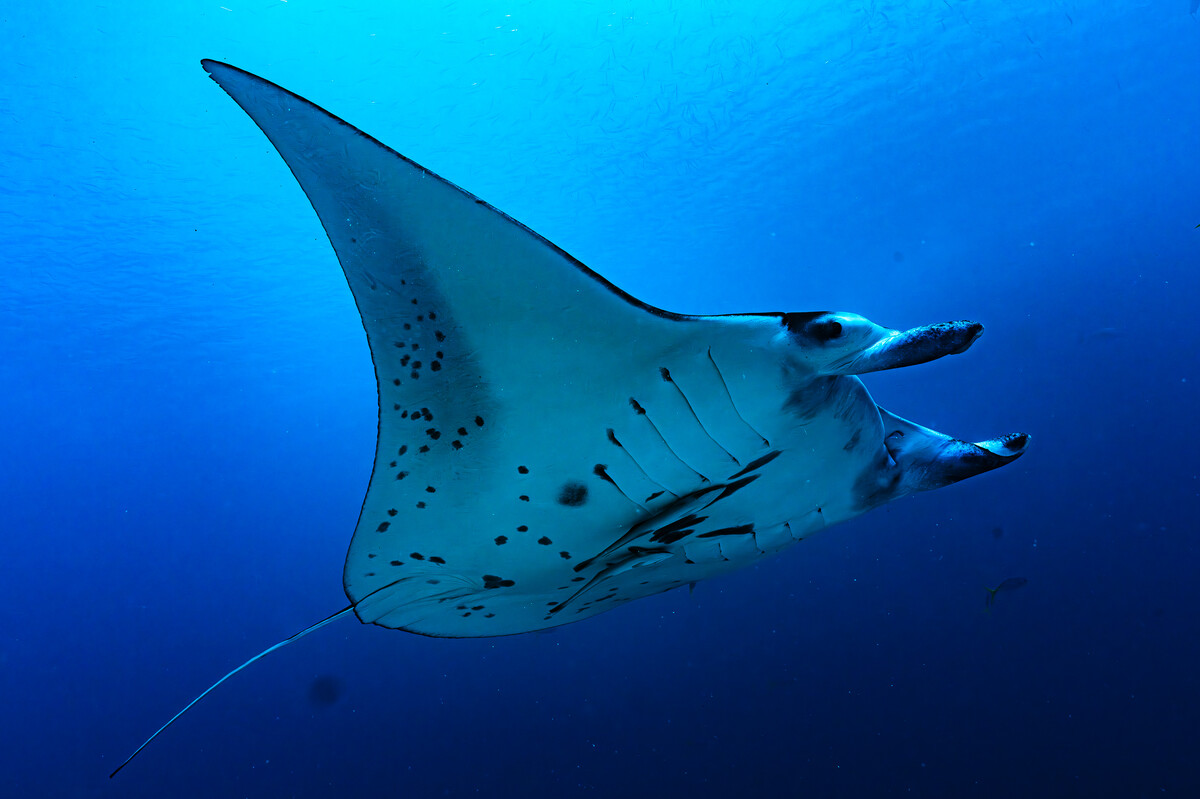
Maldives sounds a good option. For somewhere a bit closer to France than SE Asia you could check out Zanzibar, Pemba and Mafia Island in Tanzania. Mnemba Island in Zanzibar has swimming with dolphins but sounds badly managed. Singapore Airlines from Paris to Singapore for a stopover then on to anywhere in that region with easy connections (Australia, Indonesia) is worth considering. There are options for whales and whalesharks in Australia and Lady Elliot is good for mantas in August. Palau for a family trip of three with mixed interest is a bit challenging. The day-boat diving is super (sharks and mantas) but not well set up for snorkelling and diving ... but possible. If you have suitable affordable flights from Europe to Palau the kayaking in the Rock Islands is worth checking out mixed in with some days diving (see Paddling Palau's website). You can camp out on secluded islands and snorkel from kayaks but suited to two or four people in double kayaks.
-
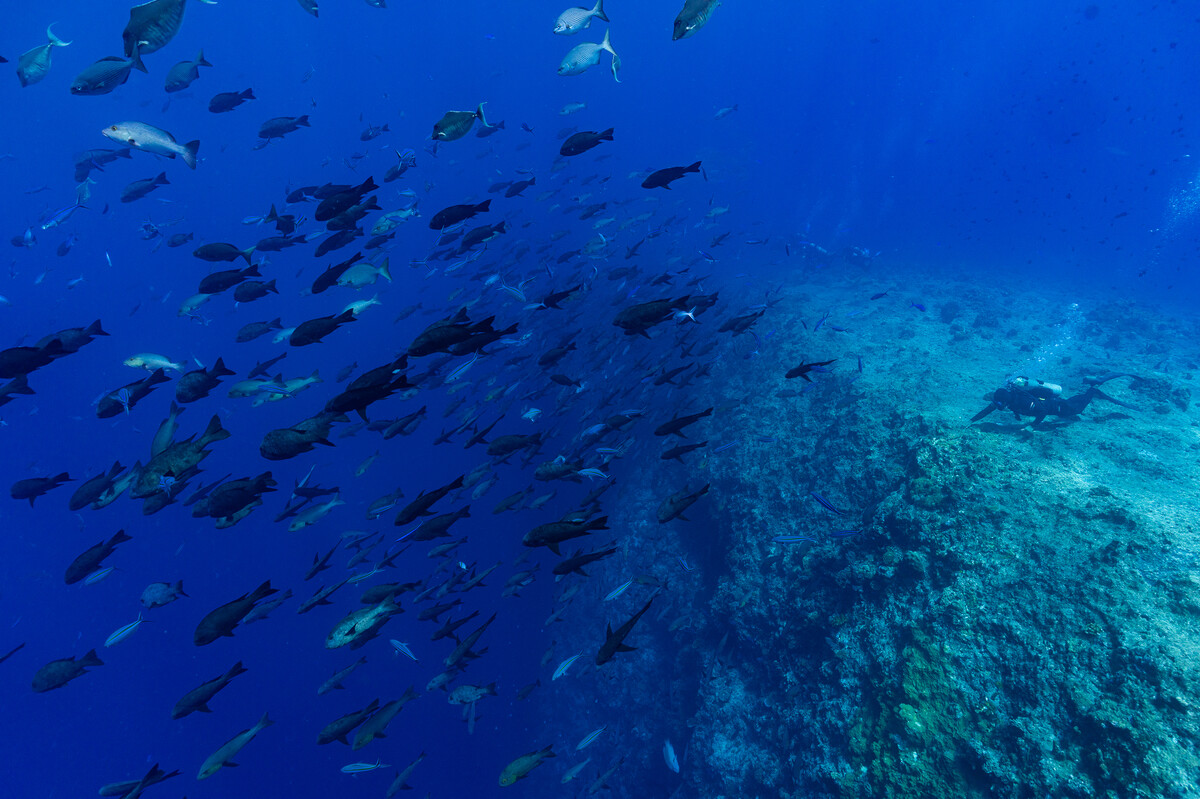
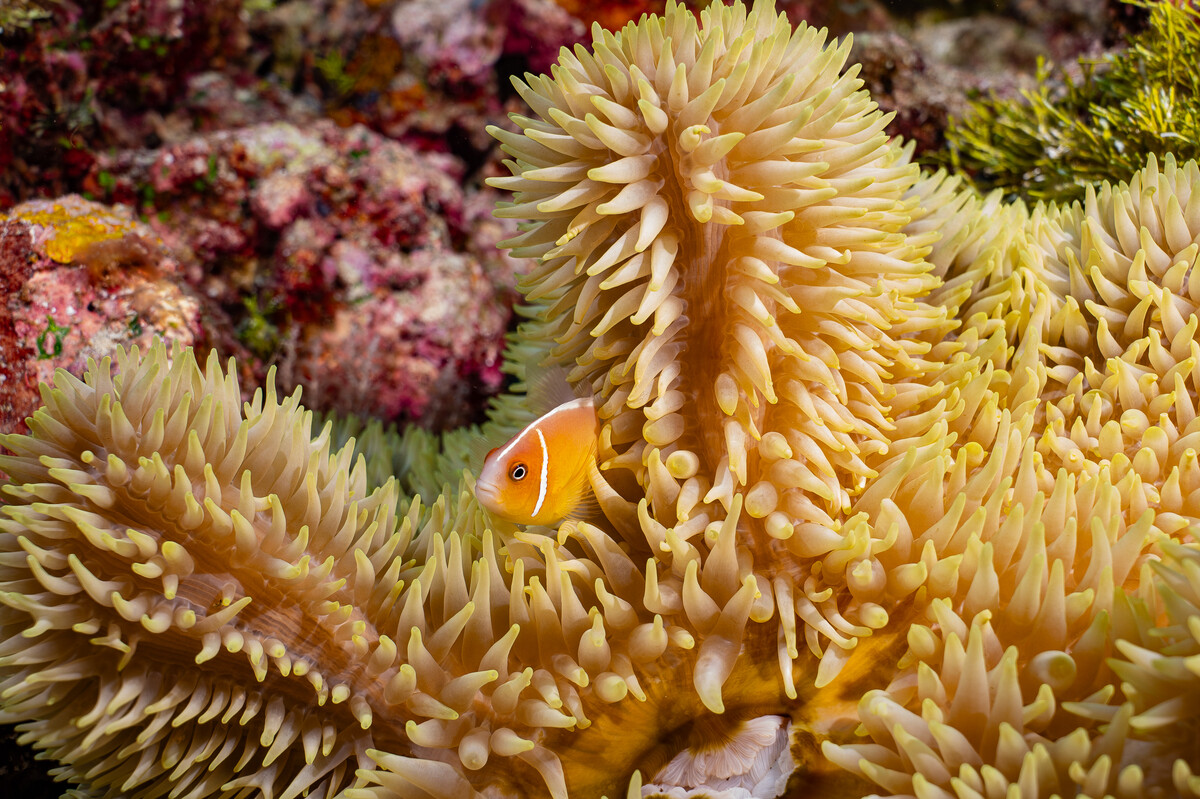
Bit late (just saw this) but ... I used 60mm extension and happy with the IQ. Isotta recommend 50mm extension for the 20-70mm and 60mm for the Canon 8-15mm+teleconverter + adapter with a larger port. (They recommend 50mm extension for the fisheye 4.5 inch port.) The first photo is from Blue Corner, you would think it was a WWL or fisheye but it is the 20-70mm at 20mm. The second photo is the same set up at 70mm (a type of anemone I haven't seen before).
-
For Isotta there looks like a couple of options depending on what extensions and ports are already owned. I posted this earlier in the thread.. It looks straight forward for Isotta users like myself. They have both a 17mm and 20mm extension to add to the port for the Sony 90mm, or they have an 80mm extension that could add to the port for the Sony 28-60mm (since last year that port is available with the front 67mm threads specifically for use with the WWL-1B).
-
It looks straight forward for Isotta users like myself. They have both a 17mm and 20mm extension to add to the port for the Sony 90mm, or they have an 80mm extension that could add to the port for the Sony 28-60mm (since last year that port is available with the front 67mm threads specifically for use with the WWL-1B). I had a brief moment of excitement when I saw the 100mm f2.8 GM listed for AU$1927 before realising it is the older lens and not the new macro.
-
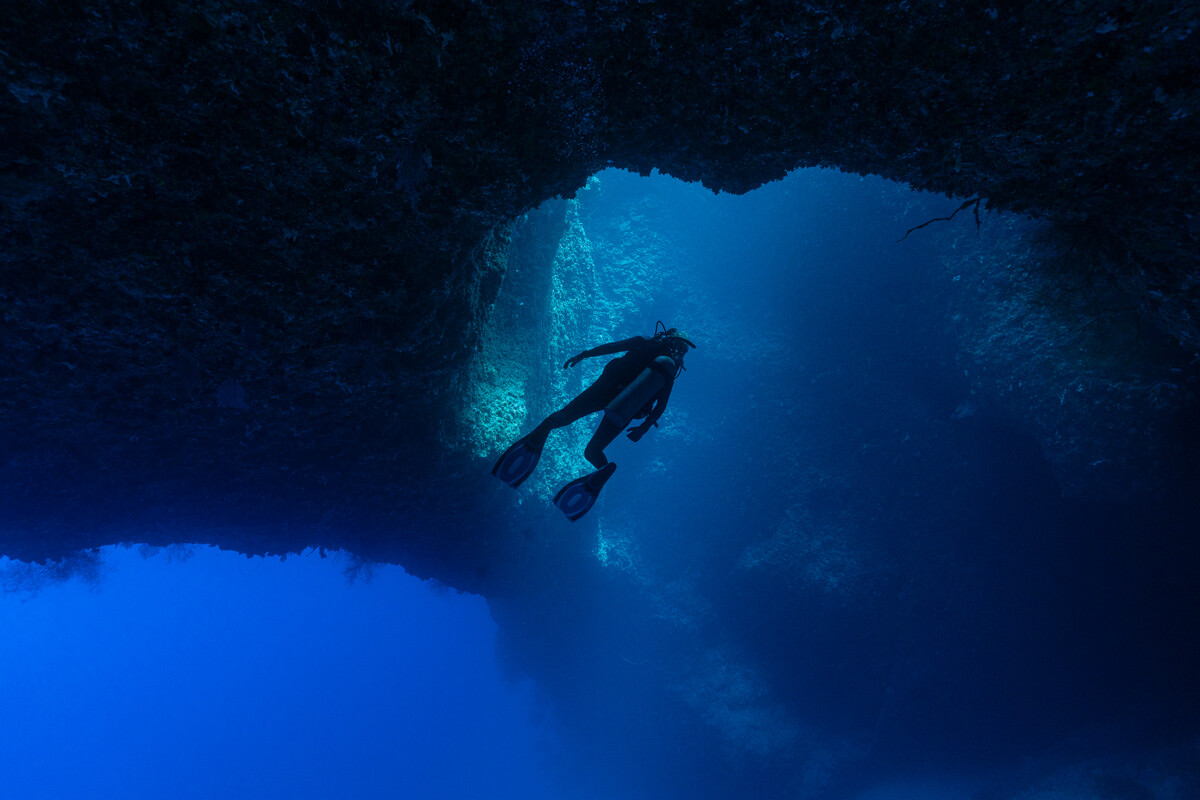
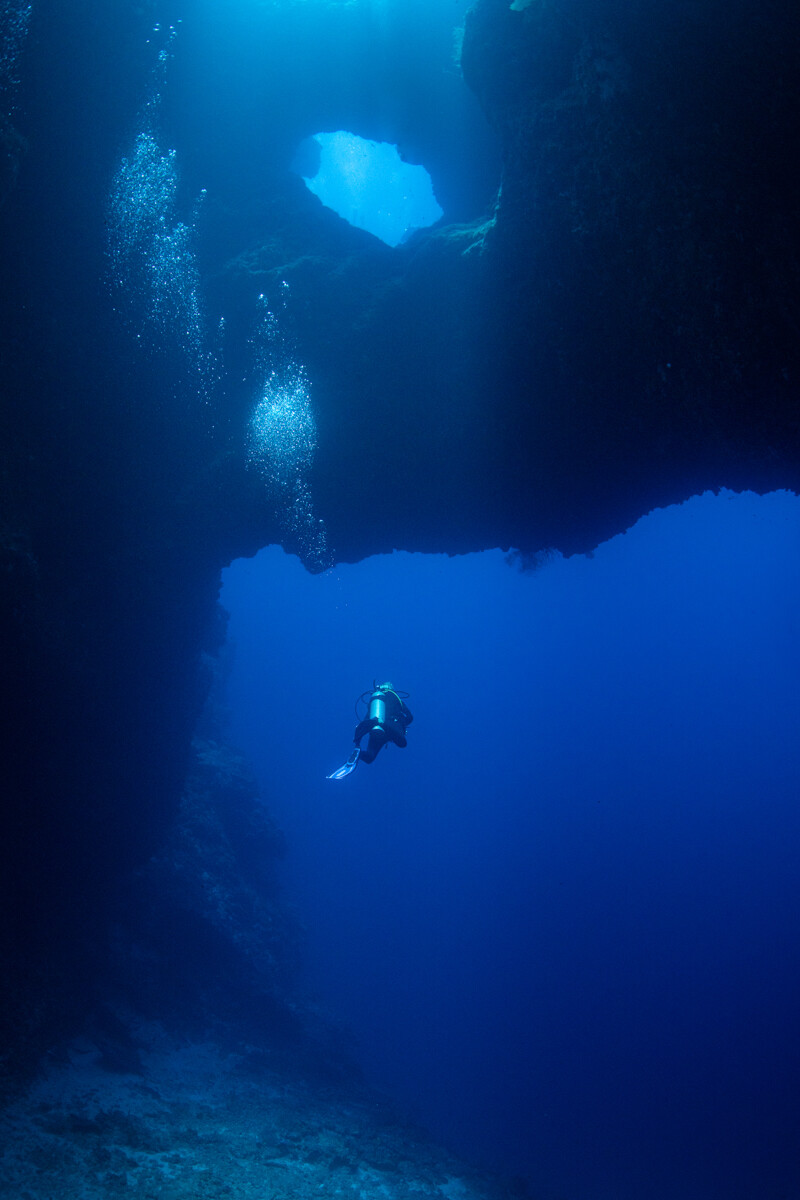
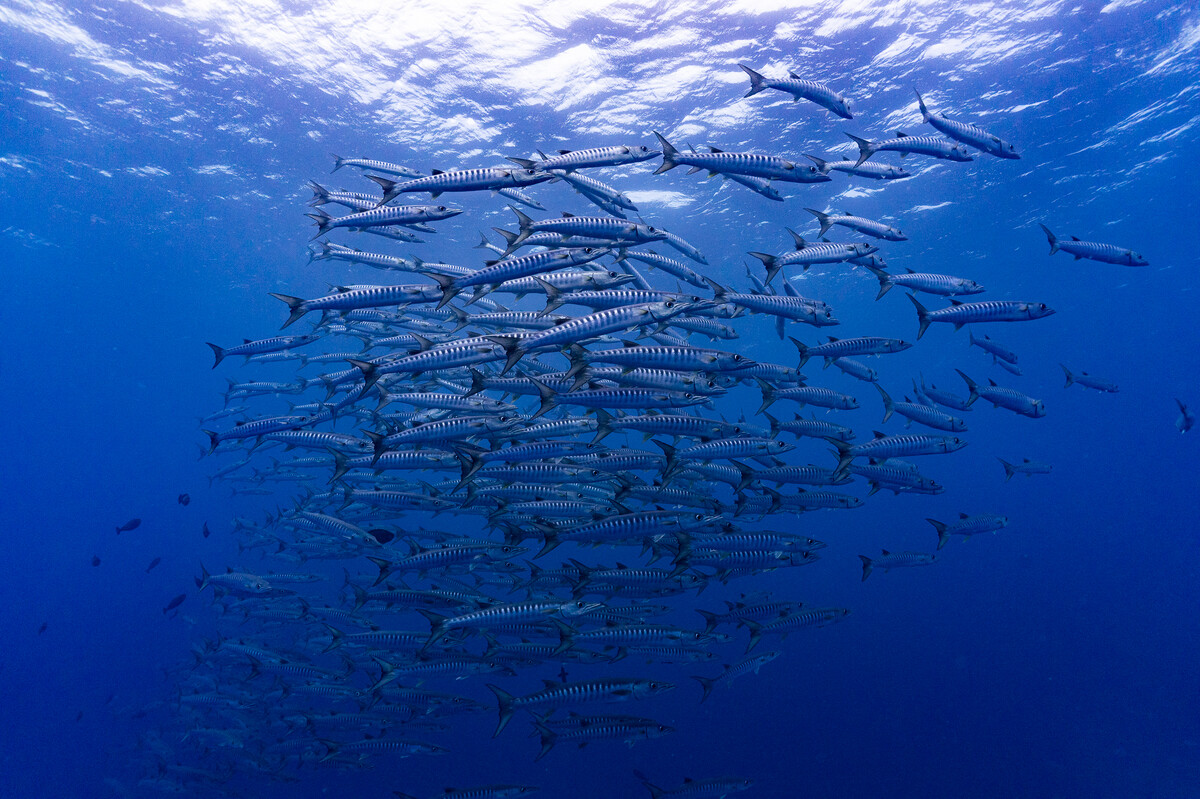
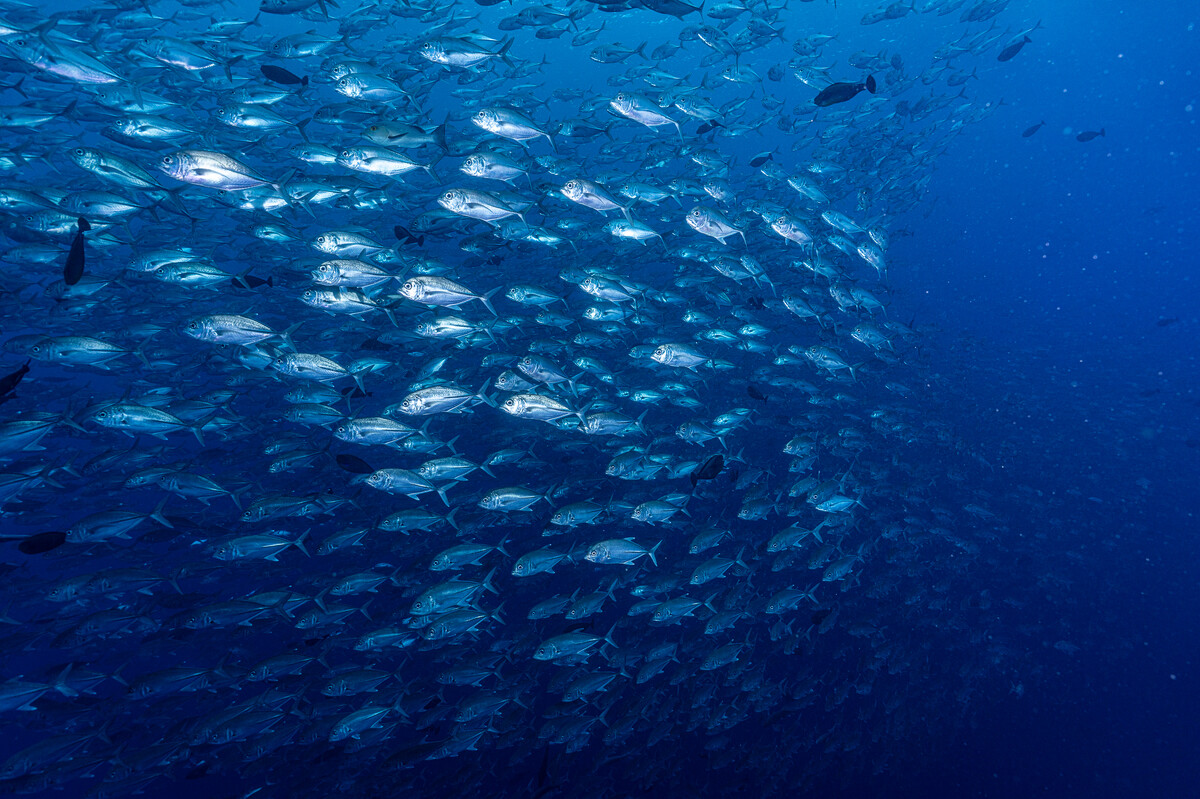
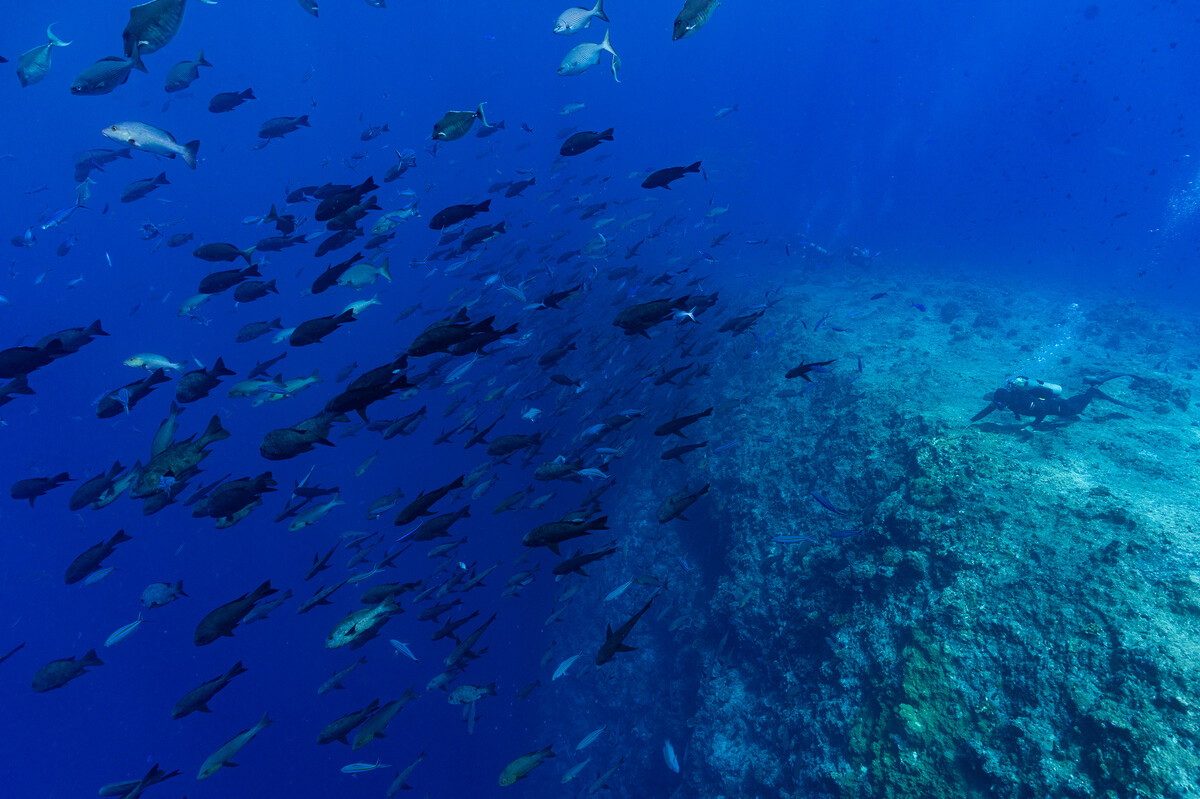
My wife and I spent two weeks day diving in Palau recently. A fisheye is great for the walls with fans and big caverns like Blue Holes. Turtles were very chill and easy to get very close to. Mantas at German Channel very close. Big schools of barracuda and jacks were cool. But.. we found sharks at places like Blue Corner and Siaes Corner really better off with a bit longer focal length. I had a Canon 8-15mm plus 1.4 teleconverter and a Sony 20-70mm. Both work with the same extension and port so I could change over in the open boat during the surface interval without hassle. The Sony 20-70mm was a great range for many dives. I left my Inon Z330 behind and used Inon S2000 to save weight. Sounds like your existing plan of two lenses with the same dome is a good one.... I just checked your profile and it looks like you have Olympus, maybe 8mm plus 12-40mm? This first pic is with the fisheye, all others with the Sony 20-70mm
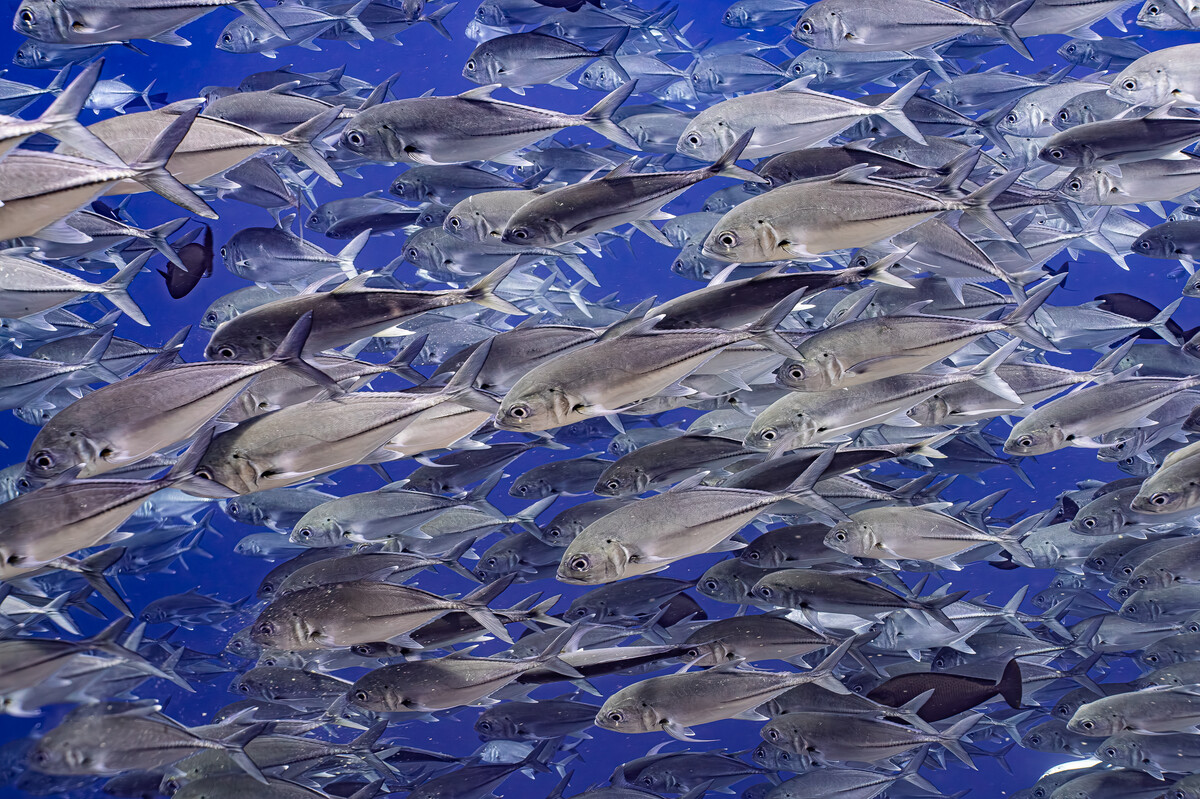
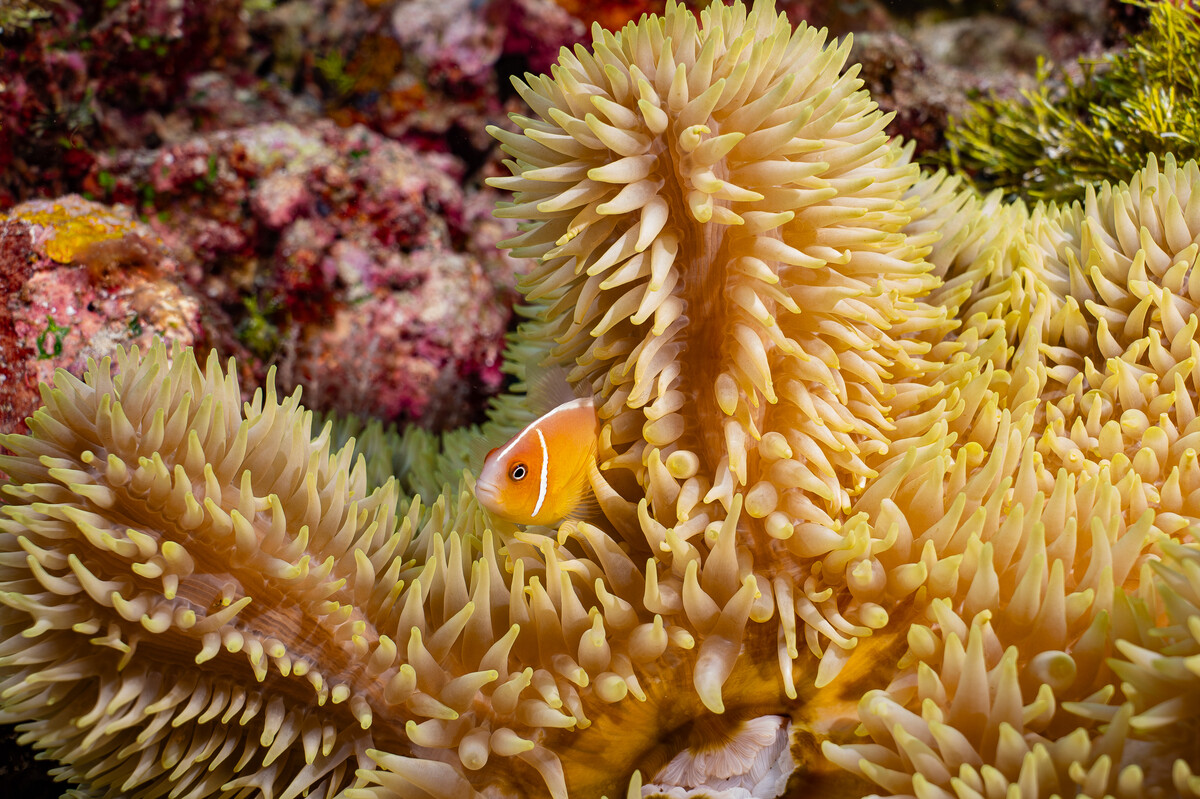
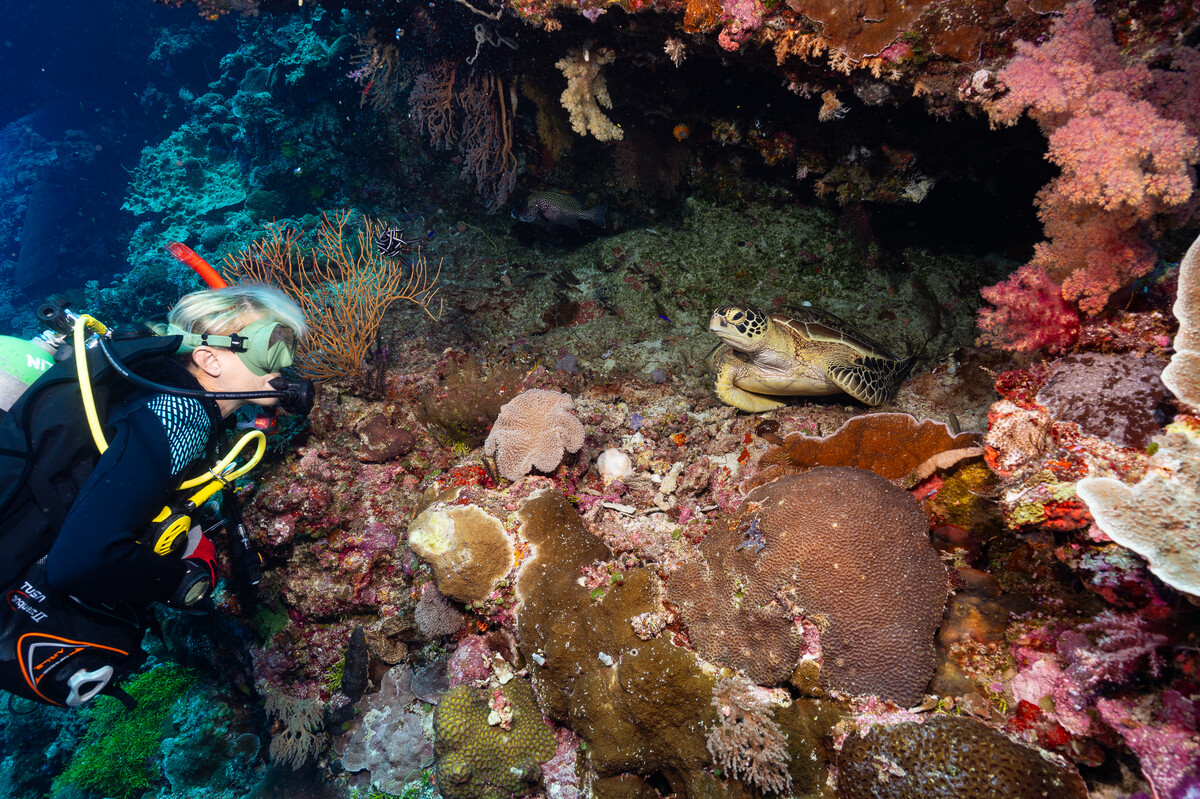
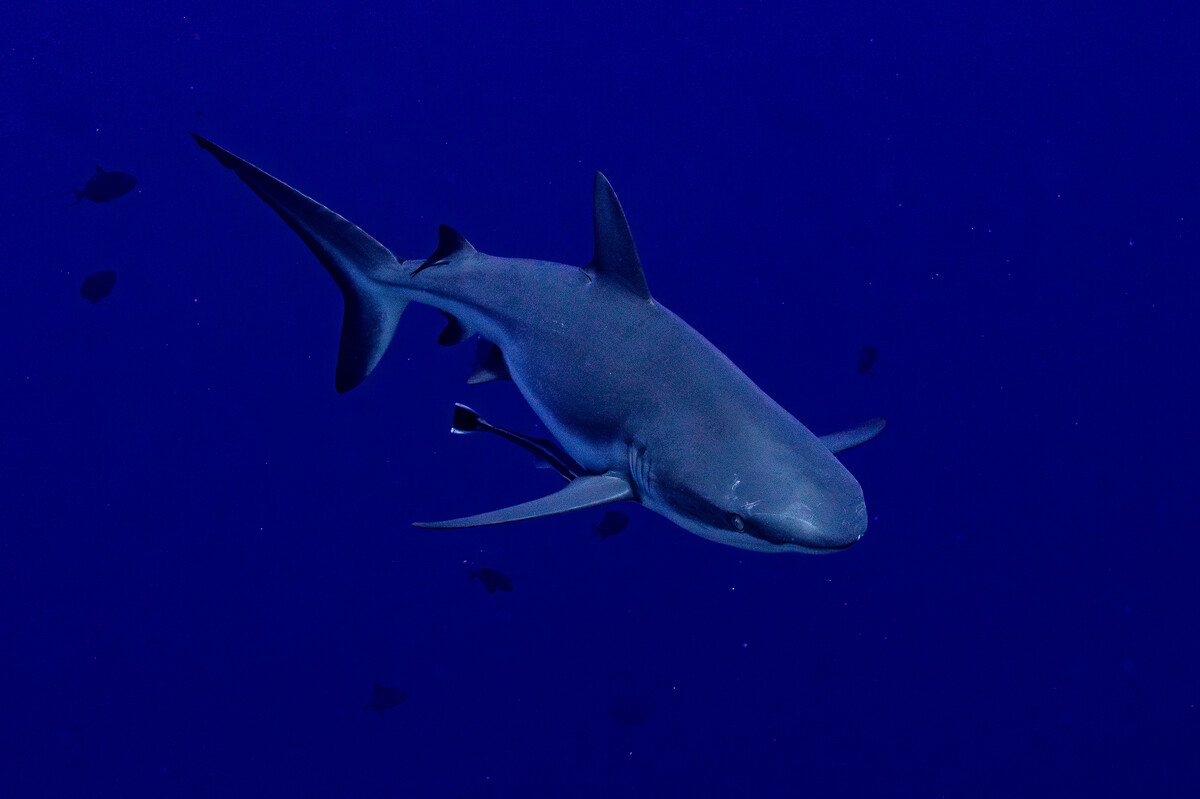
-
Thanks for the review. I have used a lot housings made by AOI (Olympus TG. Fantasea Canon G16 and EP10 housing). I like them but I wonder about the serviceability. Do you know if factory servicing is done or other third party service agents are available? It is great to see them making these housings for Sony and expanding their port system but, whereas the small low cost housing are almost disposable, these more expensive ones hopefully are fully serviceable?
-
Hi Stig, I previously had the AOI EPL-10 housing with a 9-18mm. I wasn't that keen on the lens. I did use the camera also a little with the UWL-400 which I had already from a TG5 (super on that camera). Of the two set-ups you mention I personally would go with the wet lens. (But I don't have experience of the Panasonic 7-14mm, only the Olympus 7-14mm.) I didn't do any pixel peeping with the UWL-400 wet lenses but although the UWL-400 is on the OMD EM 10iv port chart, I assume the more expensive and heavier (1408g vs 606g) UWL-09 PRO wet lenses is going to be better quality and it has a glass front element. I have had two UWL-400 and scratched them, one of which had a costly factory repair. The front element is polycarbonate with a coating and can't easily be polished if it gets a scratch, unlike a dome port. The answer is to be careful doing close focus... It all really depends on personal use and preference (budget plus what field of view do you want and will you also have a macro lens) rather than one option being a clear winner.
-
Thanks for the tests. It is good to also see the price and weight comparison. If someone is starting from scratch very comparable, if someone already has components, or other uses for the lens, it looks like these can be bigger factors versus image quality in making a choice. I do note the 1.4x Kenko and Sigma MC11 converter combination is quite a lot cheaper than the Sony 2.0x (or 1.4x) and Metabones V. I am not sure of availability of the zoom gear for 2x teleconverters but it seems most housing manufacturers make one for the 1,4x and 8-15mm. I use an Isotta housing with an 8 inch polycarbonate dome (about 500g lighter than the Nauticam 140mm and needing less floatation). I can use the same extension and dome for both the Sony 20-70mm and the 8-15mm with 1.4. It means I can swap the lenses out on a multi-dive day small boat without changing anything about the housing, extensions or port. For example in Palau, changing from the 20-70 for sharks, turtles, fish portraits and people photos, to fisheye for the big wall, reef scenes and schooling fish pictures. Very handy and a good travel combination. If the dome gets scratched there is a good chance I can polish it so not as nerve wracking when other people handle the housing. I also like the versatility of the 8-15mm being able to use it without a teleconverter in a 4.5 inch fisheye dome for minimum housing size for freediving. It is great to have the options where image quality is comparable and personal circumstances mean different solutions.




Important Information
Terms of Use Privacy Policy Guidelines We have placed cookies on your device to help make this website better. You can adjust your cookie settings, otherwise we'll assume you're okay to continue.