Everything posted by DreiFish
-
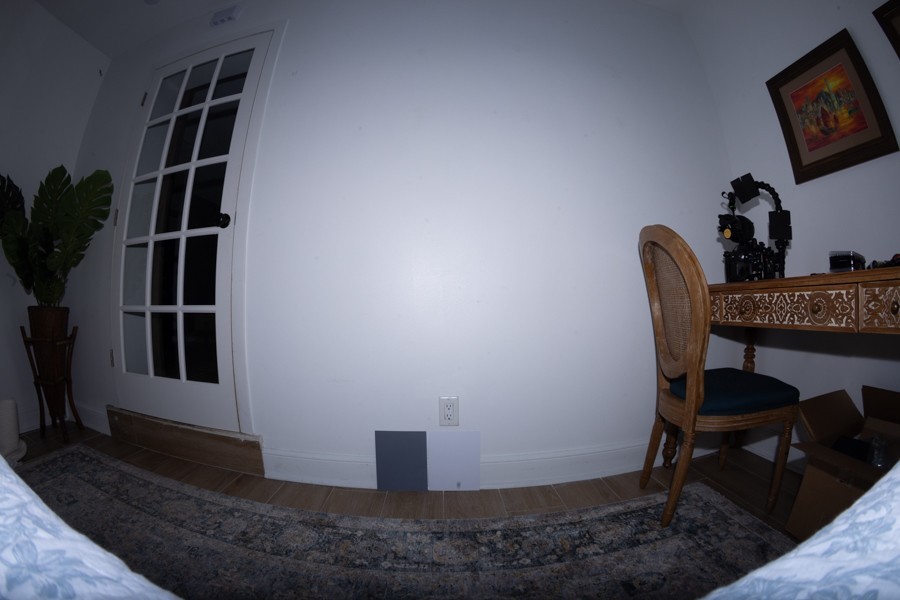
I did a lot of testing of various red filters and blue/green gels back in 2022 to create a set-up suitable for mixed light video (though concepts are equally applicable to photos). This is the old thread on Wetpixel. Copying my findings here for posterity. Technique A good starting point for understanding the technique is this video from Florian Fischer: https://www.facebook.com/keldanlights/videos/359120794910357/ How I do it: With the blue filters, the color spectrum output by the video lights more or less matches the color spectrum of the ambient light at a certain depth. What that exact depth is will vary from location to location based on water clarity, time of day, cloudy/not cloudy, etc. But it will usually be somewhere in the 6-12m depth range. I go down to 12 meters and do a MWB off a grey or white card using just ambient light. If the camera can't execute a good MWB at that depth without a red filter, then I use a red filter. I then lock in that MWB and turn on the video lights with the blue filters in place. There should be no/very minimal color cast to the areas of the scene that the video lights illuminate. I keep the same MWB for any shots at 8m depth or deeper, down to maybe 30m. Below 30m, I just remove the blue filters from the lights and set a CWB on the camera to 5000k (the color temperature of the video lights). If I need to shoot above 8m depth, I do a MWB again at that depth based on ambient light alone. I mostly shoot with just ambient light at 8m or shallower. You could try to fill in shadows with your lights, but to avoid red color casts on foreground objects, you'll either need a 2nd set of weaker blue filters that are formulated to match ambient light at shallower depths or you'll need to use your lights at a weaker setting so the red wavelengths they put out aren't so overpowering. (on lens) Red Filter Tests As a bonus, I also tested the 4 orange filters I have access to against the Lee 353 + Rosco 4330 combination to see how much of the blue filter they were able to neutralize: No blue filter, no orange filter = 4700K, +20M Lee 353 + Rosco 4330 = 23000k + 121M Lee 353 + Rosco 4330 + Original Magic Filter = 8600k + 150M, -1.3 stops of light (Worst of the bunch.. looks more yellow than orange. introduced MORE green into the image, to the point where even after doing WB in post, there was a greenish tinge. Did a decent job of countering the blue, but would not recommend using it in anything but the most pristine blue waters) Lee 353 + Rosco 4330 + Auto-Magic Filter = 10000k + 121M, -1.6 stops of light (Decent. Knocked out most of the blue cast, but did little for the green. Again, use only in pristine blue water) Lee 353 + Rosco 4330 + UR/PRO CY Filter = 7700k + 77M, -2.3 stops of light (Most effective. Knocked out most of the blue AND green cast. Would be a good all-around choice) Lee 353 + Rosco 4330 + Keldan SF-2 Filter = 12000k + 114M, -2.5 stops light (Ok, but a bit weak. This is designed to compensate only for 4 meters of water depth, and reduces both the blue and green tint. However, in this case, the lights with the Lee 353 and Rosco 4330 filter appear to be better matched to 12 meters of depth..) (on light source) Blue - Ambient Light - Filter Tests 1. The LEE CTB filters aren't as good as I hoped. They increase the color temperture (I.e. introduce a lot of blue) but don't introduce enough green into the light to match underwater ambient light. Results: No Filter = 4750K, +14 Magenta, 0 stops light lost Half CTB = 7550K, +6 Magenta, 2/3 stops light lost Full CTB = 21000K, +7 Magenta, 1 1/3 stops light lost 2x Full CTB = 50000K +12 Magenta, 2 stops light lost (in fact, 50000K was not sufficient to restore neutral color -- I had to dial down blue saturation to -100 in Lightroom) 2. From the Rosco filters, I tried the Cyan 30 (#4330), Cyan 60 (#4360), Cyan 90 (#4390) and Storaro Cyan (#2005). Interstingly, the Cyan 30 perfectly matched the DivePro F01C filter. I'm guessing this would be good at around 3-5m depth to match ambient light? No Filter = 4750K, +14 Magenta, 0 stops light lost Cyan 30/DivePro F01C = 6600k , +67 Magenta, 1/3 stops light lost Cyan 60 = 8600k, +116 Magneta, 2/3 stops light lost Cyan 90 = 12250K, +150 Magneta, 1 1/3 stops light lost Storaro Cyan = 13250K, +150 Magneta, 2 stops light lost (in fact, +150 magneta was not sufficient to restore neutral color. I had to dial down Aqua saturation -100 and Orange saturation -100 in Lightroom to get rid of the remaining color cast) Based on above testing, I think the Cyan 60 might be a pretty good start for matching ambient light at 6-9 meters. Cyan 90 for 9-12 meters. Not really worth using the Storaro Cyan or the 2x Full CTB. No Filter = 4850K, +23 Magenta, 0 stops light lost Rosco 4390 (Cyan 90) Filter = 8900k, +141 Magenta, 1 and 1/3 stop of light lost Lee 353 Filter (Lighter Blue) = 15250k, +111 Magenta, 1 stop of light lost Lee 724 Filter (Ocean Blue) = 26000k, +97 Magenta, 1 and 1/3 stop of light lost Lee 172 Filter (Lagoon Blue) = 50000k, +148 Magenta, -100 Aqua saturation, 2.4 stop of light lost I finally got my hands on the Keldan SF-6B and SF-12B blue water filters. Interesting results... (on the Canon R5 C in lightroom) No Filter = 5150K, +21 Magenta, 0 stops light lost Keldan SF-6B = 17000K, +146 Magenta, about 1 and 2/3 stops light lost Keldan SF-12B = 20000K, +144 Magenta, about 1 and 2/3 stops light lost Surprisingly, there wasn't a lot of difference between the SF-6B and SF-12B.. also, they were both less blue and more green than I expected. Closest you could probably come to this would be to stack the Lee 353 filter with a Rosco 4330 or 4360 filter. Lee 353 + Rosco 4330 = 23000k + 121 Magenta, about 1 stop light lost Lee 353 + Rosco 4360 = 27000k + 144 Magenta, about 1.5 stops light lost If you wanted something closer to the SF-6B, Cyan 60 (Rosco 4360) + Lee Half CTB or Quarter CTB filter may be another combination worth trying. Got a 1/2 CTB to test the earlier theory. Here's the results (on the Canon R5 C in Lightroom) No Filter = 4750K, +14 Magenta, 0 stops light lost Keldan SF-6B = 17000K, +146 Magenta, about 1 and 2/3 stops light lost Keldan SF-12B = 20000K, +144 Magenta, about 1 and 2/3 stops light lost Lee 1/2 CTB + Rosco 4330 = 9900K +74M, about 2/3 stop light lost Lee 1/2 CTB + Rosco 4360 = 12000K + 104M about 1 stop light lost Lee 1/2 CTB + Rosco 4390 = 13500K + 129M, about 1 and 1/3 stop lost Lee 1/2 CTB + Rosco 4330 + Rosco 4390 = 16000K +150M, about 1 and 2/3 stop lost Lee Full CTB + Rosco 4330 = 22000K + 75M about 1 and 1/3 stop light lost Lee Full CTB + Rosco 4360 = 32000K + 99M about 1 and 1/2 stop light lost Seems it's rather hard to replicate the Keldan SF-6B filters exactly, at least with this combination of CTB and Cyan filters. You either end up overshooting the blue or undershooting the cyan. Maybe I should've bought some Lee 3/4 CTB filters to get a bit closer. I have a feeling that a Lee 3/4 CTB + Rosco 4390 Cyan filter would be pretty close. For now, I guess I'll test the Lee 1/2 CTB + Rosco + Rosco 4330 + Rosco 4390 and Lee 353 + Rosco 4330 out in the field. Some real world feedback ] the Red Sea -- I tested out both the Lee 353 + Rosco 4330 = 23000k + 121 Magenta, about 1 stop light lost Lee 1/2 CTB + Rosco 4330 + Rosco 4390 = 16000K +150M, about 1 and 2/3 stop lost At 5 meters with DivePro G18 lights. They blended it seamlessly with an ambient white balance at this depth, filling in the shadows: Just ambient light: + 2x DivePro G18 lights w/ Lee 1/2 CTB + Rosco 4330 + Rosco 4390 + 2x DivePro G18 lights w/ Lee 353 + Rosco 4330 + 4k DivePro G18 lights (2 with first filter combination, 2 with second filter combination) So as you can see both the filter options worked well, and they worked well together too. None produced weird results. However, given the stength of the ambient light, there's a noticable difference in ability to fill in shadows (look at the mask) when using 4x 18k lumen lights vs. just 2x. From this point on, I used the Lee 353 + Rosco 4330 combination on all 4 of my lights as I thought it did a slighly better job than the more cyan Lee 1/2 CTB + Rosco 4330 + Rosco 4390 filter combination in the conditions found in the Red Sea. I'm pleased to report that this filter combination produced great results all the way from 5m to 30m in depth. So, setting a white balance based on ambient light and filling in with the DivePro G18 lights + Lee 353 + Rosco 4330 filters on the lights produced very pleasing results in my view. Here's an example at 30 meters: And 20 meters: And 15 meters: And this is how it renders skin-tones at 20 meters. Pretty good, I think!
-
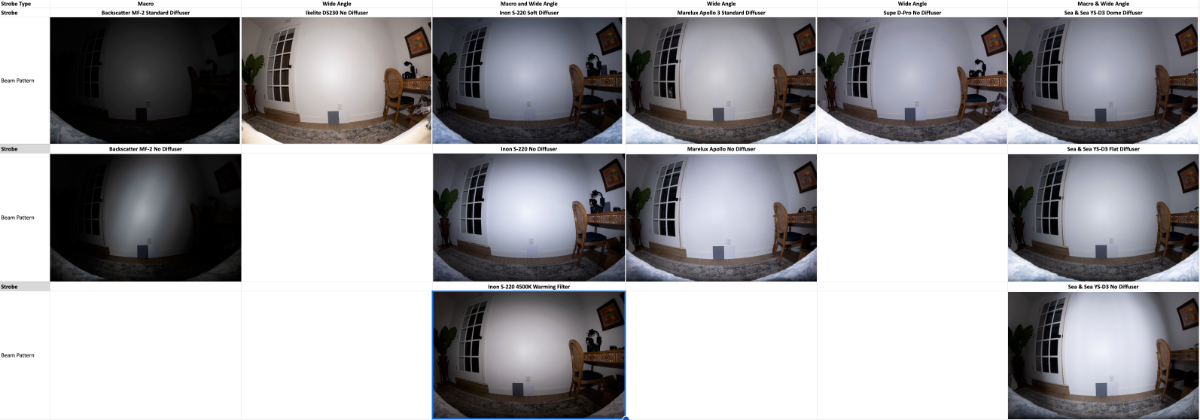
I've updated the spreadsheet with three new sheets, one showing my detailed Power, Color Temperature and Flash Duration tests,other showing the recycling times / high speed shooting tests, and a final one with images comparing the beam cover with and without diffusers for the strobes I've tested. Update with correct image
-
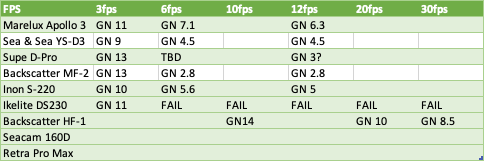
Standard tests, compared with the Sea & Sea YS-D3, Supe D-PRO, and Marelux Apollo 3 Maximum flash power for continuous shooting: And here is the beam pattern, from left to right, top to bottom: DS230, Apollo 3, Supe D-Pro, YS-D3 with Flat Diffuser Observations It's immediately obvious that the DS230 has the brightest, widest, and most even beam. It's 1/3 stop brighter in the center than the Apollo 3, 2/3 stops brighter than the YS-D3 with flat diffuser, and 1 and 1/3 stop brighter than the Supe D-Pro. The color temperature is also the warmest of the strobes. The main limitation is that at full power the flash duration is long, 1/100 of a second. So if you shoot at a faster shutter speed, you won't get to capture the full flash. You can only shoot 1/200s at GN 25 and 1/350s at GN22. Still, at those power levels, it competes well in power with the other 3 strobes. The strobe is also limited for high speed shooting. I was able to get it to fire at 3fps at GN11, which bests the YS-D3 and matches the Apollo 3. Only the D-PRO is 1/3 stop brighter when shooting at 3fps. The issue is that you can't shoot faster than 3fps. At 6fps, every other shot the flash doesn't fire at all. Same at 12fps. So the recycling times are a limitation. Overall, it's a very capable strobe for typical wide angle use, but not a top recommendation for fast action or sunburst, where the flash duration means that it's no better at outcompeting ambient light at higher shutter speeds than the rest of the pack. Where this strobe really would excel in my view is for off-camera use (carried or attached to a model) for creative lighting inside a cave or wreck. There, there's no ambient light to worry about, so the long flash duration isn't an issue. You can always shoot at 1/100s. Nor do you typically need fast flash recycling times in this scenario. It's a poor choice for macro because of the size and length, but also because at minimum power it's still quite bright Because of the long flash duration, HSS would've really not had any benefit on this strobe.




-
Interesting, Luko. I did actually try it with a 3rd-party optical sync cable I purchased from Amazon that claims it's 617 fiber optic strands, but didn't work with that either. It could be that the small bell connector on the strobe makes it difficult to align the cable just right so it hits flush against the optical sensor. In any event.. some care must be clearly taken to select the right optical cable 🙂
-
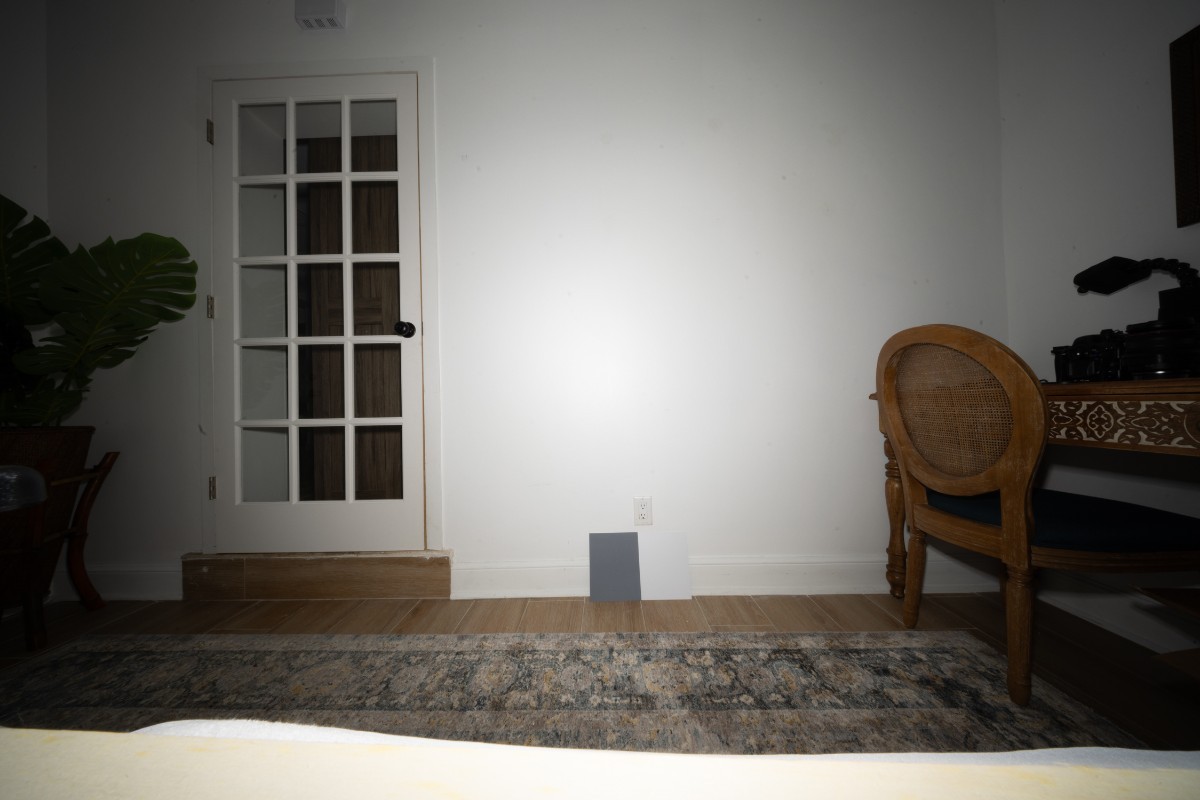
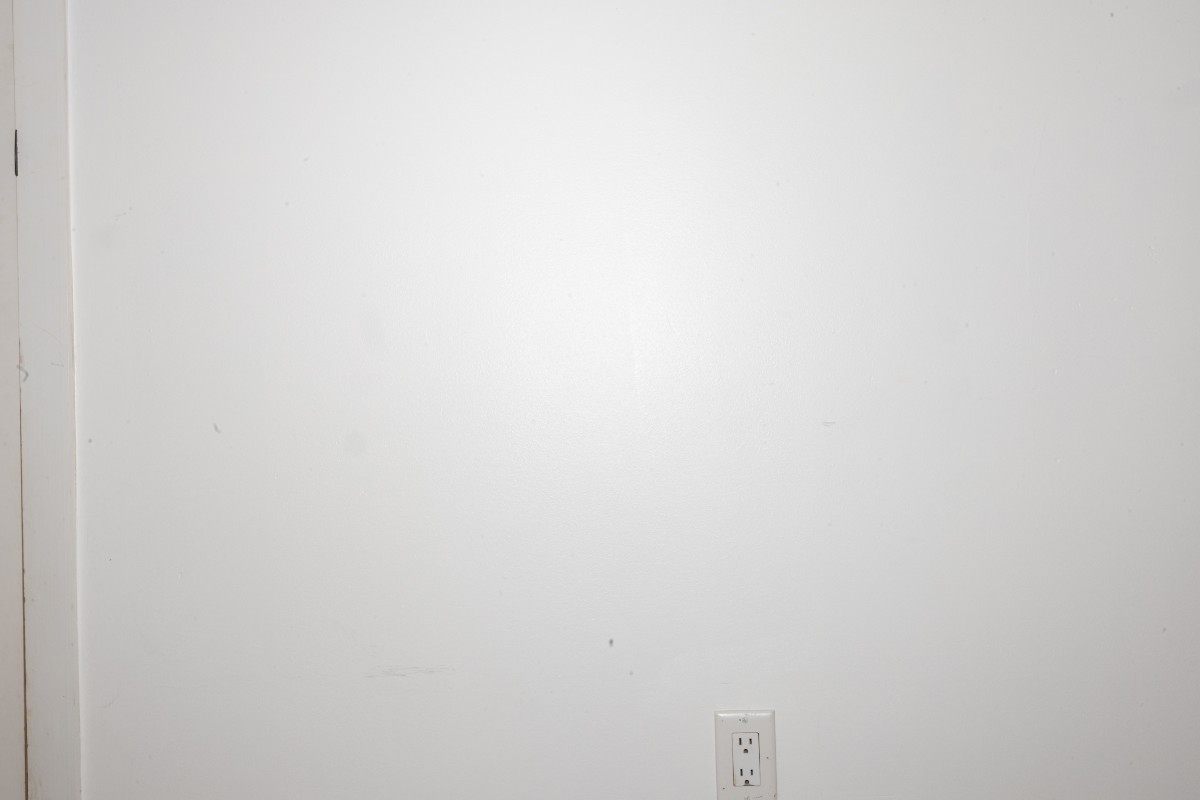
Here are the results with the WWL-C (in air.. perhaps it's a bit more zoomed in in water?) At the wide end (24mm on the base lens), Nauticam rates it as similar to a 10mm rectilinear lens, and it sorta is. Same horizontal field of view, but the rectilinear lens has a taller vertical field of view. Zoomed all the way (50mm on the base lens), it closely matches the field of view of the 35mm rectilinear lens. This is despite Nauticam stating it should behave more like a 21mm lens. So I'd say it's a bit more versatile than the 14-35mm lens, if you can live with the barrel distortion.
.jpg.2db0bea92da18deb7b3eeecc311b72dd.jpg)
.jpg.59b3e6dfdc3a11904b86057c684f5c05.jpg)
-
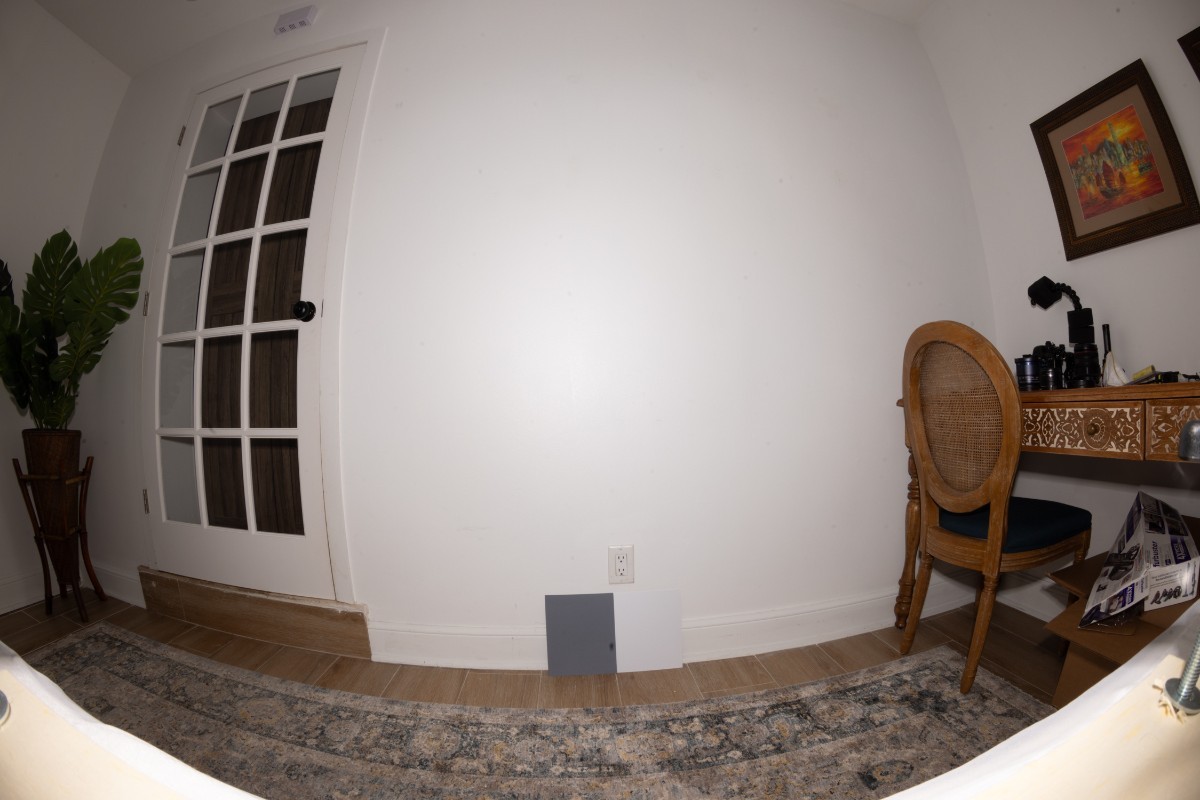
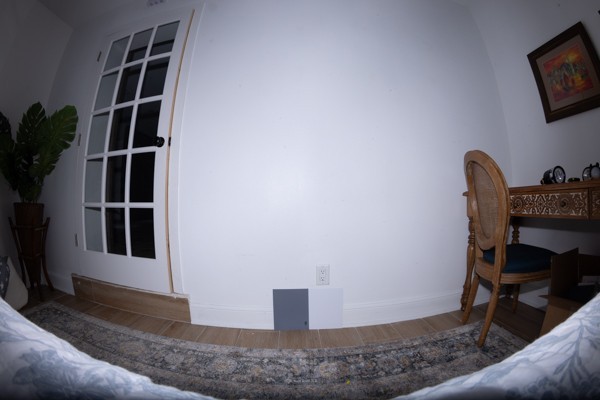
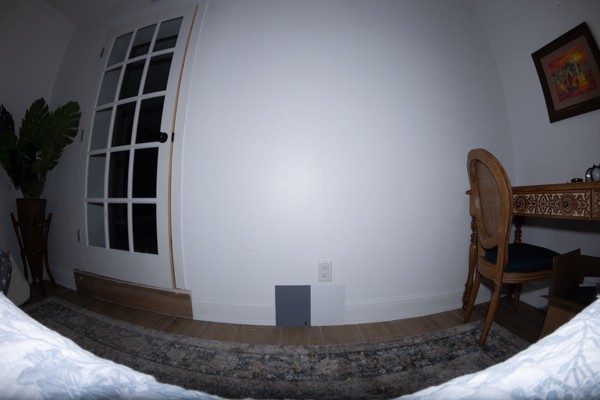
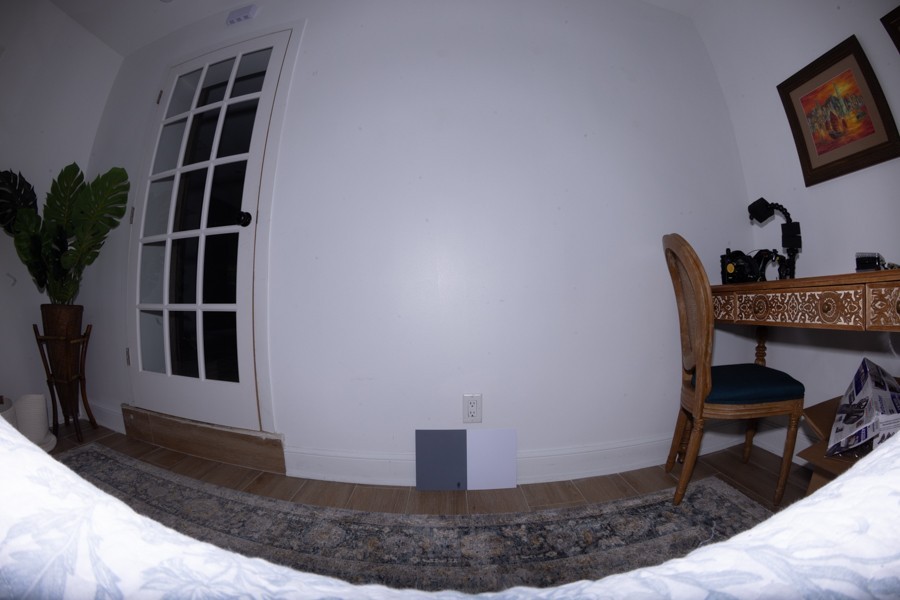
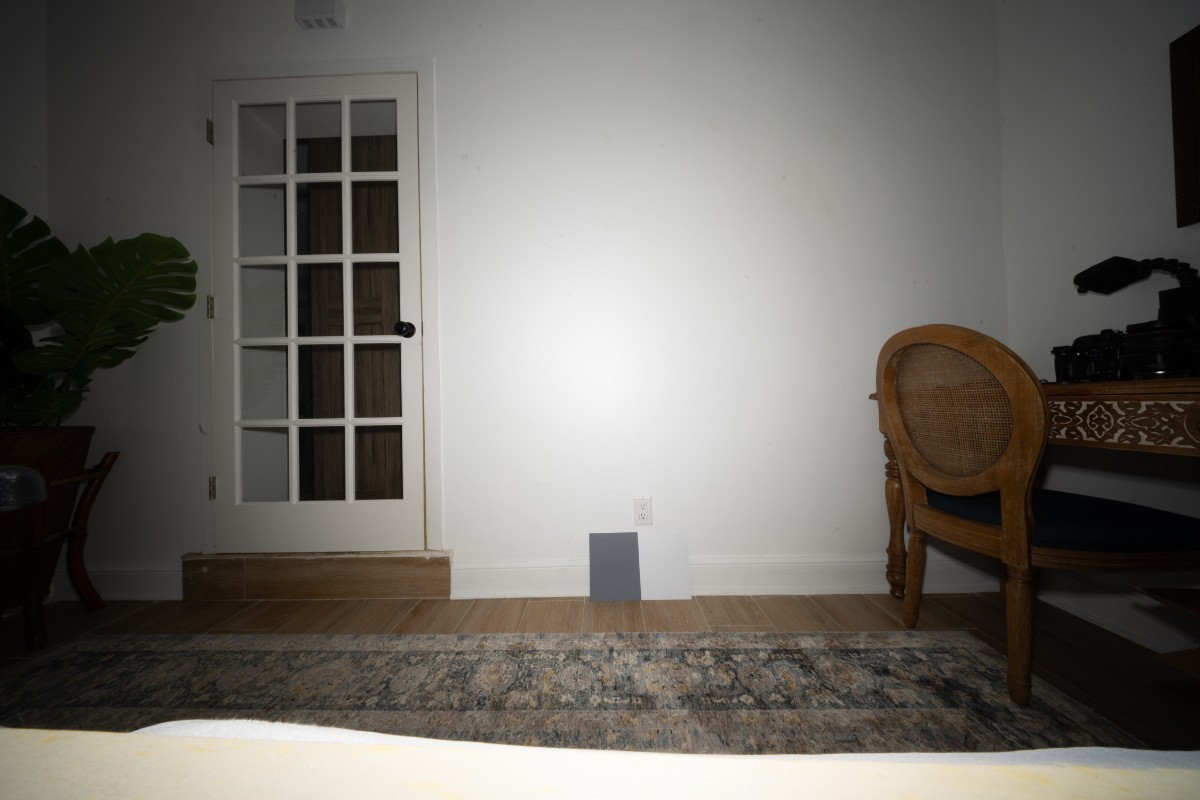
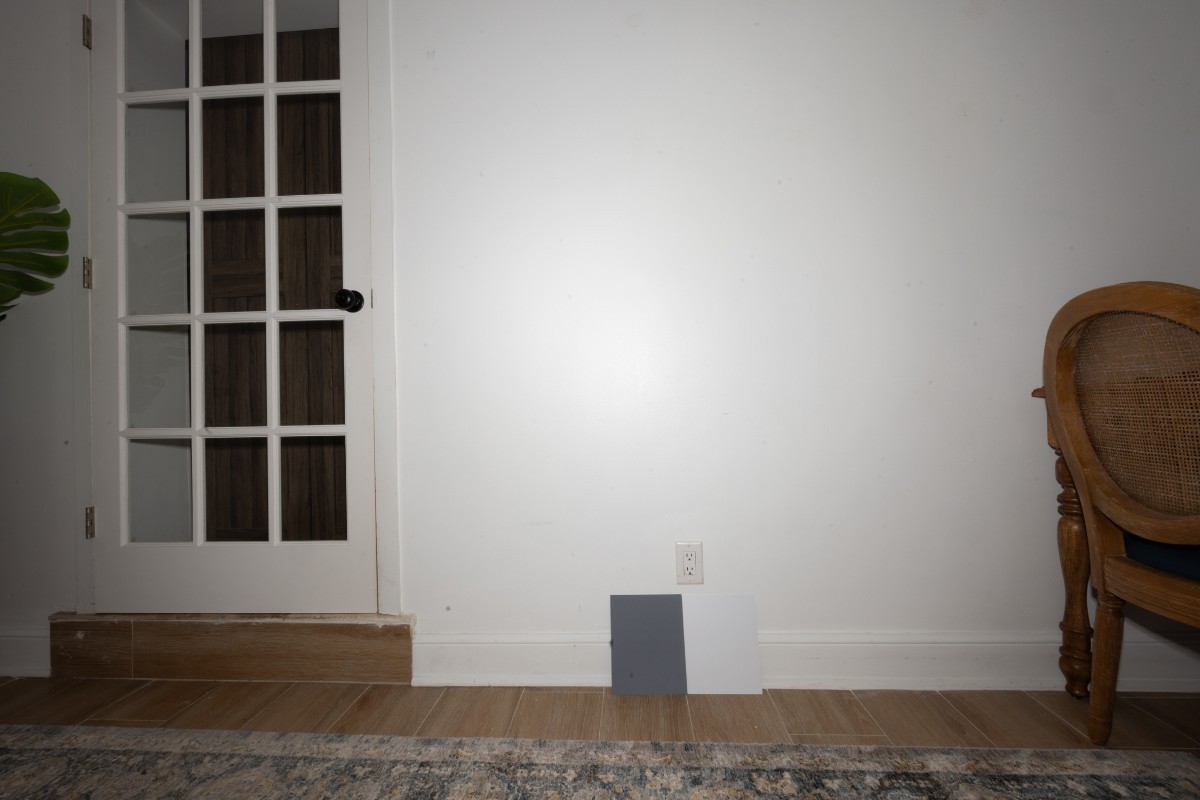
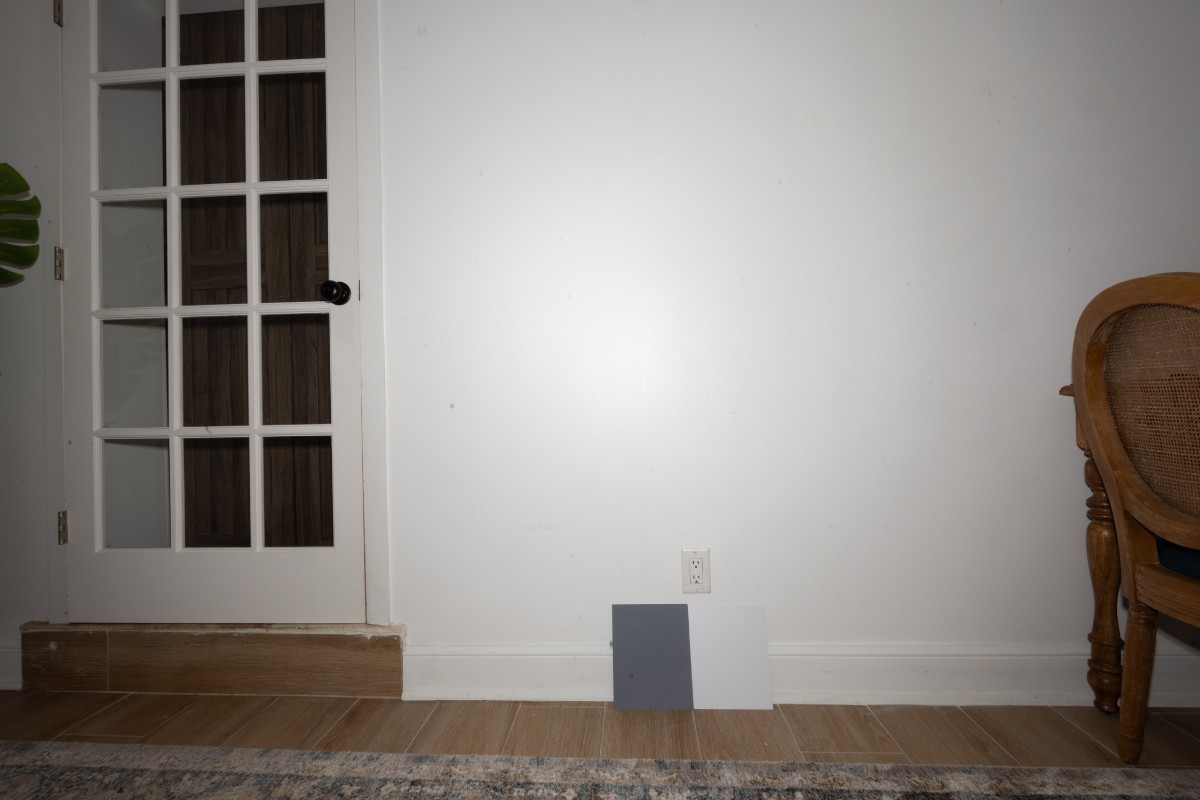
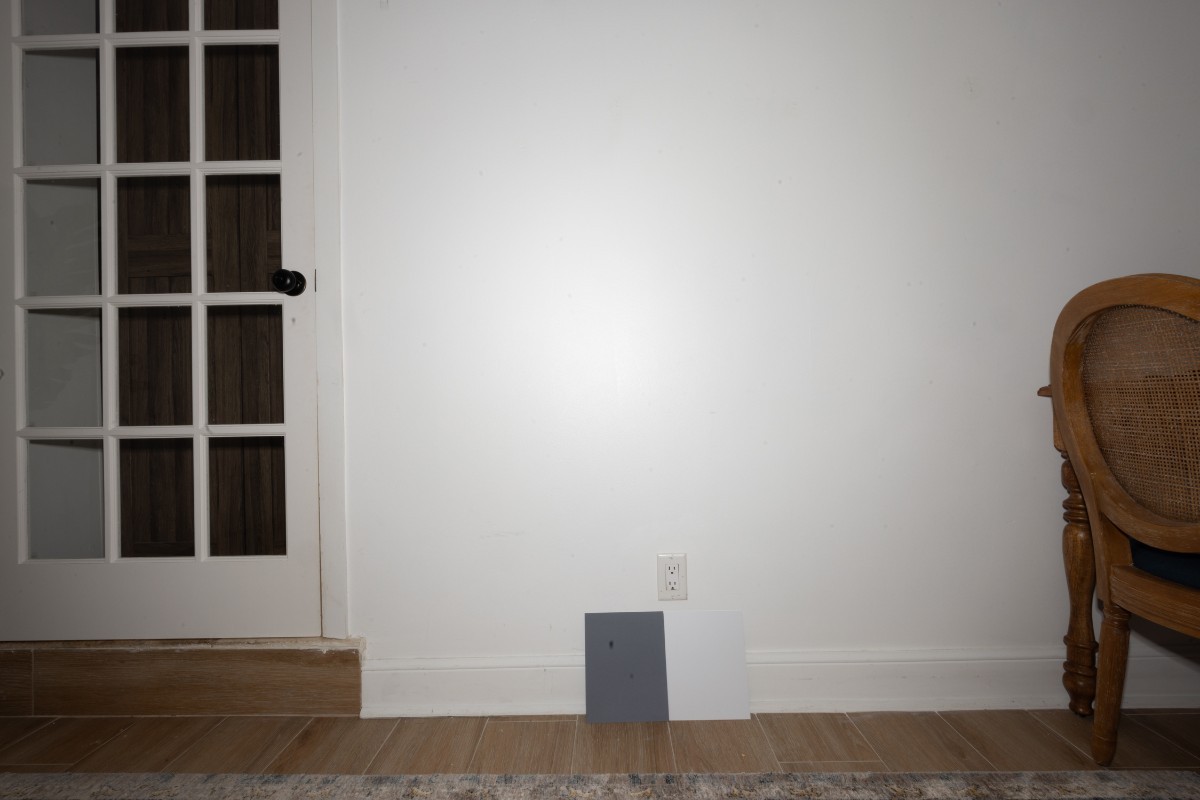
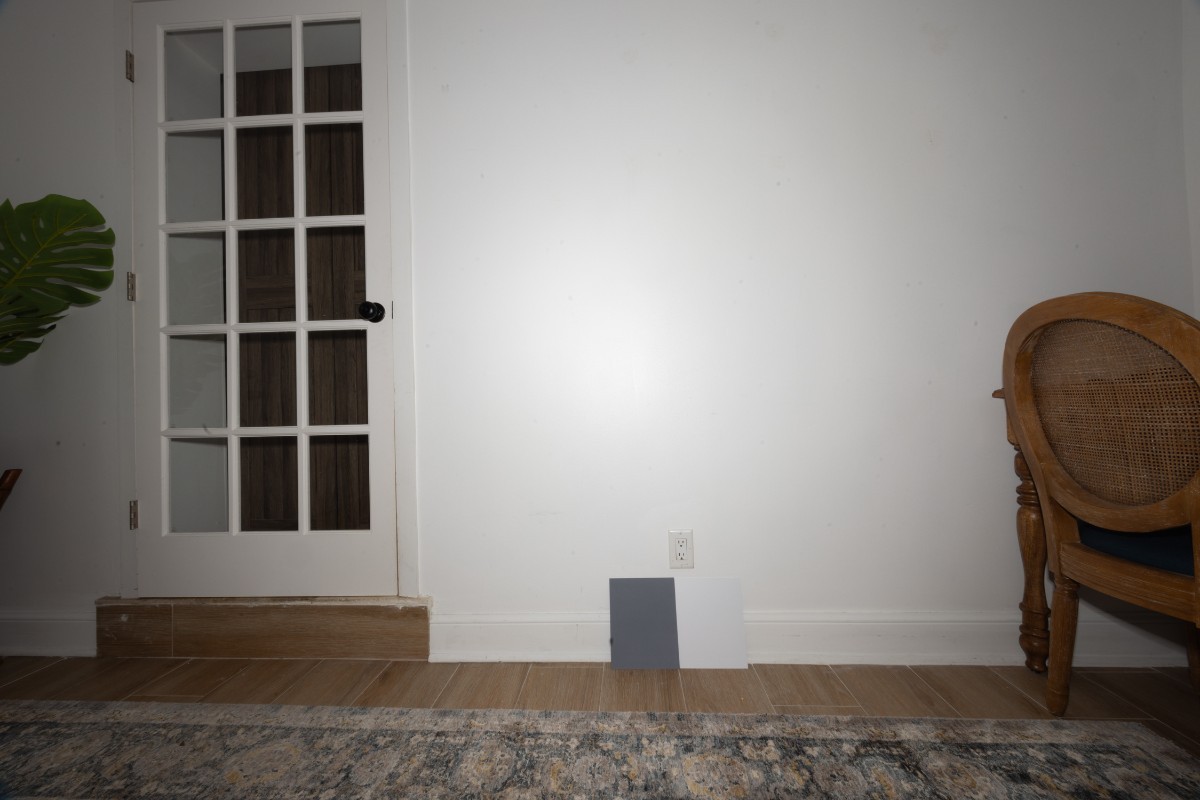
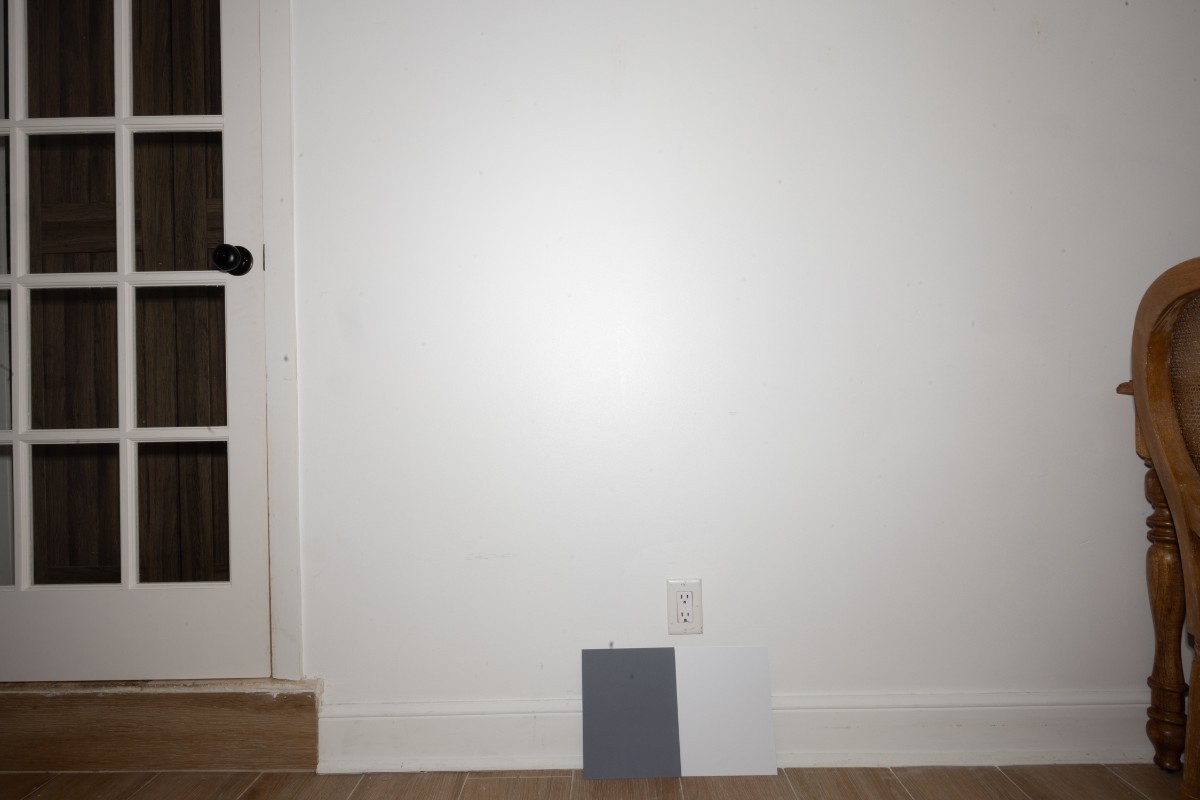
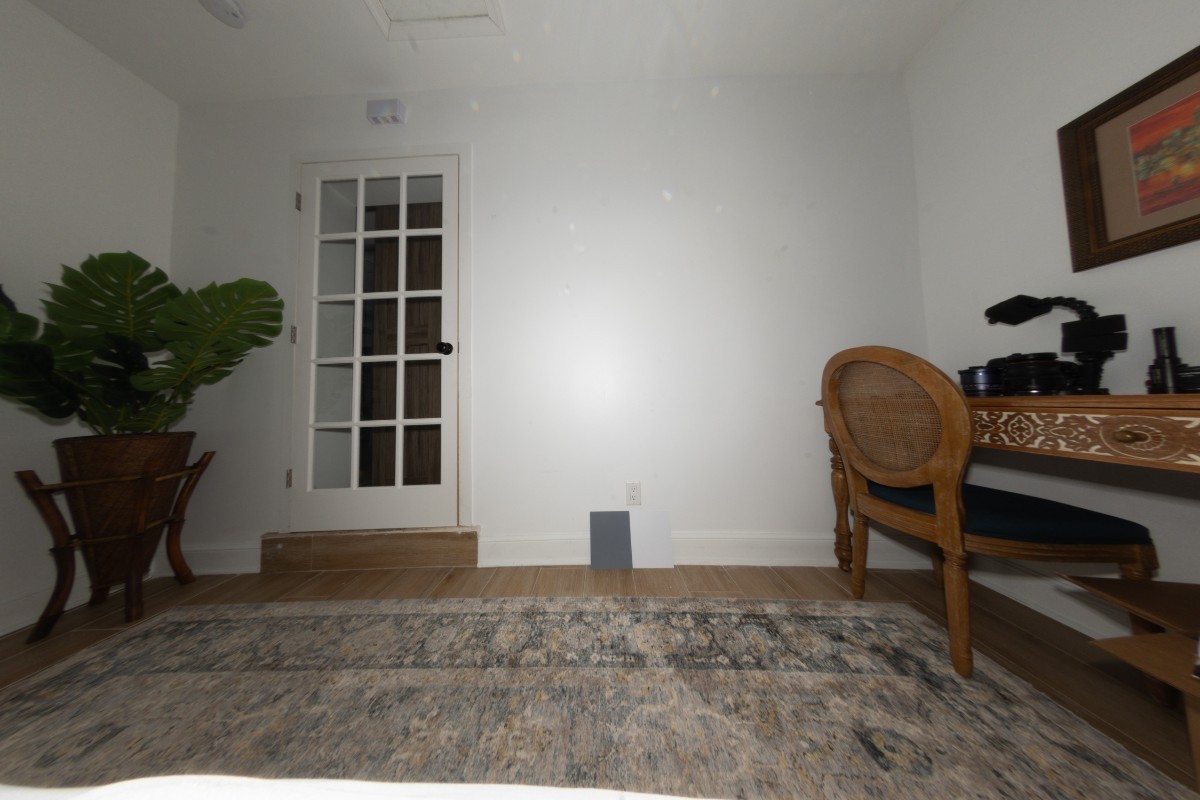
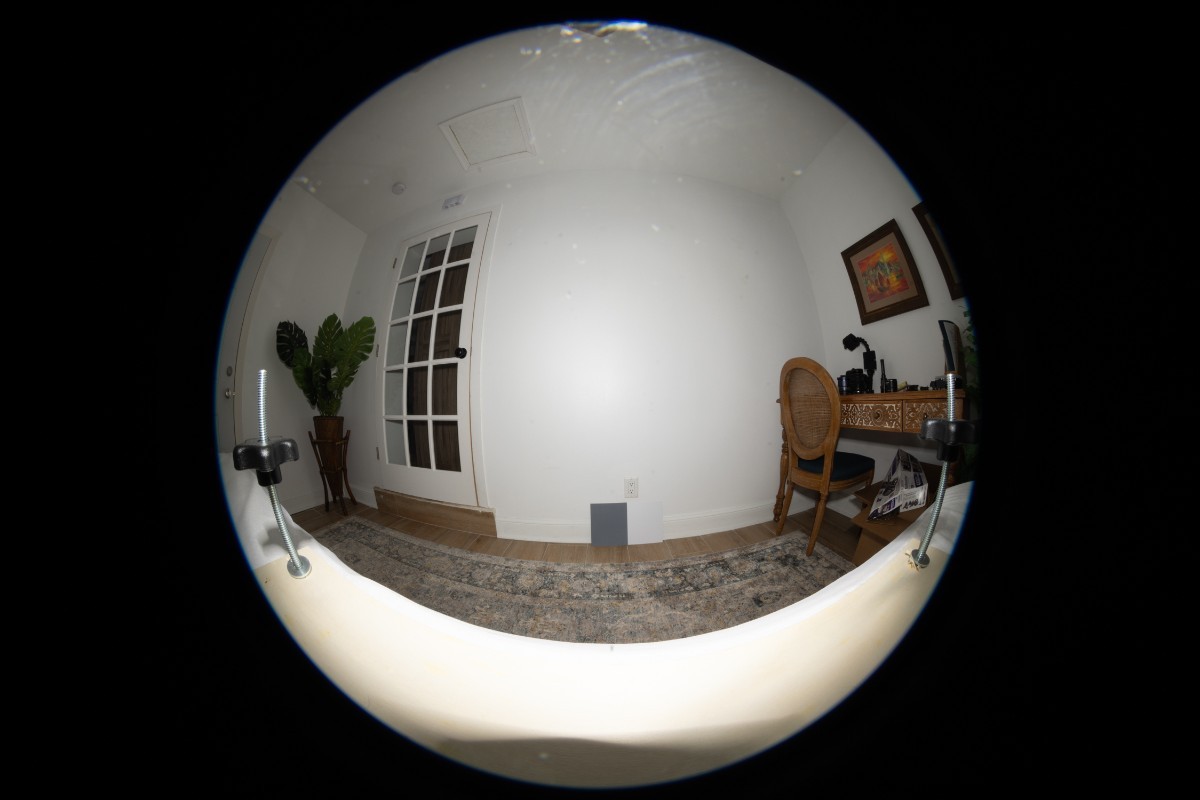
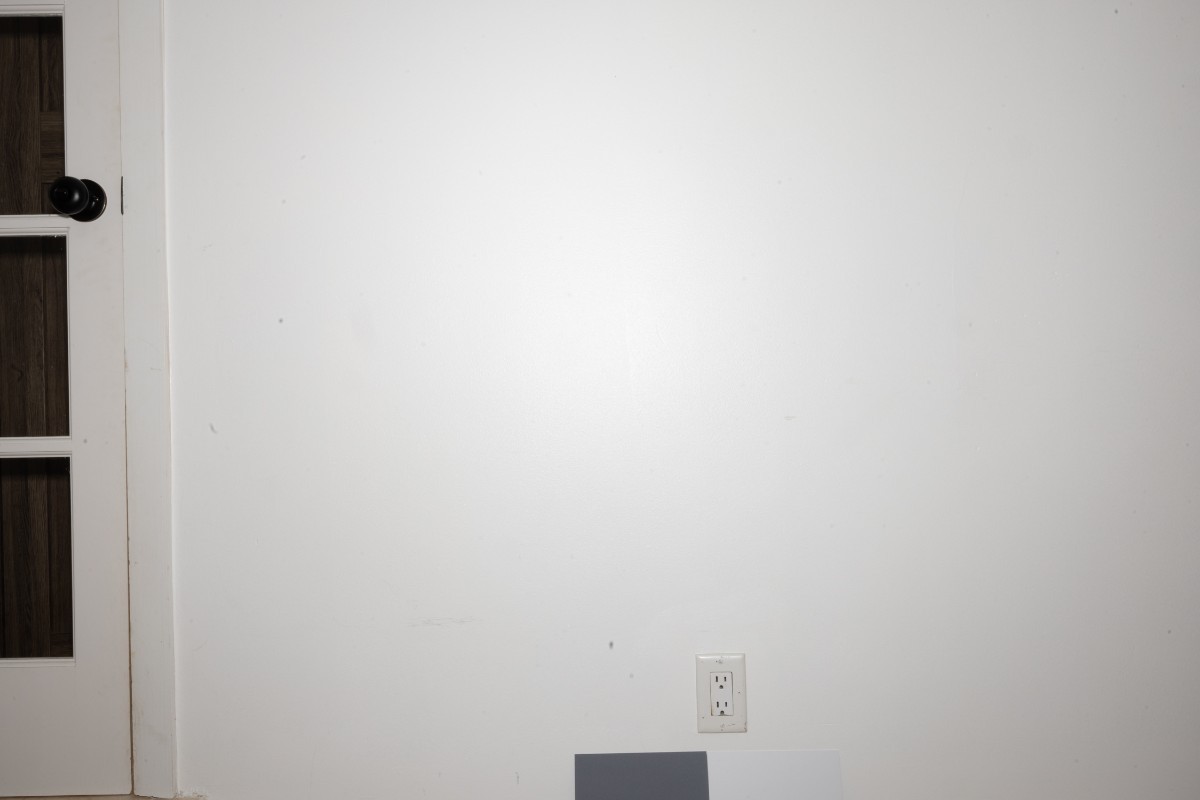
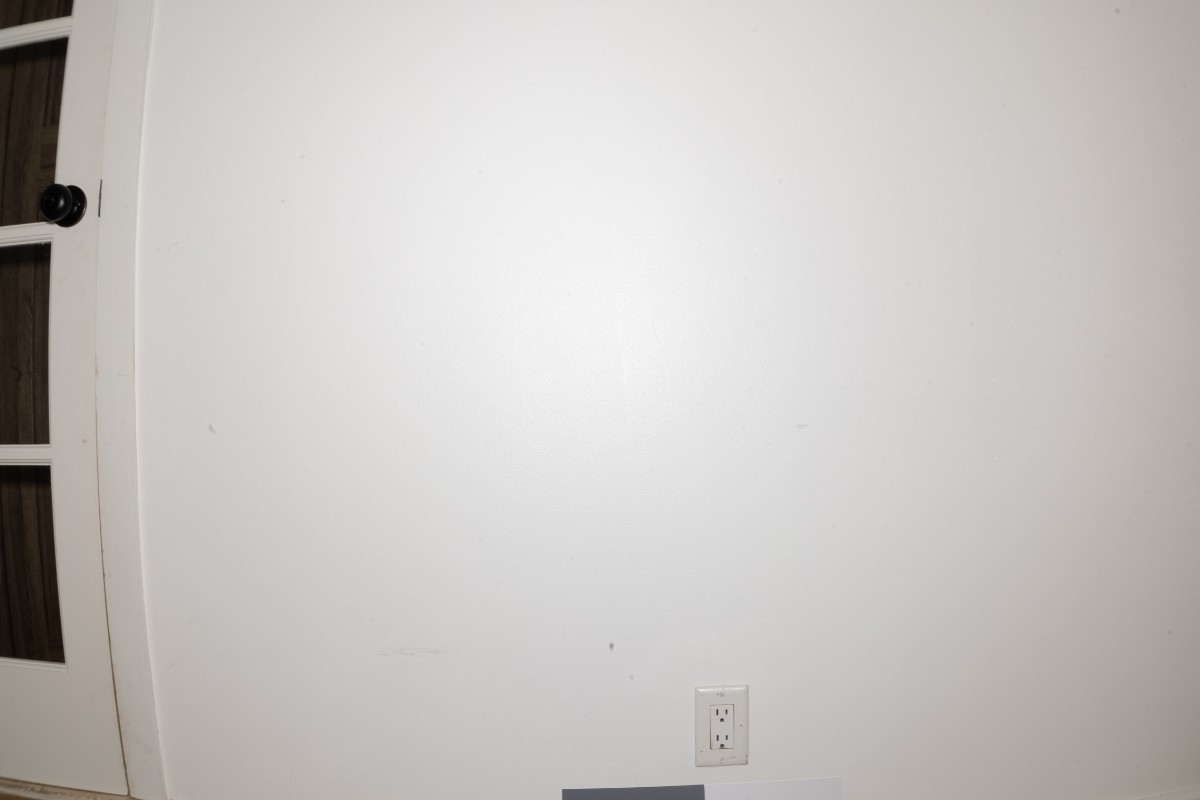
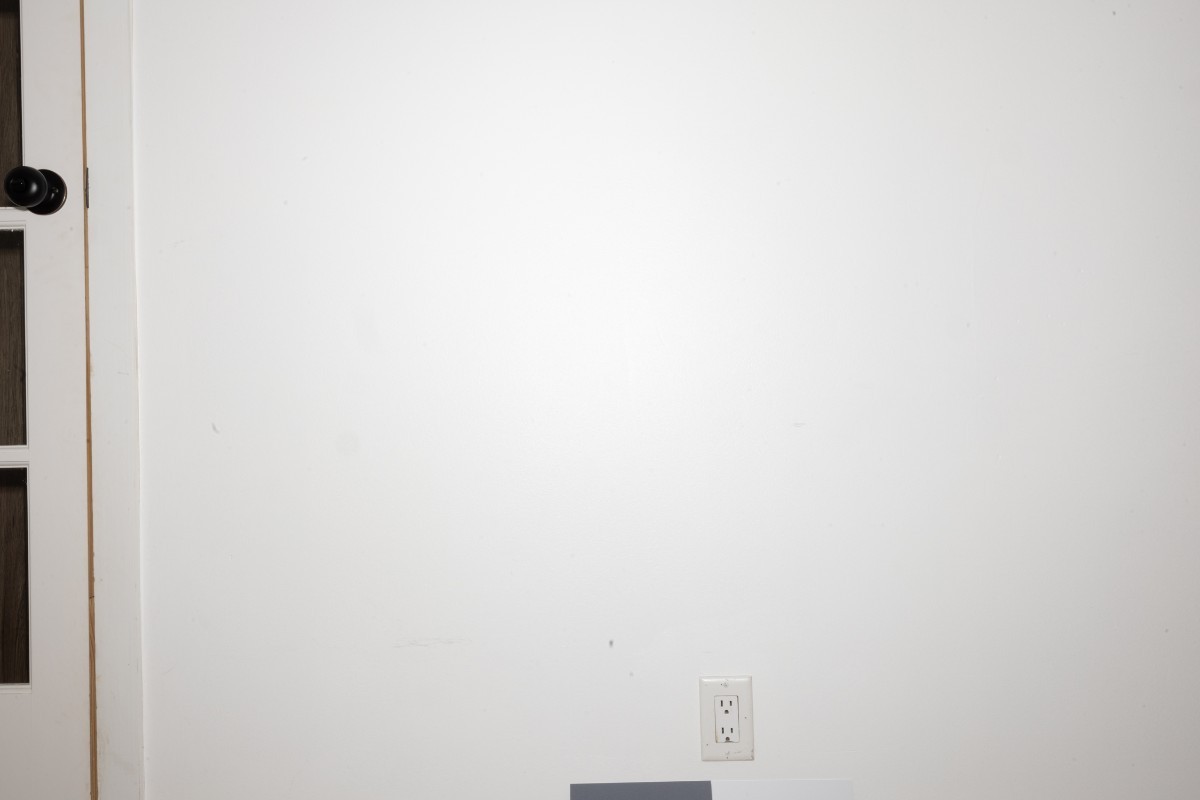
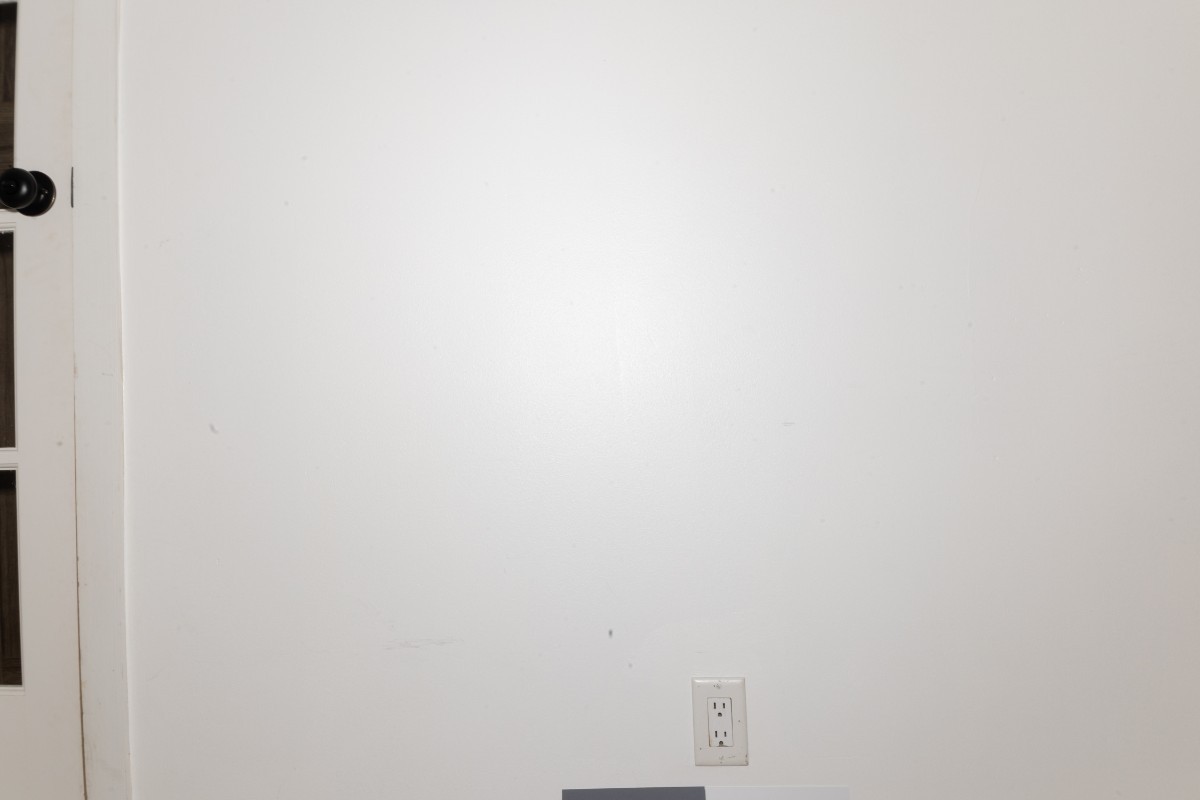
I'm sure this has never been done before 😉 -- but since I received my Lawla 10mm MF lens for Canon RF and Kenko 2x TC today, I figured I'd do a quick and dirty comparison at the rectilinear and fisheye field of view. Sharing it here in case it's helpful for others to visualize what you get with each type of lens and extreme rectilinear lenses in the 10mm range. All these images are taken with same setup I've been using recently to test strobes (and, indeed, are at F22, ISO 100 with an Ikelite DS230 firing at full power). Distance from camera to the front wall is 1.4m. First, the rectilinear lenses. 10mm, 14mm, 15mm, 16mm, 17mm, 20mm There's a pretty obvious jump in coverage from 14mm to 10mm. The difference between 16mm, 15mm and 14mm is not so dramatic. Now for the fisheye lens, Canon 8-15mm, at 8mm, 15mm, and then 16mm (8mm + 2x TC). And each of those focal length de-fished using lens corrections in Lightroom. If you're going to de-fish the fisheye, do it at 15mm, not 8. While you do get a wider angle of view defishing a circular fisheye, the loss of resolution at the edges is pretty extreme. At 15mm, the de-fished image is acceptable in quality dowscaled to 1500 pixel, at least for web/social media use. The 15mm fisheye image de-fished is has a wider field of view than 14mm rectilinear - but closer to the 14mm field of view than the 10mm rectilinear. At the opposite end of the spectrum, here is the fisheye + 2x TC at 30mm between the 28mm and 30mm rectilinear. They're very close -- I guess basically same as a 29mm rectilinear lens. Note that the rectilinear is marginally narrower horizontally but wider vertically. At 30mm, the fisheye only shows a mild amount of fisheye distortion. And here is the 30mm fisheye de-fished next to the 30mm rectilinear. Not much between them in terms of angle of view. My conclusion is that the fisheye lens at longer focal length converges on the same angle of view as a rectilinear lens. This is especially once you de-fish it. Further, the 8-15mm + 2x TC combo gives has a very versatile range. It goes from a diagonal angle of view of 170 degrees at 16mm and 73 degrees at 30mm. That's very similar to the 170-74 degree angle of view Nauticam advertises for the FCP + Sony 28-60 combo. I'll take some shots with my WWL-C and 24-50 lens to see how the Nauticam conversion lenses fit into the bigger picture.
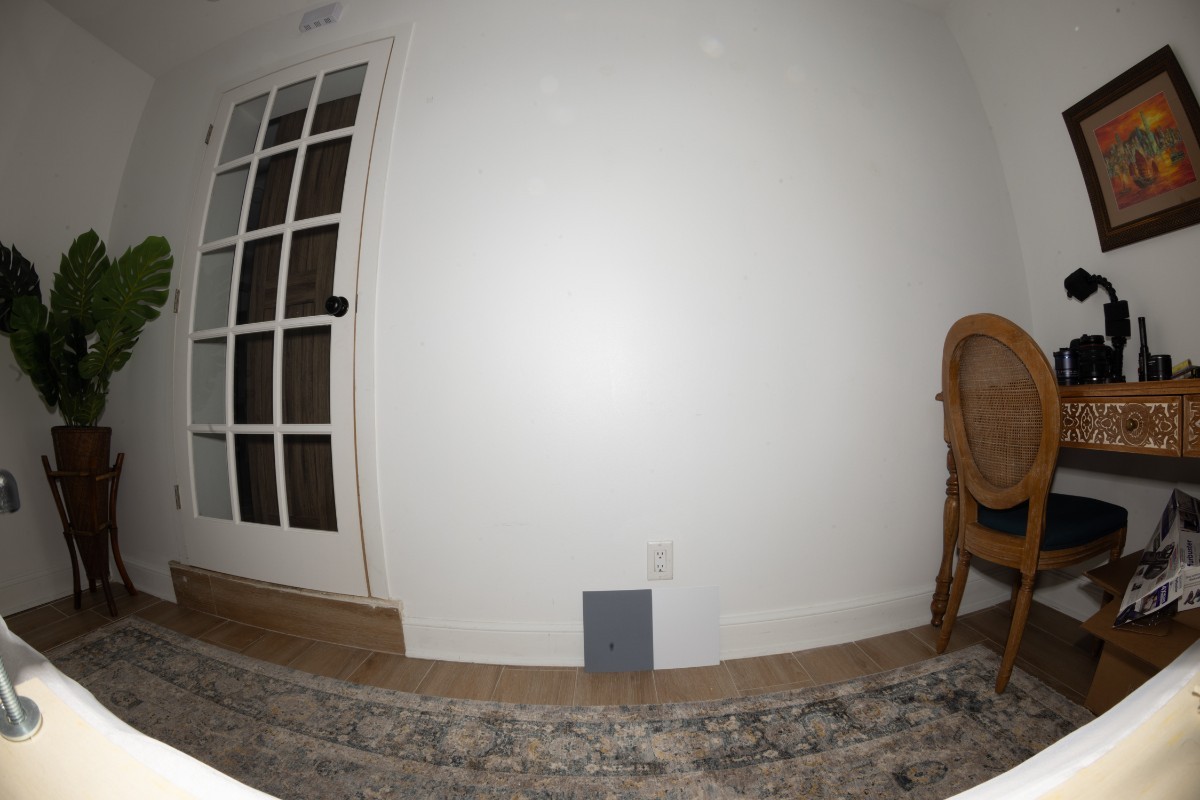
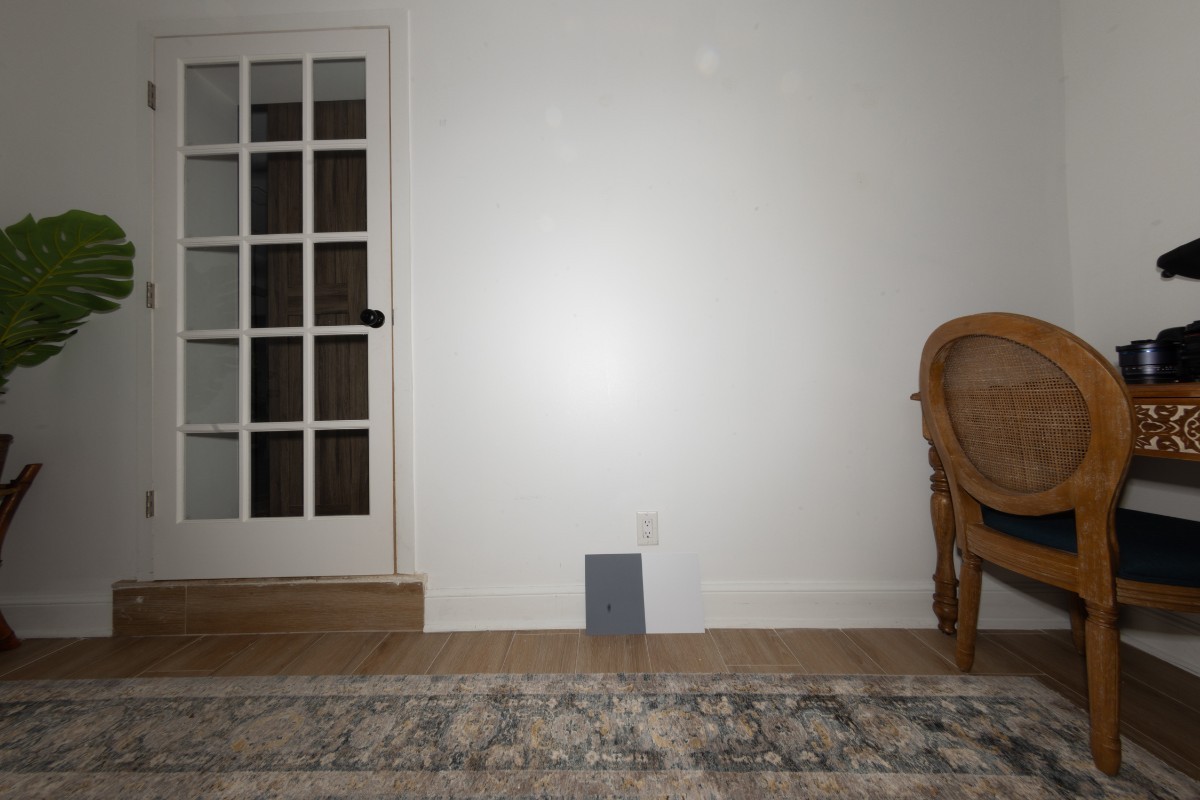
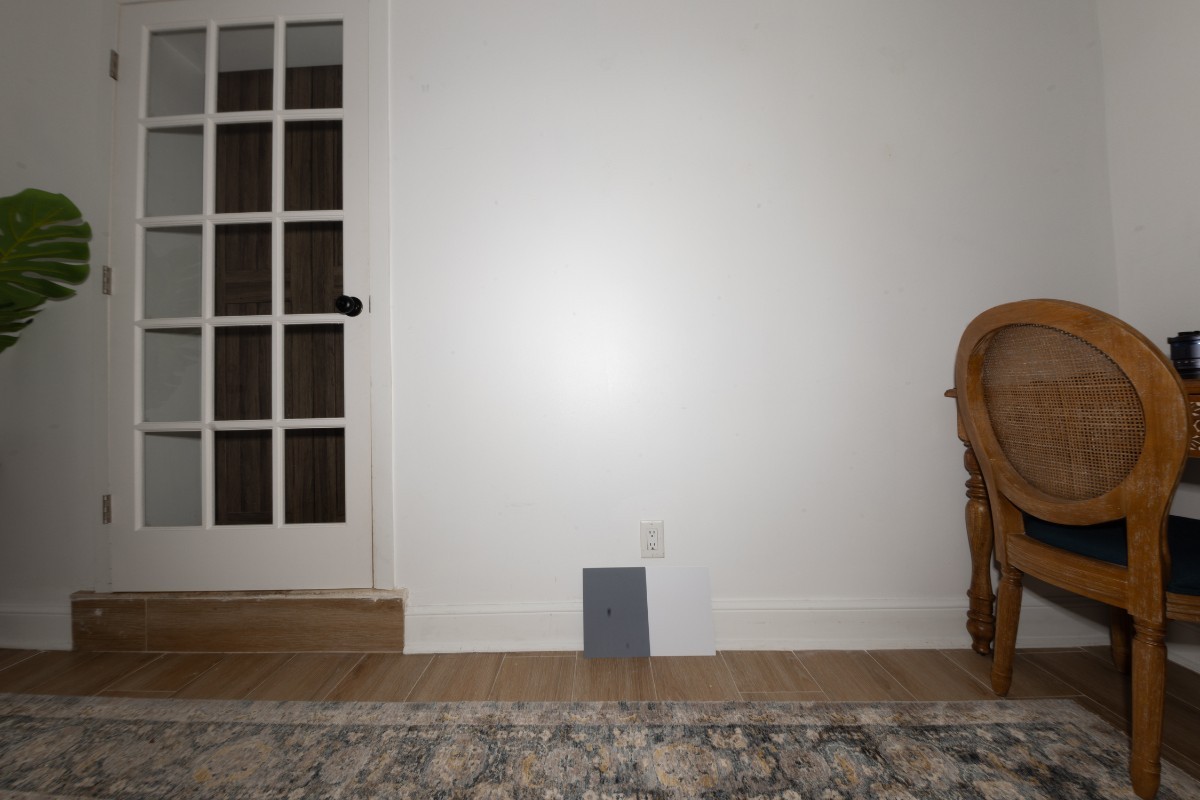
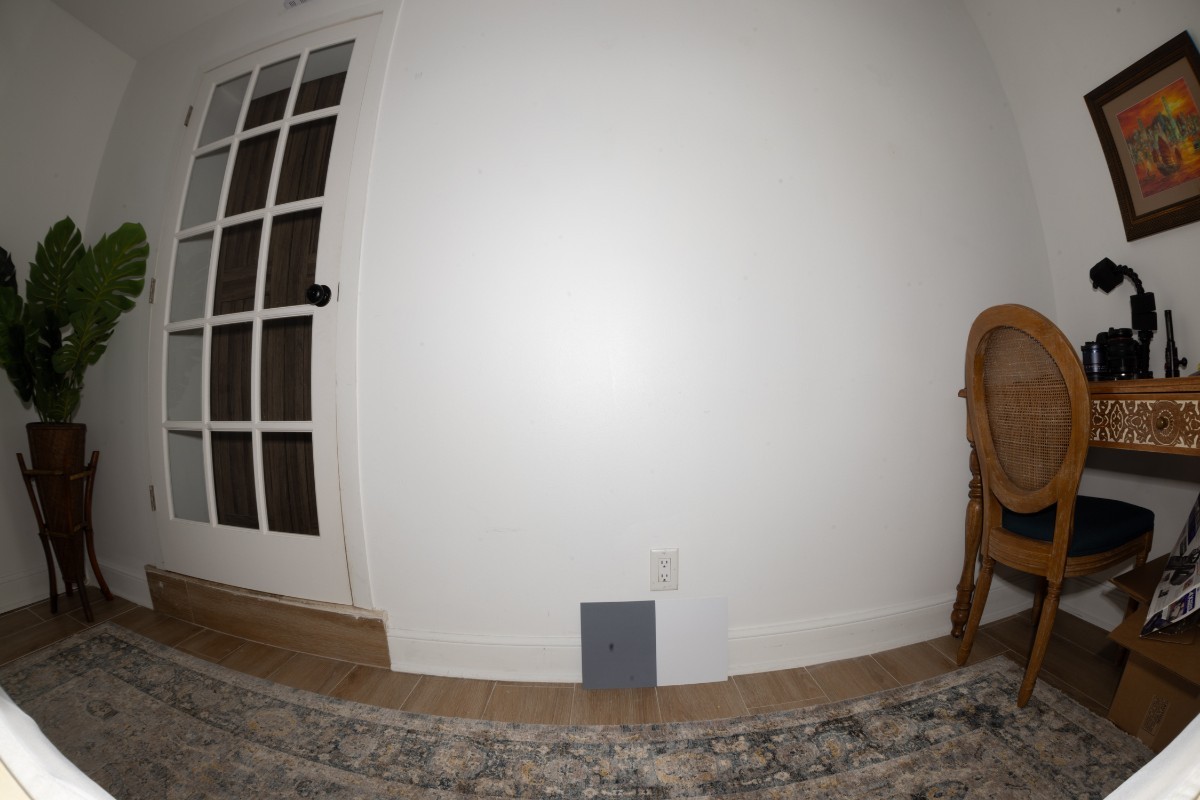
-
I just got my Kenko TELEPLUS HD pro 2x DGX Teleconverter for Canon EF, along with the 40mm port extension for Nauticam. if I can source (or manufacture) a zoom gear, I look forward to testing the image quality, zoom range and autofocus performance next time I get a chance to dive. In the meantime, I did some field of view comparison with rectilinear lenses on land that I'll be posting in a different thread shortly.
-
Thanks Phil. I think there's a place for both quick-and-dirty land tests that are easily repeatable to isolate some characteristics of the gear and field tests to really understand what the implications of those characteristics are in terms of the results you can achieve.
-
Perhaps below observation from Backscatter's HF-1 flash manual may help? I think it may be a setting issue on the A7R V. Note: For HSS use, Sony cameras must have the Shutter type be mechanical and e-front curtain shutter (if offered as an option) must be off. If these menu settings are not made banding may appear in the image, which will worsen with faster shutter speeds. This setting is not specific to the Hybrid Flash, this is for any Sony camera being used with a HSS compatible flash. Please see your Sony camera instruction manual for more details.
-
I think the comparison should be between the FCP and a fisheye zoom like the Canon 8-15mm + 2x TC behind a 140mm dome port. Not with a fixed focal length fisheye or one of the less extreme wet optics like WACP-1/2/C or WWL-1/C. Comparing the FCP to the 8-15 fisheye + TC, it's not at all clear to me that the FCP has any versatility advantages at all. The 8-15 + 2x TC covers similar range, perhaps with better image quality, and certainly with better depth of field. It's smaller and lighter, too. Only thing missing is a 1st-party zoom ring for this combination from Nauticam or other housing suppliers (AFAIK). So you have to determine the right port extension (70mm on Nauticam n120 I think) and make a custom zoom gear. But the end result is.. better, and much cheaper?
-
Sure... but less time is required if starting from an already decent starting point. And given how thin the codecs are on these cameras, a bad initial white balance is going to make it exceedingly hard to produce pleasing results even with color grading.
-
I took the time to read through the manual (available for download from Backscatter's article)while waiting for my HF-1 to arrive (getting kinda excited here... ) and noticed a few interesting tidbits not mentioned in the review article or video: Dimensions 1140g in air, -250g negative in water (with batteries) 94mm diameter, 162mm length HSS Note: Super FP/HSS reduces flash output compared to regular shooting. Only use it for close-up shooting. The flash will diminish the faster the shutter speed is set. Note: The Hybrid Flash has one output power in HSS mode. Changing the shutter speed to dial in the flash exposure is the recommended method for altering the flash in the image. Note: For HSS use, Sony cameras must have the Shutter type be mechanical and e-front curtain shutter (if offered as an option) must be off. If these menu settings are not made banding may appear in the image, which will worsen with faster shutter speeds. This setting is not specific to the Hybrid Flash, this is for any Sony camera being used with a HSS compatible flash. Please see your Sony camera instruction manual for more details. Pro Tip: If you primarily shoot in TTL flash mode it is recommended to use the SC mode (rather than HSS mode) on the Hybrid Flash to do HSS as there are no changes needed to switch from normal TTL operation to HSS operation. Remote Lighting Control (REM) Note: It is possible to use a Mini Flash 2 as a main flash to send signals to a Hybrid Flash or to receive signals from a remote strobe from a Hybrid Flash. Since there are only 7 power levels on a Mini Flash 2 and 12 power levels on a Hybrid Flash, only the top 7 power levels will be able to be used in remote operation when combining a Mini Flash 2 with a Hybrid Flash.
-
Not sure I agree with this.. even with a 180mm dome, the 14-35 is floaty at the front (if paired with a magnifying viewfinder), throwing the whole camera trim out of wack. You have to fight its tendency to turn nose up throughout the dive. That's simply not an issue with the wet optics. They're heavy out of the water, but in the water, they're only slightly negative, and they trim out much better, especially paired with a magnified viewfinder.
-
And just for comparison, putting the same Canon RF 14-35 behind the Nauticam WACP-1 and shooting at 24-28mm. Clearly not rectilinear anymore, but the corners are slight barrel distortion near the edges of the frame are slightly more pleasing to my eye, at least for shooting people.
-
Some examples of the extreme distortion you get when putting a subject too close to the edge of the frame at 14mm. The 10mm would only exacerbate that I imagine.
-
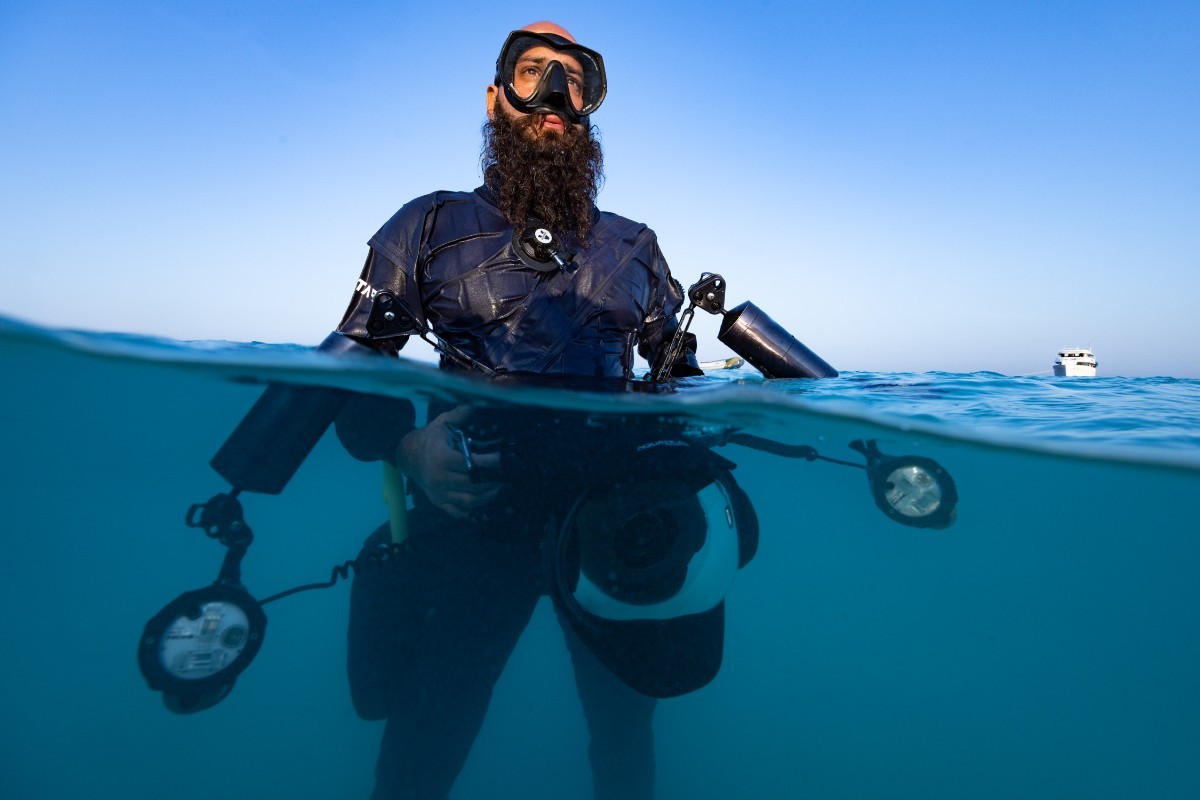
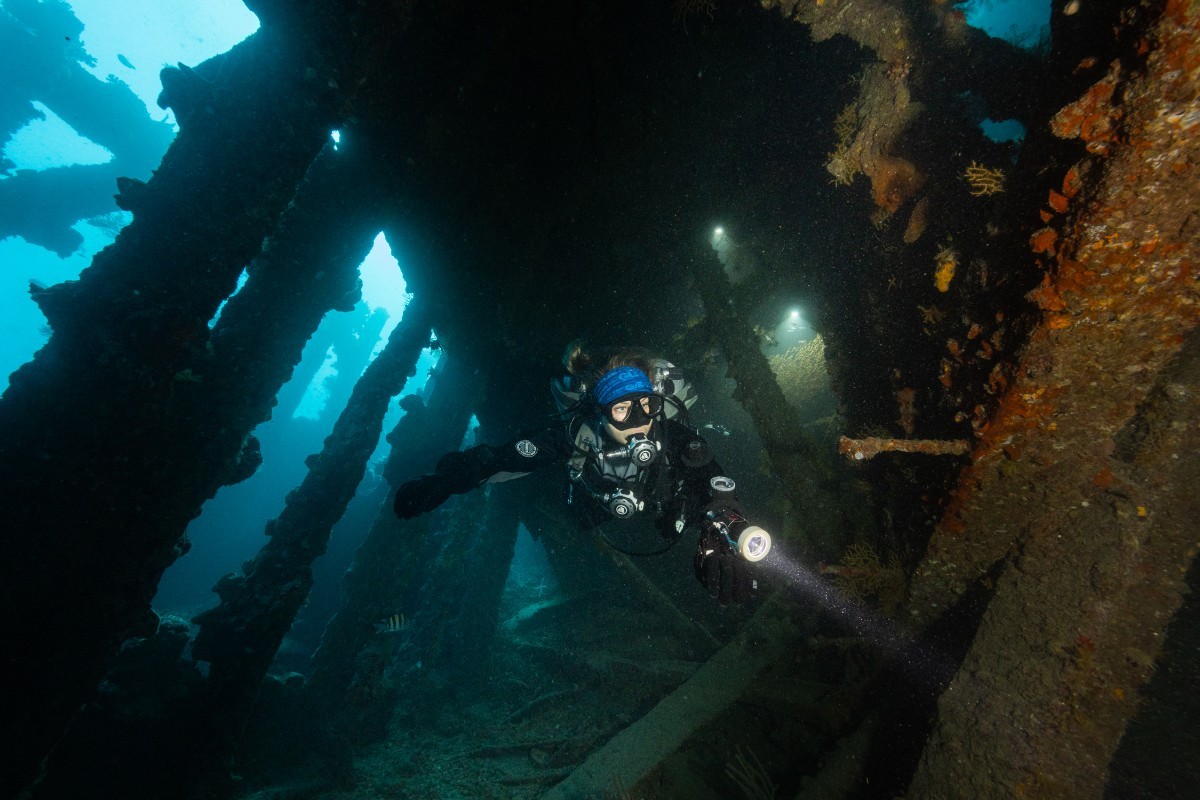
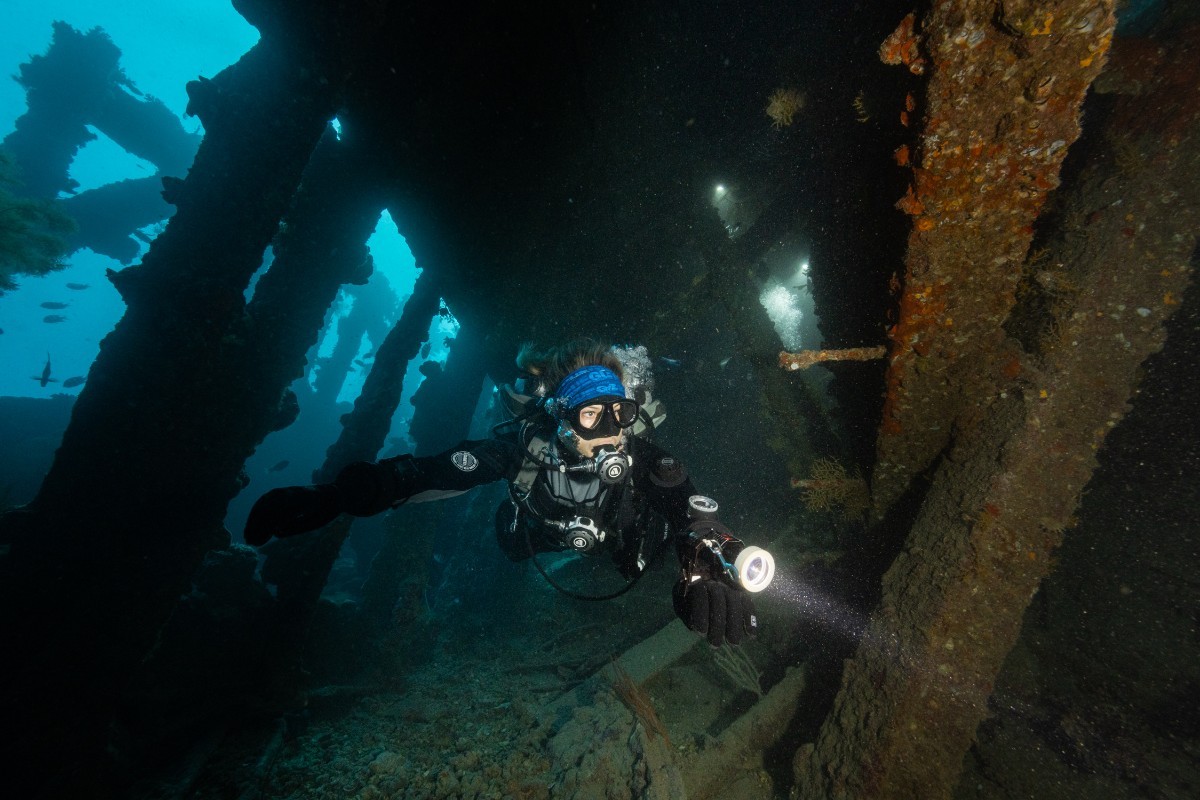
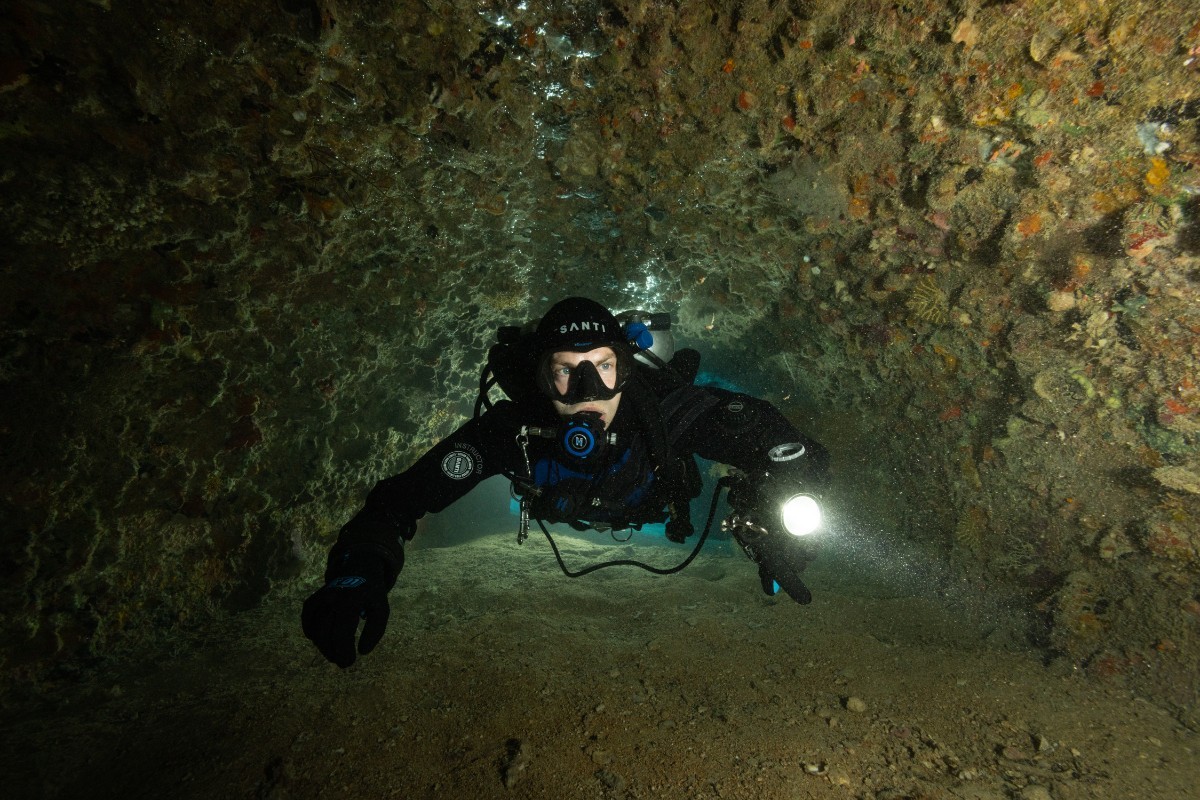
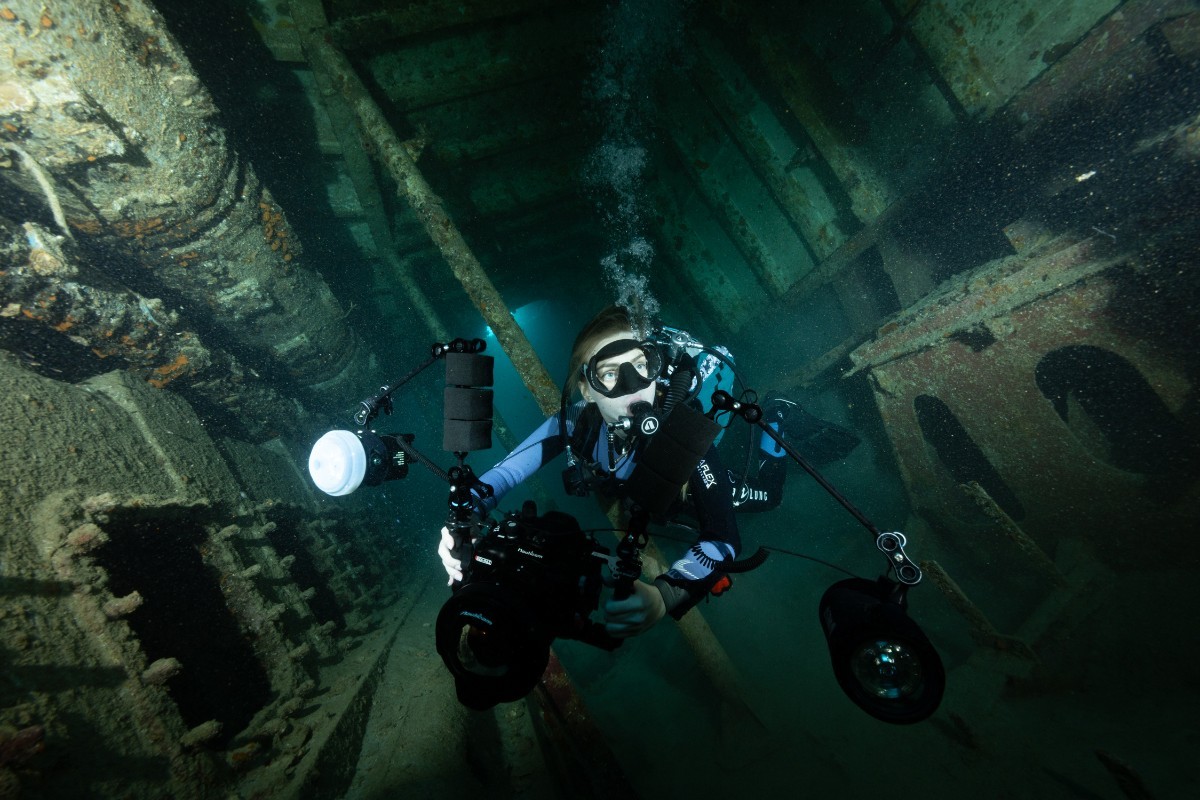
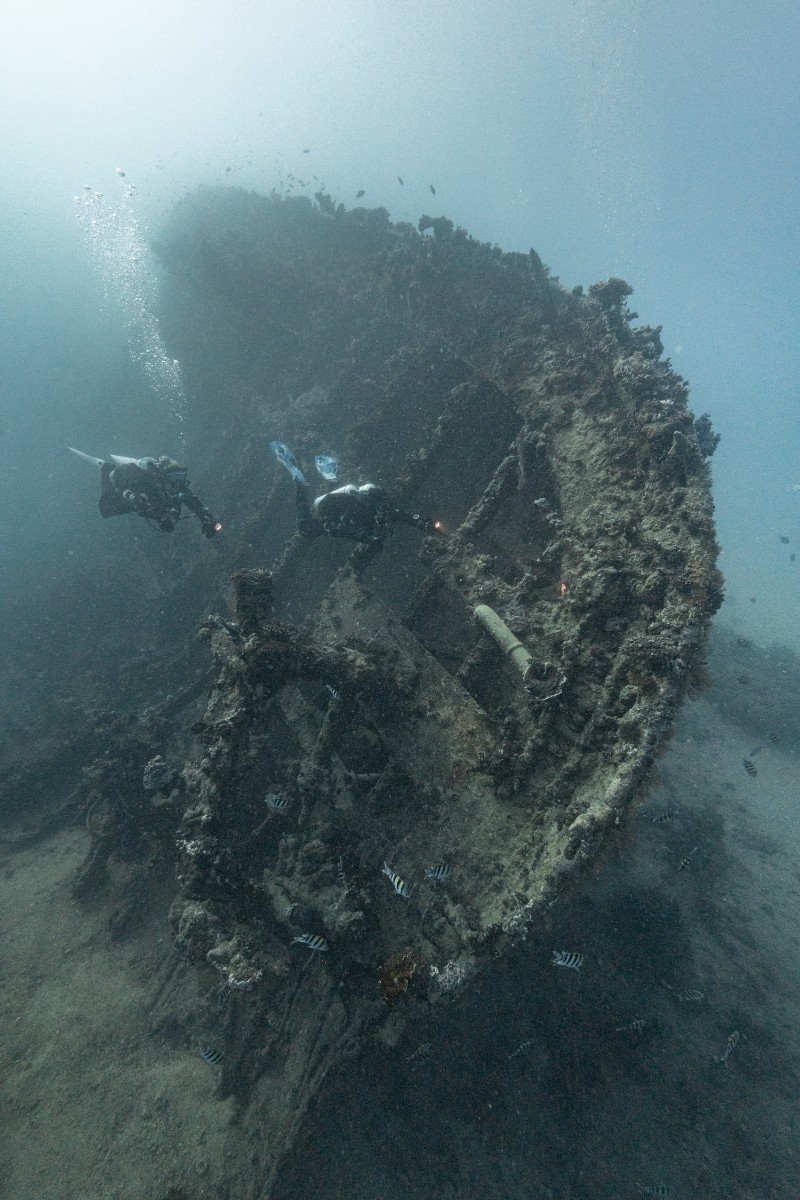
Ok, I'll bite. I haven't shot with the Canon RF 14-35 a lot, but I've done a few dives with it. Frankly, I find it a challenging perspective to shoot with (I definitely am much more comfortable with the 8-15mm fisheye), but I can . When shooting people (and I imagine other subjects), you have to be careful to keep them in the middle of the image. Anything too close to the edges becomes heavily distorted because of the extreme perspective. Here's a few samples at 14mm, between F13 and F16. Nothing I'd call inspirational, but at least it gives a flavor. I do prefer the rendering of straight lines inside wreck interiors. (keep in mind I was shooting it with a 30mm extension and 180mm dome, which Nauticam recommends a 40mm extension for. With the right extension and a 230mm dome, there may be some improvements in the corner image quality.
-
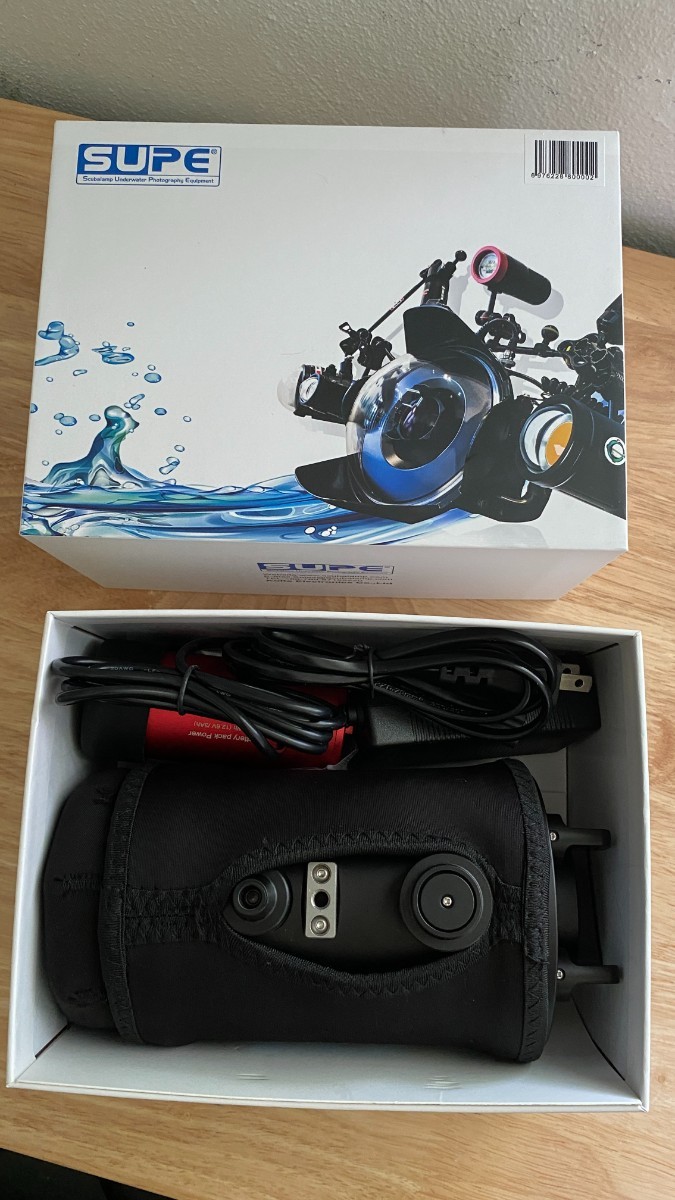
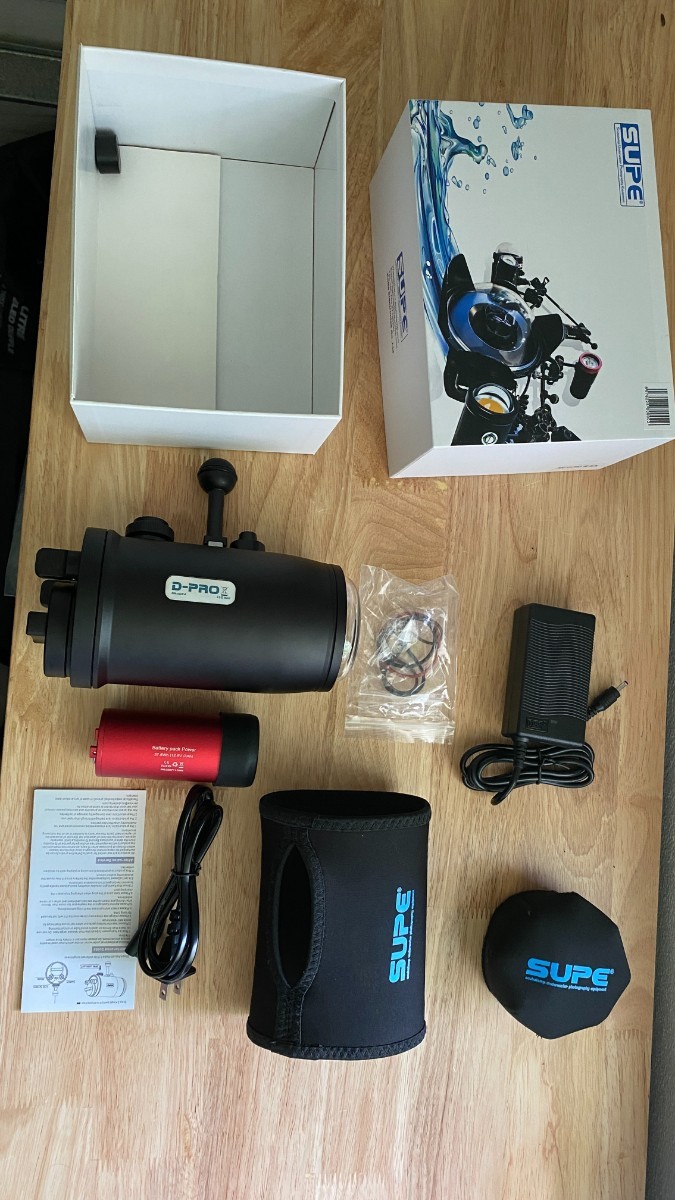
Open box, never used in water, only to run some tests on land to satisfy my curiosity. Comes with all the original accessories and box, so it's like getting a new strobe at a significant discount. If you're curious what the strobe can do, I've provided a balanced review with the test data here. $500 or best offer.
-
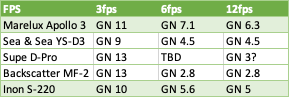
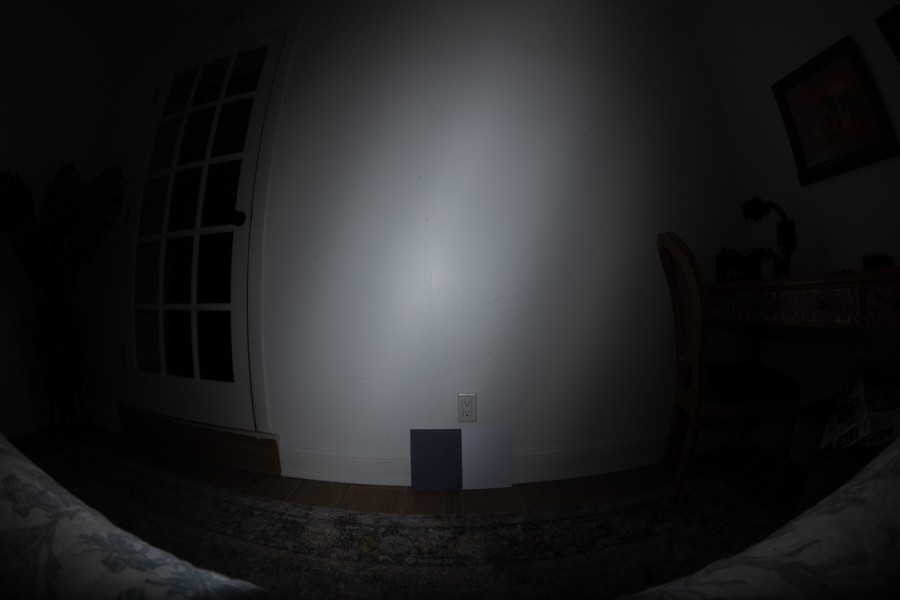
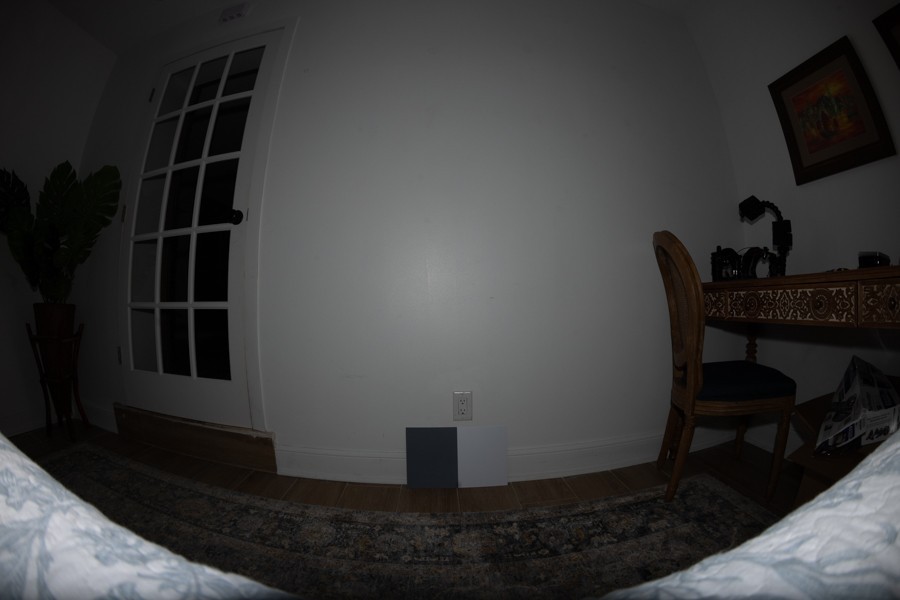
In my continuing set of strobe tests, I've now measured the Backscatter MF-2 strobes. Results (with the Inon S-220 as a comparison): And here is the beam pattern. Very narrow with no diffuser, but surprisingly wide with a diffuser. Above, the 2nd image with the diffuser is exposed brighter exposure to showcase beam spread and hotspotting. Here it is normalized at F22 ISO 100 so you can see just how much light you lose by using the diffuser. First image is the MF-2, second image is the Inon S-220 with its diffuser. Observations Color temperature is very close to daylight with the diffuser, and warmer than most other strobes even without the diffuser Beam coverage is very narrow without the diffuser -- really only suitable for macro With the diffuser, you could use these strobes for wide angle shots in a pinch, but you're losing 1 2/3 stops of light, so they're only GN8 strobes. Backscatter uses a pretty thick diffuser to make the very narrow beam wide. Comparing like for like with the Inon S-220s, they're a full 2 stops less bright with a diffuser. In HSS mode, you lose 1 2/3 stop of light at 1/250s and the situation only worsens if shooting at higher shutter speeds like 1/500, where you lose 2 2/3 stops of light. Recycling times are nothing to write home about at 12fps and 6fps, but you can shoot 3fps at the highest power of all strobes tested (matched with the Supe D-Pro, and 1/3 stop higher than the Marelux Apollo 3.) Overall, nice strobe for macro that can shoot wide angle in a pinch with the diffuser, but is much less bright than the INON s-220 and doesn't recycle as fast for 6fps or 12fps shooting.





.jpg.da470b368d525a2f78f45c8a2636e66d.jpg)
-
The whole reason for CRI measurements is that the LEDs used in video lights don't produce the same full spectrum of colors found in halogen bulbs or sunlight. So the higher the CRI, the more 'natural' the light appears. LEDs have historically been very bright in some parts of the spectrum, but produced very little in other parts, like the reds. Strobes with their zenon tubes don't have this issue. All zenon strobes are essentially CRI 100. That's my understanding at least. Happy to be corrected and learn something new.
-
Probably there's some individual variance on what you consider "fine," but I've shot the GH5 on hundreds of dives, and my experience aligns with Dadide's. Yes, you can white balance to 100feet depths, but the results are anything but 'accurate". The internal white balance limitations don't allow you to get a neutral result right out of camera. You might be able to achieve something more aesthetically pleasing by color grading in post, but that's a significant time investment with its own limitations compared to what Canon cameras have been achieving for decades and Sony's more recent models since the A7S III can also now do.
-
Great idea! Could we broaden the topic at least and highlight some beautiful images taken with other extreme wide angle lenses, like those that can read 11 or 10mm focal length? There haven't been many such lenses around, but there are a few. It would be educational to see some of the results that can be achieved at such extreme focal length for inspiration and education.
-
Wow, Nikon definitely pulled out all the stops with this one. Though the dynamic range performance is a bit disappointing. I really hope that the introduction of RAW video recording in this and the recent GH7 push Sony and Canon to also include it in some of their upcoming mid-range (and, in Sony's case, even flagship) bodies!
-
I think it's useful when comparison shopping to understand what you get by paying 2x-3x the price. So this technical analysis is useful for me for that purpose, and may be useful to others also to identify the right strobe for more esoteric/individual needs (like size, color temperature, recycling times, etc). I really wish we could get similar numbers on some of the more expensive strobes like the Seacam 160Ds, OneUWs, and Hartenberger 270. So we can understand what we get for the 2-3x price uptick.
-
Depths between 10-20(30) meters, I would say. Most cameras are pretty reasonable with white balance down to 10m. And that was my experience as well with the GH5 -- it was fine down to about 12m or so, with or without a red filter. It's past that that the different manufacturer's implementation starts to materially differentiate.
-
While it's always healthy to be a bit skeptical of any content put out there by marketing departments and their influencer ecosystem, I do think that some of the comparison videos, especially the one from Aquatic linked above, do show stark contrasts in how well the Ace360 Pro and the DJI Action 4 handle white balance at depth. He also references his experiences with the GoPro quite extensively. White balance is one of the -- if not the -- key performance characteristics one should look for in an action camera (or any other camera) intended for use for shooting video underwater. Any improvements in this area are definitely welcomed!