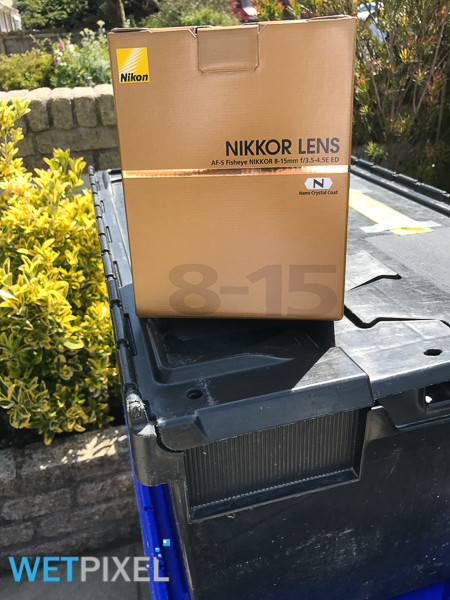
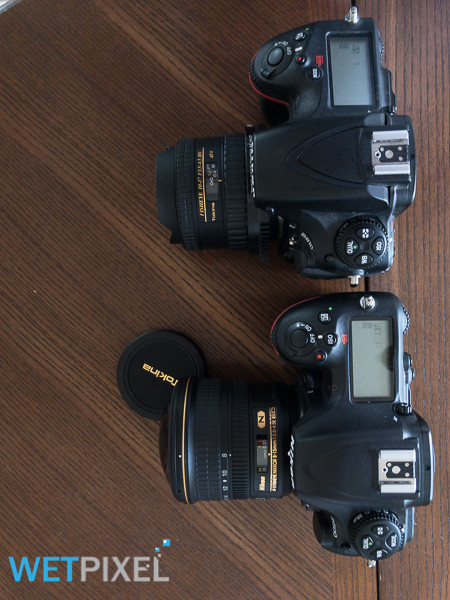
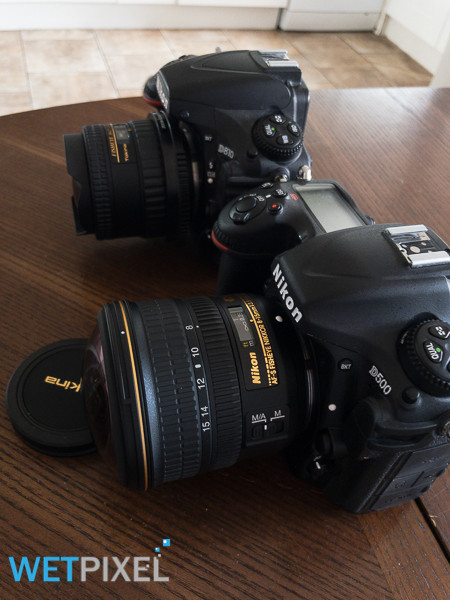
Really enjoying this conversation and wanted to be involved even though I haven’t seen the lens yet.
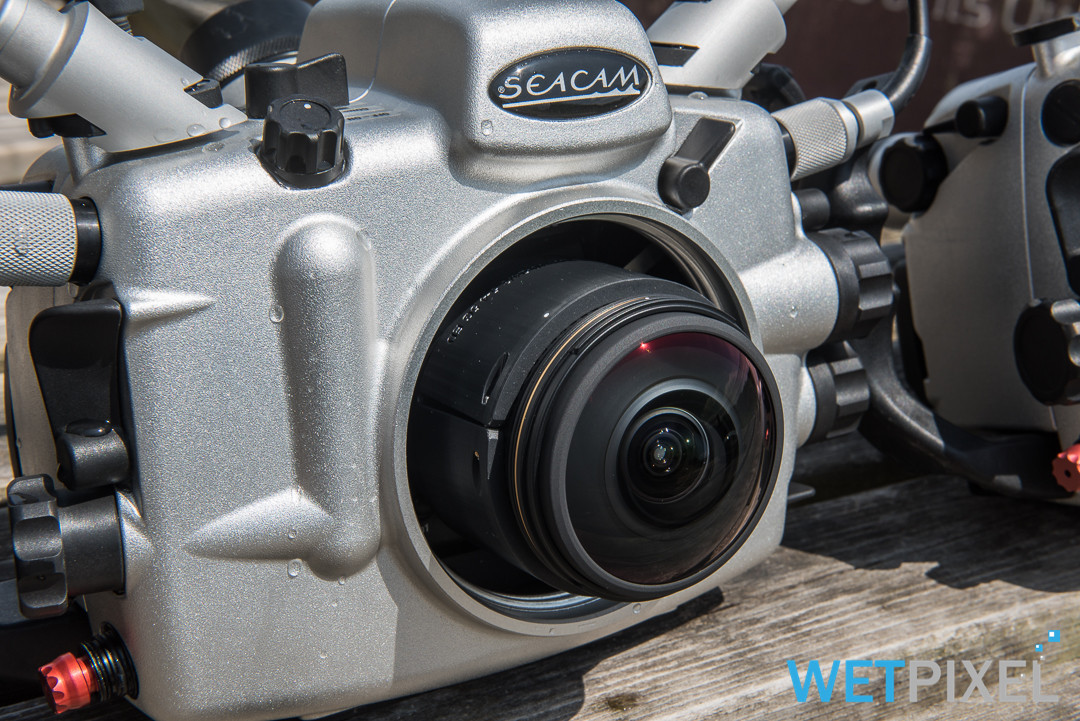
I am really keen to try this lens. For some reason availability has been very limited in the UK, but I am grateful to Adam for lending me his to shoot in the Red Sea.
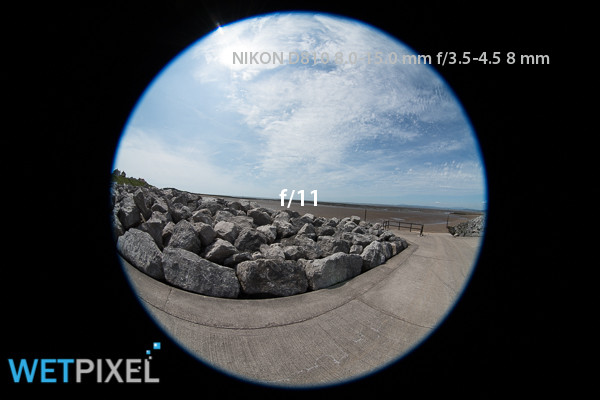
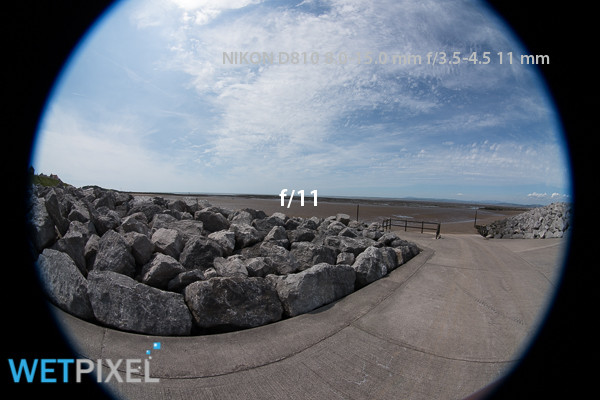
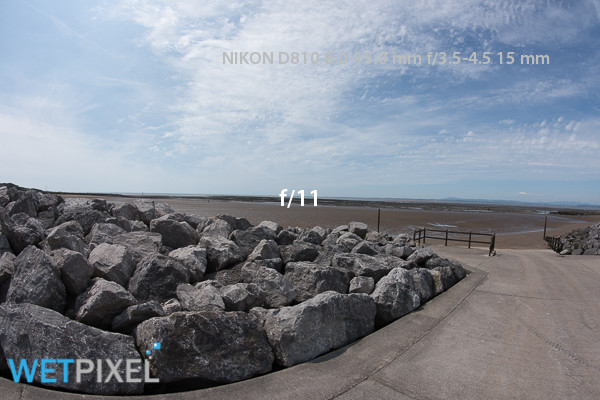
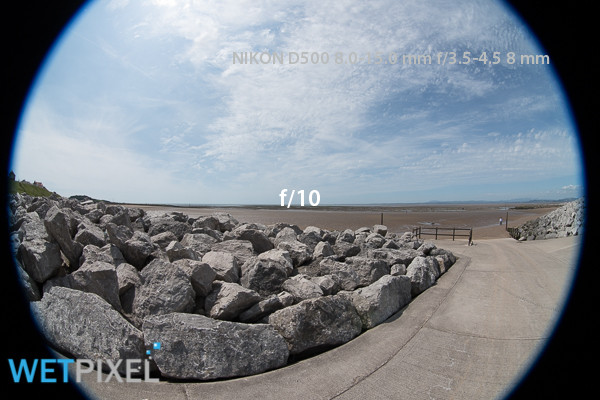
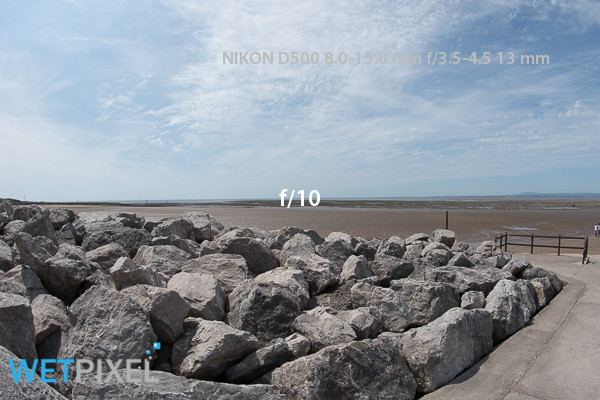
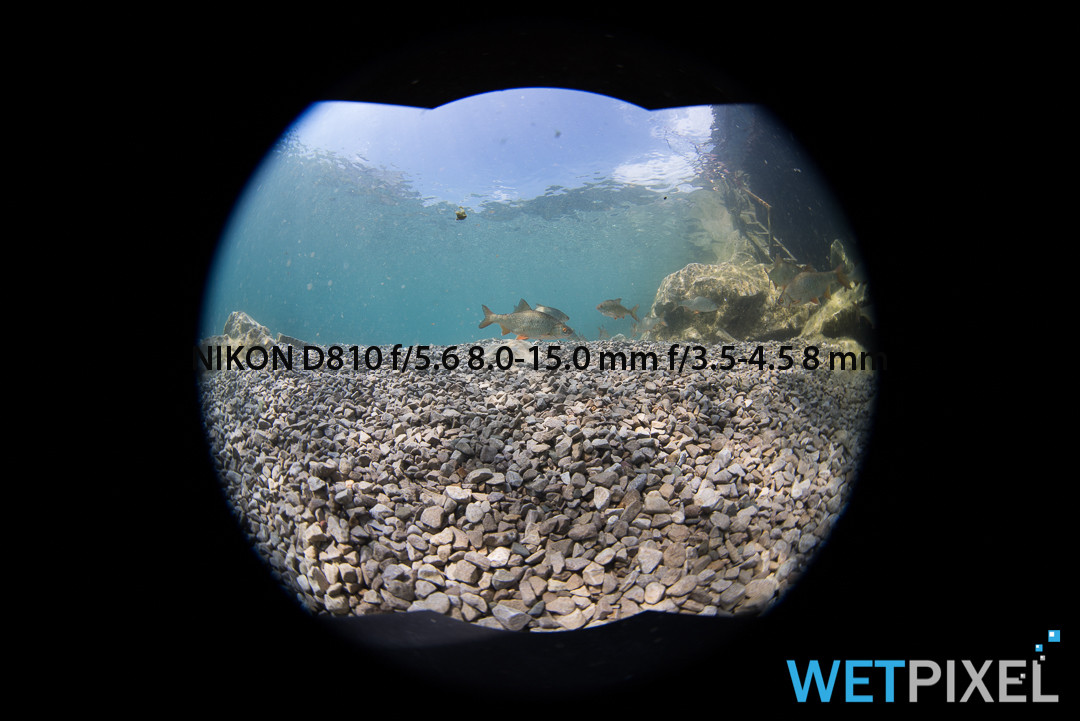
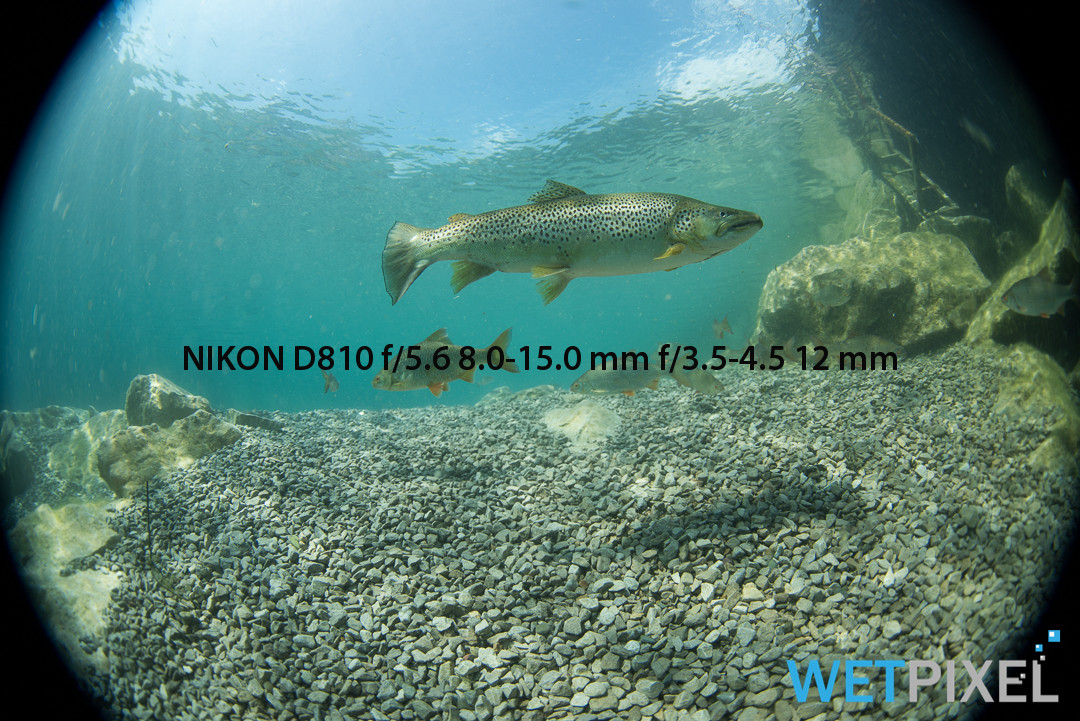
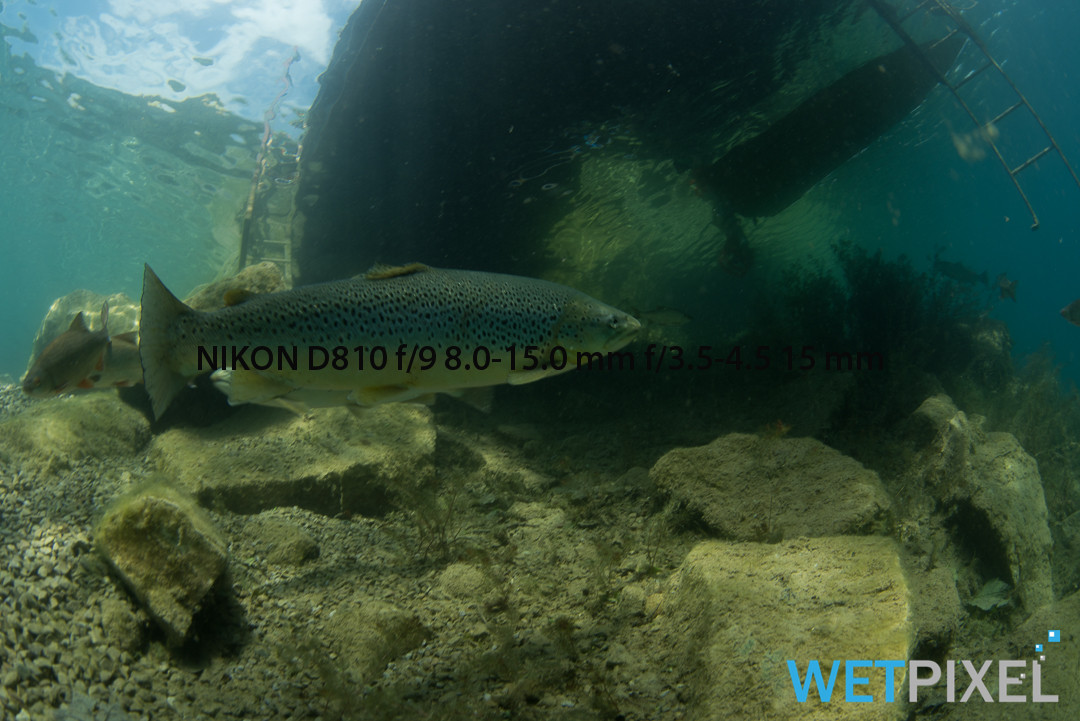
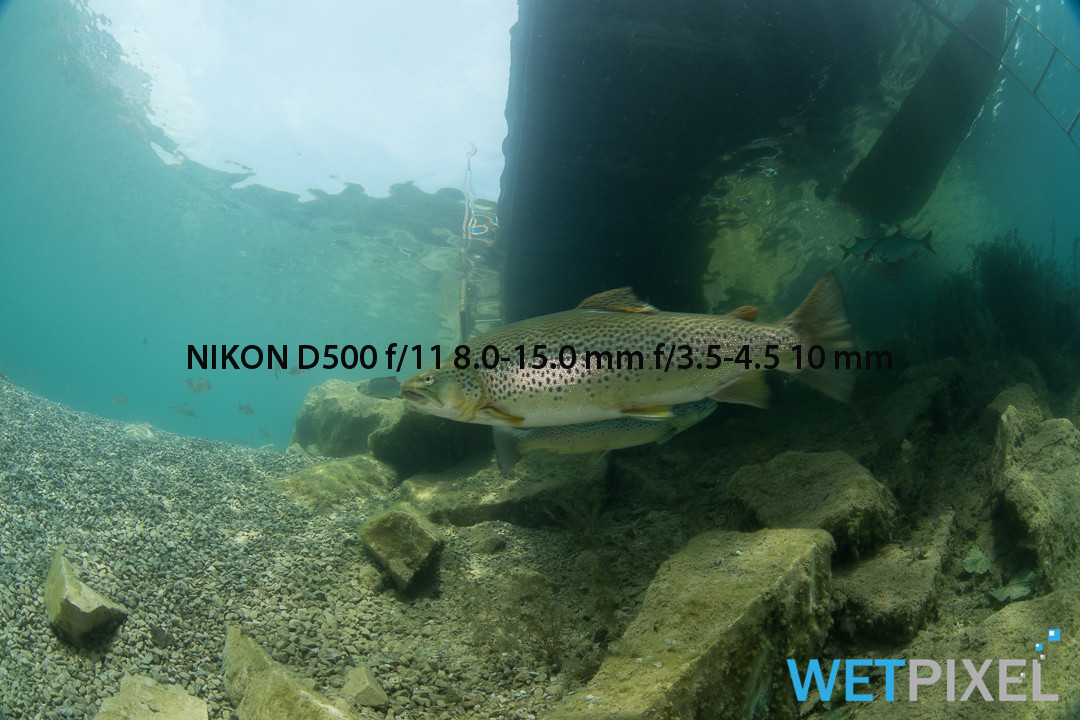
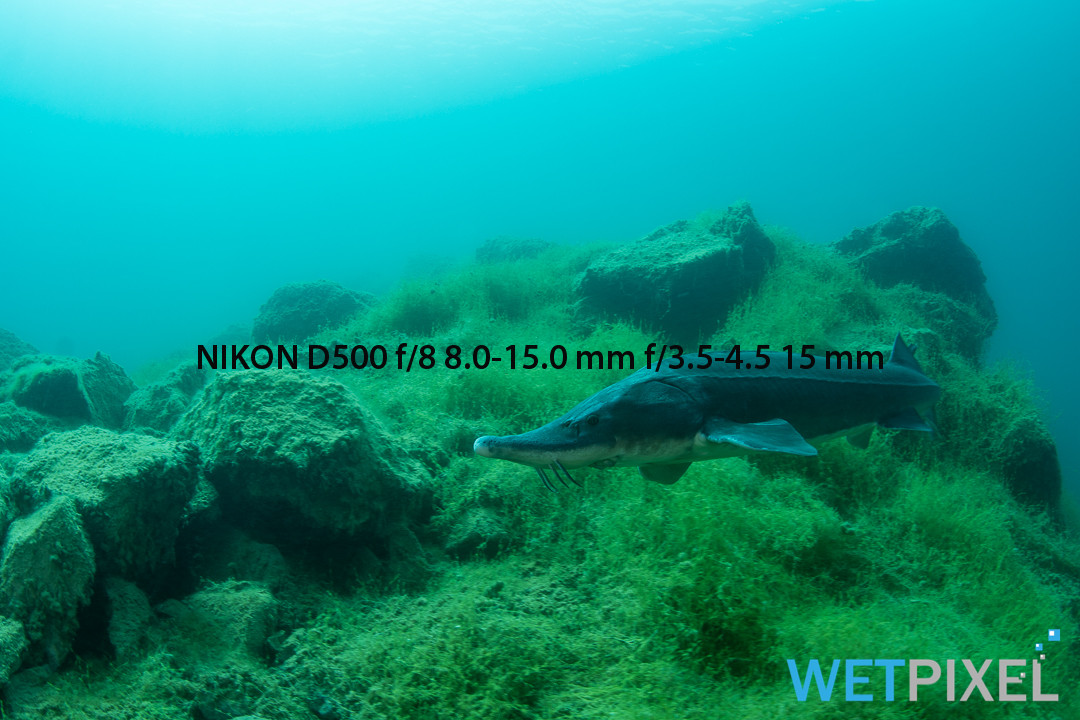
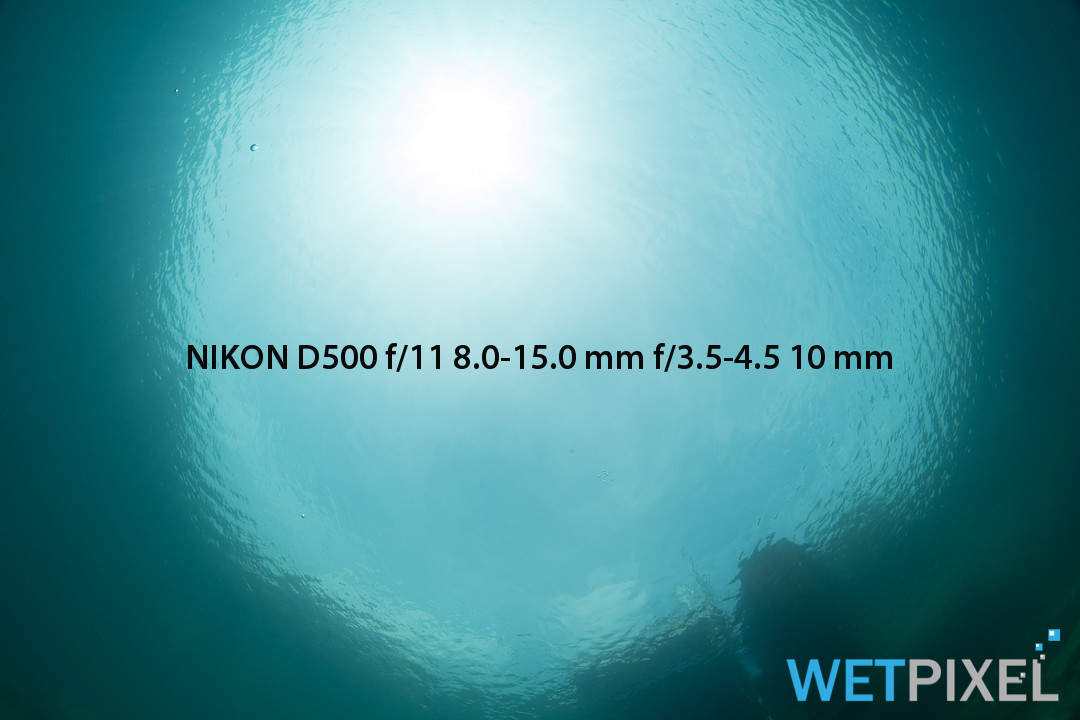
However, away from the glitter of new gear, I don’t find this lens that enticing on paper. As we already know from the Canon 8-15mm, the zoom range is not that useful on a full frame camera. Nikon market it as two lenses in one, rather than a zoom, and I think that this is a good way to think of it. That said, I am not a fan of circular fisheye shots (despite using one as the opening image inside my recent Secrets Of The Seas book!), and I don’t want to dive routinely without protective dome shades (even though they easily unbolt on my Zen domes).
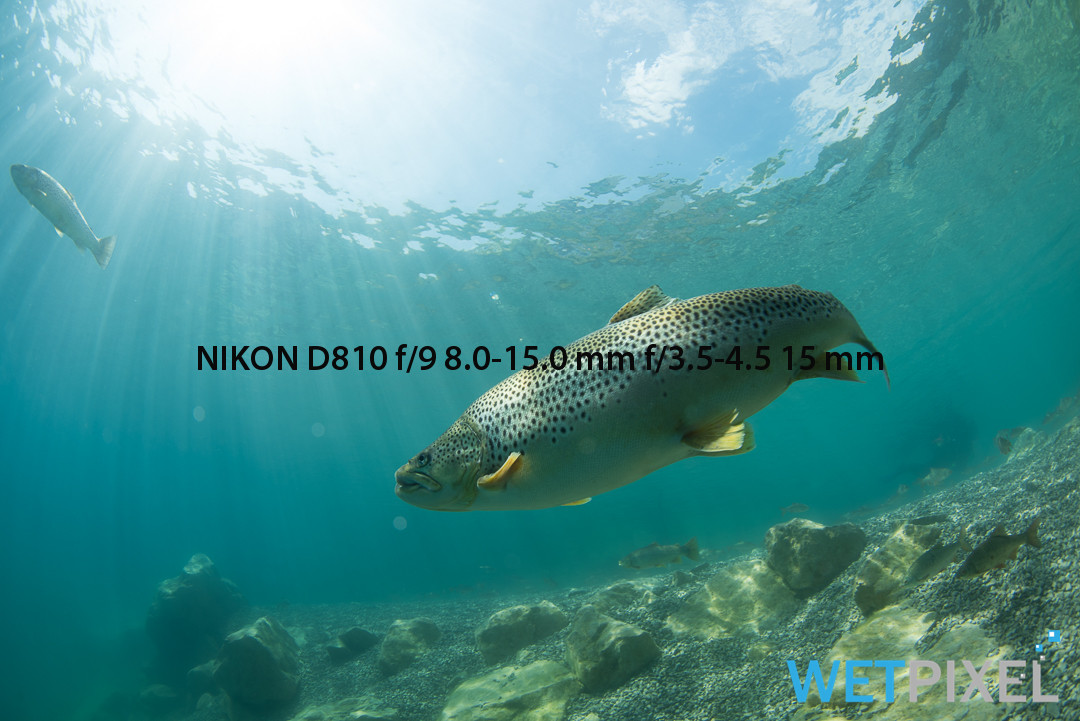
So for me, on full frame, it comes down to whether a Nikon f/4.5 15mm is better than a Sigma f/2.8 15mm. And I don’t think it will be by enough to get really excited about. (I will still buy one because, like Adam, I have both FX and DX underwater systems.
Like many I would have been much more excited if Nikon had made an updated replacement for the Nikon 16mm f/2.8, one that focused close and had image stabilisation. In my experience the Nikon 16mm has always been better at handling the sun than the Sigma.
However, the big difference between the Nikon and Canon Full frame 8-15mm fisheyes is that the Canon 8-15mm is clearly the best fisheye for underwater use a full frame Canon user can buy, even if they only shoot it at 15mm. This is not the case for Nikon users. Not only might this lens offer little compared to Sigma 15mm, Nikon users have the option of the Nikonos 13mm.
The Nikonos 13mm offers little advantage over a Sigma 15mm and 230mm/9” dome at apertures of f/13 or above. Except that its small size (lack of dome) makes it much easier to light subjects very close to the camera. The strength of the Nikonos 13mm’s water contact optics is with subjects shot in the range f/11 down, where is out performs any lens behind a dome very noticeably. This is especially exciting for full frame users, because rather than giving away aperture to DX users to achieve comparable corner sharpness, you actually gain aperture! Of course the Nikonos 13mm cannot shoot split levels, which is a significant limitation, especially as these are amongst the most commercial type of wide angle underwater images.
For me the final piece to puzzle might be the new Wide Angle, water contact fisheye system that Nauticam are developing. This is not a 180˚ lens, but has a tighter angle of view with a FOV range of about 60˚ to 130˚, but with the advantage of being able to shoot at more open apertures and still giving excellent corner sharpness, because of being designed solely for in water use (can’t do splits either).
The downside of both the Nauticam lens system and the Nikonos are that both are expensive solutions. The Nauticam port is also heavy because it involves a lot of glass!
Alex