Everything posted by flowdesign
-
I just want to share some info that’s out there if you dig deep enough, but honestly, it’s a pain to track down. Here’s the deal: brands like Nitecore and Xtar don't actually make batteries. They just buy cells from the real manufacturers, slap on a protection board (either their own or from someone else), and wrap it in their own label. If you check the specs from the world’s actual battery giants—Samsung, LG, Sanyo, or China’s EVE—you’ll notice something fishy: none of them make a 21700 cell with a crazy 6000mAh capacity. So, whenever I see those "super capacity" claims from these third-party brands, I’m highly skeptical. When you’re picking a battery, ignore the marketing fluff and look at Capacity, Max Discharge Current, and Cycle Life. Capacity is obviously how much juice it holds. Max Discharge is the big one—it’s what allows your video lights or flashes to run at high power without quitting on you. Cycle Life is basically how many times you can recharge it before it’s trash. In my experience, most flashes and video lights need about 20–25A of max discharge to handle 90% of what you’ll throw at them. This means your video lights stay bright and stable, and your flash recycles way faster. Protection boards (PCBs) are there for safety—to keep things from blowing up if there's a short circuit. But here’s the catch: they often throttle the battery's performance. For instance, I’ve used high-power cells with added PCBs on Marelux flashes, and even though the cell itself was strong enough, the PCB blocked the power flow and the flash wouldn't even turn on. Plus, adding a PCB makes the battery physically longer, so it might not even fit in your gear. If you’re still with me after all that technical talk, here’s how I spend my money: The "In-Box" Battery: If a light comes with a branded battery, I’ll use it. At least you know the manufacturer (hopefully) tested it with that specific device. Buying "Raw" Cells: For extras, I buy directly from the cell manufacturers (like Lishen, EVE, etc.). Why? Because I can see the real spec sheets and know exactly what I’m getting. Plus, it’s way cheaper. Check this price gap: Lishen (The Manufacturer) 5000mAh: Usually around $5–$8. https://liionwholesale.com/collections/batteries/products/lishen-21700-lr2170sd-9-6a-flat-top-5000mah-battery-genuine Nitecore (The Label) 5000mAh: Usually $20–$30+. https://nitecorestore.com/products/nitecore-nl2150-21700-5000mah-rechargeable-li-ion-battery?currency=USD I’m not trying to judge Nitecore or any other brands. I just don't think the "extra value" they provide is worth the massive markup. Personally, I’d rather go straight to the source. It gets the job done just as well, and I’m not paying 3x the price just for a fancy sticker.
-
Hi Dave, could you share more details about your design, quite curious about the structure of it. I assume it must be a hollow but sealed to be waterproof, right?
-
I get one about 2 years ago but I have to say it's not so good as I expected. Especially when you are trying to adjust the buoyancy by squeezing it, if you squeeze too much air out, you have to tak off your mouthpiece and blow it again, so on and so forth, then you will give up to use it again...🤣
-
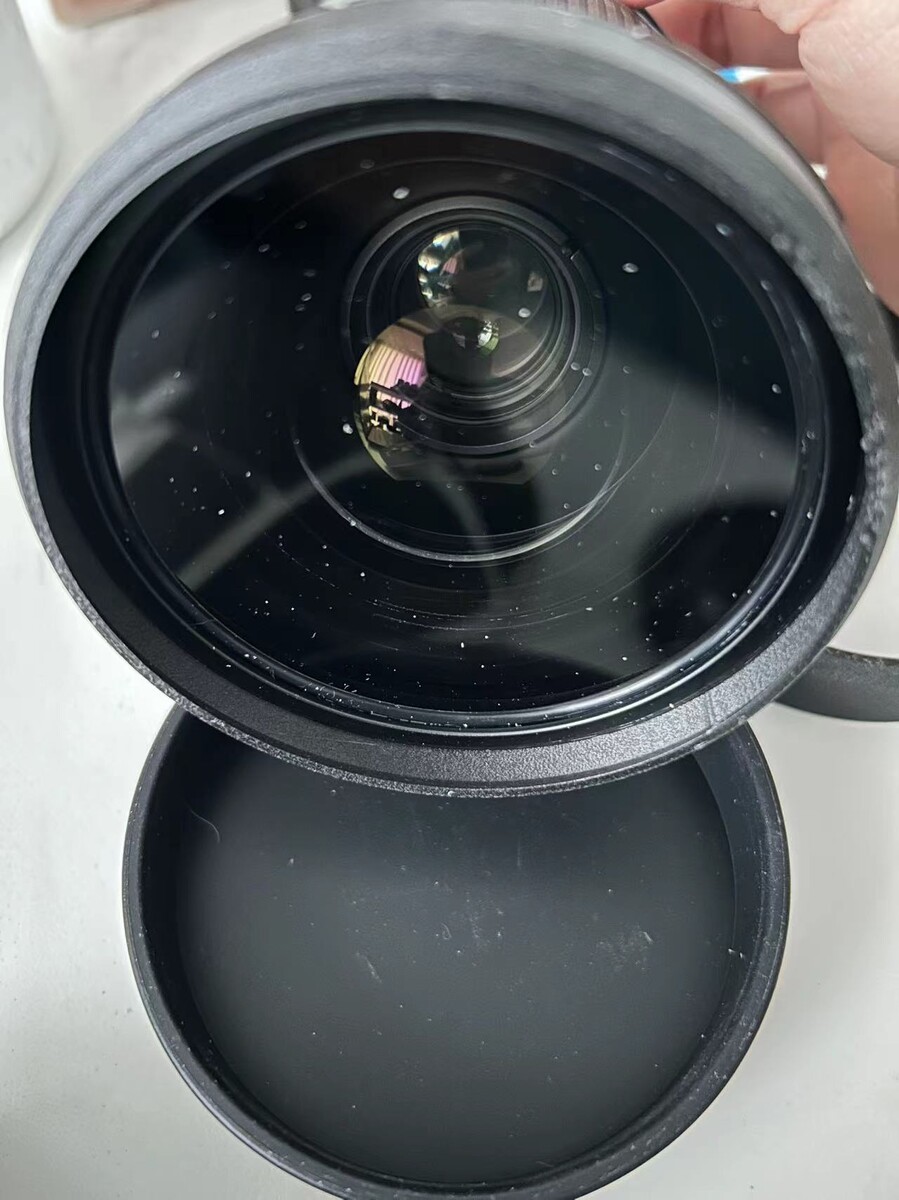
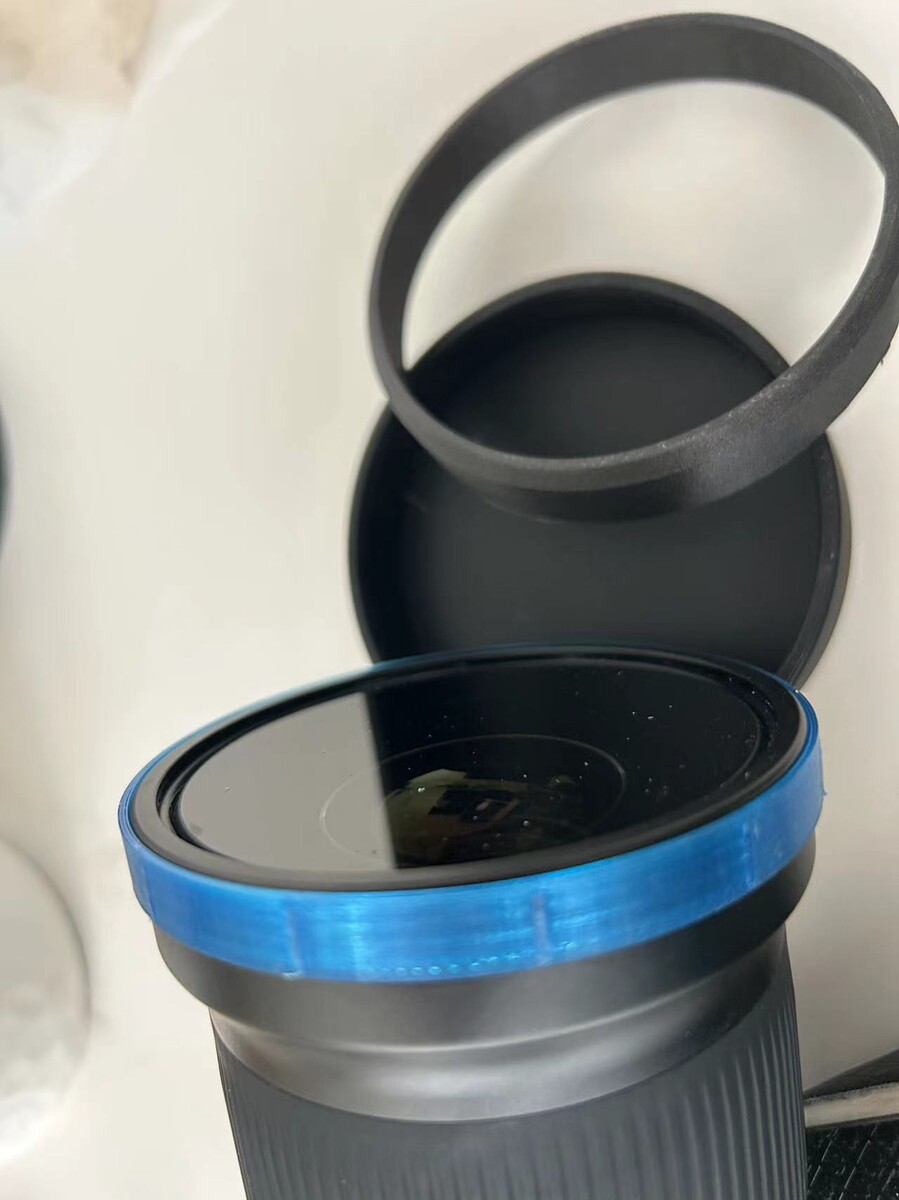
Two options so far: You can get this M82 Filter Holder for MFO-3 from Nauticam, put a common 82mm lens cap on it or screw another UV filter. Try this 3D print hood as a cheaper alternative.
-
Consider to add a hood to protect the lens😄
-
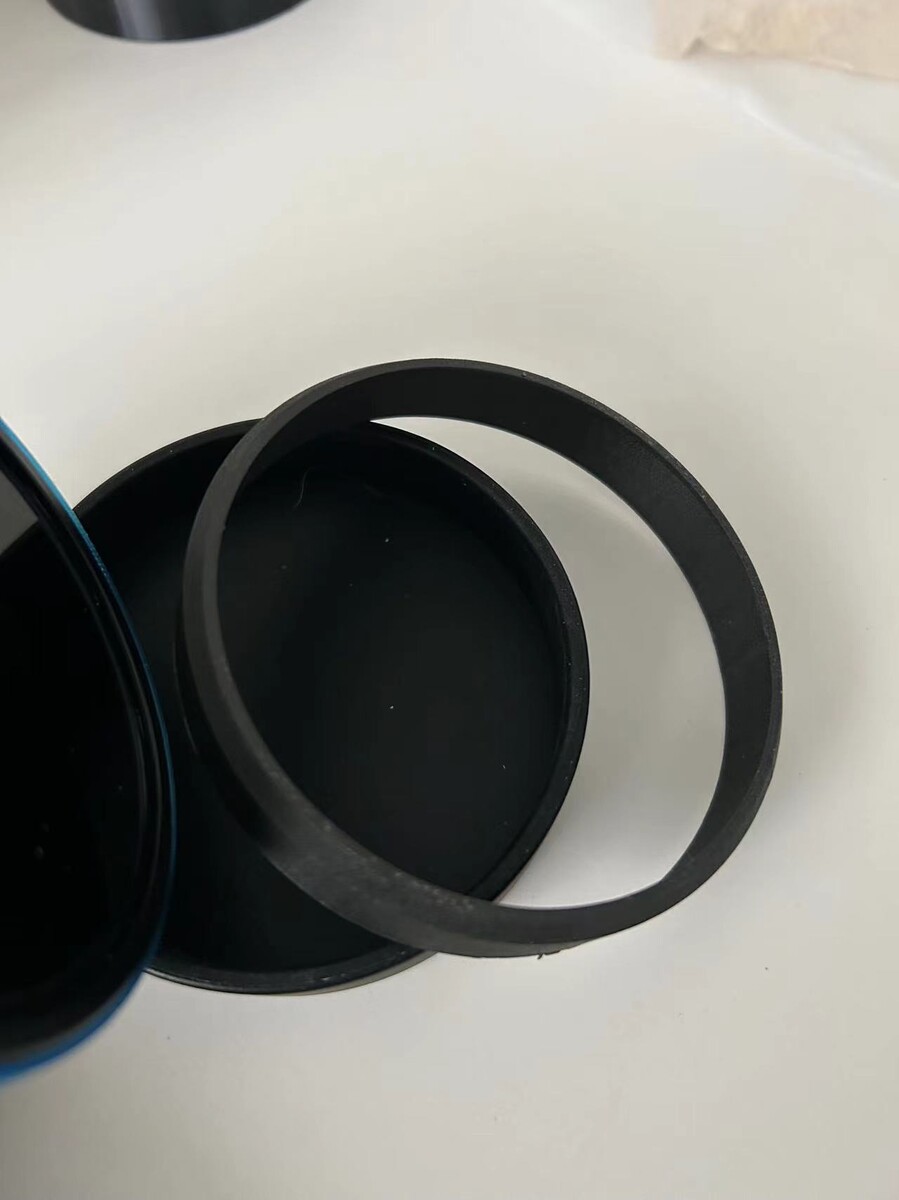
That's exactly something cannot be predicted before printing🤣 I have tried different materials (PETG, PETG-CF, TPU80, TPU95, etc.), overall is ok but you have to accept the tolerance even you are using the same setting on same printer. Tips for the installation, if it's too tight to assemble, put two parts into warm water (NOT HOT!!!) to soften it, then you will feel easier to put it on the right position.
-
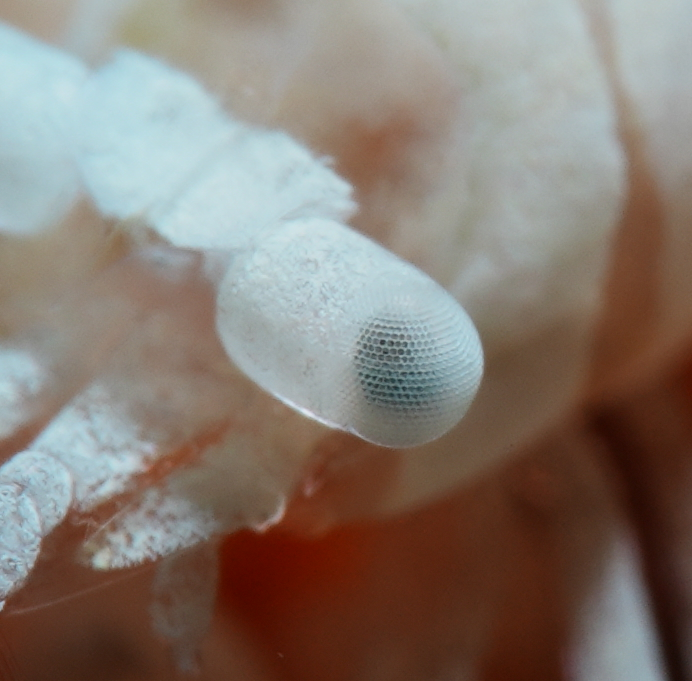
I was using TC1.4 and new 100mm macro in my last dive trip, for me I'm really satisfied witht the image quality, here is a corp of central part for your reference. This is a tiny Anker's Whip Coral Shrimp about 6-7mm in length.
-
I did some modification to my LSD, to make is eaiser to attach\deattach from the strobe, the major part can be clipped on the BCD for most of the time underwater.
-
I'd expect the similar result as using Sony FF body+90mm macro, larger FOV, zero to almost infinity focal, and slightly negative magnification. And maybe faster AF?
-
Interesting, I suppose that RC mode only has the relevance with camera body, seems I need try the lens before making the order. Thanks for the suggestion.
-
Honestly, I can’t even imagine trying to chase blackwater critters with a 90mm — that thing would make it impossible.😆
-
Thanks for the suggestion, so what do you think about the focus speed and accuracy comparison for these two lens?
-
Hi Alex, I believe now you are always using MFO-3 in the blackwater, considering the focal area change, will you also change the strobe position a little bit or still keep the same as what you showed in this pic?
-
Hi Chris, fully agree with MFO-3's advantages, I used in my last dive trip together with new Sony 100mm macro, really incredible result, even it was my first "real" blackwater dive. But considering to have two MFO-3 is a really "Crazy" idea😊 I know you have very rich experience on various macro lens for M43, just want to know the overall impression between 30mm and 60mm+MFO-3 for the blackwater? Focusing speed, focal length, FOV, etc. Big thanks in advance~
-
I have no experience of M43 UWP, but theoretically it must be more powerful than TG series in most cases. Consider over 85-90% of our diving is only for macro, we rarely need to shoot macro and wide angle just in one dive even for the dives at the same day. Which means, I don't have to consider to use one lens fits for all, and if the existing wet lens can be used to enpower the entire setup, that's great, but if not, I'm also fine with that😀 Since the marco setup is much more important, I'd like to know: Does 60mm is enough for both normal macro and blackwater, or 30mm is recommended for the blackwater? As what Chris mentioned, panasonic 30 might be a better choice, but anyone has chance to check whether it could fie the same port as OM 30mm? It is 63.5mm in length, 3.5mm longer than OM 30mm.
-
Thanks for mentioning, it is the typo~ And if I can sell the WWL-1 in a resaonable price, definitely I can have more options to consider for wide angle
-
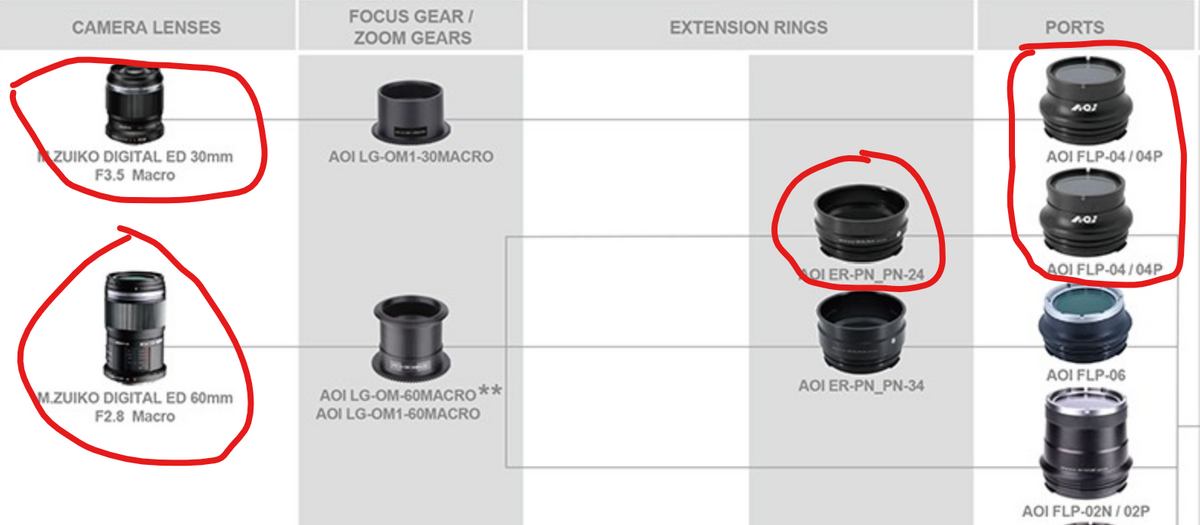
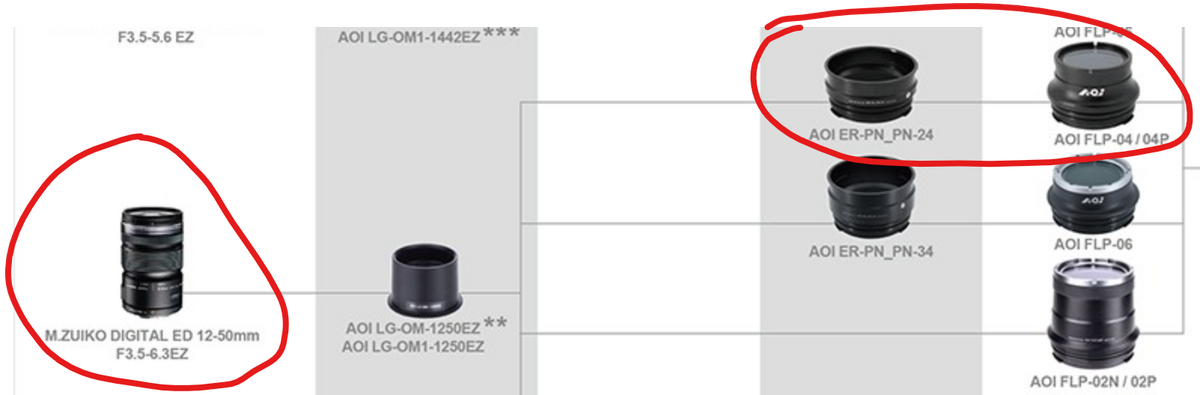
The main consideration of entire setup is: Cover most of scenarios with less components, after checking AOI port chart, it seems I can use 1 port + 1 extension ring to cover both 3 different kinds of shot Agree with you that CMC-1 might not be necessary but since it's a spare part from old setup without any additional cost, could make the decision afterwards. And talking about the selection of wide angle, just because of one existing WWL-1 with no cost🤣
-
Good advice for the usage of viewfinder, but I think anyway the screen can still be an option to choose. For me I'm using a FF Sony, but used to use viewfinder on land and screen for the UWP
-
Trying to convience my buddy to upgrade her setup from Olympus TG-5 (I know this is really old but still ok for macro😀) to a better set. She would like to keep the whole set in a very compactable size for the travel friendly and easy to use. So here is my proposal based on the discussions in the forum and AI, but still want to get any useful suggestions from all of you. Now: Camera: TG-5 Strobe: AOI Q1 RC Wet lens for macro: Nauticam CMC-1 Wet lens for wide angle: Weefine wfl-02 New(Proposed) Camera body: Olympus OM-1 Lens for daylight macro: M.ZUIKO DIGITAL ED 60mm F2.8 Macro Lens for blackwater: M.ZUIKO DIGITAL ED 30mm F3.5 Macro Lens for wide angle: M.ZUIKO DIGITAL ED 12-50mm F3.5-6.3 EZ Camera housing: AOI UH-OM1 II (embedded flash trigger which supports Olympus RC mode, Built-in Vacuum Analyzation and Wet Detection System) Camera housing port for daylight macro: FLP-04P+ER-PN_PN-24 Camera housing port for blackwater: FLP-04P Camera housing port for wide angle: FLP-04P+ER-PN_PN-24 Wet lens for macro: Nauticam CMC-1 (reuse) Wet lens for wide angle: Nauticam WWL-1 (reuse) Strobe: AOI Q1 RC I try to reuse the same flat port and extension ring for different scenarios, and no need to buy new wet lens. How about this setup, would it be sufficent and easy to use? Look for any better ideas~
-
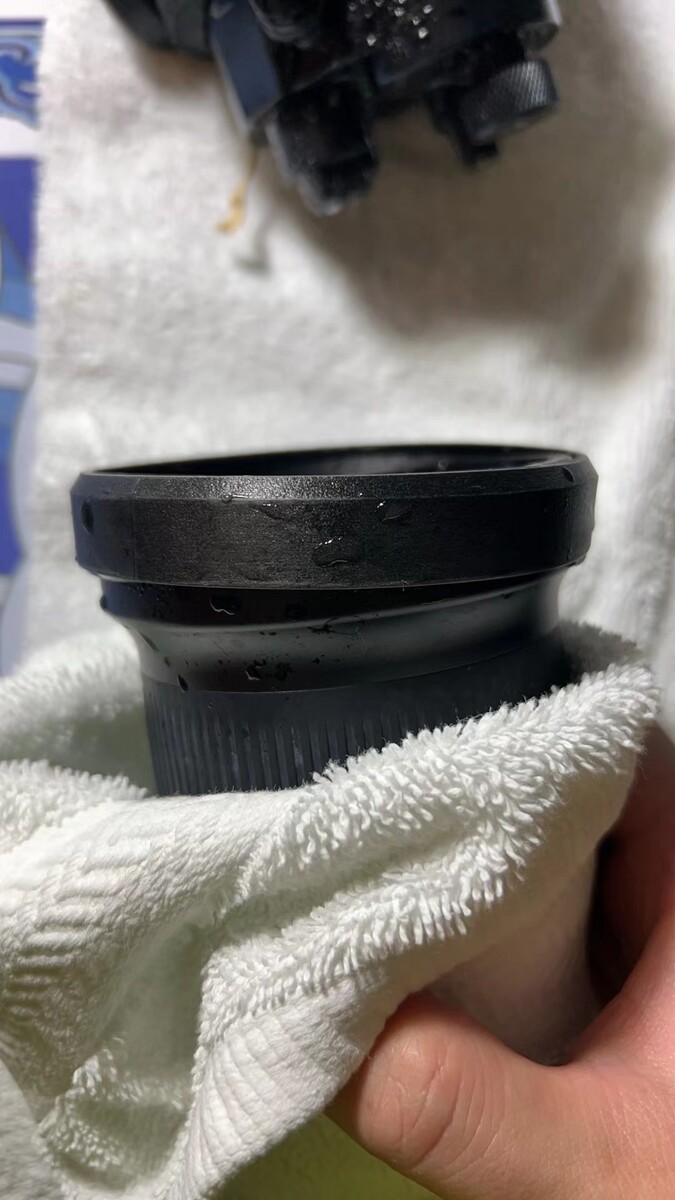
Proof of protection🤣 Found this after a blackwater dive, seems some collisions happened when they put my gear on the boat, it really helps!
-
You shall not expect too much with 50mm even with latest camera body😂 But it really depends on your faviorite: super macro, blackwater, or just some critters in slow move and big like a thumb.
-
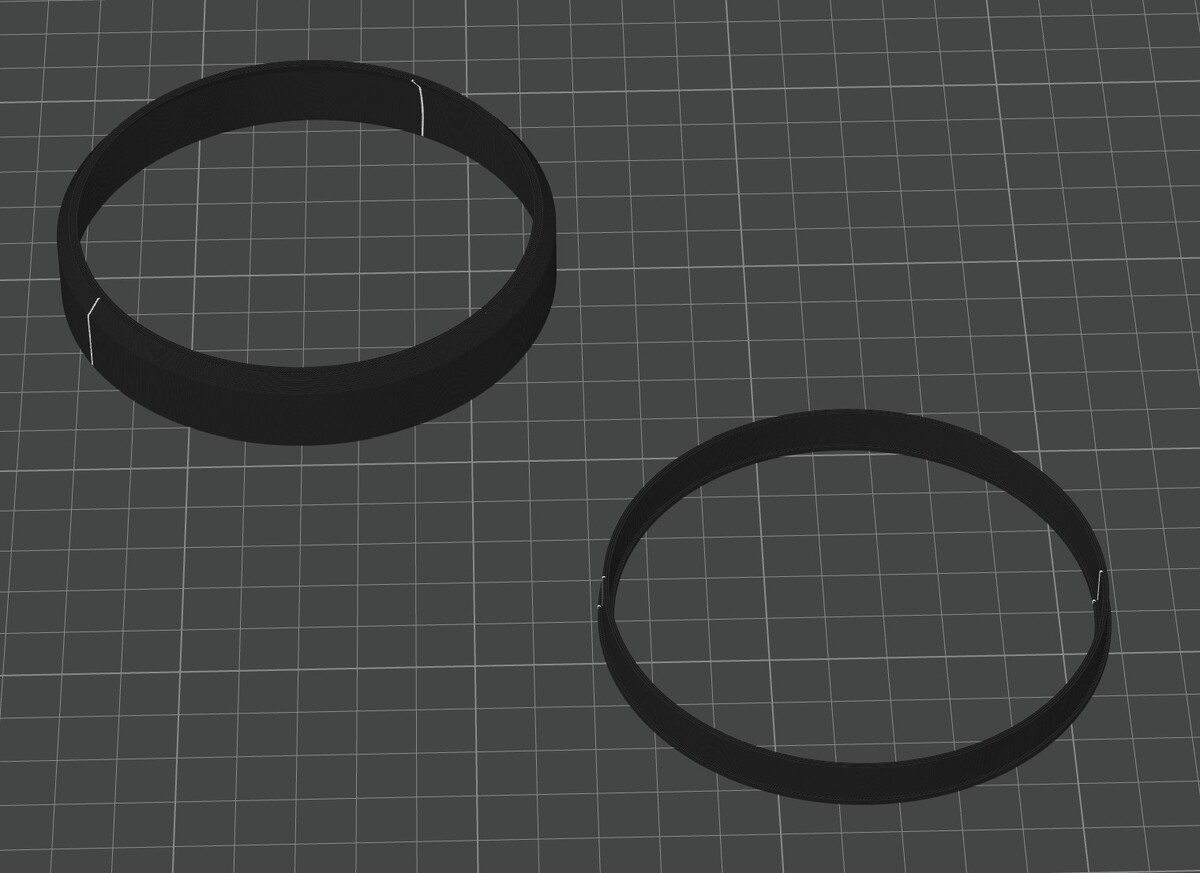
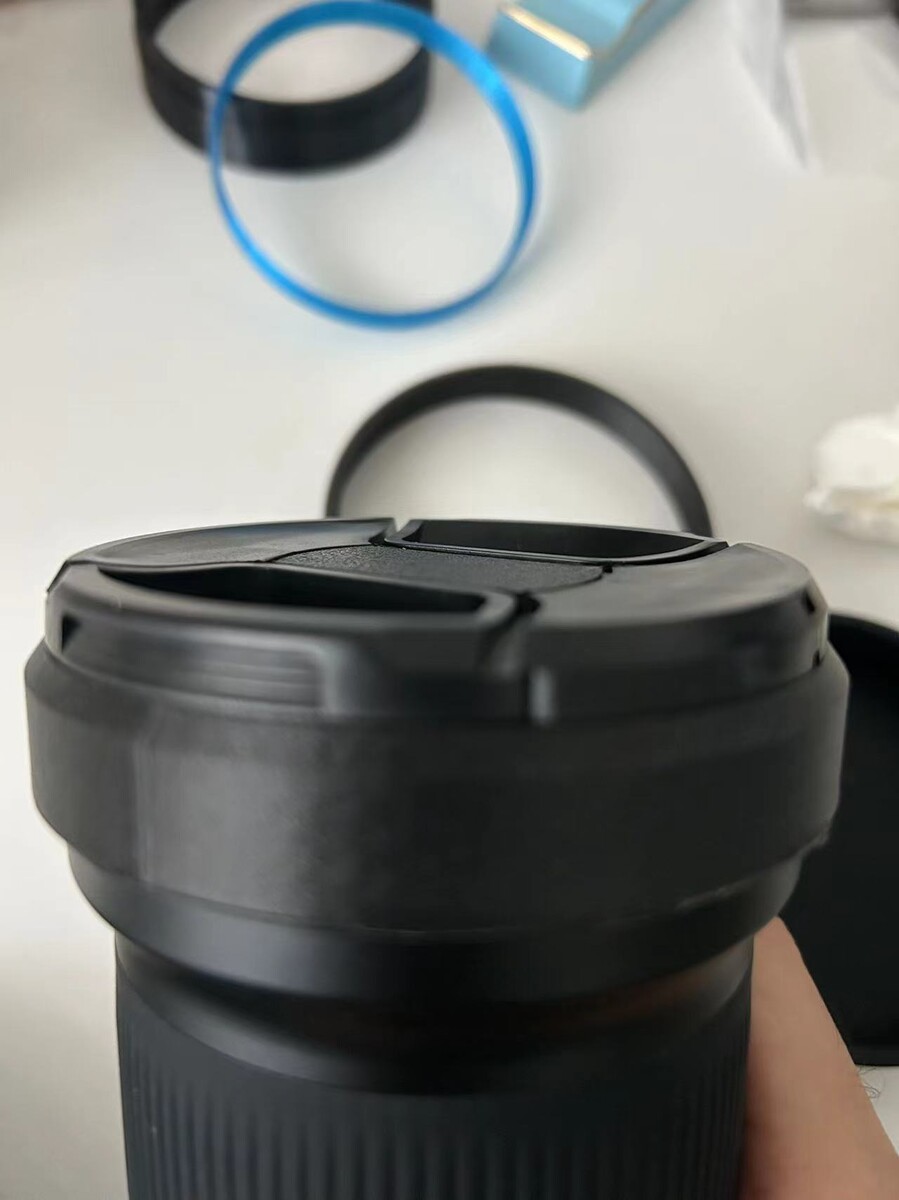
If the TPU inner ring is too tight to fit, use warm water to make it softer TPU_Insert_Short_V4.stl PETG_Shell_Short_V4.stl
-
Can any admin change the subject from "Light" to "Lite"? A stupid typo😂
-
Nauticam introduced a filter holder for MFO-3 to protect the surface glass since they "intended" not to add a small hood for it by default🤣 57$ is pretty much pricy for such a small stuff, so I make this ligher version by 3D print, couple bucks of even cheaper if you have a printer or someone can help you on it. It contains 2 parts: Inner ring by TPU, it can be stick to the lens with that circle groove; the outer part is built by PETG or PETG-CF, it is ligher bur durable to protect. the upside is reduced to 82mm so it's easier to have a lens cap on it. I can upload the STL files if needed
-
Mount on the x-adventurer flip, without adding M67 adaptor, it works fine. So I'd agree with Chris, most of the flip shall be ok.