At the weekend I was asked if I could do some testing of strobes using TTL settings. This lead to a slightly sobering lesson or two which I'd like to share with you guys.
I've posted before that
a). I use a pair of scissors to cut fibre optic cable; and
b). that I use the Inon double-hole plugs to plug the cable into my strobe (with Howshot L-plugs at the housing end); and
c). that this method has worked perfectly with my strobes.
And now for the salutary bit: yes, works perfectly on Manual - but maybe (maybe) not so good on TTL. Or maybe not at all.
I learned two things: if you cut fibre optic cable with a pair of scissors there is a real risk that you create a non-flat cut on the fibres which can reduce light transmission. Ideally a "flat" cut is needed which can be produced with a "Stanley" knife, box-cutter type blade.
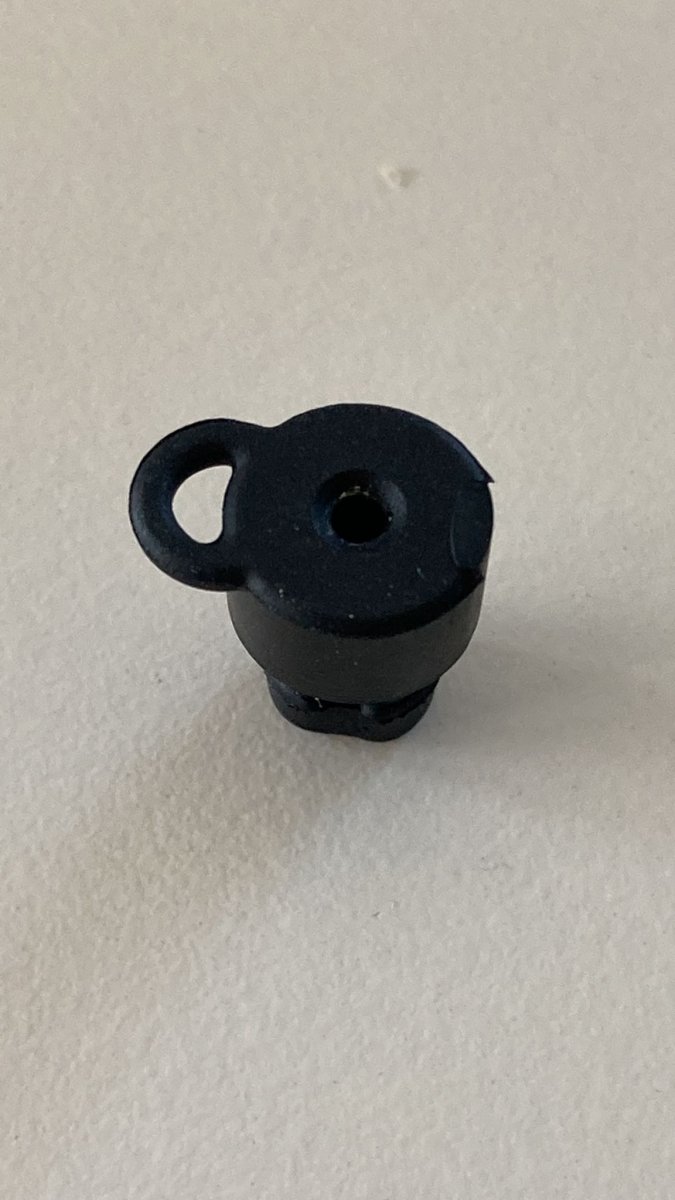
Then, the Inon bushes have two entry holes for fibre cables. By their design they are both "off-centre" from the centre of the bush. This means that the light transmitted through the fibre may well not hit the exact spot required on the strobes sensor. I now understand that 1-2mm can make a real difference.
Result: the combination of off-centre and possibly slightly reduced light transmission, whilst generally not an issue for Manual settings, can indeed be a problem for TTL which, I now understand, needs a more sensitive and accurate setup.
A number of WP members with superb technical knowledge have raised these issues (take a bow, guys) before and I read them with great interest. But at the same time, I no longer used TTL, I knew what worked for me and was happy to pass on my own field experience.
I now appreciate even more that "a little knowledge is a dangerous thing" and what, on the surface, may seem a good solution can lead to covering a problem which might occur later with a slight change of system.
The discussions over the weekend drew out that sometimes when users complain they cannot get strobes to fire correctly, the problem may not necessarily be in the main equipment units themselves but possibly something as simple as how a fibre optic cable has been cut - or the way a cable aligns with a sensor. Or a combination of all of the above which leads to sufficient light transmission degradation to lead to apparent failure.
Happily resolving a lot of these issues is relatively straightforward. Mr Stanley and I spent a half hour disassembling fibre optic cables, re-cutting them and re-assembling......
A lesson learned........