Skip to content

Photography Gear and Technique / Archived topic

Sony 20 mm - 70 mm f4.0 G for UW?

Started by Architeuthis ·

  • 105Posts
  • 105Replies

Read-only discussion

Sony 20 mm - 70 mm f4.0 G for UW?

105 posts
  1. I thought I had demonstrated that it was not a major problem.  In a perfectly placed 180mm Nauticam dome the dome surface is 214mm from the sensor. 250-204 = 46mm.  Using Oceanity website and an 8" dome and 1 cm aperture the virtual image is 46mm from the dome when the object is 80mm away from the dome.  Since the lens is really not a CFWA machine - more a general purpose fish portrait and large critter lens that can also do a wide-ish scene, that seems a perfectly usable compromise to me.  The calculation for the 230mm dome  shows it can focus on a virtual image 36mm from the dome which is 60mm from the dome, which is a nice improvement but also involves using the big dome which may be difficult to maneuver that close.
    The point is that if that focal range is of interest to you and what you want to shoot I can't see any reason to reject the lens just because it can't focus on the dome surface.  If you want to do CFWA you would use a different lens and port combination.   Comparing to the 24-70 shows it's better in this regard - but it's not 20mm as the wide end.  It's trading off max field versus CFWA ability in effect.  Of course your use case is your own and you are free to reject the lens, but that doesn't mean others cannot see value in the lens.  
    On the exit pupil position the 12-40 lens from Olympus the entrance pupil seems to retract into the lens as it zooms and in practice the whole zoom range is perfectly usable.  The Sony lens seems to be similar construction, but we would need to get our hands on one and see how the entrance pupil moves when it zooms.    You can get a good idea of what happens just looking into the lens and viewing the apparent position of the iris.  

    There 230 port has a radius of 12cm vs 11cm of the 180 not a worthy upgrade
    Am talking about the 250 port that has a radius of 16cm
    The lens will focus in any dome but will waste space 8cm as per your calculation so the useful range will be 33-8=24 cm
    You can still use it for sure in the past people would use diopters when the lens was not focussing at all
    Am not rejecting the lens just yet am just saying that due to the shape it has some limitations
    To be fair most sony lenses have the same or worse behaviour it is difficult to find lenses that focus very close
    I will be curious to see if this lens makes it to the nauticam port chart what they recommend although I am not always aligned to their views


    Sent from my iPhone using Tapatalk
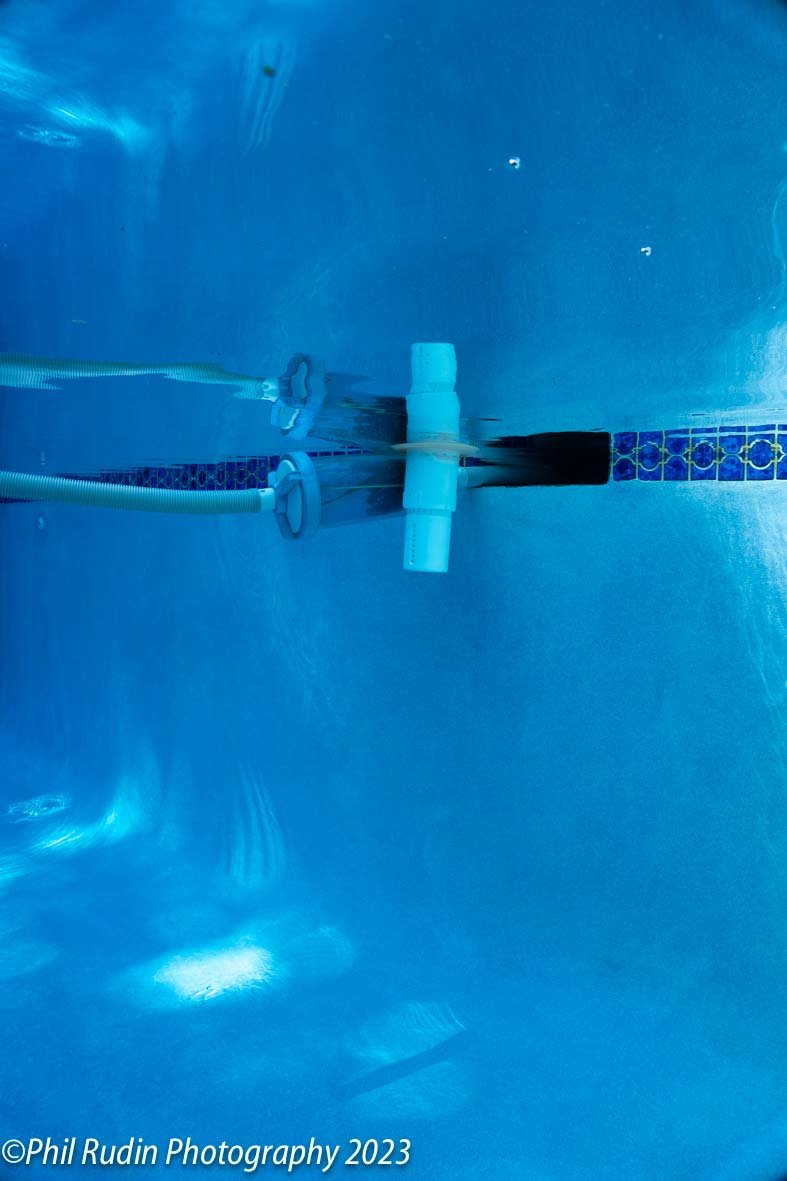
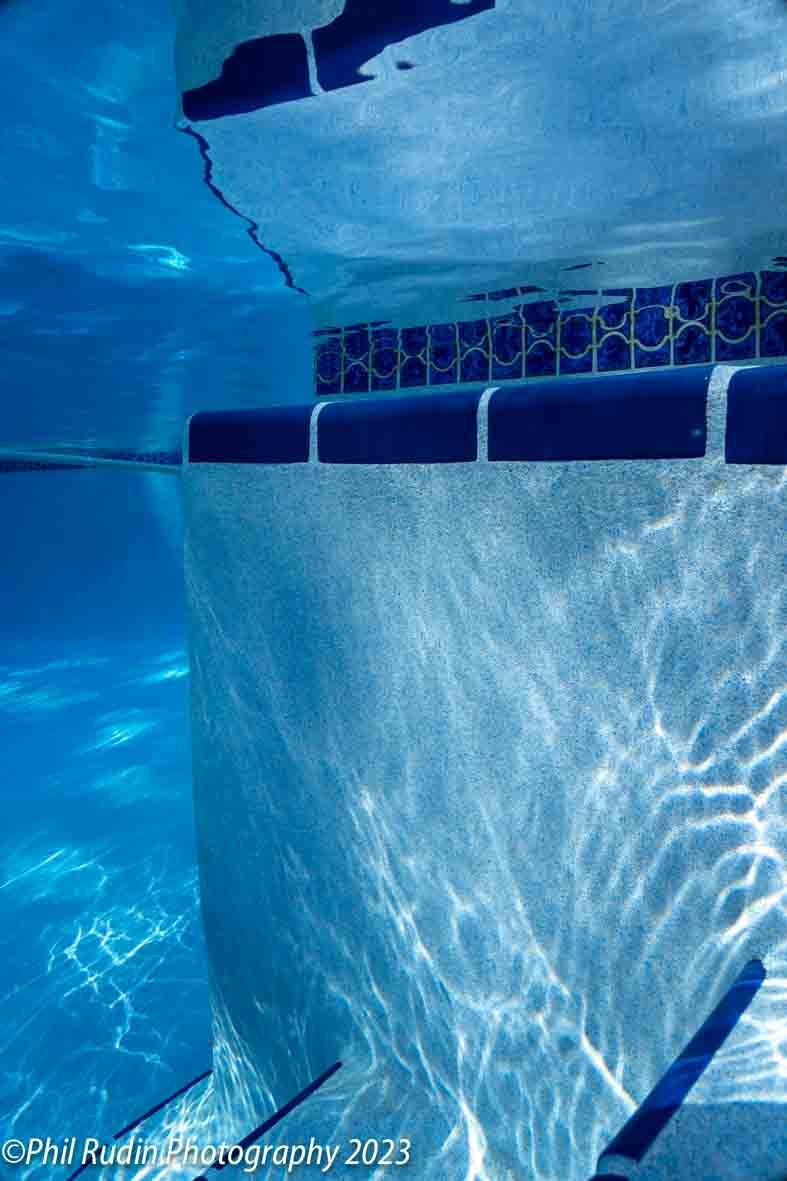
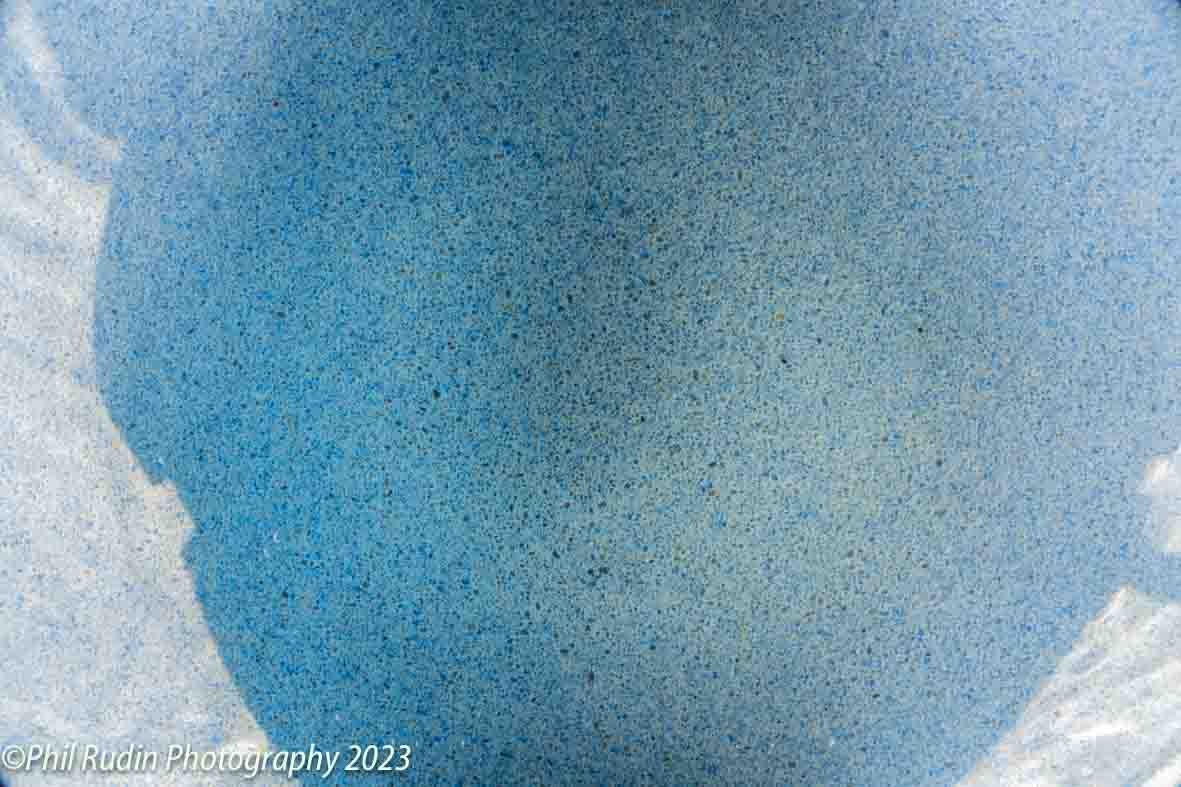
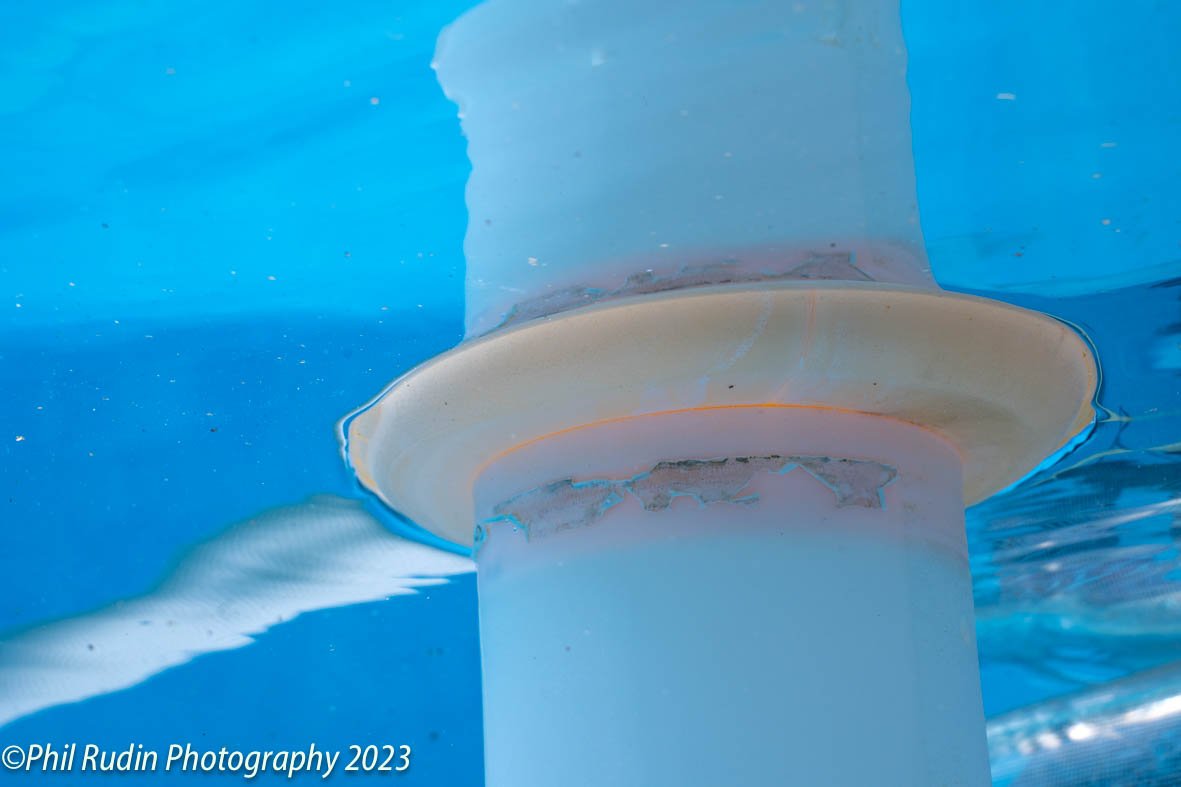
  2. For the original poster I have the lens and took a few pool shots today. 

    First I think this is a much more ideal zoom range than the many supported 24-70, 28-70/75 choices. The 20mm end is wide enough for many folks and the F/4 speed is plenty for U/W use. The lens is smaller, lighter, much faster with better IQ than the older Sony/Zeiss 24-70 F/4. It is half the cost of the GM lens and I don't think you would see any difference between the two underwater. It would also make an ideal general travel lens.

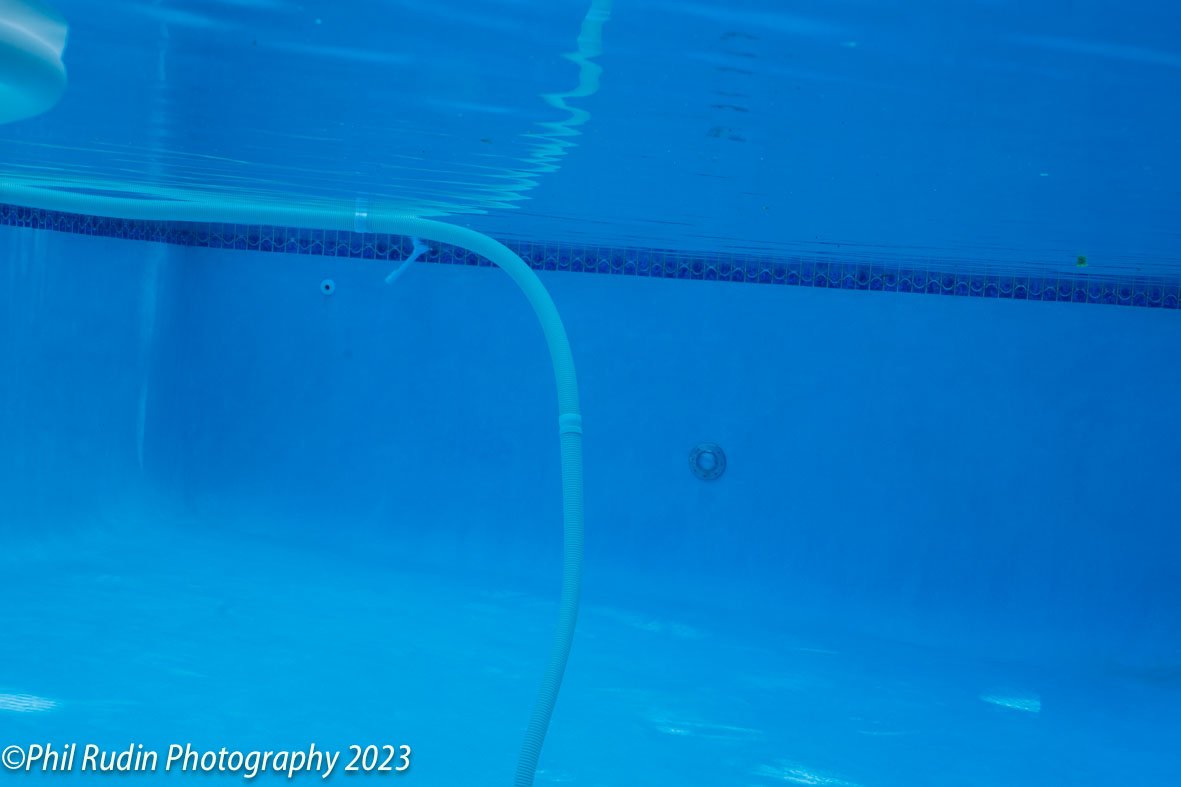
    I shot the lens at 20mm and 70mm, at F/11, ISO-500 and aperture priority to make it easy. All this math makes me feel like my head may explode so I just slapped on a 230mm dome and 70mm of extension. Most manufactures make extensions in 10mm increments, 20, 30 40, 50 and so on with a few 15 and 25mm extensions. At 70mm in a 230mm port you can see a bit on vignetting in the corners at 20mm. I intend to try 60mm of extension next. At 20mm I rested the housing on the blades of the shade pointed down at the pool step. You can see that at 20mm the lens focuses in the center and out towards the corners with the glass only a few mm's from the step. On the 70mm end the lens is too close to focus pointed down the same way. I have one image at 70mm which is about as close as the lens will focus and the other is shot the entire length of the 30 foot pool, notice I just held the housing underwater from the edge of the pool and it locked focus on the 2 inch dimeter  vacuum hose from about twenty feet away. The pool light about ten feet beyond the hose is soft.

    At some point I will also try a 180mm port.  

    First three photos at 20mm and the last two at 70mm. Be aware I don't have a zoom gear so had to open the housing to zoom the lens. At this time I can't find a gear or port chart that lists this lens so just trying it with the extensions I have in-house.


    DSC06051.jpg

    DSC06071.jpg

    DSC06081.jpg

    DSC06105.jpg

    DSC06112.jpg

  3. 10 minutes ago, Phil Rudin said:

    For the original poster I have the lens and took a few pool shots today. 

    First I think this is a much more ideal zoom range than the many supported 24-70, 28-70/75 choices. The 20mm end is wide enough for many folks and the F/4 speed is plenty for U/W use. The lens is smaller, lighter, much faster with better IQ than the older Sony/Zeiss 24-70 F/4. It is half the cost of the GM lens and I don't think you would see any difference between the two underwater. It would also make an ideal general travel lens.

    I shot the lens at 20mm and 70mm, at F/11, ISO-500 and aperture priority to make it easy. All this math makes me feel like my head may explode so I just slapped on a 230mm dome and 70mm of extension. Most manufactures make extensions in 10mm increments, 20, 30 40, 50 and so on with a few 15 and 25mm extensions. At 70mm in a 230mm port you can see a bit on vignetting in the corners at 20mm. I intend to try 60mm of extension next. At 20mm I rested the housing on the blades of the shade pointed down at the pool step. You can see that at 20mm the lens focuses in the center and out towards the corners with the glass only a few mm's from the step. On the 70mm end the lens is too close to focus pointed down the same way. I have one image at 70mm which is about as close as the lens will focus and the other is shot the entire length of the 30 foot pool, notice I just held the housing underwater from the edge of the pool and it locked focus on the 2 inch dimeter  vacuum hose from about twenty feet away. The pool light about ten feet beyond the hose is soft.

    At some point I will also try a 180mm port.  

    First three photos at 20mm and the last two at 70mm. Be aware I don't have a zoom gear so had to open the housing to zoom the lens. At this time I can't find a gear or port chart that lists this lens so just trying it with the extensions I have in-house.


    DSC06051.jpg

    DSC06071.jpg

    DSC06081.jpg

    DSC06105.jpg

    DSC06112.jpg

    Images do not look good at all

    I think your extension is way too long the 230 port has a field of view of 140 degrees while the lens has 94 degree using vignetting as a criteria is not going to help

    Here is where numbers and calculations work better than trial and error


  4. I am sure that at some point the manufactures will figure out the best posable combination and then an argument can start over that.

    Until then trial and error works for me.

  5. Despite only shooting one Sony camera ever underwater I still have an interest in UW shooting evolution and follow along....I see all manner of gear on my hosted trips so it's in my interest to continually learn from other's experience with new gear.

    As to how well the new Sony 20-70mm lens may work for certain shooters I'll wait for Phil's zoom gear testing plus manufacturer's advice and real world shooting versus calculated measurements.

    With decades of shooting and him generously sharing his insights he has no axe to grind and just wants people to enjoy underwater photography! We've known each other for over 30 years and is a straight shooter :)

    I'm sure his insights will be more relevant than dry land "calculated guesses".

    David Haas

    IMG_3966.jpeg.b885d25f3a7208e010e96777fafe3441.jpeg

  6. Despite only shooting one Sony camera ever underwater I still have an interest in UW shooting evolution and follow along....I see all manner of gear on my hosted trips so it's in my interest to continually learn from other's experience with new gear.
    As to how well the new Sony 20-70mm lens may work for certain shooters I'll wait for Phil's zoom gear testing plus manufacturer's advice and real world shooting versus calculated measurements.
    With decades of shooting and him generously sharing his insights he has no axe to grind and just wants people to enjoy underwater photography! We've known each other for over 30 years and is a straight shooter :)
    I'm sure his insights will be more relevant than dry land "calculated guesses".
    David Haas
    IMG_3966.jpeg.b885d25f3a7208e010e96777fafe3441.jpeg

    Trial and error with no information basis is called guessing
    Having precise information about lens design and making calculations that need to be optimised is called modelling
    What Phil is doing is closer to the first description what I am suggesting is closer to the second
    Food for thought


    Sent from my iPhone using Tapatalk
  7. Interceptor121,

    OK, you're right and everyone else is wrong after decades of testing that way.

    I'm pretty sure actual pictorial evidence Phil will have however it works out good or bad will help anyone considering a piece of gear then spending $$$$ to travel and record their underwater moments :)

    Different opinions is fine but I'll wait for real world samples as I stated. 

    I'm out! LOL.......

    DH

  8. 15 minutes ago, dhaas said:

    Interceptor121,

    OK, you're right and everyone else is wrong after decades of testing that way.

    I'm pretty sure actual pictorial evidence Phil will have however it works out good or bad will help anyone considering a piece of gear then spending $$$$ to travel and record their underwater moments :)

    Different opinions is fine but I'll wait for real world samples as I stated. 

    I'm out! LOL.......

    DH

    Some people relate to doing calculations and that's perfectly fine - it is a way of getting in the ballpark before playing around with trial and error use of ports and extensions.  Others don't do the calculation thing and that's also fine.  Ultimately it comes down to doing both, for example you can calculate if a lens will even focus in a dome before sourcing one to test.  That's only one half of the equation getting the lens positioned properly, the other half is actually testing the lens to see if behaves well in a dome, not all of them do. 

    If someone chooses not to use calculations first that's their choice and their time and effort trying out different combinations, it they are prepared to do that that's their choice.  Ultimately we all benefit from sharing of everyone's results.

  9. Thanks for trying to work out the kinks Phil Rudin. I just got the 20-70mm yesterday. I certainly do appreciate maths working things out, but the perfect sometimes gets in the way of good enough. That said, I rue the idea of hauling a 250 dome into the water.

  10. 11 minutes ago, Humu797 said:

    Thanks for trying to work out the kinks Phil Rudin. I just got the 20-70mm yesterday. I certainly do appreciate maths working things out, but the perfect sometimes gets in the way of good enough. That said, I rue the idea of hauling a 250 dome into the water.

    I doubt very much you will need a 250mm dome.  The figures indicate that the 180mm should be good enough now we await the tests to see how it goes UW.  You need to know when to stop calculating! 


  11. So the manufacture supports the following lenses in the 230mm port, Sony FE 24-70 F/2.8,  24-70 F/2.8 II, 24-70 F/4 old version, 24-105, Sony 20mm F/1.8, F/4, Sigma 28-70 & 24-70 F/2.8. Port extensions for these lenses range from 50 to 90mm in 10mm increments. I think it is safe to say that if you see vignetting with 70mm of extension at 20mm it would only get worse at 80mm and 90mm, that leaves something in the 50 to 60mm range for the most likely best results. I don't own a 15mm or 25mm to try dialing in at 5mm increments. 

    just to be clear I didn't just pull the 70mm first try out of my ass it was based on calculations already made by the manufacture using similar lenses. I am the first to admit that this system does not always work due to lens design. Example past Sony FE 16-35mm lenses in Nauticam housings were recommenced to have best results in a 230mm port. With the new Sony FE PZ 16-35mm F/4 Nauticam recommends the 250mm port. My guess is that most will use this lens with a 230mm port or pass on the lens all together.

    Ultimately you can do all the calculations you want with the equipment being considered but until you try the combination in the field you won't know what works within your tolerance for IQ. Some obsess over ultimate corner sharpness while others will obsess over overall system size. 


  12. So the manufacture supports the following lenses in the 230mm port, Sony FE 24-70 F/2.8,  24-70 F/2.8 II, 24-70 F/4 old version, 24-105, Sony 20mm F/1.8, F/4, Sigma 28-70 & 24-70 F/2.8. Port extensions for these lenses range from 50 to 90mm in 10mm increments. I think it is safe to say that if you see vignetting with 70mm of extension at 20mm it would only get worse at 80mm and 90mm, that leaves something in the 50 to 60mm range for the most likely best results. I don't own a 15mm or 25mm to try dialing in at 5mm increments. 
    just to be clear I didn't just pull the 70mm first try out of my ass it was based on calculations already made by the manufacture using similar lenses. I am the first to admit that this system does not always work due to lens design. Example past Sony FE 16-35mm lenses in Nauticam housings were recommenced to have best results in a 230mm port. With the new Sony FE PZ 16-35mm F/4 Nauticam recommends the 250mm port. My guess is that most will use this lens with a 230mm port or pass on the lens all together.
    Ultimately you can do all the calculations you want with the equipment being considered but until you try the combination in the field you won't know what works within your tolerance for IQ. Some obsess over ultimate corner sharpness while others will obsess over overall system size. 
     

    Assuming your lens is vignetting against the dome aperture and not the entire surface (plausible as the lens is fairly wide)
    Your 70mm extension is around 20mm too long.
    You can try a shorter one in a bathtub without even going to the pool and see if it is preserving or not the field of view
    With this system you would have saved yourself two trips to the pool
    There is more without this you will now go back with 60mm and conclude that works because it doesn’t vignette but that is incorrect too and your angle of view will be reduced
    You can keep doing the same things for any number if years you want but ultimately this is physics
    Even in physics you do observation but the purpose of theory and model is to reduce them to the minimum so you don’t have to go back to the drawing board every time
    Of course is your prerogative to use your own time as you wish as well as define your own level of quality you are satisfied
    For clarity once you know the lens design you need trigonometry which is year 11 in UK 10th grade in US
    This is not advanced science


    Sent from my iPhone using Tapatalk
  13. 20 hours ago, Interceptor121 said:

    Trial and error with no information basis is called guessing
    Having precise information about lens design and making calculations that need to be optimised is called modelling

    Reality requires a bit of both. Lens manufacturer's rarely supply the sort of information required for any really precise calculations and when working at close focus many parameters can shift (like focal length for example) which can cause 'modelling' problems. So in my experience calculations should really be used to provide a reasonable starting point for fine tuning by trial and error. This has always been how I have optimised my set ups and its worked well enough for me.

  14. Reality requires a bit of both. Lens manufacturer's rarely supply the sort of information required for any really precise calculations and when working at close focus many parameters can shift (like focal length for example) which can cause 'modelling' problems. So in my experience calculations should really be used to provide a reasonable starting point for fine tuning by trial and error. This has always been how I have optimised my set ups and its worked well enough for me.

    There are detailed simulator that even include focus breathing
    But focus breathing doesn’t change entrance pupil position anyway
    Check the optical bench on photonstophotos to have an idea what is available for most lenses
    Even without a model you can calculate with good precision the position of the entrance pupil either starting from angle of view and filter size or put the lens on a tripod and find the position yourself
    As of now the error margin I have had is less than 5mm so depending on what data you have you can reduce your error margin a lot
    On top not everyone has all parts to play with so having your own method is a way to save money

    When I asked nauticam how they make they evaluations i was told they use a macro slider which means they do this is a little tank
    Having to take a lens at sea to determine the correct extension would be very inefficient so the manufacturers themselves don’t do that
    Yet in some cases I am not totally sure of the consistency of port charts and there are cases where things don’t get the asterisk blessing and still work fine

    I think knowledge helps matters and knowing how things work is a good thing it makes the process efficient and you have a solution before the manufacturer makes the test which is useful to check of a lens is even worth a focus gear that you can also 3D print

    The idea that we should dismiss knowledge and just jump in the water slapping what we think may work may work if you have a lot of time on your hands but no doubt is inefficient and potentially inaccurate

    It may give someone a headache to know someone else has a grip on those concepts without even having the lens but that’s pretty much a reality
    We can then disagree on what is ideal for two different people but dismissing the fact one may have a method that produces results quickly seems illogical

    Besides even from the datapoint provided by Phil you can work out how to make a correction isn’t that a good thing?


    Sent from my iPhone using Tapatalk
  15. 7 minutes ago, Interceptor121 said:

    There are detailed simulator that even include focus breathing
    But focus breathing doesn’t change entrance pupil position anyway
    Check the optical bench on photonstophotos to have an idea what is available for most lenses

    None can deal with the interaction of a simple lens (dome port) of unknown refractive index and thickness, working within and environment of differing refractive indices, and its interaction with a camera lens. I have a friend who is an optical designer and given sufficient appropriate input data he can provide extraordinary amounts of information including theoretical MTF details. But underwater photography  is often undertaken at settings which are neither easy to pre-determine nor as staigntforward as might be preferred andas a result its difficult to provide good theoretical data. A 20~70 lens used at close focus distances behind a dome will have compromises and working out which set of compromises is optimal (for each individual photographer) really does require rough calculation followed by practical trial and error. As extension tubes for ports are usually in 5mm increments at best this should tell us something about the tolerances accepted by the manufacturers. Photography is actually a highly practical application of technology.

  16. None can deal with the interaction of a simple lens (dome port) of unknown refractive index and thickness, working within and environment of differing refractive indices, and its interaction with a camera lens. I have a friend who is an optical designer and given sufficient appropriate input data he can provide extraordinary amounts of information including theoretical MTF details. But underwater photography  is often undertaken at settings which are neither easy to pre-determine nor as staigntforward as might be preferred andas a result its difficult to provide good theoretical data. A 20~70 lens used at close focus distances behind a dome will have compromises and working out which set of compromises is optimal (for each individual photographer) really does require rough calculation followed by practical trial and error. As extension tubes for ports are usually in 5mm increments at best this should tell us something about the tolerances accepted by the manufacturers. Photography is actually a highly practical application of technology.

    Paul
    You are saying the same thing
    I never said you don’t need any verification but the error margin is low
    And am not talking about MTF etc this is simply positioning
    As the extension is fixed if the entrance pupil moves performance will change so it won’t work well at all focal length
    This is not fixable by any fixed port system
    With regards to refractive index that alters the visual image but again matters nothing to the positioning of the port related to the entrance pupil refractive index is not part of the formula
    Anyway this is going wildly off topic

    I have asked nauticam if they will make a zoom gear for this lens and I am still considering if this is worth it myself


    Sent from my iPhone using Tapatalk

  17. I will just stay here and follow the topic. Personal I would love to see if this might be a good setup with a "smaller" 180cm or 8 inch dome port. Could be a perfect travel setup. The lens also has a 0,39 maximum magnification at 70mm, so I think it could work for some bigger marco subjects. Well lets see when we got the port list from the vendors. 

  18. 43 minutes ago, JYk said:

    I will just stay here and follow the topic. Personal I would love to see if this might be a good setup with a "smaller" 180cm or 8 inch dome port. Could be a perfect travel setup. The lens also has a 0,39 maximum magnification at 70mm, so I think it could work for some bigger marco subjects. Well lets see when we got the port list from the vendors. 

    The 180mm has a 11 cm radius the 230 has a 12cm radius the difference is the field of view. I see almost zero benefit using the 230 dome with this lens. Is either the 180mm for a smaller set up or the 250mm port for the most ideal set up

    The disbenefit of the smaller port is that you will loose the close focus as explained by @ChrisRoss you will give up on 8cm.

    So while the 250mm port would offer you 48cm range the 180mm will offer you 25cm focus range resulting in a more compressed depth of field. You will not gain anything from the smaller port as the camera will not focus right on it so you will only gain on weight and cost.

    For what concerns the macro idea again you are not going to get that close to be able to focus consider that the 180mm port is not that small definitely not a macro device but can be used for close up of a moray eel or similar

    Edited by Interceptor121
  19. On 3/8/2023 at 6:55 AM, Interceptor121 said:

    For clarity once you know the lens design you need trigonometry which is year 11 in UK 10th grade in US
    This is not advanced science

    Once again @Interceptor121, your point comes across as overly aggressive and argumentative.

    Perhaps (for those of us that never understood or can't remember trigonometry) rather than point out that we "should" all be able to be as clever as you, you should actually set out how to do this and explain why the theory works. To suggest that those of us that can't remember what we learnt in school are in some way deficient is borderline ad hominem and insulting.

    The goal in this community is not to try and show how clever you are, but to help others to understand. 

    For what it is worth, my experience is that lens performance behind dome ports is serendipitous rather than by design. I have not been able to discern from specifications whether a lens will work well or not, and have found that in-water testing is the only way to actually find out how lenses perform and to figure out extension lengths. In part, wide angle lens designers tend not to prioritise close focus performance.

  20. 1 hour ago, adamhanlon said:

    Once again @Interceptor121, your point comes across as overly aggressive and argumentative.

    Perhaps (for those of us that never understood or can't remember trigonometry) rather than point out that we "should" all be able to be as clever as you, you should actually set out how to do this and explain why the theory works. To suggest that those of us that can't remember what we learnt in school are in some way deficient is borderline ad hominem and insulting.

    The goal in this community is not to try and show how clever you are, but to help others to understand. 

    For what it is worth, my experience is that lens performance behind dome ports is serendipitous rather than by design. I have not been able to discern from specifications whether a lens will work well or not, and have found that in-water testing is the only way to actually find out how lenses perform and to figure out extension lengths. In part, wide angle lens designers tend not to prioritise close focus performance.

    I was not intending to offend anyone I was reacting to this rather unconventional statement from David Haas which I think is dismissive and diminishing of who tries to do an effort for the benefit of others.

    As to how well the new Sony 20-70mm lens may work for certain shooters I'll wait for Phil's zoom gear testing plus manufacturer's advice and real world shooting versus calculated measurements.

    My point is that in the largest majority of cases lens design is known or can be calculated quite easily for what is needed to implement the correct dome port. As I said it requires basic trigonometry to know which dome can fit what even without having the lens design.

    I am growing increasingly skeptical of the lack of rigour that there is in the sector despite the high value of the items involved that generate costly mistakes. In order not to make those mistakes I have developed my own method that works well. So far there have been a number of solutions not on the chart that have proved to work without being officially supported.

    With few parameters available is entirely possible to calculate what a combination can or not do and the idea that we need to wait some advice from real world shooting (besides I do my test in a pool it is still underwater after I have done a model) and nothing can be said is a very extreme view and to dismiss who tries to put some order into this is in my view a mistake

    Perhaps going forward I should just keep my considerations to myself as otherwise there is a risk that this is not even welcome simply because someone can't understand the logic and neither I want things to become a lecture and spend to much time explaining myself

Account

Navigation

Search

Search

Configure browser push notifications

Chrome (Android)
  1. Tap the lock icon next to the address bar.
  2. Tap Permissions → Notifications.
  3. Adjust your preference.
Chrome (Desktop)
  1. Click the padlock icon in the address bar.
  2. Select Site settings.
  3. Find Notifications and adjust your preference.