Everything posted by DreiFish
-
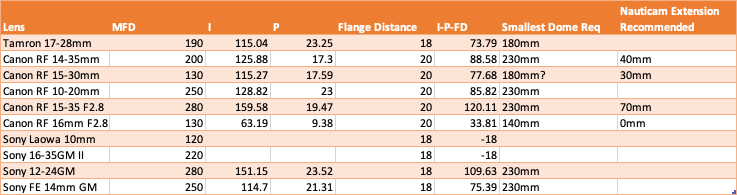
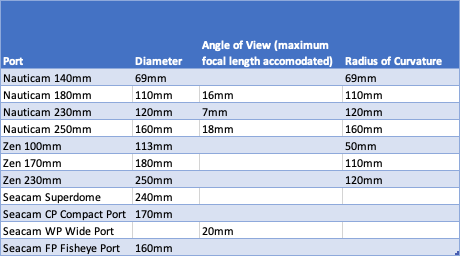
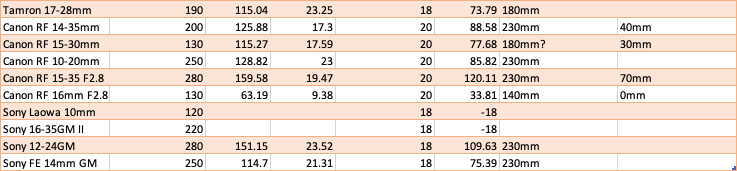
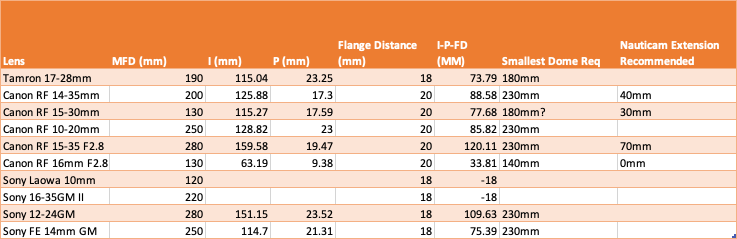
On the lists of things to test when I have time again, probably in 2 weeks when I'm back from Mexico. Might. be a bit tricky to measure. I believe Interceptor 121 did this for the Nauticam Sony housings at some point? If so, it would be easy to estimate adding 35mm (for the n100-n120 port adapter) to that. How else would I measure that? I have a caliper.. I guess I could do lens mount to front of housing with that or a ruler and add the manufacturer's flange distance. Do housing manufacturers share this information anywhere? It's not on OpticalBench yet. This is what I've pulled so far from OpticalBench. And from housing manufacturers documentation. All tests were done at F13 for consistency and expediency (otherwise I had to adjust the strobe power to take a series at different apertures. Took too long 🙂. I may do some expanded testing later at different apertures. For instance, the RF14-35 did clean up a bit in the corners at F16, but lost center resolution. I have the WWL-C and RF 24-50 I will eventually test as well. Yes, corrected.
-
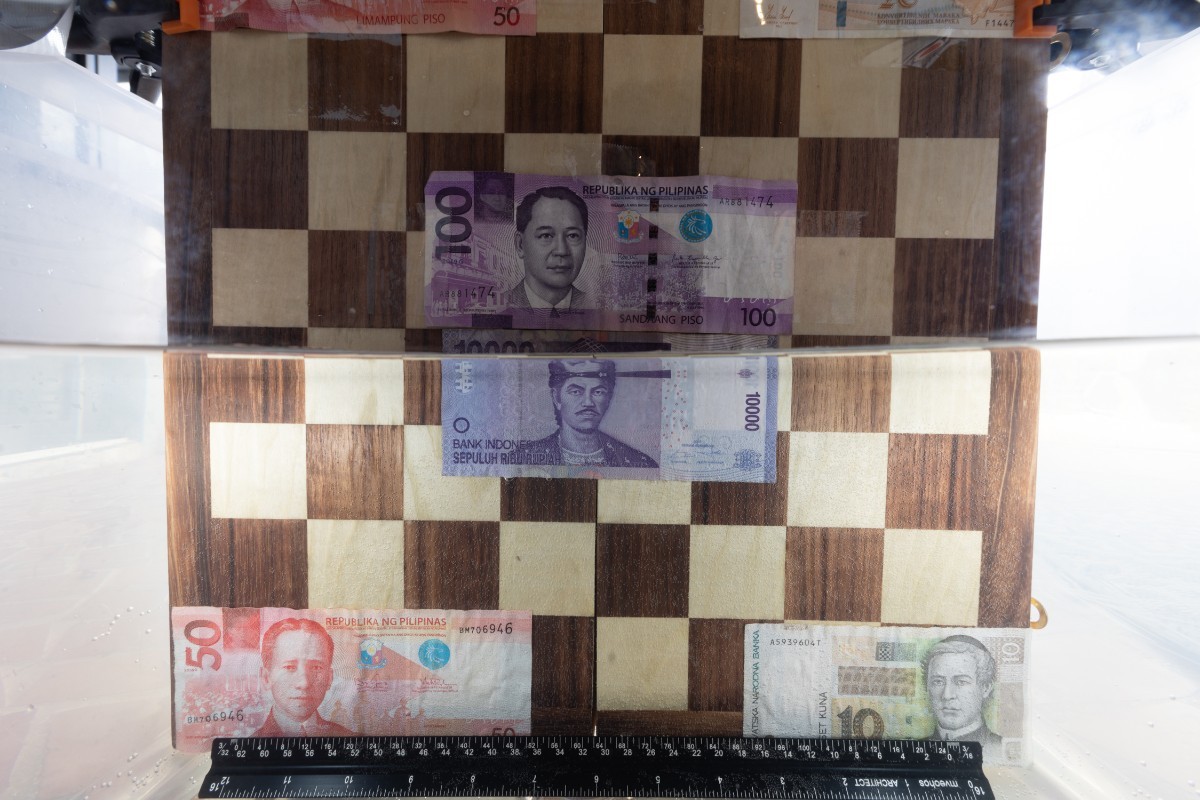
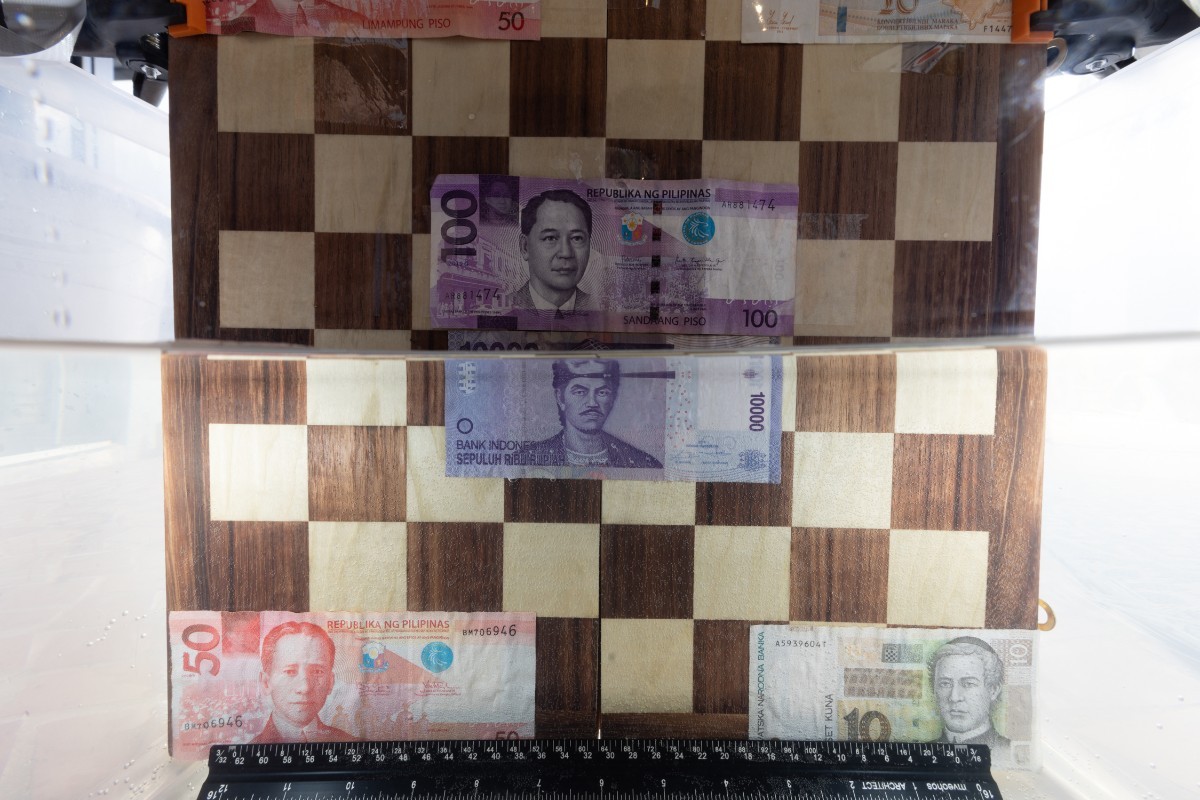
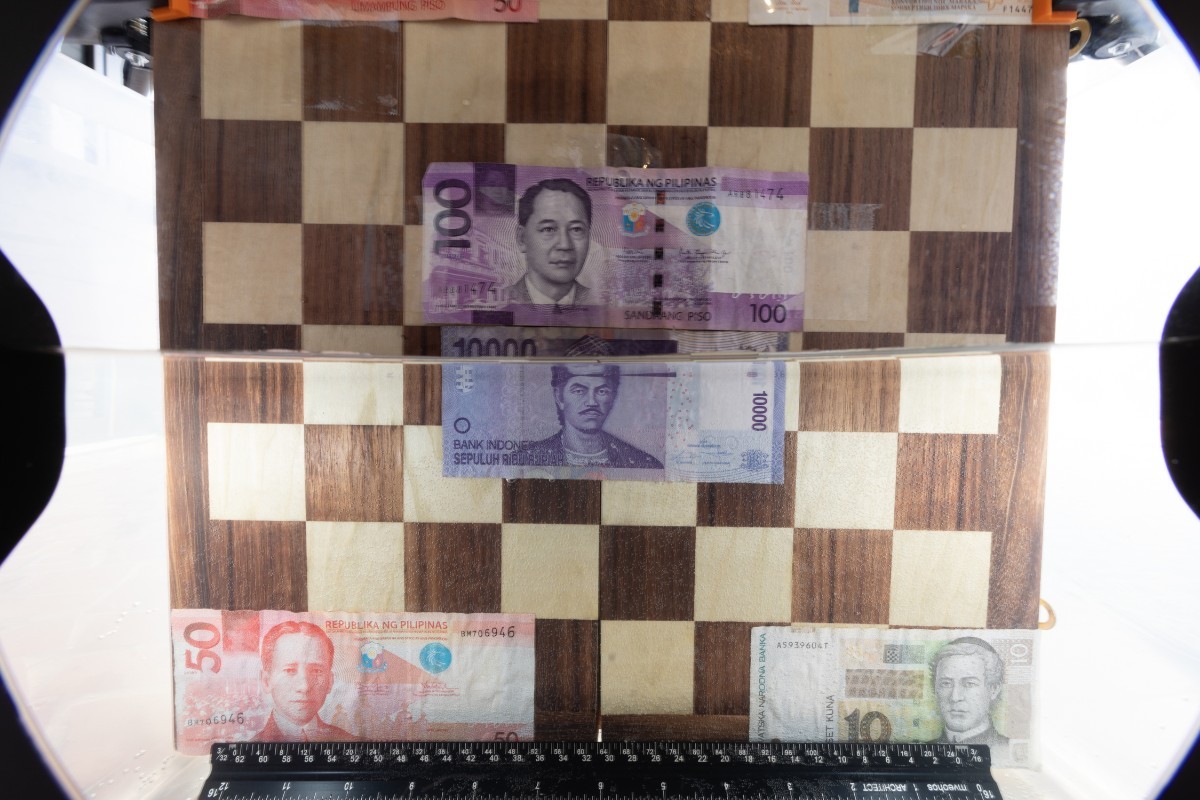
Finally, the RF 15-30. 15mm, F13, ISO 100. With the 180mm dome, it needs a similar extension to the RF14-35, just slightly shorter. Here it is at 30mm, 40mm, and 50mm. At 50mm it already vignettes, but the entrance pupil has already been moved forward past the center of curvature. 40mm puts the entrance pupil behind center of curvature. At 40mm it is a bit closer to the correct placement than the RF14-35. This lens probably also needs a 230mm dome, but 45mm should be about right with the 180mm dome and shouldn't vignette much. (Incidently, Nauticam recommends 30mm, which is clearly wrong. 40mm is better) Center and corner crops at 40mm. Center resolution is not as good as the RF14-35 or Laowa 10mm, probably because the lens itself is not as good, but on par with the RF16.. Corner is better than the Laowa 10mm, RF16 and RF 14-35 though.
.jpg.5163fc8d839c5cfedf154c706f5a0e8d.jpg)
.jpg.96563d4e6da28654e0aa6967a976cfeb.jpg)
-
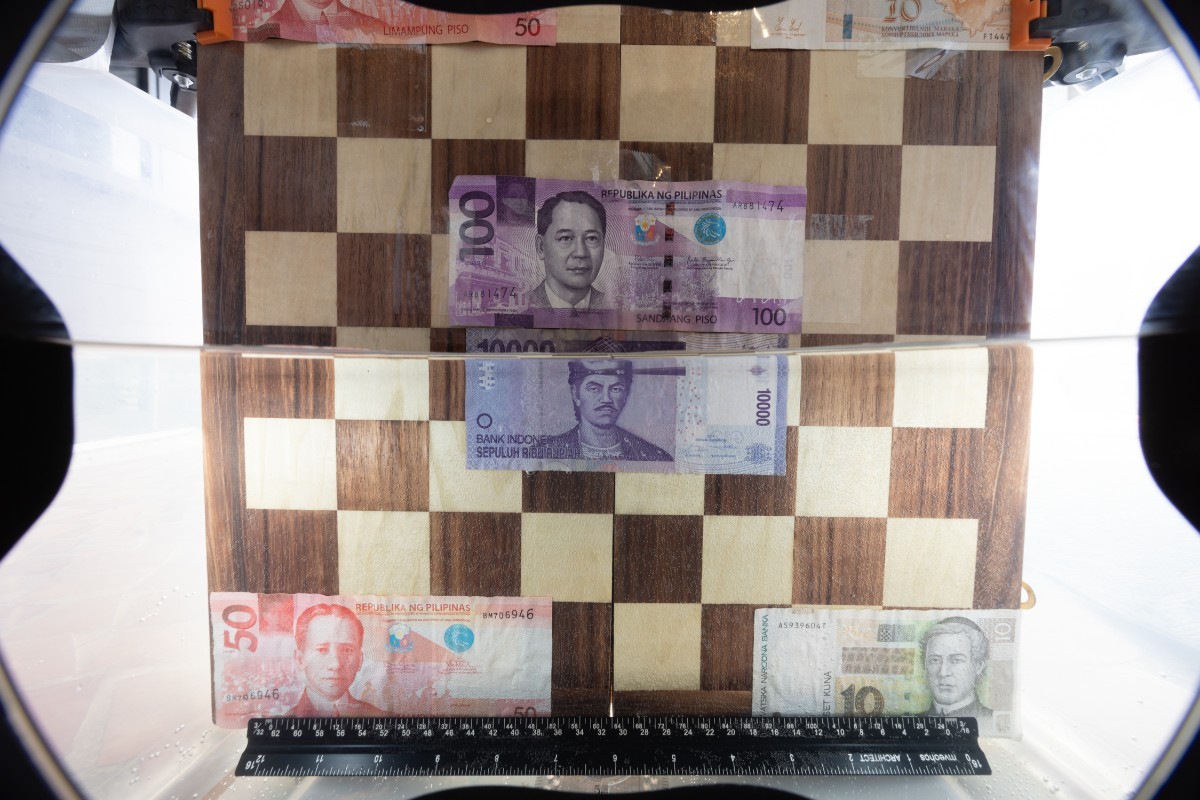
Now the RF 14-35 F4 L zoom, at 14mm. All pictures again at F13, ISO 100. The lens sits too far back from the center of curvature with the 180mm dome. Here it is with a 30mm, 40mm (what Nauticam recommends for 180mm dome), and 50mm extension. Even 50mm is slightly too short, but already at this point it's vignetting heavily. I think this lens needs to be used with a 230mm dome, the 180mm doesn't have enough field of view. Best compromise if you're set on using it with the 180mm dome would be a 45mm extension I guess, but you might get vignetting even then. 100% crops from the center and corner with 40mm extension. The center is a bit better than the RF16 prime but not as good as the Laowa. The corner is much better than the Laowa but kinda on par with the RF16 prime (which is behind a 140mm dome)
.jpg.cab01e4634bd069d148344b1c1a29056.jpg)
.jpg.3b978eeae8548ac597ea05417bd151a1.jpg)
-
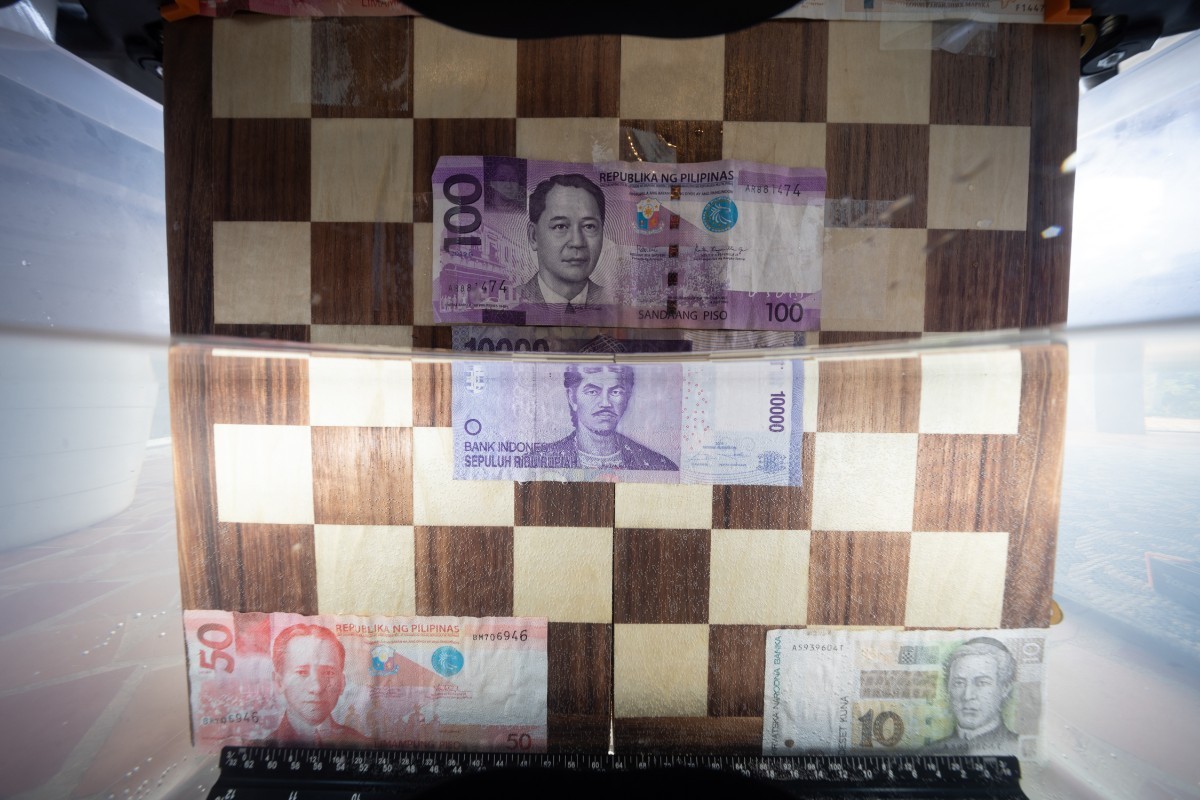
Contrast with the Laowa 10. With no extension, it vignets slightly, but it's only the dome shade (which was designed with the more limited vertical field of view of a fisheye lens in mind). If you remove the shade, you should be able to get the full field of view. I tried also with a 20mm extension, but that produced very significant vignetting inside the port. Notice the lines are almost straight above the water. Just sligtly smaller. Basically, you would get perfect placement with a 2mm extension. Maybe a 10mm extension could work, but then the entry pupil would be too far back of the center of curvature of the dome, so image quality would likely not improve. Center resolution is better than the RF 16mm prime or the EF 8-15, but the corners.. well, they're pretty bad.
.jpg.ff17ae06a5bb391b45c7e284891a145b.jpg)
.jpg.54cc71497e73abf366b0d57bce14ff91.jpg)
-
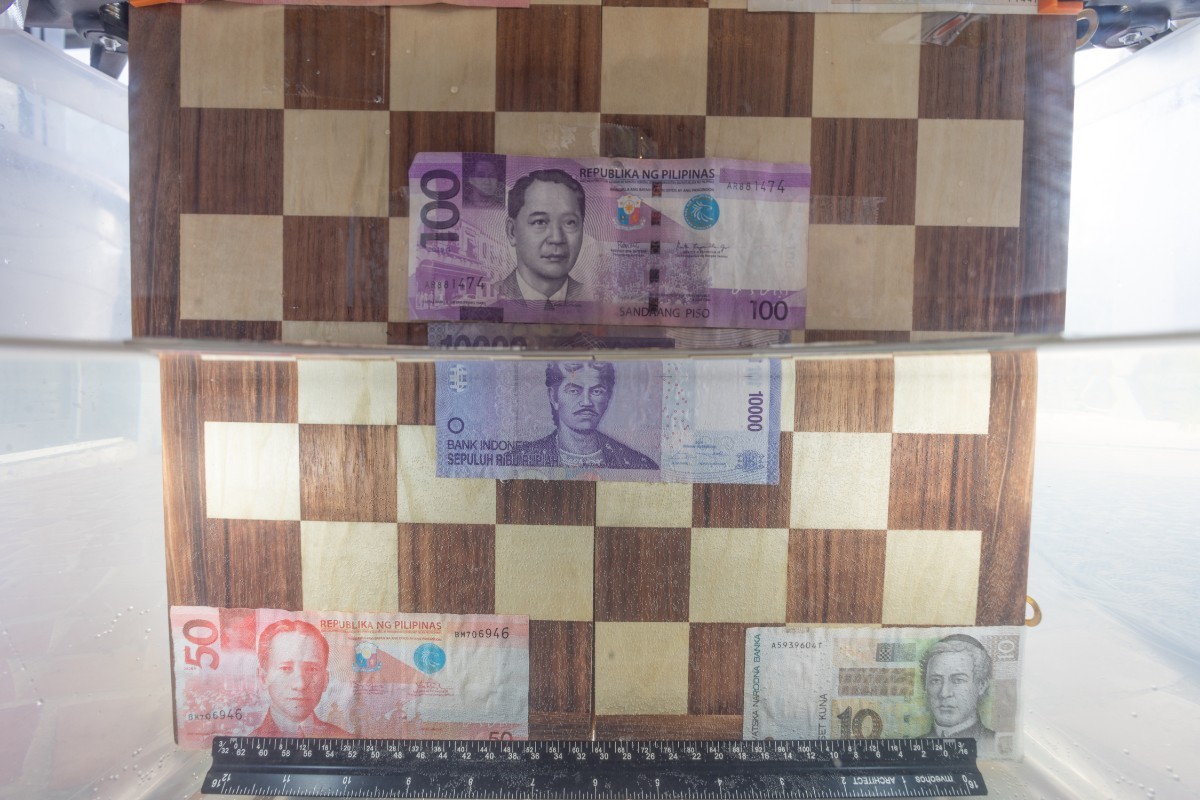
Now, the RF 16mm prime. All shots at F13, ISO 100. Unfortunately, this lens is not great for underwater. Nauticam recommends no extension at all, and I tried that with the 140mm dome. But because the lens is so short, the entry pupil is quite a bit further than where the lens sits even with no extension rings, and there's no way to improve it. Center resolution is not bad. Corner (or, really, more like edge resolution) is not as good.
.jpg.72df276cc257dd28753681dfd712a6bc.jpg)
.jpg.84b5d2d679c7038abd55a181dd193a75.jpg)
-
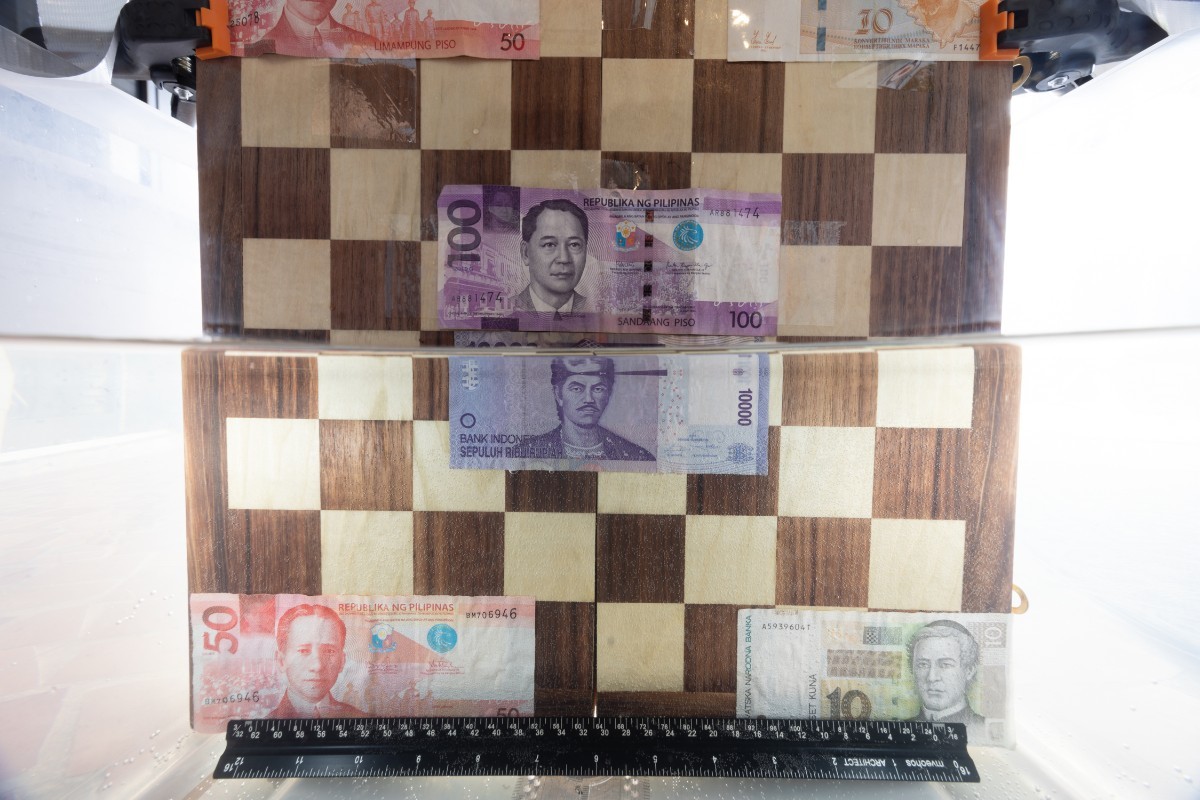
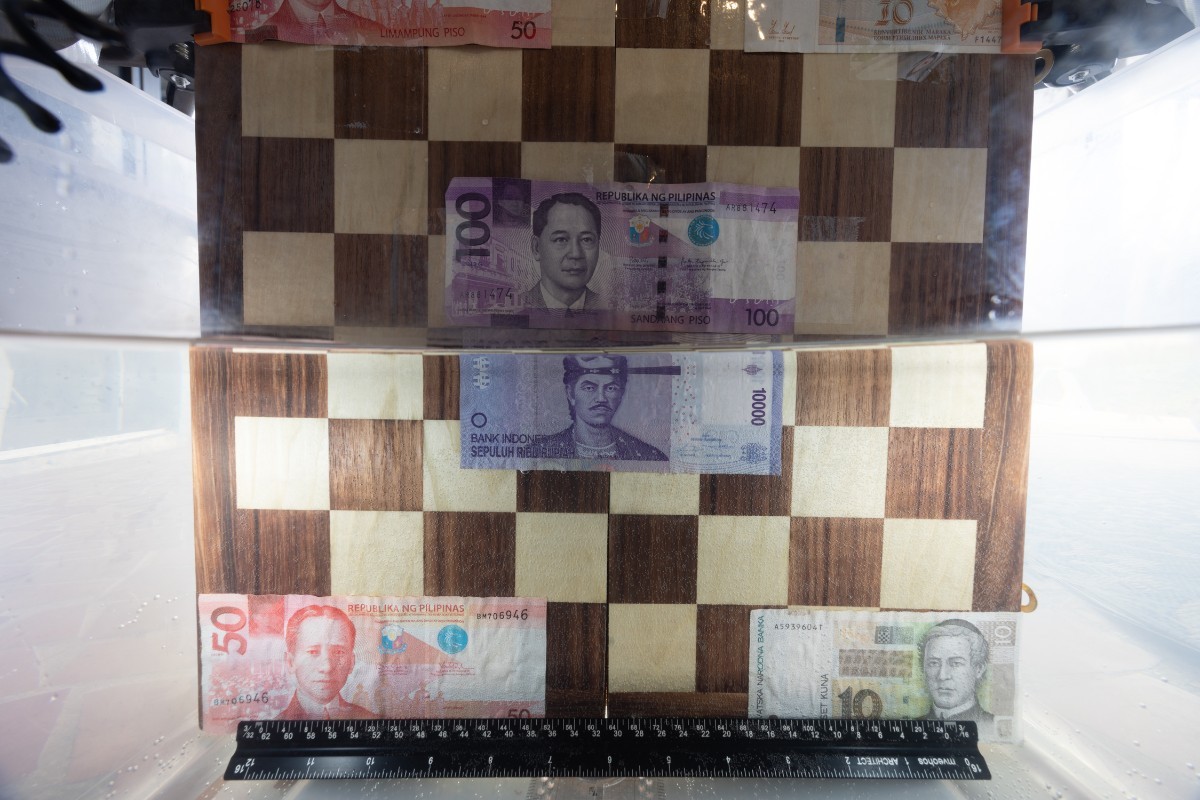
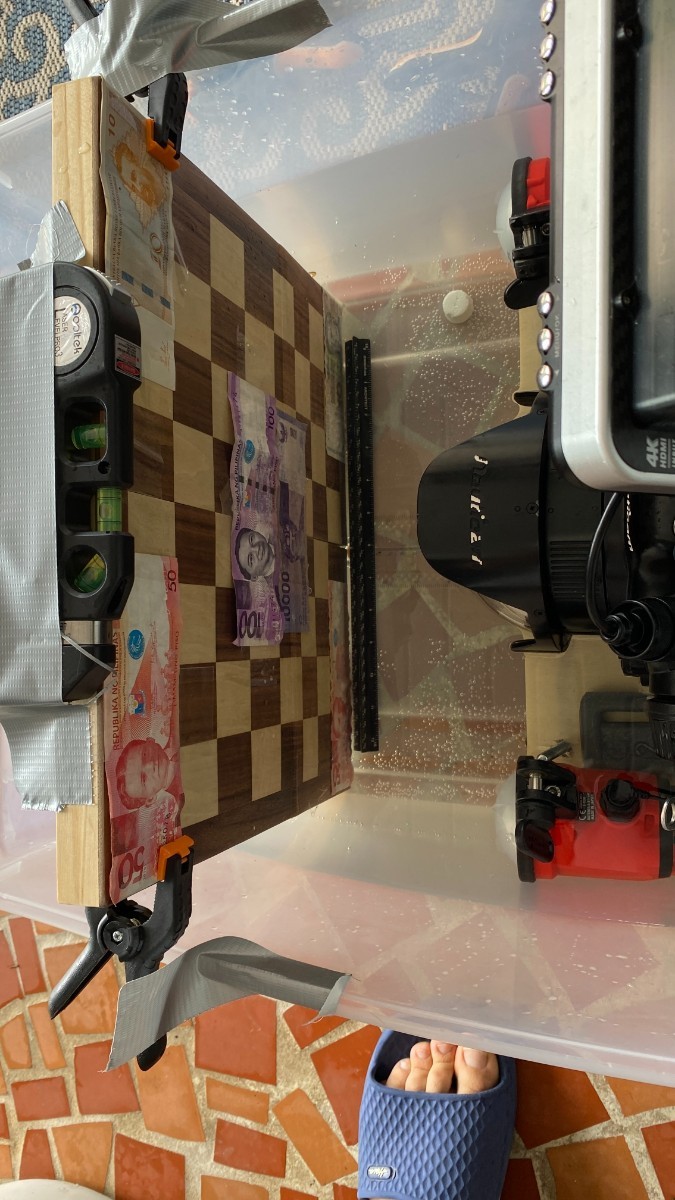
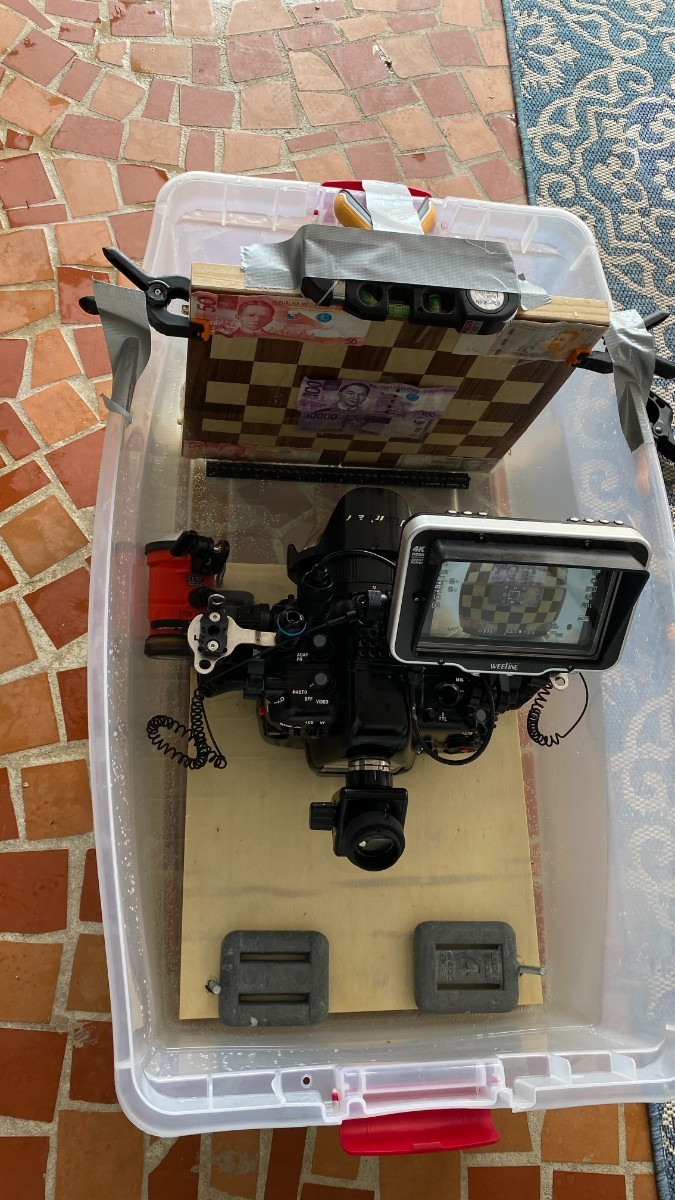
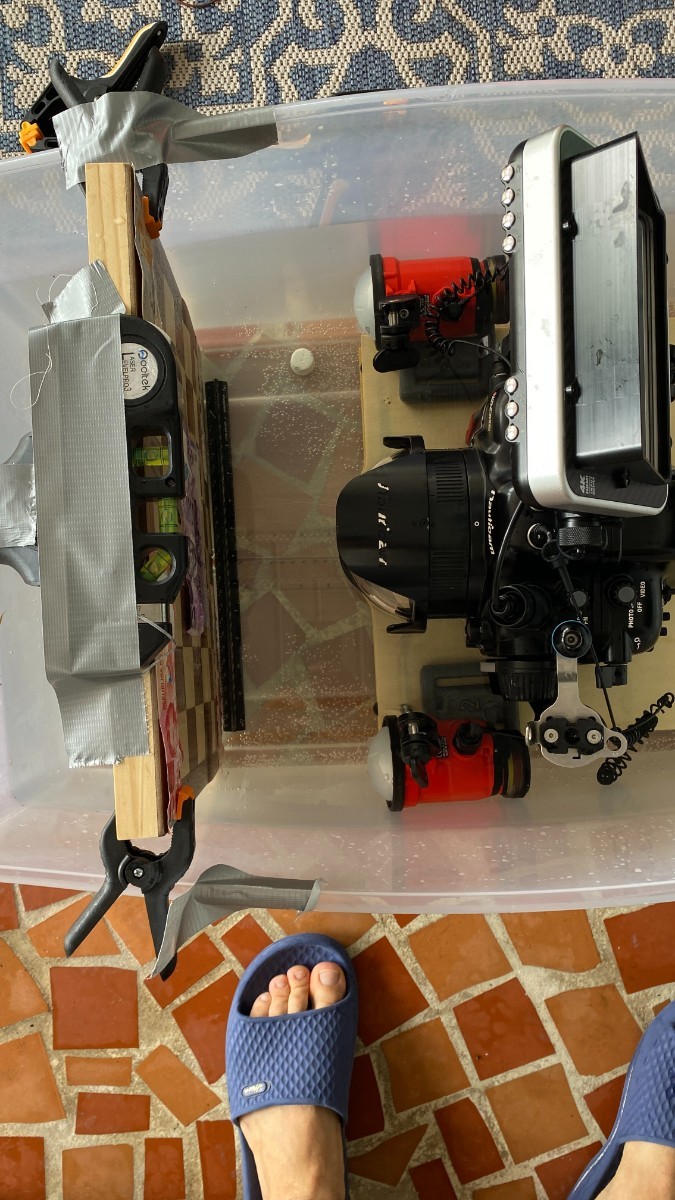
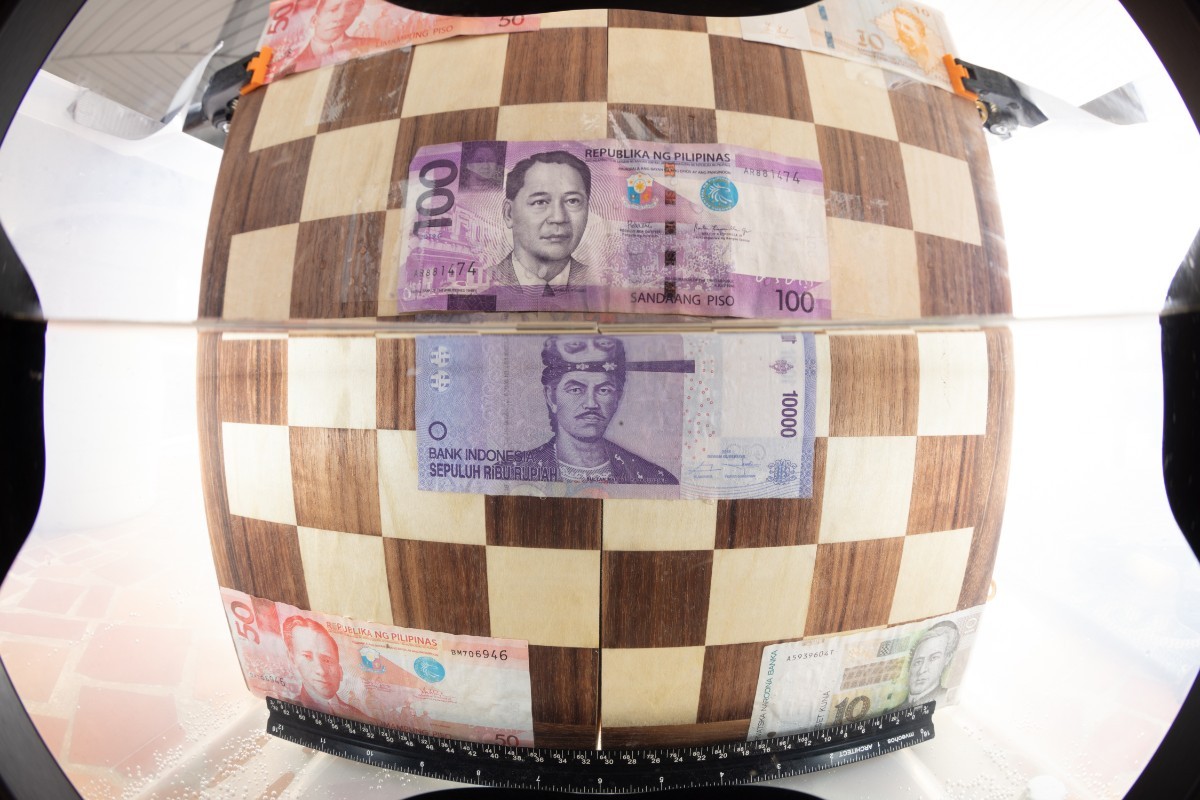
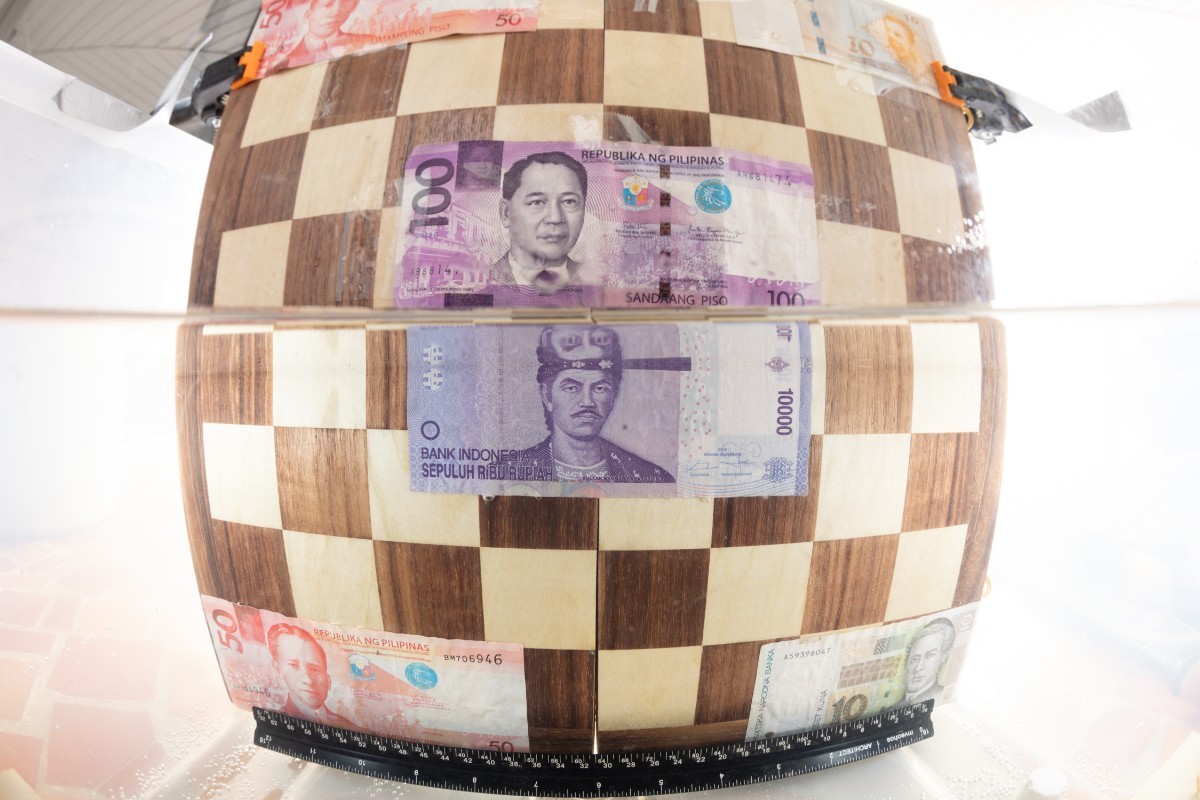
I wanted to test to see the correct port extension for various wide angle lenses with the 140mm fisheye dome and 180mm wide angle dome for the Nauticam N120 full frame system. I also wanted to compare resolution of the different lenses and how the position of the lens and the size of the dome impacted the resolution. Lenses tested: Canon EF 8-15mm Fisheye Zoom Canon EF 8-15mm Fisheye Zoom + 2x TC Canon RF 14-35F4 L Zoom Canon RF 15-30 Zoom Canon RF 16mm Prime Laowa 10mm Prime All tests done with the Canon R5C. Here's the test rig setup -- a chessboard to see if the straight lines continue straight above the water (to determine if port extension is too long or too short), with some paper bills glued to it to eyeball resolution. I haven't gone through all the photos yet, but already some interesting findings. 1. EF 8-15mm zoom needs something like a 35mm extension with the 140mm dome, not the 30mm extension recommended by Nauticam. Here's the first image at 30mm, and the second at 40mm. You can see 30mm puts the entry pupil in front of the center of curvature of the dome, while the 40mm extension puts it slightly behind, and vignettes as a result. Here are the same images de-fished to highlight the effect. Look at the above-water portion. If the entry pupil is exactly in the center of curvature of the dome, the lines should continue straight above water. If it's too far forward, the above water portion appears smaller. If too far back, it appears bigger. 40mm extension is almost correct, so I'd guess 37-38mm is what would be perfect. Of course, the problem is (as shown above) that it vignettes, and removing the dome shade wouldn't fix the issue. It vignettes on the inside of the dome. A 35mm extension thus might be the best compromise -- or 38mm with a wider port, like Marelux's 125mm diameter ports. The incorrect placement of the entry pupil doesn't have much of an effect on the center sharpness (30mm on left, 40mm on right). Microcontrast might be a bit better though with the 40mm extension. But there is a noticable improvement with the longer port when it comes to the corners. More to come.
.jpg.4bab29662550f464139f643722e3e412.jpg)
.jpg.ff9084e09b75df45ee5512557f5eea6c.jpg)
.jpg.9cb8dee26144c798c0209025e627361f.jpg)
.jpg.4ea018fefc0d12c0d90c54cf88340e72.jpg)
.jpg.190d10c7ca85670b2390c2ae6a865065.jpg)
.jpg.fedfa93a4f5fec6337a068c72531c95d.jpg)
-
Can’t fit the R5 body in an R6Ii housing unfortunately. Not even close.
-
Thanks Chris!
-
Are the version II extension rings backwards compatible with the original extension rings? (n120)? Can you mix and match them? I'm thinking of getting a 25mm extension ring to complement my 20. 30, and 40mm rings to be able to fine tune port length in 5mm increments from 20-95mm. . But I recently purchased the Nauticam Extension Ring 10 Version II and I can't seem to get it to work with any of the other original rings and dome ports I have. Is that an issue unique to the 10mm extension ring? Common to all Version II rings? Or am I just doing it wrong?
-
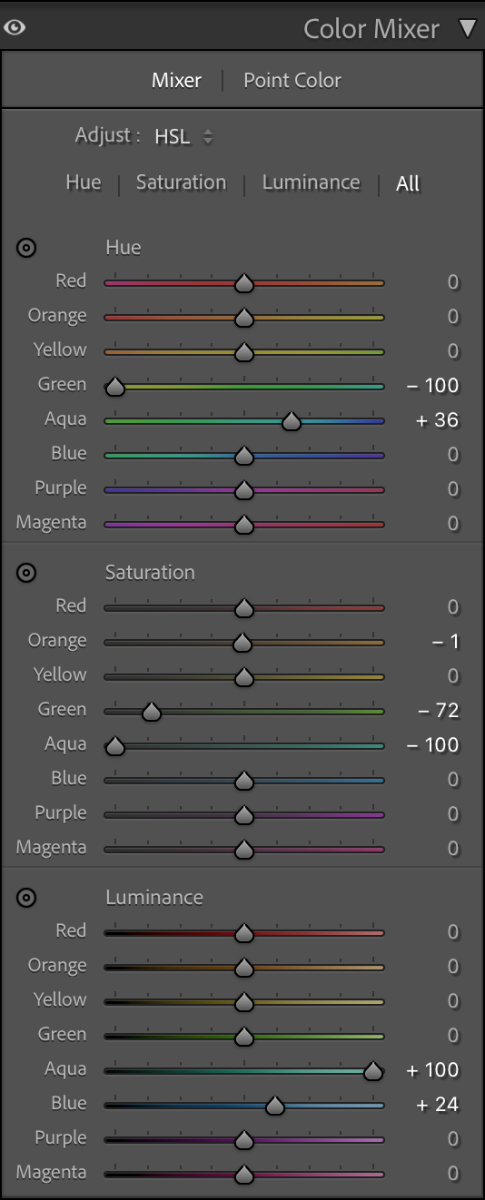
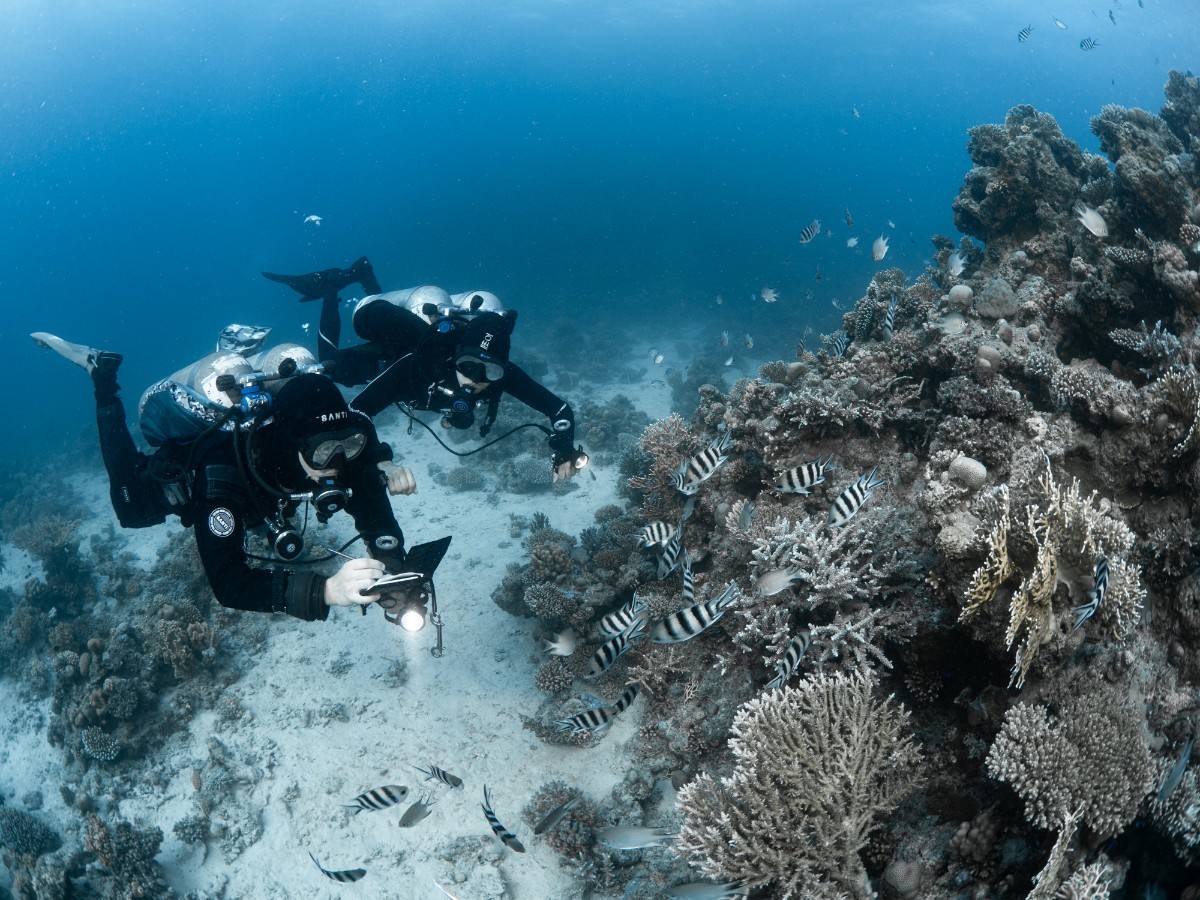
Basically, I'd interpret those results (similar to Interceptor121's conclusions in this 2013 post) to conclude that the Magic filter is nothing more than a 1 1/2 strength CTO filter (orange filter, which filters out blue light), whereas the UR PRO is a combination of a slightly stronger CTO filter (perhaps a CTO 2) combined with a minusgreen (magenta) filter since it also filters out some of the greens. My hypothesis is that you can get a very similar result to the UR PRO filter by taking a Magic Filter and stacking it with a 1/8 or 1/4 or maybe 1/2 minusgreen filter to it. Or, indeed, if just working with Lee or Rosco gels, you could replicate the attenuation properties of the UR PRO filter by stacking the appropriate strength CTO and Minusgreen gels. I ordered some Minusgreen gels from B&H Photo Video that should arrive later this week and I have CTO gels on hand. I also have Magic and UR Pro filters lying around somewhere in my closet. Time permitting, I can try to validate my hypothesis with some test data later in the week. Other random observations: You can test the color temperature of the Backscatter 4300 torch just as you did -- by illuminating a white target and taking the measurement in lightroom. Looks like it's actually closer to 5000k than 6000k, which is good. The brownish color cast the UR Pro produces (rendering green as brown) is probably what makes it aesthetically appealing. It eliminates unnatural color cast from skin tones and sand, which makes the whole image appear more neutral (if desaturated) and natural. I actually try for a similar end result when processing my photos in Lightroom by desaturating the aqua channel and shifting the hue of green towards yellow-brown.
-
Thanks David! I guess I could stretch the budget a bit to the Bamboo X1 Carbon also if there's a point. It's currently on sale for $1049.
-
Thanks for the input, Isaac! Sounds like FDM may be the way to go, at least for initial learning curve, and consider resin later down the line. Are there any FDM printers you (or others) would recommend to start out with, especially with the mindset that it should have the flexibility to print materials that can be waterproof? Budget is $1000. Another thought -- how about adding SLS technology to the comparison? Is it the best of both worlds for the use cases outlined in original post? Or would an SLS printer be completely out of budget and thus not worth considering? (I just found out I have access to a CNC machine at work -- no idea about 3d printers -- so maybe I'll stick with with FDM for now and buy some time on our CNC machines for more interesting metal or derlin projects once I have the design worked out)
-
Hi, I'm a noob when it comes to 3d printing, but considering purchasing my first printer to make various parts like zoom gears, ports/port extensions, and floats. From reading through some of the threads here, there seems to be a theme that making anything that needs to be waterproof like ports/port extensions and floats require quite a bit of experimentation to identify right printing material and settings for FDM printers. My question is whether going down the SLA resin-based printing route eliminates this concern? Are resin-based prints inherently better at resisting water intrusion and achieving better structural resistance to water pressure?
-
Well.. .life interfered (newborn)and I got lazy. I don't do as much diving these days and the prospect of investing the time to film a meaningful sequence and edit it is a bit daunting 🙂 So yes, mostly taking photos these days. There's something satisfying about getting a single 'wow' shot rather than trying to splice together something that tells a story. Probably I'll return to video some day, but for now enjoying wide angle photography very much.
-
Thanks! So mostly firmware related changes to do with TTL implementation, not any hardware changes.
-
@Phil Rudin what are the differences between the V1 and V2 of the strobe? I couldn't find that published anywhere. Also, how do you tell if the early ones delivered are V1 or V2?
-
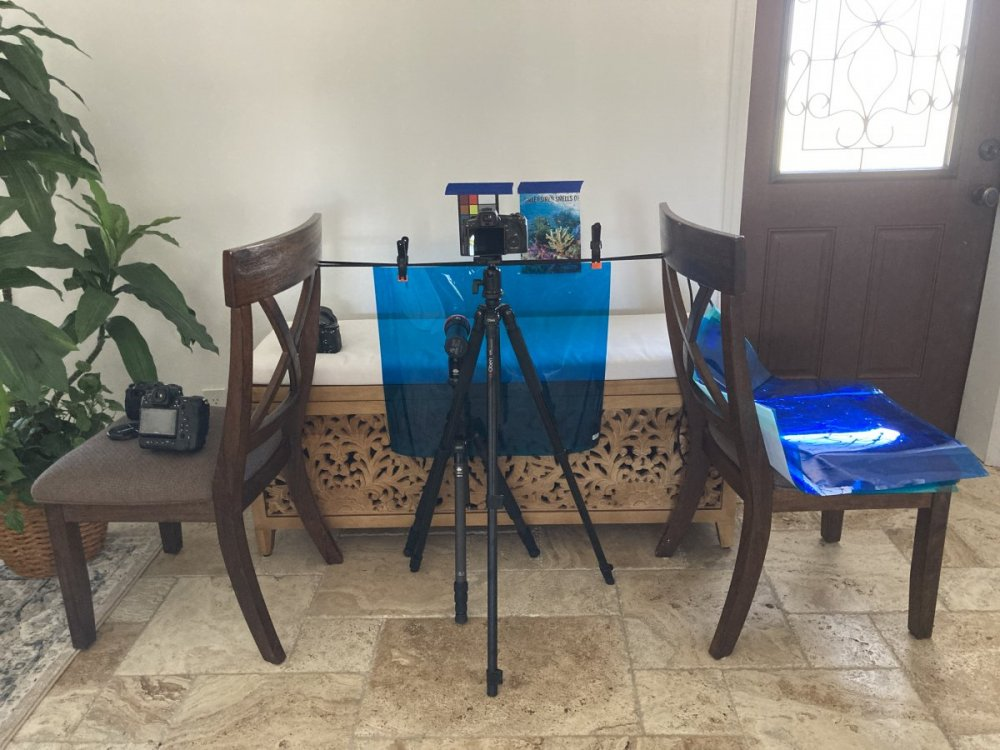
Yes, I skipped that part from the Wetpixel thread. TLDR Methodology: Illuminate a neutral white or light grey target (a color checker chart or 90% white card or 18% grey card is ideal, but you can use white painted walls in a pinch, as I originally did) with a strobe or torch of known color balance (all my tests are done with the Divepro G18 lights, which I've separately measured at 5000k) with the filter being tested applied to the light (or, if testing transmission characteristics of an on-lens filter, applied to the lens) Take a (raw) picture of the target with your camera Measure the white balance in camera or in post. I bring the image into Lightroom and apply the white balance picker tool to what should be a neutral white or grey area of the image and see what resultant white balance is actually required to neutralize the color cast of the filter. That's what the measurements above describe. To estimate light loss, I keep the exposure the same between the initial test with no filter and the subsequent tests with the filters. I then bring up the exposure of the images with the filter in Lightroom using the Exposure slider (which is measured in stops) to match the non-filter picture (using the histogram and spot checker to check exposure in the same spot in the image) to see how many stops underexposed the test image is. To minimize impact of ambient light on the results, do these tests in a dark room 🙂 My testing set-up: And resultant images for context: No Filter = 4850K, +23 Magenta, 0 stops light lost Rosco 4390 (Cyan 90) Filter = 8900k, +141 Magenta, 1 and 1/3 stop of light lost Lee 353 Filter (Lighter Blue) = 15250k, +111 Magenta, 1 stop of light lost Lee 724 Filter (Ocean Blue) = 26000k, +97 Magenta, 1 and 1/3 stop of light lost Lee 172 Filter (Lagoon Blue) = 50000k, +148 Magenta, -100 Aqua saturation, 2.4 stop of light lost
-
If you shoot the test chart illuminated primarily by a strobe with WB set to the strobe's 'native' temperature (which, actually, probably isn't the advertised temperature from the manufacturers), and with a red filter on the lens, what you're going to get is not a 'neutral' picture -- instead, you'll see exactly what filtration effect the on-lens filter has on the light spectrum produced by the on-lens filter. You can then apply white balance in post to a white or grey square on the color checker and the resulting adjustments will give you an idea of what the filter is doing. So this approach is a valid one for comparing one filter to another and to see which parts of the spectrum the filter attenuates.
-
I'm really not sure how the various manufacturers have developed their particular filter. For some, it may have been a combination of trial and error using various existing gels. Of course, you could also do it by measuring the target underwater ambient spectrum you want to 'normalize' to daylight -- so, if you have a spectrometer in an underwater housing, you could take it to say, 10m, measure the spectrum of the light there (of course it would vary form location to location and conditions) and then reverse engineer which wavelengths you need to filter out to neutralize the light and work out what sort of filter you need using math/physics 🙂
-
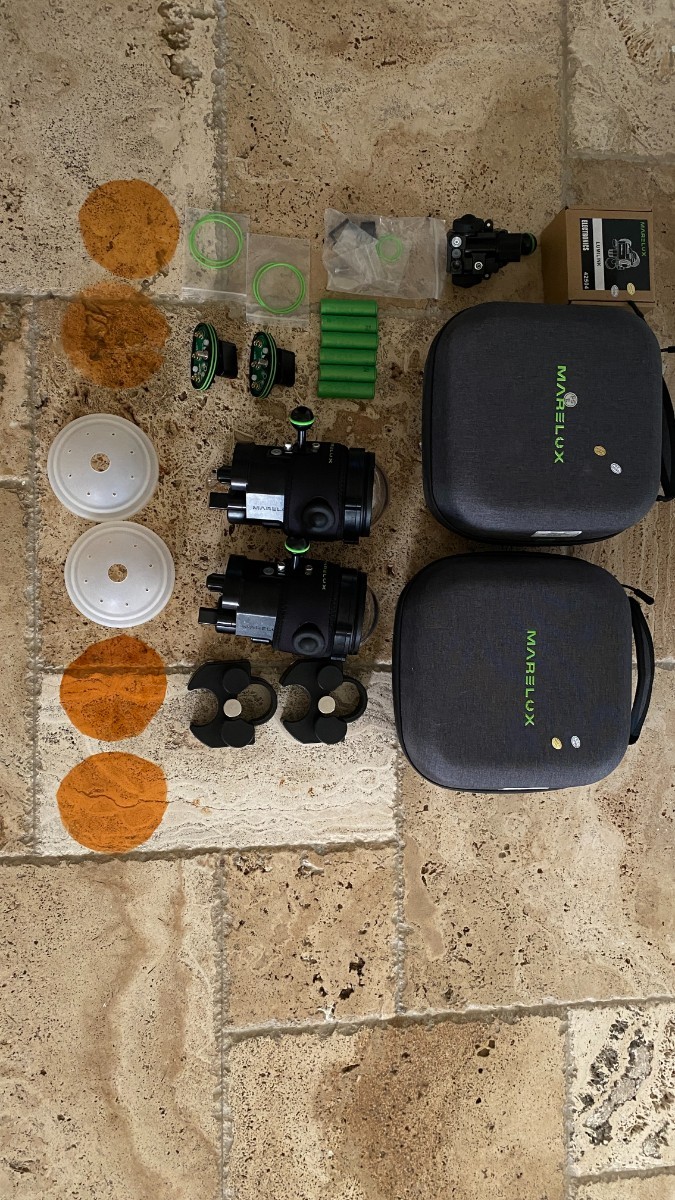
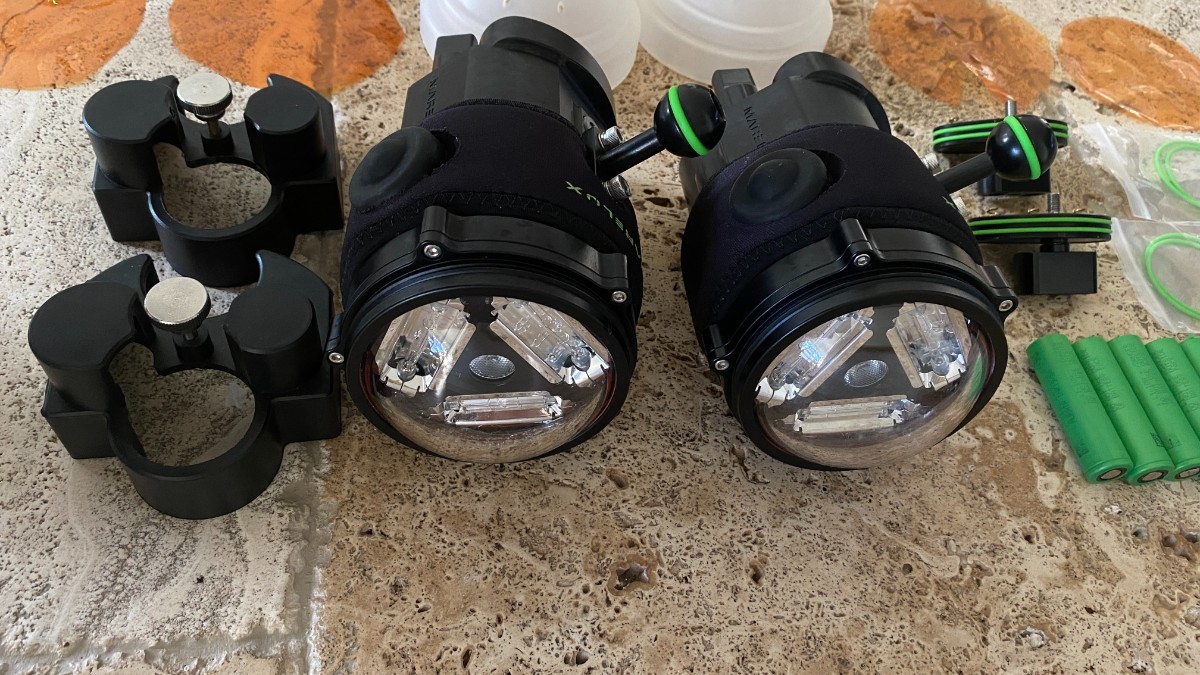
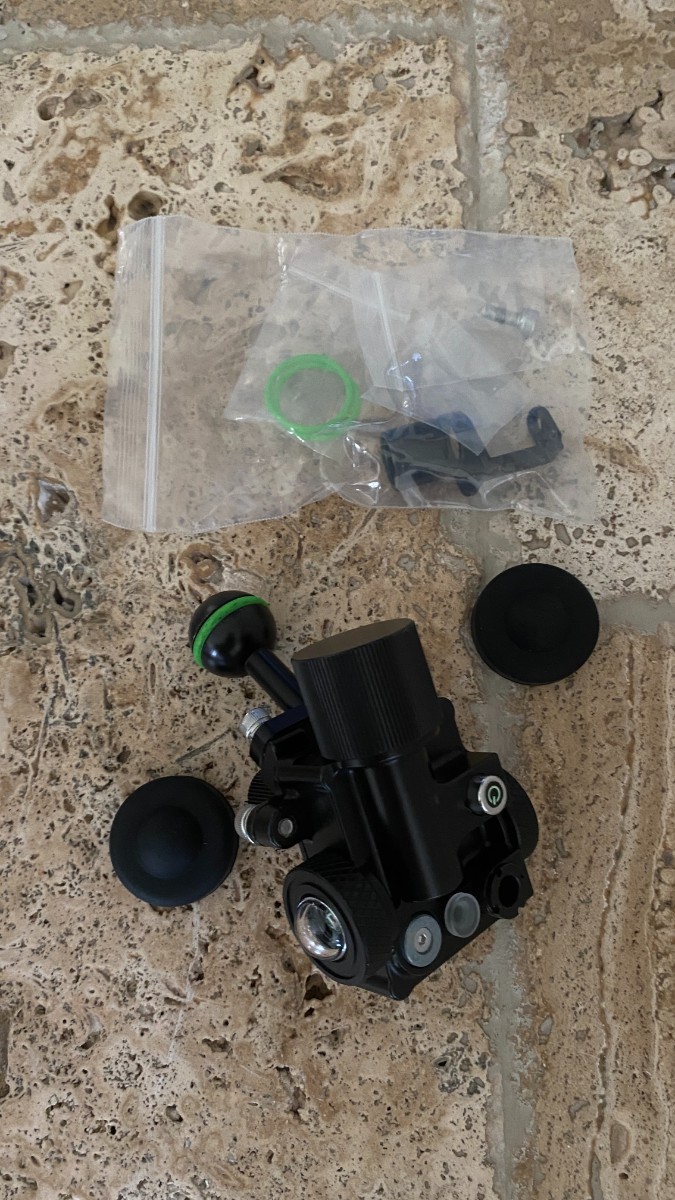
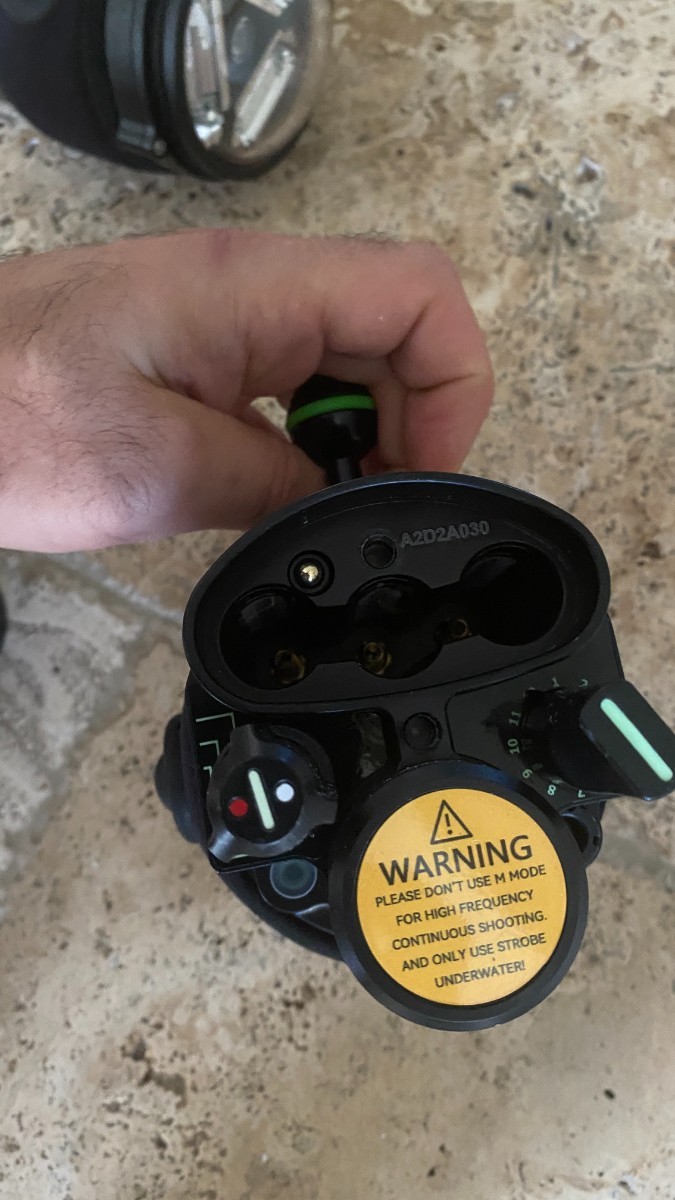
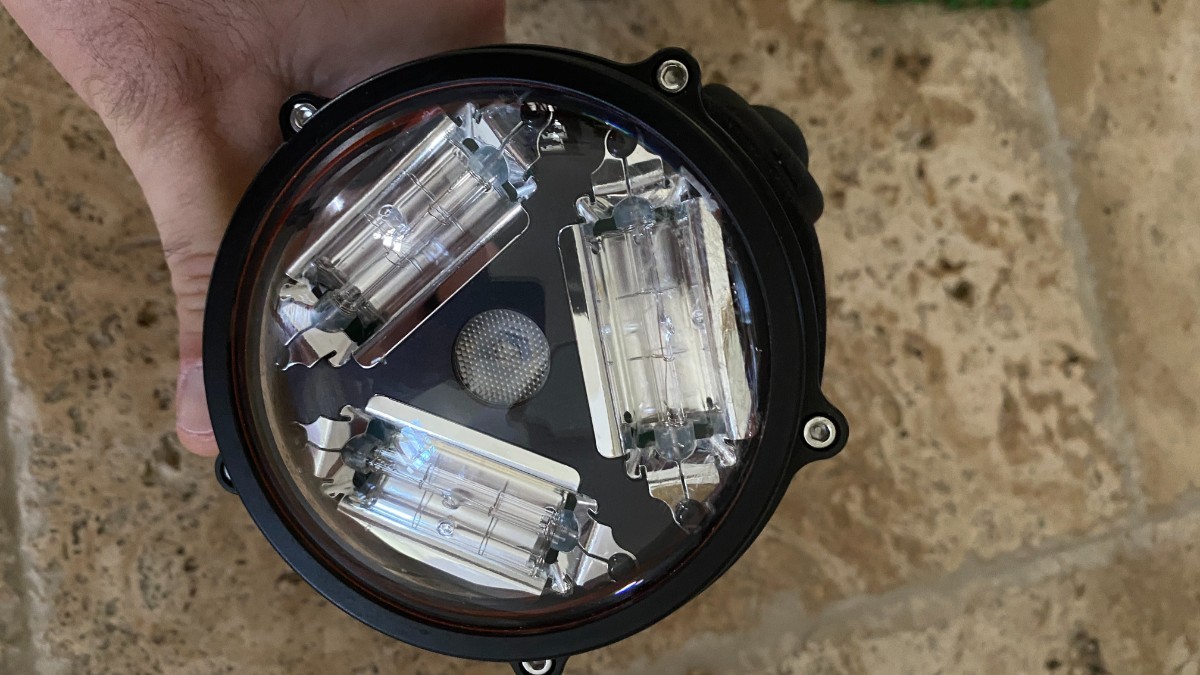
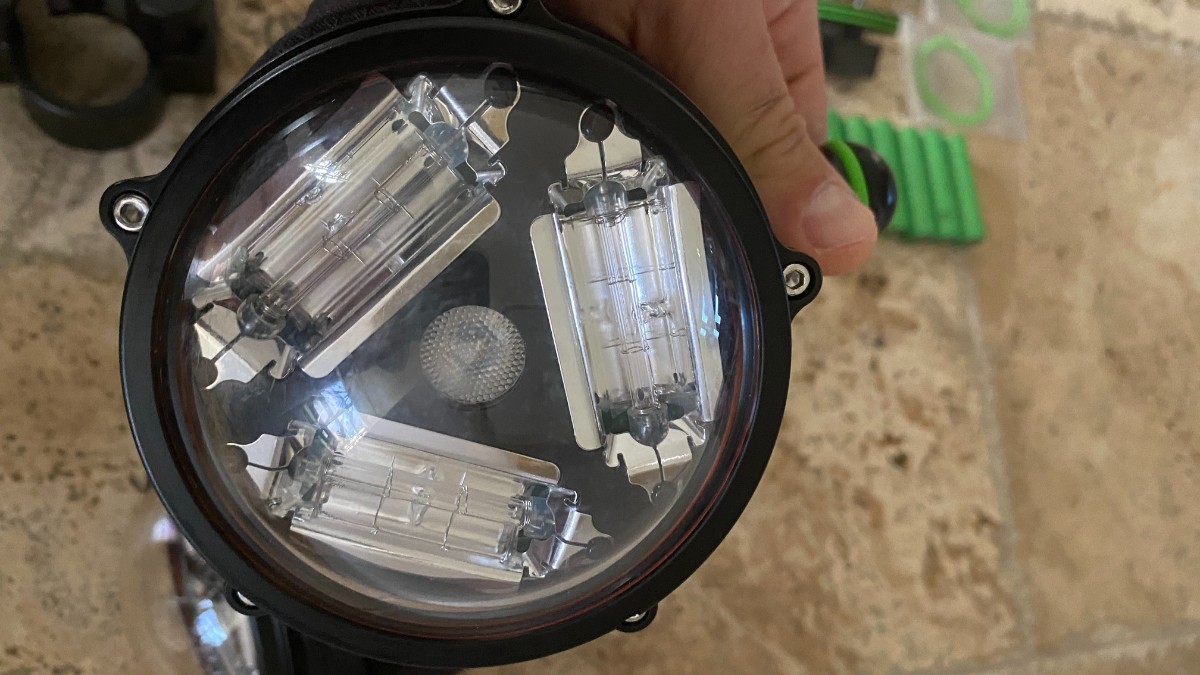
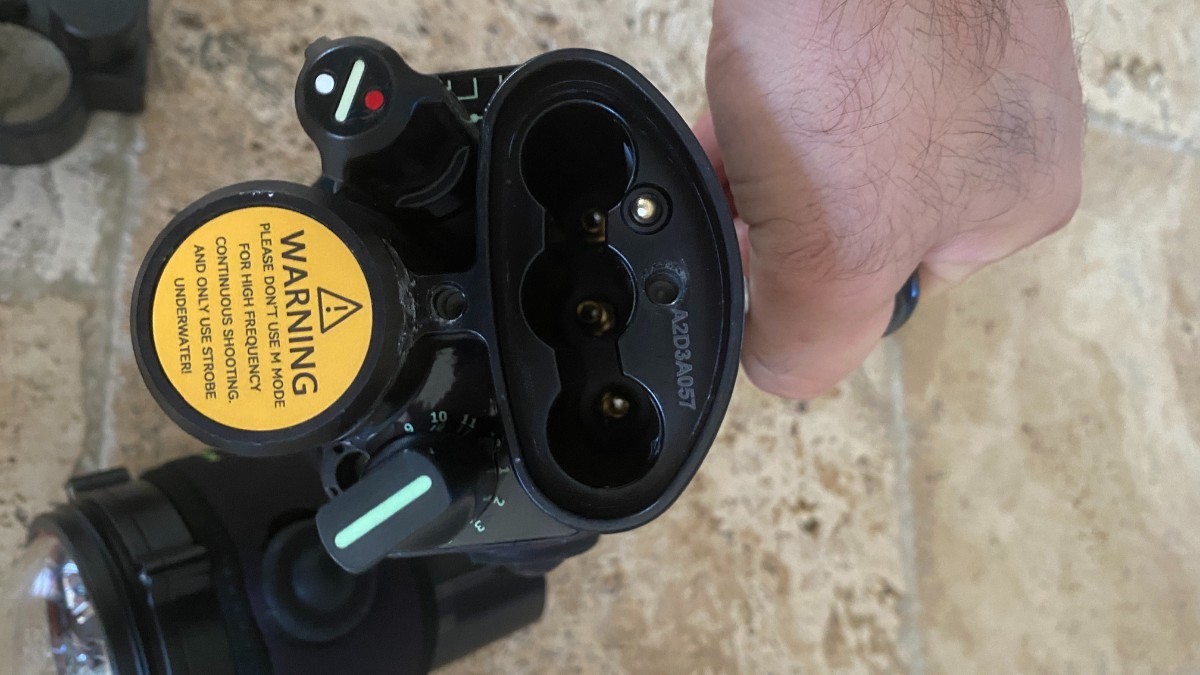
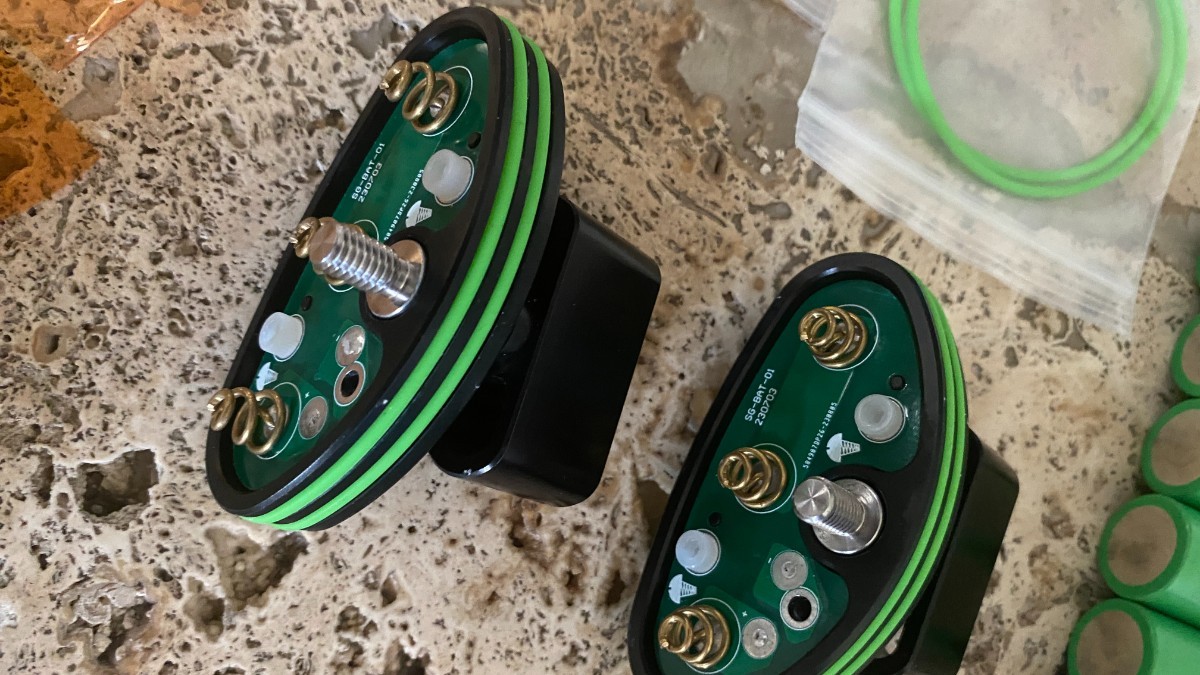
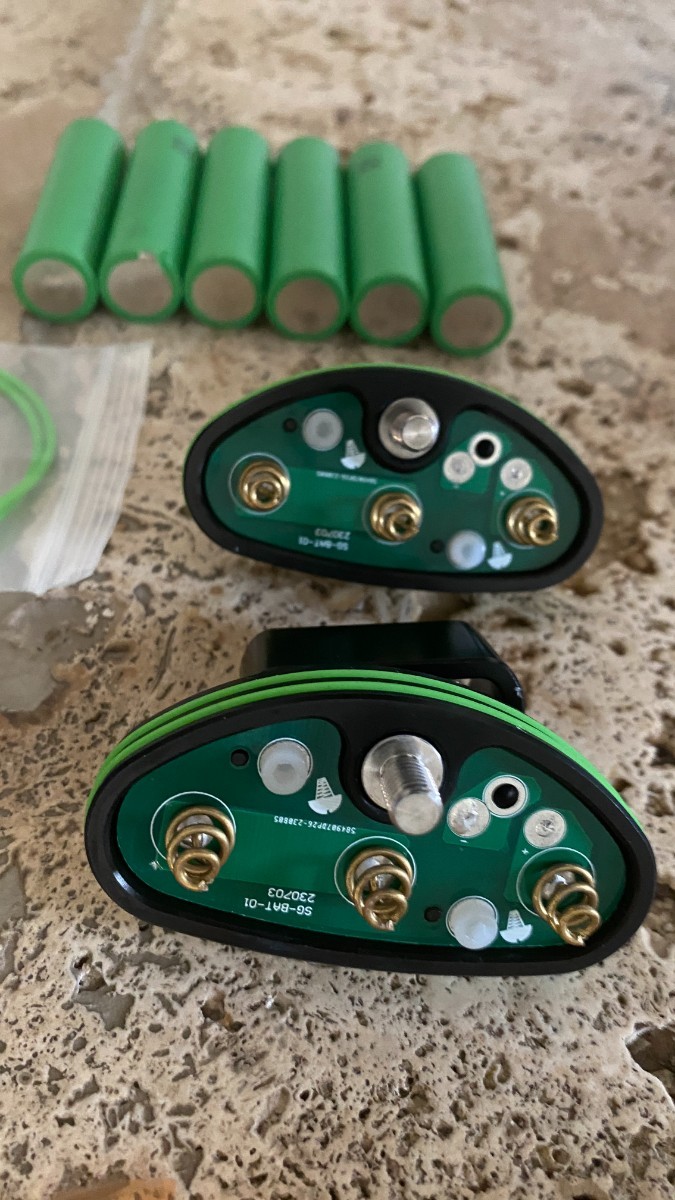
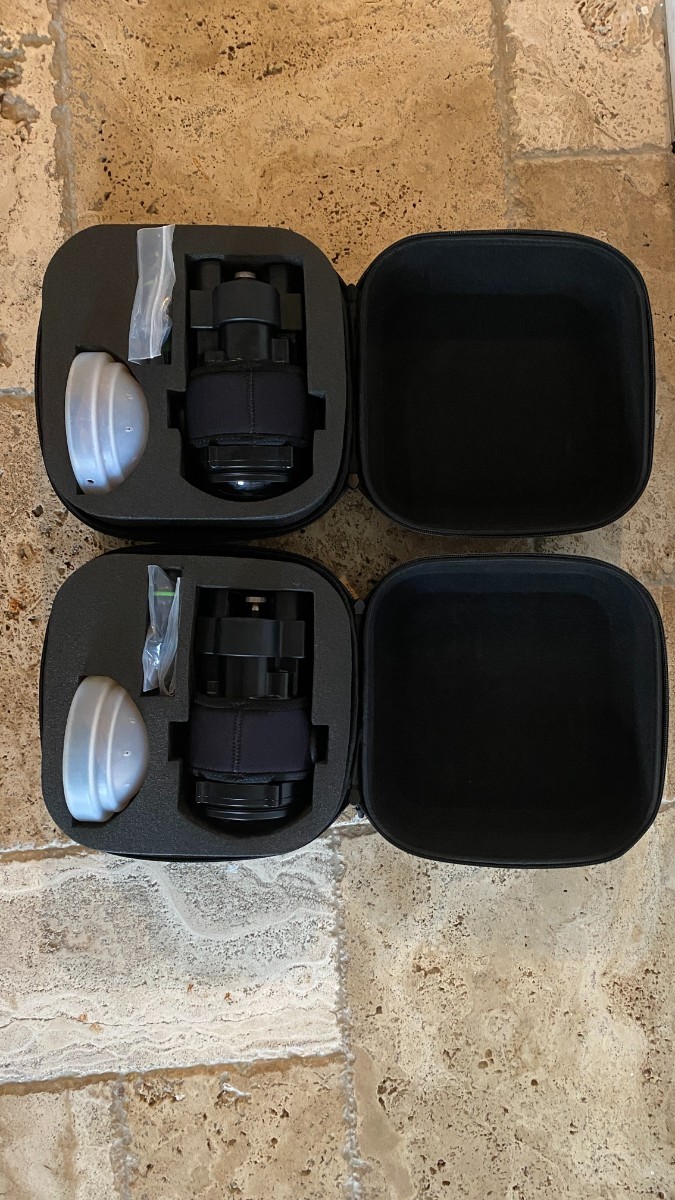
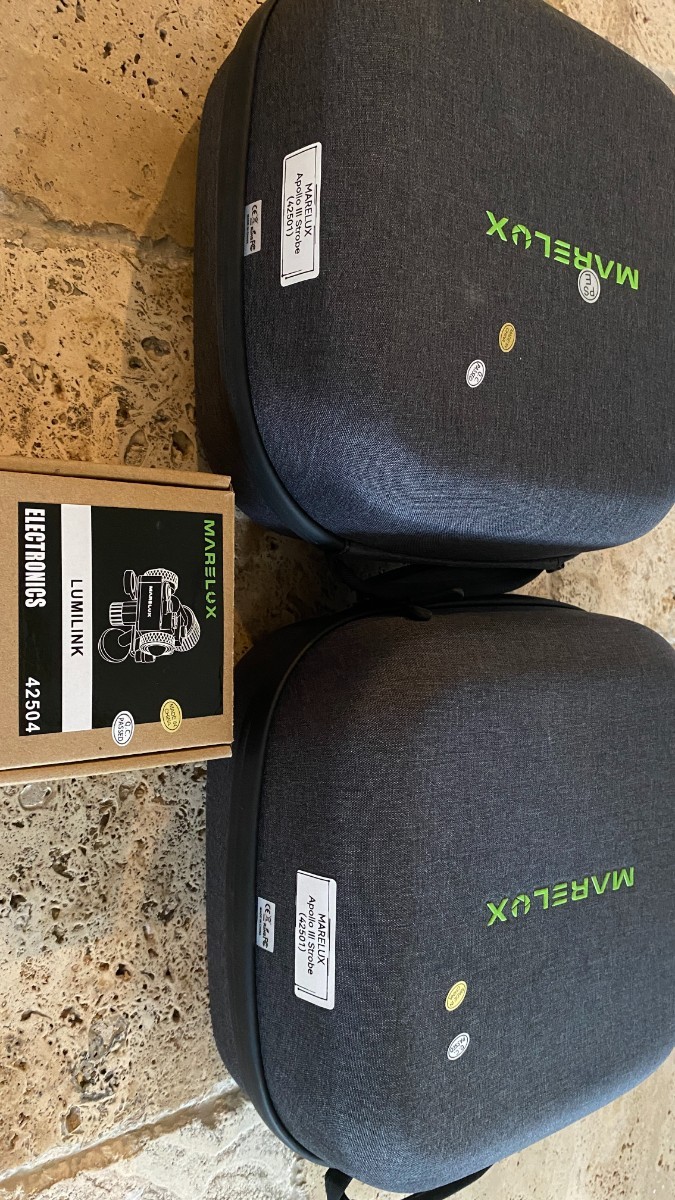
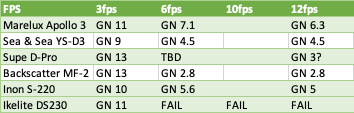
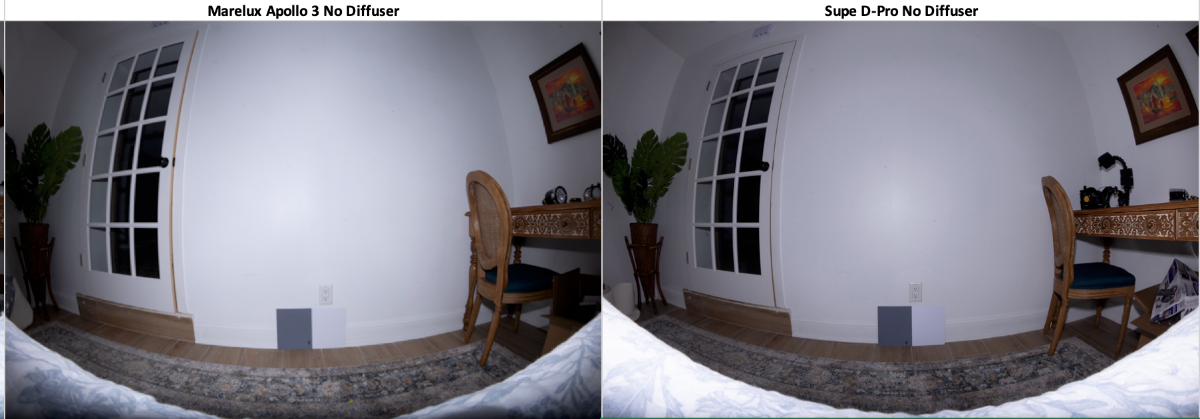
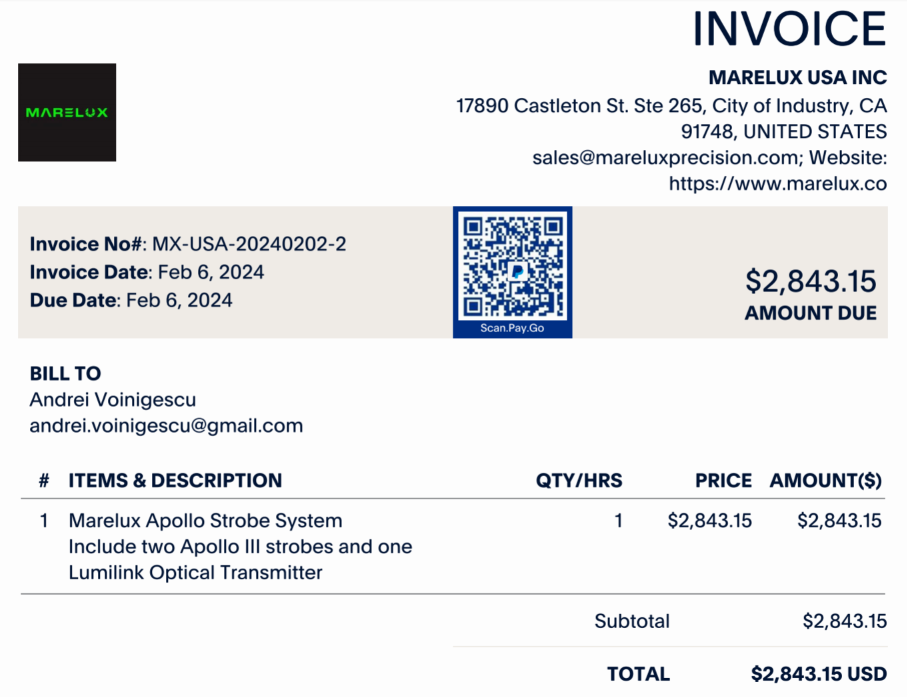
Purchased in February 2024 and received them April, used fairly lightly on about 30 dives. Come with all the original accessories in their original cases. I'll also throw in 2 sets of custom warming filters that will get the strobes to 4800k and 4000k respectively when inserted inside the diffusers. I've reviewed the strobes extensively here. Without the diffuser, they're matched with the Ikelite DS230 as the brightest strobe I've tested. They have amazing battery life with 3x 18650 LI batteries, a beam that's noticeably wider and softer (no hotspots) than any other straight flash tube strobes, even without the diffuser, great ergonomics and fast recycling times. Full tested specs: Beam pattern without diffuser (compared to Supe D-Pro, a circular flash tube strobe!) $900 each for the strobes and $300 for the Lumilink. Willing to sell it all as a package for $1800 OBO. Shipping additional. Feel free to DM with any questions or contact me at andrei.voinigescu@wartsila.com or +1 954 632 7259 for quicker response. Pictures and original receipt:

-
Hey Chip -- got one I'm willing to sell, but it's got a Sea & Sea YS-D2 mount on it if I recall correctly. You'd have to source the appropriate mount from Retra.
-
It's not. The INON S-220 shots were incorrectly the ones at F18 rather than normalized to F22 like the rest. Fixed now. Perhaps a moderator could kindly remove the screenshot from my post above and replace with this one? And combine my post above with the pinned first post for easy of reference?

-
You could try supplementing the Magic Filter with something like this that filters out green preferentially: https://us.rosco.com/en/products/filters/e279-eighth-minus-green https://us.rosco.com/en/products/filters/r3314-tough-14-minusgreen https://leefilters.com/colour/249-quarter-minus-green/ https://leefilters.com/colour/249-quarter-minus-green/ https://leefilters.com/colour/248-half-minus-green/
-
During my previous testing, I found that the UR Pro filter is more effective at filtering out green light than the Magic filters, which is exactly what I think your tests demonstrate, @bghazzal. In fact, the Magic filters seem to do very little to filter out greenish cast in the ambient light. No blue filter, no orange filter = 4700K, +20M Lee 353 + Rosco 4330 = 23000k + 121M Lee 353 + Rosco 4330 + Original Magic Filter = 8600k + 150M, -1.3 stops of light (Worst of the bunch.. looks more yellow than orange. introduced MORE green into the image, to the point where even after doing WB in post, there was a greenish tinge. Did a decent job of countering the blue, but would not recommend using it in anything but the most pristine blue waters) Lee 353 + Rosco 4330 + Auto-Magic Filter = 10000k + 121M, -1.6 stops of light (Decent. Knocked out most of the blue cast, but did little for the green. Again, use only in pristine blue water) Lee 353 + Rosco 4330 + UR/PRO CY Filter = 7700k + 77M, -2.3 stops of light (Most effective. Knocked out most of the blue AND green cast. Would be a good all-around choice) Lee 353 + Rosco 4330 + Keldan SF-2 Filter = 12000k + 114M, -2.5 stops light (Ok, but a bit weak. This is designed to compensate only for 4 meters of water depth, and reduces both the blue and green tint. However, in this case, the lights with the Lee 353 and Rosco 4330 filter appear to be better matched to 12 meters of depth..) It would be great if a UR Pro gel were still available, but to my knowledge it never was. I think your grading results look great though, so there's enough color information in the flat footage to be able to color correct the green bias in post. Another option might be to supplement the Magic Filter with another gel filter that predominantly filters out green -- some sort of magenta filter I guess. Perhaps there's something like that in Rosco or Lee's range of filters?
-
Thank you for kicking off the discussion, @bghazzal. Anticipating that Wetpixel may not be around forever, I archived the findings from my 2022 tests of the red filters and blue (ambient light) filters here.