Skip to content

Photography Gear and Technique / Archived topic

Full Frame SLR wide angle corrector port tests

Started by Alex_Mustard ·

  • 116Posts
  • 116Replies

Read-only discussion

Full Frame SLR wide angle corrector port tests

116 posts
  1. This is really exciting stuff Alex. Great job. Can you spill the beans a little more about the exact construction of the lens, setup, optimum lens to port distances you have found etc. Is this essentially a flat port with a dioptre type lens element rather than a flat glass. Got thrown a bit when you discussed the lens threads; is there a component that screws to the lens as well?


    Hey Jeff,


    Yep. While the port looks flat, it is actually slightly convex on the outside and strongly concave on the inside. I think it is actually made up of two elements. The second part (which mounts on the lens) is convex on the outside and concave on the inside. I have measured the dioptre strength of the internal lens - and tried replacing it with a simple dioptre lens (of the same strength) and it did not work well (reduced the optical performance to that of the dome). I am not having a new internal lens made that is the same dioptre strength and curvature (inside and out) as the current internal lens. This will allow me to use a much wider range of lenses. I am currently limited by the relatively small physical diameter of the internal lens.


    The thread on the outside of the internal lens is a non-standard size and I don’t have a step ring that will hold it. I will have to have one made. So at present I am holding it on with blu-tac (a putty), which works well, but can cause problems of misalignment through carelessness or vibrating boat journeys.


    The other modification I need is a lens hood. Both for shading and to protect the optical surface.


    Alex
  2. Lots of people have been asking me about the port and the best analogies/descriptions I have come up with so far are:


    1) Think of it like a D810 - can’t really take any shots that I couldn’t take already, just takes them with a better quality.


    2) It creates an invisible boundary between the lens and the water. So the lens works exactly as it does on land, with none of the optical problems of a flat port or a dome port at the air to water interface.


    And here are some more photos from Cayman taken with it:


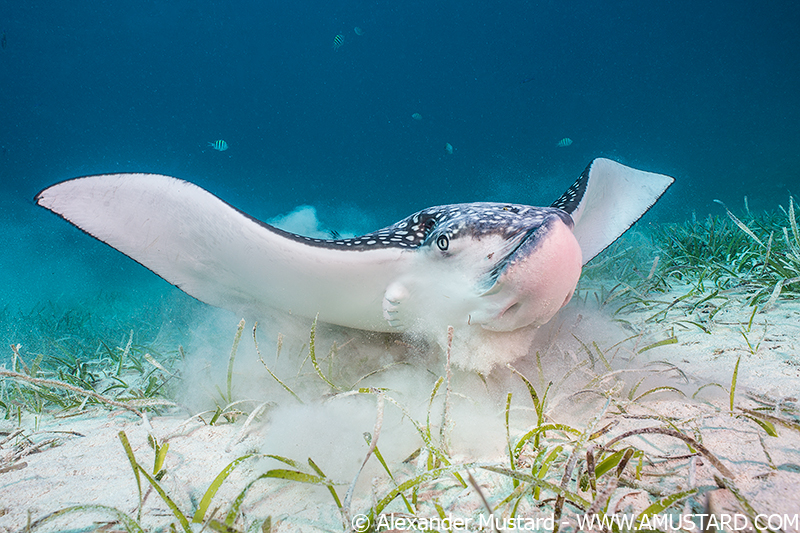
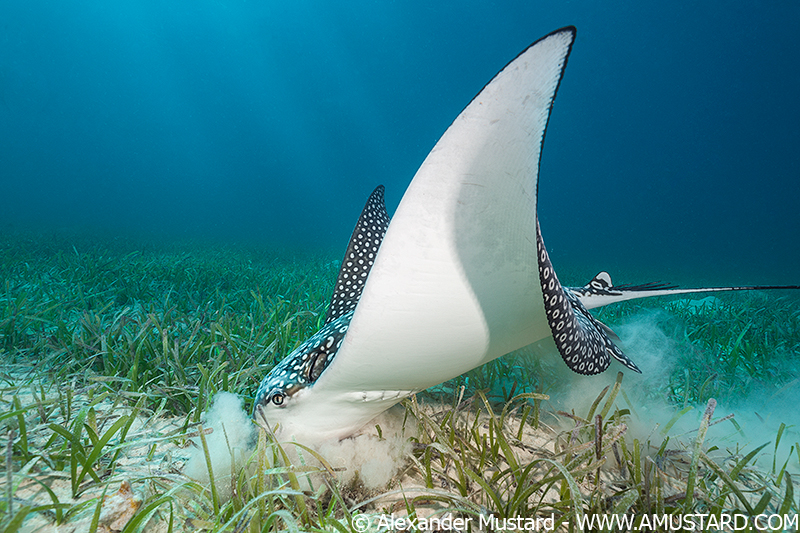
    Eagle Ray Nose Dive (f/14):

    post-713-0-72135200-1422700761_thumb.jpg


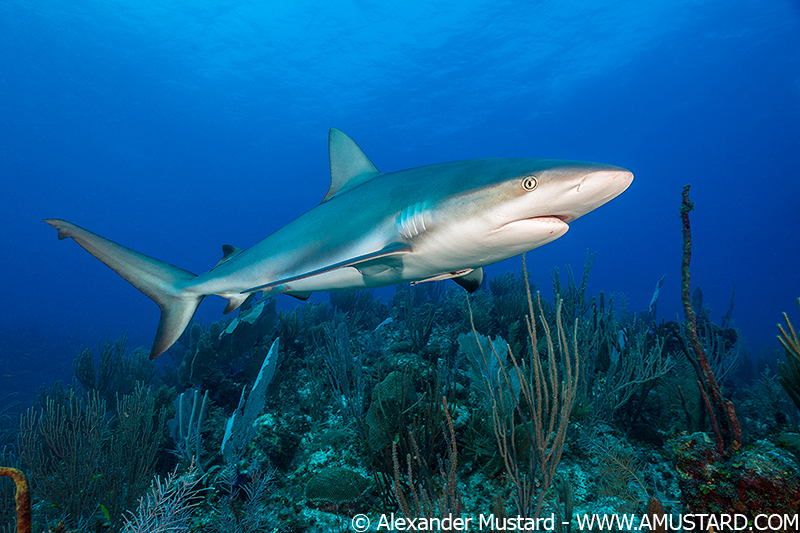
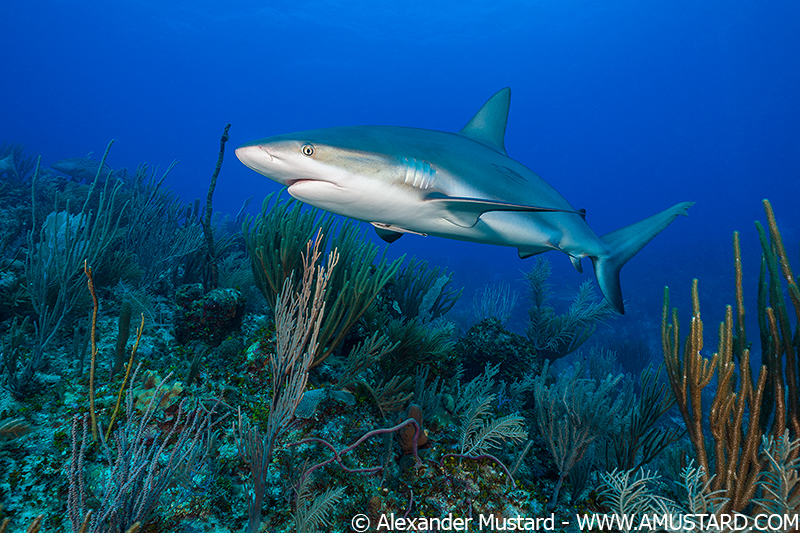
    Reef Shark (f/10):

    post-713-0-13627100-1422700682_thumb.jpg


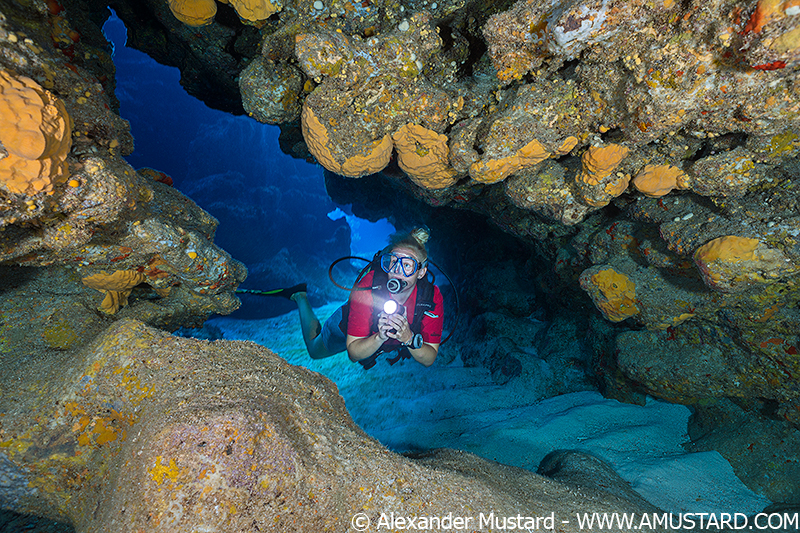
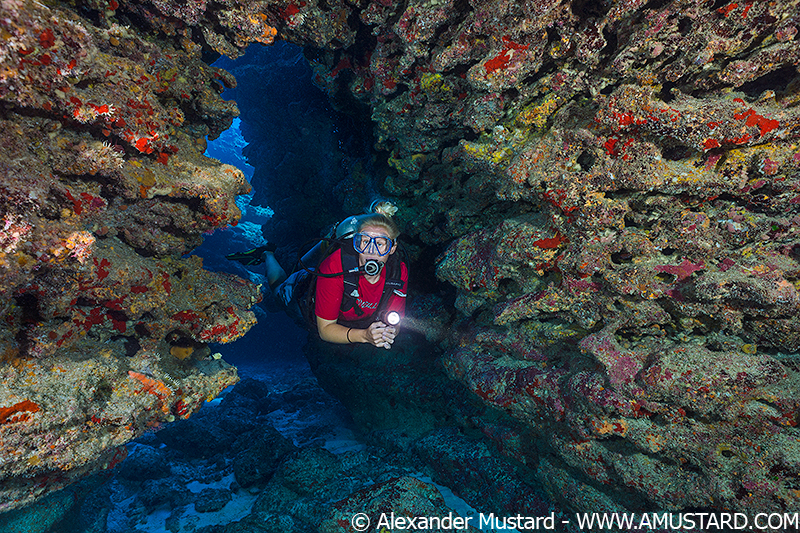
    Diver Exploring Reef (f/9):

    post-713-0-75904500-1422700695_thumb.jpg


    It is particularly suited for people photography.


    Alex

  3. Here are some more photos taken with the port in Grand Cayman:


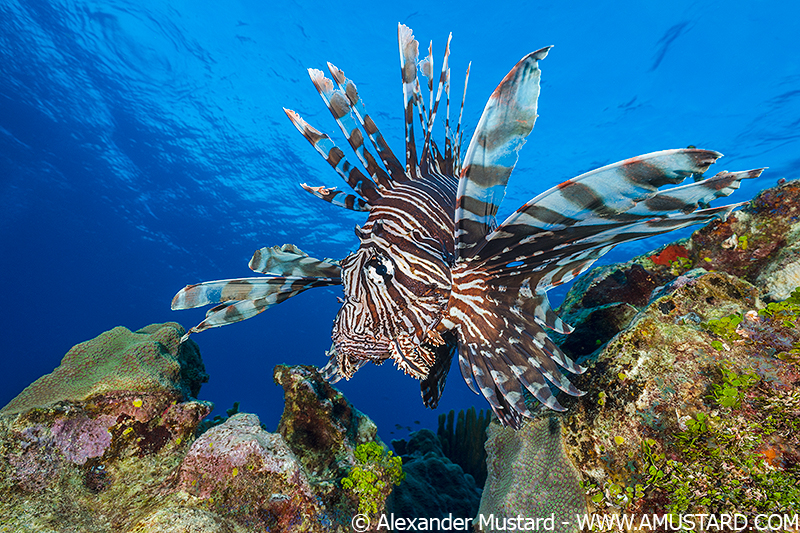
    Lionfish:

    post-713-0-36032700-1422701078_thumb.jpg


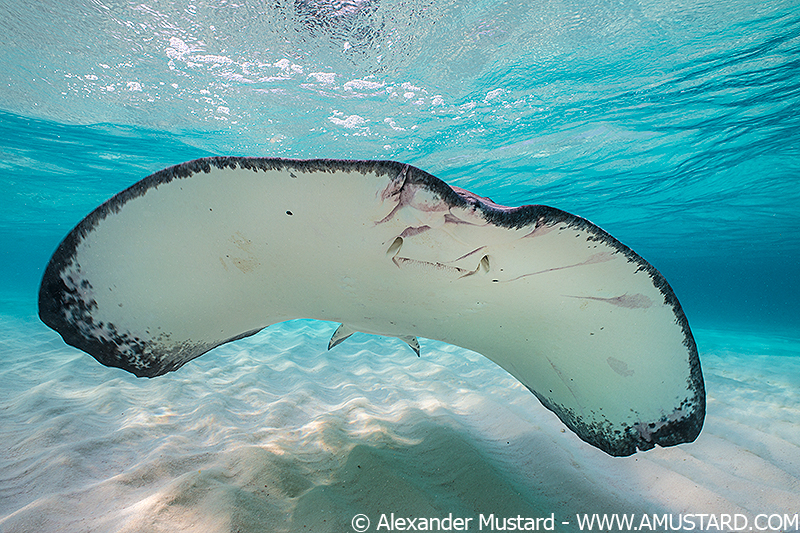
    Stingray:

    post-713-0-02320800-1422701101_thumb.jpg


    Eagleray:

    post-713-0-48597500-1422701129_thumb.jpg


    Reef Shark:

    post-713-0-99673100-1422701168_thumb.jpg


    Diver:

    post-713-0-20588900-1422701192_thumb.jpg


    Alex


  4. Photos look ultra sharp and clear.


    Maybe impossible - but two similar cameras with the same lens but one with and without the corrector port to really show the differences?


    If I'm honest I have no idea what is going on!! So you saying if this sort of thing works, the days of domes are over?

  5. If I'm honest I have no idea what is going on!! So you saying if this sort of thing works, the days of domes are over?


    No. Because this solution cannot be used with fisheyes. Can’t be used for split level images. And will always be more expensive to produce than a dome. Furthermore it is a solution that gives you very good optical performance, compared with good (for a dome). And good is perfectly good most of the time.


    But I do hope my experiments generate interest in this solution - if a manufacturer committed to mass production then a reasonable price could be achieved. I think if it was 2-3x the cost of a dome, there would be a lot of interest from serious shooters to sell 2-500 globally. But I think anyone who wants to shift those units needs to make adaptors for all housings, rather than making it brand specific.


    Alex

  6. Thanks for the explanation of the components Alex - I studied the housing photos you posted earlier but wasn't able to spot the difference. I am very interested in something similar with my rig based on those results you are posting. I currently shoot the Canon 14mm full frame in the caves behind an 8" dome and rarely dip below f8 because the rocks go all fuzzy around the edges. Even at f8 or f9, close up rocks give an irritatingly fuzzy foreground. A bigger dome is not feasible as it may not fit through the restrictions. Your setup would solve that problem very nicely.


    The 14mm lens doesn't however take a filter as the front element is not flat - would it still work? Maybe with a little duct tape on top of the blu-tac...

  7. For me this is an awesome development particularly for my pool work where I often tend to frame and crop pretty tightly.

  8. I am continuing to use this port on all my shoots and these give the opportunity to use it in more varied conditions and exploit its advantages.


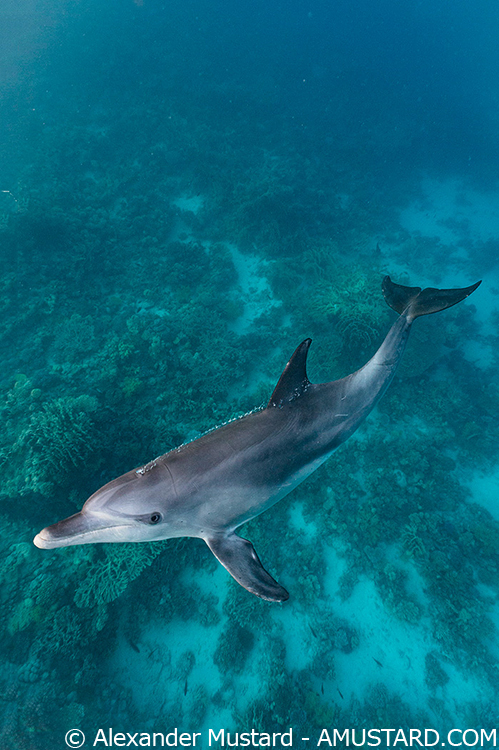
    Here is a shot from the Red Sea. The dolphin encounter was very late in the evening - and shooting without strobes it was a big advantage to be able to shoot at f/4.5 with a rectilinear lens on a full frame camera and still achieve good corner sharpness.


    post-713-0-30279100-1436267098_thumb.jpg


    This was taken at ISO 2000, f/4.5, 1/320th. A fast shutter speed is essential to keep fast moving dolphins sharp. Although I would have preferred to be shooting at about 1/500th, the very low light levels meant compromising a bit. It was therefore beneficial to be able to shoot with an open aperture to maintain corners.


    Alex

  9. Thanks for all this information. Your shots are amazing as always. Have you heard anything indicating a manufacturer is moving to produce these or is this just to tease us? :)

  10. Definitely interest in the concept from major UW manufacturers. Whether they will become a production reality will be confirmed before/at DEMA for sure.


    Alex

  11. Alex,


    Sorry for the greatly delayed reply about the Rebikoff Mini Correctors for stereo cameras. Ada Rebikoff assisted me in purchasing them from old stock, as Dimitri was no longer capable.


    Mark

  12. Definitely interest in the concept from major UW manufacturers. Whether they will become a production reality will be confirmed before/at DEMA for sure.


    Alex

    Alex,


    Please post who will be making this port. I want to visit them at DEMA and purchase it


    Elmer

  13. Hi Elmer,


    As soon as news is public I will post it here. They are not my secrets to share. Although I have been communicating my test results freely - as this is not a commercial project for me - and I am keen to share what I have been learning.


    Alex

  14. I'm not going to DEMA so would be mailordering my one :) Looking forward to commercialisation.

  15. Another use I have been exploring is informal panoramas. Taken without planning or tripod etc. Simply when faced with a scene to big to shoot, just taking a series of 4+ images and throwing them at the new Pana tool in LR.


    The latest LR is much improved in making panoramas, and outputs a new RAW file (DNG), which is very nice. It even works very well with Fisheye shots - but only with large overlaps between the frames - as most of the fisheye frame is actually discarded by the program.


    Using a rectilinear is much more forgiving as much more of the frame can be used (with no corner issues to cause problems). So even when you are a bit sloppy with overlaps, it tends to work really well. I think this is a particularly valuable use of the corrector port.


    This one was 7 verticals - this is just cropped and straight from LR. It needs a few tweaks to Photoshop to be honest (there are some repeated fish!) - but as a 8 click solution (7 underwater and then one click in the software in LR). I think this is a really nice and super easy:


    post-713-0-83706100-1436520171_thumb.jpg


    The original images here were shot with 20mm at f/10.


    I did some really extensive ones with up to 58 frames shot - but I have not had time to build them up, yet.


    Alex

    Edited by Alex_Mustard
  16. Hi Alex,


    I am going to DEMA this wk. Will this configuration be shown???? If so at which booth.


    Elmer

  17. Shame, that a technology existing 20+ years and no meaningful products are around. I can't name any manufacturer, who designs & sell afocal wide converters for FF. Just carry your 3kg heavly big dome while flying...

  18. BTW, I'd also be interested, how the Gates Fathom ports perform if hooked up on a photo gear. The SWP44C has 120°FOV ("little" pricey though at 5k$ - however it really delivers. I don't see a point wasting 6k$

    on a FF camera+housing, if I loose all the details on the image borders)

    Edited by tamas970
  19. I take it that there was no corrector a presented at dema?

  20. I don't think anyone presented what they are working on at DEMA. I was not there.


    To make a general point, the main advantage of any water corrected optics (either a corrector port or old Nikonos lenses) is that they improve image quality in the corners of the frame. They don't really make any big difference to centre-frame subject sharpness - despite what people who have spent lots of money on converting their old RS lenses will tell you! At small apertures you can be hard pressed to spot a difference with a good dome port setup.


    That said, at wider apertures the improved image quality can be staggering. In bright conditions I find that I regularly have to shoot with the aperture closed anyway, so the advantages of the Corrector Port (and my RS 13mm) is really small in practice. However, find yourself somewhere darker or with more distance subjects and it is a great advantage. The best trip I have done with the Corrector Port (and RS 13mm) was to Southern California and Guadalupe - where being able to shoot more open paid me back on dive after dive. It was quite funning shooting at Guadalupe without ever using a dome port. However, for my subsequent trip, both stayed at home and I preferred 10-17mm DX camera and dome.


    I can't share photos from these trips - as they were for my new book. But I can share a video of the corrector port in action beneath the rigs off LA>


    Alex

Backscatter

Account

Navigation

Search

Search

Configure browser push notifications

Chrome (Android)
  1. Tap the lock icon next to the address bar.
  2. Tap Permissions → Notifications.
  3. Adjust your preference.
Chrome (Desktop)
  1. Click the padlock icon in the address bar.
  2. Select Site settings.
  3. Find Notifications and adjust your preference.