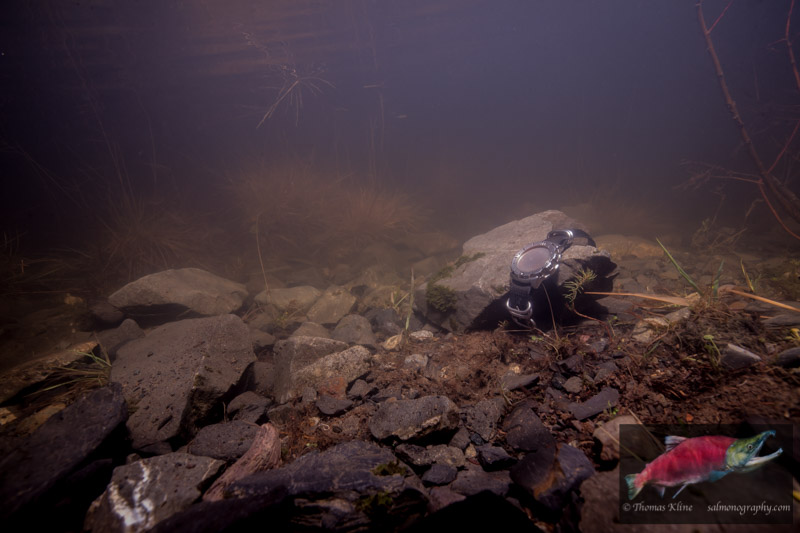
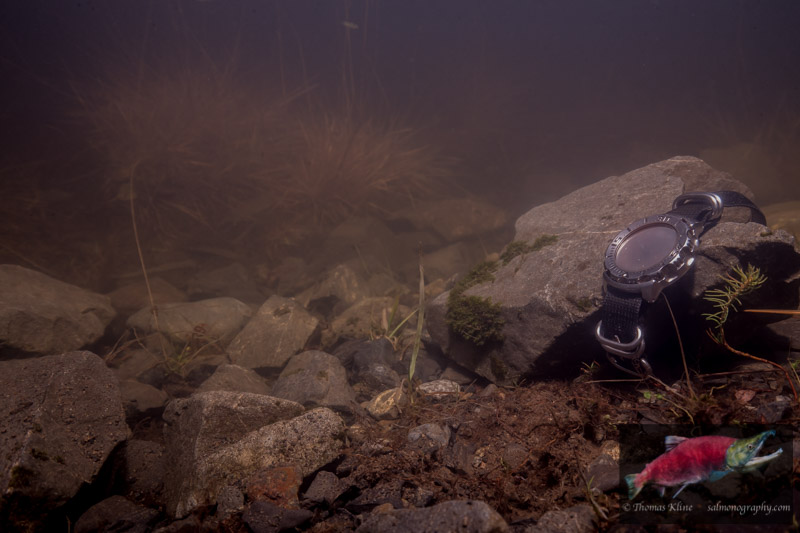
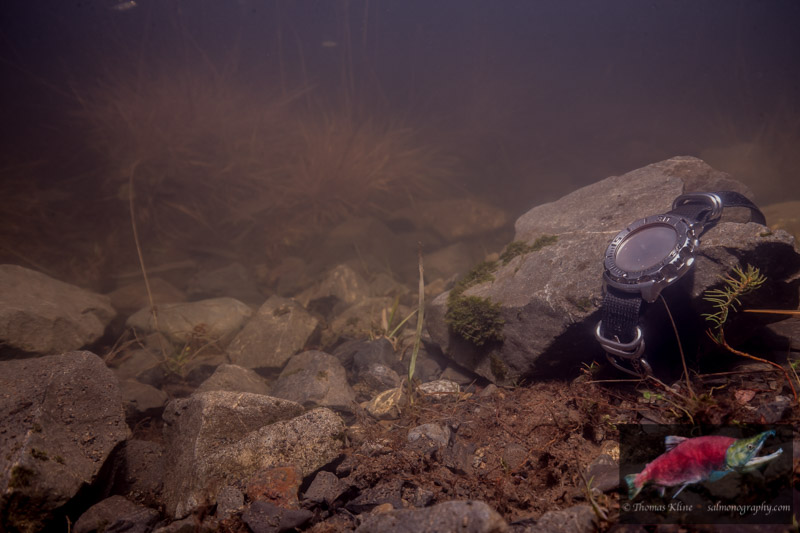
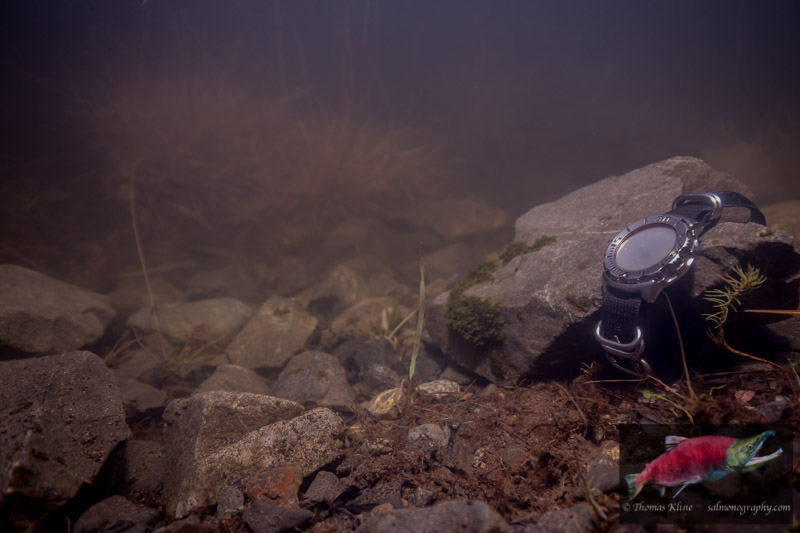
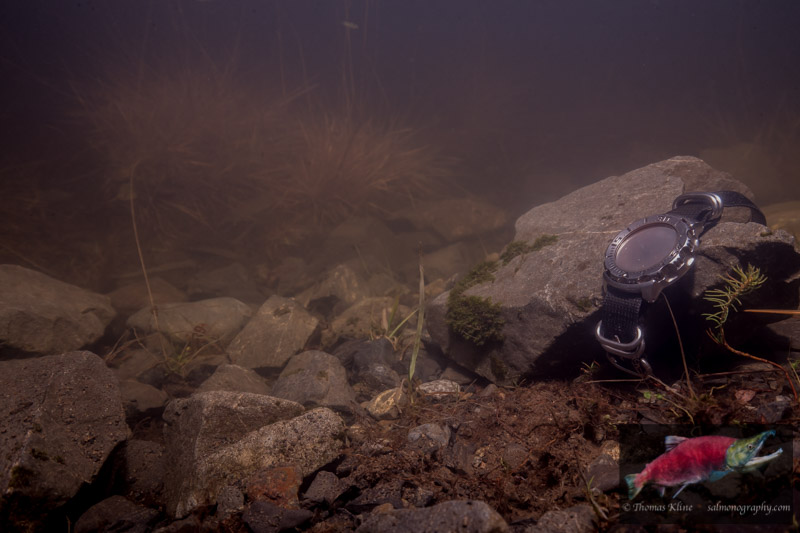
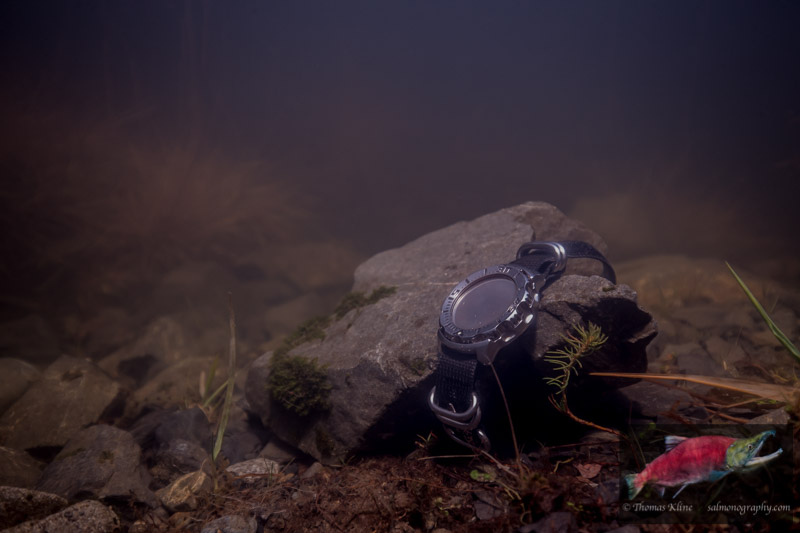
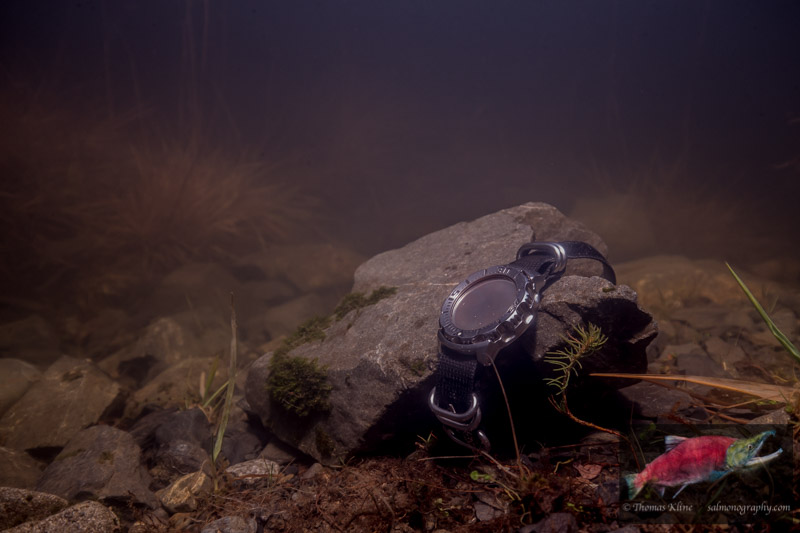
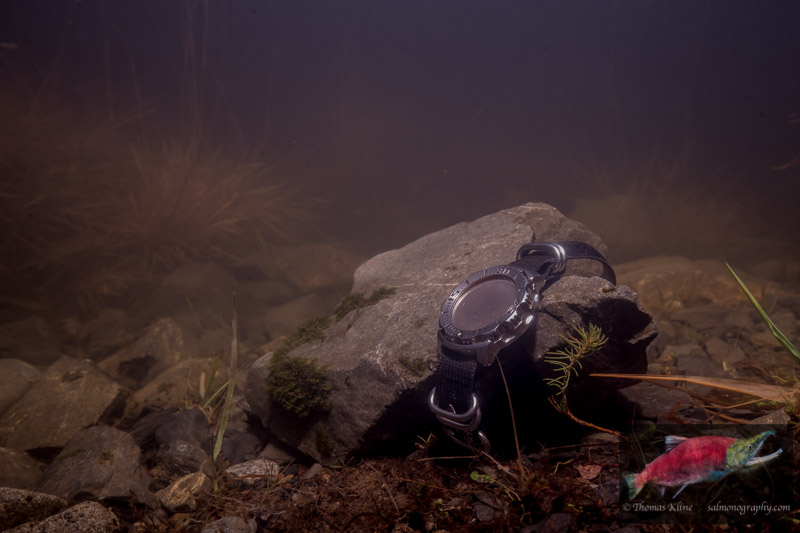
Finally I had the opportunity to test the filter in a pool, in a more controlled situation. I also tried the Canon 16-35mm F4 IS, IMHO a better corner performer than the 17-40mm I was using in my previous tests. I have tried different combinations (230mm glass dome port and Sea&Sea Fisheye "acrylic" port) and I got slightly better results with the 230mm glass dome.
The improvement is near the claimed 2 stops, which is very good news. At F8 the corners are very good and at F11 they are perfect.
The 16-35 IS is known to be a much better corner performer than the 17-40 at the wide end for topside use so not surprising under water. I have now standardized on f/11 for most of my underwater photography with wide angle lenses as I have found this to be best; mostly done with the 8-15mm lens at 15mm. I have shot at larger apertures in 1/3 stop increments - did quite a few at f/9 but lately I prefer f/11. I vary the ISO and flash power to work with f/11. This has meant using fairly high ISO when shooting in Alaska. In 2015, frequently at ISO 12,800.
One thing to consider is that the shape of the virtual image varies with object distance. It is only spherical in shape when the lens is focused under water at apparent infinity. That means our results should vary somewhat unless we all focus at the same distance. I was shooting very close - at around a half meter; the eggs on the bottom may have been slightly closer. The apparent correction provided by the ICL may be different for a distant subject.
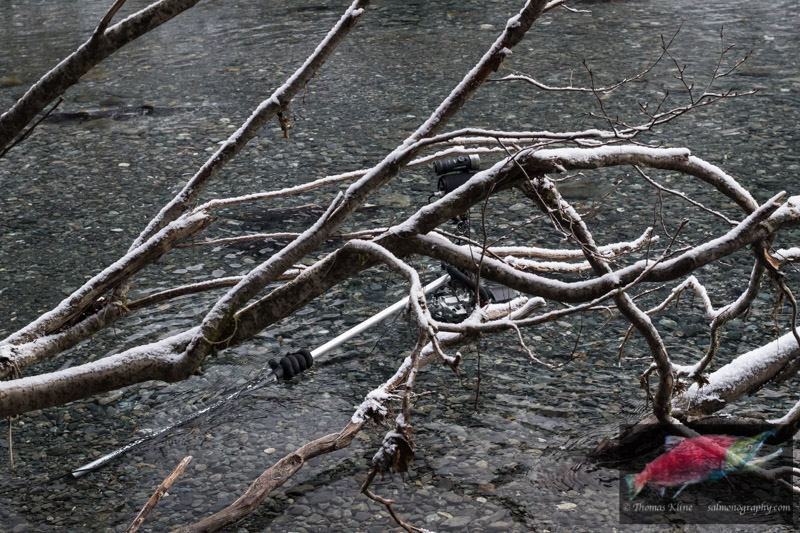
I have a attached a shot to better explain how I took the shot I posted above. The housing is on the bottom of the stream. The upper lens shade of the superdome is out of the water. The length of the camera pole is about 1.5m - a now destroyed (for other use) monopod. There are two pairs of salmon on the left side of the pic. One pair with dorsal fins poking out. Another pair can be seen through the branches near the housing. These may have been two of the males fighting over the female that I was attempting to shoot.
Tom