-
Full disclosure. Haven't used the Sony system, but shoot full frame Nikon. Should be the "same" though. It will be much better optically inme than any wide rectilinear that comes close to its FoV behind a domeport on full frame. It is very easy to install/remove a wwl under water. Nothing I recommend, but I have even held the wwl in hand and shot with the flat port on occasion, get some kind of holder if you see yourself in that situation often. Good luck!

-
Thanks for your efforts Wolfgang. Interesting read! You can see that there are some degradation made by the TC:s to the fisheye zoom, so they have a little worse starting point than a "clean" lens. But very little it looks like. And then you'd be putting everything behind a dome (be it glass, acrylic or a correction port) and then we go into the water which seldom is gin clear (a FE will get you a little closer and that inme will have a greater effect on sharpness and contrast than a "perfect" lens that is narrower). Cheers.
-
Välkommem!
-
Saw that yeah, and not really the real world, no 🙂 In that test it looked like the Sea & Sea was surprisingly weak. The old, smaller Inon 330:s with 4xAA:s looked brighter 🤔
-
Has anyone shot this strobe in the real world?

-
WACP-C with the z24-50 will work better for snorkeling—same coverage and zoom through, but dry mount—no burp. More expensive but not ridiculous like the Nautican Fisheye lens.
-
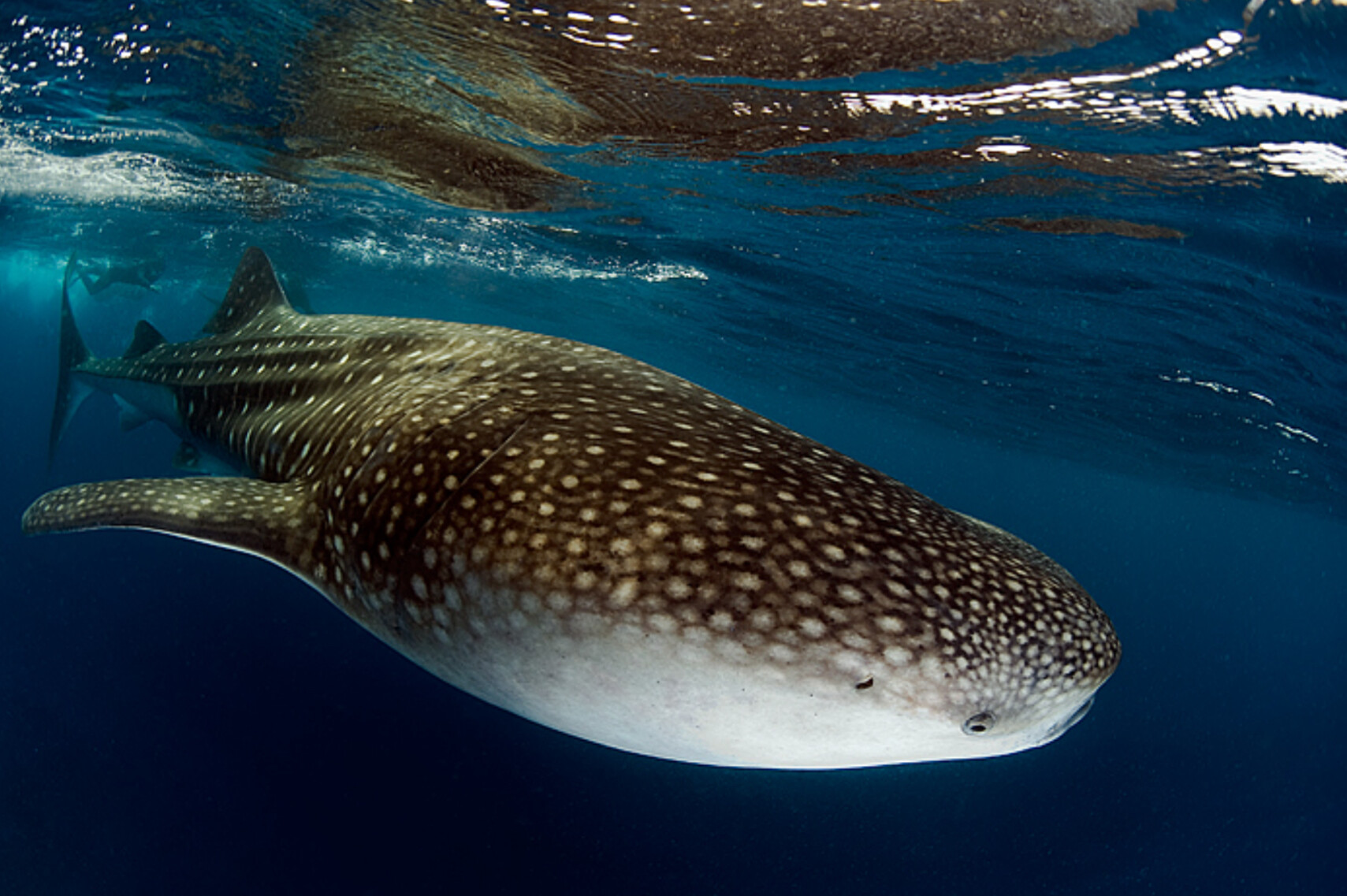
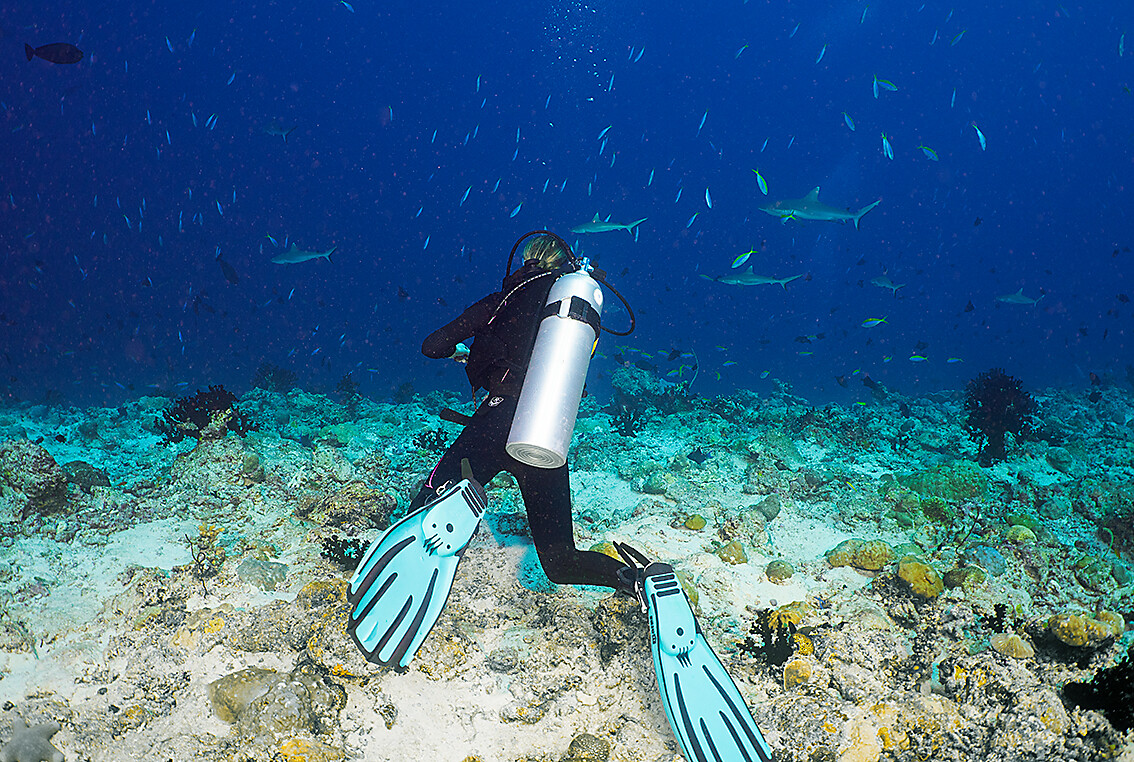
For the Maldives, the 70-130 degree WACP is optimal in most places. As you experienced, reef sharks are plentiful but do not get close enough… it is what it is. So a either crop or frame tighter. The 180 degree inmo would be for the whalesharks (which you likely won’t encounter in Rasdoo, but perhaps in S Ari —with a lot of snorkelers) and perhaps manta rays. Reef wiews… not that impressive. Good luck in the Maldives! Maldives Shark-TV wwl @130 degrres Dfov Maldives mantas 180 degree FE
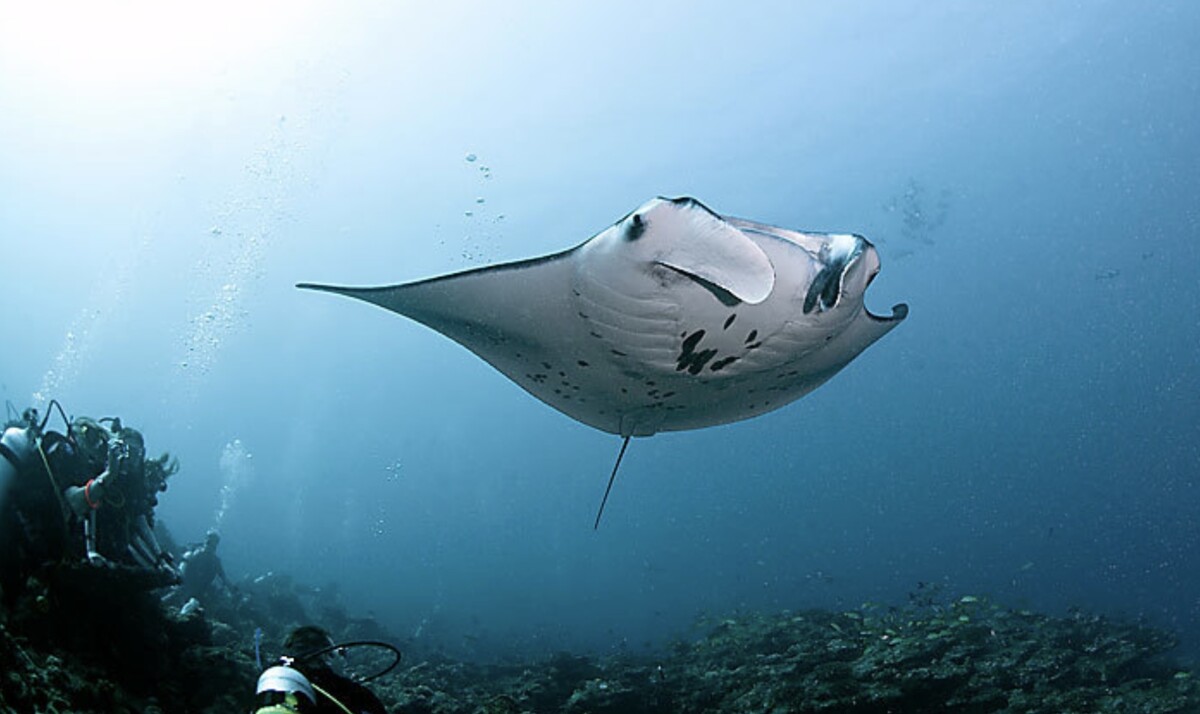
-
Yep, carry on weight won’t allow anything complete but some sort of compact p&s system. So for any a little more serious system, stuff has to be checked. Good luck with your trip. The wwl (wacp) is the right choice for the Maldives inmo. Are you on a liveaboard?
-
I can tell you’re on that slope. Slippery it is. But oh so fun to go down. Cheers!
-
Little late for the OP. Anyways I was in the neighborhood about the same time, went on the Voyager in March (Sharktastic route) and exclusively used a Nauticam WWL-C for a fullframe Nikon camera. That was a good alternative, a little less wide than the Tokina 10-17 on APS-C but full zoom through with a 24-50 lens.

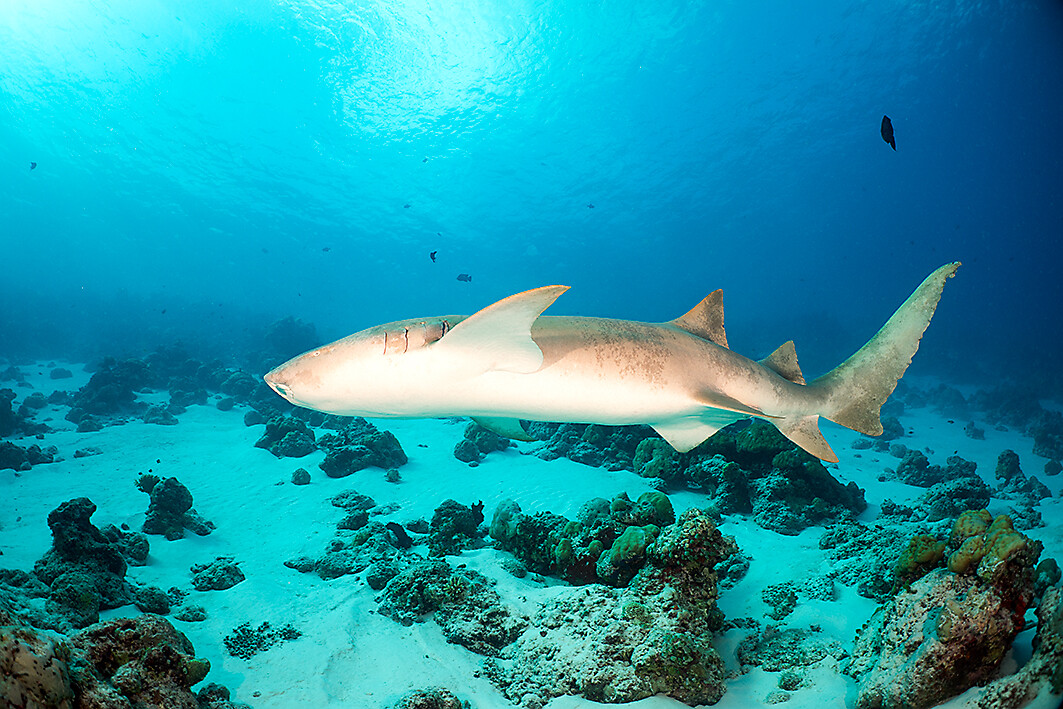
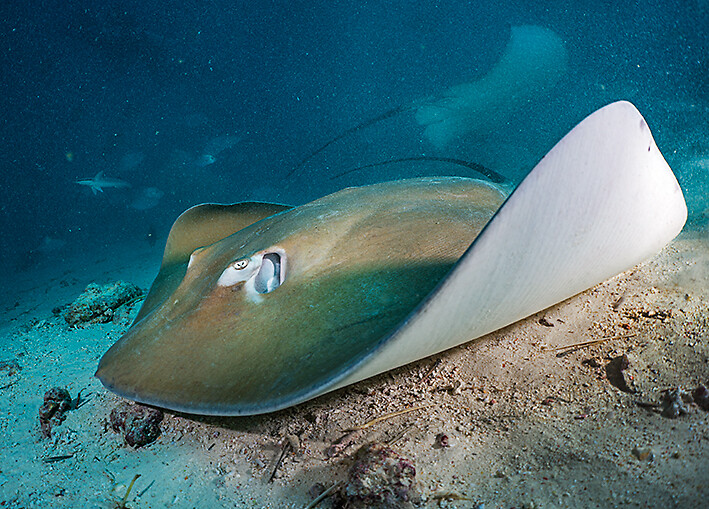
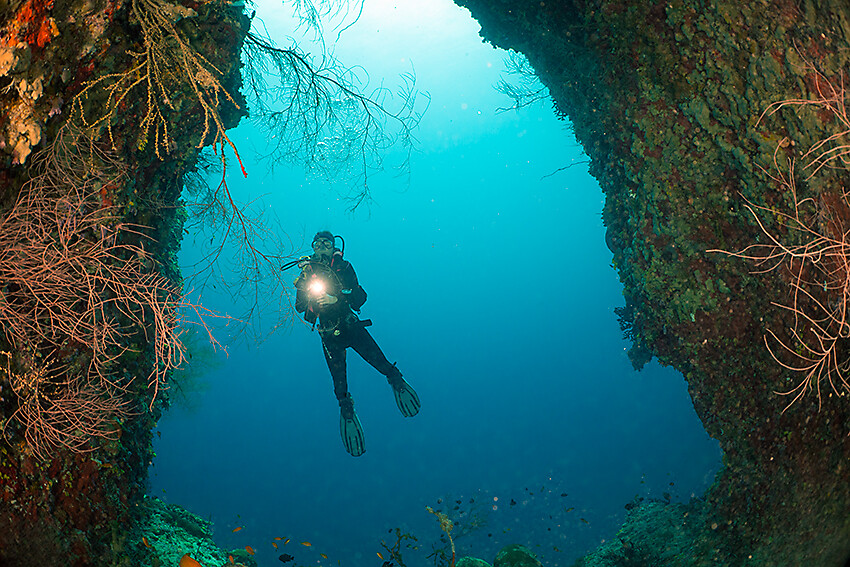
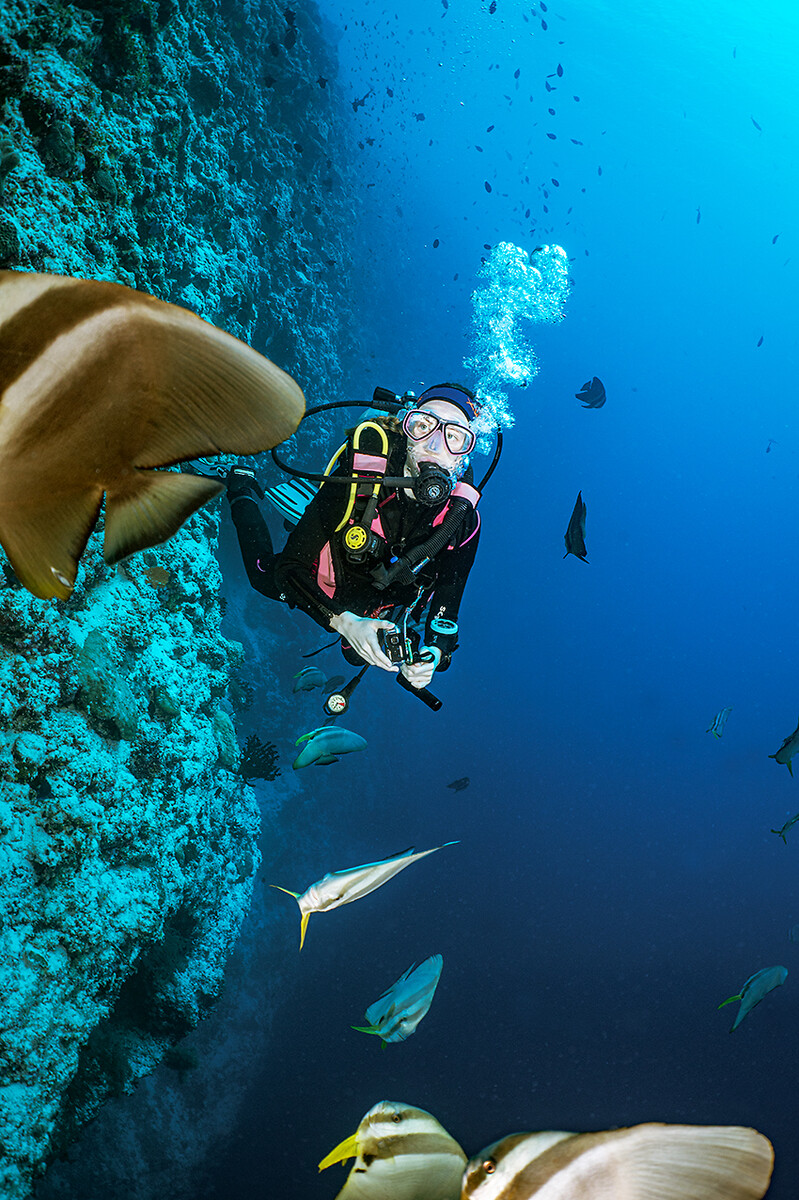
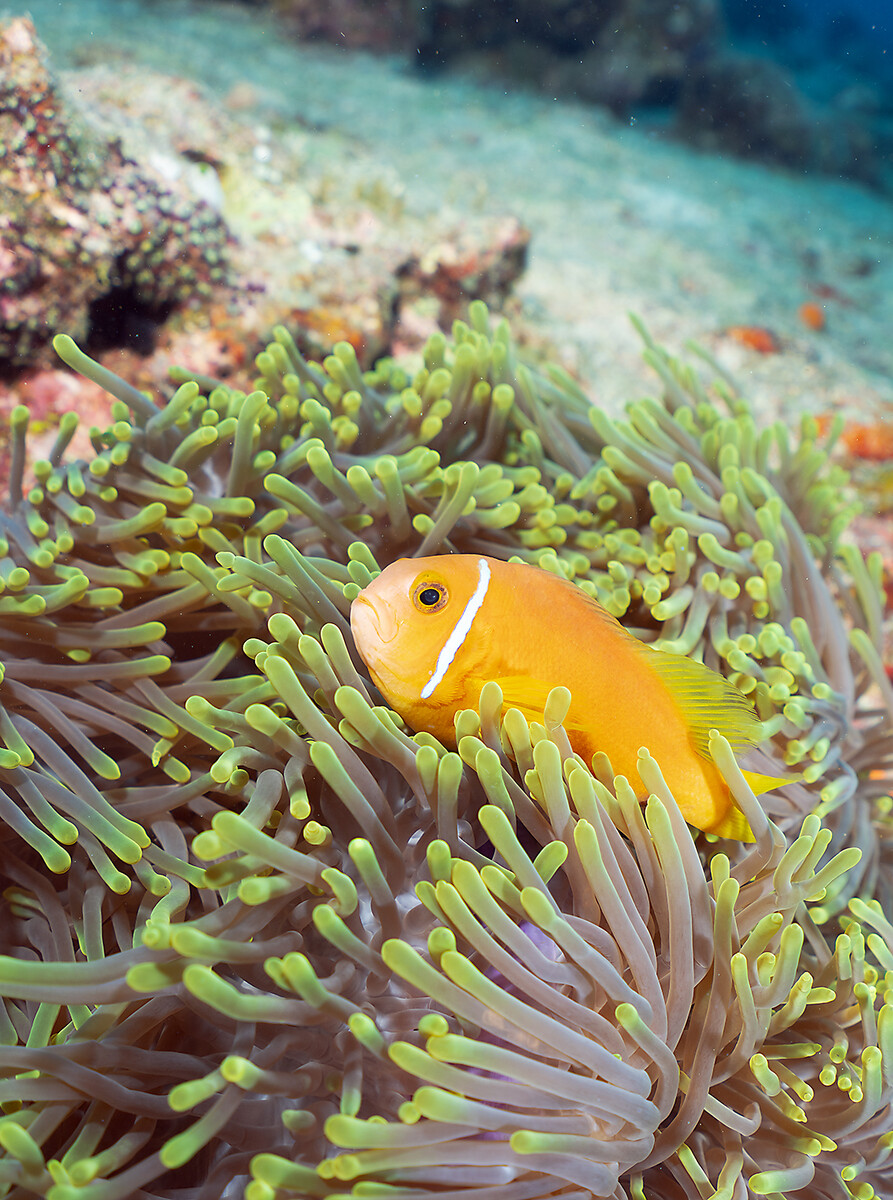
-
Have been in similar situations many times and will be again in a few months. Since my base is in Scandinavia, it means shifting a lot of planes to get to somewhere. Going to Indonesia ie, as I will be soon, means a combination of airlines with different rules. So doing research is key and what I have figured out, is that Batik Air allow free dive dive equipment one their Indonesian flights. On a normal economy ticket –– you can bring 15 kgs on top of normal 20 kgs checked in, so 35 kgs without paying extra. Must be packed separately tho... Then 7 kgs carry on. And personal item. So the Thai International to Jakarta from Stockholm will actually be the bottle neck, not the domestic Indo, with one 23 kgs check in and 7 kgs carry on plus personal item. Luckily I have my whole family with me this time, so we'll have one 23 kgs check-in with dive equipment that later will be a "free" bag on Batik with dive equipment for two, then three 23 kgs of clothes, dive and photo equipment as included in our total of 80 kgs checked. 7x4 kgs carry on of photo equipment and stuff. And personal item. This is the idea, anyway.
-
The z24-50 + wwl-c is a serious little combo that can produce very sharp and contrasty images. Slightly curved at the wide end, but sharp all over. If you want something that is better for shooting the moment you hit the water—wacp-c that is dry mount. Little bent @24 —130 degrees diagonal FoV
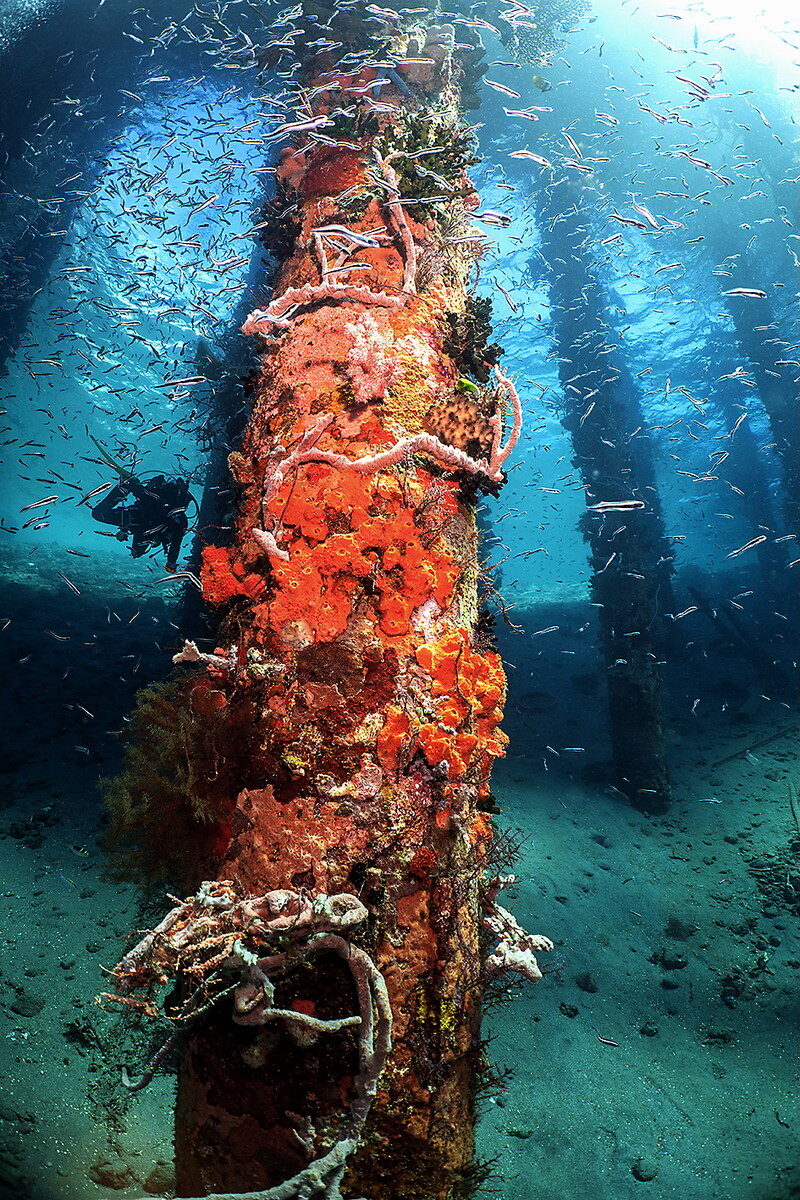

-
The weight is the limit. 7 or 8 kgs is now the norm on almost all economy flights. They might not check it at check-in, but quite often, they will. It doesn’t matter if you look ”suspicious” or not. So my advice for anyone traveling with UW camera gear a few times a year: develop a different strategy that does not depend on luck and instead involve checking most things and only carry on essentials to at least be able to shoot something in a lost case scenario.

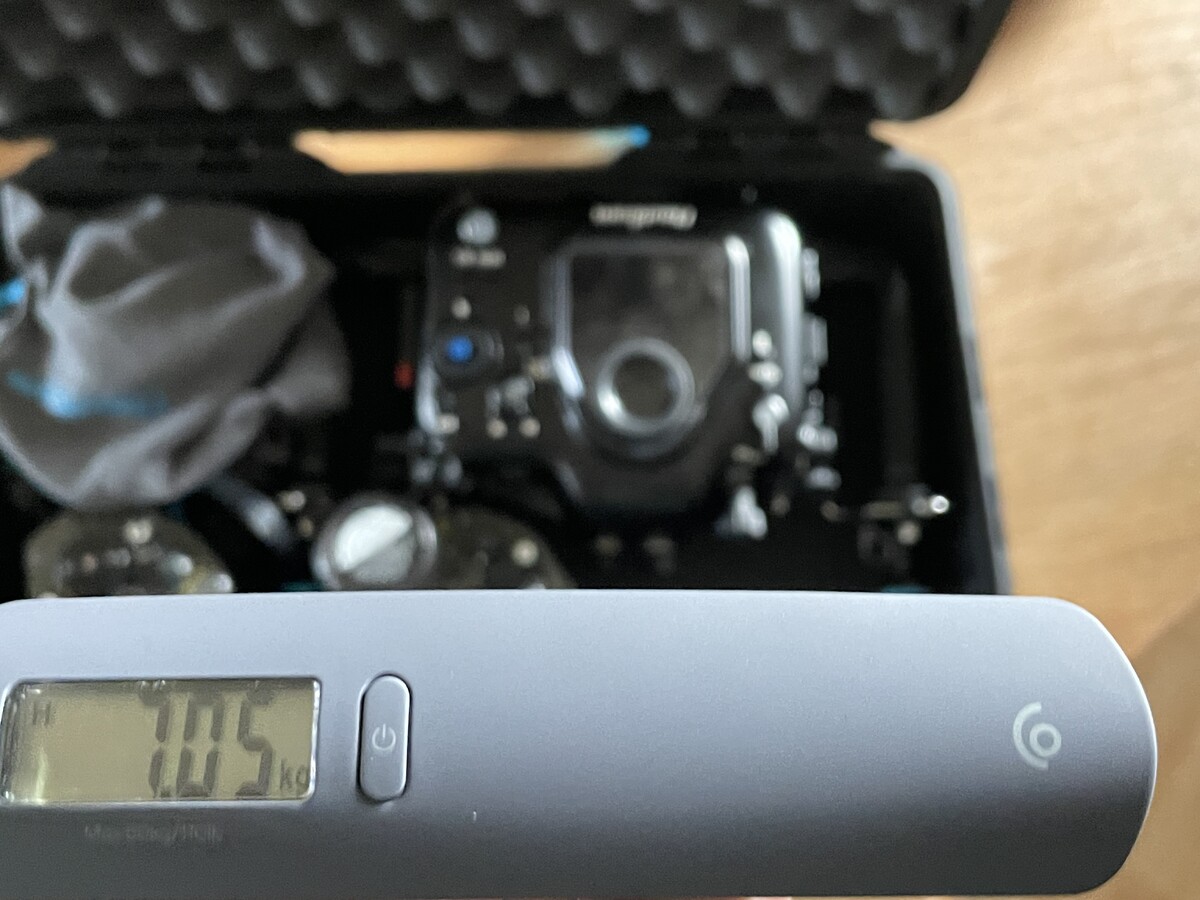
-
I was thinking about the Seacam too, for 16-35 for sharp rectlinear FF, without having to schlep on a big*ss dome. But I know little about its compatible lenses… So only Nikon, huh. Peculiar. For semi-fish, Nauticam and a WACP or WWL with a 28-60 for SONY would be the no-brainer inmo.
-
That went overboard quickly 🤣 You might want the bigger dome with a wide rectilinear like the 16-35, unless only the center of the image needs to be sharp, which tbh in many cases is usable. Nauticam recommends the 230 mm glass-dome.