Everything posted by jyuny1
-
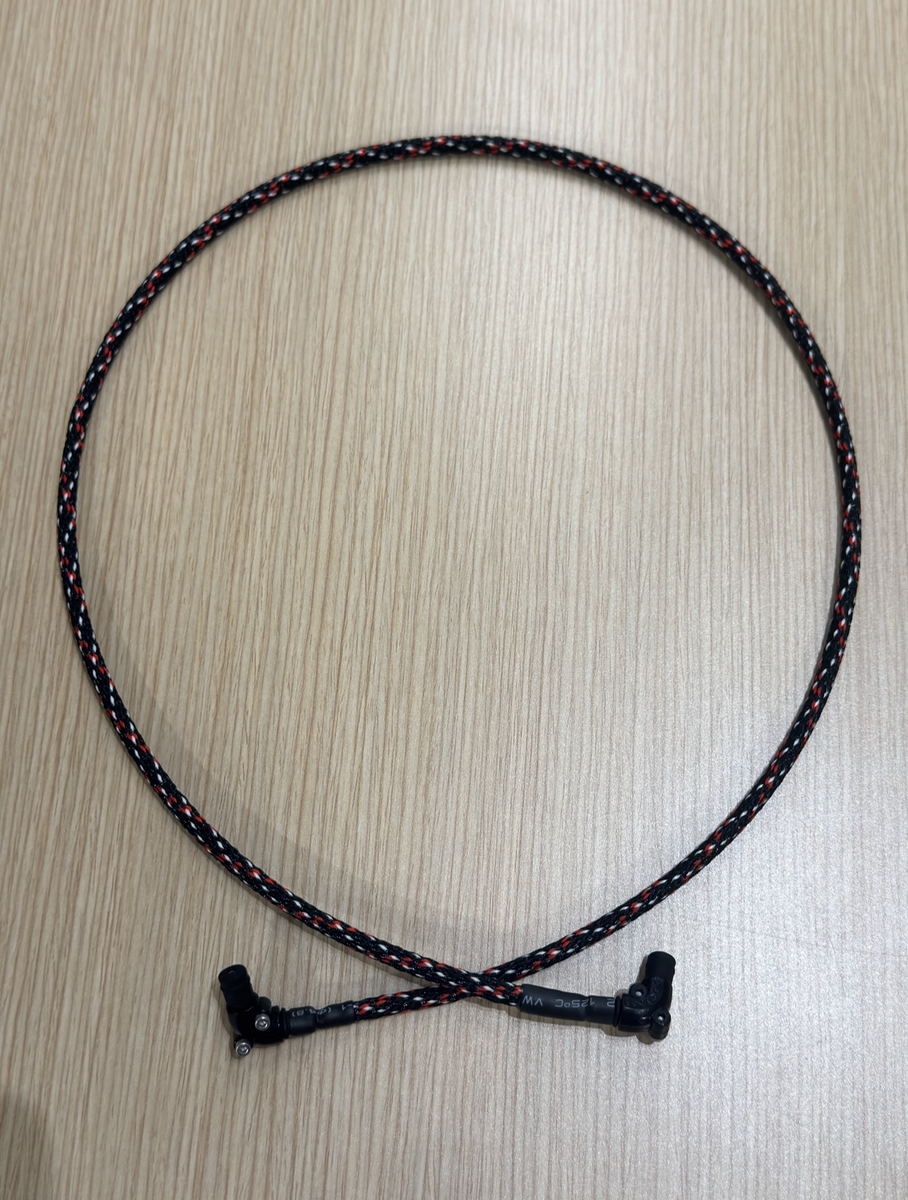
haha sure. It’s something like this
-
I recently build a customized fiber optical cable for myself. IMG_4902.mov
-
Just an update on my progress: I ultimately went with the UWTechnics 11032-HSS. I tested it today using the Retra profile (set to 7) with the Retra Pro Max, and M mode, TTL, and HSS all worked properly. I also did not encounter any black bands caused by flash-sync timing issues with the camera. Anyone having the same issue as me should consider upgrading to a better trigger.
-
Thanks Dave, I will take a look!
-
The PCB layout looks exactly the same as mine, but apparently my trigger still doesn’t work properly at 1/200s. I’m planning to get a UWTechnics 11032-HSS as a replacement trigger, and I’ll report back once I’ve had a chance to test it.
-
Hi Dave, Thanks for your reply. The black band always appears on the first shot. I also tested continuous shooting at 3 fps for about 10 frames at low strobe power. The first frame showed the black band, while the following frames were normal. When I started another sequence, the black band appeared again on the 11th frame. So it seems like the trigger may not actually be “learning” the pattern, but rather that something different happens on the first trigger after a pause. I only noticed this issue recently. I normally shoot at 1/200s when using a snoot, while for colored-background shots I usually use shutter speeds slower than 1/200s. I only came across this problem when I started experimenting with a new shooting style. And now I am looking for a better trigger
-
Hi everyone, I’m troubleshooting a repeatable sync issue with: Nikon Z8 Nauticam NA-Z8 Factory Nauticam optical trigger PCB marking: NA446-01-161-1-A / 2022-09 Retra Flash Pro Max in M mode At 1/160s, everything is normal. At 1/200s, the first shot can show a dark sync band, but the next shots are normal. For example, three consecutive NEF files at 1/200s, f/11, ISO 64: Shot 1: sync band Shot 2: normal Shot 3: normal The shots were about 0.8 seconds apart. I also did a few cross-tests: Replacing the Nauticam trigger batteries made no difference. The same Z8 + Nauticam trigger works normally at 1/200s with an MF-2(learning function disabled). The Retra Pro Max also works normally at 1/200s when triggered optically through the fiber by a Godox flash. So the issue seems specific to the Nauticam trigger + Retra combination, and the fact that only the first shot is affected makes me suspect some state-dependent trigger timing behavior. I previously had another compatibility issue with this same Nauticam trigger and an MF-2, where the MF-2 learning behavior interfered with Manual triggering. I also found the previous WaterPixels discussion mentioning a modified Nauticam trigger with PreFlash Learning disabled. Has anyone seen similar first-shot behavior with the Z8 / Nauticam trigger? And if anyone has the modified “PreFlash Learning disabled” trigger, could you check the PCB revision and see whether it is also NA446-01-161-1-A or a different version? Thanks.
-
-
-
-
-
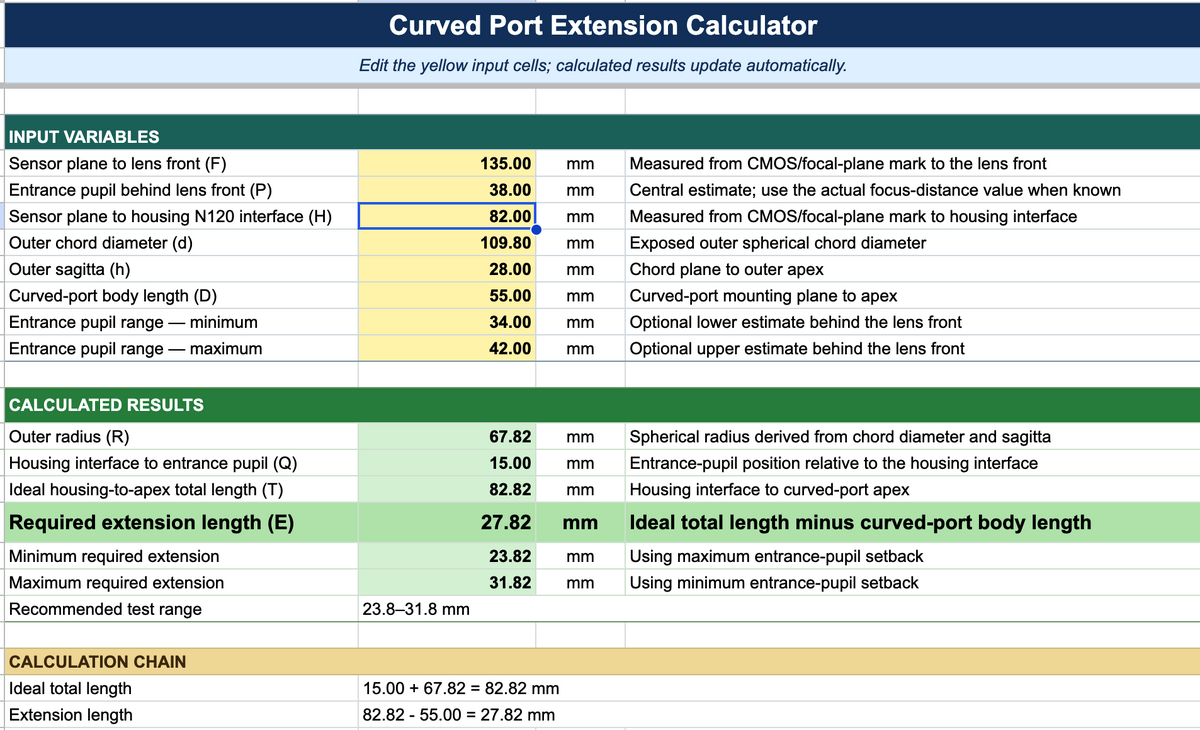
oh my bad, it should be 82mm! according to the calculator, the final result is 27.82mm I will try 25mm and 30mm and have a feedback! thanks @Isaac Szabo
-
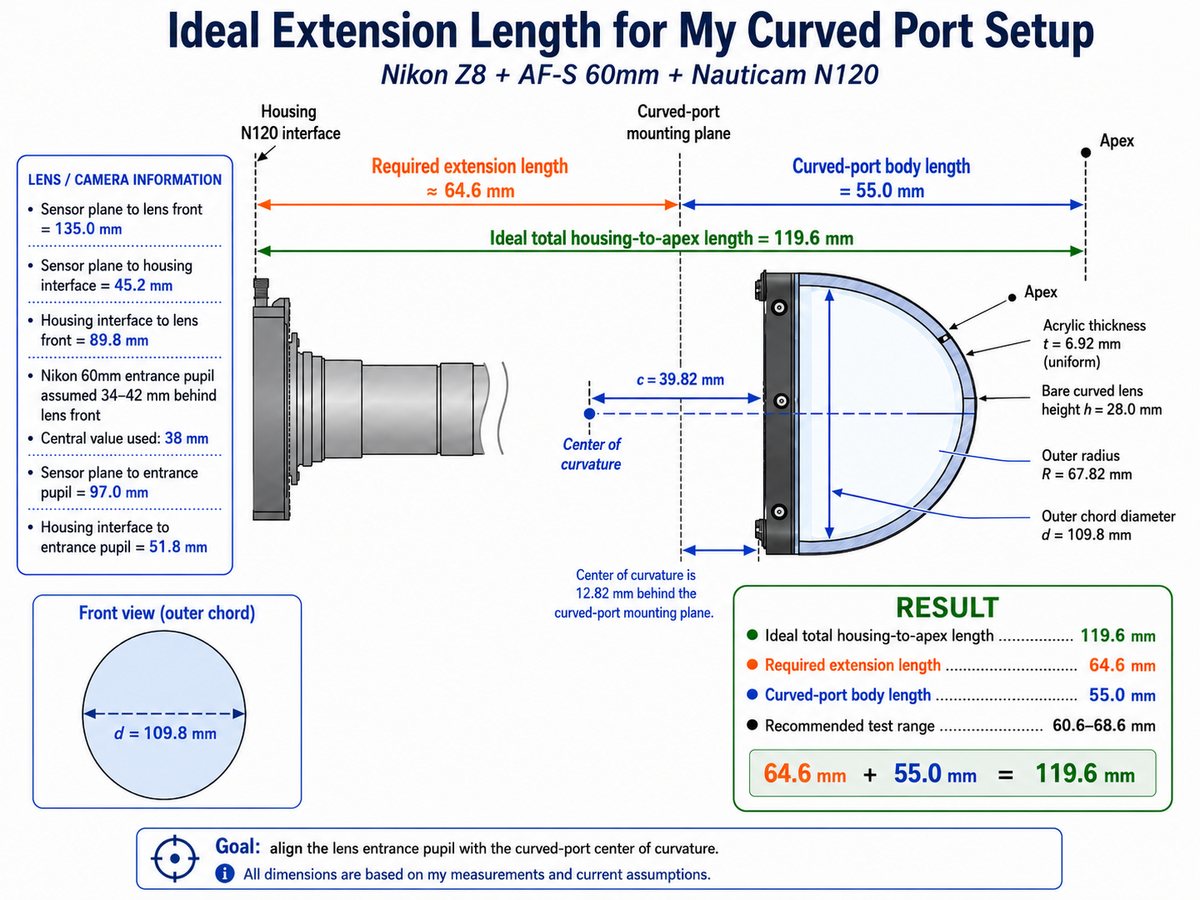
Hi @Dave_Hicks and @Isaac Szabo , I took the relevant measurements and used GPT-5.6 to calculate the estimated extension length. The dimensions and calculation results are shown in the figure below. I estimated the required extension length by aligning the center of curvature of the curved port with the entrance pupil of the Nikon 60 mm lens. The distance from the Z8 sensor plane to the front of the lens is approximately 135 mm. The entrance pupil of the Nikon 60 mm has been measured at approximately 34–42 mm behind the front of the lens, so I used the central value of 38 mm: Sensor plane to entrance pupil: 135 − 38 = 97.0 mm The distance from the sensor plane to the Nauticam N120 housing interface is approximately 45.2 mm: Housing interface to entrance pupil: 97.0 − 45.2 = 51.8 mm For the curved port, the measured outer chord diameter is 109.8 mm, and the sagitta is 28.0 mm. Assuming a spherical surface, these dimensions give an outer radius of curvature of approximately 67.82 mm. The center of curvature is therefore: 67.82 − 28.0 = 39.82 mm behind the chord plane The complete curved-port assembly is 55 mm deep, while the exposed curved acrylic section is 28 mm high. Therefore, the chord plane is: 55 − 28 = 27 mm in front of the curved-port mounting plane This places the center of curvature: 39.82 − 27 = 12.82 mm behind the curved-port mounting plane To align this center of curvature with the entrance pupil, the required extension length is therefore: 51.8 + 12.82 = 64.62 mm Based on these measurements, the estimated ideal extension length is approximately 65 mm. Since the entrance pupil may vary from 34 to 42 mm behind the lens front depending on focus distance, the corresponding extension range is approximately 60.6–68.6 mm. Here is the online calculator, please correct me if it is wrong!
-
Hi Dave, I will check spherical diameter for my dome and report to you later this week
-
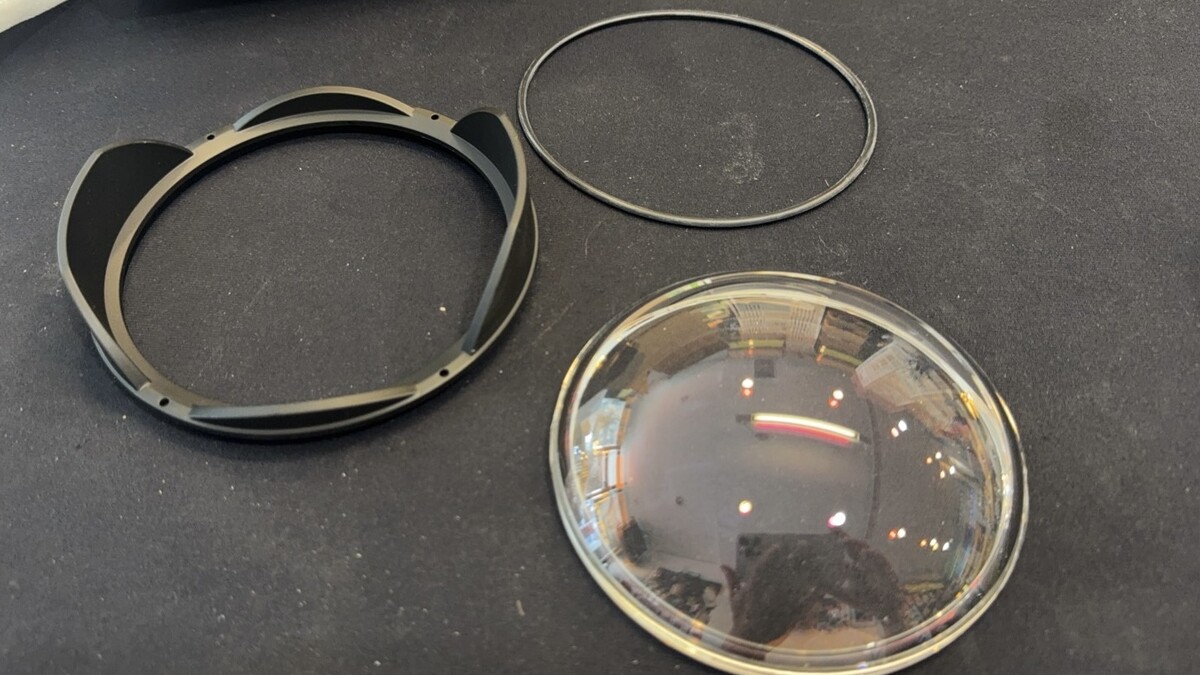
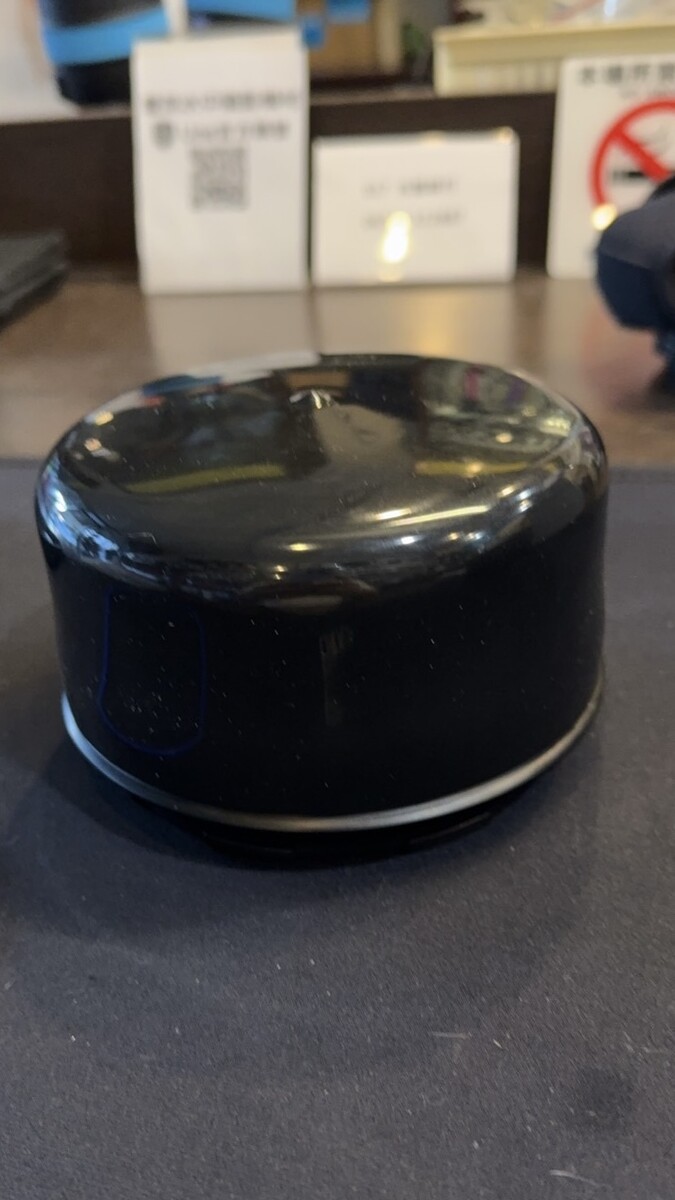
Hi Dave, I have designed an adopter, like you did, to connect glass and N120 extension ring. I originally want to have a hard cap but now I have a soft cap made of synthetic rubber considering I dive with tec shorts as soft cap is easier to put into my pocket I am also interested in learning how to further improve the optical performance of the curved port, as I understand that the final image quality can vary depending on the combination of components used. In particular, I believe the length of the extension ring plays an important role in determining the port’s performance. I noticed that you are using a 20 mm and a 40 mm extension ring, giving you a total extension of 60 mm, whereas I am currently using two 20 mm extension rings, for a total of 40 mm. I have not yet done the optical calculations or conducted a systematic comparison to determine the optimal extension length. I would therefore be very interested to hear your thoughts on extension-ring length, port positioning, corner sharpness, field of view, or any other factors that may affect the overall performance of this setup. Any suggestions or practical experience would be greatly appreciated.
-
Finally waterpiexl is back! I lost my reply entirely Lol. However, my partner and I have designed an adaptor to connect N120 extension ring and components from INON Dome Unit IIIA. I originally wanted a hard cap too, but I eventually chose a soft cap made of synthetic rubber. Since I usually dive with my tech shorts, the soft cap is much easier to carry in my pocket.
-
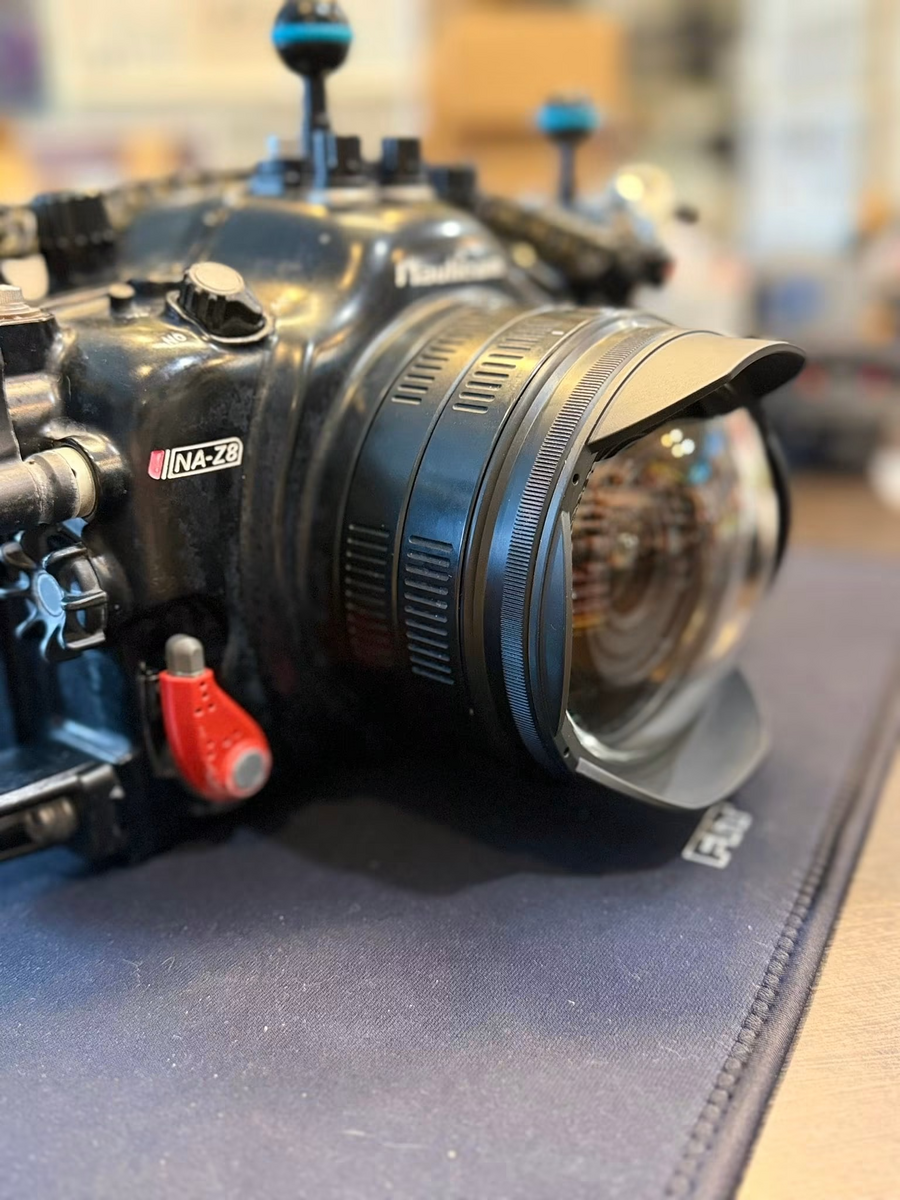
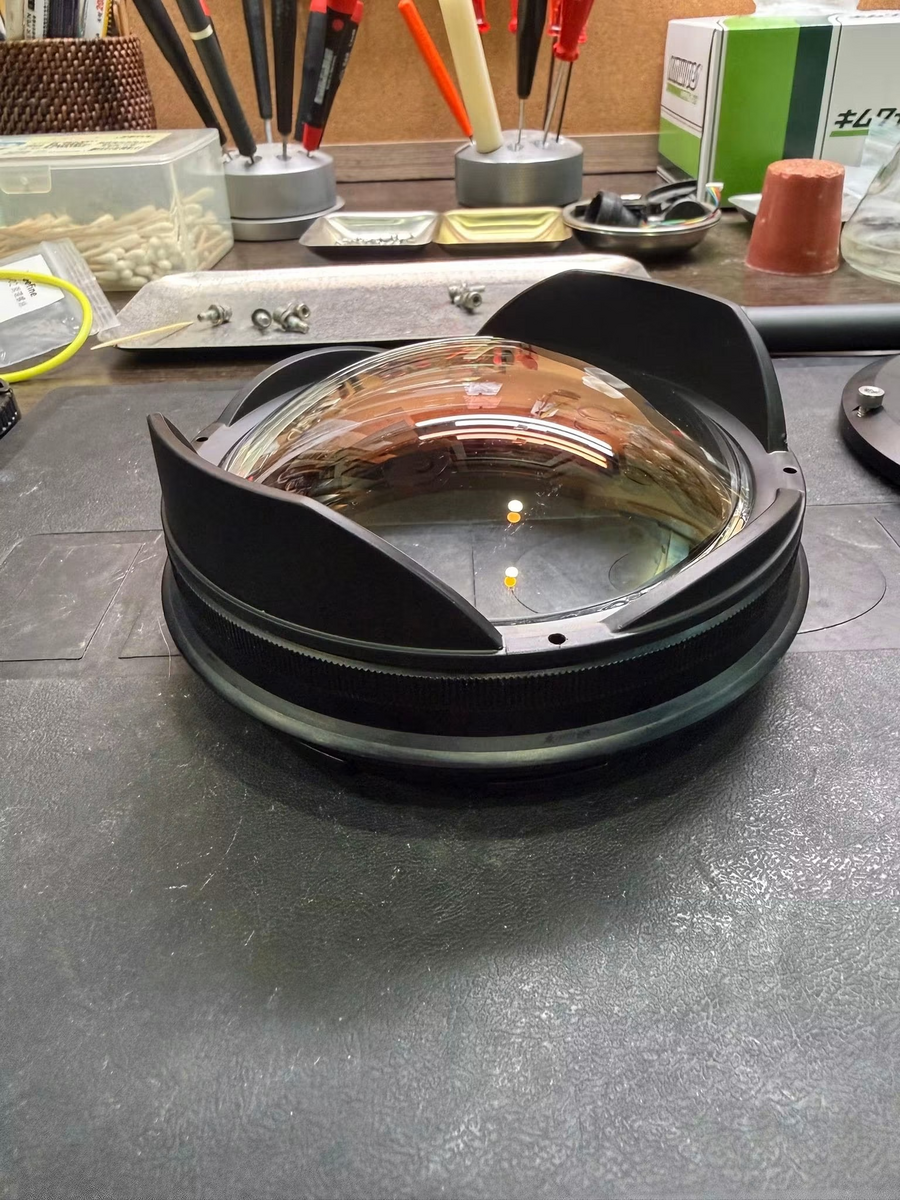
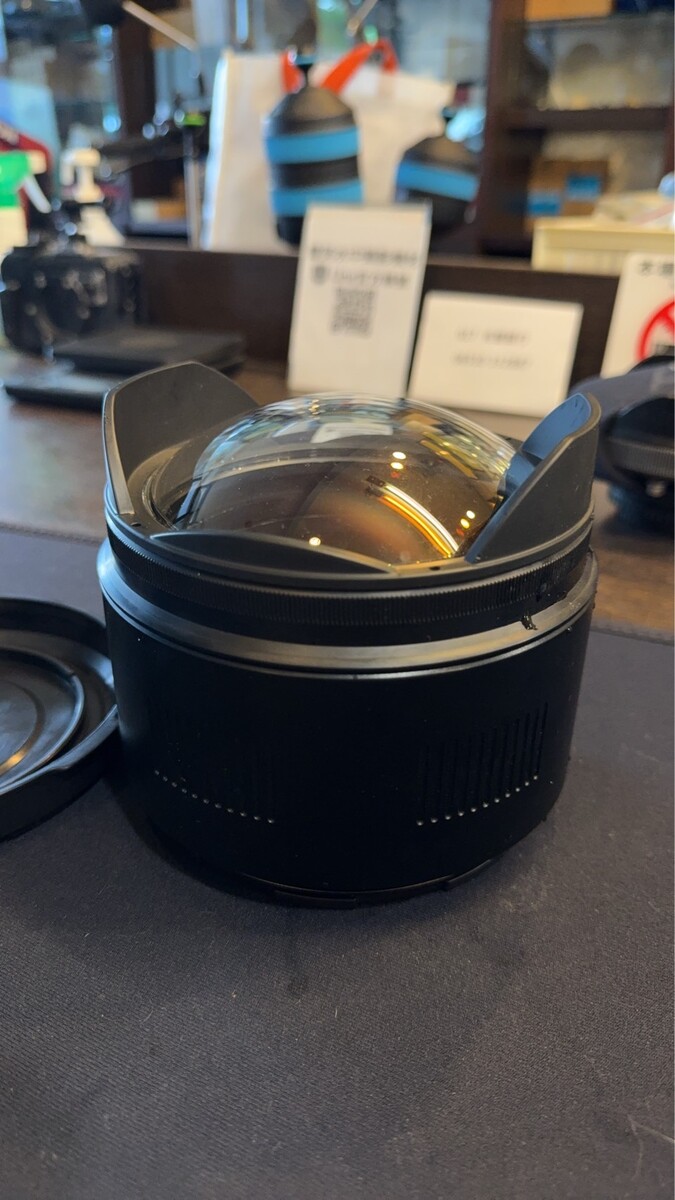
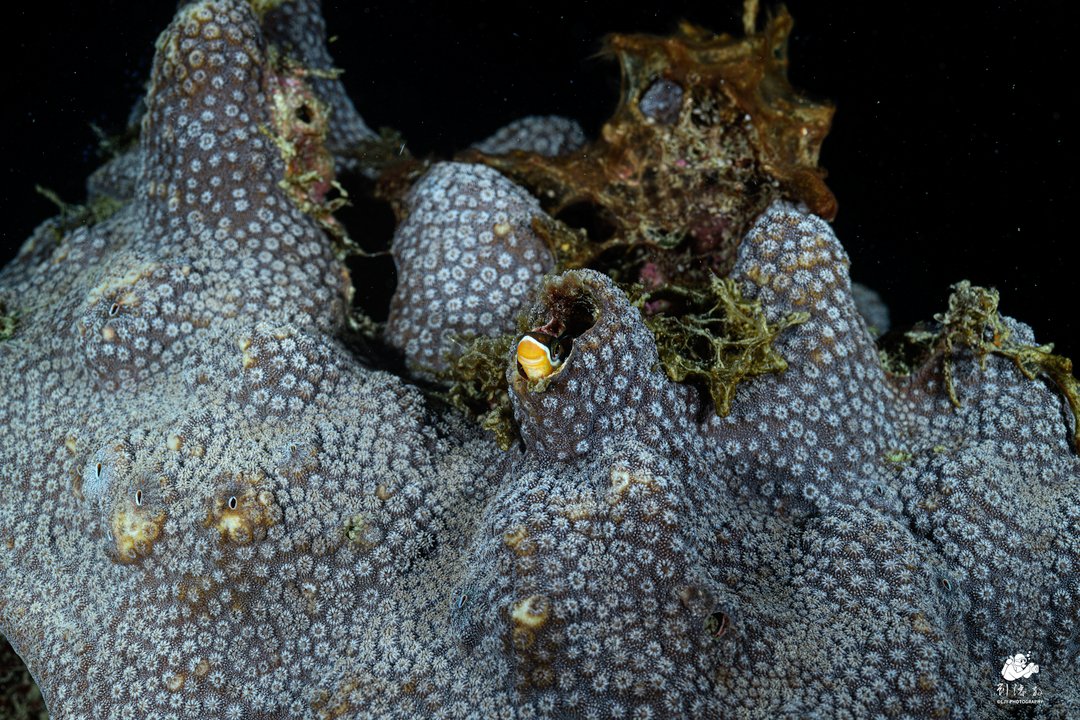
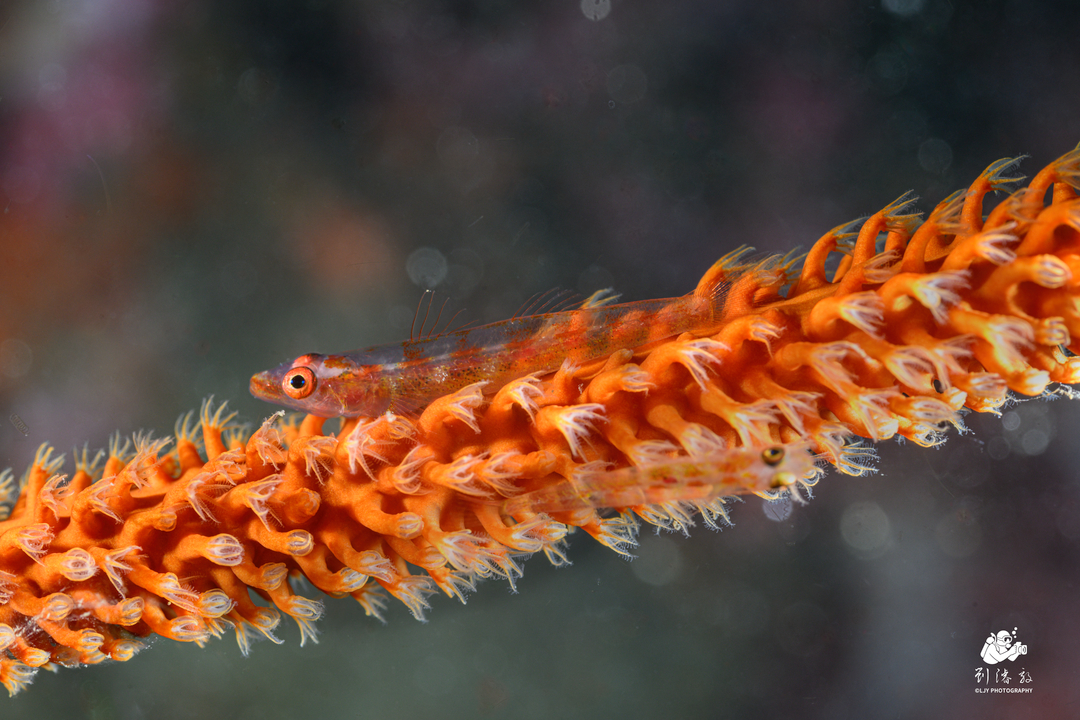
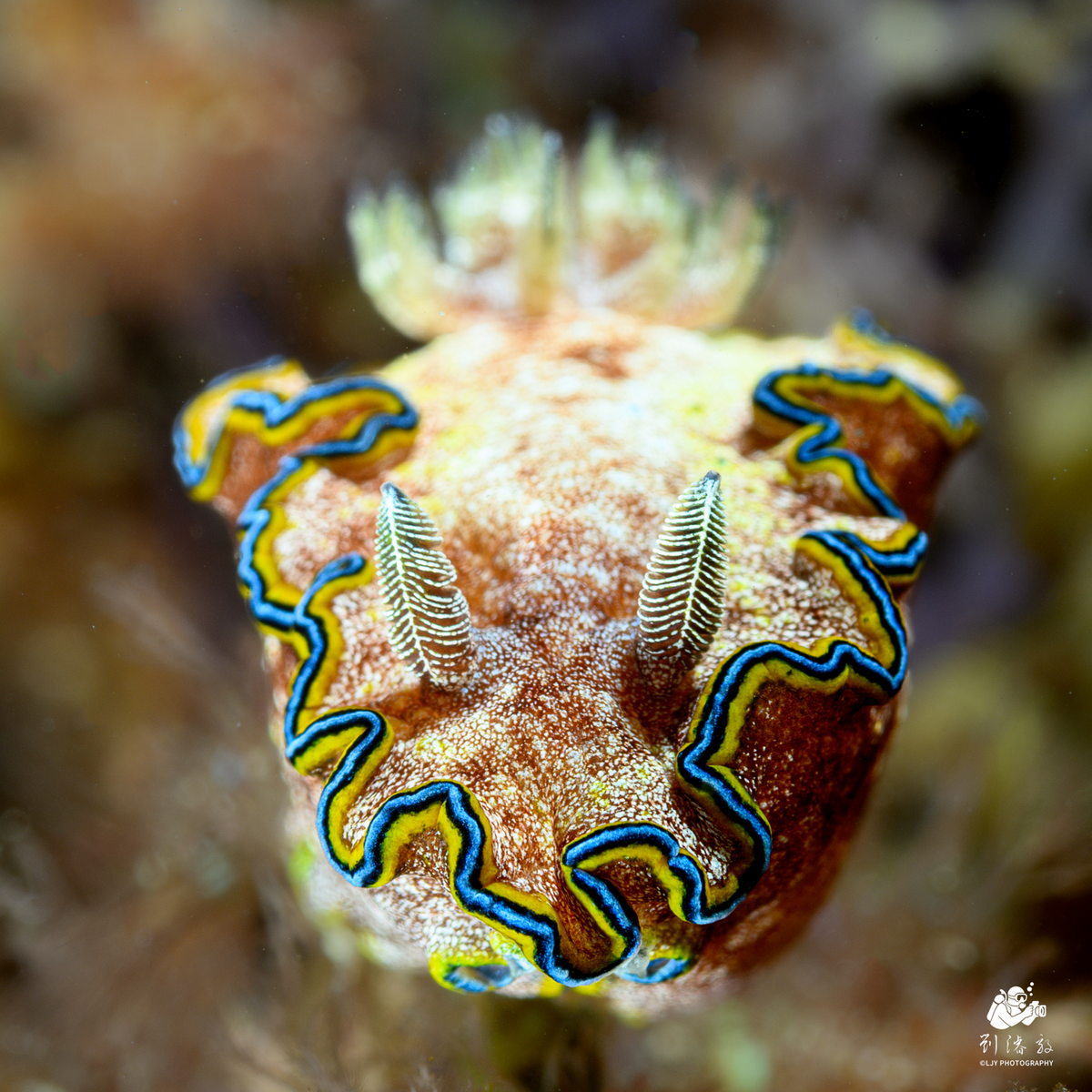
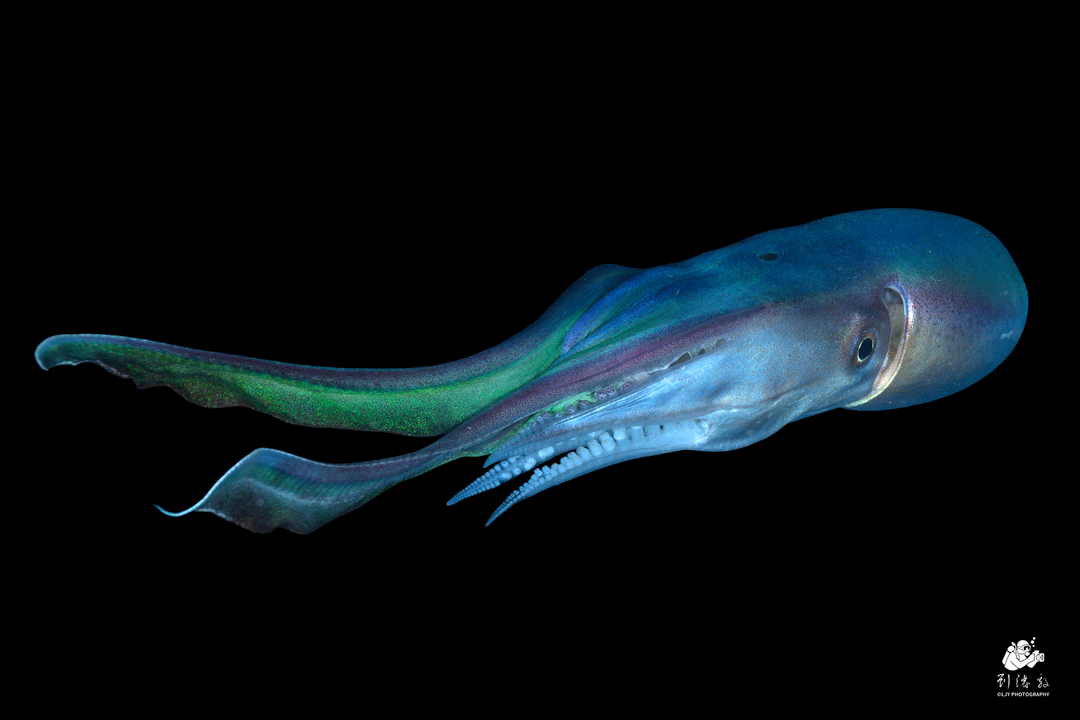
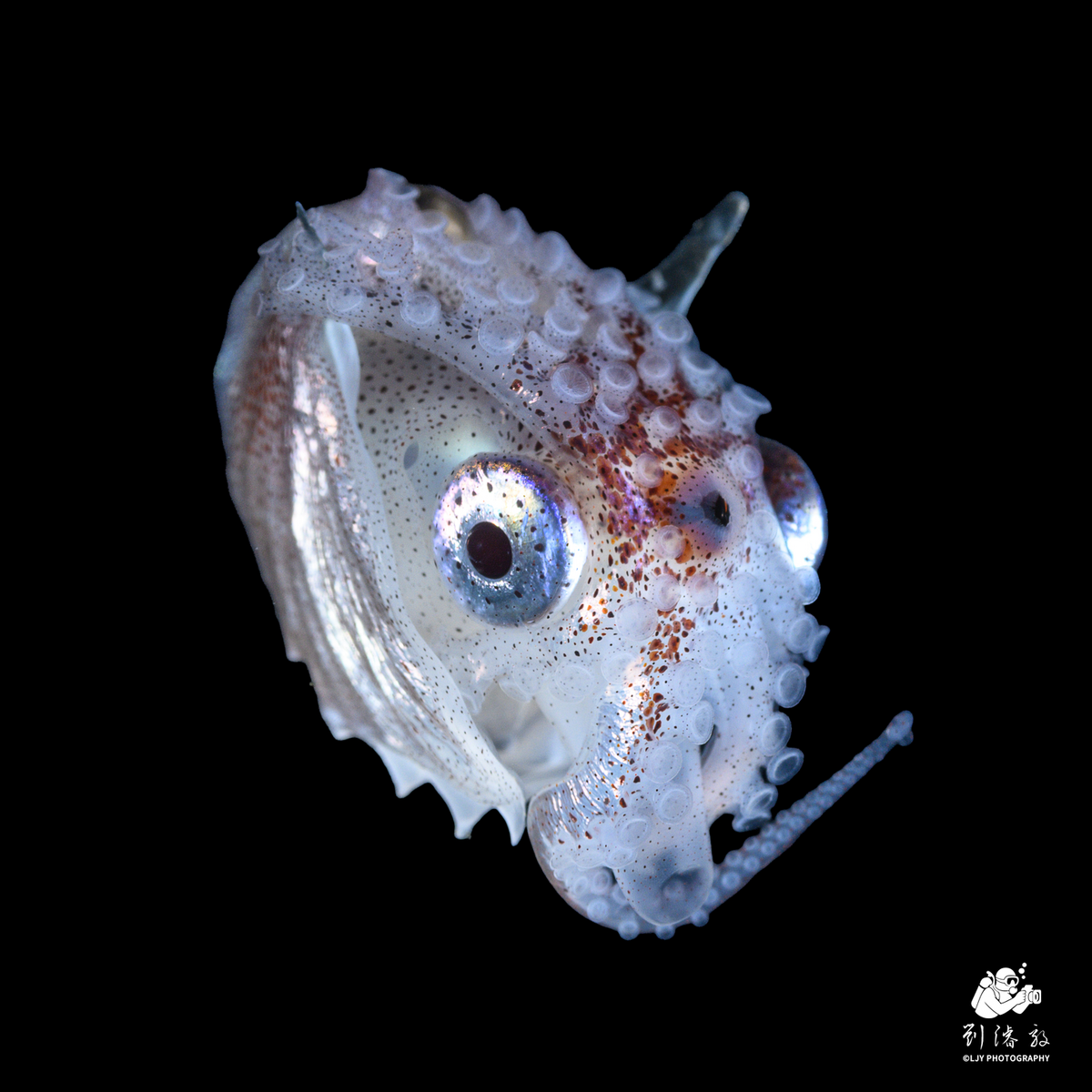
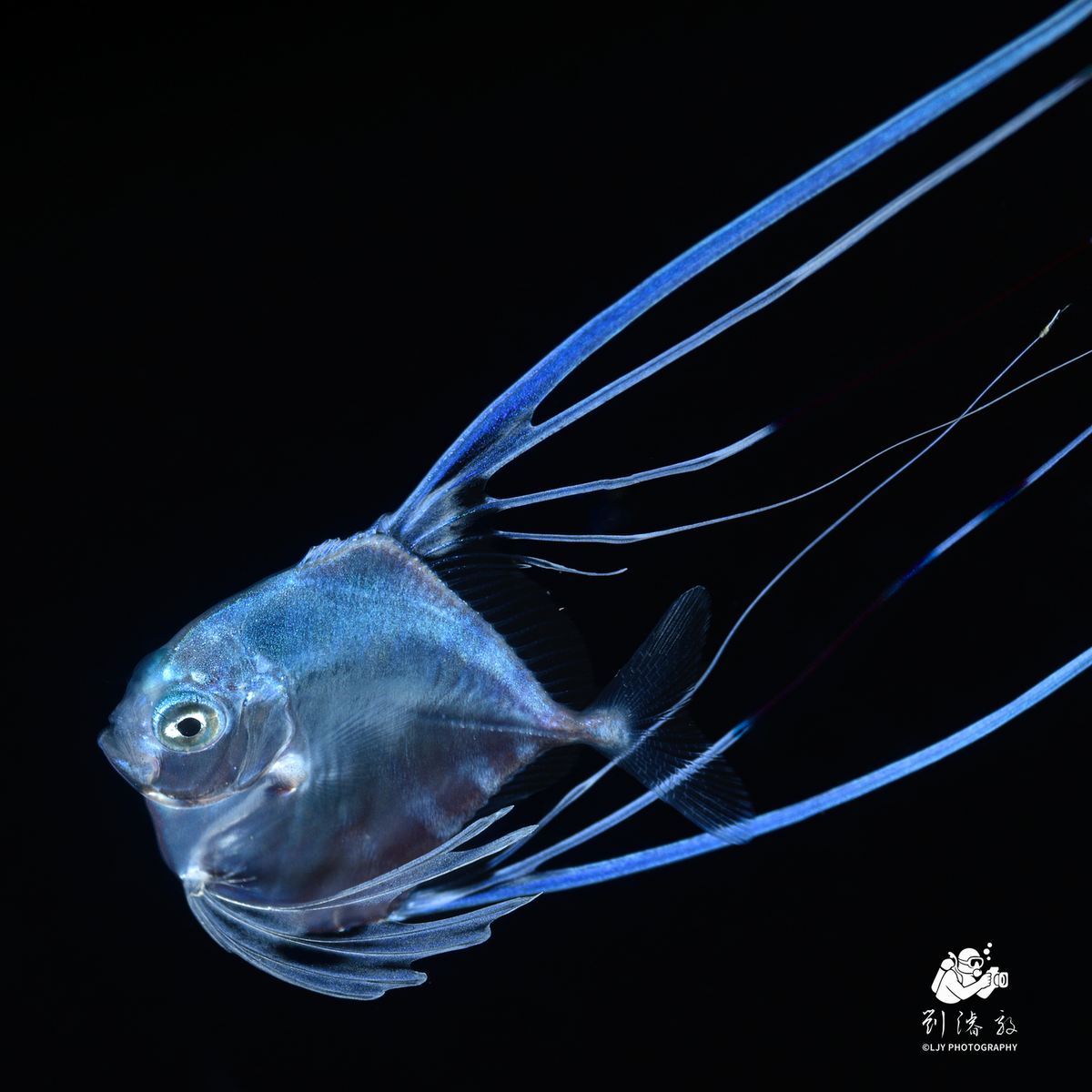
Hi Dave, It’s great to see someone else who is also interested in curved ports! I own a Nikon Z8 and use the Nauticam NA-Z8 housing, so we have a very similar setup. Before introducing my configuration, I’d like to share some details about the curved port I use. My curved port was modified from an INON Dome Unit IIIA. Here is the final setup with AFS 60mm(20mm N120 extension rings x2) The curved port is made of aluminum and is compatible with Nauticam’s N120 port system. This allows me to use it with different extension-ring configurations, such as a 50 mm extension ring or two 20 mm extension rings. Here are my test shots: This is the very first image I took with the curved port. I chose this subject to test how wide a field of view this setup could achieve. When shooting at a sufficiently close distance with curved port, the background can be rendered with a pleasing blur. Furthermore, I also test it during blackwater dives, I am pretty satisfied the results, too. I was lucky enough to photograph a blanket octopus with this setup. I was surprised that I could fit the entire subject in the frame even from such a close distance. You can see more images taken with this curved port(recent images with AFS 60mm) in my online portfolio. The images have been converted to AVIF format and use the Display P3 color profile, as I primarily work with Apple devices. AVIF images are displayed particularly well in Google Chrome on PC and Mac. looking forward to having more discussion about curved port.
-
Hi UW Photographers, I am visiting Raja Ampat on feb 2026 therefore I built a web app based on iNaturalist data to help me to know more about the marine life in this area and have a little tool to communicate better with local guides. Please note that your guide knows the ocean best. This app is only a bridge to help clearly convey your wishlist to them and a way to do the homework before dive trip. How it worksFilter: Select your travel month and region (North/Central/South) to see common species. Build List: Click the heart icon (❤️) on the card of any critter you want to see. Share: Click the heart icon in the top-right corner of the page to generate a QR Code or link. Instead of scrolling through random photos on your phone, you can just show this list to your guide so they know exactly what to look for. Try it here: https://raj.ljy.app please sUploading Attachment... (The link is free to use. Feedback is welcome!)
-
Hi everyone, My name is Kevin from Taiwan. I started my underwater photography journey in 2022 with a TG-6, then upgraded to a Nikon Z8 in 2023. I mainly focus on macro photography, frequently visiting Romblon and Dauin. I am planning a trip to Raja Ampat in Feb 2027 and look forward to seeing something special there. Hope to dive with you someday! Best, Kevin