Everything posted by Phil Rudin
-
The Mini is 60 x 40 x 20mm. My understanding is one cable bundle.
-
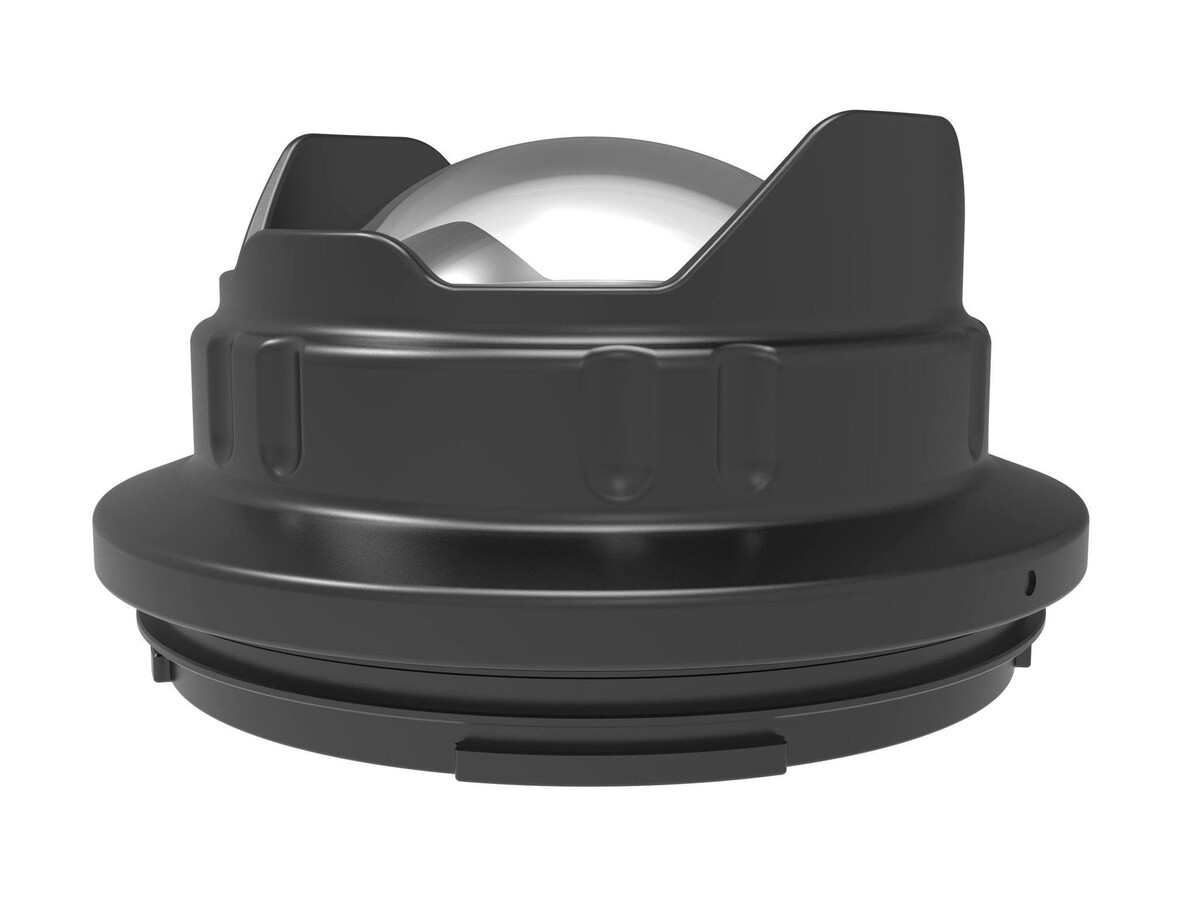
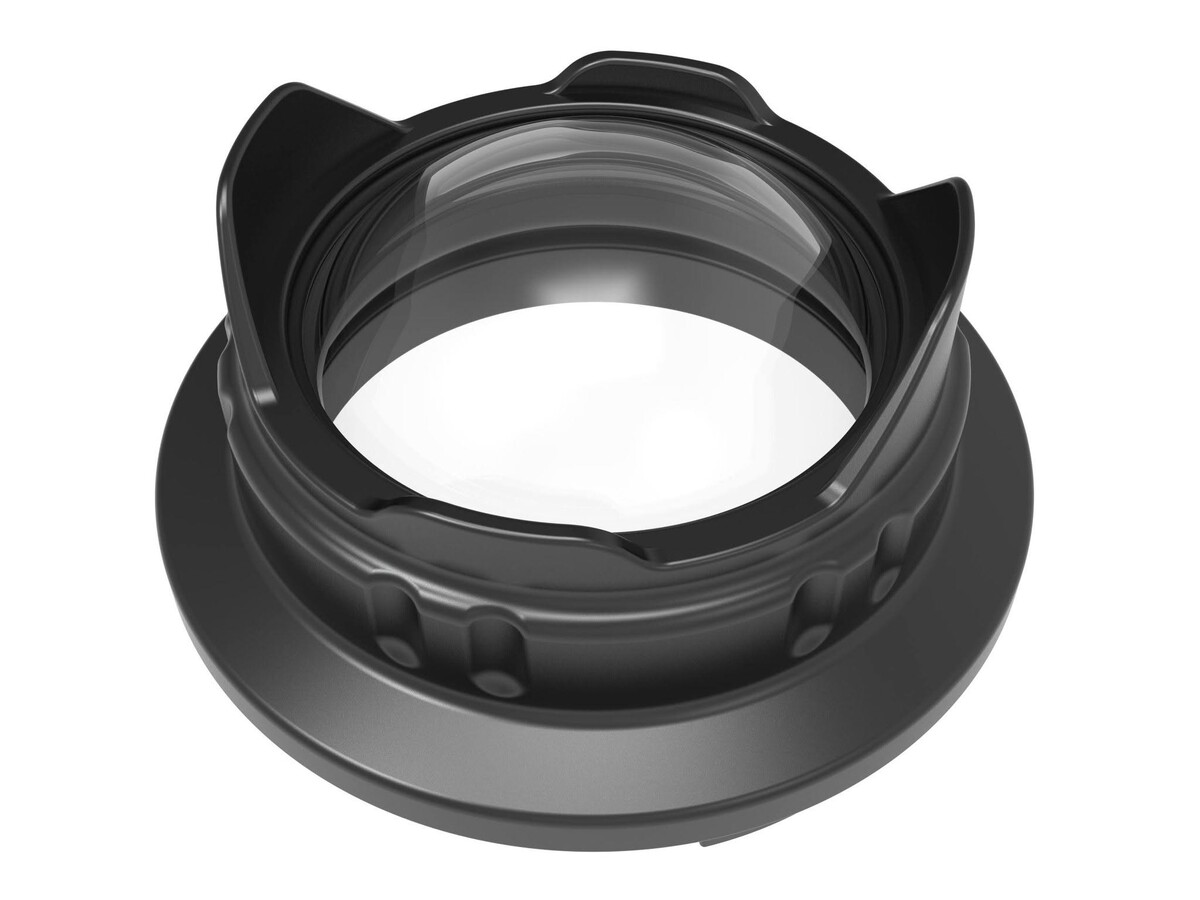
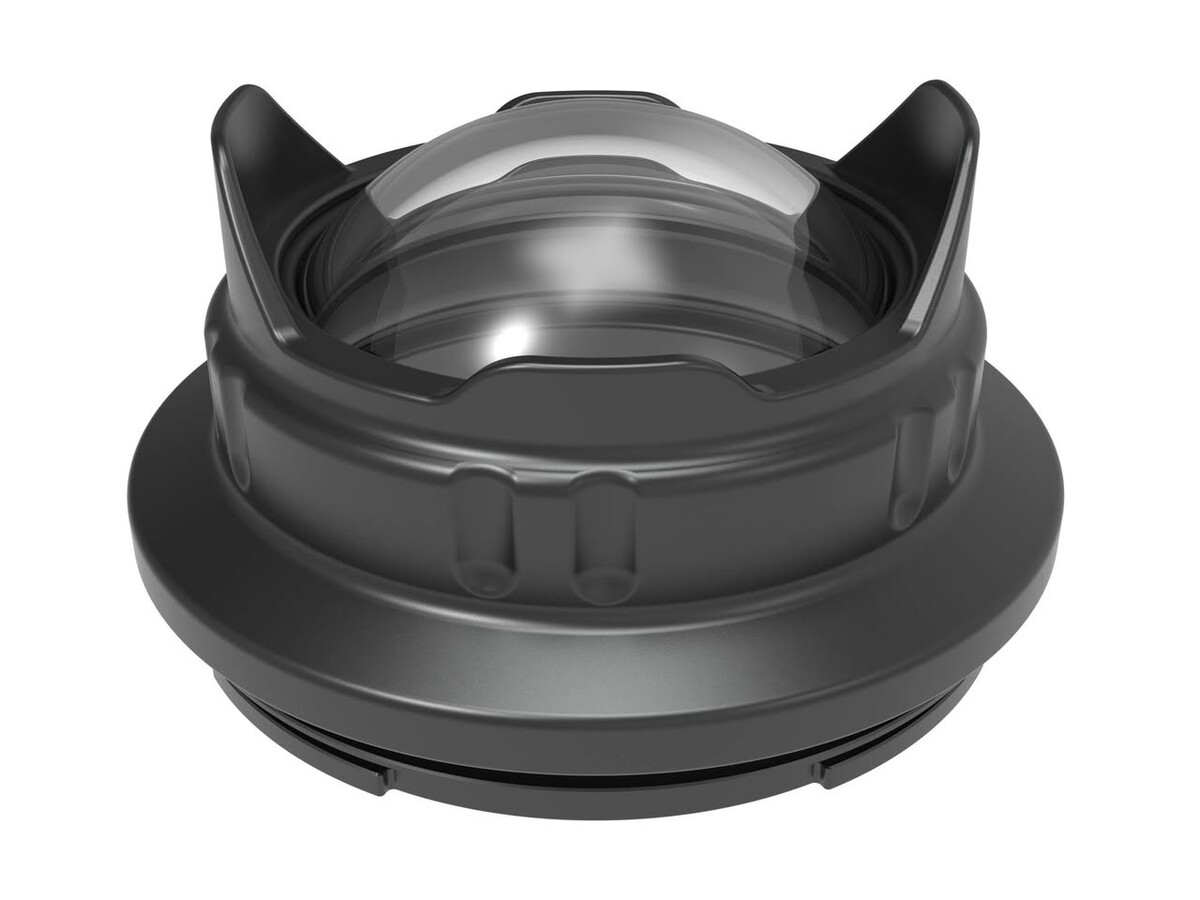
It will be interesting to see if it is #1 auto focus and # 2 for full frame or perhaps APS-C. In advance of the Laowa announcement Marelux has just released info on an 80mm acrylic dome port for the canon EF-S 35mm f2.8 is stm macro lens. This is an APS-C macro which will need a EF-S to RF adapter. The FF crop factor for Canon is X1.6 so a FF equivalent of 56mm. I believe this new port will be excellent for a verity of full frame, APS-C and M4/3 lenses macro lenses in the equivalent 35mm to 60mm range. At 80mm this would be the smallest dome that I am aware of (Zen has a 100mm). I suspect it may resolve some of the issues associated with shooting shorter macro lenses behind flat macro ports. Also keep in mind that lenses like the Tokina 10-17mm have been adapted to very small dome ports.
-
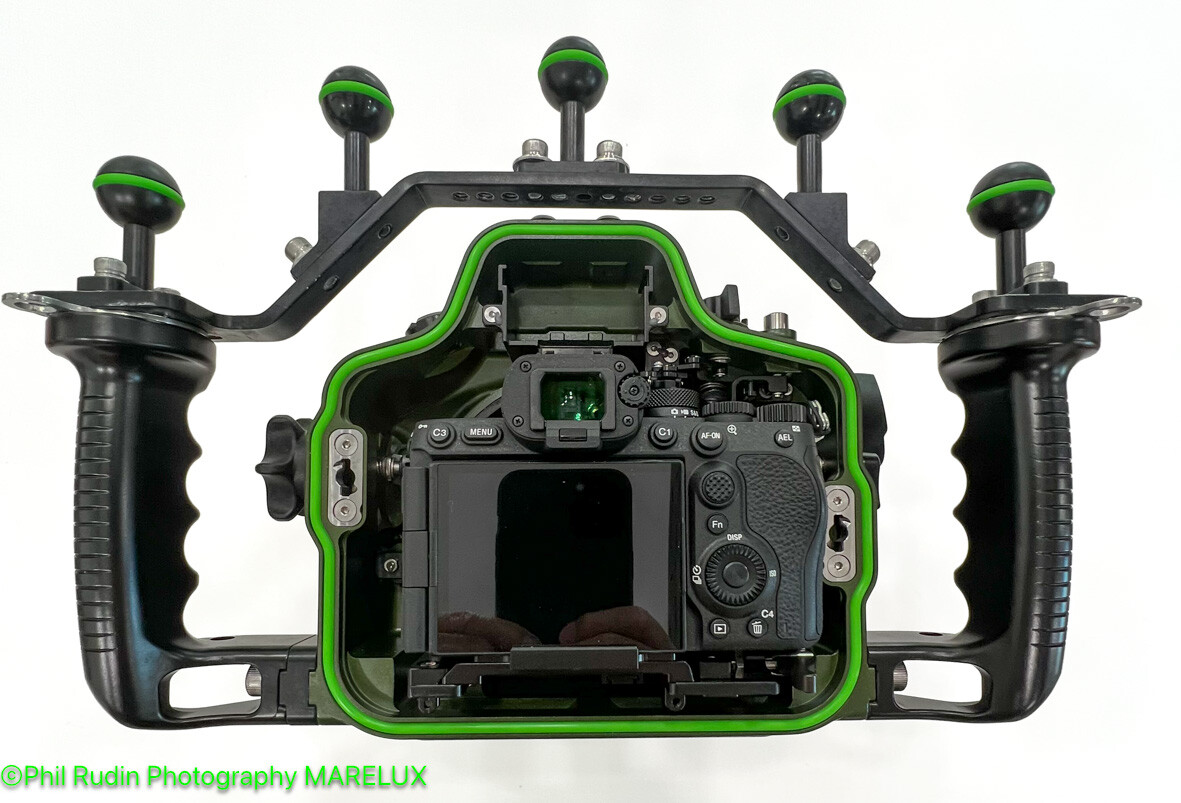
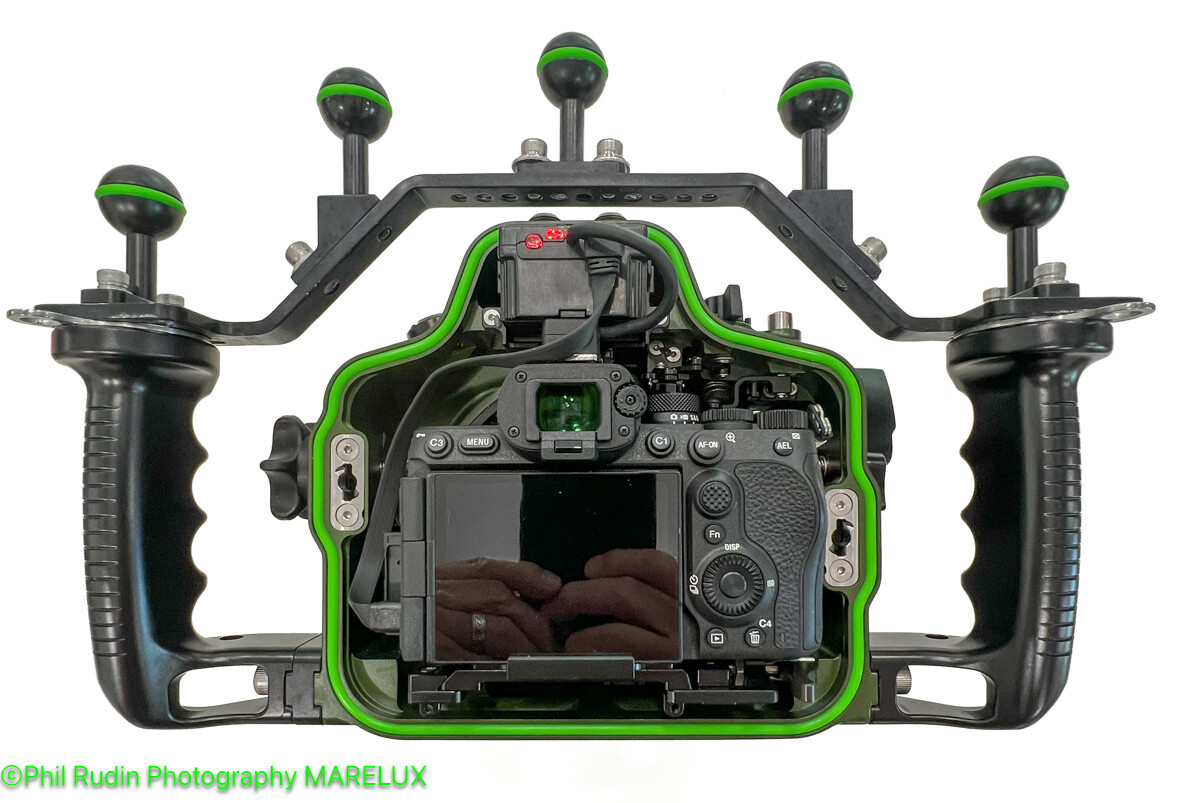
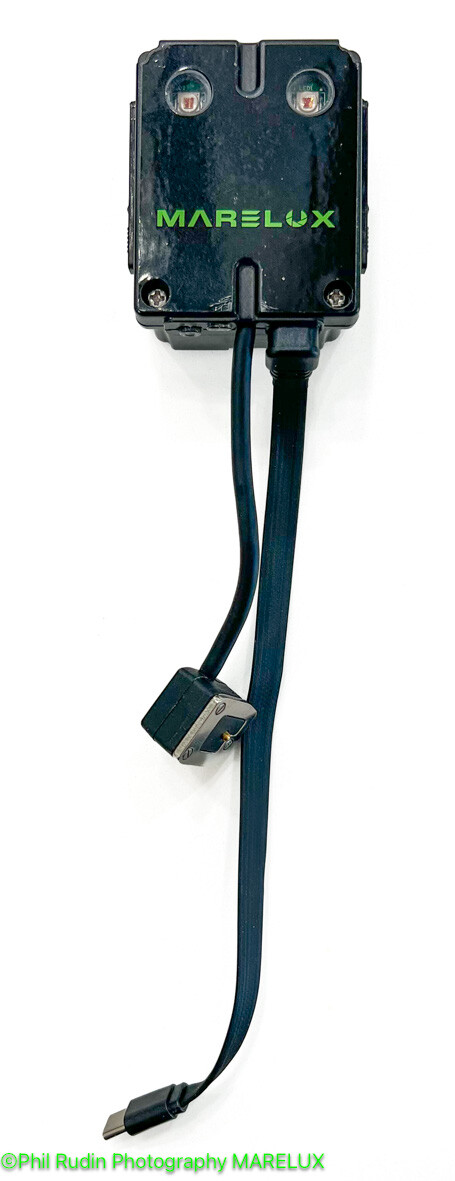
Several battery solutions that are not DIY from Marelux. Marelux first offered MiniBat 1500 for $128.00 While they came up with a better design not offered by anyone else. MiniBatt 1200 is a 1200 mAh battery pack designed to fit inside the housing under the tray and is 6X4X2cm and 61.5g. This is much like the design of others with a mini USB-C charge and camera connection. OK for multi brands where it will fit. Marelux then redesigned many of their new housings for use with FlashFuel 2100. The patented design serves two functions, first as a manual flash trigger and also as an additional power scorch for the camera. FF2100 has a 2100 mAh battery to power the camera via USB-C and a second CR123 lithium battery with a capacity of 1000 to 1200 mAh depending on the battery to power the manual flash trigger. Because the Marelux Apollo strobes in MTL mode can fire at up to twenty frames per second a power source was needed that could keep up with the flash. The original MX manual flash triggers with two CR2032 achieved around 100,000 to 140,000 flashed depending on the batteries being used and the FF2100 should achieve around three times that amount. FF2100 retails for $348.00 and because it is manual it works between all camera brands Marelux supports. Marelux also makes a TTL flash trigger that fits into the same housings listed below if you don't need the additional battery power. It has a manual or TTL mode switch, USB-C charging with realtime battery level indicator and retails for $348.00 in Sony, Canon, Nikon and Panasonic models. For video monitor users Marelux will soon introduce the Neptune RMT5 a 3000nit five inch LCD monitor which also adds to the battery supply. In addition to working as a video monitor it also provides a massive 6000 to 10,000 mAh of power. The RMT5 battery compartment can use 21700 or 18650 batteries (with the included adapters). The monitor also has a remote trigger port which allows it to be remotely triggered from 1 to 2 meters away using a waterproof cable. Vacuum-Safe, Zero-Leak Cable Engineering all three custom cables for the Neptune RMT5—HDMI, Power Supply, and Remote Trigger—are engineered with a specialized internal air-block barrier. Both the electrical wires and the connector assemblies are completely sealed internally. This prevents internal air migration, ensuring your housing maintains a perfect vacuum seal throughout the entire dive. RMT5 will retail for $1499.00. Compatible housing models: MX-R5II, MX-R6III, MX-A7V, MX-A1II, MX-A7CII, MX-A6700, MX-Z8, MX-Z6III, MX-GH6/7, MX-S1RII and the new MX-A7RVI. With more designed for new cameras going forward.
-
Correct GeckoSub, these are with the 140mm Marelux fisheye dome port.
-
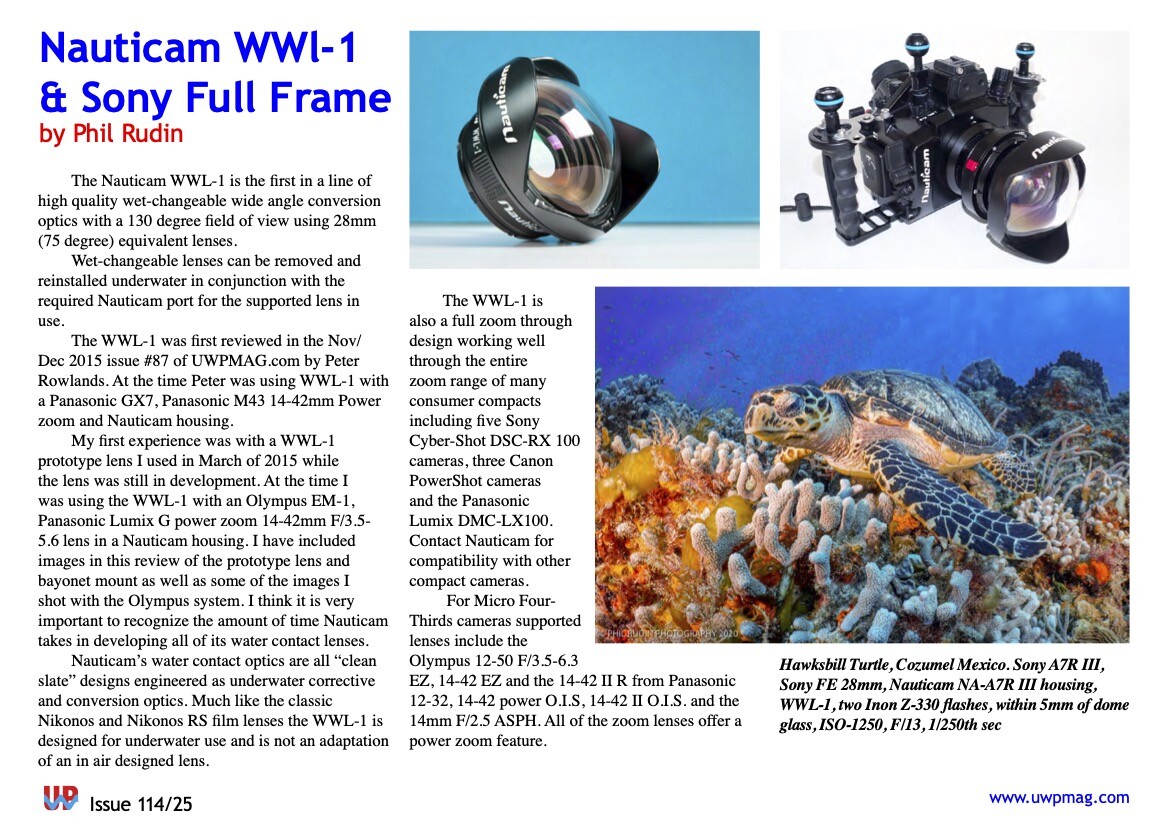
The WWL-1B and most wet lenses in general use 28mm at the widest 130 degree FOV, end with the longest zooming being the Sony FE 28-70mm which zooms to 59 degrees. I reviewed WWL-1B in UWPMAG.com issue #120 and the original WWL-1 before the Sony FE 28-60mm existed in issue #114 if you care to lookup the benefits V. Sony FE 16-35mm lenses that are 107 to 63 degree and rectilinear.
-
The Viltrox 14mm F/4 is a 112 degree AOV auto focus lens which sells for less than 1/3rd the cost of the Nauticam adapter for Nikonos lenses. Secondly the widest Nikonos rectilinear lens is the 15mm and it is 94 degrees.
-
Christopher Frost's review for the new Sony FE 8-14mm F/3.5 has just been posted. on YouTube. Frost has reviewed over 1000 lenses and is widely respected in the land photography industry. Among many other points Frost makes a comparisons between the Sony fisheye and the Laowa 8-15mm F/2.8 manual focus fisheye which he has also reviewed. Price not withstanding the Sony is the Highly Recommended lens between the two with several advantages. Both reviews are worth watching. Laowa has the advantage of being made for L, RF, EF and Z mounts in the manual version and likely will arrive in L-mount, Nikon and Sony full frame mounts when the AF version arrives.
-
Marelux also supports the Sony FE 70-200mm F/4 macro with focus gear #5110. It uses 70mm’s of extension with macro port 71 for zoom range 70-100mm and 100mm of extension with macro port 71 for 100-200mm zoom range. Other extension and port combos are possible. I have used both lenses and the sigma 20-200mm is by far the most useful.
-
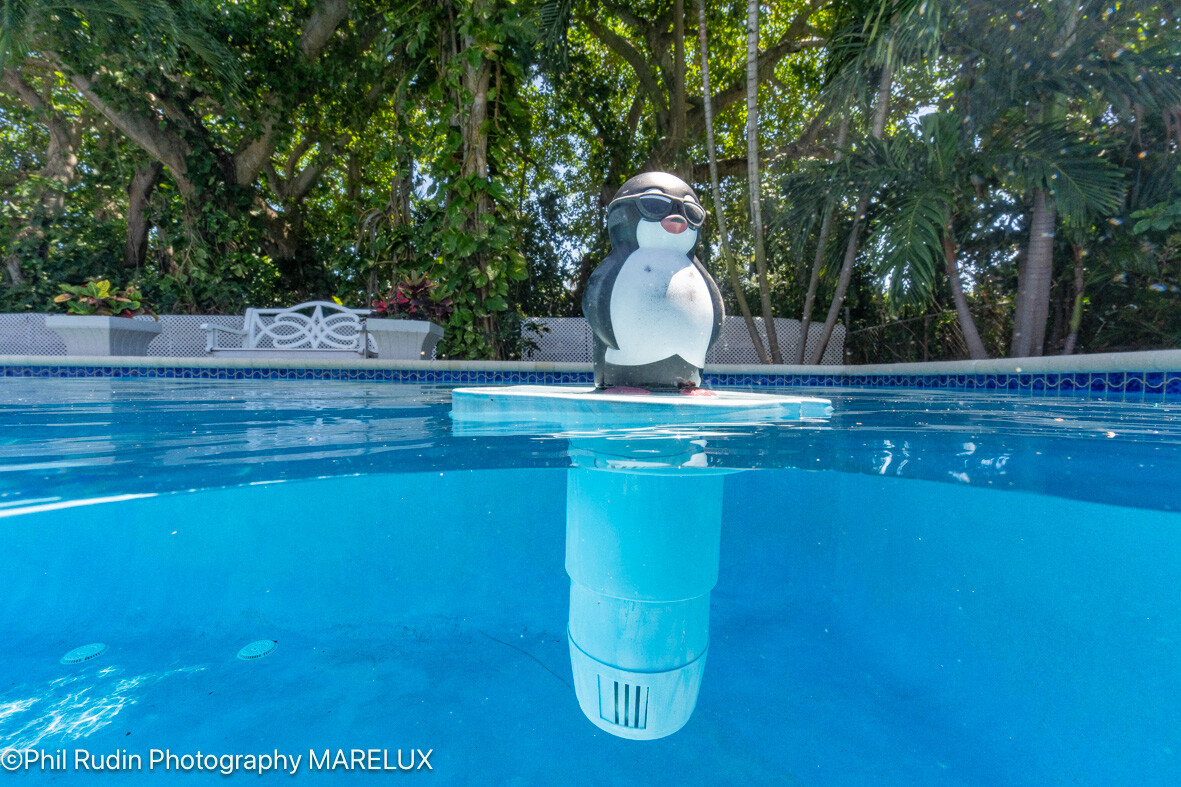
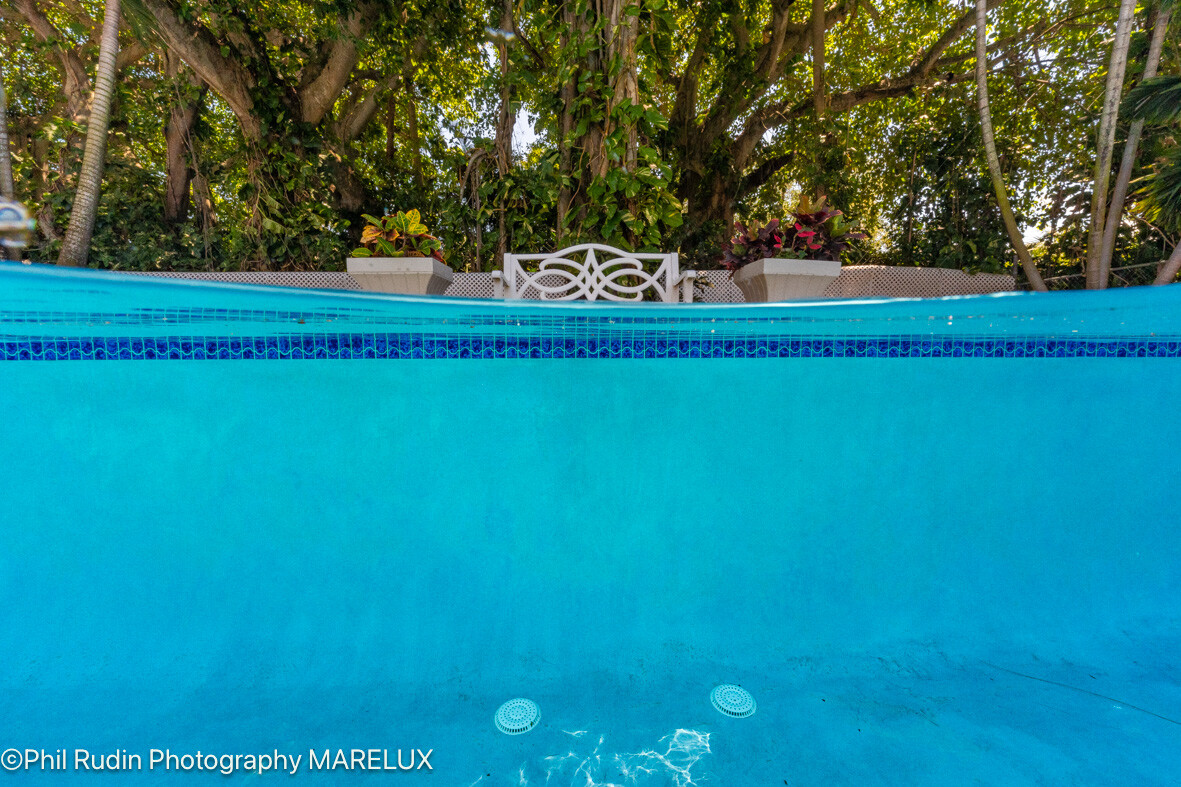
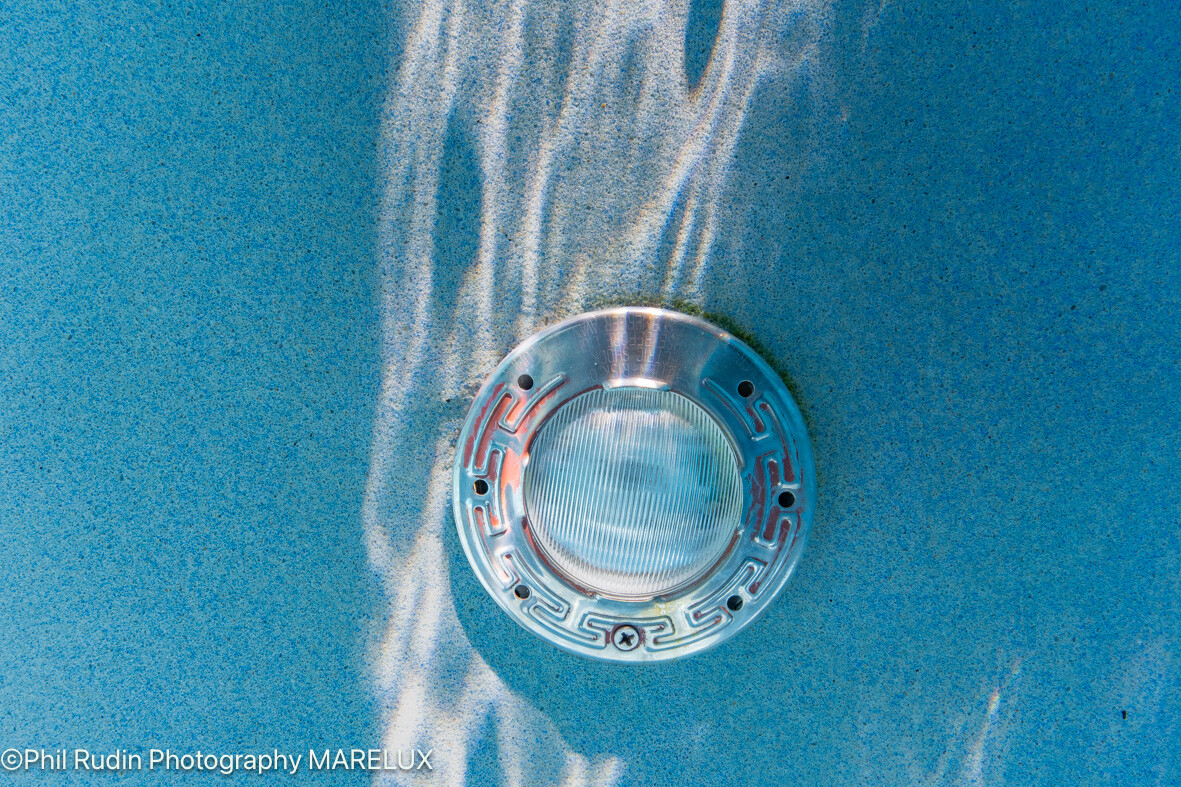
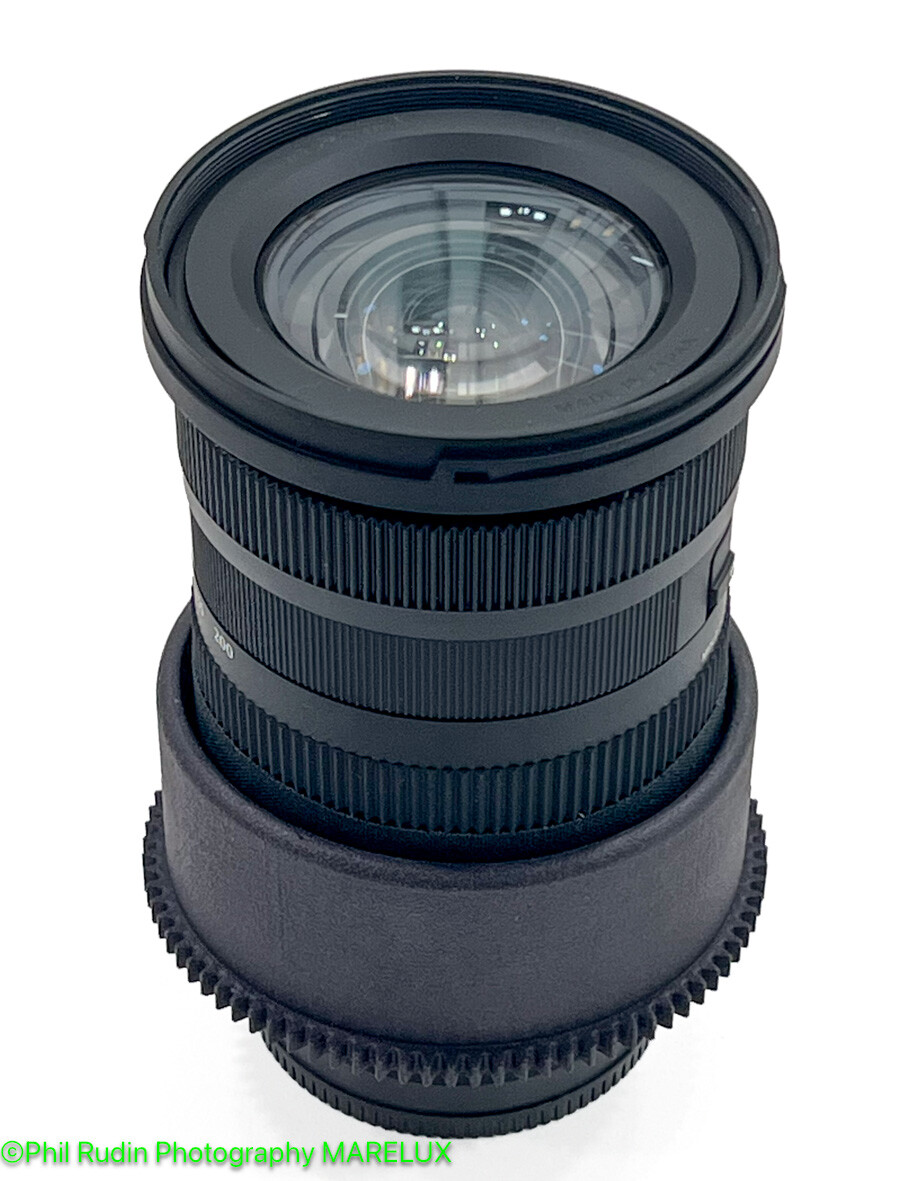
First, yes it is a great travel lens choice for most situations. I have only had this lens a short time so pool tests only but looks very promising with better range than Sony FE 20-70mm F/4. The attached pool images are full frame using Sony A1 II, Marelux housing with recommended 80mm's of extension for 180mm port (90mm recommended for 210 and 230mm ports) C/U photo is at 81.1mm, F/13, 1/200th, ISO 320, AV light. The W/A shot is at 20mm, (/9, 1/250th, ISO 250, AV light. Marelux nylon zoom gear #51110, zoom gears are made in nylon for around $100.00 US and in aluminum starting around $135.00. Also regarding the Zeiss Batis I don't see the 40mm as a U/W lens however one of the first Sony adapted lens reviews I did for uwpmag.com issue # 92 ten years ago was for the Zeiss Batis 18mmF/2.8. I used the Sony A7R II, Nauticam housing and the excellent Zen 200mm dome port. I moved that port over from an Olympus M4/3 system where I used it as the port for the Olympus 7-14mm zoom.
-
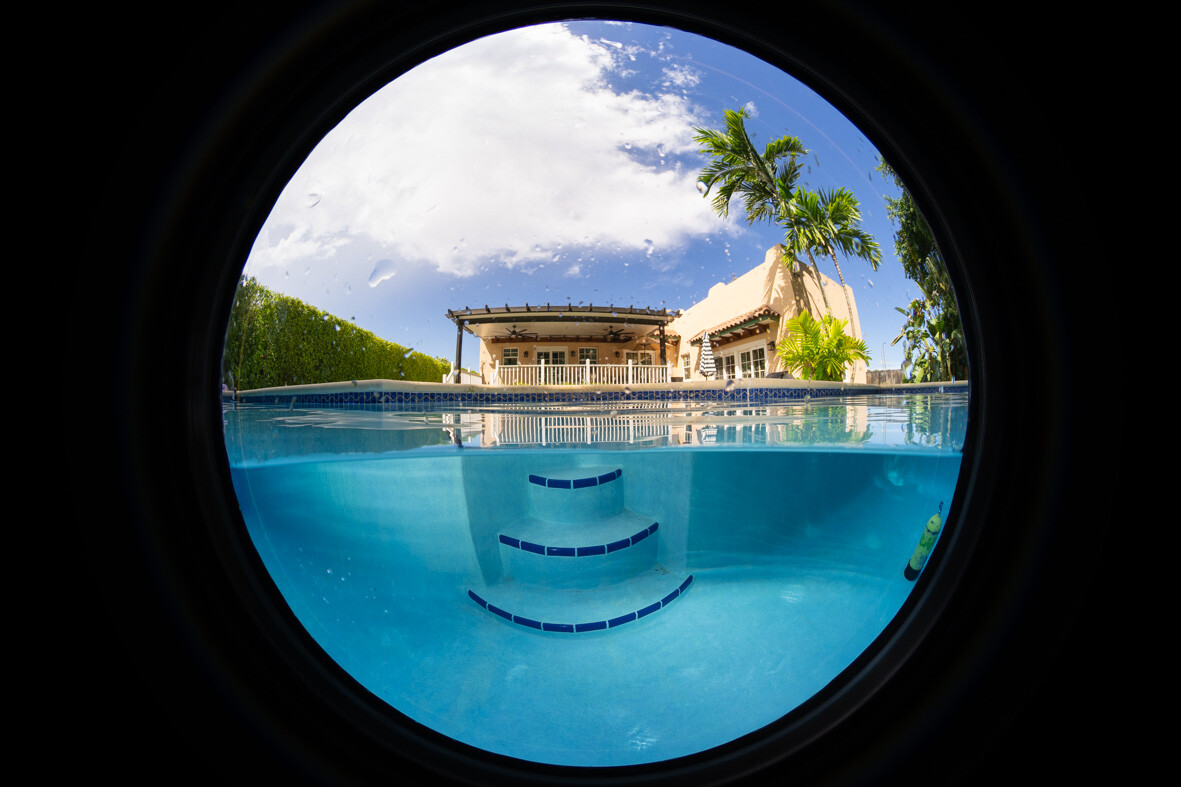
Let's begin by saying that when it comes to Canon RF FF users you will be mainly locked out of the after market auto focus lens segment because of restrictions put in place by Canon. Manual lenses seem to be excepted at least in some cases. For L-mount, Nikon Z and Sony FE the platforms are generally open with some restrictions like Sony limiting auto focus speeds to 15 frames a second. Not an issue for most U/W photographers but a big issue for sports photographers wanting to shoot from 30 to 120 FPS. While you will be able to find many YouTube videos on some of the lenses I will be listing they will be from terrestrial reviews and not U/W reviewers. Starting with Fisheye lenses I have not had much luck with manual focus lenses and that is what is exciting about the Canon RF 7-14mm and Sony FE 8-14mm AF fisheyes. My additions to this list would be the new AF 7Artisans 10mm F/2.5 MAX with a US retail of $449.00 offered in E, L & Z FF mounts. This lens is close focusing at 15cm and works well behind a 140mm dome port. It has a 185 degree AOV and excellent AF and tracking ability. This lens is great value for money. If you want to do circular fisheye on a budget you may want to consider the Manual focus SteHori 6mm F/2.8 EF, RF, L and Z mounts retailing for $299.00 US. This lens has a 220 degree AOV and a minimum focus distance of just 8cm. In some cases this lens will see some of the inside of the housing depending on how far forward your camera sits in your housing brand. This lens requires a port with a removable sun shade to prevent vignetting just like the 7 & 8mm ends of the zoom lenses. This lens has so much DOF I set the lens at F/11 and per set focus distance for my 140mm dome port with everything from about 10 inches to infinity in focus. With these two fisheye lenses you won't of course be able to zoom and they both top out at F/16 while the Canon zoom tops out at F/22-F/29 and the Sony zoom tops out at F/22. In the rectilinear lens department I agree with Dentrock that the Sony FE 16-25mm is an excellent choice because of the 18cm minimum focus distance and lower cost V the F/2.8 line of Sony 16-35mm lenses which all have higher minimum focus distances. I love the Sigma 17mm but it is now on the chopping block replaced by the 16-25mm. I am a big fan of the Laowa 12mm AF in Sony EF and Nikon Z for $699.00 US. This is a lens that is excellent of split shots in large domes and has 72mm filter threads making it possible to use graduated neutral density filters when shooting splits at up to F/22. I have used the Laowa 10mm as well but found it more suited to video than stills. The 12mm's 122 degree AOV is excellent for all sorts of W/A shooting situations and the 15cm minimum DOF allows it to be used in a 140mm dome in a pinch like shooting large animals in open wate or other situations where corner sharpness is not critical. If you want a 12mm that is a zoom look to the just released Tamron 12-20mm F/2.8 for Sony FE and Nikon Z at $1699.00 and $1799.00 retrospectively. The Tamron 12-20mm is half the cost of the Sony FE 12-24mm F/2.8 (the Sony F/4 is $2298.00) the Tamron also has a minimum focus distance of 18cm v. the 28cm for the Sony F/2.8 and F/4 lenses. The Tamron is the clear Winner for U/W use and I expect to see manufactures supporting this lens with a zoom gear. Nikon has no Z zoom at 12mm but they do have the Z 14-24mm F/2.8 at $2697.00 retail and the 14-30mm F/4S at $1397.00 retail. Minimum focus distance for these lenses is 28cm. By comparison the Samyang/Rokinon 14-24mm F/2.8 for Sony and L mount for $1199.00 retail, it has a minimum focus distance of 18cm and a 77mm filter threads. This lens is well suited to 200 to 230mm domes. I have reviewed the Rokinon 14-24, Sony FE 16-25mm and Laowa 10mm plus many more lenses for uwpmag.com, those reviews can be found on the home page by going to back issues and typing my mane into the search engine. On the subject of 14mm lenses Viltrox makes a tiny 14mm F/4 Air lens with a minimum focus distance of 13cm for FE, L and Z mounts and retails for $199.00. I have used several of the latest Viltrox lenses from the 14mm to 85mm with a new 26mm F/2.8 EVO on my land camera for quick shots of just about anything. Viltrox newest Air, EVO and Pro lenses are some of the best bargain lenses I have used. Many of the lenses I have listed can be found on sale especially around the holidays. Another sleeper supported by Marelux with a zoom gear is the Sigma 20-200mm F/3.5-6.3 DG in Sony FE and L-mount. Quite a few Sony U/W shooters are using the excellent Sony FE 20-70mm F/4 which works well with a 180mm dome. The Sigma also works in the 180mm in a range from 20 to around 140mm with 1:2 macro from 28 to 85mm's. Both lenses have minimum focus of 25cm but the Sony has a bit less magnification at 1:2.56 and of course stops at 70mm. The after market lens industry has exploded over the last two plus years with many excellent choices for both land and sea. It's time we started requesting support for these lenses rather than just excepting the same old camera manufacturers lens solutions. Images with the StrHori 6mm F/2.8 circular fisheye, Marelux 140mm port with the sun shade remover, Sony A7R V.
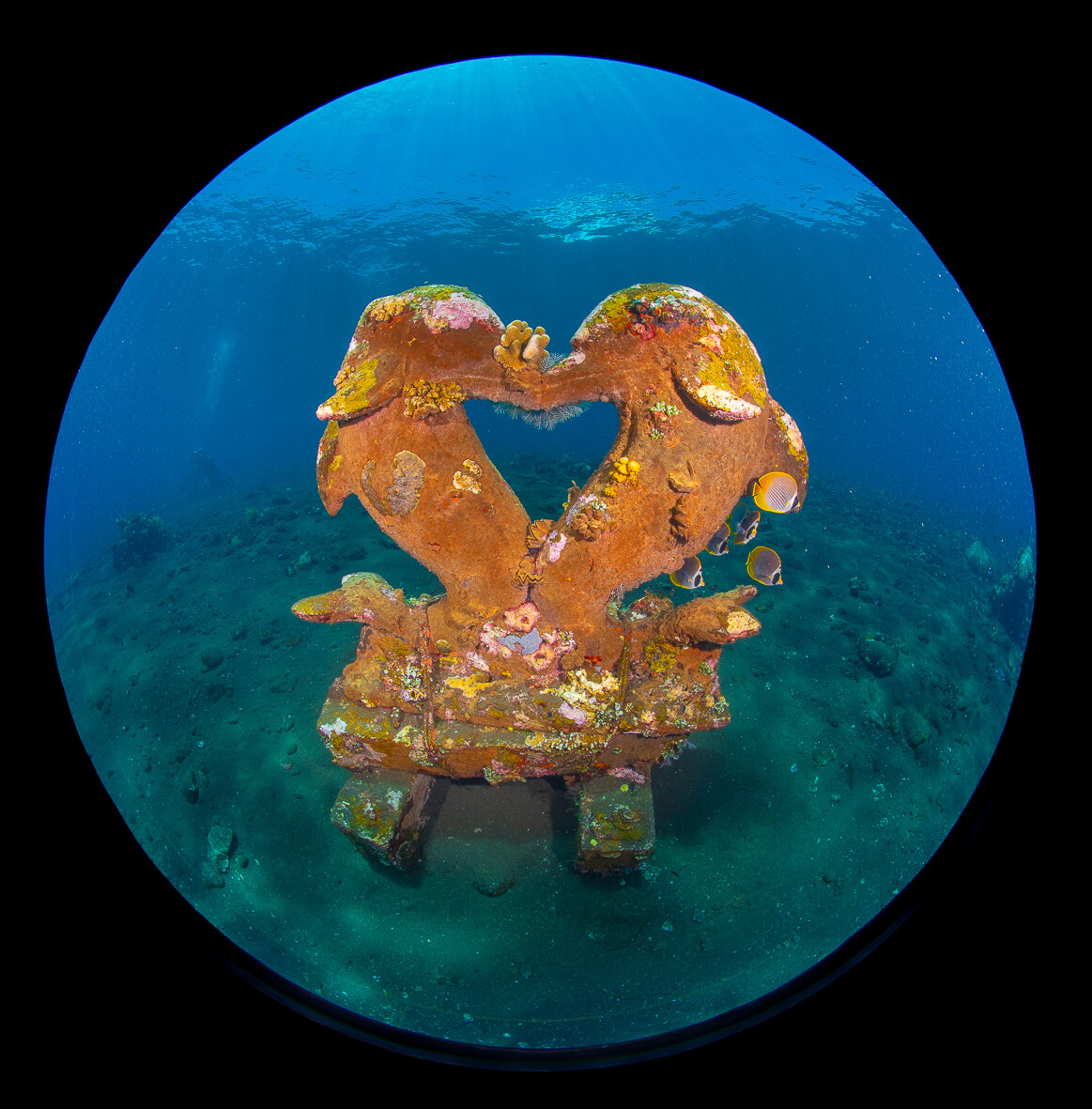
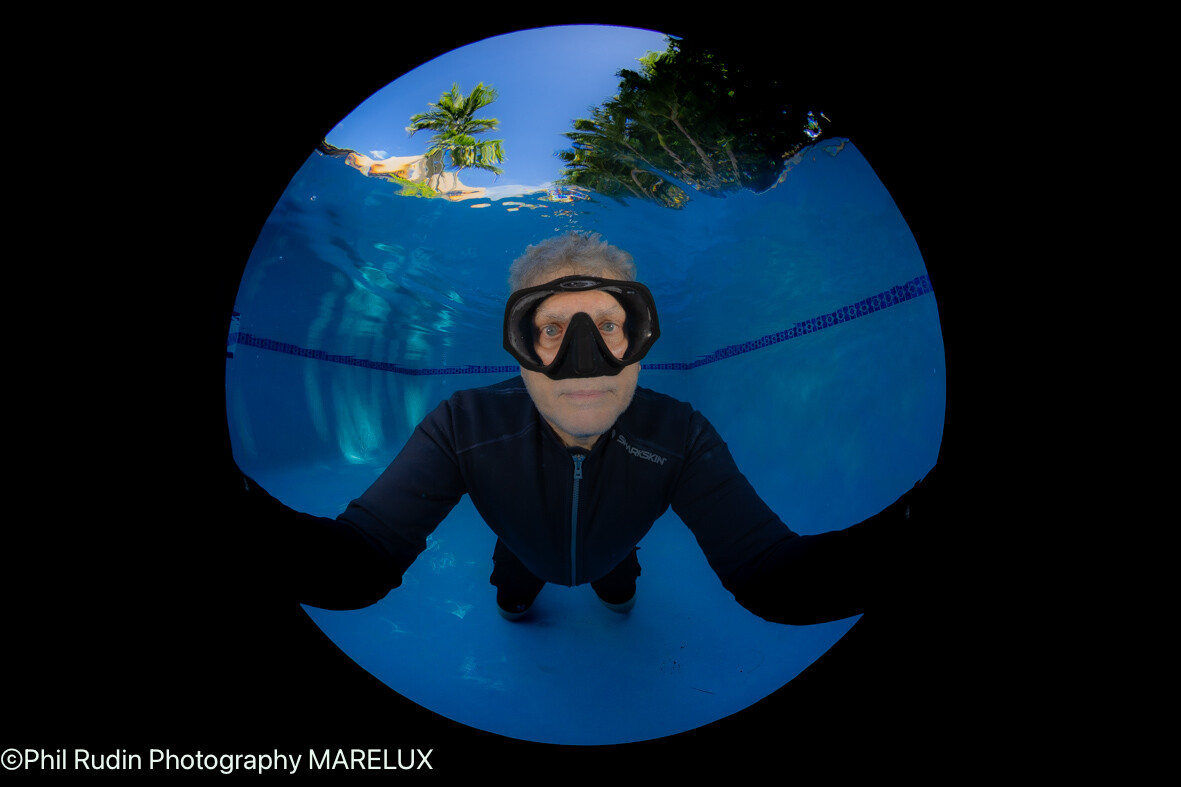
-
The Laowa AF 12mm will work in 140, 180 and 230mm dome ports and yes best results will be with the 230mm dome. This is also the case with fisheye lenses but many photographers like the much smaller 100/140mm setups. I shoot Sony full frame cameras in Marelux housings primarily with the 140mm or 230mm domes. The Marelux port charts recommend the 30mm extension for the Laowa 12mm using the 140 and 230mm dome ports while the 180mm takes the 20mm extension. I would recommend this lens over the Laowa 10mm which is more well suited to video work. I shoot the Marelux 210 acrylic and 230 optical glass along with the 12 inch Matty Smith for splits. I use the 140mm whenI travel without the large 230mm port. The Laowa 12mm is one of several lenses not supported by many other housing brands so you will need to work out extension lengths for your housing brand.
-
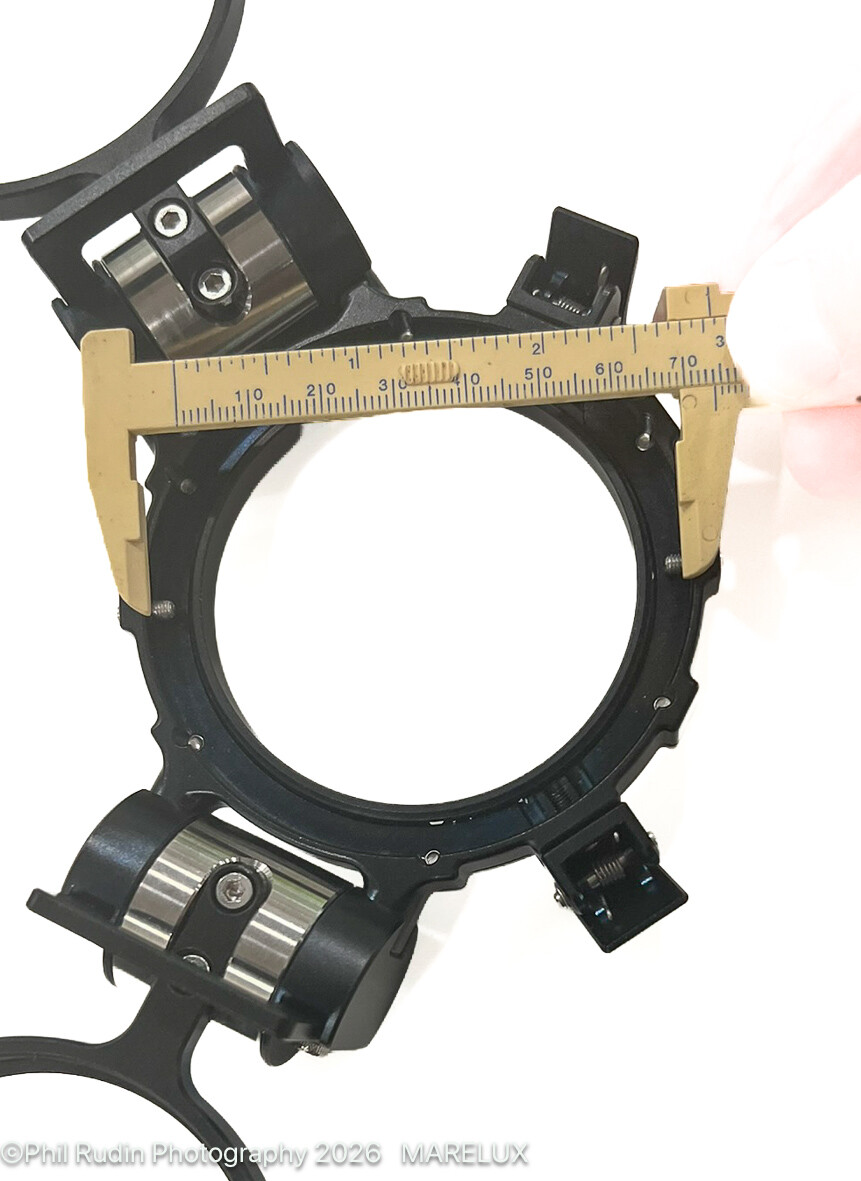
The Nauticam flip has pins that are vertical and the Marelux "pins" are threaded so they can be adjusted up and down or removed completely.
-
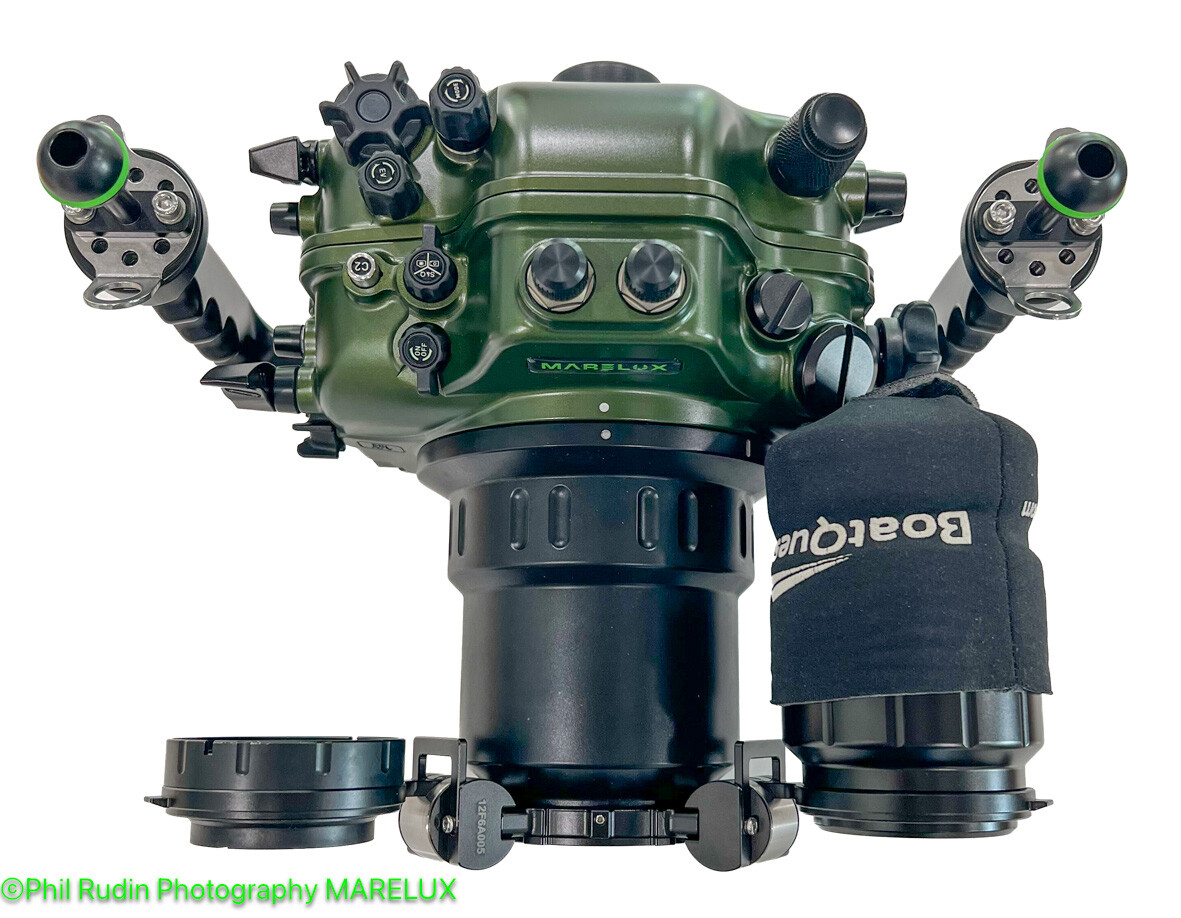
This is how it mounts on the Marelux double flip adapter with the MV60 which is about 6mm less diameter than MV24
-
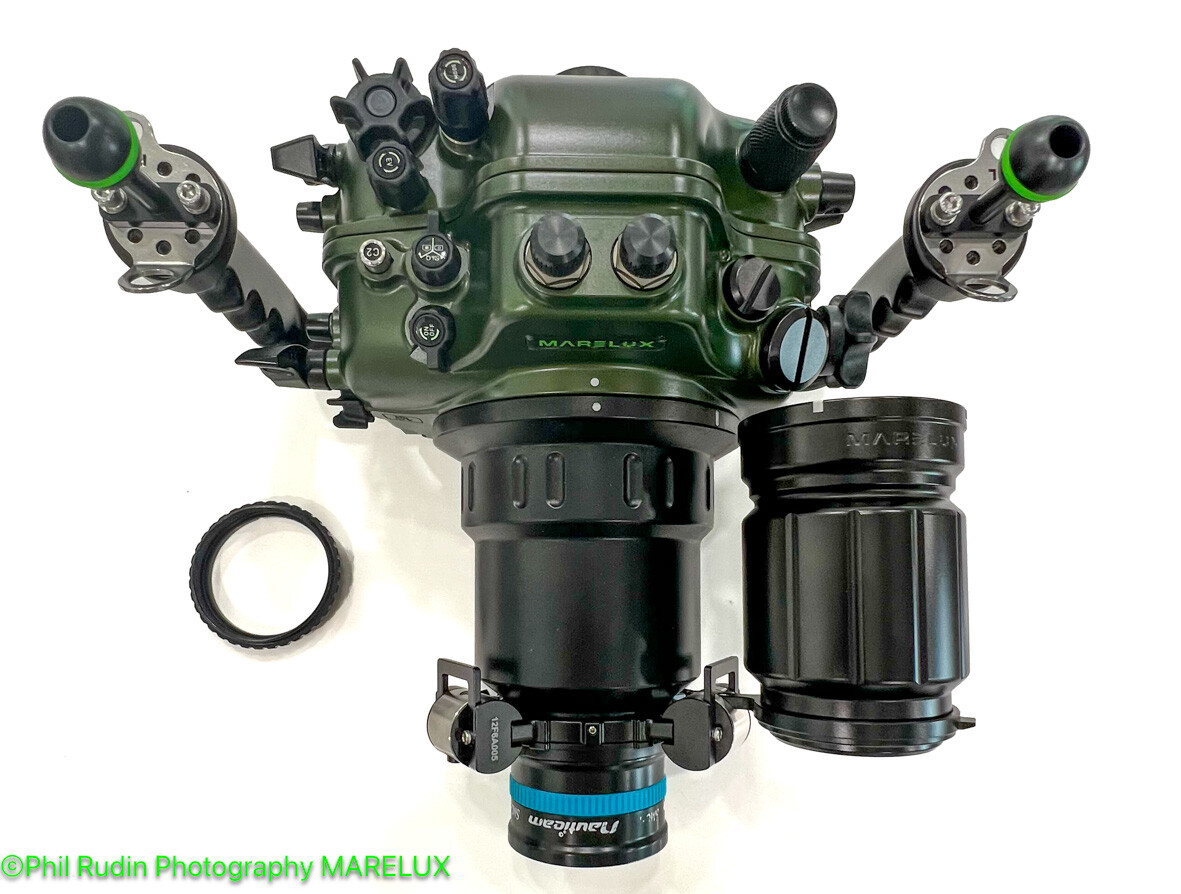
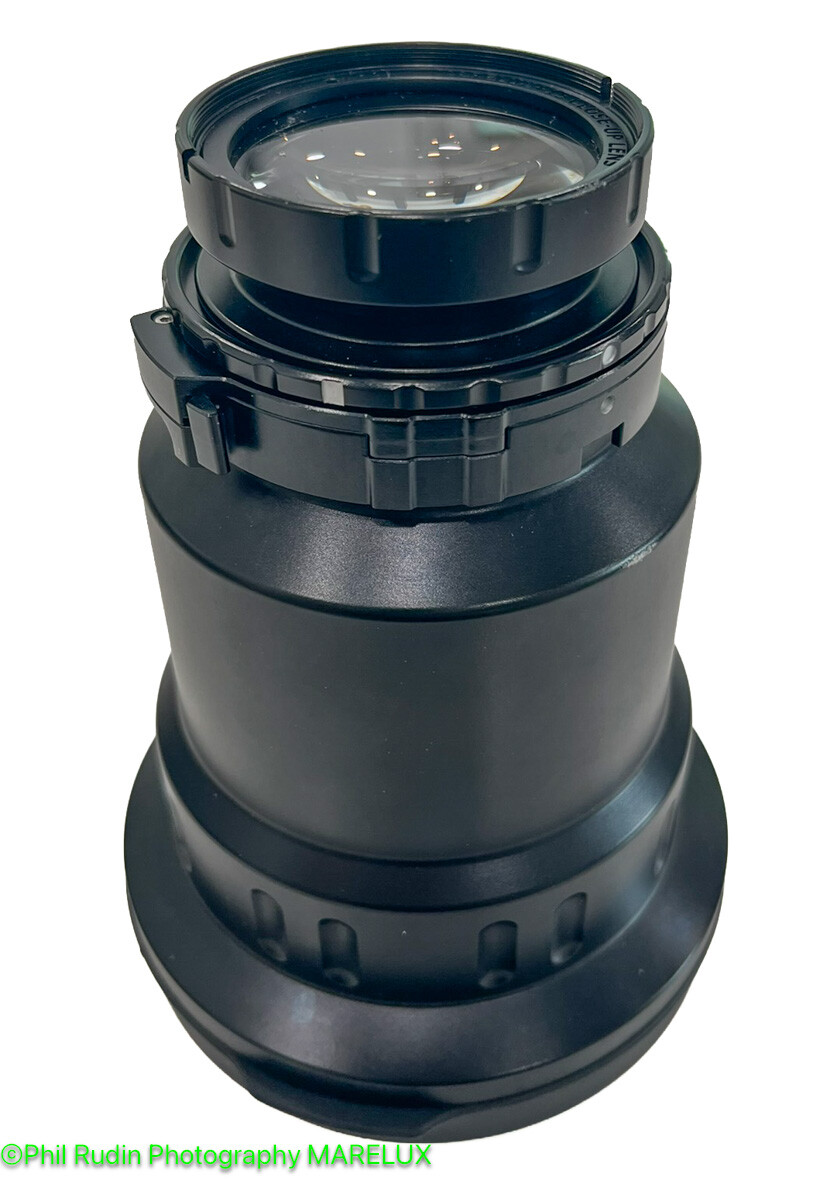
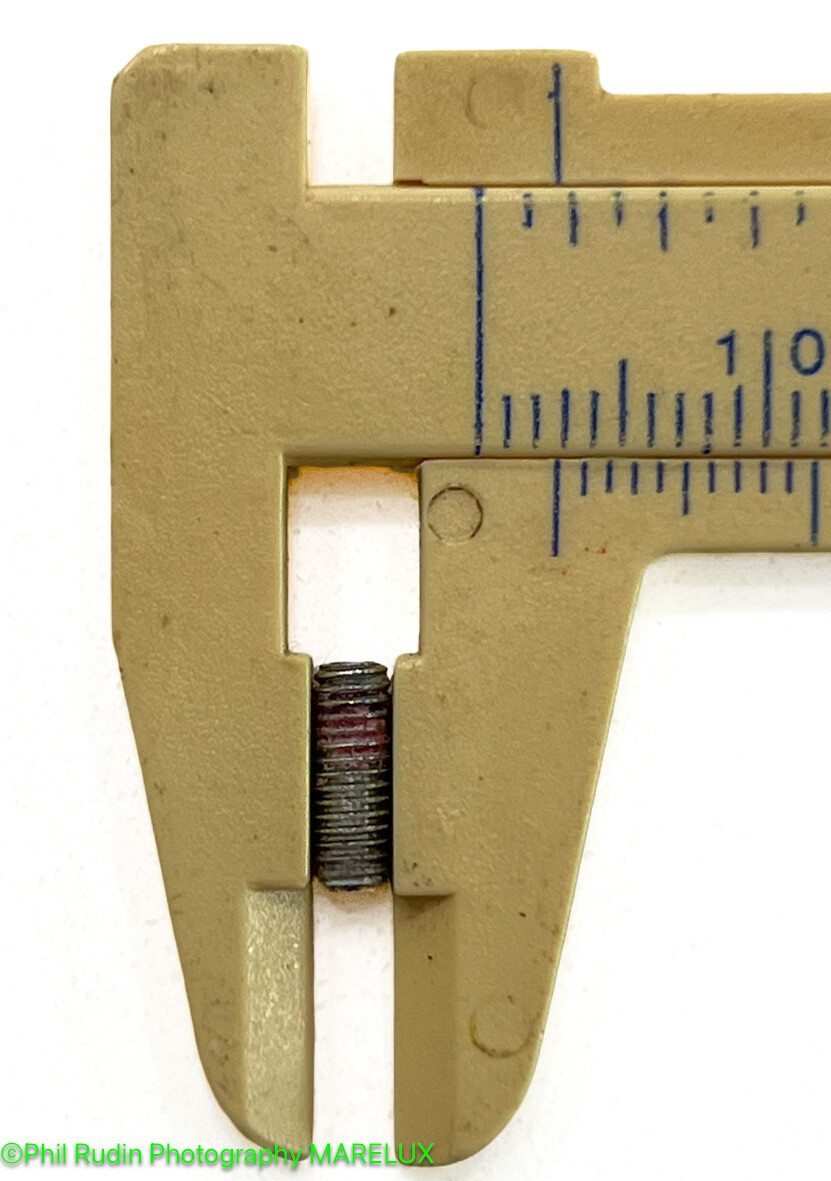
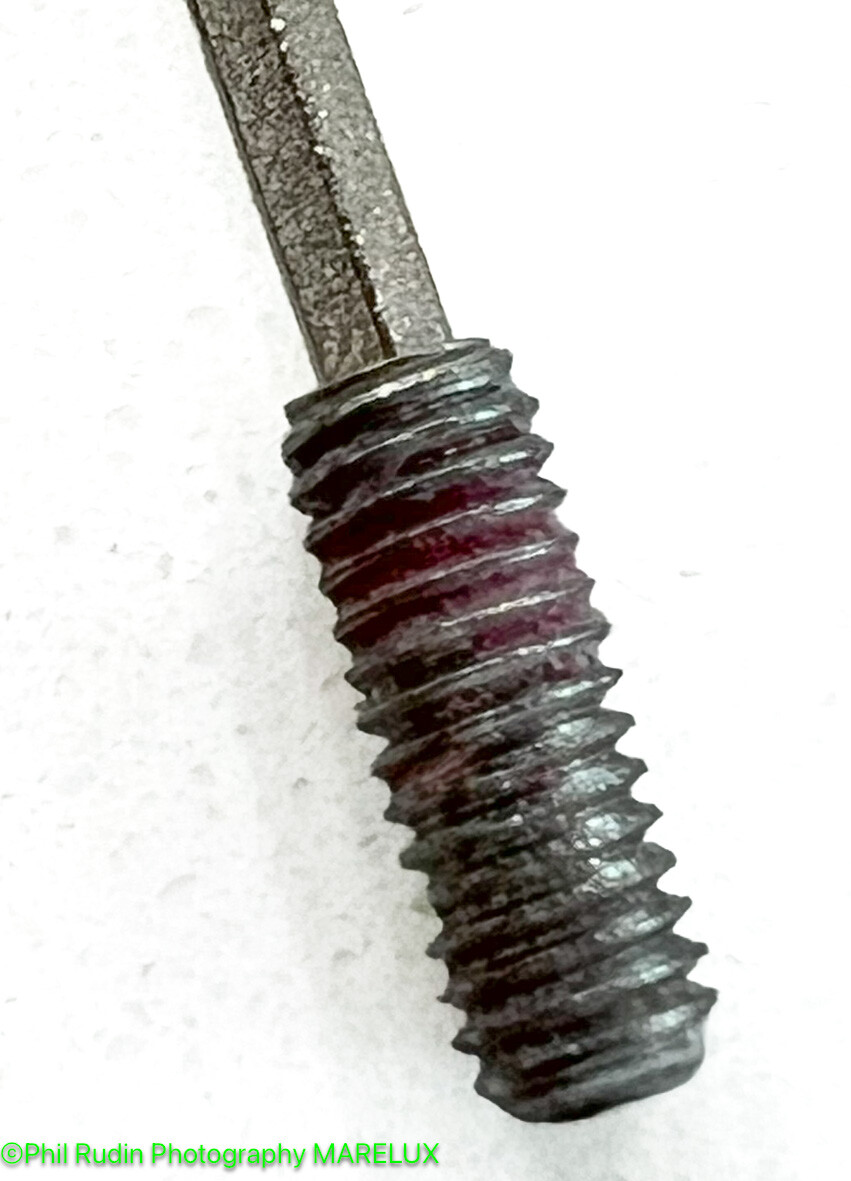
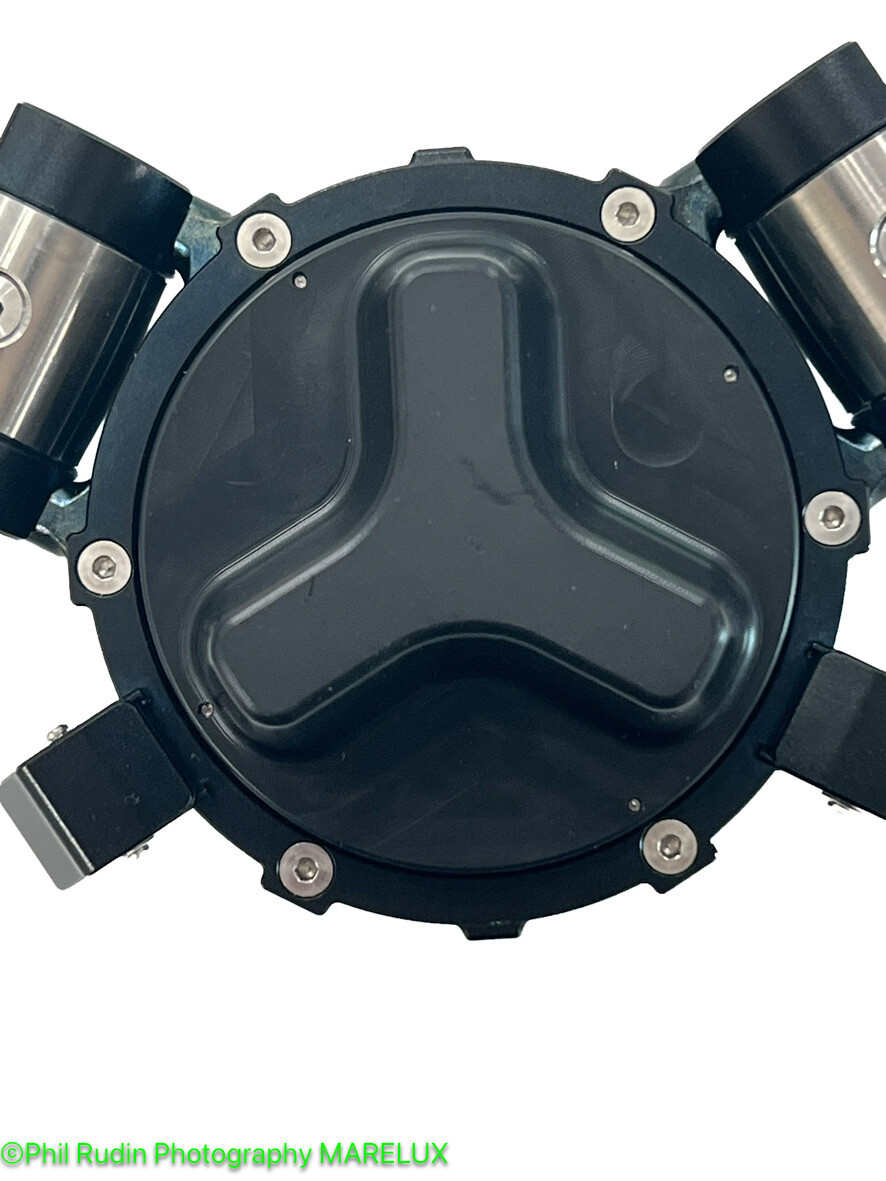
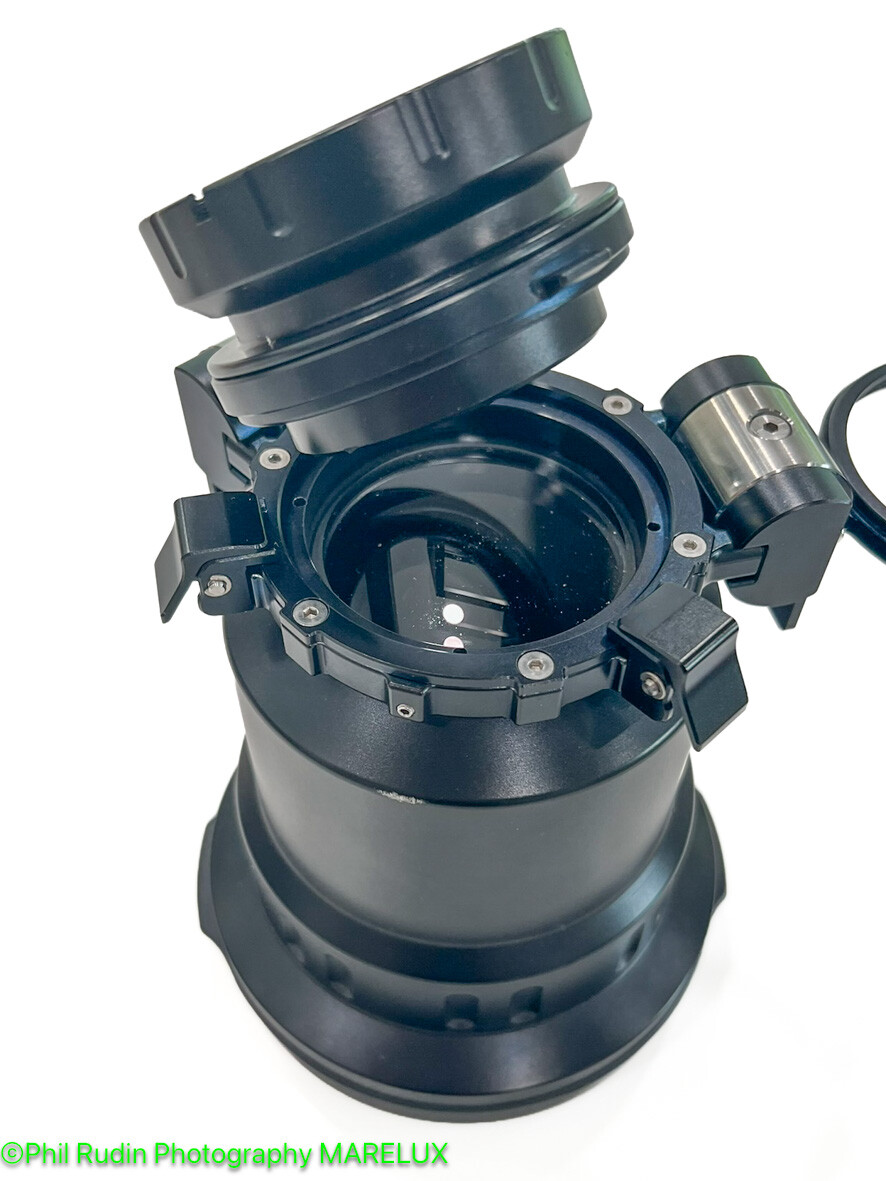
I can answer you both, first if you look up the thread you can see the double flip being used with the current style of NA wet C/U lenses, in this case SMC-1 which has the same design as CMC lenses.I will post the image again. Like other manufactures we have several ways to mount our MV-+5.10 and 15 close-up lenses. First is direct mount with an included 67mm adapter. Second is a bayonet quick release photo on the macro port. This design came be removed and reinstalled or swapped for a different power. We also have a wet lens holder with a ball head if you want to attach it to your housing. This system also works with MX wet wide lenses. The flip adapter comes in one, tow or three lens designs. The photos include the tool used to secure all flip holders and the quick release, the stainless screw that alines the flip with the width of about 2.6mm. If you measure the your NA & S&S macro ports you can get an idea if it will fit straight out of the box or if it would need a little DYI. The gunk on the threads is a lubricant to avoid binding of the screw when moving it in and out. I hope this helps.
-
I take care of that tomorrow and send some photos.
-
Our pins are threaded stainless Allen screws. If they don’t fit you can just backed them up.
-
Yes it should fit and it does come with the mounting tool. The threaded part is built-in.
-
The wet wide lenses are not rectilinear. A great choice is the Laowa AF 12mm F/2.8-F/22 lite Zero-D for Nikon Z. This lens is 122 degrees and has a minimum focus distance of just 14cm, so it can be used in a 180mm dome port. Great lens for splits, accepts 72mm filters.
-
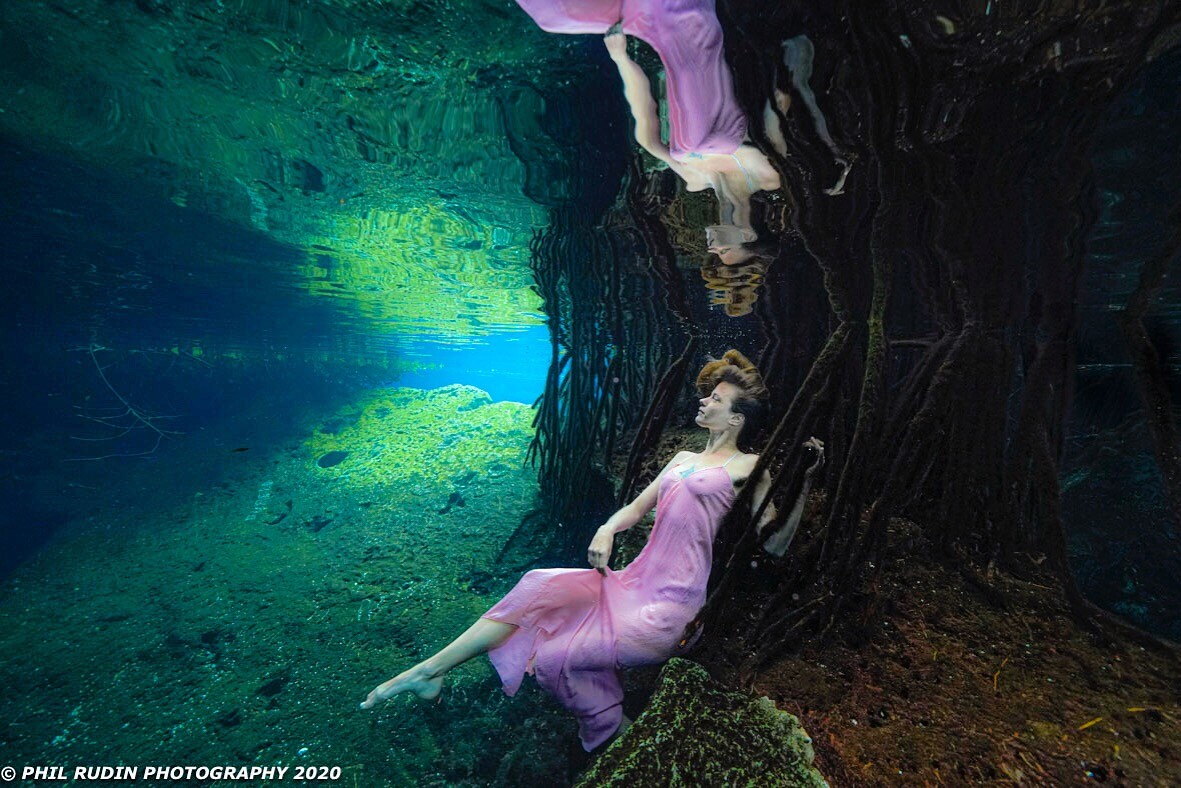
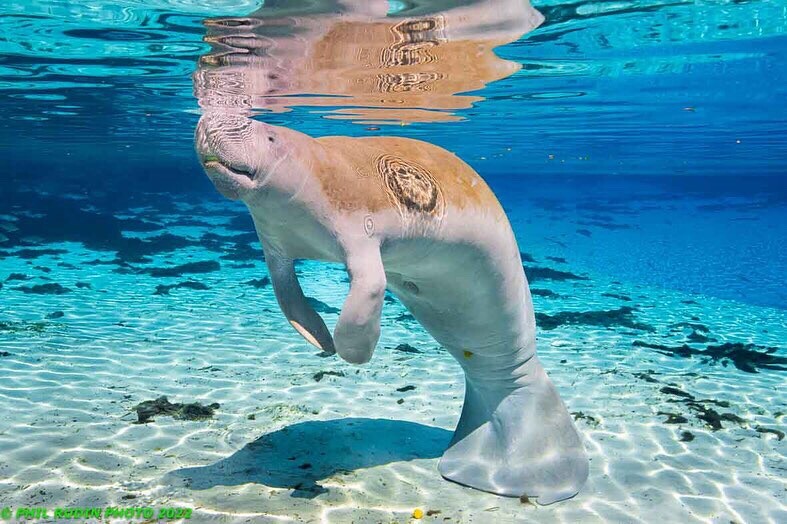
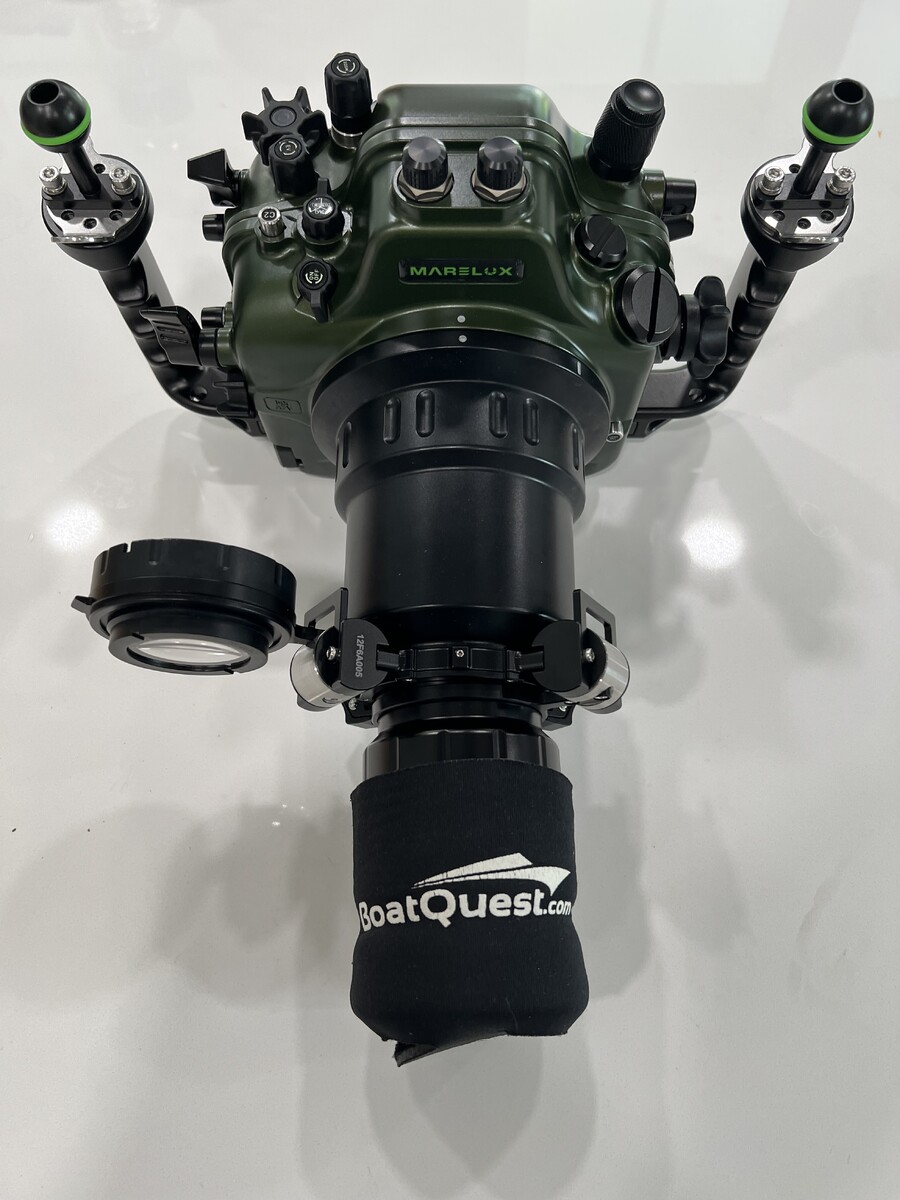
Estimated U/W weight is 160g or under 6oz so 40g or 1.41oz heaver than the in water weight for Nauticam MFO-3/3II. I suspect a beer cozy would more than offset the buoyancy. On another issue I understand the excitement of wanting a very close focusing 24mm but I am just as excited to use it as a portrait lens for larger subject like the two attached photos both taken at 24mm.
-
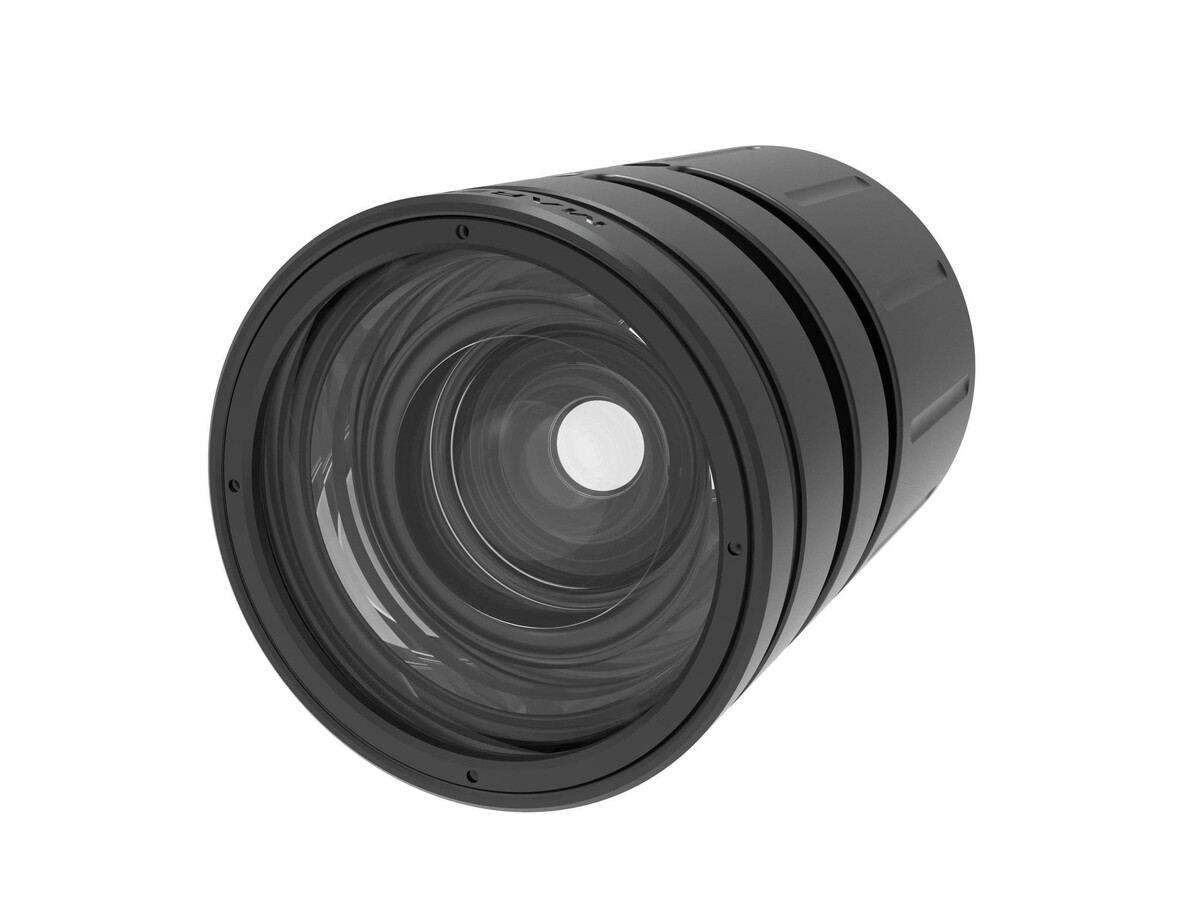
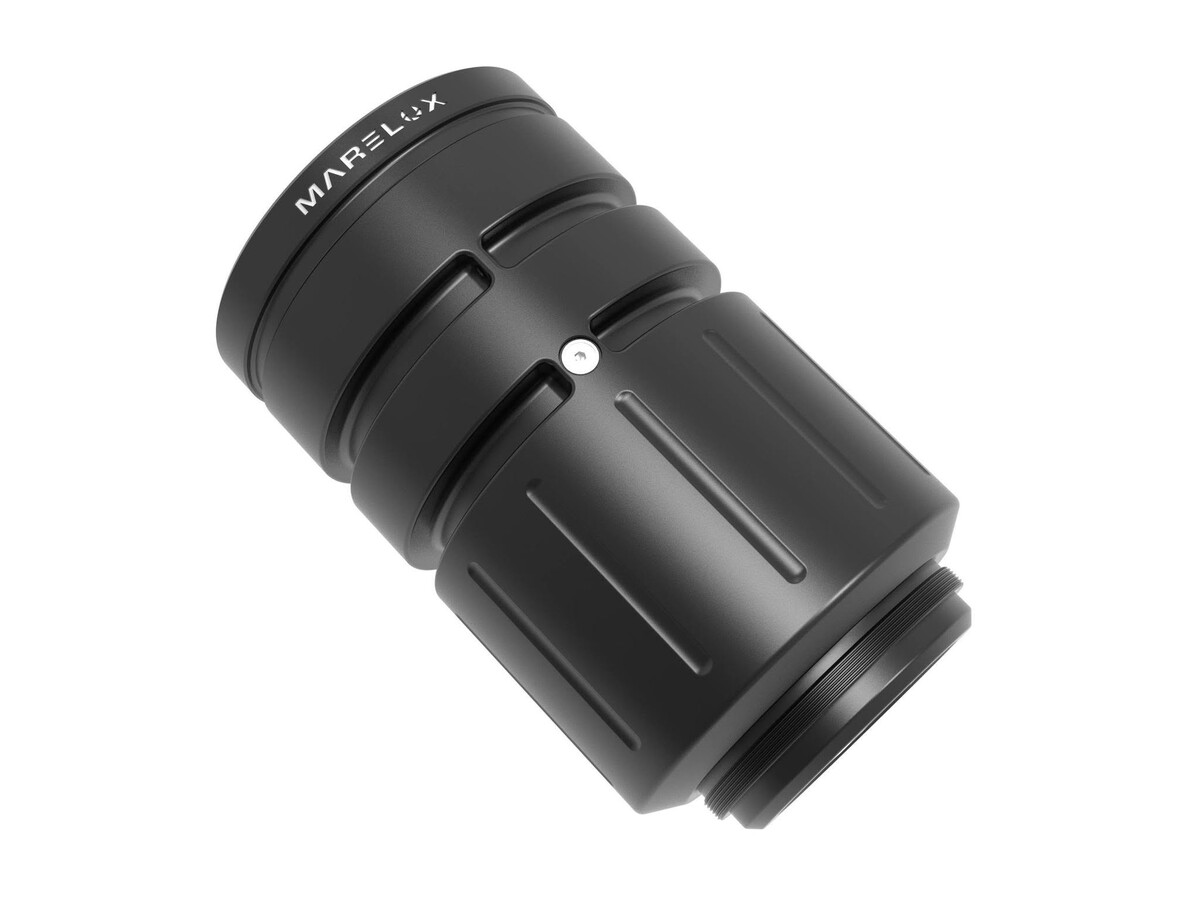
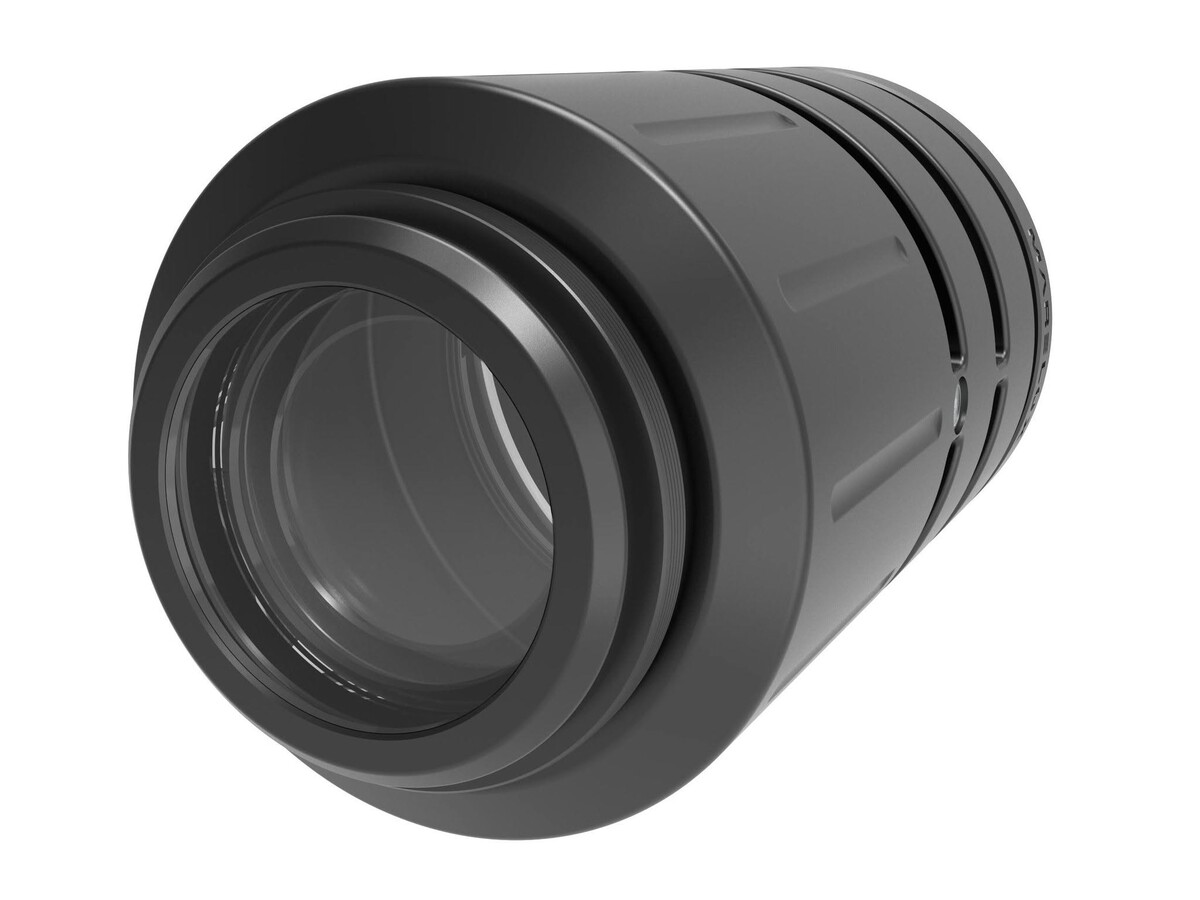
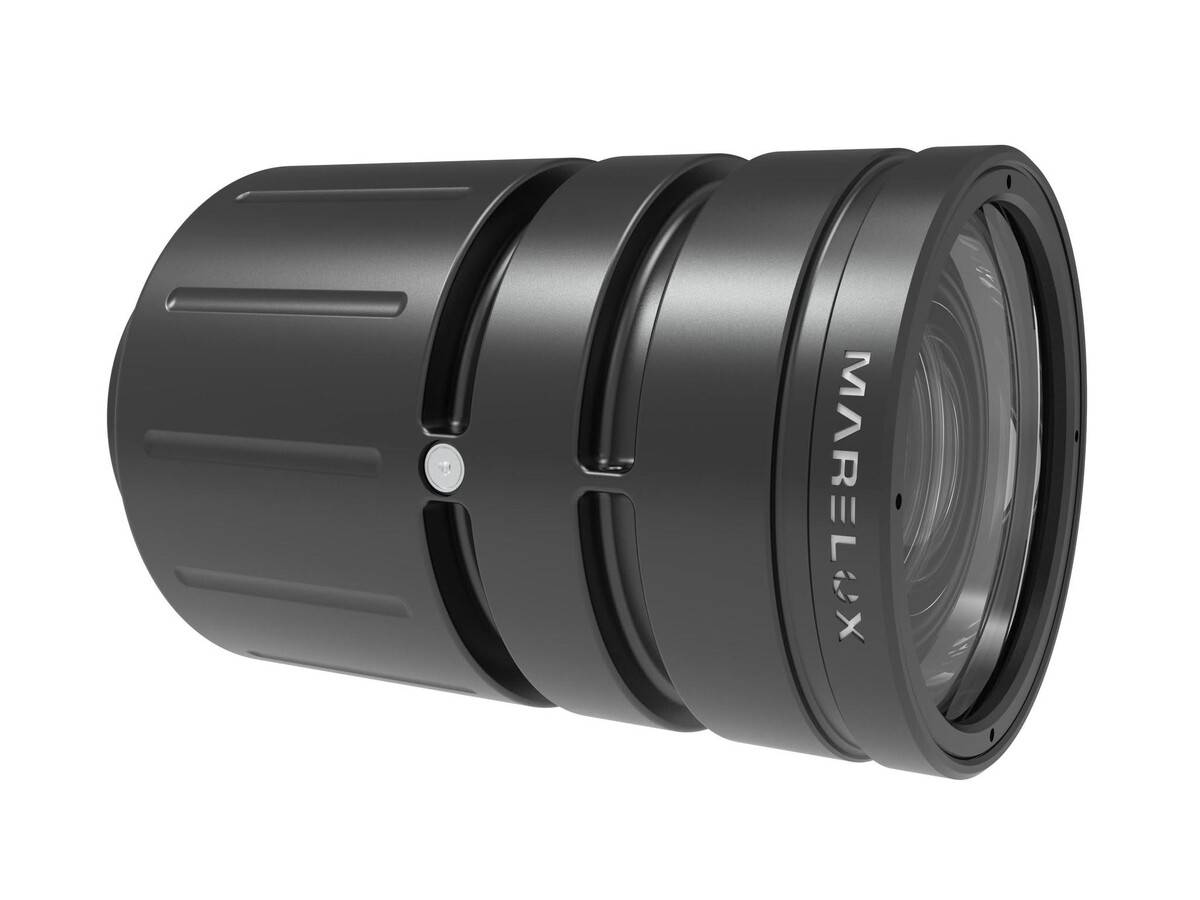
Sorry about the mistake regarding the Nauticam lens. I do get confused about the letters and numbers for some products. This is not a lens ment to be used with zoom lenses and it remains to be seen exactly how close it will be able to focus. Marelux staff has not been advised on the retail cost so you seem to be ahead of the curve on that issue. What I can say is that we are hoping to get a prototype for DEMA on 2 November. I intend to update as soon as I get the final specs. It is clear that water contact wet lenses are a valuable asset to underwater photographers and that new designs have been embraced by the community. Stay tuned for more.
-
So I guess that means no filter threads as well. Looks like we both guessed wrong.
-
Hi Karlo, I love the diving in Croatia, very different from Red Sea type diving.
-
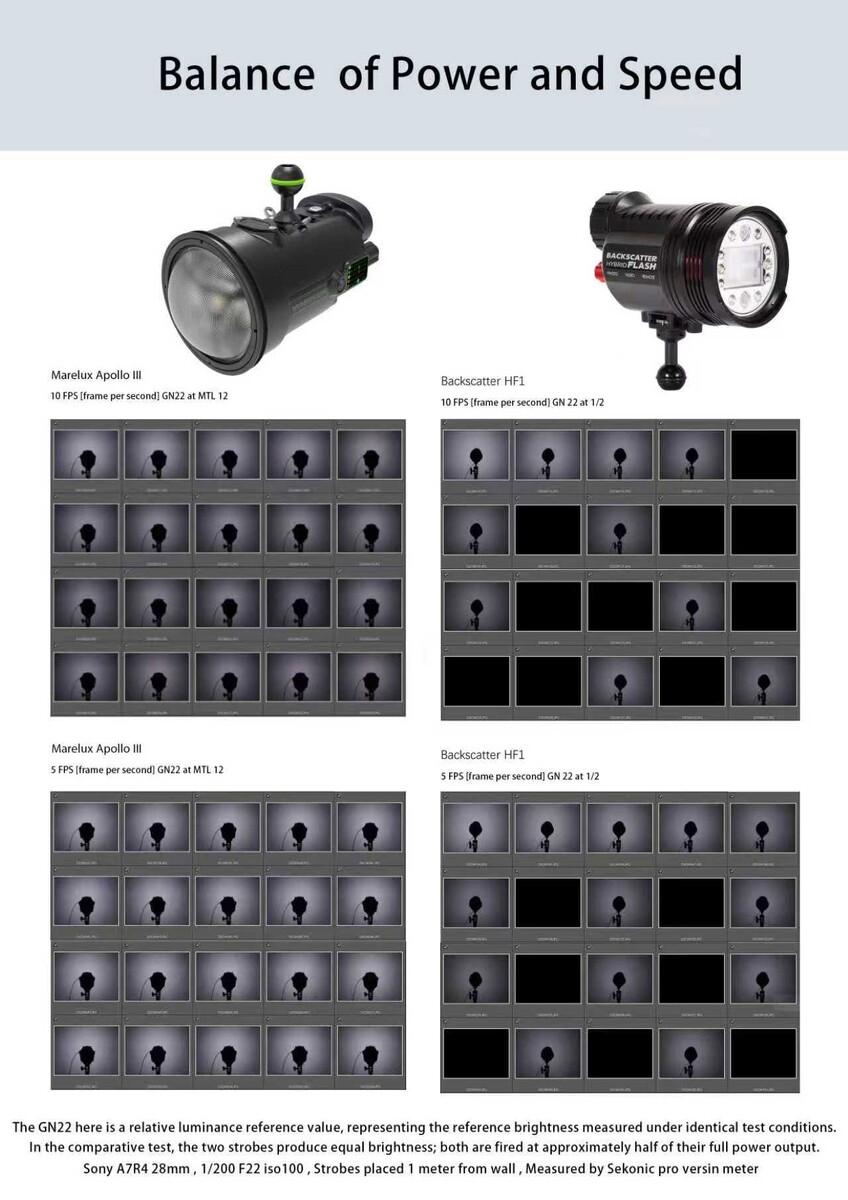
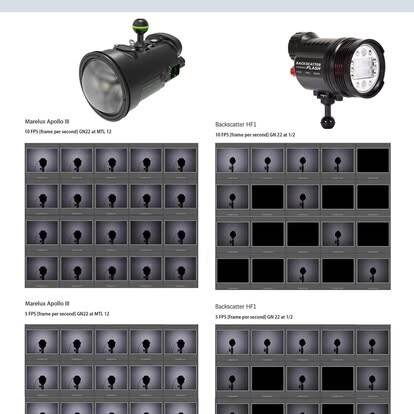
The test was dome with an older generation Apollo III and Marelux is improving with each new generation. Guide number is a balance between brightness, bean angle, fast recycle and more. I suggest you read the Retra response to the Backscatter strobe test.s in the thread above. In the case of the MX V BS top strobes the MX has a beaded dome with a 120 degree beam angle V. flat front with around 100. beam angle. The MX beaded dome softens the light output while the BS strobe needs a flat diffuser with a loss of a full stop of light to get to 120 degrees . Go to Marelux.co and checkout the difference shooting at 5 and 10 frames a second and decide which is more powerful and efficient.
-
I have not heard of any IBIS issues using the MV60 and yes it should work well with the Oly 60 macro. Marelux US has one left in stock and more arriving soon.
-
The MFO-3 has a bulbous/curved front glass which was not designed for adding filters like ND's .They have an optional push on filter holder for an additional $50.00 plus for version I. I suspect this may now be built into the lens on V II. This is one of several differences for the Marelux MV60 which already has flatter front glass and a common 77mm thread size for a verity of filter types.including yellow for Flora.