
Everything posted by RichN
-
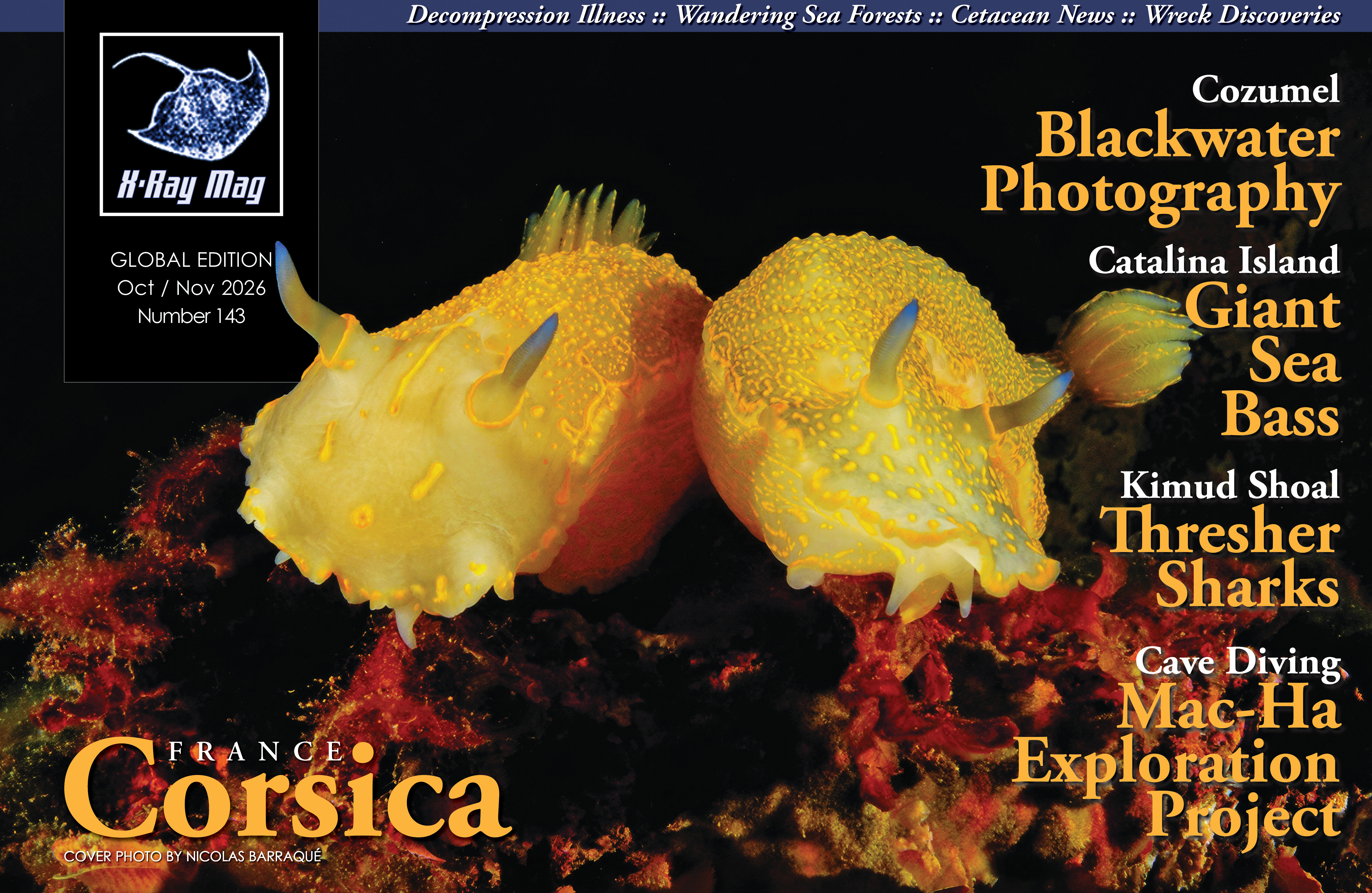 https://xray-mag.com/magazines/143 https://xray-mag.com/magazines/143
 -
Thanks, Mike. I share your concerns. We can’t keep treating the ocean as though its resources and resilience are unlimited, and loving diving doesn’t excuse the impact we have. That responsibility extends into everyday life too—what we buy, eat, throw away, and how we travel—even when we’re nowhere near the sea. That’s part of what I hoped to get across in the article: our images can help people care about a world they may never see themselves, but that care has to carry through into our own actions. We all have a responsibility to respect the ocean and give those stories a chance to continue.
-
Welcome aboard Suds!
-
-
We have a good team, to keep it going!! 🙏🏼
-
Hi Larry, glad we got you set up and it’s good to see you here! Fifty years and 2,359 dives is certainly nothing to downplay. You may be retiring from diving, but there’s still plenty to talk about here! Looking forward to seeing some of those photos as you work through the backlog and hearing a few stories along the way. Welcome aboard!
-
@Mike Saunders Thanks, that’s exactly it. We do it because we enjoy it, not because we expect to win anything… and in doing so, hopefully we get a few more people to appreciate what’s down there and want to protect it. @Troporobo Thank you, that really means a lot. A “WP Manifesto”… I’ll take that! We all enjoy talking about the gear, but there’s more to it than that. It’s about sharing what we see, learning from each other and respecting not only the marine life and the places we’re visiting, but each other too. That’s what I hope WaterPixels is about. Glad that came through.
-
Welcome aboard Clark.. glad you made it in..
-
Thanks @ChipBPhoto @TimG we hope so..
-
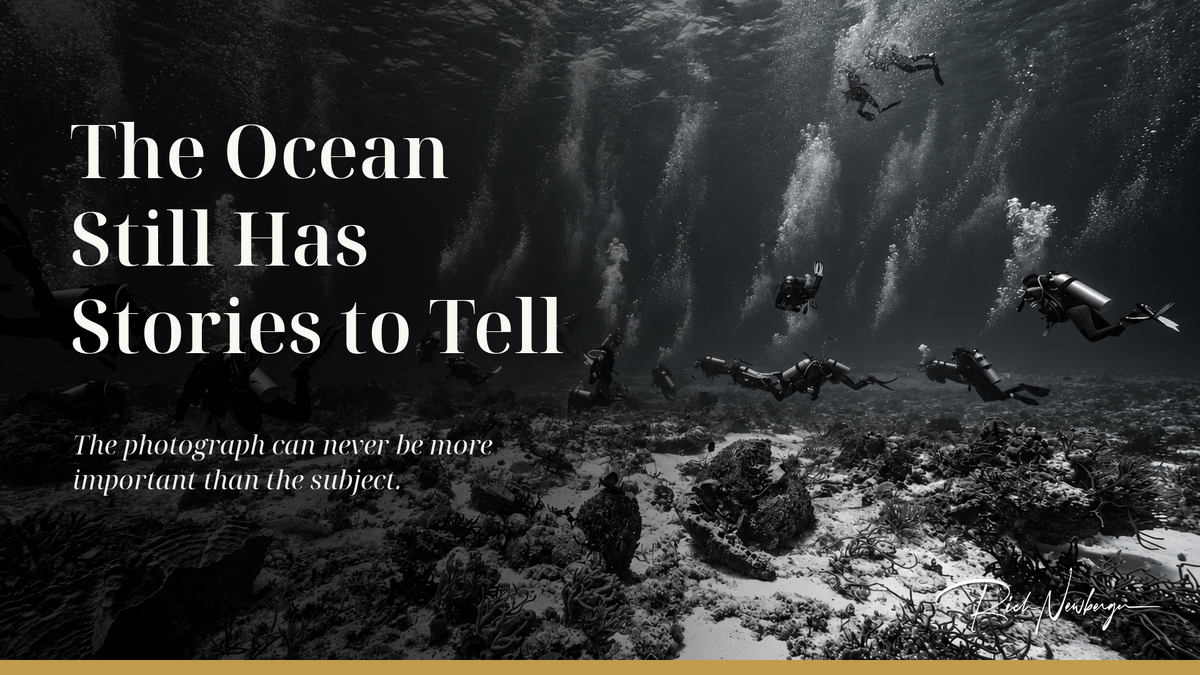 I have spent a lot of years looking through a viewfinder, both above and below the surface. Photography has always been about capturing something that would otherwise pass — a person, a place, a fraction of a second that would be gone if we did not make the effort to preserve it. Sometimes the result is artistic, sometimes documentary, sometimes neither, and sometimes a little of both. But some of the moments that have stayed with me the most are the ones when I’ve stopped thinking about the photograph. On one dive, I saw a huge loggerhead turtle in the distance. My first instinct was to move closer. You see the subject, you imagine the photograph, and your mind immediately starts working through distance, angle, light, and composition. Then I stopped. There were already so many divers around it or heading toward it — multiple dive groups, people trying to get closer, some waiting their turn and others not. The turtle had enough going on without me adding myself to the crowd. Watching so many people converge on its space was unsettling to me. So I stayed back and took a photograph of the scene as it was. It wasn’t a photograph I had planned to make, and I certainly wasn’t thinking about composition or creating something for a portfolio. It was really just a snapshot for reference — a record of what I was seeing. Divers seemed to fill the water in every direction, spread across the reef and throughout the water column, with streams of bubbles rising toward the surface. And somewhere beyond all of that activity was the reason everyone had gathered there: the turtle. The turtle isn’t even in the photograph. I had started toward it hoping to make a photograph of a loggerhead. Instead, I photographed what was happening around it. The photograph I came away with was not really about the turtle at all. It was about us. It became a reminder of how easily our excitement can become pressure on the very animals we came to see. I wrote about that moment afterward and summed it up with a simple thought: No shot is worth stressing or damaging anything. That still reflects how I feel. There are times when we can approach carefully, make an image and move on. There are other times when the right decision is simply to watch. Knowing the difference is part of being an underwater photographer, just as much as knowing how to set a strobe or choose a lens. The moment we descend beneath the surface, we become visitors. Being a good visitor means leaving as little evidence of our presence as possible. The photograph can never be more important than the subject. That responsibility does not limit creativity. If anything, it asks more of us. We should create through the way we see, frame, light and interpret a scene — not by disturbing an animal or changing the environment to manufacture a better picture. The turtle encounter became meaningful because I stepped back and noticed something beyond the image I had first imagined. Underwater imaging, like photography above the surface, is an art form. We make choices about light, composition, perspective, movement, color and mood. Two people can photograph the same subject on the same dive and come back with completely different images because each person sees the scene differently. Sometimes the goal is to show exactly what was there. Other times it is to communicate what it felt like to be there. The camera is only the tool. The image comes from the person using it. Those tools can look very different: a large housed camera with strobes, a compact, an action camera, or a smartphone in a housing. What connects us is the desire to bring something back and show someone what we saw. A photograph of a tiny nudibranch can introduce someone to an animal they never knew existed. A healthy reef can show what is still worth protecting. Bleaching coral, discarded fishing gear, or a landscape changed by human activity can tell a very different story. Our cameras document beauty, but they also document change. That is one of the things that has always fascinated me about underwater photography. Divers get to see things much of the world never will. We notice when a reef looks different from the last time we visited — storm damage, fewer fish or plastic tangled around coral. We also see recovery, new growth and marine life returning to places that have been given a chance to heal. Dive after dive, year after year, underwater image makers are building a visual record, often without ever setting out to become historians. Some of those images may never win a contest or receive much attention. Many will sit quietly on hard drives or phones for years. Yet an ordinary photograph can preserve something important: a reef, a wreck, a species or an ecosystem at a particular moment in time. As the ocean changes, an image that seems unremarkable today may become valuable for what it allows us to remember. Underwater photography may increasingly become part of the ocean’s memory as well as our own. That connection between observation, creativity, and responsibility is why I believe conservation belongs naturally alongside underwater imaging. A photograph can make something distant feel personal. Someone who has never worn a mask or taken a breath from a regulator can still look into the eye of a shark, see the complexity of a coral reef, or recognize the vulnerability of an animal surrounded by divers. Sometimes that connection is enough to make someone care, and caring is often where conservation begins. It is also part of why WaterPixels matters to me. WaterPixels was built not only to restore or continue a community, but around the idea that underwater photographers and image makers should have a place to share photographs, knowledge, experiences, mistakes, and discoveries. The same impulse that makes us bring a camera on a dive, makes us want to talk about what happened afterward. What did we see? How did we make the image? What would we do differently next time? When I think about the turtle encounter, that last question matters especially. Sharing the photograph also meant sharing the decision behind it: why I stayed back and what I noticed when I did. Those are the kinds of conversations I want us to have alongside discussions about technique. An image can give us something to learn from even when the lesson has little to do with camera settings. Photography has changed enormously over the years, from film to digital and through advances in autofocus, lighting and editing. Action cameras opened underwater imaging to a much wider group of people, and smartphones are now doing the same. A phone in a housing can document a reef, an encounter or an environmental change just as meaningfully as a large dedicated camera system. That wider participation is good for a community built on sharing. Someone asks about a lens and another photographer explains what worked for them. Someone shares a lighting technique they struggled for years to understand. A diver posts about an encounter from halfway around the world. A photographer with decades of experience helps someone preparing for their first trip with a housing. Eventually, that new photographer becomes the person answering someone else’s question. That is how a community stays alive. Of course, underwater photographers can spend endless hours talking about equipment. We are exceptionally talented at debating domes, wet lenses, strobes, ports, sensor sizes, autofocus settings, corner sharpness and probably several hundred other subjects that most people would never understand nor care about. Those discussions are part of the fun for some, and good advice can save someone a great deal of frustration. But the value of an image (or video for that matter) has never depended entirely on the equipment used to make it. A technically perfect photograph with razor-sharp corners can be beautiful. So can a grainy, imperfect image made at exactly the right moment. Underwater imaging can be scientific, documentary, journalistic, artistic, or deeply personal. Sometimes, it is several of those things at once. What matters is what the image says. Underwater photography exists because the underwater world exists. Without healthy oceans, the cameras do not matter very much. Conservation should not feel like a separate subject we occasionally add to a photography community. It is already present in the choices we make every time we enter the water. After enough years behind a camera, it would be easy to think everything has already been photographed. It hasn’t. A familiar reef changes with the light. An animal behaves in a way we have never seen before. A new photographer notices something an experienced photographer may have passed a hundred times without seeing. There is still room to be surprised, and more people than ever have the ability to record those discoveries and share them. The world does not necessarily need more photographs simply for the sake of having more photographs. What it needs are more people willing to look carefully, learn, create, and share what they discover — and to protect the places that make those discoveries possible. Sometimes looking carefully means recognizing that the photograph we came for is not the most important thing happening in front of us. That is what I hope WaterPixels continues to be: a place where great underwater images are celebrated, curiosity matters, creativity is encouraged and knowledge is freely shared. A place where wildlife is respected and the health of the ocean matters as much as the photograph. A place where someone with the most expensive & latest system and someone with a smartphone can both contribute something meaningful. Long after today’s cameras are obsolete and the technology we currently obsess over has been replaced, the reason we carried those cameras underwater will remain. There will still be another reef to explore, another animal to encounter, another photographer discovering this world for the first time, and another moment worth remembering. What we choose to notice, preserve, and share will still matter. And somewhere beneath the surface, the ocean still has stories to tell...
 -
The WetPixel Archive has been assembled and rebuilt from old Wetpixel forums as a read-only archive, for historical reasons only, link below and will be in the site navigation under Community. https://waterpixels.net/wp-archive/ Wetpixel was founded in 2000 and became an important resource for underwater photographers, filmmakers, divers, manufacturers, and researchers. This archive is that record. The discussions are kept as they were written. It is not current advice, product information, or a statement of anyone’s views today. WaterPixels is an independent community. We are not affiliated with Wetpixel, and we are not its successor. The Wetpixel name and the material in the posts remain with their owners. Copyright stays with the people who created the work. If you are a rights holder and something in the archive should not be shown, the notice on the archive page explains how to send a removal request. We will review it. The Wetpixel Wiki is a synthesis of the material held in this archive: https://wetpixel.echeng.com The Wiki will start to point old Wetpixel forum links back into the archive at some point. When the Wiki refers to an old thread, that link should open the same discussion here, so those references stay inside the historical record. Nothing new is posted in the archive. It is there to be read. In addition the site search will show additional options so that results will show from both the Live forums and the Archive.
-
These items should be fixed now.. thanks for bringing them to our attention.
-
Thanks I’ll dig in to it later and get it sorted.
-
Welcome aboard! Great to have you here.
-
Welcome to WaterPixels, Bob! Great to have you here. Looking forward to seeing some of your images and having you join the discussions. Make yourself at home!
-
Update — September 24, 2026: Local reports from Cozumel indicate that the disputed Customs charges on cameras and specialized diving equipment are currently no longer being applied following discussions between local business groups and federal Customs officials. César Cepeda Escamilla, representing Cozumel nautical-service operators, told Quequi that an agreement had been reached providing greater flexibility for visiting divers. This is an encouraging development, but WaterPixels has not yet located a written directive from Mexico’s National Customs Agency (ANAM) formally confirming the change or establishing it as nationwide policy. For now, divers and underwater photographers traveling to Mexico should therefore continue to exercise caution, particularly when entering through airports outside Cozumel. WaterPixels continues to monitor the situation and has contacted both Quintana Roo tourism officials and Mexican Customs directly for clarification
-
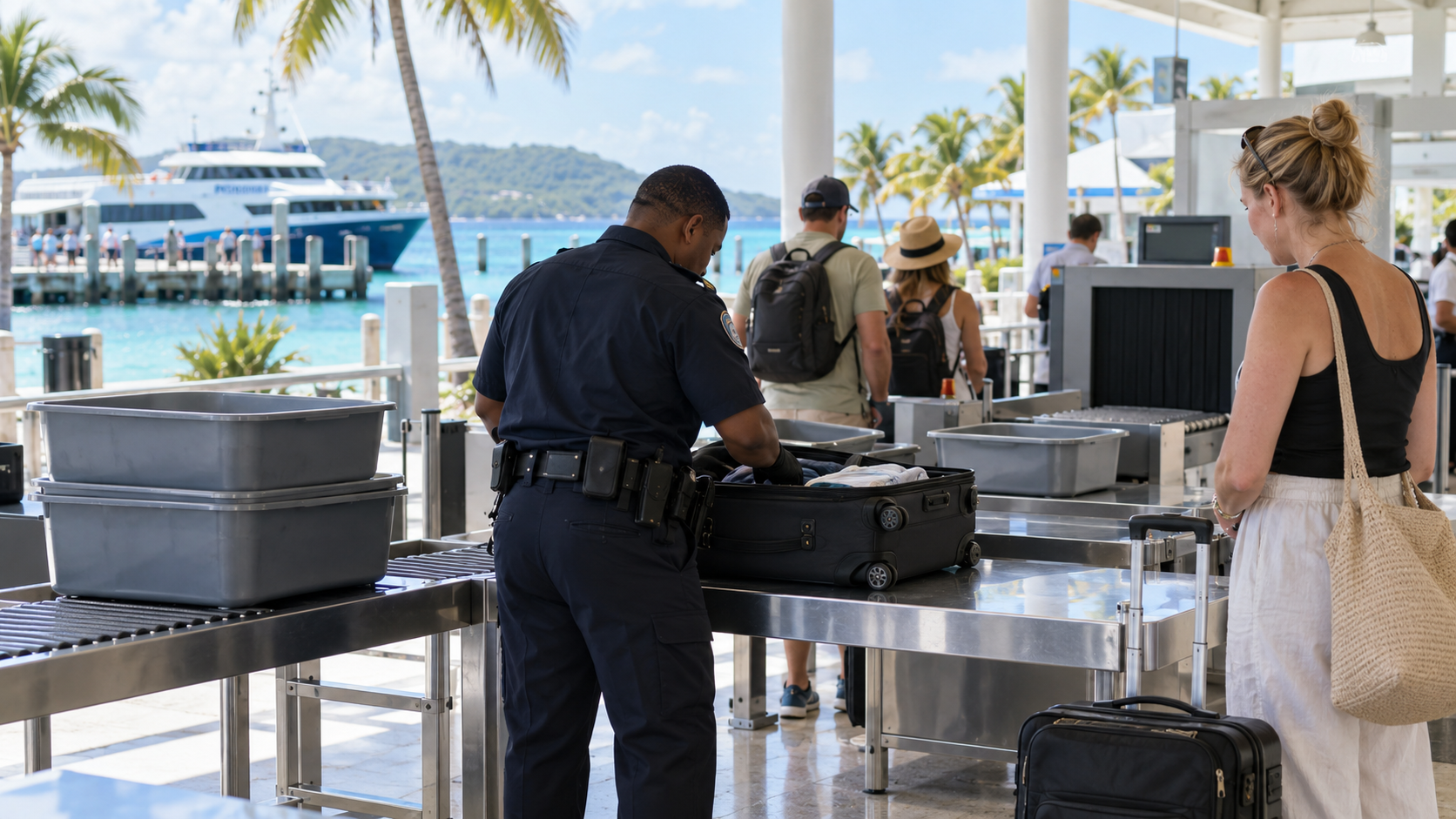 Underwater camera housings traveling with their corresponding cameras are to be treated as photographic accessories, while dive computers are to be classified as sporting equipment, according to Cozumel tourism officials following meetings with Mexican Customs. Broader questions about strobes, ports, wet lenses and whether the interpretation applies throughout Mexico remain unresolved. September 21, 2026 — WaterPixels There may finally be some movement in the long-running dispute over how Mexican Customs treats the specialized equipment carried by visiting divers and underwater photographers. Following meetings between Mexican Customs officials, the Quintana Roo Tourism Secretariat (SEDETUR) and representatives of the diving industry, Cozumel tourism officials say two particularly important pieces of equipment now have clearer treatment when visitors enter the destination: dive computers and underwater camera housings. According to Elías Farah Ceh, Cozumel's Director of Tourism and Economic Development, dive computers brought by tourists are to be classified as sporting equipment rather than laptops or tablets during Customs inspections. For underwater photographers, an even more significant clarification concerns camera housings. Farah Ceh said that underwater camera housings will be considered camera accessories when they travel with the corresponding camera. If a housing is transported separately from its camera, however, it may instead be counted against the passenger's duty-free merchandise allowance and could become subject to tax if the applicable allowance is exceeded. The clarification was reported September 19 by Mexican news outlet Ruptura 360, following a meeting in Cancún involving Customs personnel, SEDETUR and representatives of Cozumel's diving community. Customs shown how modern dive equipment is actually usedThe issue appears to have gone beyond a conventional meeting between government and tourism officials. During the discussions, experienced diver Alberto Friscione reportedly demonstrated equipment used for both ocean and cave diving, helping Customs personnel distinguish specialized dive equipment from ordinary consumer electronics. That distinction is particularly relevant to dive computers. Although today's units may resemble sophisticated smartwatches or electronic devices, their primary function is as life-support-related diving instrumentation, tracking information such as depth, dive time, decompression status and other parameters needed during a dive. Treating such a device as a laptop or tablet can therefore create problems when Customs officers apply passenger allowances intended for conventional electronics. The same problem has affected underwater photography equipment. To someone familiar with underwater imaging, a camera housing is clearly part of the system required to operate a camera underwater. But Mexico's published passenger-baggage rules refer more generally to cameras and “photographic material,” leaving considerable room for interpretation when Customs encounters housings, ports, strobes and other specialized components. The latest Cozumel clarification appears to address at least the housing portion of that problem. Quintana Roo confirms underwater photography equipment is being discussedThe Government of Quintana Roo has separately confirmed that underwater imaging equipment is part of the current discussions with Customs. In a September 18 statement, SEDETUR said representatives met with Cancún Customs officials and members of the nautical and diving sectors specifically to review the equipment now being brought into the Mexican Caribbean by visiting divers. That review included equipment used for cave and cavern exploration as well as specialized underwater photography and video equipment. Cancún Customs chief General Luis Antonio Balcázar Bustos participated in the meeting along with senior officials responsible for legal affairs, passenger services and Customs operations. According to SEDETUR, the meetings are intended to produce several improvements: better training for Customs personnel; direct communication between Customs authorities and representatives of the diving sector; and clearer information for tourists arriving with specialized equipment. Additional Mexican reporting published September 21 says those efforts are continuing as officials work to establish procedures that make entry into the Mexican Caribbean with personal and specialized diving equipment more predictable. SEDETUR Secretary Bernardo Cueto Riestra said more than half a million tourists visit the Mexican Caribbean annually to dive, making resolution of these issues particularly important to the region's tourism industry. Complaints and cancellations put pressure on officialsThe discussions follow a period of increasing frustration among international divers and underwater photographers. WaterPixels has followed reports involving Customs treatment of underwater imaging equipment in Mexico since 2024, including complaints associated with Cancún, Cozumel and Los Cabos. More recently, local Cozumel business representatives have said uncertainty and disputed Customs charges have contributed to cancellations by visiting dive groups. The issue gained additional attention this summer as individual divers and underwater photographers began publicly calling for travelers to avoid Mexican dive destinations until the Customs situation was clarified. The current discussions between Customs, tourism officials and the dive industry appear to be a direct attempt to reduce that uncertainty. Important questions remainThe latest development is encouraging, but underwater photographers should be careful not to interpret it as a complete resolution of the Mexican Customs issue. WaterPixels has not yet located a published national directive from Mexico's National Customs Agency (ANAM) formally stating that the camera-housing interpretation applies at every Mexican port of entry. The current information comes from Cozumel tourism officials describing agreements reached during discussions with Customs. It also addresses only part of a typical underwater imaging system. Questions remain concerning equipment including: dome and flat ports; interchangeable lenses; underwater strobes; video and focus lights; wet wide-angle and macro lenses; external viewfinders; extension rings and gears; strobe arms and related accessories. A serious underwater photography system can contain all of these components while still involving only one personal camera. How Mexican Customs classifies that complete system remains the key question for traveling photographers. There is also an important geographic question. Are these interpretations being used only in Cozumel and Cancún, or will Customs officers apply the same criteria in other Mexican entry points, including Los Cabos? Until that question is answered by ANAM or another federal authority, travelers should not assume that procedures will necessarily be identical throughout Mexico. WaterPixels has requested official clarificationWaterPixels has sent a detailed bilingual media inquiry to Quintana Roo Tourism Secretary Bernardo Cueto Riestra and Cancún Customs, asking for clarification directly from the authorities involved. Among the questions we have asked: whether a camera housing traveling with its camera is officially considered part of the personal photographic system; how ports, strobes, lenses, wet optics, lights and other underwater imaging accessories should be classified; whether limits exist on the number or value of those accessories; whether these interpretations apply nationally; what procedure travelers can use to challenge an assessment they believe was made incorrectly; whether an ATA Carnet is expected for recreational photographers; and when the proposed clearer equipment guidance will be published. We have also asked officials to clarify the status of the temporary Customs arrangements reported earlier this summer and reports of new complaints after September 1. At the time of publication, WaterPixels had not yet received a response. For now, the recognition that an underwater housing accompanying its camera should be treated as a camera accessory, and that a dive computer should be treated as sporting equipment, represents a potentially meaningful step toward resolving the problem. The larger question is whether those interpretations will now become clear, written and consistently applied Customs policy across Mexico. This report is based on official statements from the Government of Quintana Roo and SEDETUR, recent Mexican news coverage, and documented reports from the WaterPixels community. WaterPixels has requested additional clarification from SEDETUR and Cancún Customs and will update this story as new official information becomes available.
 -
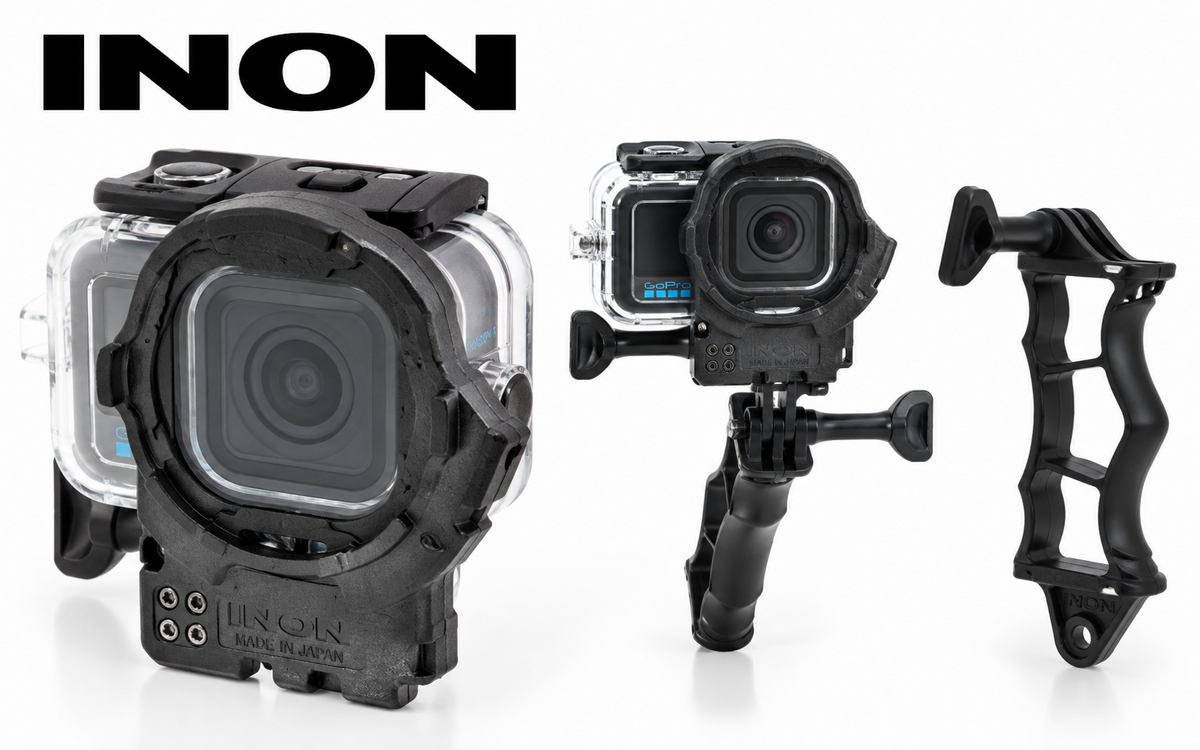 INON has released the new ZD Front Mask for MISSION 1, providing support for a range of INON ZD-mount wide-angle and close-up lenses when using the GoPro MISSION 1 with its official Protective Housing. INON Inc. has announced the release of the ZD Front Mask for MISSION 1 on September 18, 2026. The new front mask is designed specifically for the GoPro Protective Housing (MISSION 1 series) AGDIV-001. INON has also released the ZD Front Mask for MISSION 1 Grip Set, which combines the new front mask with the company's 4D Light Grip for use with an optional underwater light. ZD Front Mask for MISSION 1 ZD Front Mask for MISSION 1. Image: INON Inc. Attaching the ZD Front Mask provides an INON ZD Mount for compatible attachment lenses. The supported wide-angle lenses include the UFL-GR140 ZD, UFL-GR140 Pro ZD and compact UFL-G140 ZDunderwater semi-fisheye conversion lenses. INON states that the large-aperture optics of the UFL-GR140 ZD provide a wide, high-quality view across all wide-angle FOV settings of the GoPro MISSION 1. The Front Mask also supports three INON close-up lenses: the UCL-G165 II ZD, UCL-G100 ZD and UCL-G55 ZD. For the MISSION 1 and MISSION 1 PRO, INON specifies the following depth-of-field ranges: Lens Depth of Field UFL-GR140 ZD / UFL-GR140 Pro ZD 9 cm / 3.5 in to infinity UFL-G140 ZD 9 cm / 3.5 in to infinity UCL-G165 II ZD 10 cm / 3.9 in to 25 cm / 9.8 in UCL-G100 ZD 7 cm / 2.8 in to 12 cm / 4.7 in SpecificationsCompatible housing: GoPro Protective Housing (MISSION 1 series) AGDIV-001 Mount: INON ZD Mount Compatible lenses: UFL-GR140 ZD, UFL-GR140 Pro ZD, UFL-G140 ZD, UCL-G165 II ZD, UCL-G100 ZD and UCL-G55 ZD Dimensions: 82.0 × 98.0 × 52.5 mm (3.2 × 3.9 × 2.1 in), excluding handle Weight: Approx. 65 g (2.3 oz) in air / 26 g (0.9 oz) underwater Materials: PC, POM and other materials ZD Front Mask for MISSION 1 Release date: September 18, 2026 JAN/EAN: 4570018121418 ZD Front Mask for MISSION 1 Grip Set Release date: September 18, 2026 JAN/EAN: 4570018121425 INON notes that third-party housings are not supported. The company also advises users to consult its compatibility information regarding Front Mask and lens vignetting. INON notes that vigorous camera movement may cause the lens hood or Focus Stick to appear in the frame even with combinations identified as usable. ZD Front Mask for MISSION 1 Grip Set INON ZD Front Mask for MISSION 1 Grip Set ZD Front Mask for MISSION 1 Grip Set. Image: INON Inc. INON is also offering the ZD Front Mask for MISSION 1 Grip Set, which adds the 4D Light Grip and allows the MISSION 1 to be used with an optional underwater light. The standard ZD Front Mask includes a Male Adapter (GP), while the Grip Set includes the 4D Light Grip and Male Adapter (GP). 4D Light Grip INON 4D Light Grip. Image: INON Inc. The 4D Light Grip supports INON ZD Mount, GP and YS mounting systems. It measures approximately 135 mm (5.3 in) high × 28/19 mm (1.1/0.7 in) wide × 48 mm (1.9 in) deep and weighs approximately 60 g (2.1 oz) in air and 20 g (0.7 oz) underwater. A hand strap is included. JAN/EAN: 4570018121258 Installation VideoINON has also provided an installation video demonstrating how to install the ZD Front Mask for MISSION 1. Watch: How to install the ZD Front Mask for MISSION 1 FrontMask_Lens_Compatibility_MISSION1.pdf
 -
Welcome to WaterPixels! We are glad to have you.
-
-
Photos that you like during the month.. lock after the month is over, you can not unlike or like again. Photos that you have not liked can be liked no matter when they were uploaded. In theory you would clear your queue.. with passes and likes. Then as new photos are uploaded you would like or pass. the results would be newly added photos every month. But not to dismiss photos already uploaded you can like older ones
-
 WaterPixels has always been about community—sharing work, comparing notes on gear, and celebrating images that stop you mid-scroll. We’ve refreshed the home page to put those images, conversations, and shared knowledge at the centre. A home page built around the communityWe’ve made more room for what makes WaterPixels yours: Featured photographs from the monthly Showcase, with photographer credits and a full-image viewer Our partners and affiliates Latest articles, community conversations, and the Showcase mosaic Clear paths into the forums, gallery, marketplace, and ways to support the community We’ve also refreshed About, bringing together our story and the people who keep WaterPixels going: the team, partners, and supporting members. It’s the same WaterPixels, with more of the community on show. Members Showcase: how the monthly cycle worksAt the heart of home is something the community already does well: enjoy each other’s photographs and choose which ones deserve the spotlight. Here’s how to take part: Upload to ShowcaseEach calendar month, you can add up to five images to Showcase. Member albums stay personal and unlimited; Showcase is the shared monthly pool. Review ShowcaseOpen Member Showcase Review, browse the photographs, and like those you’d love to see featured. You can also pass and move on to the next image. Your likes determine the results. See the monthly placementsOn the 1st of each month, we tally the previous month’s Showcase likes to determine first, second, and third place. First place earns Members Choice and leads the home-page hero. Second and third place rotate through the same space, each with full photographer credit. The results come directly from members’ likes. A quieter month may have fewer placements, but every month is an opportunity to discover someone’s work and help it reach more people. Upload a few favorites, spend a little time browsing, and give the photographs you admire a like. Together, you decide which images welcome everyone to WaterPixels. Start here: Review Showcase Partners, affiliates, and community supportWe’re pleased to welcome OM System as our first affiliate partner, and we’re working to bring more affiliates and partners on board. The refreshed site also introduces more advertising opportunities for brands that want to reach and support the underwater imaging community. If you’re interested in a partnership or advertising placement, please get in touch. That support helps keep WaterPixels a free, worldwide home for underwater photography, video, gear discussions, travel, and the marketplace, with member images and conversations at its centre. What we’d love from youUpload a few Showcase images this month. Review and like photographs you’d love to see featured. Explore About and tell us what feels right—and what still needs polish. Support the community however you can: shop, donate, share your knowledge, or simply join a conversation. One passion. One community. Endless inspiration.
 -
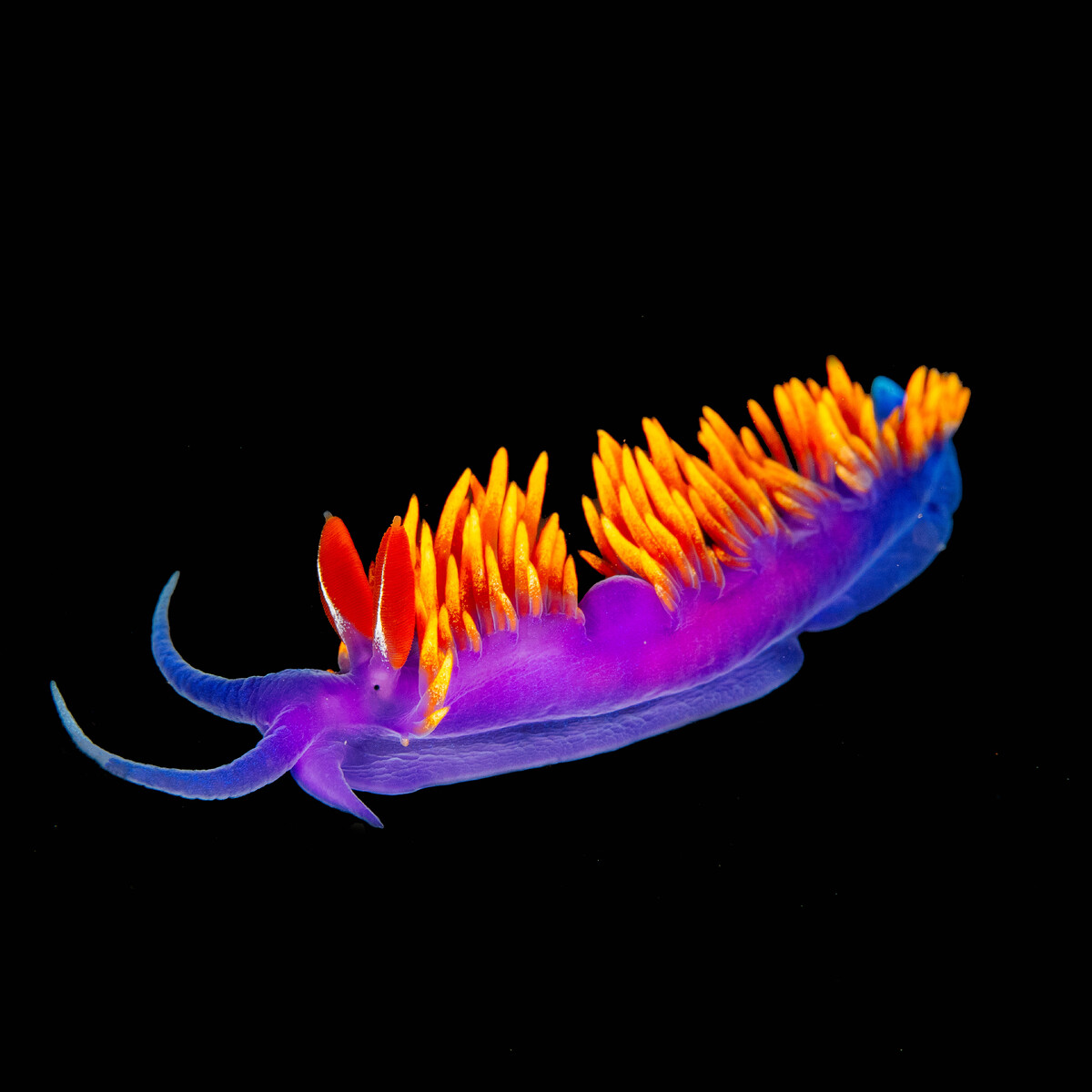 Members Choice is live — and we have our first podium. Each month, Showcase likes decide 1st, 2nd, and 3rd. First place is Members Choice. Counts lock on the 1st of the next month, so the race stays fair. Here are the winners for August 2026: 1st — Members Choice: bvanant · 6 Showcase likes 2nd: ACHiPo · 4 Showcase likes 3rd: Dave_Hicks · 4 Showcase likes Congratulations to all three. These placements came from Showcase likes that month — so if you were out there liking photos you enjoy, you helped pick the podium. See Members Choice Results — the full podium archive, including August and every month ahead. How it worksBrowse and like photos on Member Showcase Review. On the 1st, we count likes from the month before and place 1st, 2nd, and 3rd. Winners appear on the home page, Showcase, and the Members Choice Results archive. Ties are handled by the date & time of the like. Like what you love this month — the next Members Choice is already underway.
 -
WaterPixels is getting ready for Members Choice, and the new homepage will support it when we go live. (Forums will stay as is with no changes.) What’s coming Each month, community likes on Showcase photos will decide the top images. On the 1st of the month, we count likes from the month before and place 1st (Members Choice), 2nd, and 3rd. Those photos will be featured on the new homepage, and winners can receive award badges. Nobody picks winners by hand — the likes do. We’ll also introduce a Yearly Members Choice, based on Showcase likes across the full year. We’ll also roll out a new, easier way to like Showcase images (Member Showcase Review). Your existing likes are kept — current like history carries forward. Showcase rules (in place now) Up to 5 Showcase photos per calendar month (multi-file uploads use only the slots you have left). Delete frees a slot for that month. Deleting also removes that photo’s likes, so they won’t count toward Members Choice. You can’t replace the photo file on edit (caption/credit only). Need a different shot? Delete and upload a new one. Member Albums stay unlimited and do not get counted in Showcase. What to do now Keep uploading to Showcase within the monthly limit, and keep liking photos you want to see on the front page. When the new homepage and Review flow go live, Members Choice will use that same like activity — with winning photos featured on the homepage and badges for the placed shots. Likes will also feed toward Yearly Members Choice. More details will follow as we flip the switch. Questions welcome in this thread.
-
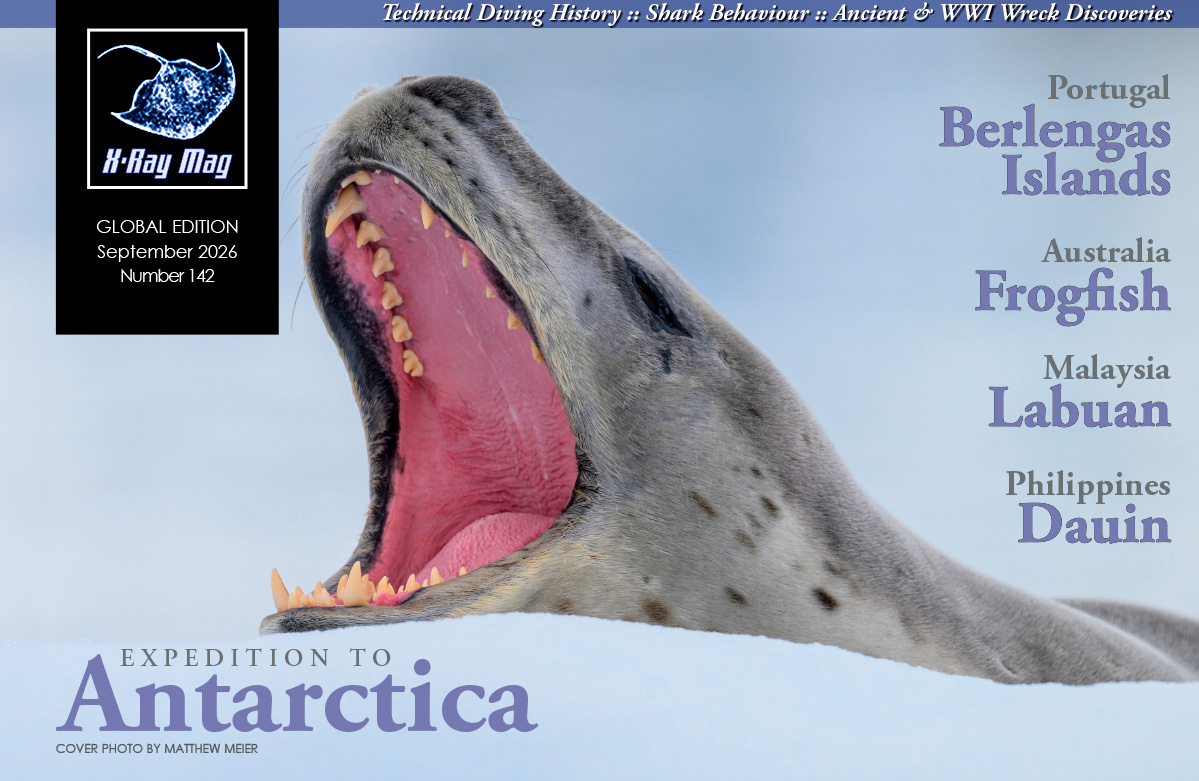 https://xray-mag.com/magazines/142 https://xray-mag.com/magazines/142 Sorry little late.