-
I have a different take. The 60mm setup is still compact, but adding the MFO-3 to the 105mm brings the total length to around 200mm. That's probably too long and heavy for some divers.
-
jyuny1 changed their profile photo
-
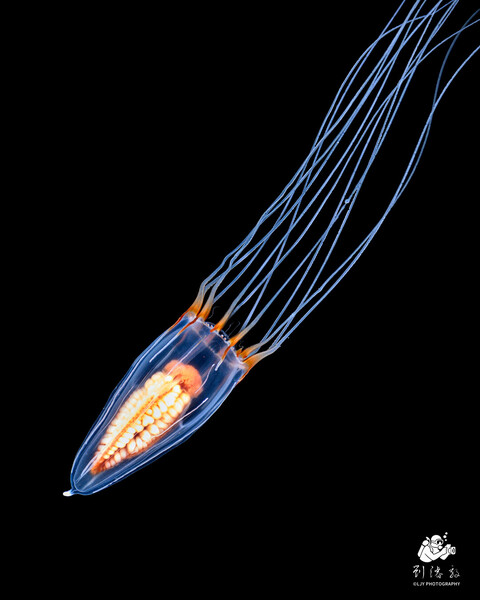 I finally came across this beautiful little critter during a blackwater dive off Kume Island, Japan. It has always been one of the special creatures on my blackwater wish list, so seeing it drifting through the darkness was a memorable moment. . NIKON Z8 with AFS 60mm MC and curved port Nauticam housing Retra ProMax
© LJY Photography
-
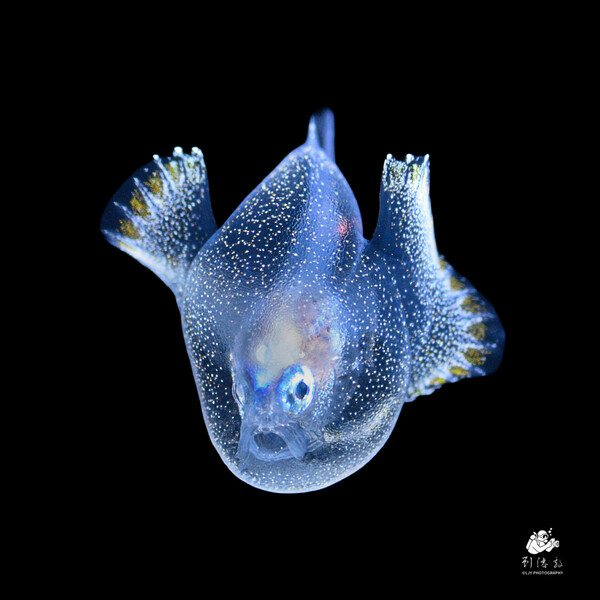 Photographed during a blackwater dive off Kume Island, Japan. I had never encountered one before, so watching this tiny anglerfish emerge from the darkness was something special. . NIKON Z8 with AFS 60mm MC and curved port Nauticam housing Retra ProMax
© LJY Photography
-
 I took this photo while diving off Taiwan’s northeast coast. This turtle is one of only two known to frequent the area, so we were incredibly lucky to encounter it during our dive. . NIKON Z8 with 8-15mm fisheye Nauticam housing Retra ProMax
© LJY Photography
-
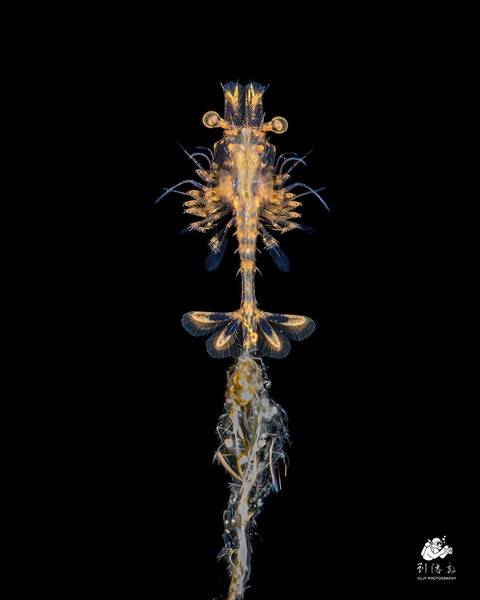 NIKON Z8 with AFS 105mm MC and MFO-3 Nauticam housing Retra ProMax
© LJY Photography
-
 I tried combining different techniques to create a different look and bring a fresh perspective to this underwater scene. . NIKON Z8 with AFS 60mm MC and curved port Nauticam housing Retra Pro Max
© LJY Photography
-
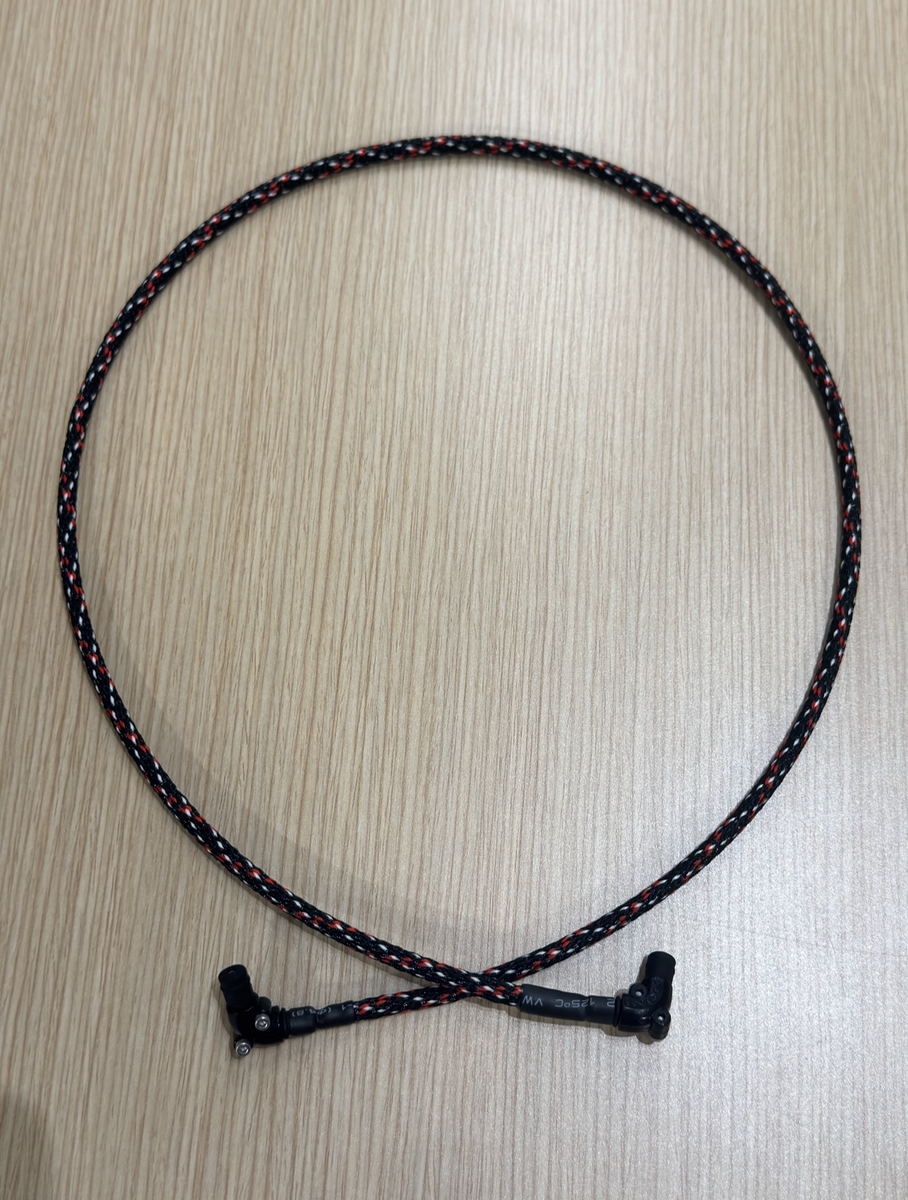
haha sure. It’s something like this
-
I recently build a customized fiber optical cable for myself. IMG_4902.mov
-
Just an update on my progress: I ultimately went with the UWTechnics 11032-HSS. I tested it today using the Retra profile (set to 7) with the Retra Pro Max, and M mode, TTL, and HSS all worked properly. I also did not encounter any black bands caused by flash-sync timing issues with the camera. Anyone having the same issue as me should consider upgrading to a better trigger.
-
Thanks Dave, I will take a look!
-
The PCB layout looks exactly the same as mine, but apparently my trigger still doesn’t work properly at 1/200s. I’m planning to get a UWTechnics 11032-HSS as a replacement trigger, and I’ll report back once I’ve had a chance to test it.
-
Hi Dave, Thanks for your reply. The black band always appears on the first shot. I also tested continuous shooting at 3 fps for about 10 frames at low strobe power. The first frame showed the black band, while the following frames were normal. When I started another sequence, the black band appeared again on the 11th frame. So it seems like the trigger may not actually be “learning” the pattern, but rather that something different happens on the first trigger after a pause. I only noticed this issue recently. I normally shoot at 1/200s when using a snoot, while for colored-background shots I usually use shutter speeds slower than 1/200s. I only came across this problem when I started experimenting with a new shooting style. And now I am looking for a better trigger
-
Hi everyone, I’m troubleshooting a repeatable sync issue with: Nikon Z8 Nauticam NA-Z8 Factory Nauticam optical trigger PCB marking: NA446-01-161-1-A / 2022-09 Retra Flash Pro Max in M mode At 1/160s, everything is normal. At 1/200s, the first shot can show a dark sync band, but the next shots are normal. For example, three consecutive NEF files at 1/200s, f/11, ISO 64: Shot 1: sync band Shot 2: normal Shot 3: normal The shots were about 0.8 seconds apart. I also did a few cross-tests: Replacing the Nauticam trigger batteries made no difference. The same Z8 + Nauticam trigger works normally at 1/200s with an MF-2(learning function disabled). The Retra Pro Max also works normally at 1/200s when triggered optically through the fiber by a Godox flash. So the issue seems specific to the Nauticam trigger + Retra combination, and the fact that only the first shot is affected makes me suspect some state-dependent trigger timing behavior. I previously had another compatibility issue with this same Nauticam trigger and an MF-2, where the MF-2 learning behavior interfered with Manual triggering. I also found the previous WaterPixels discussion mentioning a modified Nauticam trigger with PreFlash Learning disabled. Has anyone seen similar first-shot behavior with the Z8 / Nauticam trigger? And if anyone has the modified “PreFlash Learning disabled” trigger, could you check the PCB revision and see whether it is also NA446-01-161-1-A or a different version? Thanks.
-
-