



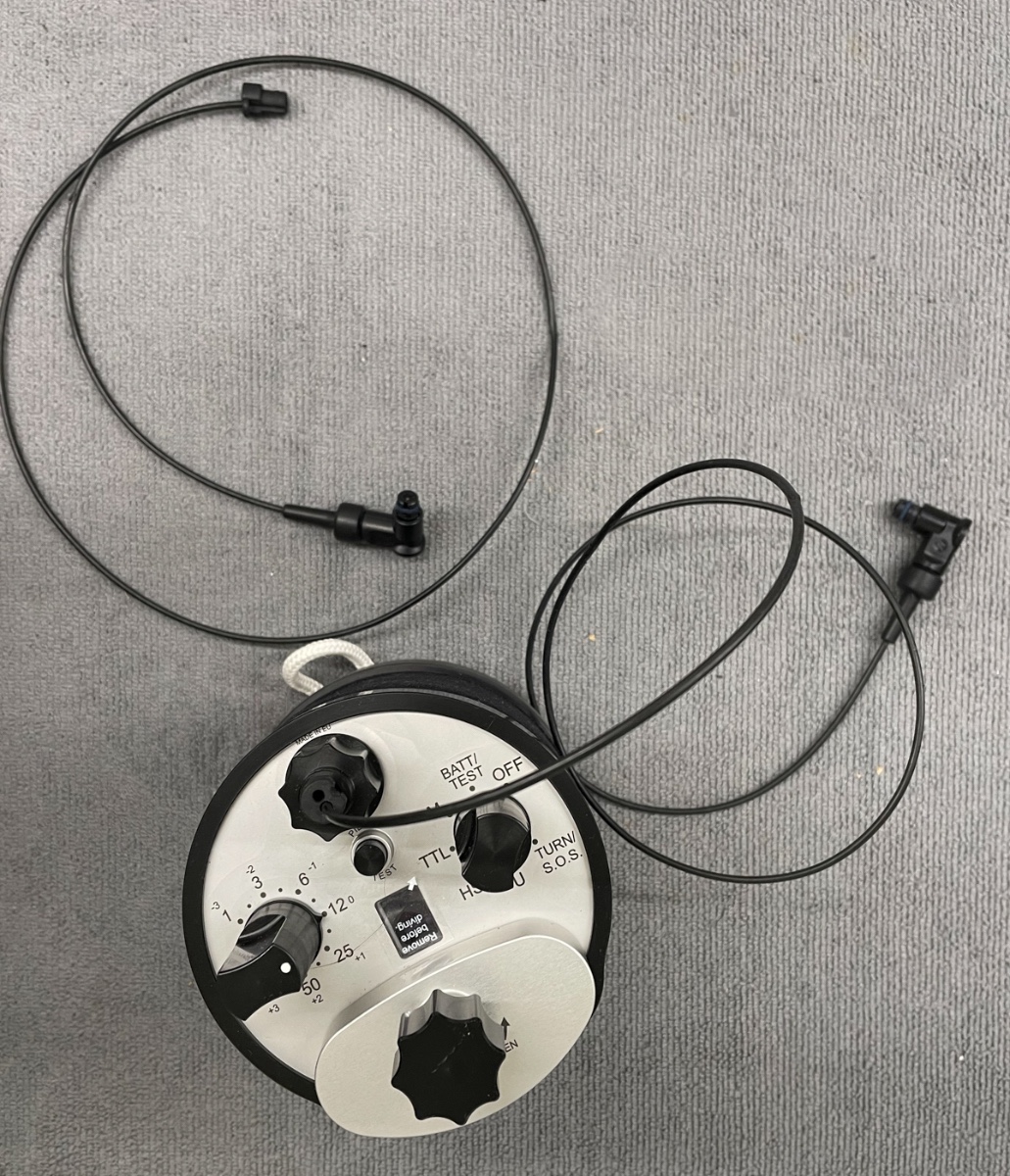

DIY Fibre Optic cables
Like most members, when I bought my first system that used fibre optic cables, I paid for the ones that the dealers sell.
Reading various articles about fibre optics, I realised later that they were relatively easy to make and that DIY cables could cost a fraction of shop-bought. I gave it a go.
I thought it worth a write-up here on Waterpixels. And yes, they are really easy to make and are cheap.
The Cable
The best fibre I have found for strobe cables is called 613-core Fused Multi-core Simplex Cable, Polyethylene Jacket- MCQ-1000. Bit of a mouthful!
A meter will cost about $7.50 and that should make at least two cables. A couple of years ago we coordinated an order between a group of forum members and bought 86 metres (!) from Industrial Fiber Optics in Tempe, Arizona. It was a bit of a shock when it arrived on a huge cable drum!
Cutting
The 613-core fibre is easy to cut using a sharp, box cutter-style blade (a Stanley knife to we Brits). Don’t be tempted (as I did to start with) to use a pair of scissors as that is likely to result in not quite a clean 90-degree angle. Although this will probably work fine for Manual initiation, TTL needs more accuracy and a scissor-cut can impact on the cable’s transmission quality for TTL purposes.
You can buy purpose-built fibre optic cable cutters but unless you are going into mass production, they are not really necessary.
Curling
If you really insist on having curly cables, cut to length and then curl the cable on a pencil and dip in hot water for a while. I found though that my shop-bought curly ones were a pain and lead to strained and tugged cables. Go with straight and feed them through the strobe arms.
Fittings
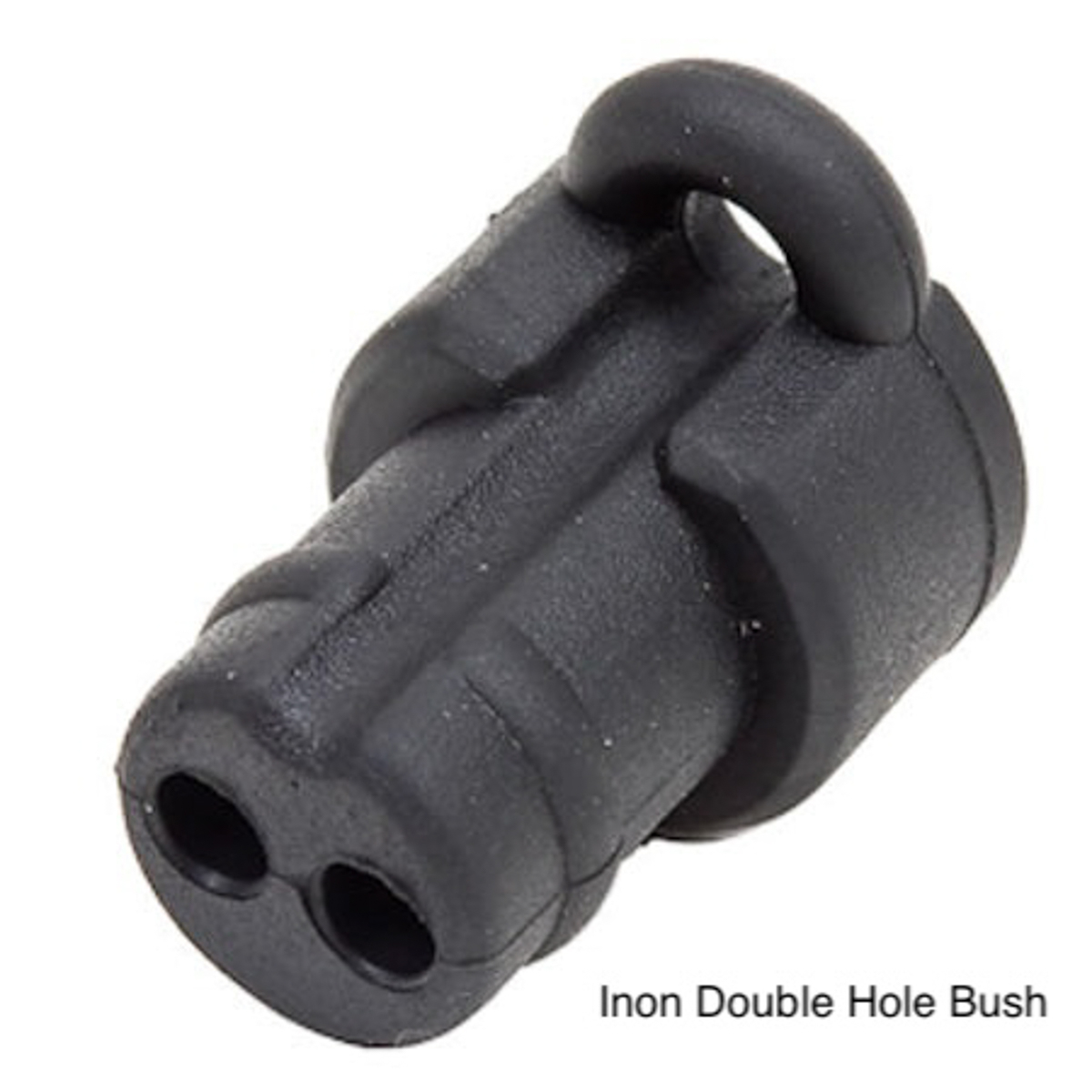
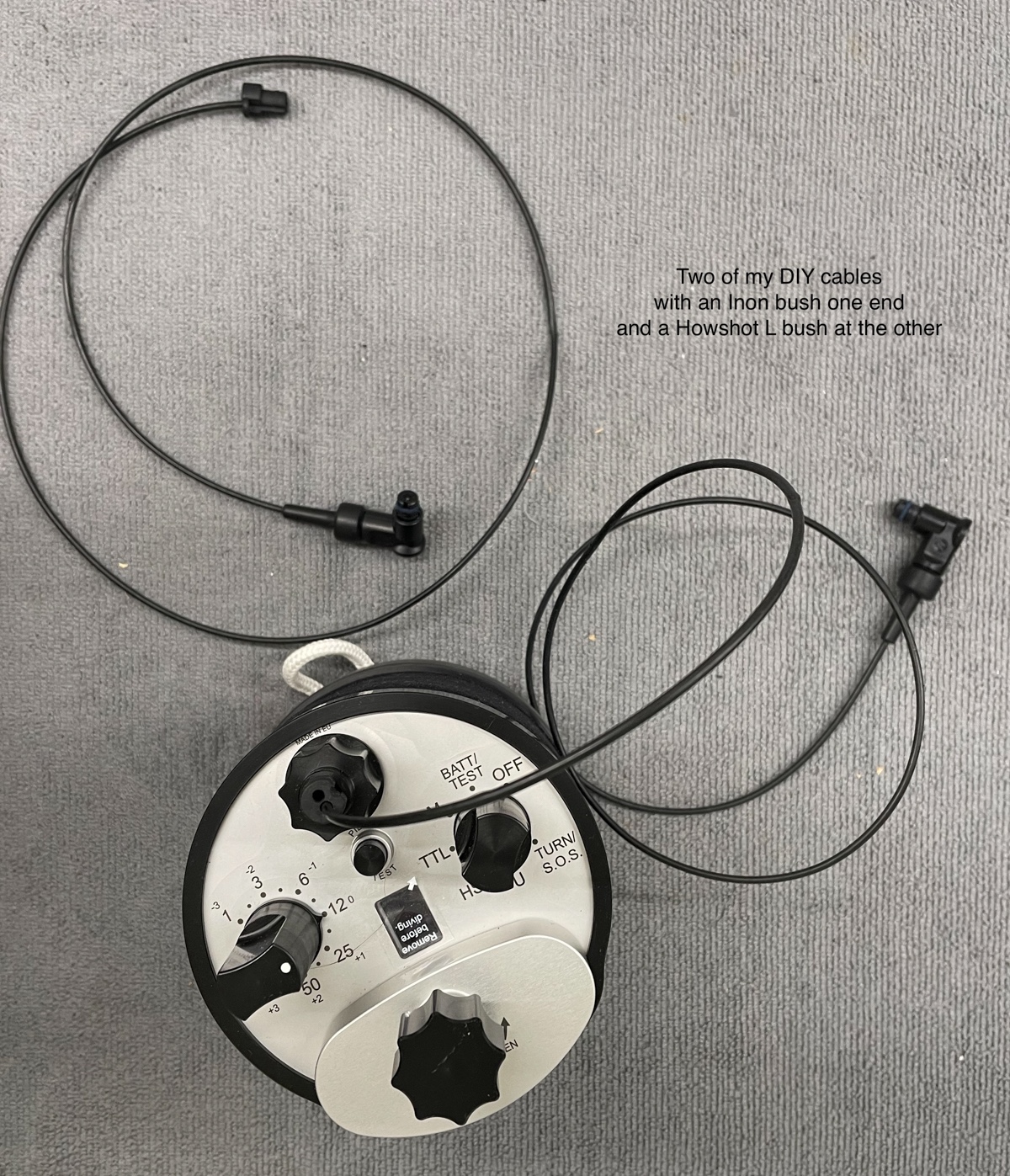
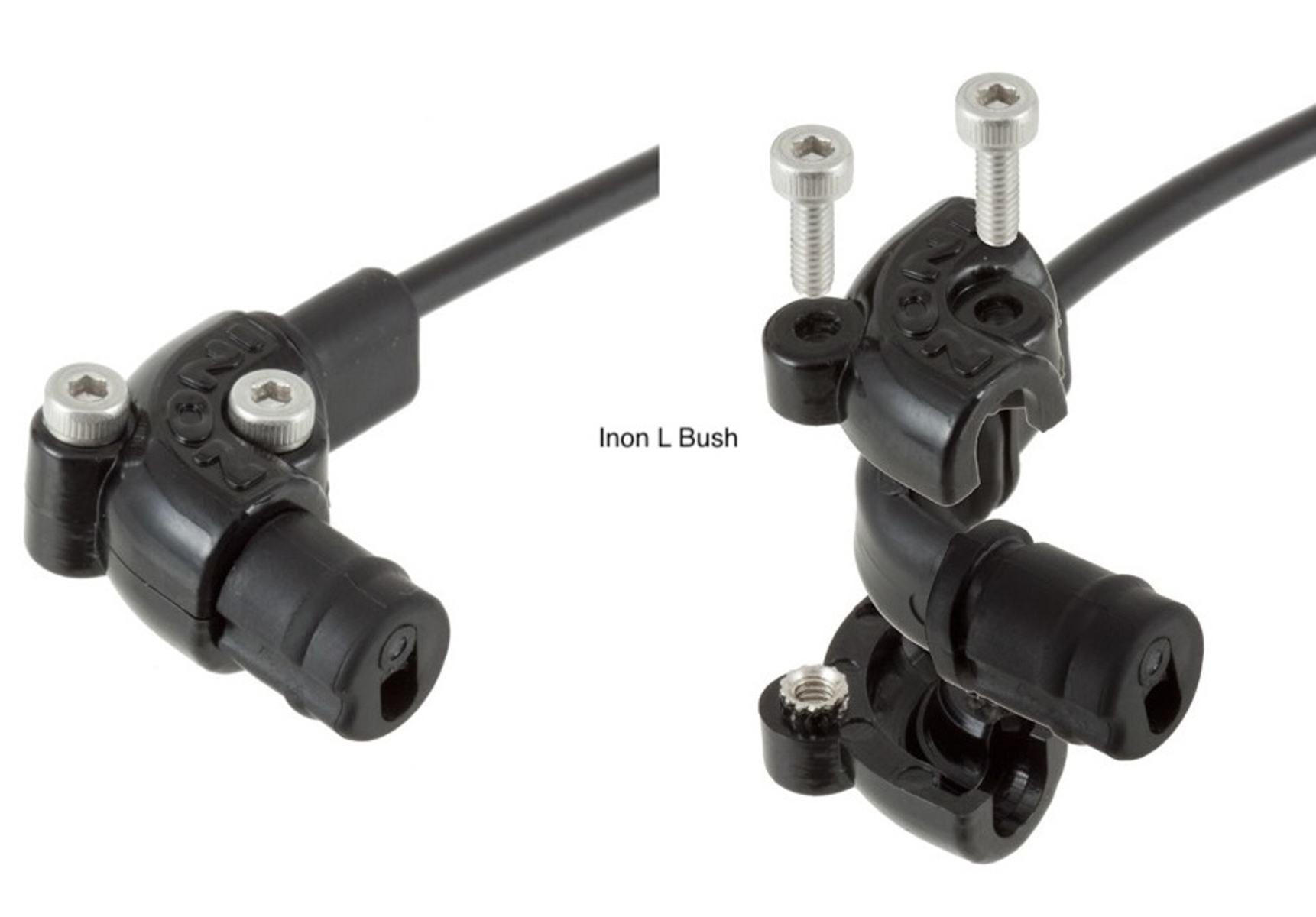
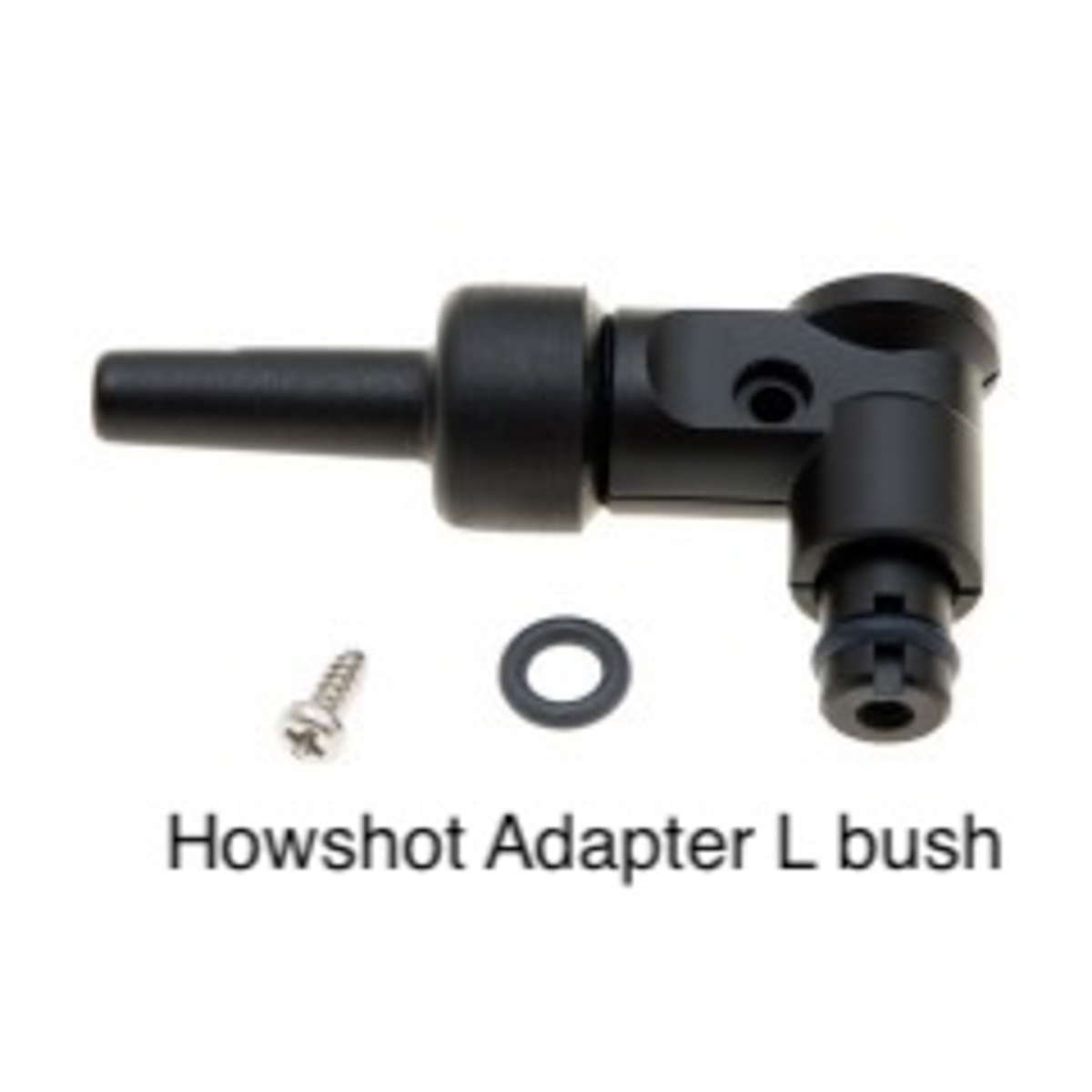
Various plugs (or “bushes”) are available for either or both ends of the cable. Inon make a double hole plug - available from Divervision for $1.95. Howshot make an “Adapter L bush” for the massive cost of $3.95. I use an Inon plug at the strobe end and a Howshot at the housing end.
None of these fittings need any complicated assembly, glue, heat, soldering or magic. Simply push the cable into a hole. In the case of the Howshots, poke, bend and tighten a screw. Truly not rocket science.
In conclusion
I made a bunch of cables, they have done hundreds of dives and work like a charm.
One of the really neat things about DIY cables is that you can have any length you want - including creating an extra long one for off-housing work. If by chance they break, just recut at the break - or just cut a new one.
The cost of a complete cable, less than $10. The sense of achievement, priceless.
Give it a go!
-
 6
6
-
 1
1

Recommended Comments