Skip to content

Photography Gear and Technique / Archived topic

Nauticam WACP-C

Started by dreifish ·

  • 249Posts
  • 249Replies

Read-only discussion

Nauticam WACP-C

249 posts
  1. On 8/17/2022 at 9:55 AM, Glasshouse said:

    I'll check with Nauticam to see if we can get some clarity. The reason I wanted to check is that the 24-70 F4 is listed and this is a slightly bulkier lens (72mm filter thread). Im hoping it has just not been added yet as it hasn't been tested. I definitely like the idea of having a lighter cheaper version that sits between WWL and WACP-1.

    Were you able to get any clarification from Nauticam?

  2. 4 hours ago, Nicool said:

    The hubble would be hard to travel with, and might not focus close enough.


    This is a very exciting announcement!! I have contemplated the WACP-1 for a while but found it too heavy/big.

    The ability for Sony's full frames to use the WWL1 "instead" (though image quality wouldn't be as good, as Alex pointed) makes me consider a move away from Nikon to Sony... Gives me confusing dreams...

    So a mini-WACP-1 sounds great, except it doesn't seem suited to Nikon FX DSLRs (whereas the Canon DSLR people can use their 28-70 and enjoy the full 130-59 degrees range).  

    I am hoping Nauticam might do more testing and find a Nikon FX lens that can make give access to a 130-50 degrees range at least, then this would an attractive option for my D810 :good:

    The Nikon DX 18-55mm looks to work well though, and it has VR, a great option for a Nikon DX DSLR... so perhaps my D500 would get a new toy... 

    But I think I would get more bang for my bucks, image quality-wise, by using an expensive wet lens on the D810 than D500.


    Anyways, great that Nauticam keeps releasing new wet lenses!

    Well there's someone posted just recently who is going to try an adapted Sony 28-60 behind a WWL on a Nikon Z camera. 

    It appears the Nikon lens that gives full range with the WACP-1 needs to be zoomed in to work with the WACP so losing field of view - this does appear rather odd as other 28mm lenses will give a full field without any problem. 

    The Nikon 28-70 lens extends about 20mm or so at the widest end,  so possibly it is hitting the back of the WACP , so maybe a 10mm extension tube would allow you to get wider?  It would be worth asking as this is what appears to be the problem.  See here:

    https://www.opticallimits.com/nikon--nikkor-aps-c-lens-tests/240-nikkor-af-28-70mm-f35-45d-review--test-report


  3. Still on the fence for this lens. Its "cheaper" than the others. But why should we use this one if we can use a dome port or a even more cheaper wetlens instead?
    I'll wait for some samples but the distortion seems to be on the high end, so I might get a domeport instead. It also said no focus on air, so I can asume no split pictures are possible?

  4. Still on the fence for this lens. Its "cheaper" than the others. But why should we use this one if we can use a dome port or a even more cheaper wetlens instead?

    I'll wait for some samples but the distortion seems to be on the high end, so I might get a domeport instead. It also said no focus on air, so I can asume no split pictures are possible?

    There are no zoom fisheye for full frame cameras.

    So you are stuck with a rectilinear lens that has edge issues and gets you to 120 degrees or you can invest in WACP-1 or WACP-C and in some cases WWL-1 or WWL-C

    All those lenses have a 0.36x magnification and are not rectilinear they are not a replacement to a rectilinear lens despite the statements about edges because they are distorted

    The alternative to a rectilinear lens for a full frame user is the WACP-2 which has a magnification of 0.57x and is less distorted. Can you use it for split shots? No because is super heavy

    Nauticam has done a great job to offer options for all formats with water contact optics that all deliver great quality however none of them is a one stop shop unless you shoot video.

    You still need a fisheye lens and if you want straight lines a rectilinear lens with a dome

    Cropped sensor users have options for zoom fisheye so none of those optics are unique and the edge benefit is also reduced


    Sent from my iPhone using Tapatalk

  5. 7 hours ago, Nicool said:

    The hubble would be hard to travel with, and might not focus close enough.


    This is a very exciting announcement!! I have contemplated the WACP-1 for a while but found it too heavy/big.

    The ability for Sony's full frames to use the WWL1 "instead" (though image quality wouldn't be as good, as Alex pointed) makes me consider a move away from Nikon to Sony... Gives me confusing dreams...

    So a mini-WACP-1 sounds great, except it doesn't seem suited to Nikon FX DSLRs (whereas the Canon DSLR people can use their 28-70 and enjoy the full 130-59 degrees range).  

    I am hoping Nauticam might do more testing and find a Nikon FX lens that can make give access to a 130-50 degrees range at least, then this would an attractive option for my D810 :good:

    The Nikon DX 18-55mm looks to work well though, and it has VR, a great option for a Nikon DX DSLR... so perhaps my D500 would get a new toy... 

    But I think I would get more bang for my bucks, image quality-wise, by using an expensive wet lens on the D810 than D500.


    Anyways, great that Nauticam keeps releasing new wet lenses!

    I shoot the Nikon 28-70 on my D850 w/the WACP-1... I initially had serious doubts about the lens as well...

    Other than the slightly less converted FOV (not quite as wide as you might want), the lens/wet lens combo is really (really) good. Easily better than any dome port you might use w/a rectilinear lens on a FF Nikon.

    I'm definitely interested, given the slightly better travel size.

  6. 46 minutes ago, Interceptor121 said:

    ...

    All those lenses have a 0.36x magnification and are not rectilinear they are not a replacement to a rectilinear lens despite the statements about edges because they are distorted

    ...

    You still need a fisheye lens and if you want straight lines a rectilinear lens with a dome

    In this case I will blame Nauticams Marketing team to say things like "captures images with minimal distortion". I know "minimal" is a broad term but for people like me, I would think this one comes close to a rectilinear lens as it gets. But good to know that these are the optical limits. It's still a shame that we don't have in deepth reviews because nobody got time or money for this. But this is the price of this small and expansive hobby I think. 
     

    Thanks to clarify this point @Interceptor121.

    Edited by JYk
  7. 6 minutes ago, JYk said:

    In this case I will blame Nauticams Marketing team to say things like "captures images with minimal distortion". I know "minimal" is a broad term but for people like me, I would think this one comes close to a rectilinear lens as it gets. But good to know that these are the optical limits. It's still a shame that we don't have in deepth reviews because nobody got time or money for this. But this is the price of this small and expansive hobby I think. 
     

    Thanks to clarify this point @Interceptor121.

    This is an old article I wrote with regards to the WWL-1. Nobody had taken the time to shoot a few straight lines at close range so I did it

    https://interceptor121.com/2019/05/12/nauticam-wwl-1the-best-wide-angle-lens-for-underwater-video-on-the-gh5-and-other-micro-four-thirds/

    This optic has the same 0.36x magnification of all the others. As you can see as you zoom the distortion drops however this is happens with any fisheye zoom

    My point is that I do not see how another lens can achieve 0.36x and be more rectilinear so my assumption is that it is not.

    Looking at underwater images of reefs is not a way to evaluate if a lens is straight or not and neither are far shots of a pool.

    When you look at the port charts I think it is evident that the WACP-2 is an alternative to a 250mm dome for all formats however the argument that this is a lighter solution does not stand as the wet optics is similar size and much heavier on land to carry around.

    For what concerns the WACP-1 or WWL-1 on APSC and MFT they accomplish something you can already do with other fixed optics again what is the quality benefit to a fisheye zoom it remains to be seen. My images with the canon 8-15mm are sharper than the WWL-1 for example

    So at the end of the day the WACP range fills a gap in the full frame world that does not have a zoom fisheye and potentially also improves your rectilinear shots with a semi-rectilinear lens WACP-2 but this is about ultimate quality

    If I was a full frame user that had to step from a fisheye all the way to a rectilinear lens there is no doubt that this WACP-C is a great addition that fills a gap however as a cropped sensor user there is limited benefit to this as I already have choice of zoom fisheye and wet lenses that cover the same focal range at decent quality.

    I am on MFT my rectilinear shots are more than adequate to what I need and I use a 180mm dome which is not small but is 1.34 kg I can still pull the lens if I need to take a split shot. Am I bothered about the extreme edges? Not really

    ras-katy-tip-20220805.jpg


    steering-wheel-truck-20220803.jpg

    The question is if I had decided to make a jump to full frame to get the best quality then I would also subscribe to the WACP line because the alternatives are not as good. The WACP-C offers a good compromise here as the rectilinear choices are not as wide however it is not a substitute to a rectilinear lens as it just is not straight. In addition this lens is compatible with many more mirrorless cameras that so far were not supported. I instead entirely not convinced that any of the WACP are really a strong proposition for cropped sensors


  8. 31 minutes ago, Draq said:

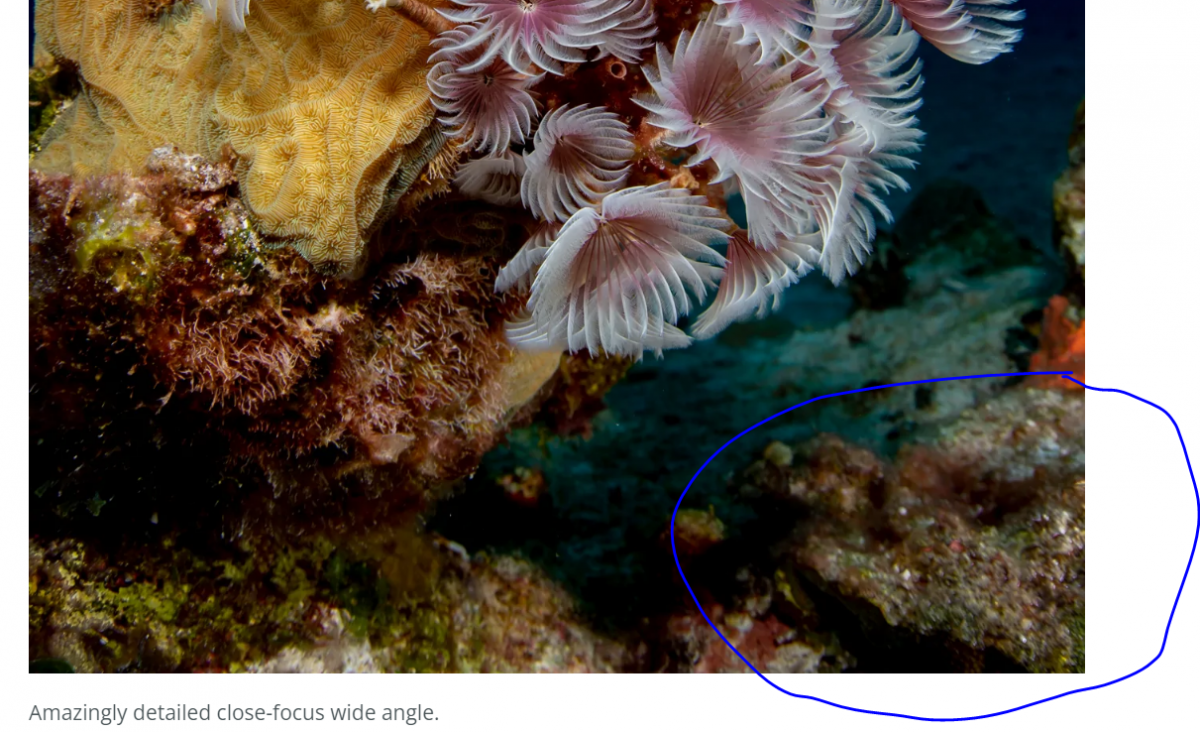
    The actual close up examples are less sharp than my Panasonic 8-18mm with dome port in the edges. WACPClose.thumb.PNG.55e1a6f6ff32bc70e157d5a8ef7e9ccd.PNG

    Compare the third shot from the bottom which is the only one where the corners are not dark


    With this shot on a rectilinear lens on my GH5M2 at f/8 with Nauticam 180mm dome port the image is not cropped

    wrapping-cloth-20220802.jpg

    Edited by Interceptor121
  9. I guess we need the aperture data to make any kind of meaningful comparison?

    CFWA is also by definition tougher in DOF terms. As everything is much closer to the camera. 

    I also don't think it is useful to compare wet lenses like WWL with WACP. They are different beasts entirely. 

  10. Anyone who is considering buying one of Nauticam's outstanding wet wide optics should really download Alex Mustard's review issue #99, Nov/Dec 2017 in Underwater Photography Magazine, UWPMAG.com. This is a free PDF download and it goes into great detail as to why these wet lenses outperform rectilinear lenses behind dome ports. It also explains why you can shoot at lower F/numbers and retain the same corner sharpness as a wide lens behind a dome at higher F/numbers.

    When I was given a prototype of the WWL-1 in 2015 to test with the Panasonic 14-42mm power zoom the first thing that came to mind is how can this "kit" lens possibly outperform a quality wide angle behind a large dome port. 

    If you check the charts in Alex review it will be explained. 

    From the many posts I have read on Wetpixel and elsewhere it is clear to me that I am not the only one who has had a hard time wrapping there head around this issue of so called "kit" lenses outperforming "pro" quality lenses behind ports. It is in fact an issue for several Nikon Z owners who find the only option for full zoom through on the Z-full frame with the WACP-1 and WACP-C is a Sony FE 28-70mm "kit" lens. 

    Another issue I see raised all of the time is that the wet wide lenses in some way distorts nearly as much as a fisheye lens which I am not seeing with the lenses I have tested. If interested you can checkout my UWPMAG.com reviews of for WWL-1back issue #114 mainly using the Sony FE 28mm F/2 and back issue #120 with the WWL-1B mainly using the Sony FE 28-60mm.

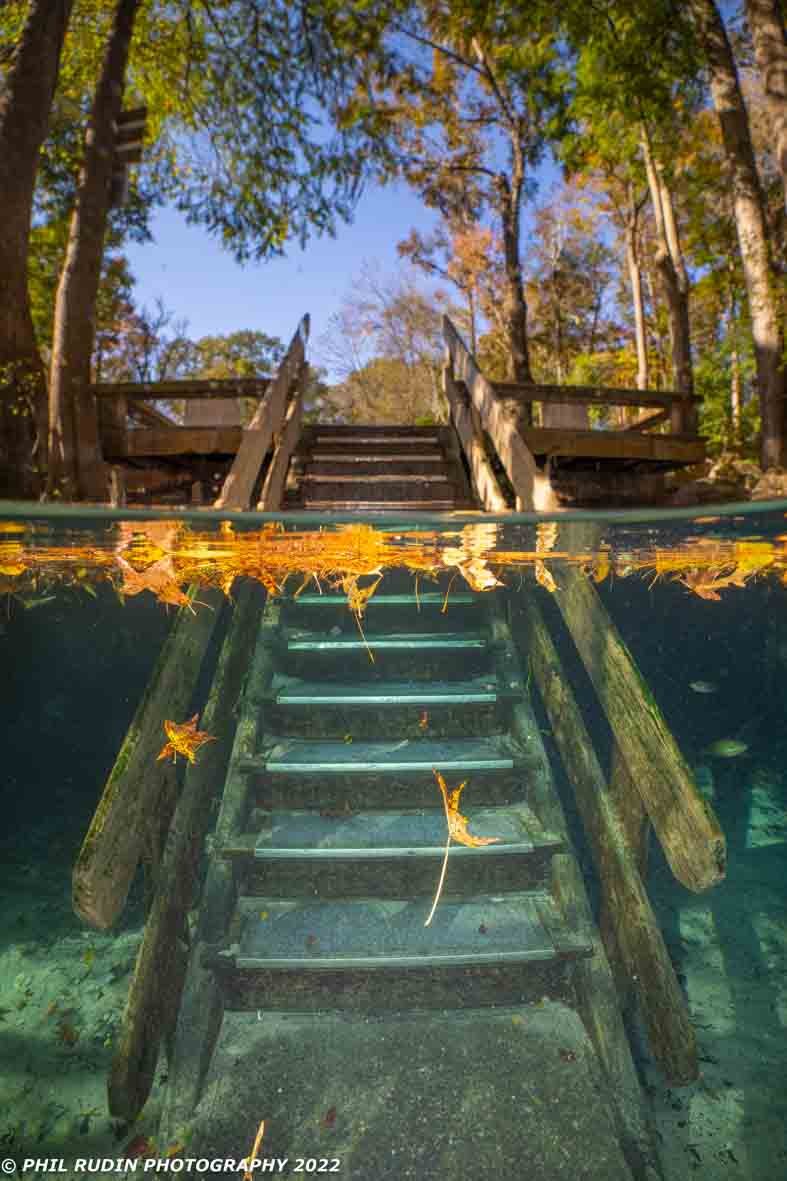
    This first image is full frame WACP-1 with the Sony FE 28-60mm at 28mm and F/10, looks pretty rectilinear to me.

    The second with the pan fish is WWL-1 with the 28-60mm at 28mm and F/10, also looks rectilinear.

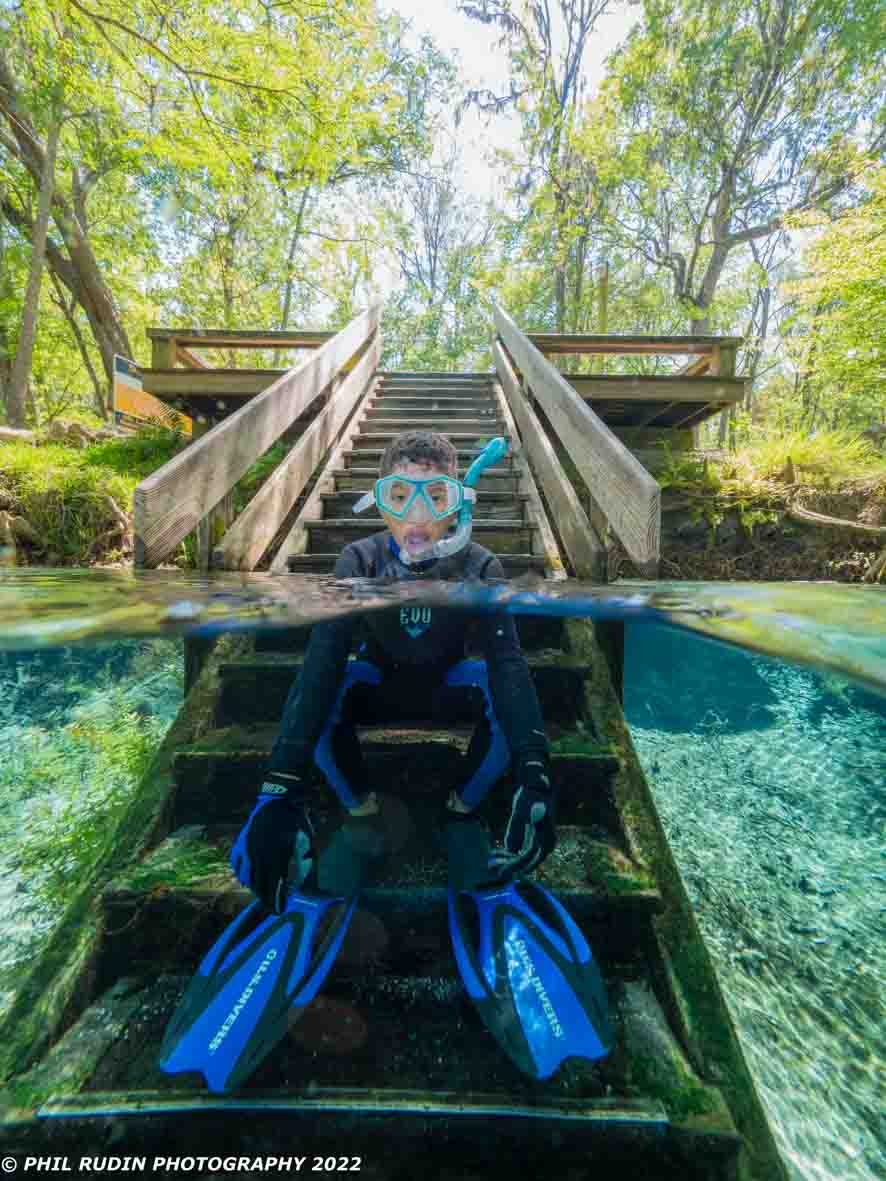
    The first split shot is WACP-2 with the Tamron 17-28mm at 17mm and F/8, as Alex mentioned above at F/8 you have the same out of focus background as with a lens behind a dome. Above on Sony FF cameras 

    Second split is the Olympus 7-14mm behind a dome at 7MM at F/6.3 Olympus EM-1 II.

    Third split is Nikon Z-6 with 8-15mm at 15mm and F/13, what you see here is the clear difference when shooting fisheye with the bending if lines both in the foreground and the trees as you get towards the edges of the frame. 


    untitled-01199.jpg

    untitled-01050.jpg

    untitled-02908.jpg

    untitled-3220164.jpg

    untitled-0477.jpg

  11. 121:

    I understand that you have adjudged the WACP-C useless on a cropped sensor camera.  I am not able to take a position on merits of the WACP-C nor am I trying to defend or promote the product (or the -1), although I am skeptical about your conclusion.  I am just trying to learn and evaluate as I might want to buy one if it offers enough value to me.  The problem is, I am having a hard time fitting your assessments of the worth of a WACP-C on a cropped sensor camera into my information-gathering process.

    You have shot a WWL on a micro four thirds camera and felt it was inferior to your 8-18 in a 180 dome.  Fair enough.  You have presumably used both and have a basis for your opinion.  As I understand it you have never owned a crop sensor or full sensor dive camera rig and have never used a WACP.  Yet, you have very strong opinions about its value and usefulness, at least on a camera like the D500.  As far as I know, only Alex Mustard has actually used one of these optics at this point in time.  If I am correct that you never used the optic or one similar (except to the limited extent the WWL wet lens is similar) and have never used a crop sensor camera, how can you state such concrete opinions?

    Your ultimate conclusions may be right, or wrong; I don’t know, as I have never used any WACP.  But I have used and owned M43 cameras and the same lenses and dome ports you have, and used the a WWL with M43 and in fact still own that stuff.  That experience allows me to form opinions about their worth to me, and compare M43 tstuff o a D500, as that is what I use now, but I do not feel my M43 and WWL experience gives me a sufficient basis to judge the merits of a WACP used with my D500. 

    You also seem to place great value on the ability to shoot truly straight lines, and perhaps your area of interest is wrecks or pilings or something.  In my diving, straight lines are few and, in a situation where that was important, I would likely not use a fisheye or a WACP.  Purchasing a WACP would not mean selling my dome port and rectilinear zooms, at least not necessarily so.  For many, straight lines are only occasionally important, even if “less” fisheye distortion may be desired at other times.

    If the WACP-C offers me performance matching what I could get from 16-35 or 17-70 in a big dome (on a crop sensor), or at least superior to what I would get in a 170 or 180, then it is appealing.  I simply can't manage a 230mm dome.  It could then be that general purpose " I don't know where we are diving today or what the conditions will be like" lens that I often wish for on recreational dive boats in unfamiliar locations.  ("Well the reef scenes are murky, the close focus options are few, but those sharks are interesting").  If it would not better those other lenses in mid-size domes, then yes, it is of little value to me.

     I doubt anyone can answer those questions based on knowledge / experience at this point, or perhaps ever.  I may need to test and decide for myself.  But in the meantime, "my lens is better than yours" arguments don't really add much.

     

  12. The original tests done by Nauticam compared the M43 7-14mm with a 180mm Nauticam dome against the WWL-1 using a M43 14 to 42mm "kit" lens. The result was a gaping difference in lines of resolution in favor of WWL-1 at 130 degrees and the 7-14 which is 114 degrees. The same result was observed using the WACP-1 130 degrees against the Nikon 14-24 114 degrees and Canon 11-24 126 degrees both using 230mm ports. While I am sure images taken in the field may very a bit the science here does not lie and 121's Panasonic 8-18mm would be as bad or worse in these same tests. 

    Again these tests from Nauticam are all shown in the article by Alex in back issue #99 at UWPMAG.com. This is a free PDF download that everyone WACP-curious should read.

    WWL-1 and WACP-1 work across format sizes from M43 to 35mm full frame. It would stand to reason that WACP-C would also work well on all formats given they are used with the recommended lenses. More format sizes from compact to video are also covered by some lenses. 

  13. 47 minutes ago, Phil Rudin said:


    Again these tests from Nauticam are all shown in the article by Alex in back issue #99 at UWPMAG.com. This is a free PDF download that everyone WACP-curious should read.


    I am curious to see similar graphs on the EMWL lenses. Any out there?

  14. The original tests done by Nauticam compared the M43 7-14mm with a 180mm Nauticam dome against the WWL-1 using a M43 14 to 42mm "kit" lens. The result was a gaping difference in lines of resolution in favor of WWL-1 at 130 degrees and the 7-14 which is 114 degrees. The same result was observed using the WACP-1 130 degrees against the Nikon 14-24 114 degrees and Canon 11-24 126 degrees both using 230mm ports. While I am sure images taken in the field may very a bit the science here does not lie and 121's Panasonic 8-18mm would be as bad or worse in these same tests.  Again these tests from Nauticam are all shown in the article by Alex in back issue #99 at UWPMAG.com. This is a free PDF download that everyone WACP-curious should read. WWL-1 and WACP-1 work across format sizes from M43 to 35mm full frame. It would stand to reason that WACP-C would also work well on all formats given they are used with the recommended lenses. More format sizes from compact to video are also covered by some lenses. 


    The 7-14mm performance is not good as the dome is too small to contain the field of view of the lens Majority of the images I have seen with that lens are in my opinion unacceptable my combination is way better in any shooting conditions and I would not recommend the 7-14mm to anyone in the 180mm dome

    As far as the example you can see it yourself there no need to guess it is sharp period

    A comparison should be drawn on edge sharpness only if the image is straight

    None of the water contact optics are rectilinear so the comparison with a rectilinear lens doesn’t hold

    You can obtain 130 degrees from a canon 8-15mm on cropped sensor that would be a more meaningful comparison as the lens and port costs more or less the same of the wacp compact

    It is obvious that a fisheye lens with 180 degrees will have more distortion however a zoom fisheye on cropped at same 130

    Degrees much less

    An optic with 0.36x magnification will not be rectilinear someone should go and shoot a grid not take images like the examples posted which by the way show distortion

    If you have the lens you can do that in your bathtub otherwise the claim that a lens has more or leas distortion have no basis


     Finally I am on favour of any water contact optics but I am not impressed by the marketing and the comparison with rectilinear lenses as none of those solution are rectilinear


    Sent from my iPhone using Tapatalk

  15. 7 hours ago, Interceptor121 said:

    The actual close up examples are less sharp than my Panasonic 8-18mm with dome port in the edges. WACPClose.thumb.PNG.55e1a6f6ff32bc70e157d5a8ef7e9ccd.PNG


    To be fair this is possibly a depth of field issue, and as Adam says we don't know the aperture.  You can see if you look at the whole image that the background is out of focus as is the rear part of the yellow sponge and the tentacles at top of frame are are also on the edge of the depth of field.

    If you look at this link you can see the corners look reasonable and not a great deal different to the rocks texture across the frame, I lifted a direct link from the page so you can see a full size image:

    https://cdn.shopify.com/s/files/1/2599/6382/files/SOC-2656340_2048x2048.jpg?v=1579543265

    It's displayed as a link so you can open it in a new tab and see it full size.

    This is a problem with reef images, the 3D arrangement is usually not apparent so you can't really tell if the corners and the subject are at the same distance.

  16. 23 hours ago, Ryanrod said:

    Were you able to get any clarification from Nauticam?

    I had a chat and was told that the 28-75 had indeed been tested and didn't make the cut with the WACP-C.

    We were not able to determine if this was due to it physically not fitting or optically not making the grade - either way the answer was pretty definitive. WACP-1 is the recommendation for that particular lens.

  17. It says Canon 18-55mm has a range of 130-46 degrees. Would this be the lens of choose if you want the most zoom range.

  18. 37 minutes ago, Glasshouse said:

    I had a chat and was told that the 28-75 had indeed been tested and didn't make the cut with the WACP-C.

    We were not able to determine if this was due to it physically not fitting or optically not making the grade - either way the answer was pretty definitive. WACP-1 is the recommendation for that particular lens.

    Thank you for the answer

  19. 10 hours ago, Draq said:

    121:

    I understand that you have adjudged the WACP-C useless on a cropped sensor camera.  I am not able to take a position on merits of the WACP-C nor am I trying to defend or promote the product (or the -1), although I am skeptical about your conclusion.  I am just trying to learn and evaluate as I might want to buy one if it offers enough value to me.  The problem is, I am having a hard time fitting your assessments of the worth of a WACP-C on a cropped sensor camera into my information-gathering process.


    You have shot a WWL on a micro four thirds camera and felt it was inferior to your 8-18 in a 180 dome.  Fair enough.  You have presumably used both and have a basis for your opinion.  As I understand it you have never owned a crop sensor or full sensor dive camera rig and have never used a WACP.  Yet, you have very strong opinions about its value and usefulness, at least on a camera like the D500.  As far as I know, only Alex Mustard has actually used one of these optics at this point in time.  If I am correct that you never used the optic or one similar (except to the limited extent the WWL wet lens is similar) and have never used a crop sensor camera, how can you state such concrete opinions?


    Your ultimate conclusions may be right, or wrong; I don’t know, as I have never used any WACP.  But I have used and owned M43 cameras and the same lenses and dome ports you have, and used the a WWL with M43 and in fact still own that stuff.  That experience allows me to form opinions about their worth to me, and compare M43 tstuff o a D500, as that is what I use now, but I do not feel my M43 and WWL experience gives me a sufficient basis to judge the merits of a WACP used with my D500. 


    You also seem to place great value on the ability to shoot truly straight lines, and perhaps your area of interest is wrecks or pilings or something.  In my diving, straight lines are few and, in a situation where that was important, I would likely not use a fisheye or a WACP.  Purchasing a WACP would not mean selling my dome port and rectilinear zooms, at least not necessarily so.  For many, straight lines are only occasionally important, even if “less” fisheye distortion may be desired at other times.


    If the WACP-C offers me performance matching what I could get from 16-35 or 17-70 in a big dome (on a crop sensor), or at least superior to what I would get in a 170 or 180, then it is appealing.  I simply can't manage a 230mm dome.  It could then be that general purpose " I don't know where we are diving today or what the conditions will be like" lens that I often wish for on recreational dive boats in unfamiliar locations.  ("Well the reef scenes are murky, the close focus options are few, but those sharks are interesting").  If it would not better those other lenses in mid-size domes, then yes, it is of little value to me.

     I doubt anyone can answer those questions based on knowledge / experience at this point, or perhaps ever.  I may need to test and decide for myself.  But in the meantime, "my lens is better than yours" arguments don't really add much.



    @Draq

    Well stated... to your statement "my lens is better than yours" - that's not really 121's point (but it does come across that way). There tends to be a lot of posturing and opinions thrown around on topics like this -ultimately it comes down to either hearing from experts or peers that have shot the combo you are thinking about, or have some level of indepth knowledge on how they may work.

    For me, I'm already committed to getting a WACP-C for my D850, which I will end up sharing with my daughter who shoots a Sony A7R4. Both are FF, so not a helpful comparison... I also have a D500, and may try that pairing as well (I often travel with both cameras & housings, limiting to 1 port to be shared between the two for w/a would be helpful).


Scuba.com

Account

Navigation

Search

Search

Configure browser push notifications

Chrome (Android)
  1. Tap the lock icon next to the address bar.
  2. Tap Permissions → Notifications.
  3. Adjust your preference.
Chrome (Desktop)
  1. Click the padlock icon in the address bar.
  2. Select Site settings.
  3. Find Notifications and adjust your preference.